

1 Gram Jars
Find Marijuana Packaging solutions for every product and every stage of your business. Our selection includes stock and custom packaging designed to protect your products, meet cannabis compliance requirements, and showcase your brand.
Filters
5 products

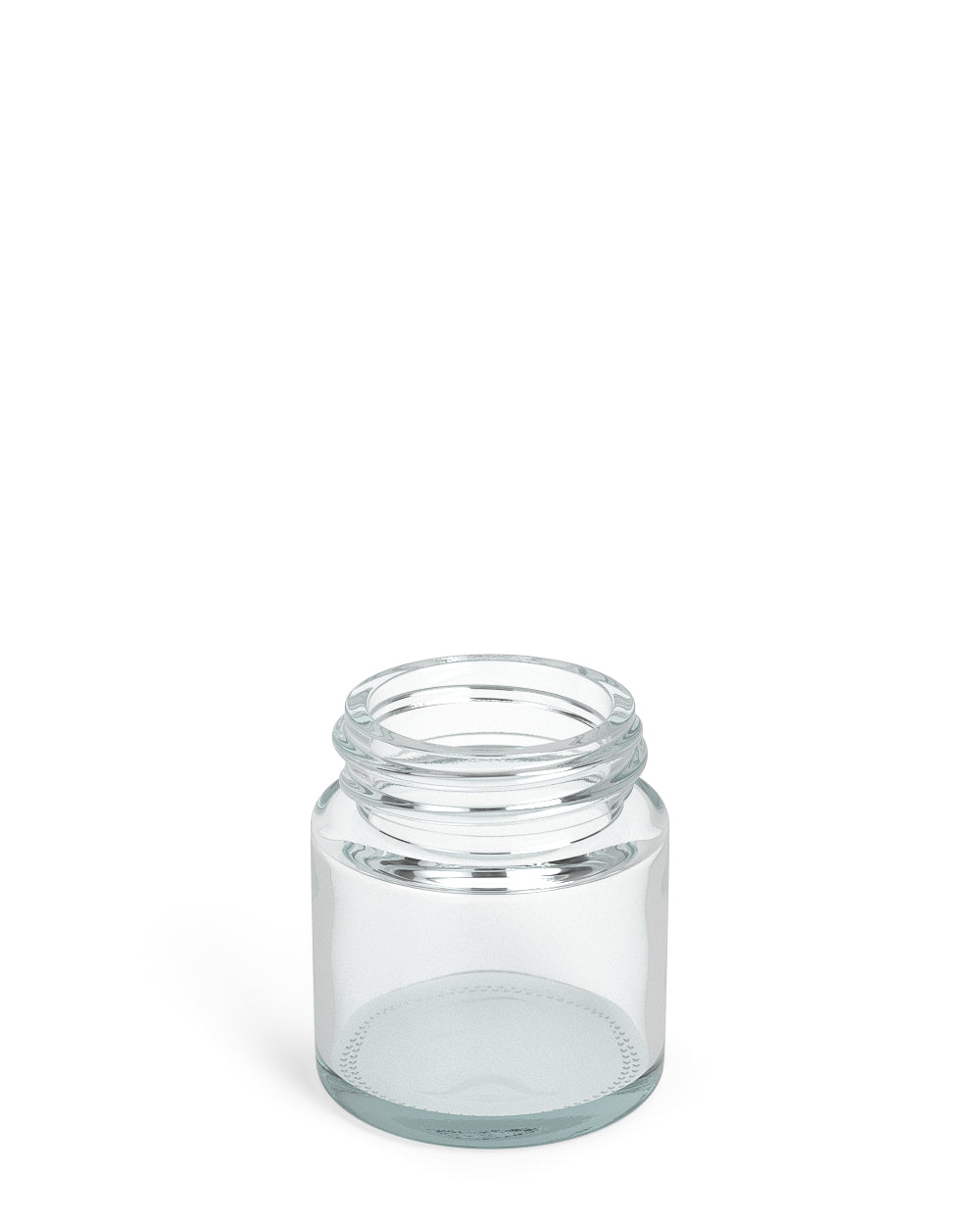
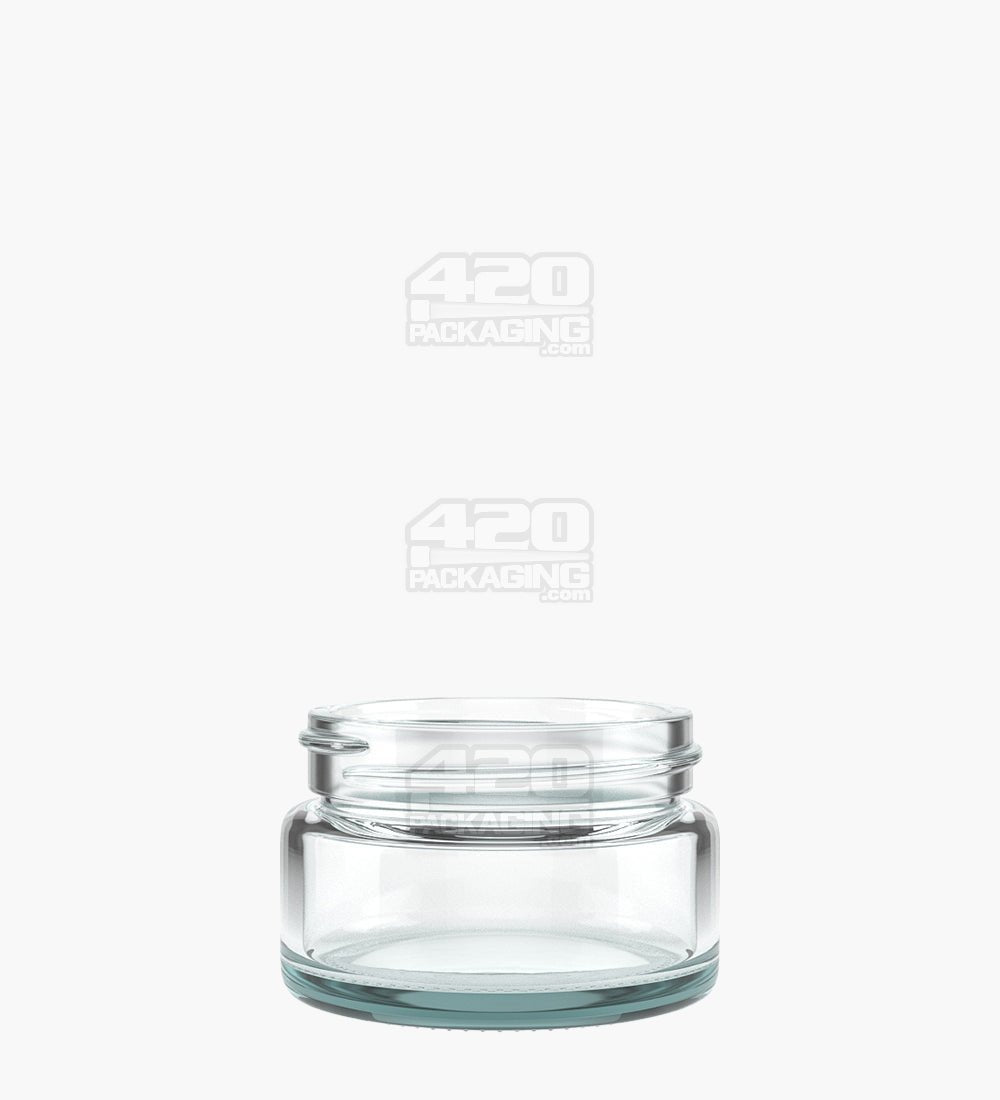
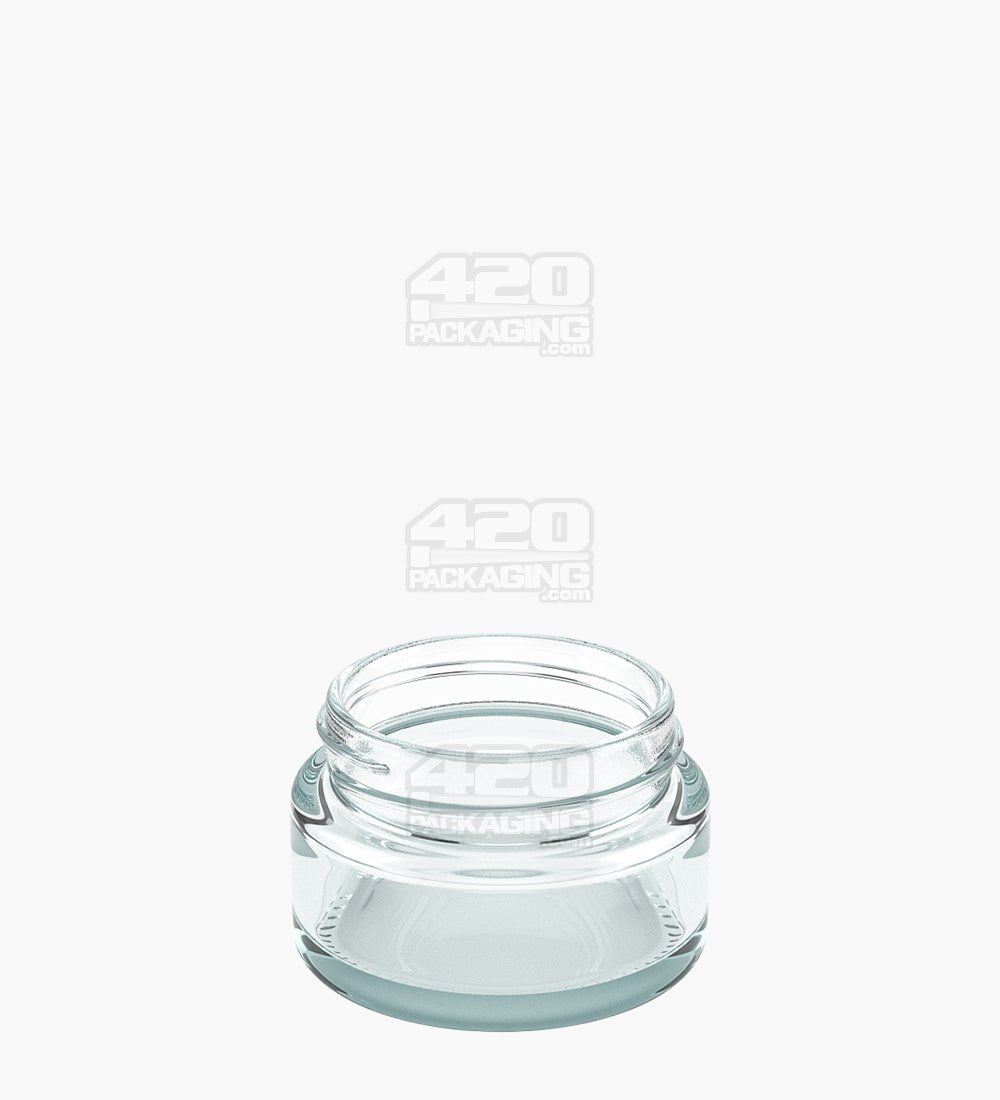
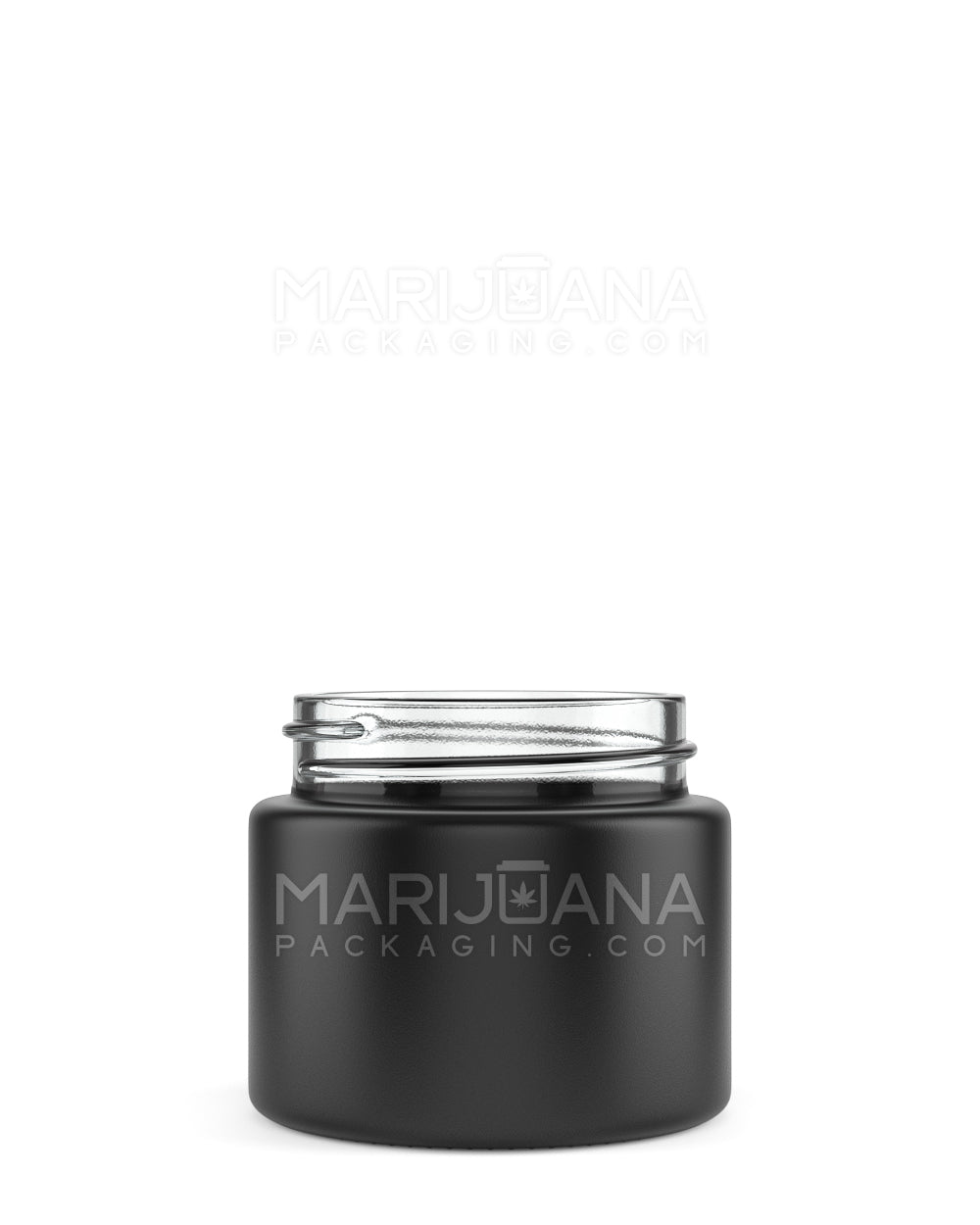
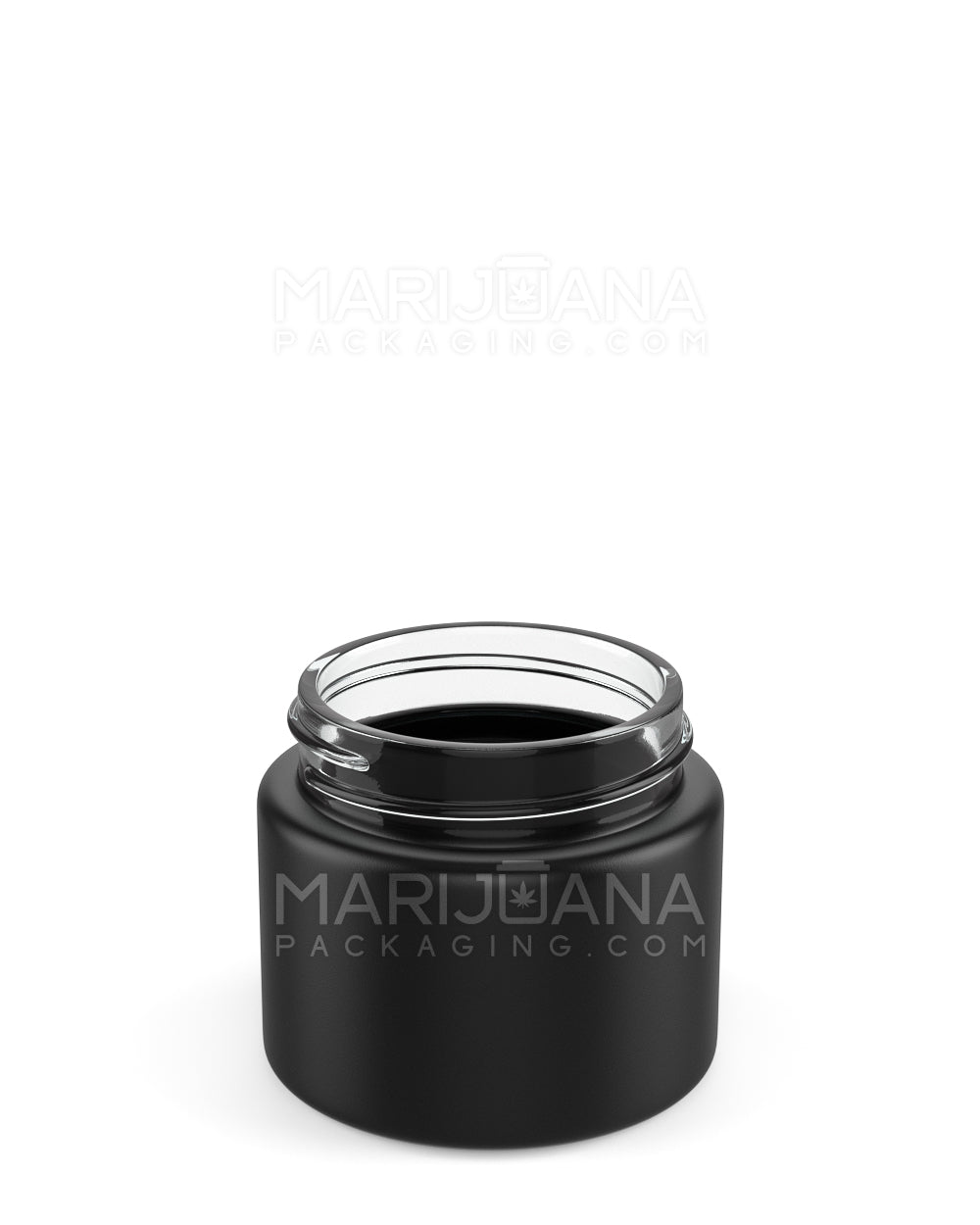
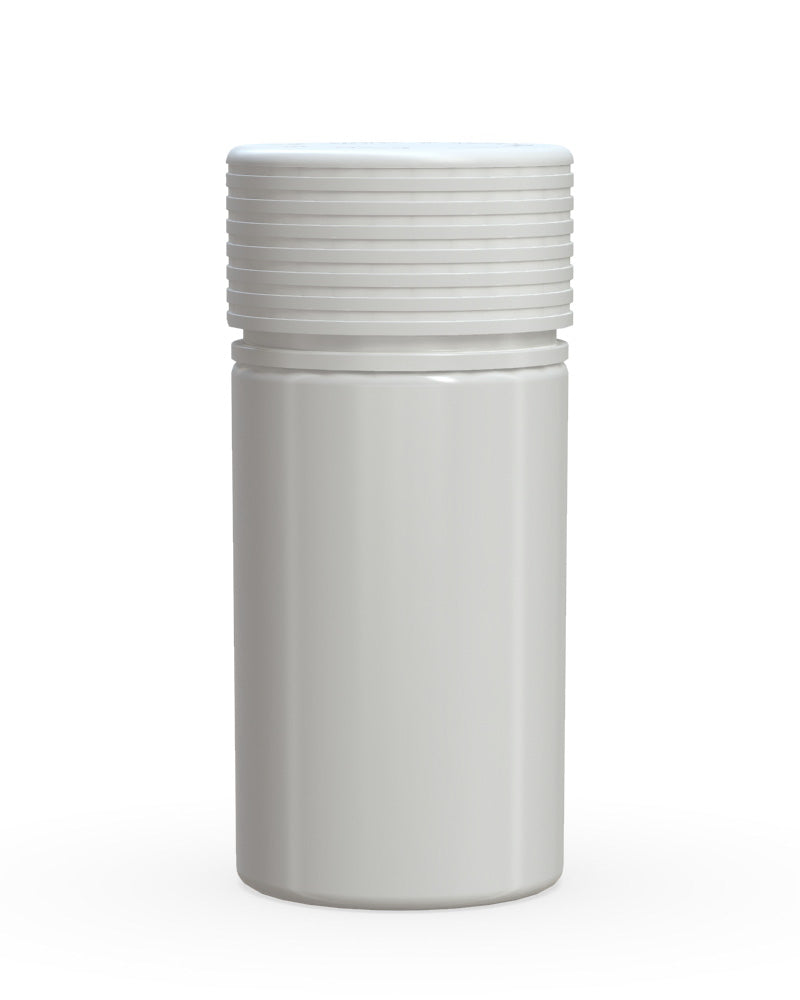
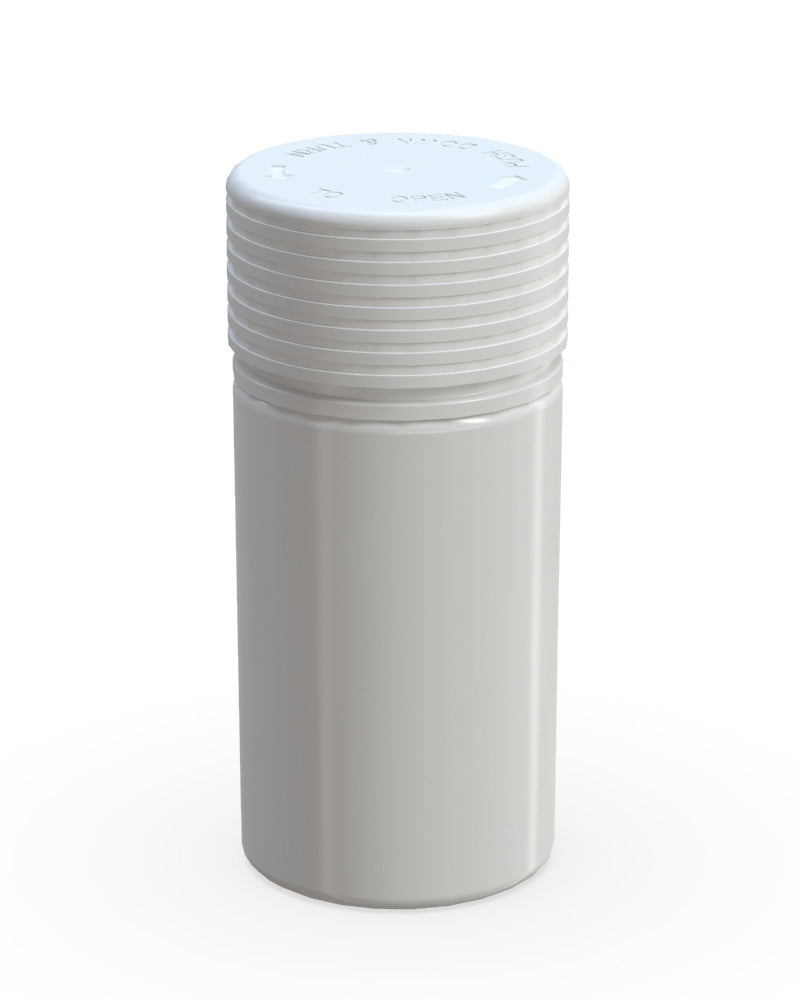
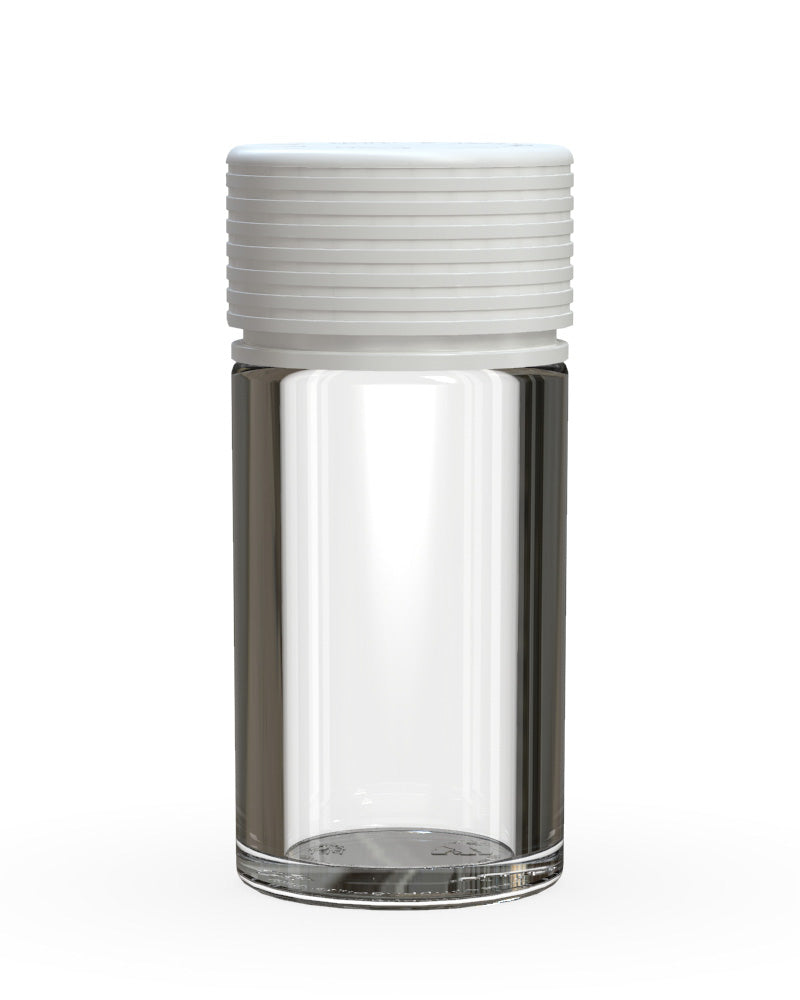
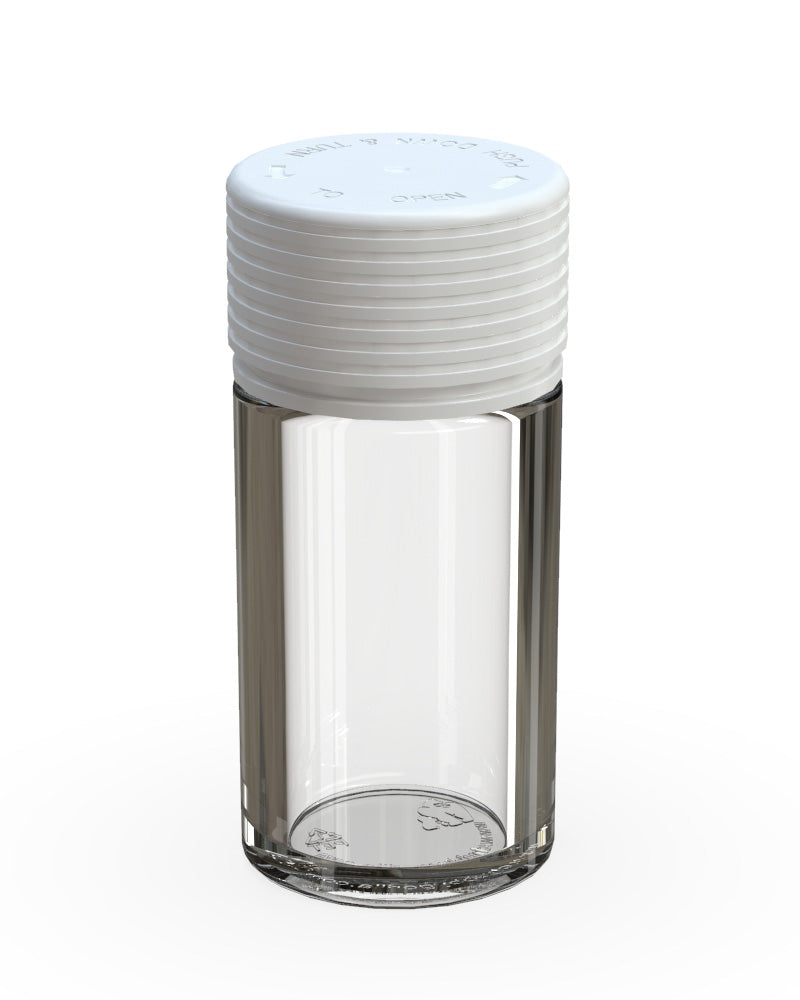
1 gram cannabis jars provide compact, rigid packaging for single-gram portions of marijuana flower. Marijuana Packaging supplies wholesale cannabis jars for cultivators, processors, manufacturers, brands, and dispensaries seeking appropriately sized containers for smaller retail flower products. Glass and plastic jar formats offer different material, handling, and presentation characteristics, while compatible closures help complete the finished packaging system.
Choosing the right 1 gram weed jars requires attention to the actual volume occupied by the flower. A one-gram portion may consist of a single larger bud, several smaller buds, or flower with a relatively loose structure. Those differences affect the jar's usable space, opening clearance, and finished fill appearance. For businesses purchasing 1g jars in bulk, the goal is to select packaging that protects the product without unnecessary headspace, supports appropriate labeling, and works consistently throughout filling and distribution.
Wholesale 1 Gram Cannabis Jars for Retail Flower
One-gram cannabis flower packaging is intended for a relatively small measured portion of dried flower. Compared with larger retail weights, this format places greater emphasis on selecting a container that fits the product closely while retaining enough space for the cap to operate correctly.
Rigid jars offer a defined interior that can help protect buds from external compression during normal handling. The container also provides an exterior surface for product identification, required labeling, and brand artwork.
For cultivators and processors packaging multiple strains, smaller jars can support a consistent single-gram retail format. For dispensaries and cannabis brands, they provide an alternative presentation to flexible pouches and other lightweight containers.
Within the larger cannabis flower packaging assortment, 1 gram jars serve a specific purpose: accommodating a single-gram flower fill without treating a small portion as though it requires the same space as an eighth-ounce or larger package.
Why Single-Gram Flower Packaging Requires Careful Sizing
A small flower portion leaves less room for error when selecting container capacity. An oversized jar can make the contents appear sparse, while a container that is too small can compress the flower or interfere with the closure.
One gram of cannabis flower does not have a fixed shape or volume. A single dense bud can settle differently from several smaller pieces of the same total weight.
The packaging must therefore accommodate the finished product's physical characteristics rather than simply a number printed on the label.
Commercial Uses for 1 Gram Weed Jars
Single-gram jars can support several commercial packaging programs:
- Small retail flower portions: Rigid containers designed around a measured one-gram quantity.
- Multi-strain product lines: A consistent packaging format for individual flower varieties.
- Limited-release flower: Compact retail presentations for products offered in smaller quantities.
- Premium flower presentation: Clear or opaque jars selected to complement the intended brand positioning.
- Standardized packaging operations: Repeatable containers and closure configurations for recurring single-gram production.
The appropriate jar depends on the product and market. Cannabis businesses should not assume that every compact jar is suitable for one gram of flower or that every one-gram product requires the same container design.
Choosing the Right Jar for One Gram of Flower
The best jar for a one-gram flower portion provides enough space to accommodate the buds without unnecessary compression, while keeping the finished package proportionate to its contents.
This requires evaluating bud structure, opening clearance, usable capacity, and the space occupied by any closure components.
One Large Bud vs. Several Smaller Buds
A one-gram portion can be packaged in different physical arrangements.
A single larger bud may require more opening clearance than several smaller buds. It may also be difficult to position comfortably inside a relatively narrow container, even when the total internal volume is sufficient.
Several smaller buds may settle into a jar more easily, but the final fill level can still vary according to their density and structure.
For businesses packaging multiple cultivars, these differences should be reflected in jar selection and pre-production testing.
Flower Density and Internal Space
Dense flower generally occupies less space at a given weight than loosely structured flower. The same one-gram weight can therefore produce different fill levels inside an identical jar.
Other factors affecting the finished fill include:
- The structure and size of individual buds.
- Differences in trimming.
- The flower's physical condition during packaging.
- How the buds settle inside the container.
- Whether additional packaging accessories occupy internal space.
These characteristics are especially relevant for small jars because relatively modest differences in bud volume can noticeably change the package's appearance.
Opening Clearance for Small Flower Jars
The jar opening must be wide enough for the intended flower to pass through without unnecessary force.
A container can have sufficient nominal capacity while still being inconvenient to fill because of a narrow opening.
For one-gram packaging, this becomes important when a brand wants to preserve the appearance of an individual larger bud instead of breaking it into smaller pieces to fit the container.
Opening width should be evaluated together with the jar's internal space and the dimensions of the intended closure.
Headspace in a One-Gram Jar
Headspace is the unfilled area between the packaged flower and the underside of the lid.
Some clearance is necessary for the cap to engage without compressing the product. However, excessive headspace can make a small flower portion appear disproportionately small inside its package.
For a one-gram jar, the objective is not to eliminate every visible gap. It is to achieve a practical balance between flower protection, closure clearance, and the intended retail presentation.
The finished fill should be evaluated with the actual cap installed rather than judged from the open container alone.
One-Gram Flower Weight vs. Jar Volume
The distinction between cannabis weight and container volume is essential when purchasing one-gram jars.
The term 1 gram weed jar describes the product weight a container is intended to accommodate. By contrast, a jar's nominal capacity is commonly expressed in fluid ounces or milliliters.
These measurements are not interchangeable.
A 1 gram cannabis jar is selected for one gram of flower by weight, not one gram of container volume. Because flower density, bud shape, and the spaces between buds vary, one gram does not occupy a consistent amount of space. A container's nominal fluid-ounce or milliliter capacity cannot establish its flower-fill weight on its own. Test the actual one-gram flower portion with the intended lid installed before approving a jar for wholesale production.
Why Flower Weight Cannot Be Converted Directly Into Jar Volume
Volume measures the space occupied by a substance or contained within a package. Weight measures the mass of the product.
Dried cannabis flower is irregular in shape. The empty spaces between buds influence the amount of room needed for a measured portion.
Consequently, a container that holds one gram of dense flower comfortably may have a different fill appearance when used with one gram of loosely structured buds.
This is why nominal container capacity should be treated as a starting point rather than a guaranteed flower-fill measurement.
Are 1 Gram Jars the Same as 1 Oz Jars?
No. The two terms describe different types of measurements.
A one-gram flower jar is selected according to the intended weight of its cannabis contents. A jar identified by a one-fluid-ounce capacity is described by its nominal container volume.
Depending on the actual geometry and flower characteristics, a jar in that volume category may be suitable for a one-gram flower fill. However, the measurements should not be treated as equivalent.
Commercial buyers should verify the intended fill rather than assume that an ounce-based container name identifies the weight of dried cannabis it will hold.
One-Gram Jar Fill Testing
Before approving a jar, packaging teams should evaluate representative flower portions using the actual filling procedure.
A useful test should answer several practical questions:
- Does the one-gram portion fit without compressing or breaking the flower?
- Can larger buds pass through the opening comfortably?
- Does the flower settle naturally inside the container?
- Is there sufficient clearance for the intended cap?
- Does the finished package look proportionate to its contents?
- Does the container accommodate different strains consistently?
- Can the product be removed without unnecessary damage?
- Does the finished configuration work with the intended production equipment?
Testing different flower structures can help prevent problems that only become apparent when a packaging format is used across several strains.
Glass and Plastic 1 Gram Weed Jars
Glass and plastic provide different material characteristics for compact cannabis packaging. The preferred choice depends on the finished flower, desired retail presentation, handling conditions, and closure requirements.
For one-gram jars, the material also influences the weight of the finished package relative to its contents.
Glass Jars for One Gram of Cannabis Flower
Glass offers rigid construction, a substantial feel, and strong resistance to gas and moisture transmission through the container walls.
For smaller flower portions, clear glass allows the appearance of the buds to remain visible. Opaque glass finishes provide alternatives for brands that prefer a concealed product presentation.
Glass can help protect a one-gram portion against external compression, but the finished package's sealing performance depends on its compatible closure.
Buyers selecting glass cannabis jars should also consider container weight, potential breakage, and handling during filling, labeling, and transportation.
Plastic Jars for One Gram of Cannabis Flower
Plastic jars generally weigh less than glass and offer greater resistance to shattering during normal handling.
This may be useful for commercial operations distributing large numbers of relatively small retail packages, where packaging weight and handling efficiency can become meaningful cost factors.
Plastic containers are manufactured from different polymers, each with its own rigidity, barrier, and material-compatibility characteristics.
Available transparent and opaque formats can support different brand presentations, while suitable plastic closure systems may provide conventional or child-resistant opening mechanisms.
A plastic jar should be evaluated according to its actual resin and construction rather than assuming all plastic containers provide the same performance.
Choosing Between Glass and Plastic for Small Flower Portions
| Selection Factor | Glass Jars | Plastic Jars |
|---|---|---|
| Packaging weight | Generally heavier | Generally lighter |
| Impact resistance | Can break under impact | Generally more resistant to shattering |
| Container-wall barrier | Strong resistance to gas and moisture transmission | Varies with the plastic resin and construction |
| Retail appearance | Substantial glass presentation | Lightweight molded presentation |
| Closure performance | Requires a compatible cap and sealing interface | Requires a compatible cap and sealing interface |
| Wholesale logistics | Greater freight weight and breakage considerations | Lower freight weight and practical impact resistance |
Neither material is inherently child-resistant or airtight. Those characteristics must be established through the complete packaging configuration.
Jar Lids, Child-Resistant Closures, and Compatibility
The cap is an essential component of a finished one-gram jar. It must match the container opening, engage correctly, and provide the opening, reclosing, and sealing functions required by the packaging program.
Some cannabis jars are sold without caps, while others may be available as matched jar-and-lid configurations. Buyers should verify which components are included before calculating costs or approving the package.
Matching a Cap to a Small Cannabis Jar
Jar caps must be compatible with the container's exact neck finish and thread configuration.
Matching a closure by its apparent opening diameter alone is not sufficient. Thread design, sealing surfaces, liner construction, and cap geometry can affect the completed package.
When sourcing cannabis jar lids and closures, businesses should confirm that the cap is intended for the selected container and is appropriate for the packaged flower.
The assembly should also be practical for manual or automated capping procedures.
Child-Resistant One-Gram Jars
Child-resistant closures use engineered opening mechanisms designed to make access significantly difficult for young children while remaining usable by adults.
Common mechanisms include push-down-and-turn designs and other coordinated-action closures.
However, child resistance depends on the qualifying jar-and-cap system rather than the empty container alone.
The U.S. Consumer Product Safety Commission's special packaging guidance explains the child-resistant and adult-accessibility framework under the Poison Prevention Packaging Act and 16 CFR Part 1700.
For cannabis products, requirements vary by jurisdiction. The packaging operation should verify that the finished one-gram product uses an appropriate qualifying configuration.
Initial Child Resistance for Cannabis Flower
Some jurisdictions distinguish between child resistance required before the first opening and child resistance that must remain effective throughout repeated use.
For example, the California Department of Cannabis Control's child-resistant packaging guidance identifies cannabis flower as a product category eligible for qualifying initial-use child-resistant packaging.
Where initial-use child resistance is employed, California also requires a statement informing consumers that the package is not child-resistant after opening.
These requirements are specific to California. Buyers should not assume that the same configuration is sufficient in every state or for every cannabis product.
Reclosable Jars and Consumer Access
A jar intended to be opened and reclosed should use a lid that remains functional after the initial opening.
However, the ability to screw a cap back onto a jar does not automatically mean the package provides multiple-use child resistance.
The distinction between ordinary resealability and continued child-resistant performance should be evaluated according to the applicable regulatory requirements.
For smaller retail flower packages, the closure should also be easy for the intended adult user to operate without compromising the selected protective function.
Sealing, Moisture Management, and Flower Protection
A small jar provides rigid physical protection, but the condition of the packaged flower also depends on the sealing system and storage environment.
One-gram portions have relatively little product mass compared with larger flower packages, making careful selection of headspace and suitable protective components particularly relevant.
Are 1 Gram Weed Jars Airtight?
Not all one-gram jars are airtight.
Glass provides strong resistance to gas transmission through the container wall, while plastic materials have different levels of permeability.
In both cases, an unsuitable cap or incomplete seal can allow air exchange through the opening.
Airtightness should therefore be assessed using the assembled jar, cap, and any applicable liner rather than inferred from the container material.
Cap Liners and Inner Seals
Some jar closures incorporate foam liners or other materials designed to contact the container rim.
Additional pressure-sensitive or induction-compatible components may be appropriate where the jar and closure support the intended sealing method.
For one-gram packaging, the closure system should not unnecessarily reduce the space available for the flower or interfere with cap engagement.
Sealing components should be selected according to the actual container, cap, product, and application process.
Odor Containment for Small Flower Jars
Cannabis flower contains volatile aromatic compounds that contribute to its distinctive scent.
Limiting their escape requires suitable container walls and an appropriate seal at the jar opening.
A glass or plastic jar should not automatically be described as smell-proof merely because it has a screw-on cap.
For retail packaging where odor control matters, the assembled system should be evaluated under representative storage and handling conditions.
Humidity Packs and Available Internal Space
Some cannabis flower packaging programs use humidity-control accessories to help manage the internal environment of the completed package.
For compact jars, any added accessory must be considered carefully because it occupies space that would otherwise be available for flower and headspace.
When evaluating cannabis humidity packs, buyers should verify the accessory's suitability for the intended product and container rather than selecting it solely by the retail weight of the flower.
A humidity-control pack is not a substitute for an effective closure and cannot guarantee product stability under every storage condition.
Light Exposure and Jar Finish
Clear jars allow consumers and retail staff to view the flower without opening the package.
Opaque finishes conceal the contents and may reduce light exposure depending on the actual material and construction.
The appropriate finish depends on the intended retail presentation, product-storage requirements, and applicable packaging regulations.
Decorative colors should not be assumed to provide a verified level of ultraviolet protection unless supported by relevant material information.
Labeling and Branding Small Cannabis Jars
One-gram jars create a particular labeling challenge: the retail package may be small, but the quantity of information required by cannabis regulations does not necessarily decrease in proportion to container size.
Brands must balance visual presentation with legible product identification, required warnings, tracking information, and any applicable symbols.
Labeling Space on Compact Containers
The usable labeling area depends on the jar's exterior geometry and the position of its closure.
Curved shoulders, tapered walls, rounded edges, and cap overhang can reduce the space available for adhesive labels.
For small cannabis jars, artwork planning should begin with the actual labeling surface rather than assuming that every part of the container can accommodate printed information.
Businesses should also verify that label materials adhere appropriately to the selected glass or plastic finish.
Required Information on One-Gram Flower Packaging
Applicable cannabis labeling requirements vary by jurisdiction, but commercial packaging may need to accommodate:
- Brand and product identification.
- The net weight of cannabis flower.
- Strain or cultivar details where appropriate.
- Required cannabinoid and laboratory information.
- Government warnings and cannabis symbols.
- Batch or tracking identifiers.
- Responsible licensee information.
- Packaging dates or other market-specific details.
The net weight statement describes the flower inside the container. It should not be confused with the empty jar's nominal volume or the weight of the packaging itself.
Primary and Informational Label Panels
California's labeling framework illustrates why small-jar artwork requires careful planning.
The California Department of Cannabis Control's labeling guidance for nonmanufactured cannabis goods distinguishes between the primary panel and informational panel, with different information assigned to each.
The guidance also addresses legibility, the required cannabis symbol, net weight declarations, and the placement of information when an immediate container is placed inside additional packaging.
For brands using a compact one-gram jar inside a carton or another permitted outer package, both layers should be evaluated according to the applicable labeling rules.
The use of an outer package does not automatically eliminate every labeling requirement for the inner jar.
Clear, Black, and White Jar Presentation
Clear jars emphasize the appearance of the flower, which can be useful when bud color and structure are part of the intended retail presentation.
Black and white finishes provide opaque alternatives and different backgrounds for printed labels.
For multi-strain product lines, a common one-gram jar format can support consistent branding while allowing individual flower varieties to be identified through different labels or decorative treatments.
Color and finish decisions should be made alongside labeling requirements and the characteristics of the packaging material.
Custom Branding for Small Retail Jars
Custom branding can help establish a recognizable presentation across small flower products.
Depending on the available packaging program, customization may involve coordinated jar and cap finishes, compatible printing, or specialty decoration.
For one-gram jars, the relatively compact surface makes artwork clarity particularly important.
Decoration should not cover required information, interfere with closure operation, or prevent proper label placement.
Brands considering a custom presentation should approve the intended container and closure before developing final production artwork.
1 Gram Flower Jars vs. 1 Gram Concentrate Jars
The term one gram can describe the net weight of either cannabis flower or a concentrate. However, the appropriate containers for these products can be substantially different.
This distinction is important because buyers may encounter both flower jars and concentrate jars when searching for 1 gram cannabis containers.
One-Gram Flower Jars
A flower jar must accommodate irregularly shaped buds and the spaces between them.
Its opening needs to provide suitable clearance for filling and removing the flower, while the interior should be proportionate to the one-gram portion.
The package may also require consideration of flower moisture, light exposure, and the appearance of the finished buds.
One-Gram Concentrate Jars
A concentrate jar is usually selected according to a different set of requirements.
Concentrates can be much denser than loose flower and vary in consistency from relatively firm materials to more fluid formulations.
Small, low-profile containers may be useful where easy access to the concentrate is important. Product-contact compatibility, sealing integrity, and possible interactions with a liner or closure also require attention.
The cannabis concentrate jars category is the more relevant starting point when the intended one-gram fill is an extract rather than dried flower.
Why One-Gram Containers Are Not Necessarily Interchangeable
| Packaging Consideration | 1 Gram Flower | 1 Gram Concentrate |
|---|---|---|
| Product structure | Irregular buds with spaces between pieces | Density and consistency vary by formulation |
| Container geometry | Space and opening clearance for intact flower | Interior designed for practical filling and access |
| Product-contact needs | Suitable materials for dried flower | Compatibility with the specific formulation |
| Sealing priorities | Flower storage and intended moisture or aroma protection | Formulation-appropriate sealing and leakage control |
| Closure requirements | Fit, child resistance, and product clearance | Fit, child resistance, and contact compatibility |
Identical net weights do not imply identical packaging volumes or designs.
Commercial buyers should identify the intended product before selecting a one-gram container and verify that its material, shape, opening, and closure are suitable for that application.
One-Gram Jars Compared With Larger Jars and Pouches
Packaging a one-gram flower portion involves balancing product protection, available space, retail presentation, and operating costs.
Rigid jars are one option among several formats, and they should be selected because their characteristics match the product and commercial objectives.
One-Gram Jars vs. Eighth Jars
A 3.5-gram eighth contains substantially more flower than a one-gram portion, but that difference in weight does not translate into one universal difference in jar volume.
Bud structure and density remain important at both weights.
Jars intended for eighth-ounce flower packaging may leave excessive unused space when filled with only one gram, depending on the container and flower.
Conversely, a compact one-gram jar may not accommodate an eighth-ounce portion without compressing the contents.
The 3.5 gram eighth jars collection addresses a different retail fill weight and should be evaluated separately when brands offer both portion sizes.
One-Gram Jars vs. Flexible Pouches
Flexible pouches generally use less rigid material and can occupy less space during empty-packaging storage and transportation.
Jars maintain their shape and provide structural protection against external compression. They also offer a reusable container format when the closure and materials are appropriate.
However, jars may cost more to ship and store, particularly when made from glass.
For a small flower portion, businesses should consider how much packaging material, freight weight, labeling space, and protective performance the retail product requires.
When a One-Gram Jar Makes Commercial Sense
A one-gram jar may be appropriate when a brand prioritizes rigid bud protection, controlled product presentation, and a container that can support compatible reclosable closures.
It may be less attractive when minimizing packaging weight, storage volume, or unit cost is the overriding procurement objective.
The decision should reflect both the intended retail experience and the operating requirements of the business packaging the flower.
Buying 1 Gram Cannabis Jars in Bulk
Wholesale purchasing of one-gram jars requires close attention to the cost and performance of the completed package.
Because the product portion is relatively small, the jar, cap, label, and other packaging components may represent a meaningful share of the finished item's total cost.
Commercial buyers should therefore evaluate packaging economics alongside fill consistency, regulatory suitability, and production efficiency.
Calculating Packaging Cost per One-Gram Unit
The empty jar's listed price is only one component of the finished packaging expense.
Relevant costs may include:
- Container: The selected glass or plastic jar at the intended wholesale quantity.
- Closure: A compatible cap, including any required child-resistant mechanism.
- Sealing components: Liners, inner seals, or other materials required by the packaging program.
- Tamper-evident features: Any additional component required to show evidence of opening.
- Labels and decoration: Printed artwork, required information, and application costs.
- Freight and storage: Shipment weight, protective packing, and warehouse space.
- Production labor: Filling, capping, inspection, labeling, and finished-case packing.
- Quality control: Component checks, packaging trials, and production allowances.
A low-cost empty jar may not result in the lowest packaging cost per finished gram if its closure or handling requirements introduce additional expense.
Packaging Weight and Freight Efficiency
Small retail flower portions can be particularly sensitive to the weight of their packaging.
A heavier glass container may support a particular brand presentation but also increase shipping weight relative to the enclosed flower.
Plastic may reduce that weight while providing a different retail appearance and material barrier profile.
For large-volume purchasing, transportation and warehouse handling should be considered alongside the initial container price.
Inventory Planning for Single-Gram Packaging
Commercial operations should coordinate jar orders with their expected number of finished one-gram units.
When lids, liners, labels, or other components are purchased separately, inventory quantities should support the complete production run.
Maintaining an approved packaging specification can help prevent substitutions that affect cap compatibility, labeling, or the appearance of the finished package.
This is especially important when a business uses one-gram jars repeatedly across different strains and production batches.
Pre-Production One-Gram Jar Checklist
Before approving a jar for commercial one-gram flower packaging, confirm the following:
- The container accommodates the intended one-gram flower portion.
- Representative bud shapes and densities have been evaluated.
- The opening allows flower to be inserted without unnecessary compression.
- The finished fill leaves suitable headspace.
- The jar material is appropriate for the product and storage conditions.
- The selected cap is compatible with the container's exact neck finish.
- Any required child-resistant performance is supported by applicable documentation.
- Any sealing or tamper-evident components are suitable for the package.
- Labels remain legible and accommodate required information.
- Any additional outer packaging has been evaluated for applicable requirements.
- Decoration does not interfere with cap operation or labeling.
- The container works with the intended filling and labeling procedures.
- Shipping and storage costs are acceptable for the product's retail format.
- Approved components can be sourced consistently for future orders.
- Representative finished packages have been tested before full-scale purchasing.
Documentation and Packaging Verification
Where regulatory performance requirements apply, documentation should be reviewed for the complete intended packaging configuration.
A test report covering one jar-and-cap combination should not automatically be applied to a different closure or container.
Packaging teams should also distinguish child-resistant performance from tamper evidence, airtightness, and other functions that may require separate verification.
The responsible cannabis business should confirm that its finished one-gram flower package meets the rules of the jurisdiction where the product will be sold.
Wholesale 1 Gram Weed Jars for Your Packaging Operation
The right one-gram cannabis jar provides a proportionate fit for the flower while accommodating the closure, required labeling, and intended production process.
Marijuana Packaging supplies wholesale cannabis jars and related packaging components for commercial flower programs, including businesses developing smaller retail portions.
By evaluating bud density, usable internal space, material selection, closure compatibility, and total packaging cost, cultivators, processors, brands, and dispensaries can select one-gram jar configurations that support consistent filling and a practical finished retail presentation.
Frequently Asked Questions About 1 Gram Jars
The best jar for one gram of cannabis flower provides enough usable space for the buds without excessive compression or empty headspace. The appropriate container depends on the flower's density, bud structure, opening clearance, and intended closure. Commercial buyers should test representative one-gram portions in the selected jar before ordering in bulk.
No. A 1 gram weed jar is selected for approximately one gram of cannabis flower by weight, while a 1 oz jar generally refers to a container's nominal fluid-volume capacity. These measurements are not equivalent. A jar in the one-fluid-ounce category may be suitable for certain one-gram flower fills, but actual compatibility must be verified using the intended product.
Glass provides rigid construction, a substantial retail presentation, and strong container-wall barrier properties. Plastic generally weighs less and is more resistant to shattering during normal handling. Both materials can be suitable for one-gram flower packaging when the container provides an appropriate fill and compatible closure. The better option depends on branding, storage requirements, handling, and overall packaging costs.
Not all one-gram cannabis jars include lids, and an empty jar is not automatically child-resistant. Some containers are designed for use with separately purchased child-resistant closures, while others may be offered as complete configurations. Buyers should verify the included components and confirm that any required child-resistant performance is supported by documentation covering the actual jar-and-cap system.
Yes. Marijuana Packaging supplies wholesale cannabis jars suitable for evaluation in smaller flower packaging programs. Cultivators, processors, manufacturers, brands, and dispensaries should consider usable capacity, material, compatible closures, labeling area, and total packaging cost when purchasing one-gram jars in bulk. Testing the finished flower and closure configuration before a large order helps maintain packaging consistency across production runs.