

Concentrates & Oil Containers
Dab containers provide secure, reliable packaging for cannabis concentrates, including wax, shatter, rosin, resin, oils, and other extracts. Shop a wide selection of silicone, glass, and plastic concentrate containers available in multiple sizes, colors, and child-resistant options to help preserve freshness and product quality. Whether you need stock or custom concentrate packaging, our dab containers combine product protection, regulatory compliance, and customizable branding to help your concentrates stand out.
Filters
50 products


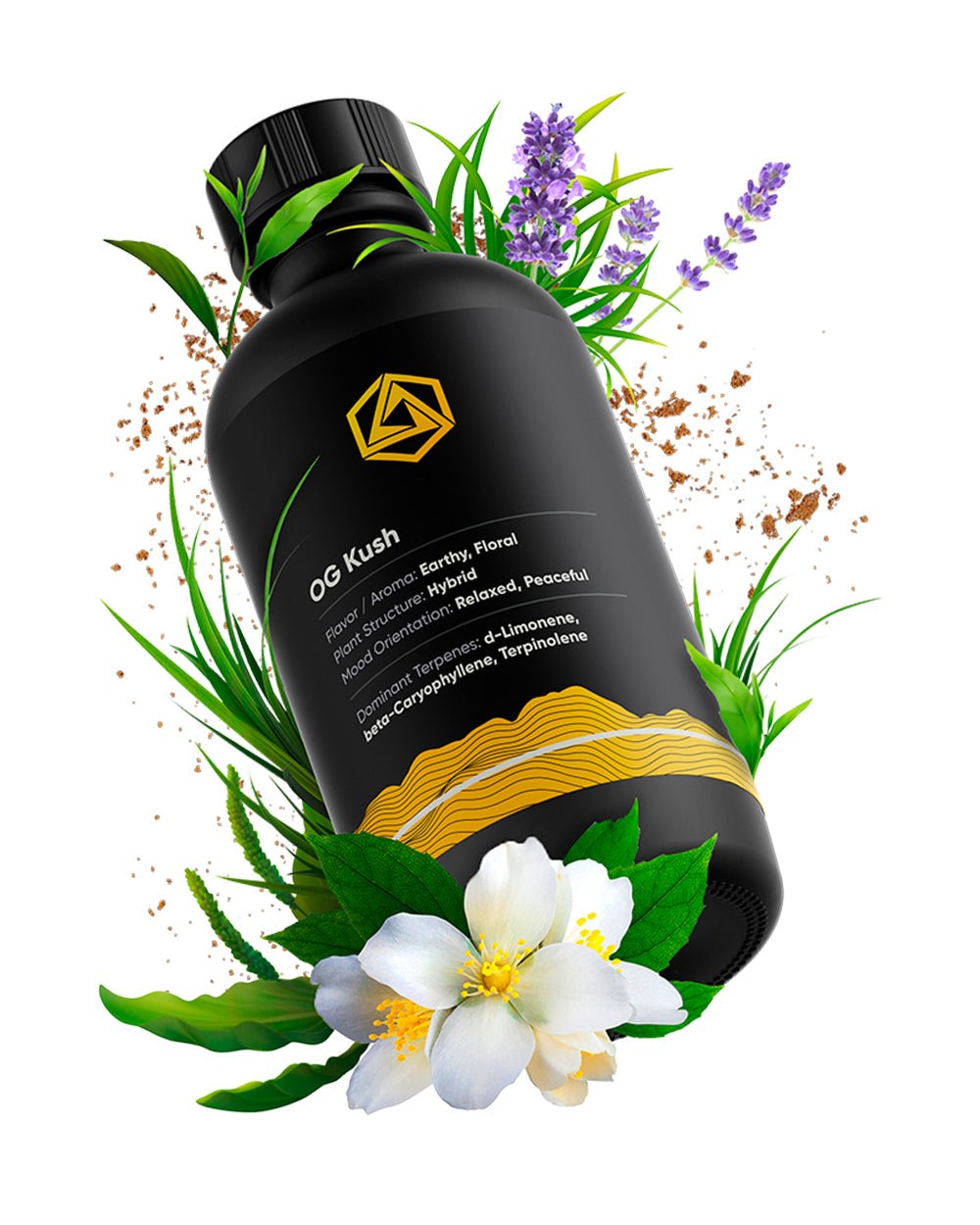
Wholesale Concentrate Packaging for Cannabis Brands and Extract Manufacturers
Concentrate packaging is designed to contain and protect cannabis extracts that can range from dry, brittle solids to soft waxes, terpene-rich sauces and highly viscous oils. Marijuana Packaging supplies wholesale packaging for cannabis concentrates across glass jars, plastic containers, dab containers, concentrate jars, specialty containers and compatible closures for extractors, processors, manufacturers, cannabis brands, co-packers and dispensary operations.
Often searched for as dab packaging, packaging for dabs, packaging for concentrates, cannabis concentrate packaging, dab containers, wax packaging or concentrate containers, this category has to accommodate products with very different physical characteristics. Shatter behaves differently from budder, sauce behaves differently from kief, and a gram of distillate should not automatically be packaged the same way as a gram of rosin or diamonds.
Concentrate packaging should therefore be selected around consistency, viscosity, product-contact compatibility, fill amount, access, closure design, leak resistance, light protection, child-resistant requirements and production conditions. The package and closure should function as one system around the actual extract being filled.
Key Consideration
Start with the concentrate's consistency and product-contact requirements, not the gram weight printed on the label. One gram of shatter, wax, sauce, rosin and distillate can occupy different amounts of space and interact with the package differently. Test the actual concentrate in the exact jar, container, liner and closure combination before committing to a large wholesale order, especially for terpene-rich, viscous or leak-sensitive products.
What Is Cannabis Concentrate Packaging?
Cannabis concentrate packaging is primary or secondary packaging used for extracts such as shatter, wax, budder, crumble, diamonds, sauce, hash, kief, bubble hash, rosin, live resin, distillate and other concentrated cannabis products. The packaging may directly contact the concentrate or may contain an additional insert, liner, parchment component or applicator depending on the product format.
Concentrates create a different packaging challenge from flower because consistency can range from powder-like material to brittle sheets, semi-solid extracts and viscous liquids. Wide openings, low-profile jar geometry, product-contact surfaces and closure integrity are therefore especially important.
- Glass concentrate jars for wax, budder, rosin, live resin, diamonds and sauce
- Plastic concentrate containers for compatible extract applications
- Low-profile dab jars with wide openings for easier tool access
- Opaque and colored containers for reduced light exposure
- Clear jars for product visibility
- Child resistant concentrate containers and compatible closures
- Containers with liners or sealing components where appropriate
- Packaging for dry concentrates such as kief and certain hash products
- Packaging for viscous extracts such as distillate and sauce
- Stock and custom branded concentrate packaging for commercial production
Choosing Concentrate Packaging by Consistency
Consistency is one of the most useful ways to narrow concentrate packaging options. A container that works well for a stable wax may be less suitable for a runny sauce, while a jar designed around soft rosin may be unnecessarily complex for dry kief.
| Concentrate Type | Typical Physical Character | Important Packaging Considerations |
|---|---|---|
| Shatter | Brittle sheet or fragments | Surface release, breakage protection, internal dimensions and product retrieval |
| Wax | Soft to semi-solid | Wide opening, product-contact surface, scraping access and closure fit |
| Budder | Soft, creamy or whipped | Wide-mouth access, low-profile geometry and clean product removal |
| Crumble | Dry, loose and breakable | Containment, headspace, static or product loss, and easy access |
| Diamonds | Solid crystalline pieces | Opening diameter, structural clearance, product movement and sauce content |
| Sauce | Viscous to fluid extract | Leak resistance, liner compatibility, closure integrity and product-contact material |
| Rosin | Soft, tacky or semi-solid | Product-contact surface, terpene retention, light protection and retrieval |
| Live Resin | Terpene-rich, variable viscosity | Closure integrity, aroma retention, leak control, light and temperature considerations |
| Hash | Pressed, soft or crumbly | Internal dimensions, moisture control, odor containment and access |
| Kief | Dry granular material | Containment, closure fit, static loss, moisture and fine-particle handling |
| Bubble Hash | Loose, pressed or granular depending on processing | Product-contact surface, moisture management, temperature conditions and access |
| Distillate | Highly viscous oil | Leak resistance, dispensing method, temperature during filling and material compatibility |
Dab Containers and Concentrate Jars
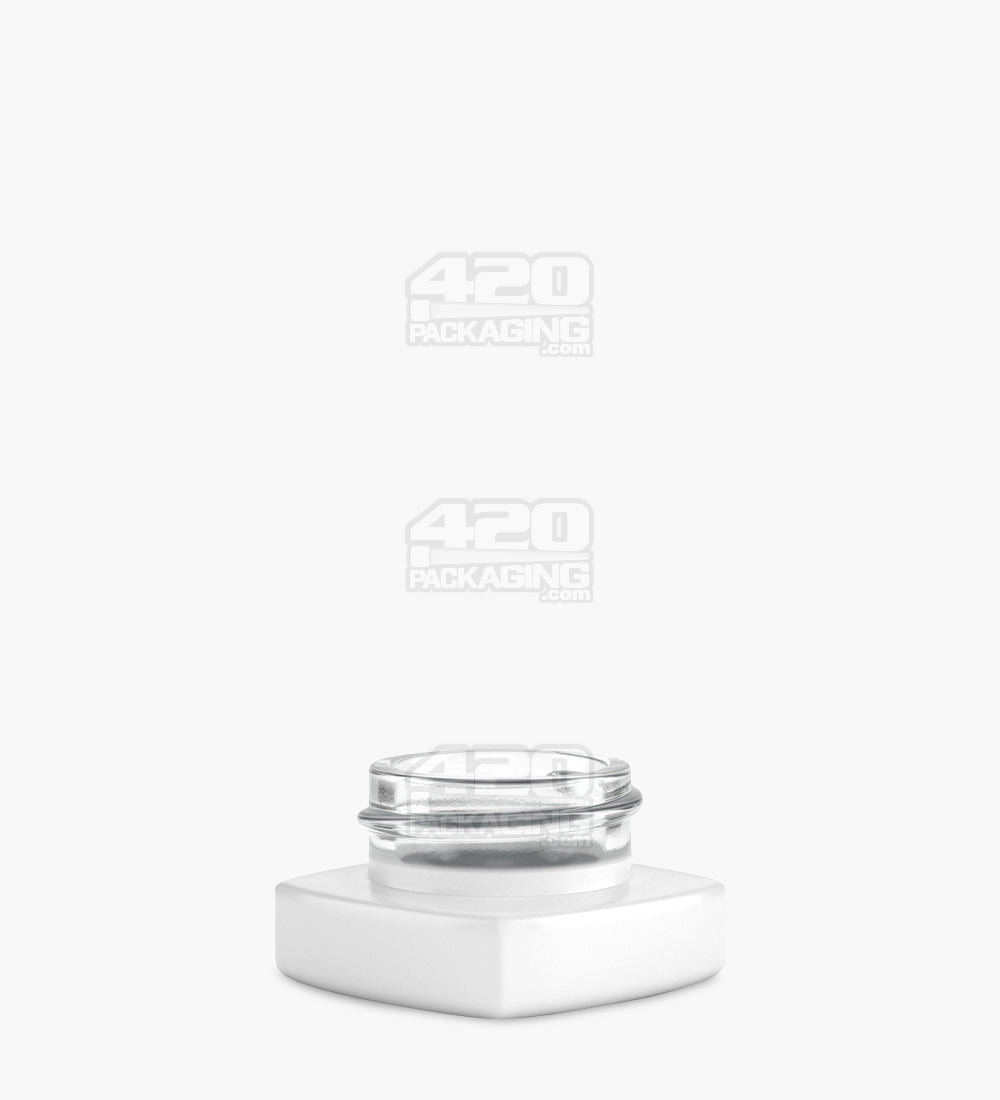
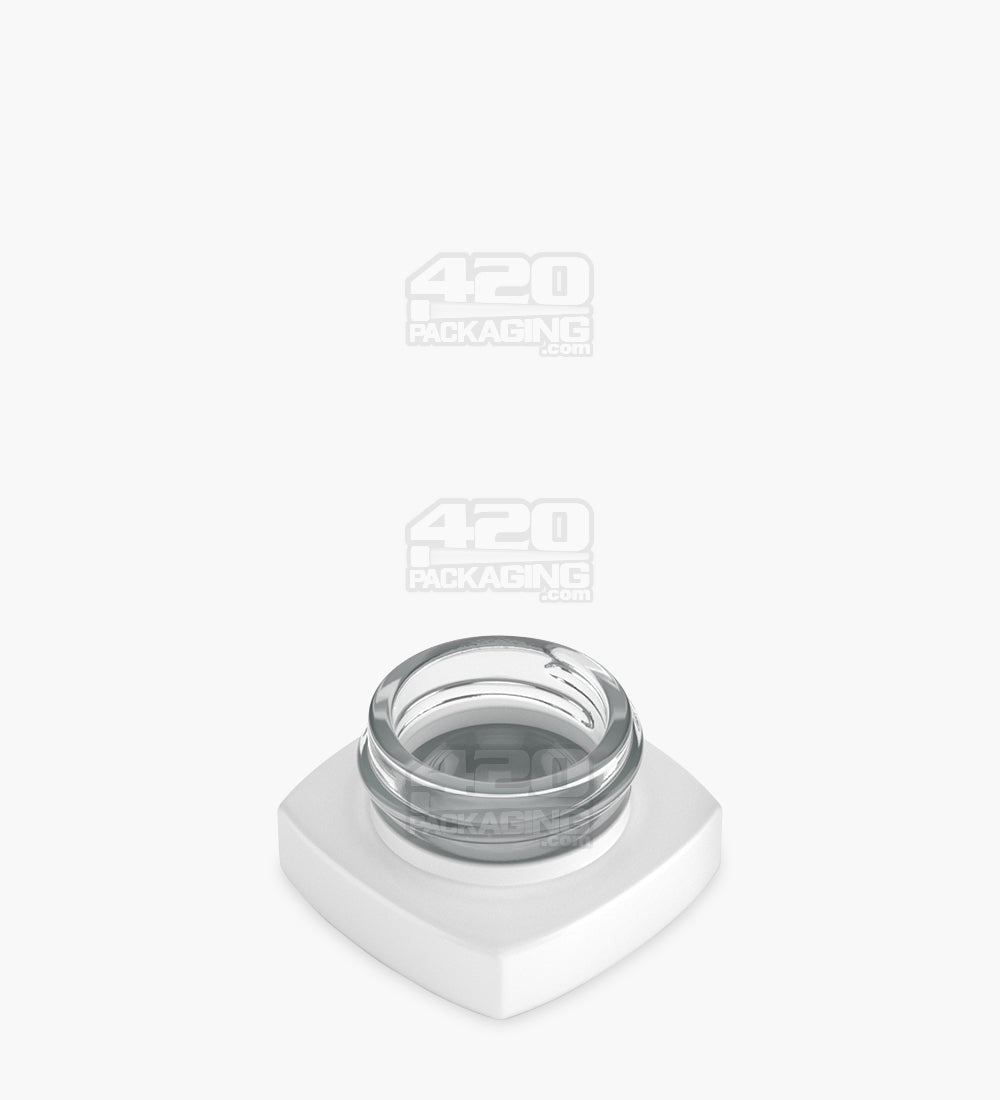
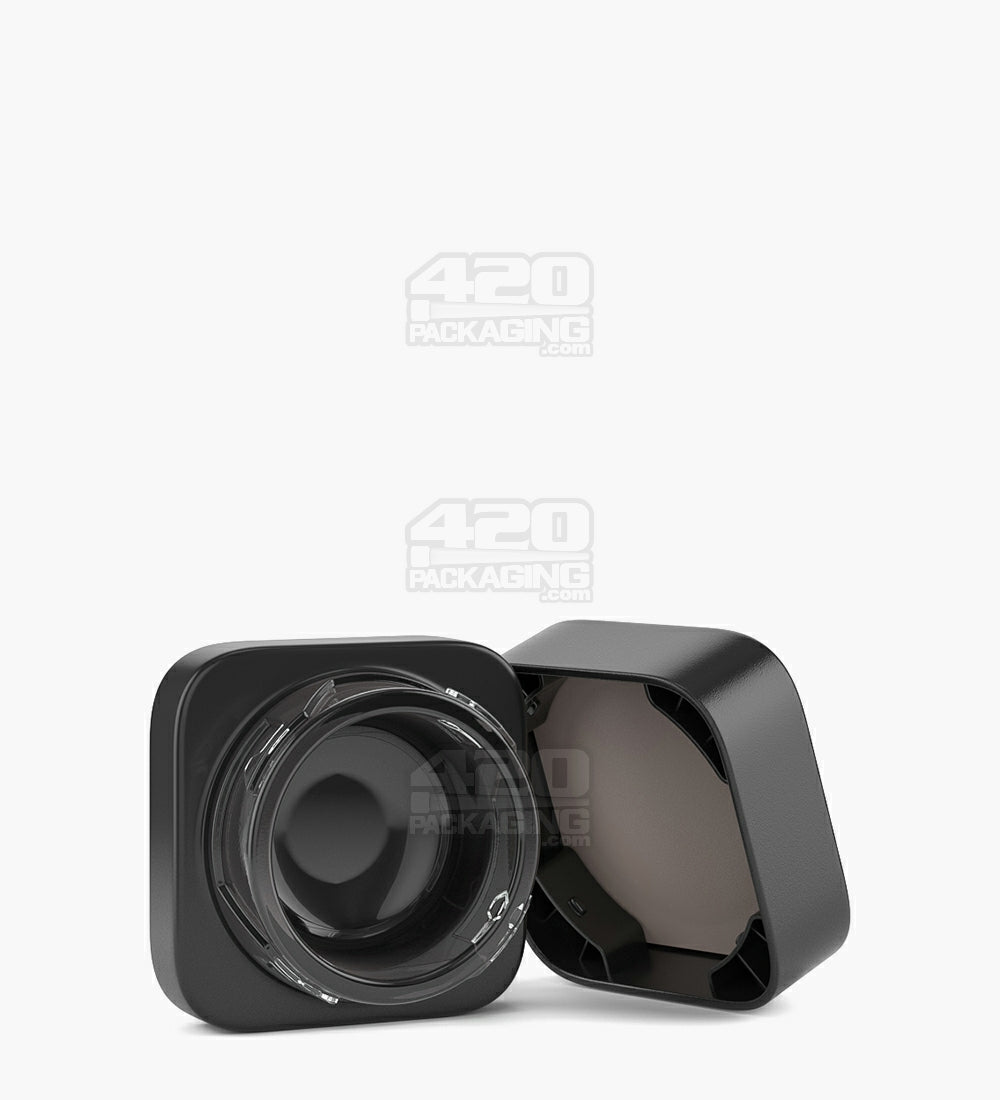
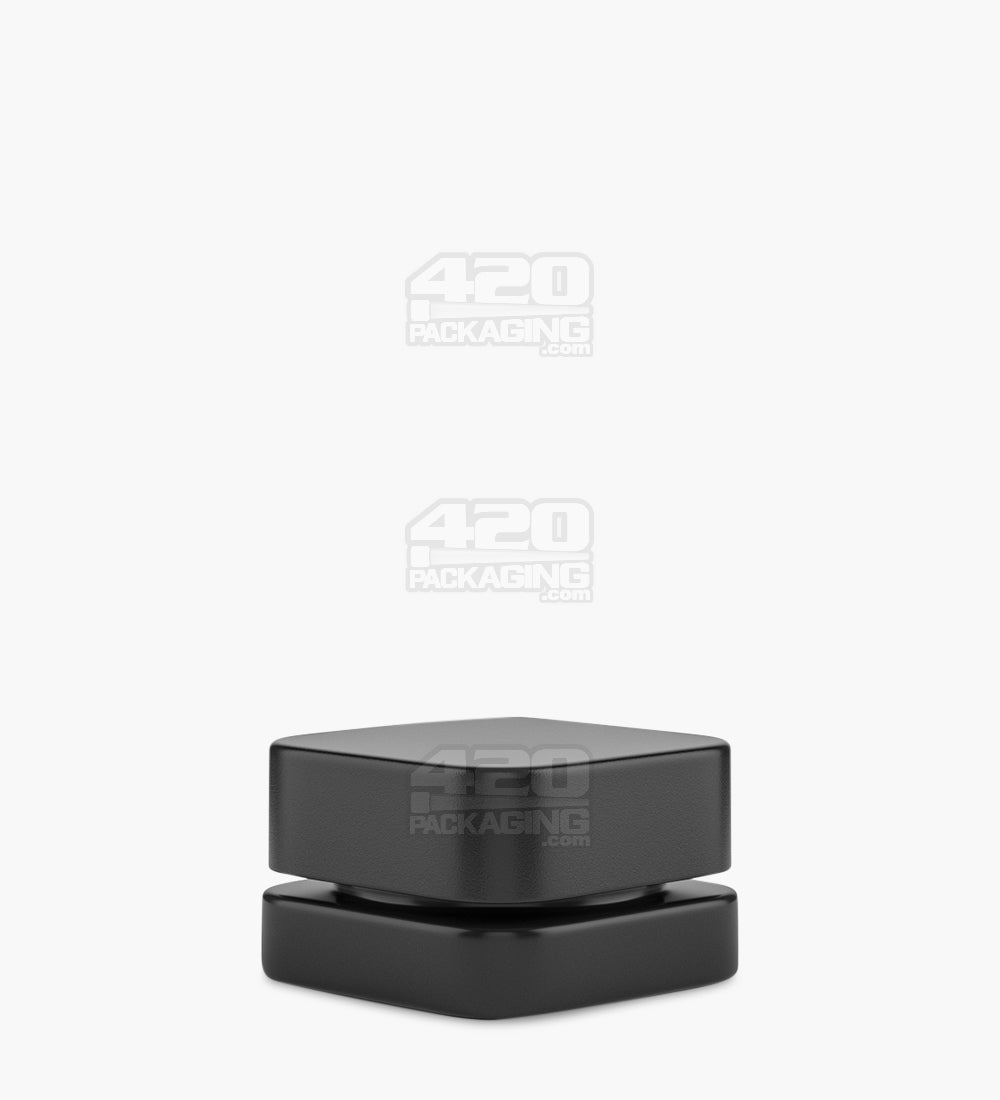
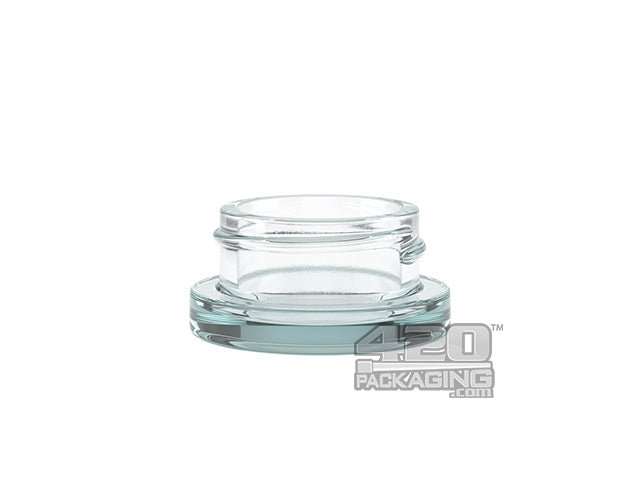
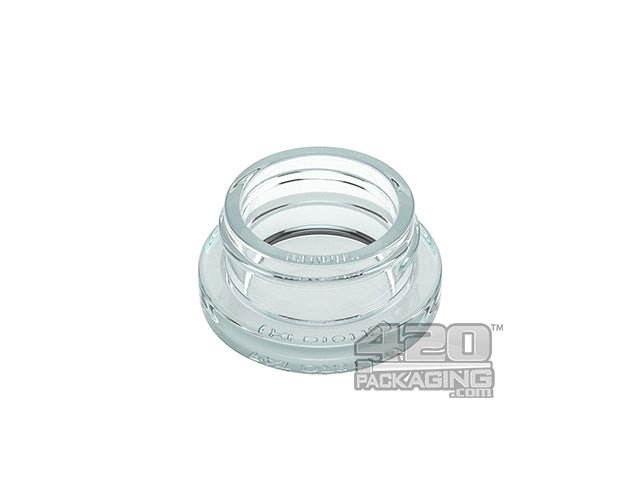
Dab containers and concentrate jars are typically small, rigid packages with wide openings that allow a consumer to reach the extract with a dab tool or other applicator. Low-profile geometry can make product retrieval easier by reducing the distance between the opening and the bottom surface.
Wide-Mouth Concentrate Jars
A wide opening is useful for wax, budder, rosin, diamonds and other products that need to be scooped or lifted from the container. Narrow openings can make tool access difficult and may leave more material on sidewalls or beneath the closure area.
Low-Profile Dab Jars
Short, wide concentrate jars can provide direct access to the entire bottom surface of the container. This geometry is often useful for sticky or semi-solid extracts because the consumer can reach the product without navigating a deep container wall.
Clear and Opaque Dab Containers
Clear jars provide direct product visibility, which can be useful for displaying color, texture, clarity and crystal structure. Opaque or colored containers can provide greater light shielding depending on the material and construction.
Glass vs. Plastic Concentrate Containers
Glass and plastic concentrate containers can both be appropriate depending on the extract, production process and desired presentation. Material should be evaluated as part of the complete product-contact system rather than chosen solely for appearance or price.
Glass Concentrate Jars
Glass dab jars are commonly used for wax, budder, rosin, live resin, diamonds and sauce because glass provides rigid construction and a smooth product-contact surface. Clear glass also allows customers to inspect the concentrate without opening the package.
Glass adds more shipping weight than plastic and can break if dropped, so commercial operations should consider case packing, warehouse handling and transportation alongside the individual jar.
Plastic Concentrate Containers
Plastic concentrate containers provide lower weight and greater resistance to breakage. Different plastic resins have different chemical and physical properties, so the exact material should be reviewed for compatibility with the intended concentrate.
Terpene-rich and oil-based extracts can create more demanding product-contact conditions than dry products. Buyers should verify material specifications rather than assuming that every plastic container is appropriate for every concentrate.
| Consideration | Glass Concentrate Jars | Plastic Concentrate Containers |
|---|---|---|
| Weight | Heavier | Lighter |
| Break Resistance | Can break under impact | Generally more resistant to breakage |
| Product Visibility | Clear and colored options may be available | Clear, translucent and opaque options may be available |
| Product-Contact Evaluation | Review glass, liner and closure combination | Review exact resin, liner and closure combination |
| Shipping | Higher case weight and breakage considerations | Lower package weight and easier handling |
Shatter Packaging
Shatter is a brittle concentrate that can fracture into smaller pieces when bent, dropped or handled aggressively. Packaging for shatter should therefore support clean product release while protecting thin sheets or fragments from unnecessary breakage.
Flat Packaging for Shatter
Shatter may benefit from packaging that provides enough surface area for the product to lie flat rather than being compressed into a small cavity. The best configuration depends on how the extract is portioned and whether an additional food-contact or concentrate-contact sheet is used inside the package.
Shatter in Jars or Rigid Containers
Smaller shatter portions can also be placed into wide-mouth rigid containers. Internal diameter and bottom area should provide sufficient room to remove pieces without forcing them against the container wall.
Product Release
Because shatter can adhere to unsuitable surfaces or break during removal, the contact surface should be evaluated using the actual finished extract. Do not assume that a packaging material that works for wax will provide the same handling characteristics for brittle shatter.
Wax, Budder and Crumble Packaging
Wax, budder and crumble are frequently packaged in small concentrate jars because wide-mouth rigid containers provide easy access for semi-solid and loose extract textures.
Wax Packaging
Cannabis wax can range from soft and sticky to firmer textures. A low-profile dab jar can make product retrieval easier while minimizing the amount of material that accumulates on inaccessible sidewalls.
Budder Packaging
Budder and batter-style extracts can have soft, whipped consistencies that benefit from a broad opening and smooth product-contact surface. Brands should evaluate how easily the concentrate can be filled into the jar and removed by the consumer.
Crumble Packaging
Crumble is typically drier and more fragmented than wax or budder. Packaging should prevent small pieces from escaping into the cap threads or closure area while still allowing the consumer to access the entire fill.
Excessive headspace can allow dry crumble pieces to move around the container, while too little headspace can interfere with closing the jar cleanly.
Diamonds and Sauce Packaging
Cannabis diamonds and terpene-rich sauce can create a demanding packaging application because solid crystalline material may be combined with a more fluid extract in the same jar. The package has to accommodate both components.
Packaging for THCA Diamonds
Diamonds require enough internal diameter and opening clearance for solid crystalline pieces to be filled and removed without becoming wedged beneath the jar shoulder or closure.
Packaging for Sauce
Sauce can flow more readily than wax or budder, making closure integrity and leak resistance especially important. The jar, liner and cap should be evaluated together under realistic storage and transportation conditions.
Diamonds in Sauce
When diamonds and sauce are packaged together, the container must support both rigid solid pieces and a viscous liquid phase. A wide opening can improve access, while a secure closure and compatible liner can help control leakage and product migration into the threads.
Rosin and Live Resin Packaging
Rosin and live resin are often selected for premium concentrate programs where aroma, consistency and product presentation are significant considerations. These products can also contain substantial concentrations of aromatic compounds, making the package and closure important parts of the storage system.
Rosin Packaging
Rosin can range from soft and tacky to more stable consistencies depending on processing and storage conditions. Wide-mouth glass jars are commonly considered because they provide rigid geometry and straightforward access to the product.
If rosin will be stored under refrigerated or other controlled-temperature conditions, evaluate the complete package under those conditions. Temperature changes can alter product consistency and may also affect closure behavior or condensation around the package.
Live Resin Packaging
Live resin can range from thick extracts to more fluid, terpene-rich consistencies. Packaging should provide a compatible product-contact surface, secure closure and sufficient leak resistance for the intended viscosity.
Terpene-Rich Concentrates
For rosin, live resin, sauce and other terpene-rich products, material compatibility should receive particular attention. Buyers should review the jar, liner, seal and closure rather than assuming that all concentrate packaging materials perform identically with aromatic extract formulations.
Hash, Kief and Bubble Hash Packaging
Hash, kief and bubble hash have different physical characteristics from wet or highly viscous concentrates and may require different package geometry and barrier priorities.
Hash Packaging
Traditional hash can be pressed, pliable, firm or crumbly depending on the product. Jars and rigid containers should provide enough internal area to accommodate the portion without forcing it into an unnecessarily narrow cavity.
Kief Packaging
Kief is composed of fine cannabis trichome material and can be difficult to handle because small particles may cling to surfaces, enter closure threads or escape from poorly fitted containers. A secure closure and accessible interior can help reduce product loss during filling and use.
Bubble Hash Packaging
Bubble hash can vary from loose granular material to pressed or resinous forms. The packaging should be selected around the actual final consistency, expected temperature conditions and desired moisture environment.
If bubble hash is stored cold or frozen as part of a producer's quality program, packaging should be tested under the intended storage conditions rather than evaluated only at room temperature.
Distillate and Cannabis Extract Packaging
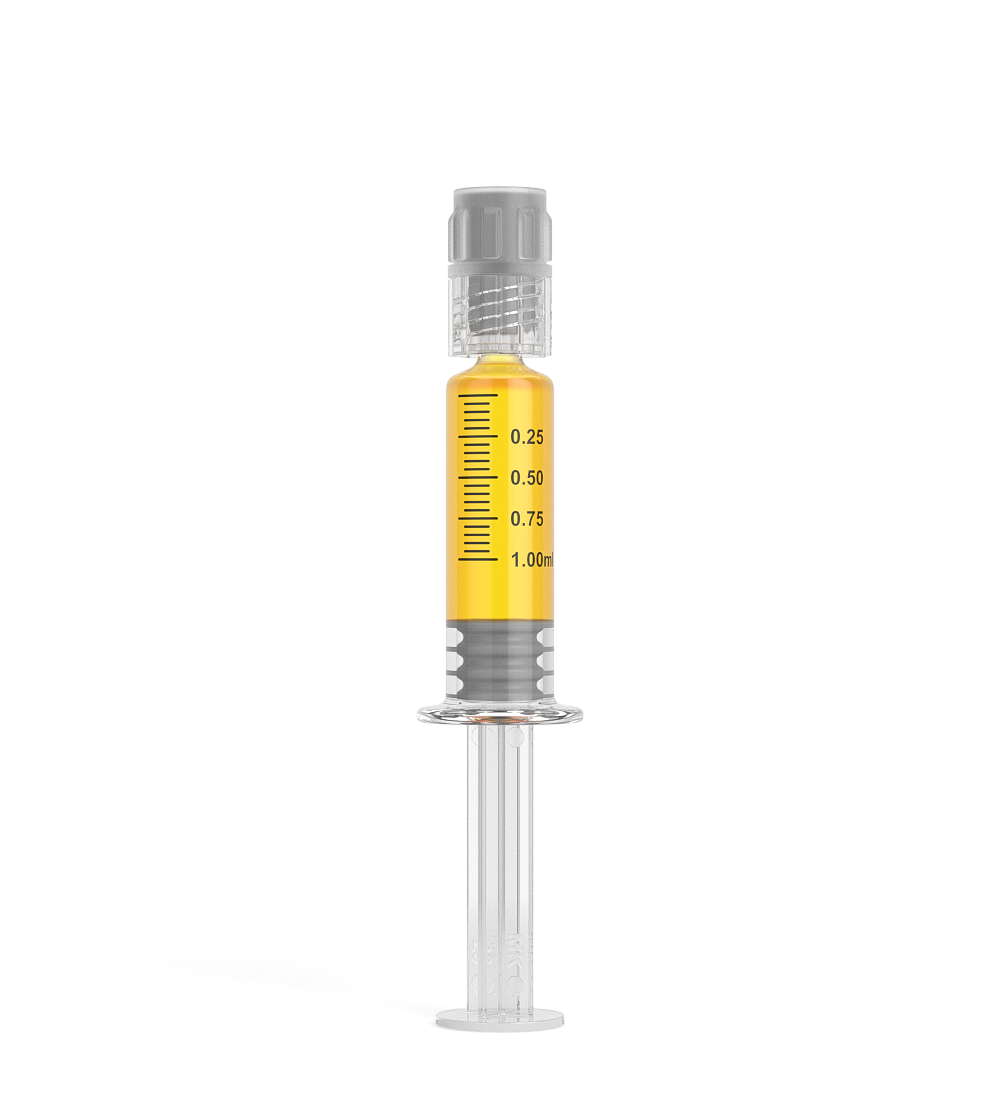
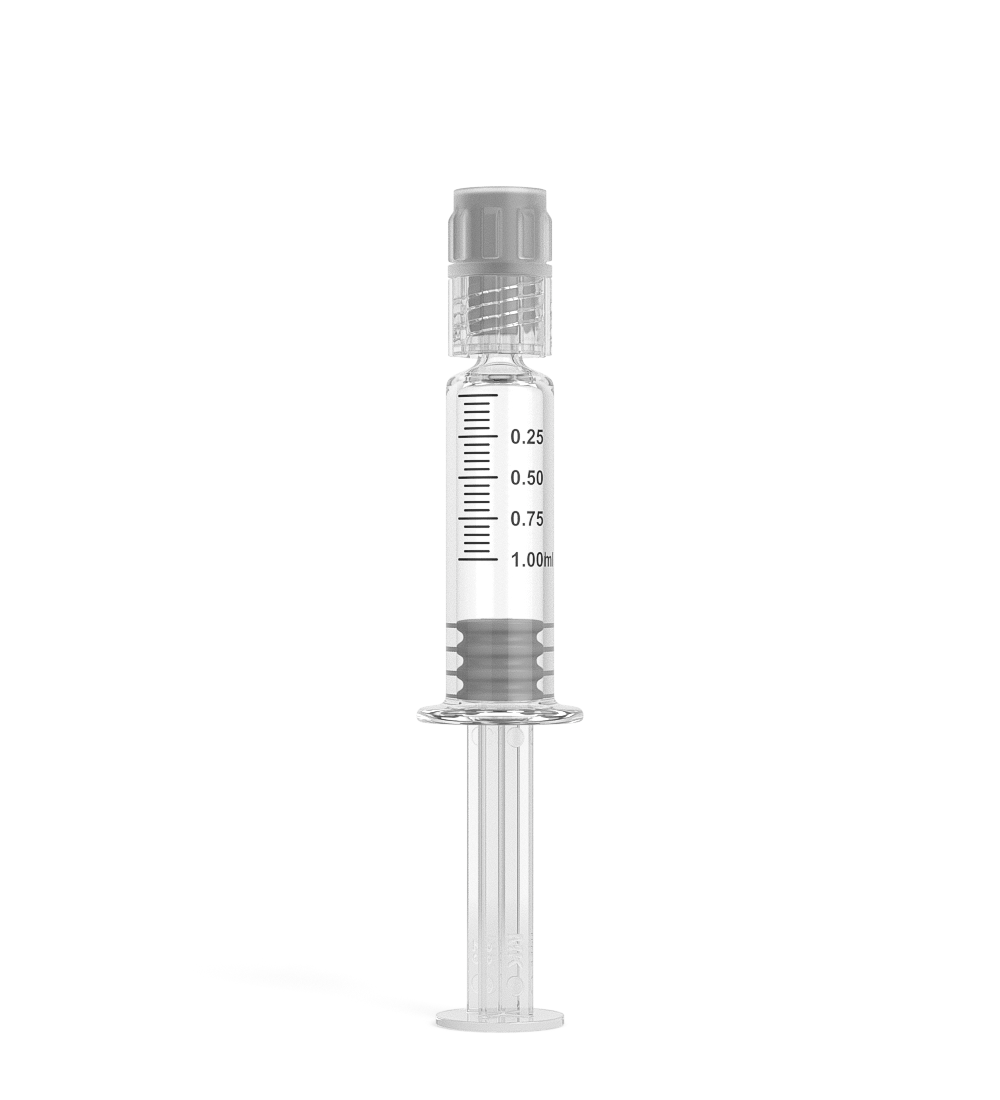
Distillate is a highly viscous cannabis extract that creates different packaging requirements from dry concentrates or dab-ready waxes. Depending on the intended use, distillate may be packaged in jars, syringes, applicator-style containers or other dispensing systems.
Viscosity and Filling Temperature
Distillate can become easier to move when warmed during filling. If the production process involves elevated temperature, both the container and closure system should be evaluated for the actual conditions used during filling.
A package that performs appropriately at room temperature should not automatically be assumed to tolerate every hot-fill or warm-fill process.
Applicator-Style Containers
Some cannabis extracts are packaged in applicator-style formats when controlled dispensing is more important than open-jar access. Product viscosity, plunger or dispensing component compatibility and leakage should all be evaluated before production.
Other Extracts
Cannabis extracts can include products that do not fit neatly into a single consistency category. When packaging a specialty extract, determine whether the material behaves primarily as a brittle solid, dry particulate, soft concentrate, viscous oil or mixed-phase product, then select the packaging system around those characteristics.
Concentrate Container Sizes and Fill Amounts
Concentrate packaging is frequently associated with small retail fills such as 0.5 gram, 1 gram, 2 grams, 3.5 grams and larger quantities, but gram weight does not directly equal container volume.
Shatter, crumble, rosin, diamonds and distillate can occupy very different volumes at the same net weight. The concentrate's density, structure and amount of desired headspace should determine the final container size.
1 Gram Concentrate Containers
One-gram dab containers are a common retail format, but the correct jar depends on the extract. A gram of sauce may require different headspace and leak control than a gram of dry crumble.
2 Gram and Larger Concentrate Containers
Larger concentrate fills require additional usable volume while retaining easy access to the product. As jar diameter and depth increase, consider whether the consumer can reach the bottom and edges comfortably with a dab tool.
Milliliters vs. Grams
Milliliters measure volume while grams measure mass. A jar described as 3 mL, 5 mL or another nominal volume should not be assumed to hold a particular gram weight of every cannabis concentrate.
Always test the actual extract in the intended container before using a jar-volume specification as the basis for production planning.
Concentrate Container Closures, Liners and Leak Resistance
The closure can be just as important as the concentrate container itself. Caps, liners, seals and threads influence leakage, product migration, aroma containment and consumer access.
Screw-Top Concentrate Jars
Threaded jars are common because the closure can be repeatedly opened and reclosed. Buyers should verify neck finish, thread compatibility, cap depth and whether the closure seats evenly against the jar.
Cap Liners
Liners create an interface between the cap and container opening and may contribute to sealing or product-contact performance. The correct liner depends on the extract, jar, cap and intended storage conditions.
Leak Resistance
Leak resistance is especially important for sauce, live resin, distillate and other extracts that can move when warm or when a package is stored on its side. Evaluate the complete filled package under realistic handling, orientation and temperature conditions.
Thread Contamination
Overfilling or poor filling control can place concentrate into the jar threads, making closures difficult to tighten and potentially interfering with seal performance. Production teams should establish fill levels that keep the sealing and thread areas clean.
Product-Contact Surfaces and Material Compatibility
Concentrates can contain oils, aromatic compounds and other constituents that create different packaging-contact conditions from dry cannabis flower. The material touching the concentrate should therefore be evaluated for the specific product being packaged.
Jar Interior Surfaces
The interior surface should allow the concentrate to be filled, stored and removed without introducing unnecessary product loss or interaction. Glass, plastic and other materials should be evaluated based on the actual extract formulation and storage period.
Liners and Sealing Materials
A compatible jar does not automatically make every cap liner appropriate for the product. The liner is also a product-contact component when concentrate reaches the top of the package or when volatile compounds interact with the closure system.
Terpenes and Packaging Compatibility
Highly aromatic concentrates such as live resin, sauce and certain rosins can place greater demands on packaging materials. Brands should review available material information and conduct finished-product compatibility testing rather than relying on generic claims about glass or plastic.
Light, Oxygen, Aroma and Environmental Protection
Concentrate packaging should help create an appropriate storage environment for the extract. The importance of light, oxygen, aroma and temperature exposure varies by concentrate type and formulation.
Light Protection
Clear concentrate jars allow customers to inspect color, clarity and texture but expose the product to more ambient light. Amber, black, opaque or otherwise light-shielding containers can reduce exposure depending on the material and construction.
Oxygen Exposure
Headspace, closure fit and material barrier properties can influence the amount of oxygen surrounding the product and the rate at which gases move through the package system. Brands concerned with oxidation should evaluate the complete filled package rather than the jar material alone.
Aroma and Terpene Retention
Strong aromas are common in rosin, live resin, sauce and other extracts. Aroma containment depends on the container, liner, cap and closure interface. A premium jar with a poor closure can still create product-loss or odor issues.
Temperature Conditions
Temperature can change concentrate viscosity and texture. Rosin, live resin, sauce, distillate and other products may behave differently when warm, refrigerated or frozen.
Packaging should be evaluated under the conditions expected during filling, warehousing, distribution and consumer storage. The package itself does not replace an appropriate temperature-control program where one is required.
Child Resistant Concentrate Packaging
Concentrates may require child-resistant packaging depending on the product, jurisdiction and package configuration. CR concentrate packaging can use threaded child-resistant caps, push-down-and-turn closures, squeeze-and-turn systems or other multi-action mechanisms.
Child Resistant Concentrate Jars
A concentrate jar paired with a child-resistant cap should be evaluated as one packaging system. The jar, neck finish, threads and closure all contribute to the tested configuration.
CRC Closures
Child-resistant closures, often abbreviated as CRCs, are designed to require an opening action that is more difficult for young children while remaining usable by adults. The exact mechanism varies by package.
Verify the Exact Tested Configuration
Do not assume that every jar using the same-looking cap carries the same child-resistance documentation. Review available test reports for the exact container and closure combination being purchased.
For a broader explanation of CR packaging, opening mechanisms and 16 CFR 1700.20 testing, browse child resistant packaging.
Tamper-Evident Concentrate Packaging
Tamper evidence and child resistance are separate package functions. Concentrate brands should determine whether both are required for the intended product and market.
Inner Seals
Certain concentrate containers may support inner seals or other barriers across the jar opening. Compatibility depends on the container material, sealing process and product.
Shrink Bands
Some rigid dab containers can use shrink bands around the closure to provide visible evidence of first opening. Band dimensions and application conditions should be tested with the exact jar and cap.
Tamper-Evident Labels
Labels can also be designed to cross a lid or opening point so the package visibly changes when first opened. Placement should not interfere with child-resistant operation or required product labeling.
710 Packaging and Concentrate Retail Presentation
"710" is widely associated with cannabis oils, extracts and concentrate culture, making terms such as 710 packaging relevant to concentrate brands and retailers. From a packaging perspective, however, the same functional principles still apply: the package must fit the extract, protect it during distribution and support the intended consumer experience.
Premium 710 products such as rosin, live resin, diamonds and sauce are often merchandised around product quality, clarity, color, texture and extraction method. Packaging can support that presentation through glass construction, low-profile jar geometry, clear or opaque finishes, coordinated closures and high-quality labeling or custom decoration.
Premium Concentrate Presentation
High-end concentrate packaging should still prioritize function before decoration. A premium jar should provide appropriate access, closure integrity, material compatibility and product protection before the brand adds specialty labels, finishes or custom caps.
Strain and Extract Differentiation
Brands carrying multiple strains, extraction methods or concentrate consistencies can often standardize around a smaller number of compatible jars while differentiating products through labels, colors and artwork.
Labeling and Branding Concentrate Packaging
Concentrate containers are usually small, which means label space can become limited quickly. Packaging teams should establish the usable label panel before artwork is finalized.
Concentrate packaging may need to accommodate:
- Product or extract name
- Concentrate type such as rosin, live resin, wax, shatter or diamonds
- Strain or cultivar identification
- Net quantity information
- Cannabinoid and potency information where applicable
- Extraction or processing information where used
- Applicable warning statements
- Batch, lot or tracking information
- Barcode or retail scanning area
- Brand logo and visual hierarchy
- Variable information applied during production
- Child-resistant opening instructions where appropriate
Sidewall Labels
Low-profile dab jars can have very limited vertical sidewall height. Label dimensions should be based on the straight usable surface rather than the total jar height.
Top Labels
The jar cap can provide additional branding or product-identification space. Top labels can be particularly useful for concentrate containers viewed from above in retail displays or storage trays.
Bottom Labels
Some brands use bottom labels for secondary information, batch data or other details when sidewall space is limited. Make sure the label does not interfere with stability or obscure important package information.
Custom Concentrate Packaging
Custom concentrate packaging allows brands to build a distinct retail presentation around jars, dab containers, caps and labels while maintaining the functional package required by the extract.
Custom Concentrate Jars
Depending on the package and customization program, concentrate jars may support printed decoration, custom labels, color treatments or other available branding options. The jar material, capacity, dimensions and closure should be selected before artwork is finalized.
Custom Dab Container Labels
Pressure-sensitive labels provide a flexible way to brand stock concentrate containers across multiple strains and extract types. Label templates can remain consistent while variable information changes by SKU or production batch.
Custom Caps and Closures
Closures can create an additional branding surface through color, printed graphics, top labels or other available decoration. Any customization should preserve closure function and should not alter the tested configuration of child-resistant packaging without appropriate review.
Marijuana Packaging offers domestic in-house customization capabilities for eligible packaging products, helping cannabis brands coordinate concentrate containers, labels and finished presentation through one packaging source.
Concentrate Packaging Specifications and Product Documentation
Technical specifications are particularly important for concentrate packaging because small changes in jar geometry, material or closure can affect product access, leakage and production compatibility.
Depending on the product, useful specifications and documentation may include:
- Overall container dimensions
- Usable internal dimensions
- Nominal container volume
- Opening diameter
- Jar material
- Neck finish and thread specifications
- Compatible closure information
- Cap and liner material
- Child-resistant test reports for qualifying package systems
- Technical drawings
- Material composition information
- Product-contact documentation where applicable
- Food-contact documentation where applicable
- Case quantity and shipping specifications
For qualifying products, review available certifications and product documentation. Documentation should be matched to the exact container, cap, liner and closure configuration being evaluated.
Wholesale Concentrate Packaging for Commercial Operations
Wholesale concentrate packaging should support extraction, filling, closing, labeling, storage and distribution without creating unnecessary product loss or production complexity. Extract manufacturers purchasing packaging at scale should evaluate operational fit alongside appearance and unit price.
Marijuana Packaging supplies dab jars, concentrate containers and related packaging in wholesale case quantities across multiple materials, capacities and closure configurations. Tiered pricing may be available on qualifying products, allowing commercial buyers to compare packaging cost at different production volumes.
Test Samples With the Actual Concentrate
Sample testing is especially important for extracts because physical consistency can substantially change how the product interacts with the package. Test the production concentrate whenever possible rather than substituting water or another material that behaves differently.
Sample testing can help confirm:
- Actual product fit
- Appropriate headspace
- Ease of filling
- Ease of product removal
- Product-contact behavior
- Closure engagement
- Leak resistance
- Thread cleanliness after filling
- Child-resistant opening and closing where applicable
- Label dimensions and placement
- Performance at intended storage temperatures
- Case packing and warehouse requirements
Test Containers at Expected Storage Temperatures
Concentrate viscosity can change significantly with temperature. Sauce or distillate that appears stable when cold may move more readily when warm, while rosin and other products may become firmer under refrigeration.
Evaluate filled packages under the temperature ranges expected during warehousing, transportation and consumer storage. This is particularly important when leakage, liner interaction or closure integrity is a concern.
Standardize Concentrate Jar Families Across SKUs
Extract brands producing multiple strains and concentrate types can often simplify packaging operations by standardizing around a controlled group of compatible jar sizes and closures.
A standardized jar family can reduce packaging inventory, simplify label templates and make repeat ordering easier while product-specific artwork differentiates rosin, live resin, diamonds, sauce, wax and other SKUs.
Keep Jar and Closure Inventory Coordinated
A concentrate jar is not useful in production without the correct closure. Commercial operations should plan container and cap inventory together, especially when using a specific neck finish, child-resistant closure or liner combination.
What to Compare Before Ordering Concentrate Packaging
The best concentrate packaging is the package that matches the physical behavior of the extract, protects it during the intended storage cycle and works efficiently in production. Compare the complete container system before committing to wholesale quantities rather than choosing dab packaging based only on gram size, appearance or price.
- Concentrate type, including shatter, wax, budder, crumble, diamonds, sauce, hash, kief, bubble hash, rosin, live resin, distillate or another extract
- Finished concentrate consistency
- Viscosity at filling temperature
- Viscosity at expected storage temperatures
- Target fill weight
- Actual product volume
- Desired headspace
- Glass, plastic or other container material
- Low-profile or deeper jar geometry
- Opening diameter
- Ease of access with a dab tool
- Clear, amber, black, opaque or other container appearance
- Product-contact surface compatibility
- Terpene-rich formulation considerations
- Neck finish and thread configuration
- Cap and liner compatibility
- Leak resistance
- Product migration into threads
- Light protection
- Oxygen exposure
- Aroma containment
- Temperature and cold-storage requirements
- Standard or child-resistant closure
- Tamper-evident features
- Available child-resistant test reports
- Technical drawings and package specifications
- Available material and product-contact documentation
- Labeling and regulatory-information area
- Custom printing or branding requirements
- Sample availability
- Case quantity and wholesale pricing
- Filling and labeling equipment compatibility
- Warehouse and shipping requirements
- Jar and closure inventory coordination
- Repeat-order availability
For extract manufacturers, cannabis processors and concentrate brands purchasing packaging at commercial scale, consistency should drive package selection. Shatter, wax, budder, crumble, diamonds, sauce, rosin, live resin, hash, kief, bubble hash and distillate represent different packaging applications even when they share the same labeled weight. Matching the dab container to the actual extract, closure system and production environment creates a more reliable packaging program than treating all concentrate containers as interchangeable.