

Tamper Evident Packaging
Tamper evident cannabis packaging helps protect products, preserve consumer confidence, and support compliance with cannabis packaging regulations. Designed to show visible signs of opening or interference, these packaging solutions help maintain product integrity from production to purchase. From tamper evident mylar bags and shrink bands to child-resistant containers with built-in tamper features, there are options for flower, pre-rolls, concentrates, edibles, tinctures, and more. Available in wholesale quantities, tamper evident packaging provides cannabis brands with secure, compliant, and professional packaging solutions that enhance product safety while reinforcing brand trust.
Filters
40 products
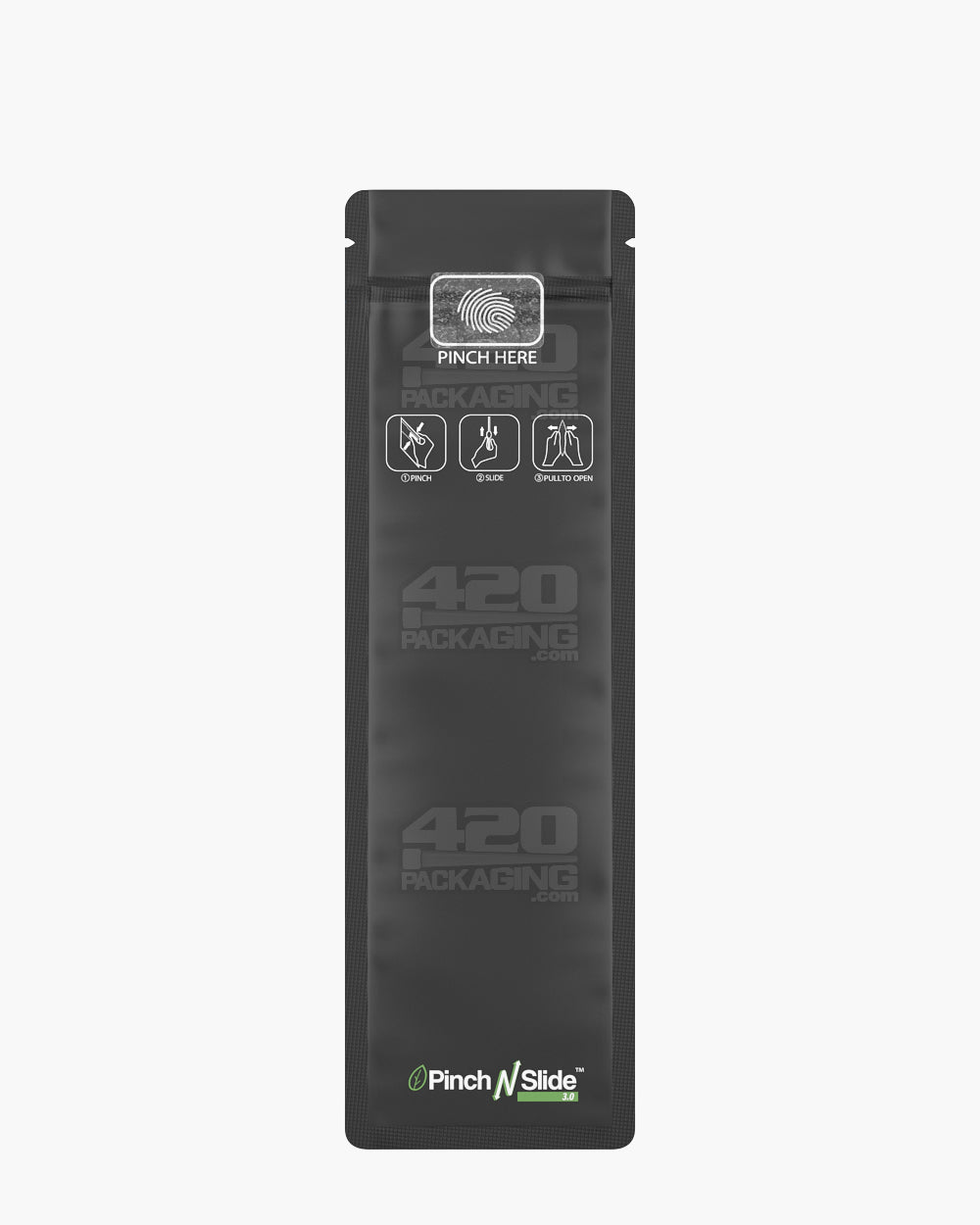
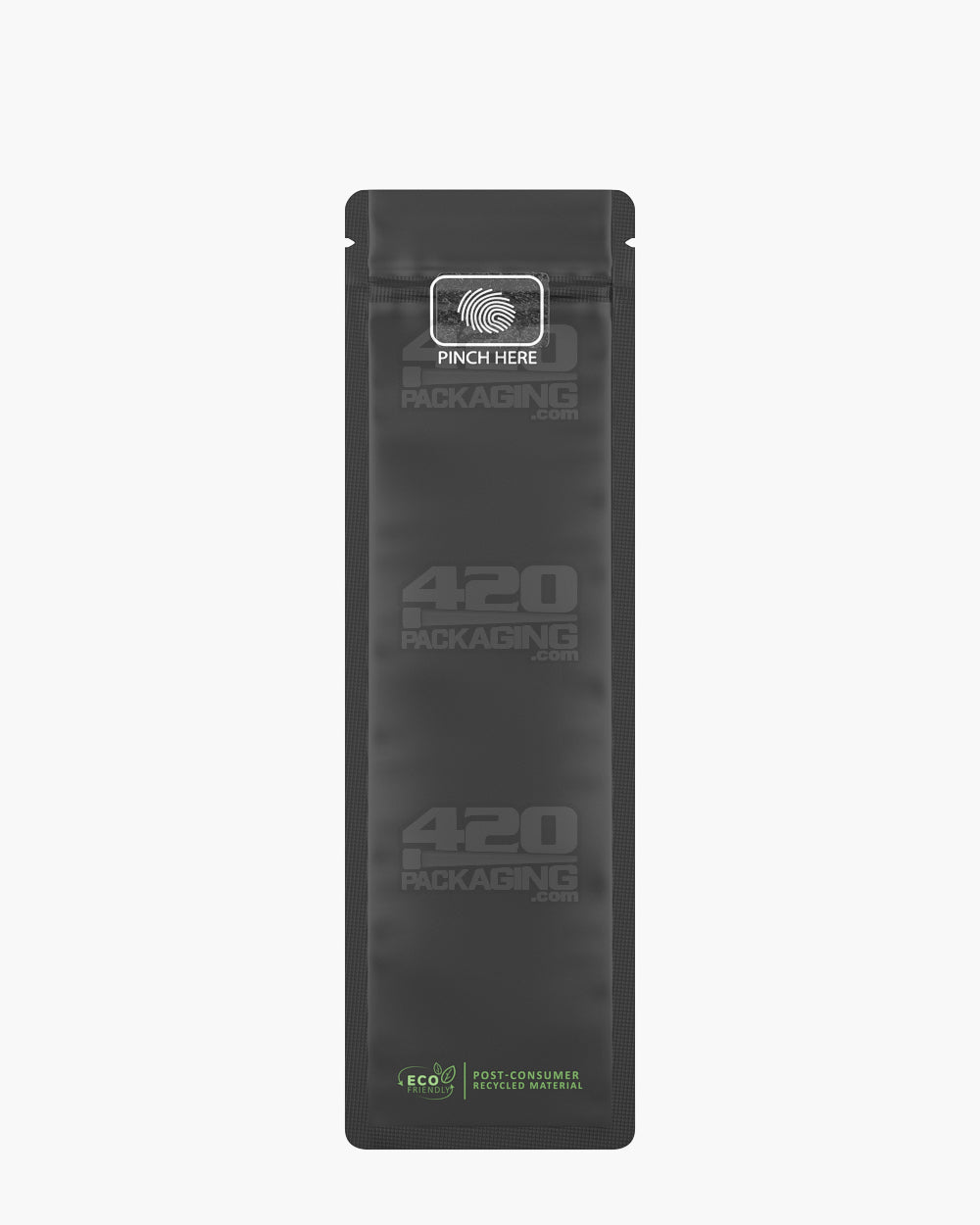
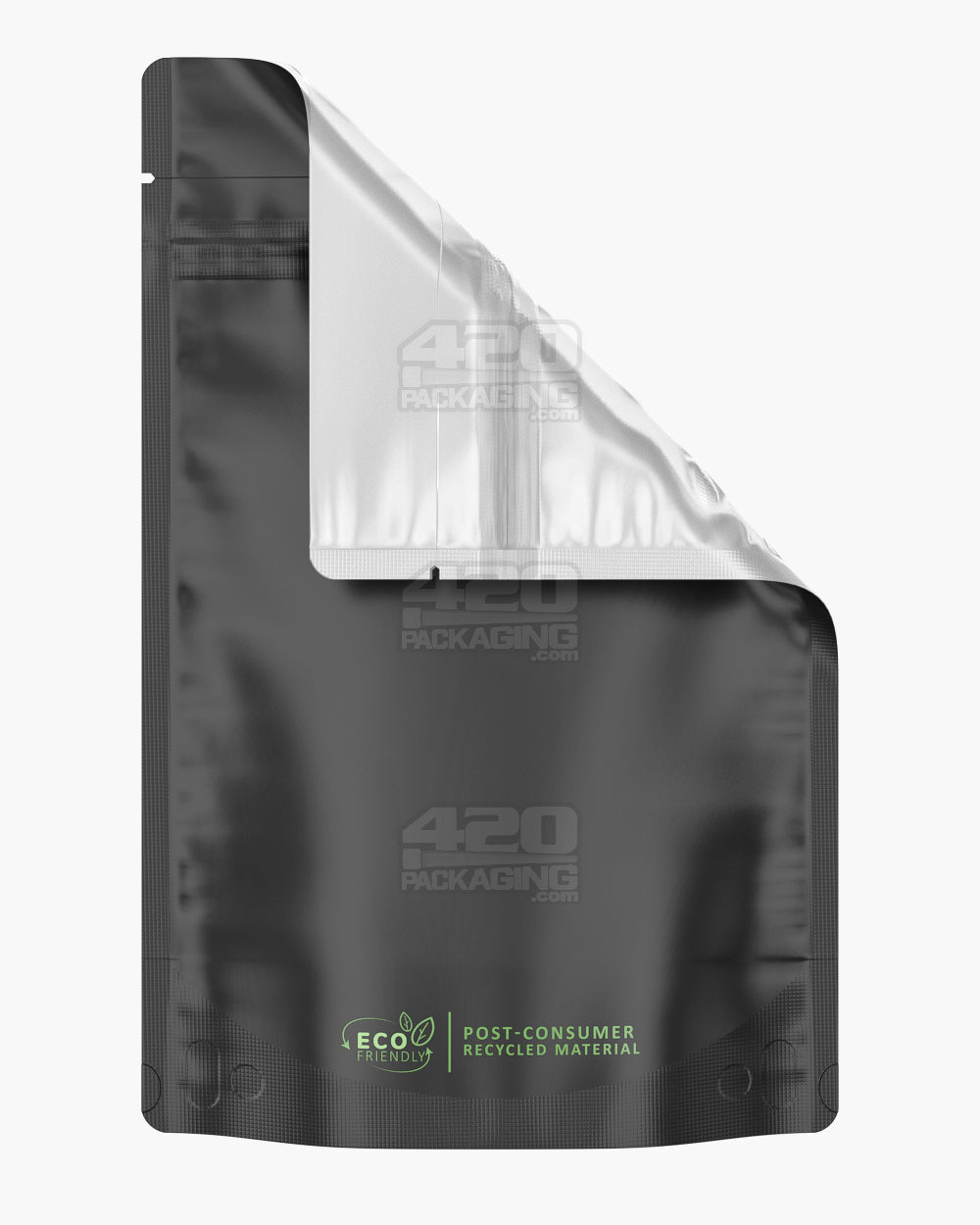

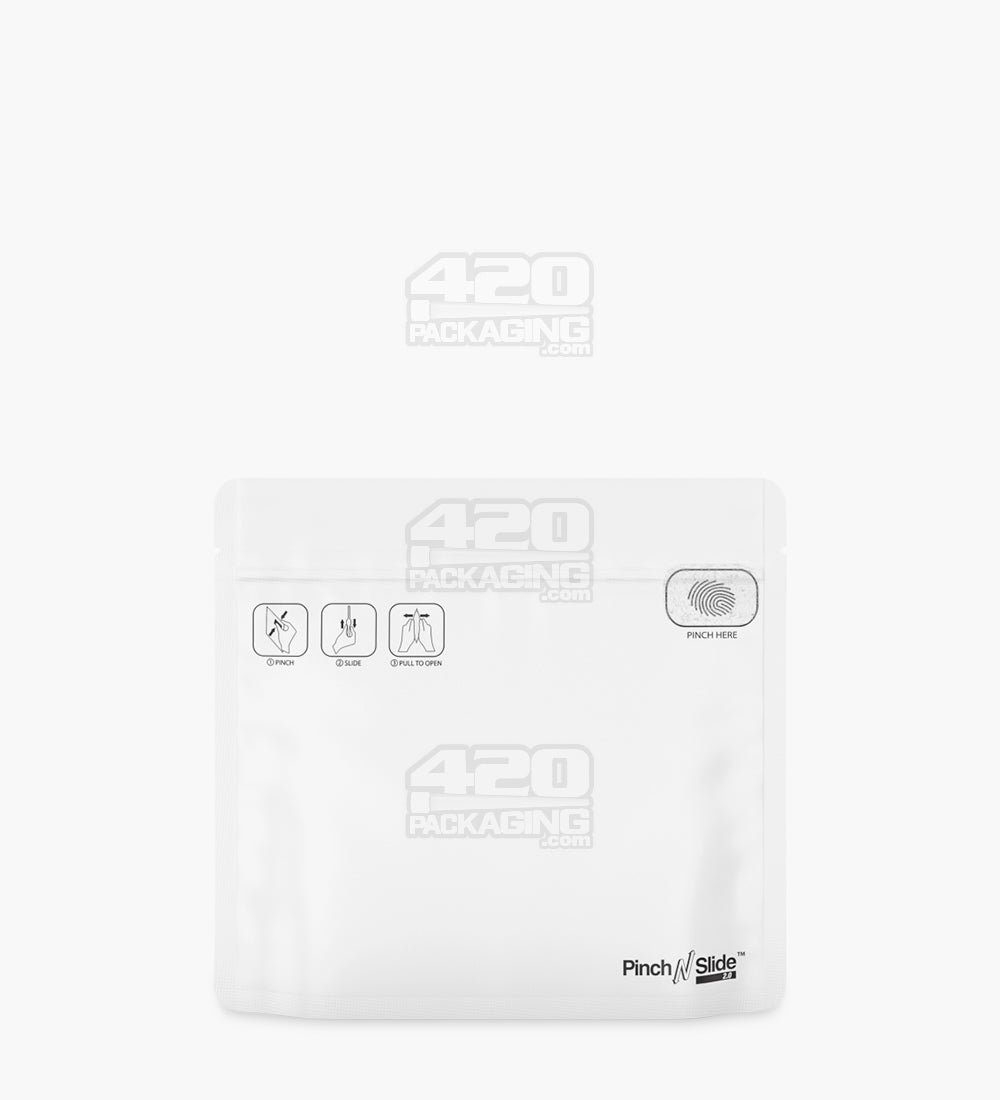

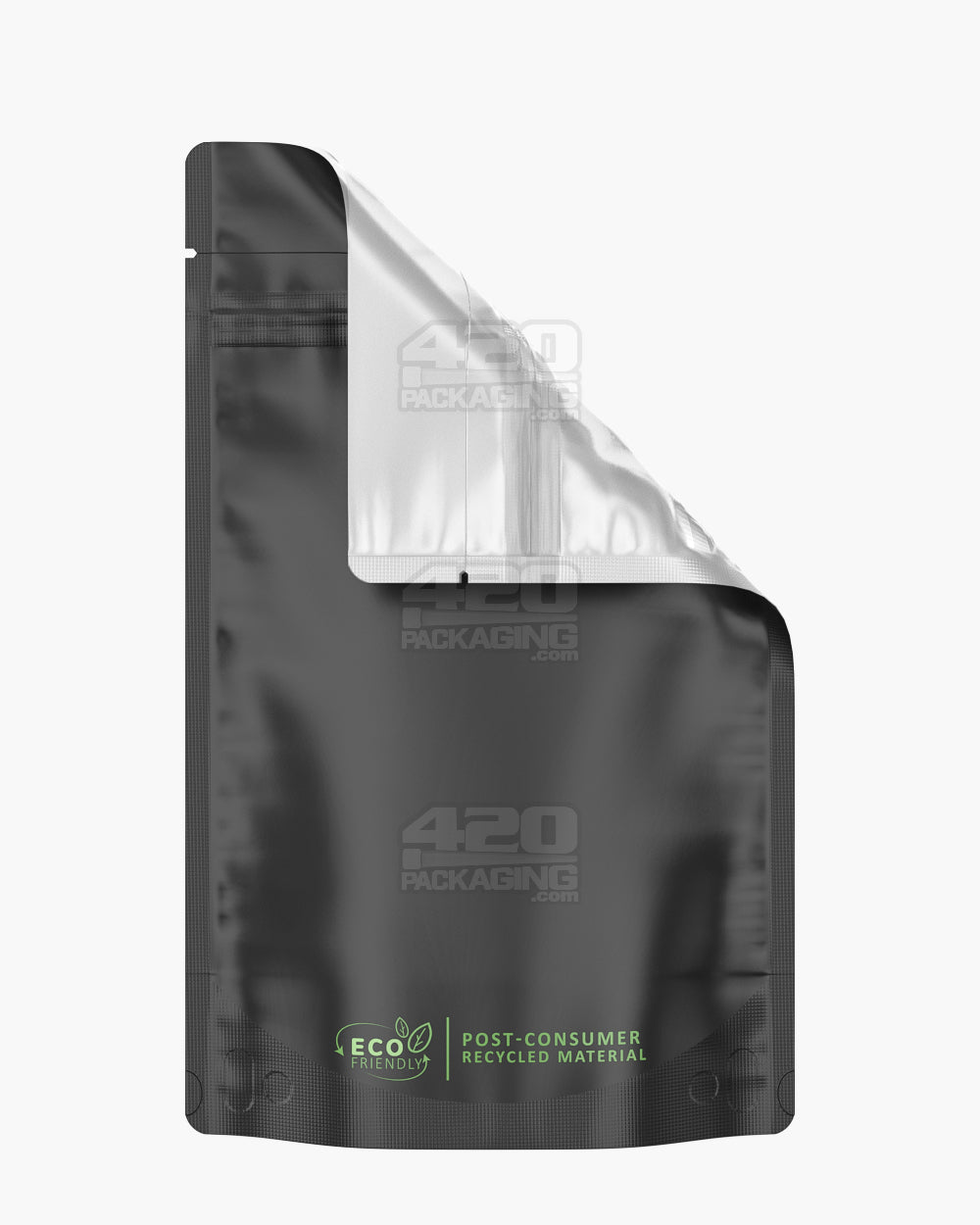


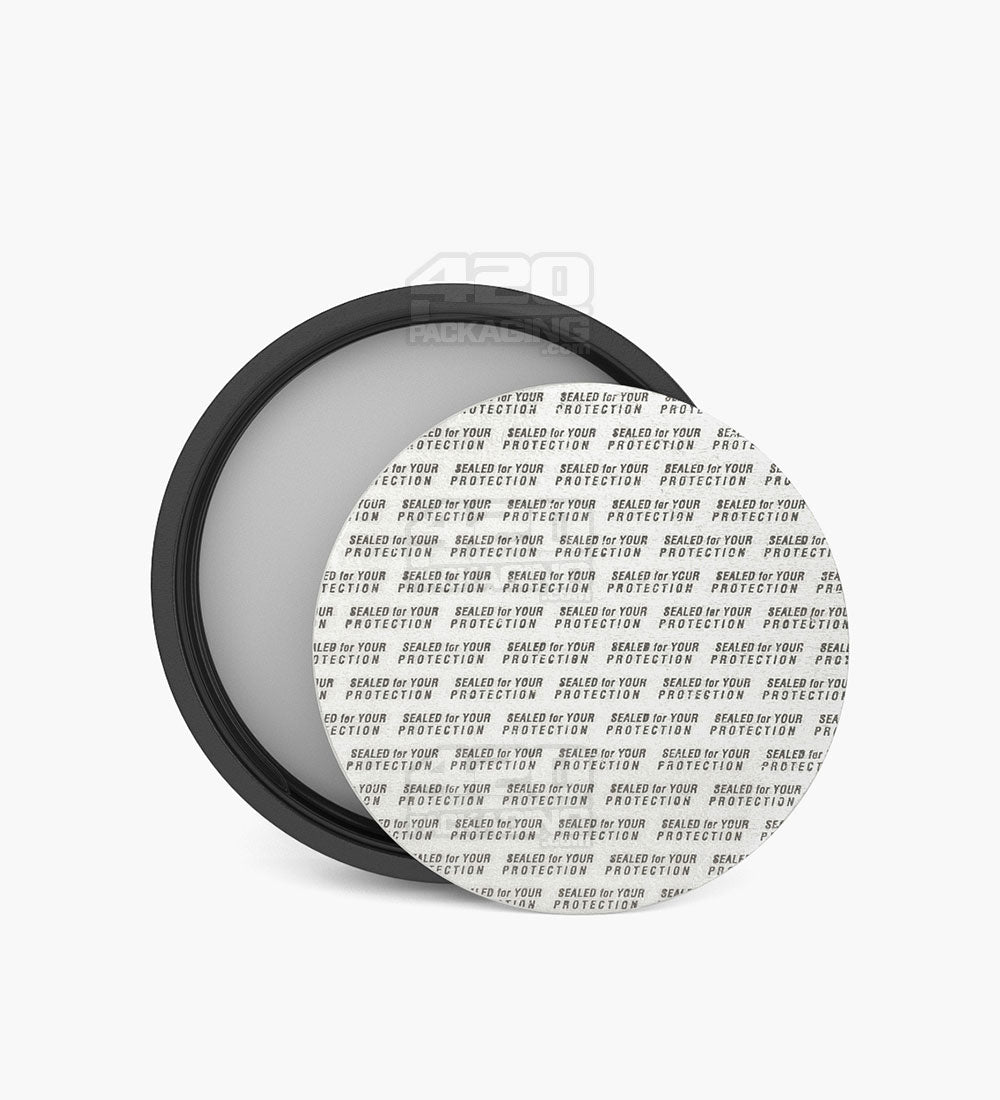
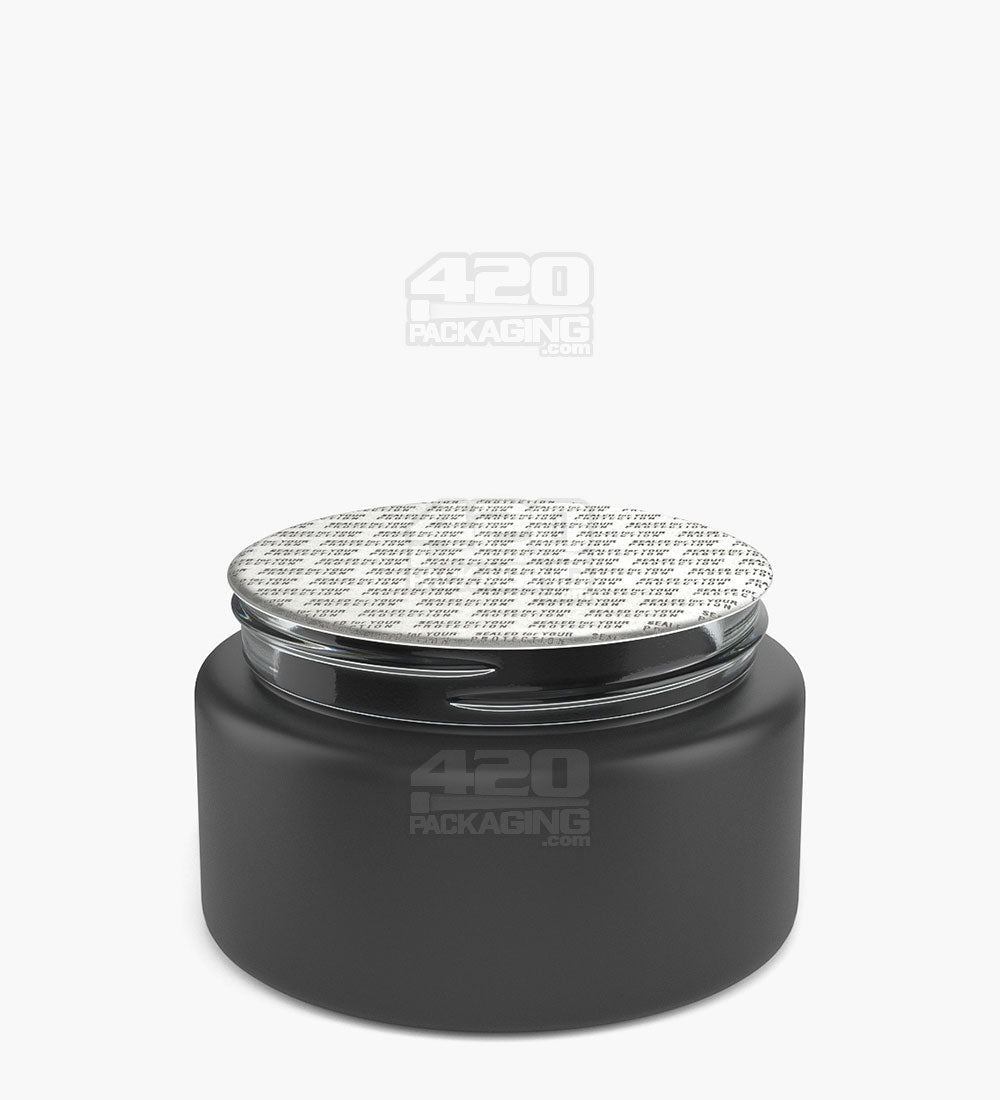
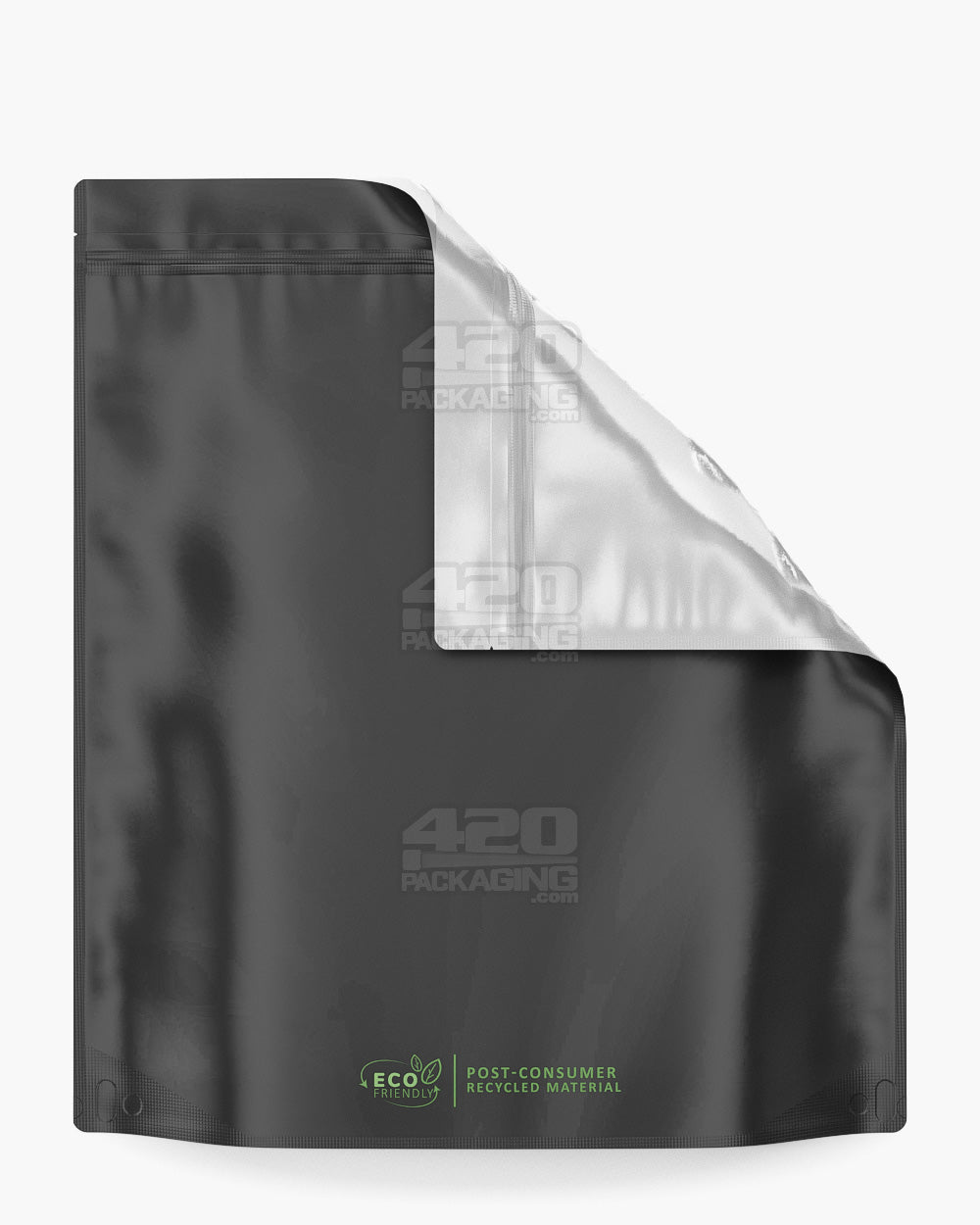

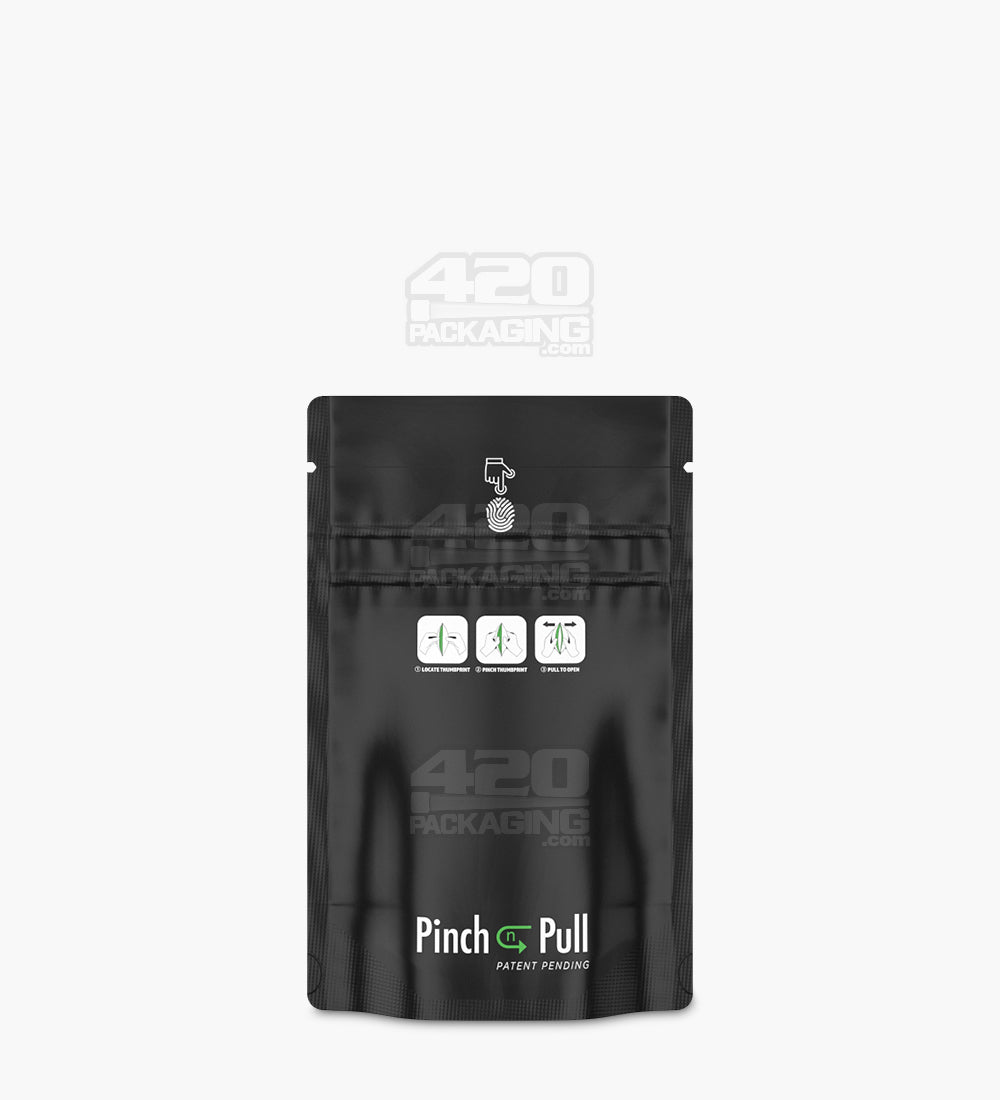


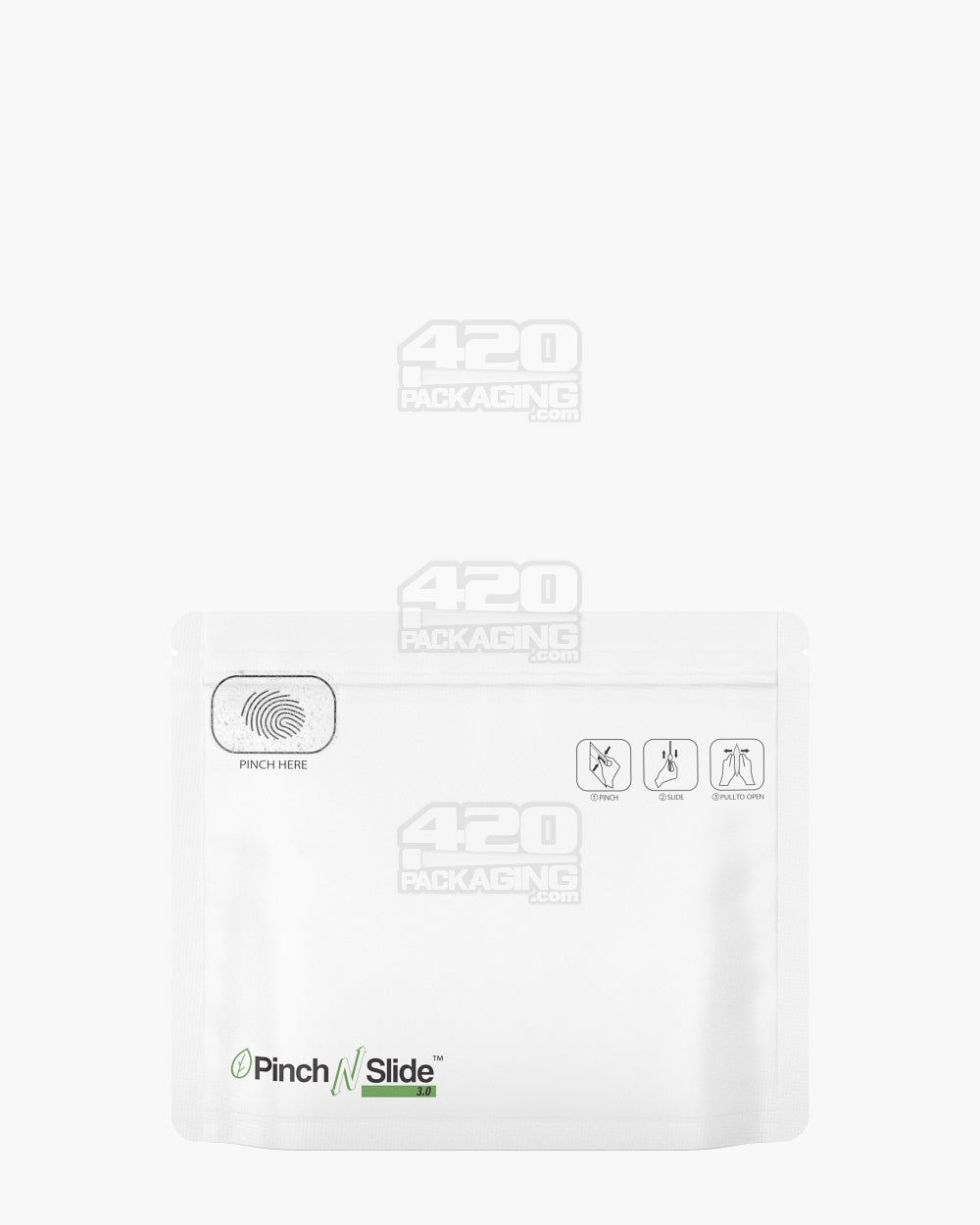


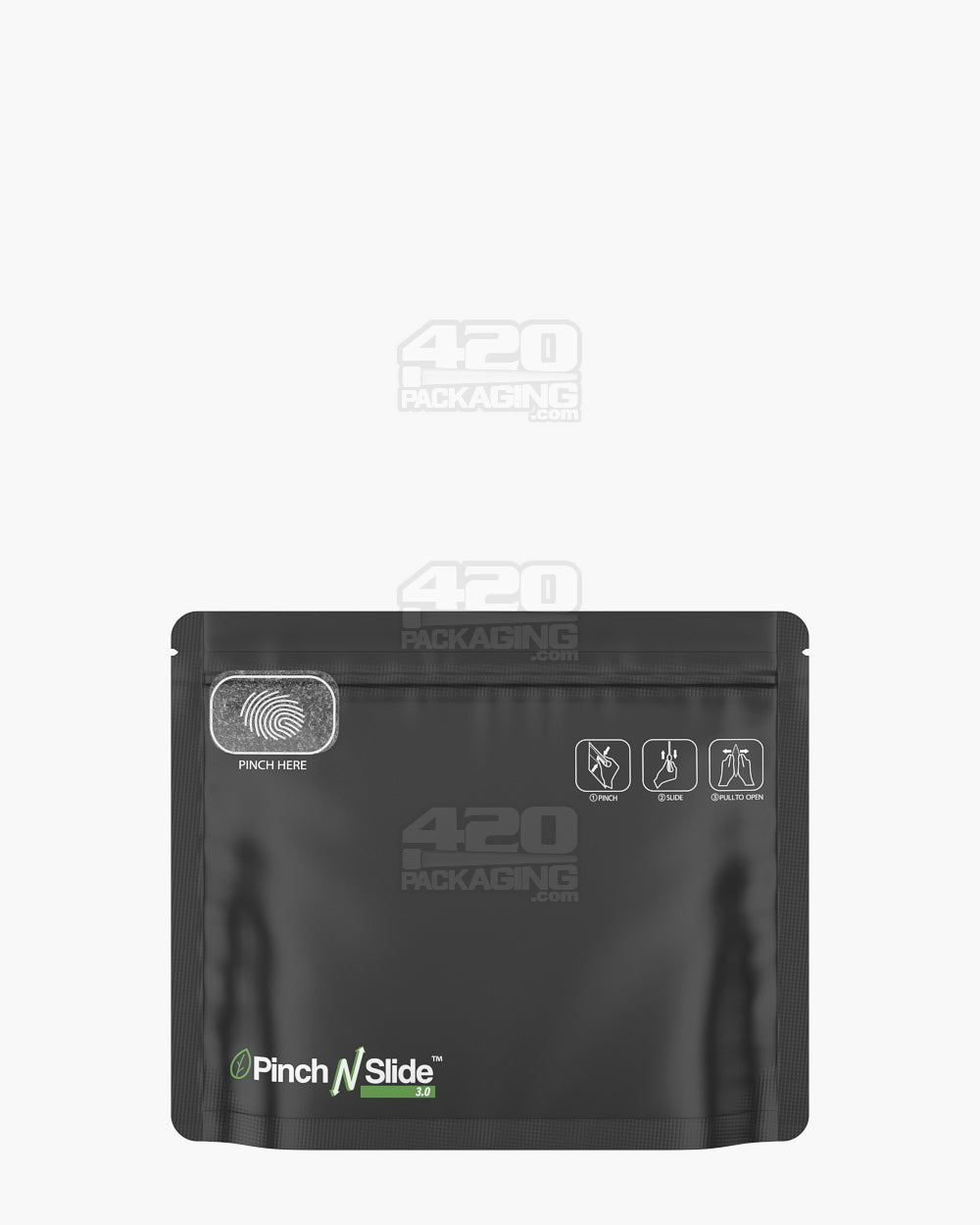



Tamper-Evident Packaging for Cannabis Products
Tamper-evident packaging is designed to provide visible or physical evidence that a package has been opened, altered or accessed before it reaches the intended consumer. Marijuana Packaging supplies packaging and compatible components that can support tamper-evident cannabis packaging systems for flower, pre-rolls, concentrates, edibles, oils, beverages and other packaged cannabis products.
Often searched for as tamper proof packaging or tamper resistant packaging, tamper-evident packaging can include shrink bands, heat seals, cap and lid liners, security seals, tamper-evident labels, tear strips, sealed pouch tops and other first-open features. The appropriate system depends on the primary container, product, closure, filling process and requirements that apply where the finished product will be sold.
"Tamper proof" is a common search term, but it can imply an absolute level of protection that packaging generally cannot guarantee. In commercial packaging, tamper-evident is usually the more precise term because the objective is to make prior opening or interference detectable rather than to claim that access is impossible.
Key Consideration
Tamper evidence should be evaluated as part of the complete package, not as a decorative add-on. A shrink band, liner, sticker or sealed pouch top is useful only if it clearly changes when the package is first opened and works correctly with the container and closure. Also distinguish tamper evidence from child resistance. A package can be tamper-evident without being child resistant, and a child-resistant package can lack a visible first-open indicator.
What Is Tamper-Evident Packaging?
Tamper-evident packaging incorporates a feature that gives the consumer or retailer a visible indication that the package may have been opened or modified. That evidence can come from a broken seal, torn label, separated liner, removed band, opened heat seal or another component that cannot be restored to its original condition without leaving signs of access.
Tamper resistance is related but slightly different. A tamper-resistant package is designed to make unauthorized access more difficult, while a tamper-evident package focuses on making that access noticeable. Some packaging systems provide both functions.
Common reasons cannabis brands use tamper-evident packaging include:
- Providing visible evidence of first opening
- Helping protect package integrity between production and retail sale
- Supporting product freshness when the tamper feature also forms part of the package seal
- Helping prevent unnoticed access during distribution or retail handling
- Supporting regulatory requirements where tamper evidence is required
- Increasing consumer confidence in an unopened product
Types of Tamper-Evident Packaging
There is no single tamper-evident solution for every cannabis package. The best approach depends on whether the product is packaged in a jar, bottle, pouch, tube, tin, box or another container.
Shrink Bands and Shrink Sleeves
Shrink bands are commonly applied around jar lids, bottle caps, tube closures and other package openings. Once heat is applied, the band contracts tightly around the closure area. The consumer must break or remove it to access the package, creating visible evidence of opening.
Band diameter, height, shrink ratio and application temperature should be matched to the exact package. A band that is too loose may not provide clear evidence of opening, while excessive heat can affect some containers, closures, labels or products.
Cap and Lid Liners
Certain jars and bottles can support liners or inner seals positioned beneath the cap. Depending on the system, these can include induction seals, pressure-sensitive liners or other closure components designed to create an additional barrier across the container opening.
An intact inner seal can provide clear first-open evidence while also contributing to package integrity. Liner material, container material, neck finish, sealing equipment and product compatibility should all be confirmed before production.
Heat-Sealed Pouches
Flexible cannabis bags often include a sealable area above the zipper. After filling, the manufacturer can heat-seal the pouch so the consumer must tear or cut through the sealed area before reaching the reusable closure.
This creates a practical tamper-evident system for flower, gummies, pre-rolls and other products commonly packaged in flexible barrier bags.
Tear Notches and Tear Strips
Tear notches help consumers open a sealed flexible package at a defined location. The notch itself does not create tamper evidence. The evidence comes from the sealed material that must be torn between the notch and the package interior.
Tear strips can perform a similar function on boxes, sleeves and other packaging by creating a visible break in the original package structure when opened.
Security Seals and Tamper-Evident Stickers
Security labels can bridge a cap and container, lid and jar, box flap or other opening point. When properly designed, the label tears, separates or leaves visible evidence when the package is opened.
These seals can be useful for stock packaging because they add tamper evidence without requiring a completely different container. Placement should not interfere with child-resistant opening mechanisms, required warnings or normal package use.
Breakaway and First-Open Closures
Some bottles and containers use closures with breakaway rings, tabs or other components that visibly separate during the first opening. These designs integrate tamper evidence directly into the closure rather than requiring a separate band or label.
Choosing Tamper Evidence by Package Type
The most effective tamper-evident feature usually depends on the primary package already selected. Brands should choose the container around the product first, then determine which first-open system works with the package and production process.
| Package Type | Common Tamper-Evident Options | Important Considerations |
|---|---|---|
| Jars | Inner seals, shrink bands, security labels | Neck finish, cap fit, liner compatibility and sealing method |
| Bottles | Induction seals, shrink bands, breakaway closures, security labels | Liquid compatibility, leak resistance, neck finish and closure torque |
| Mylar Bags and Pouches | Heat-sealed tops, tear notches, tear strips | Seal strength, film construction, zipper location and opening method |
| Pre-Roll Tubes | Shrink bands, tamper-evident labels, sealed outer packaging | Tube diameter, closure design and child-resistant operation |
| Tins and Rigid Containers | Security labels, bands, sealed sleeves or outer packaging | Lid geometry, surface adhesion and opening point |
| Boxes and Cartons | Tamper labels, tear strips, sealed flaps | Whether the box is primary or secondary packaging |
Jars and Concentrate Containers
Cannabis jars used for flower, concentrates and edibles may support induction seals, pressure-sensitive liners, shrink bands or tamper-evident labels. Concentrate jars require additional attention because oils, terpenes and other extract components can create different product-contact and liner requirements.
Mylar Bags and Flexible Pouches
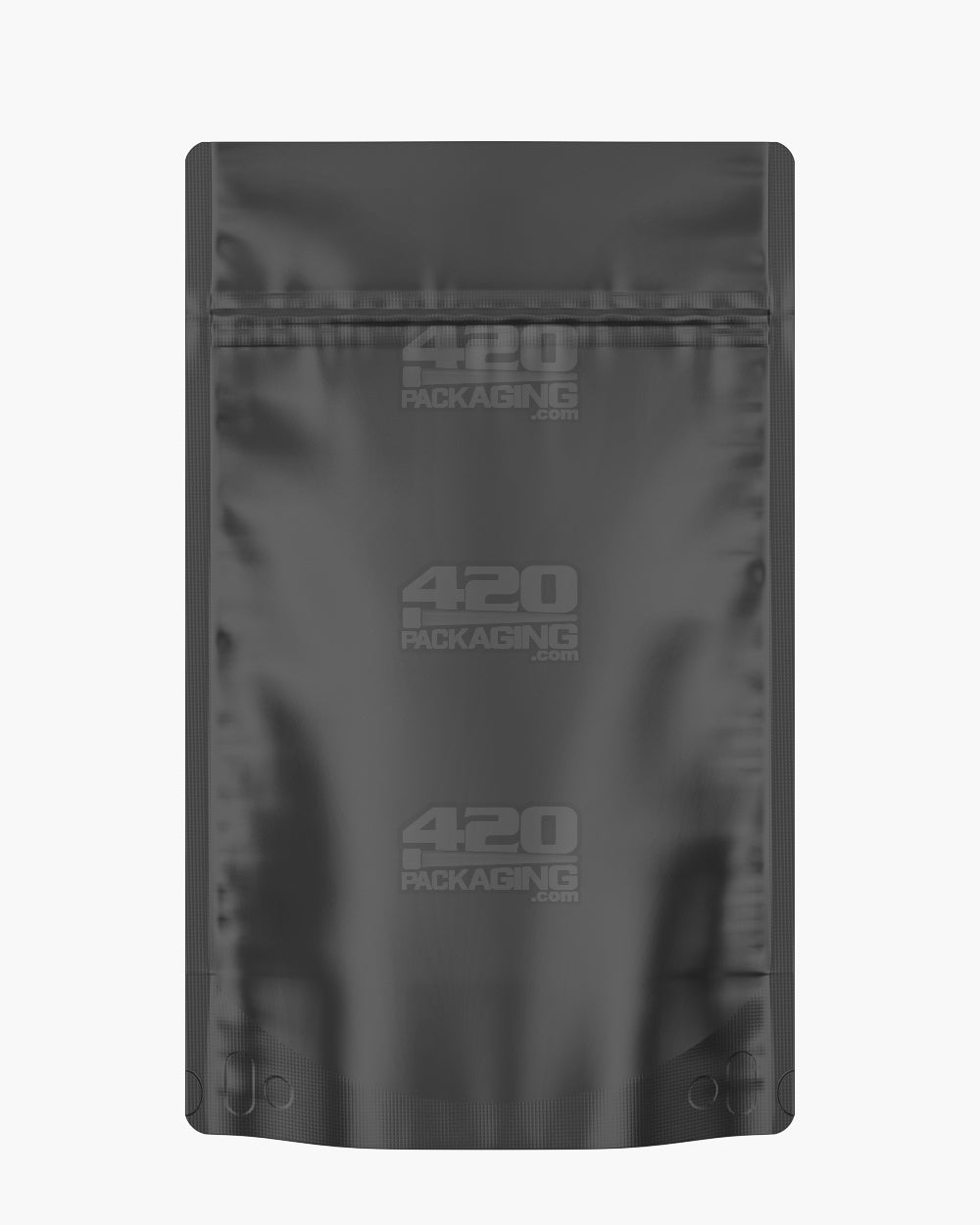
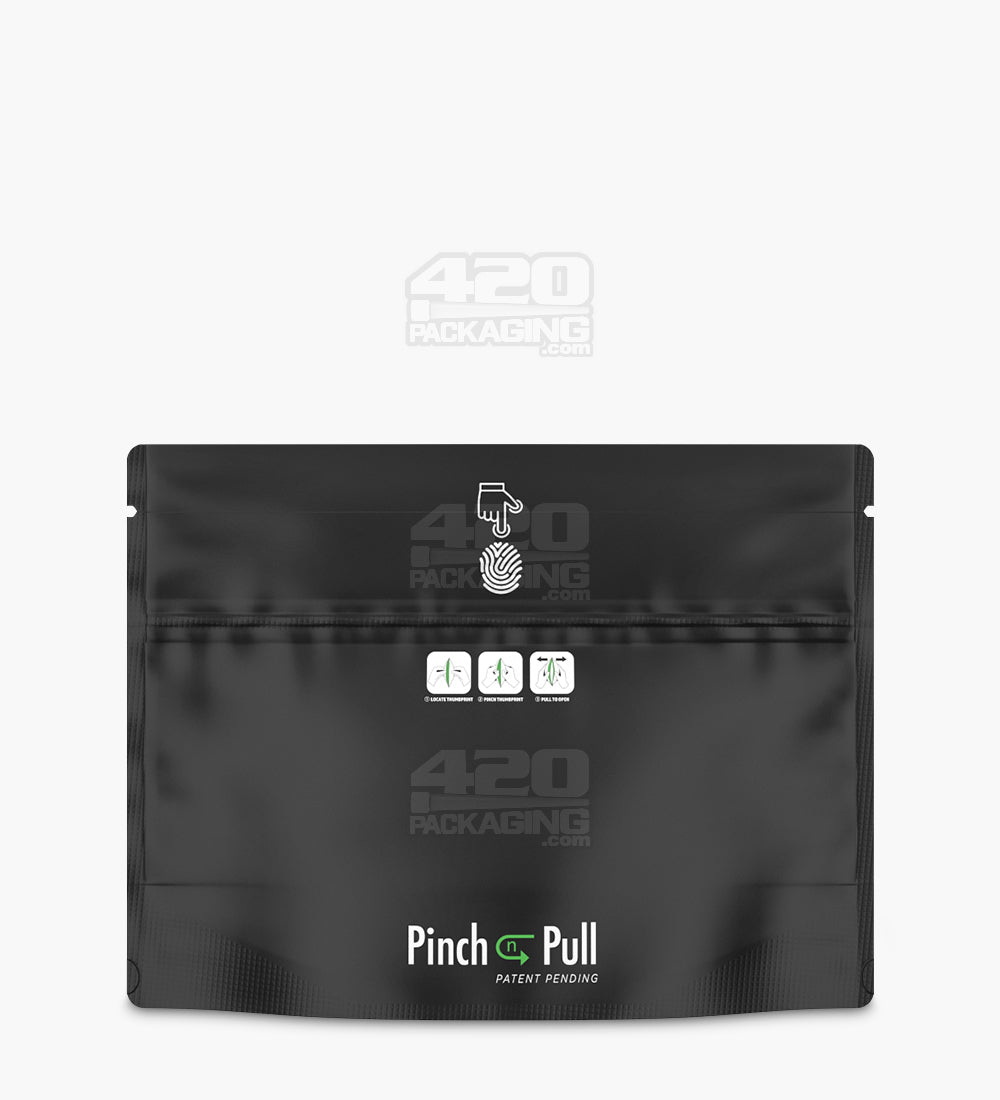
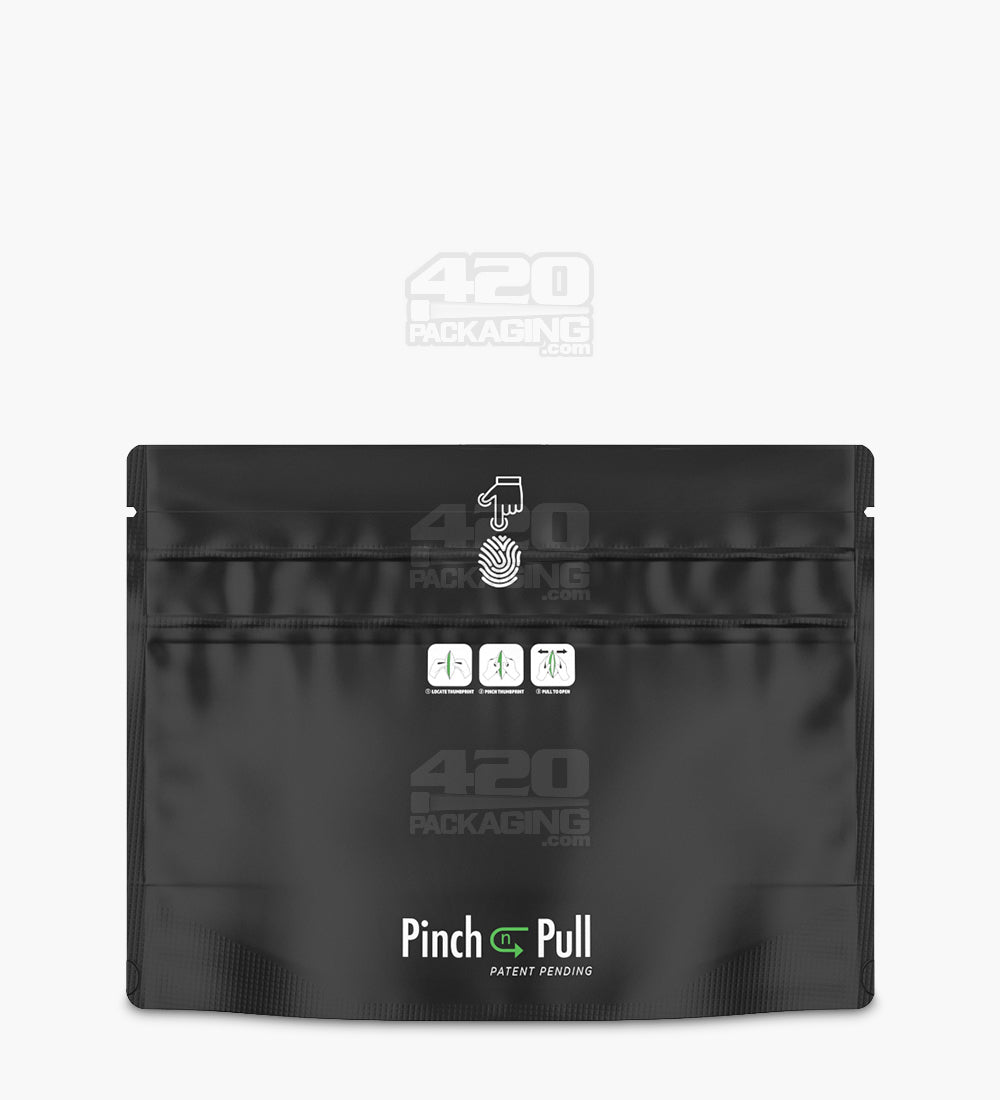
A heat seal above the zipper is one of the most common tamper-evident features for cannabis pouches. The consumer visibly destroys the sealed upper section during first access while the zipper remains available for later reclosing.
Pre-Roll Tubes
Joint tubes can use shrink bands or security labels across the cap and tube body. The tamper feature should be positioned so it does not obstruct squeeze points, opening instructions or other features required for a child-resistant closure.
Freshness, Safety and Package Integrity
Tamper-evident packaging can support product freshness and consumer confidence, but it should not be described as guaranteeing freshness, safety or sterility. Those outcomes depend on the product, package materials, barrier properties, manufacturing conditions, storage, handling and the integrity of the complete packaging system.
Freshness Protection
An intact heat seal, liner or other first-open barrier can help reduce uncontrolled exposure to oxygen, moisture, odors and environmental contaminants before the package is opened. The degree of protection depends on the barrier properties of the container and sealing system.
For cannabis flower, moisture and aroma management may be important. For concentrates, closure integrity and product-contact compatibility can be critical. Edibles may require additional moisture, oxygen, grease or food-contact considerations.
Visible Package Integrity
Tamper evidence gives retailers and consumers another way to evaluate whether a package appears to remain in its original closed condition. A missing band, broken liner or disturbed security seal can indicate that the package should receive additional inspection before sale or use.
Seal Integrity
A tamper feature is useful only when it is applied consistently. Commercial operations should monitor sealing temperature, pressure, dwell time, liner application, shrink-band placement or label adhesion according to the system being used.
Tamper-Evident Packaging Regulations
Cannabis packaging requirements vary by jurisdiction and product type. Some markets require cannabis products to be sealed or tamper-evident, while others define specific requirements for certain products, package formats or points in the distribution process.
Cannabis businesses should evaluate the regulations that apply where the finished product will be manufactured, distributed and sold rather than assuming that one tamper-evident system satisfies every market.
Tamper Evidence Is Not the Same as Child Resistance
Federal child-resistant packaging concepts under the Poison Prevention Packaging Act and testing procedures such as 16 CFR 1700.20 address child resistance, not whether a package visibly shows prior opening. State cannabis rules may impose separate tamper-evident or sealed-packaging requirements.
Primary and Secondary Packaging
Regulatory requirements can depend on which component directly contains the cannabis product. A tamper-evident outer carton does not necessarily replace requirements that apply to the primary jar, pouch, bottle or other container.
Edibles and Food-Contact Requirements
Cannabis edible packaging can involve additional product-contact considerations. A tamper-evident liner or seal should still be suitable for the intended food-contact application when it can contact the edible, oil or beverage.
Regulations change and can vary significantly among jurisdictions, so package selection should be reviewed against the requirements that apply to the specific product and market.
Tamper-Evident vs. Child Resistant Packaging
Tamper-evident and child-resistant packaging solve different problems and should not be used interchangeably.
| Function | Tamper-Evident Packaging | Child Resistant Packaging |
|---|---|---|
| Primary Purpose | Shows evidence that a package has been opened or altered | Makes access more difficult for young children |
| Common Features | Bands, liners, seals, labels, heat seals and tear strips | Push-and-turn, squeeze-and-turn, pinch-and-pull and other multi-action mechanisms |
| First-Open Evidence | Designed to provide visible evidence | Not necessarily |
| Reclosability | First-open feature is often destroyed | Can remain functional after repeated opening when designed as a reclosable CR package |
A finished cannabis package may need both functions. For example, a child-resistant jar can use an induction seal or shrink band for tamper evidence, while a CR pouch can be heat sealed above its reclosable child-resistant zipper.
For broader information about CR mechanisms and testing, review child resistant packaging.
Branding and Custom Tamper-Evident Packaging
Tamper-evident components can also become part of a cannabis brand's visual packaging system. Shrink bands, security labels and sealed outer components may support custom colors, printed graphics or branded messaging depending on the product and production method.
Custom Security Labels
Tamper-evident stickers can include logos, product identification or other branded elements while also crossing the package opening. The label material and adhesive should be selected for the container surface and intended storage conditions.
Printed Shrink Bands and Sleeves
Depending on the packaging program, shrink components may support printed branding or coordinated colors. Decoration should not make the first-open indication difficult to identify.
Custom Pouches With Integrated Tamper Evidence
Custom cannabis bags can incorporate a heat-sealable top, tear notches and branded graphics into one package. Artwork should leave appropriate space around the seal area, zipper and opening instructions.
Tamper-evident customization should support the package function rather than obscure it. Consumers should be able to understand how the package is intended to open and recognize when the first-open feature has already been disturbed.
Tamper-Evident Packaging Specifications and Product Documentation
Commercial buyers should review the specifications of the complete tamper-evident system before moving into production. A seal, liner or band must be compatible with the exact container and closure being used.
Useful information may include:
- Container and closure dimensions
- Neck finish or opening dimensions
- Liner type and compatible container materials
- Induction-sealing requirements where applicable
- Heat-seal temperature and process guidance where available
- Shrink-band diameter and height
- Recommended shrink conditions
- Security-label dimensions and surface requirements
- Pouch film and seal-area specifications
- Technical drawings
- Material and food-contact documentation where applicable
- Child-resistant test reports when the package also provides CR functionality
For qualifying products, review available certifications and product documentation. Documentation should be matched to the exact container, closure and tamper-evident component being considered rather than assumed to apply to a visually similar package.
What to Compare Before Ordering Tamper-Evident Packaging
The right tamper-evident packaging system should make prior opening visible, work with the primary container and fit the production process without interfering with child resistance, labeling or normal consumer use.
- Product being packaged
- Primary package type
- Shrink band, liner, heat seal, security label, tear strip or other tamper-evident method
- Container and closure compatibility
- Clear first-open evidence
- Child-resistant requirements where applicable
- Whether the package must remain reclosable after opening
- Seal strength and application method
- Product-contact compatibility
- Food-contact documentation where applicable
- Temperature, moisture and storage conditions
- Required labeling and opening-instruction area
- Available technical specifications and documentation
- Production equipment and application speed
- Sample testing before wholesale production
- Applicable requirements in the market where the product will be sold
For cannabis manufacturers, processors, brands and dispensaries, tamper-evident packaging is most effective when it is treated as one part of the complete package system. Shrink bands, lid liners, heat seals, tear notches, security stickers and other first-open features can provide clear evidence of package access while supporting product integrity, but they should be matched carefully to the container, closure, product and regulatory requirements of the finished cannabis package.
Frequently Asked Questions About Tamper Evident Packaging
Tamper-evident packaging allows customers to see if someone has accessed the product before them. The FDA defines it as having 'one having one or more indicators or barriers to entry which, if breached or missing, can reasonably be expected to provide visible evidence to consumers that tampering has occurred.'
When you use our tamper-evident packaging, it will be apparent if a package has been opened before sale!
Tamper-evident packaging helps your business by providing customers with safe and secure products. This will build customer trust and loyalty in your business, allowing it to grow! Customers are more likely to choose your products if the packaging can ensure their safety.
Anti-tamper packaging can also prevent containers from opening prematurely. Your products often must go through a long journey to reach customers and retail spaces; tamper-evident packaging protects products from being accidentally jostled open in transit, reducing your business’s costs.
The FDA also requires nonprescription drugs to be packaged in tamper-evident containers. If your business is in that sector, tamper-evident packaging will help you comply with the FDA’s mandates.
Yes! We offer several tamper-evident packaging that can be reused and then recycled. We highly recommend that customers reuse their packaging as much as they can. However, when they are ready to recycle, they simply need to dispose of the packaging like other recyclable plastic/glass in their neighborhoods.
While most of our tamper-evident packaging can be recycled and reused, most recycling plants do not accept tamper-evident seals or cap liners to be recycled.We offer tamper-evident mylar bags with tear notches to indicate whether the bag has been opened or not. We have several different sizes to choose from to fit your business needs!
We also offer tamper-evident caps and jars; often, they come with shrink bands and plastic seals that need to be damaged or broken to access products!
Like our mylar bags, these caps and jars come in various sizes for your products. We also recommend cap liners to be fitted with jars and lids; they require pressure to remove.
We briefly touched on them above, but we also offer seals and labels for your business. These will need to be torn or peeled to access the product, making them a tremendous tamper-evident packaging addition!
Check out our website to see all the wonderful tamper-evident packaging we offer!