

Edibles Packaging
Edible packaging helps protect cannabis-infused products while supporting freshness, safety, and regulatory compliance. Shop a wide selection of child-resistant bags, jars, bottles, cartons, and containers designed for gummies, chocolates, baked goods, mints, beverages, and other infused products. Available in a variety of sizes, materials, and customizable options, edible packaging provides secure product protection and professional branding for dispensaries, manufacturers, and cannabis brands.
Filters
43 products









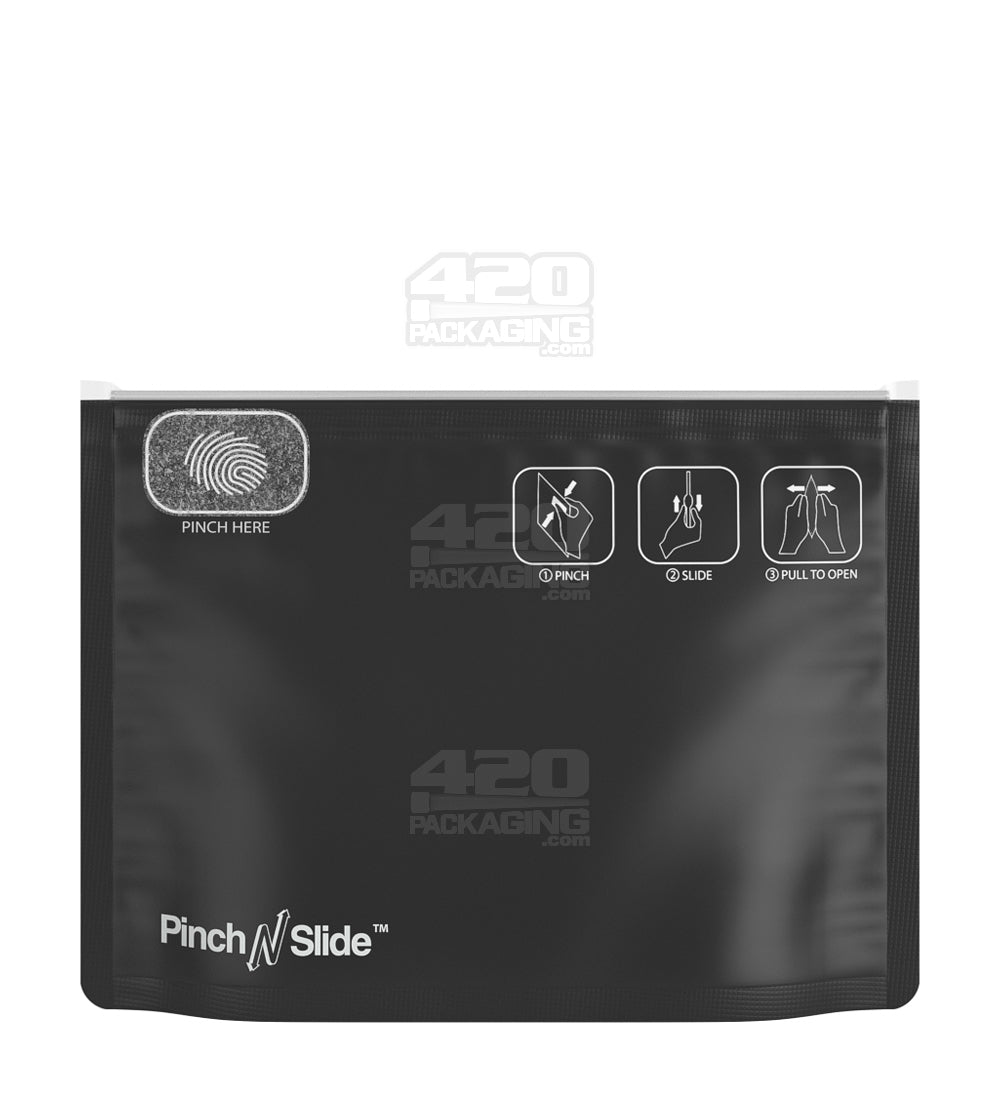


Wholesale Cannabis Edibles Packaging for Brands and Manufacturers
Cannabis edibles packaging is designed to contain, protect and present infused food and beverage products while supporting commercial filling, storage, distribution and retail requirements. Marijuana Packaging supplies wholesale cannabis edibles packaging for manufacturers, processors, co-packers, dispensaries, cannabis brands and other operations producing gummies, chews, chocolates, caramels, baked goods, candy, gum, tablets, mints, brittle, cakes, infused oils, drinks and other edible products.
Often searched for as weed edibles packaging, medibles packaging, marijuana edibles packaging, packaging for cannabis gummies or packaging for infused foods, this category includes flexible pouches, jars, bottles, tins, boxes, containers and other package systems. The correct package depends heavily on the physical characteristics of the edible, serving format, food-contact requirements, child-resistant needs, barrier properties, temperature sensitivity, product dimensions and intended shelf presentation.
Cannabis edible packaging should be evaluated as part of the finished product system rather than as a generic container. A resealable gummy pouch has different requirements than a chocolate box, caramel jar, baked-goods container, infused-oil bottle or cannabis beverage package. Product formulation and packaging therefore need to be considered together before a brand commits to wholesale quantities.
Key Consideration
The package should be selected around the actual edible formulation, not simply around serving count or exterior appearance. Gummies can react differently to moisture than brittle, chocolate can be sensitive to heat, baked goods can lose texture, oils can leak or interact with unsuitable materials, and beverages create additional closure and liquid-containment requirements. Test the finished edible in the exact package under realistic filling, storage and distribution conditions before standardizing the packaging for commercial production.
What Is Cannabis Edibles Packaging?
Cannabis edibles packaging is primary or secondary packaging used for ingestible cannabis products. Depending on the product, the package may directly contact the edible or may contain another wrapped, sealed or portioned component.
Effective packaging for cannabis edibles has to address both the physical characteristics of a food product and the operational requirements of a regulated cannabis business. That can include child resistance, tamper evidence, food-contact suitability, serving count, barrier protection, labeling space, batch identification and compatibility with filling or sealing equipment.
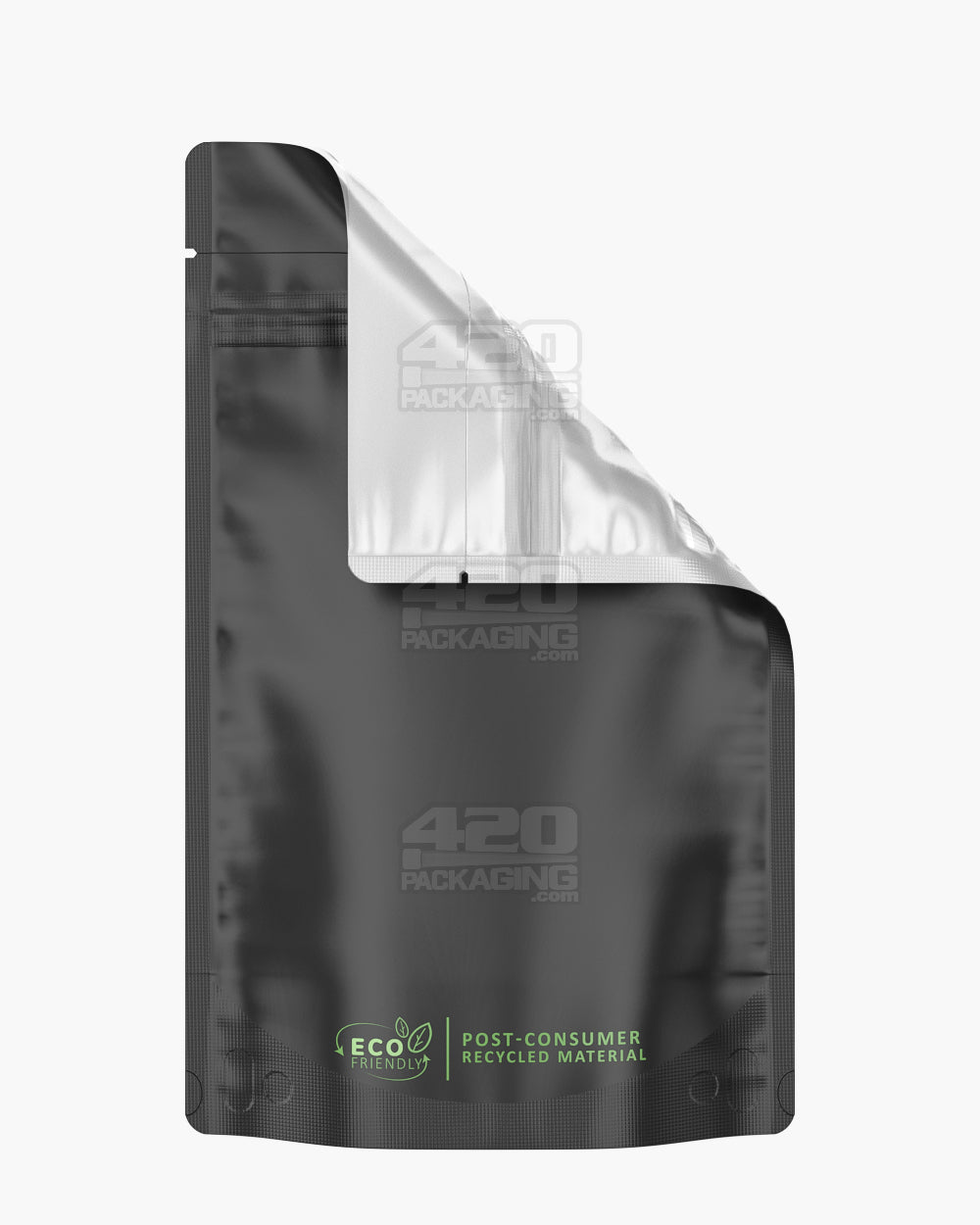
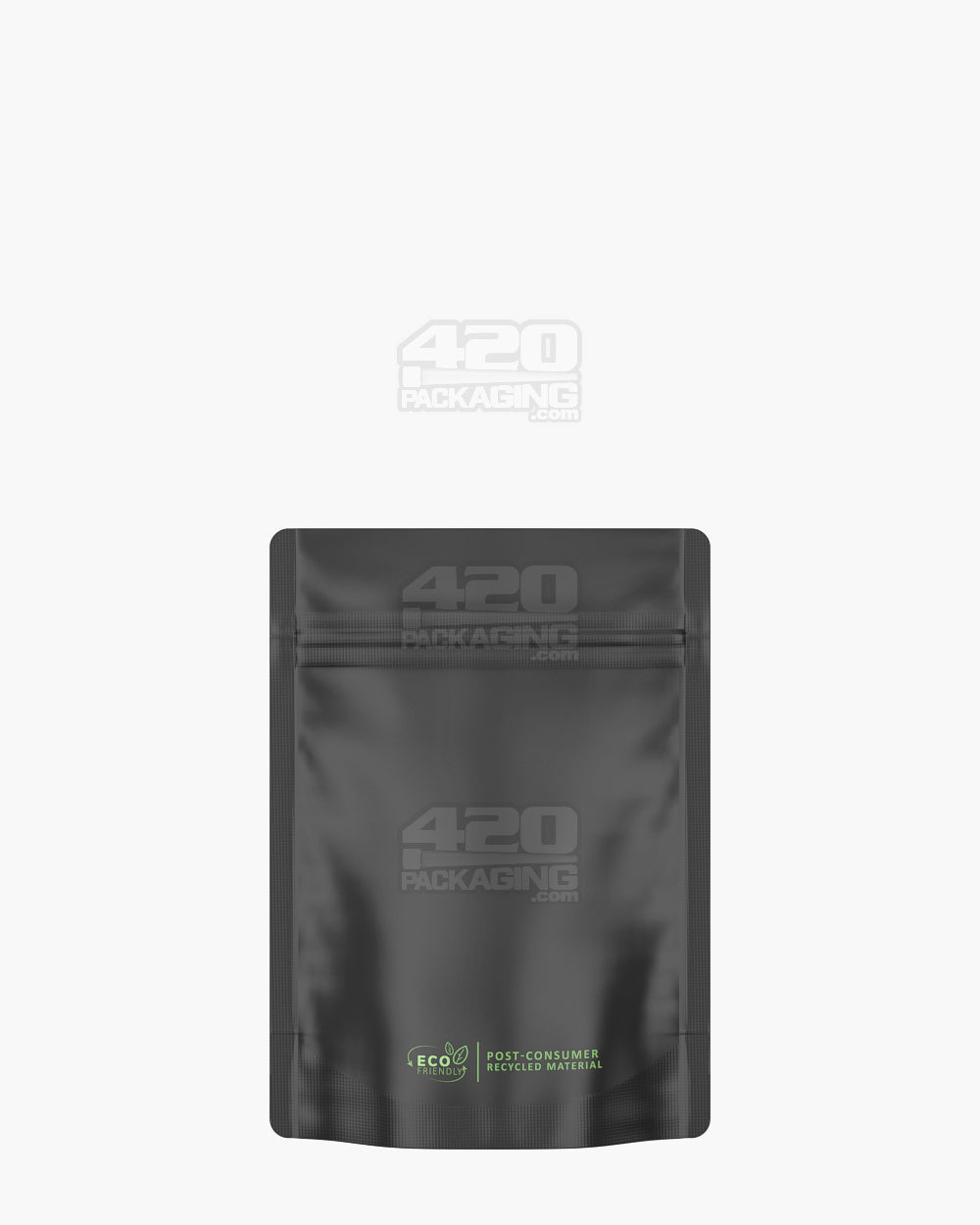
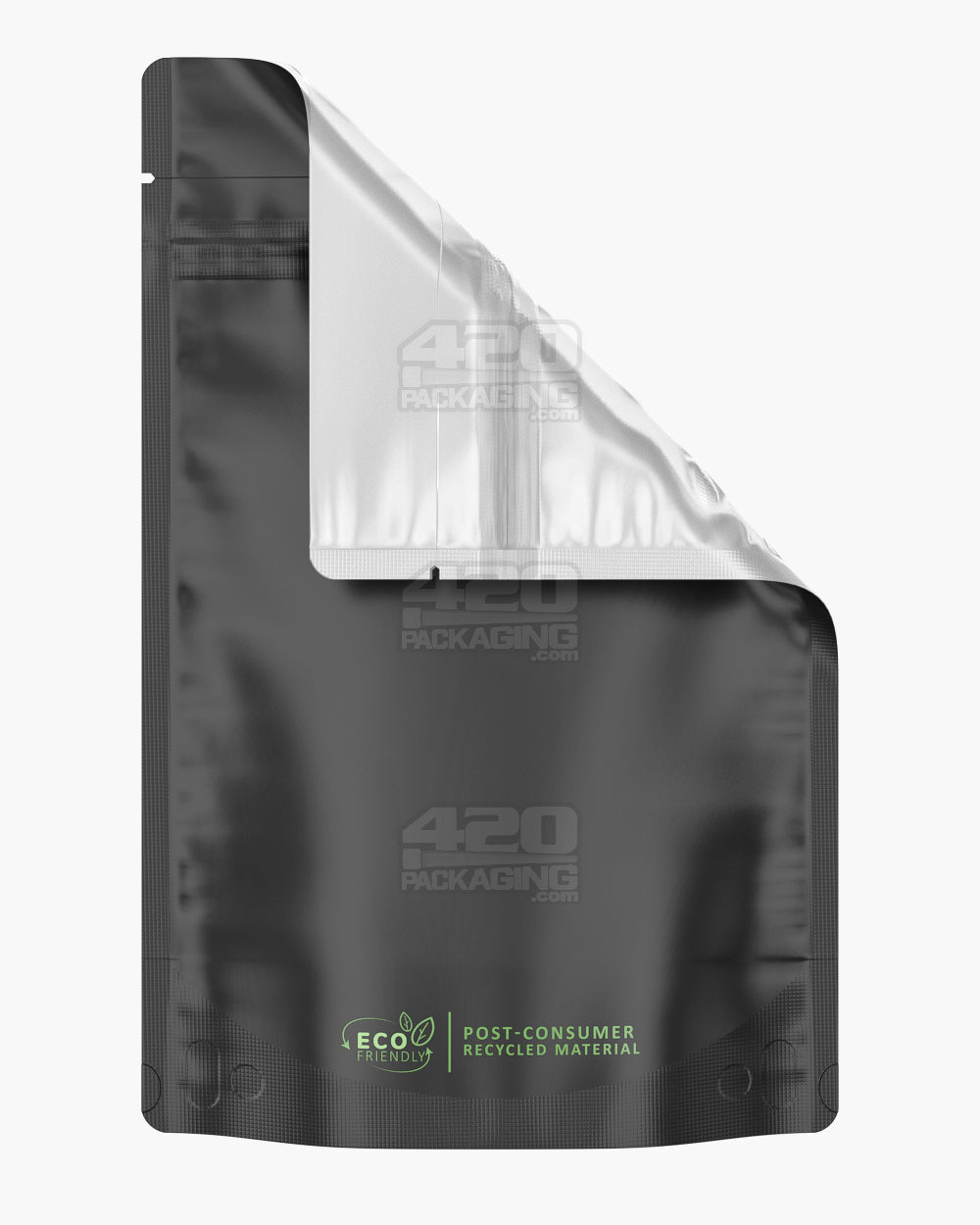
- Child resistant mylar pouches for gummies, chews and candy
- Glass and plastic jars for gummies, chocolates, tablets and mints
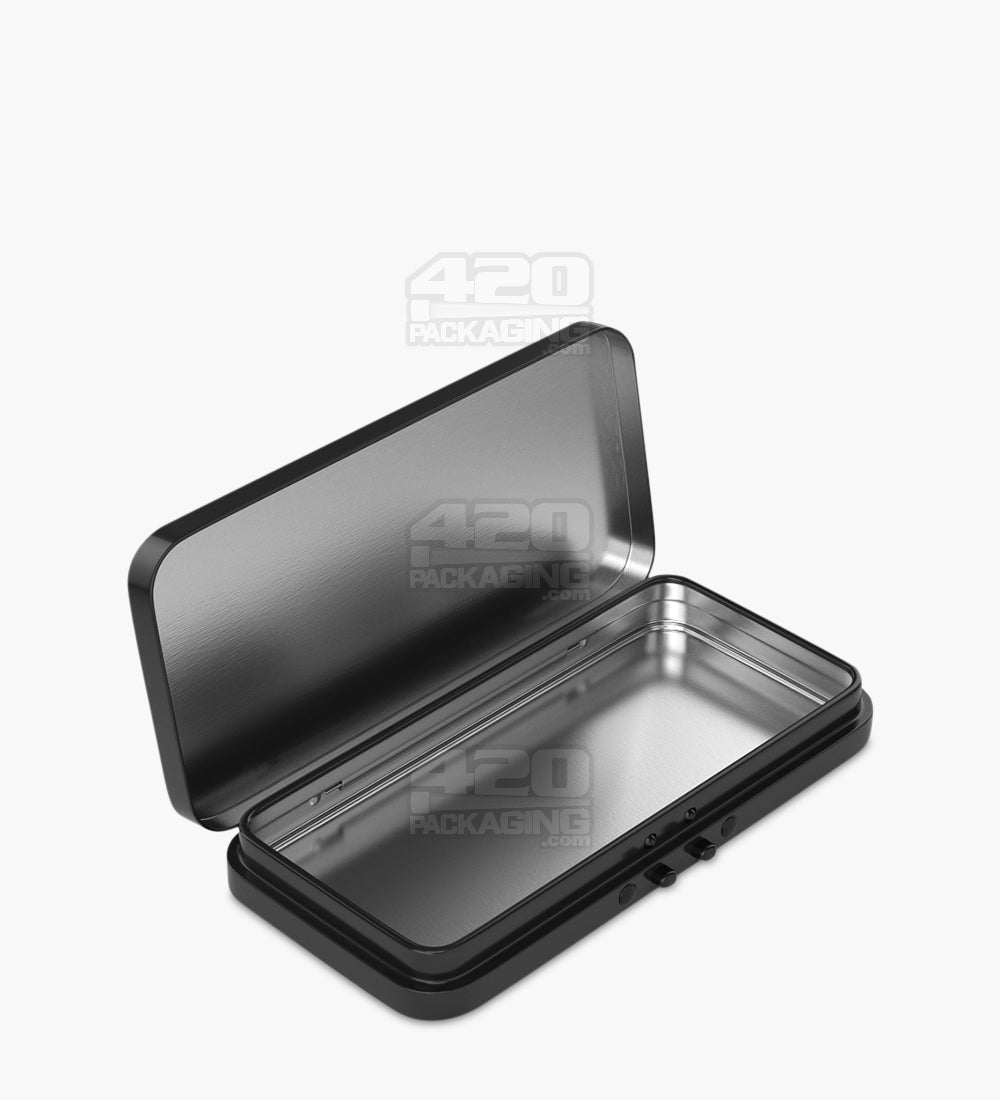
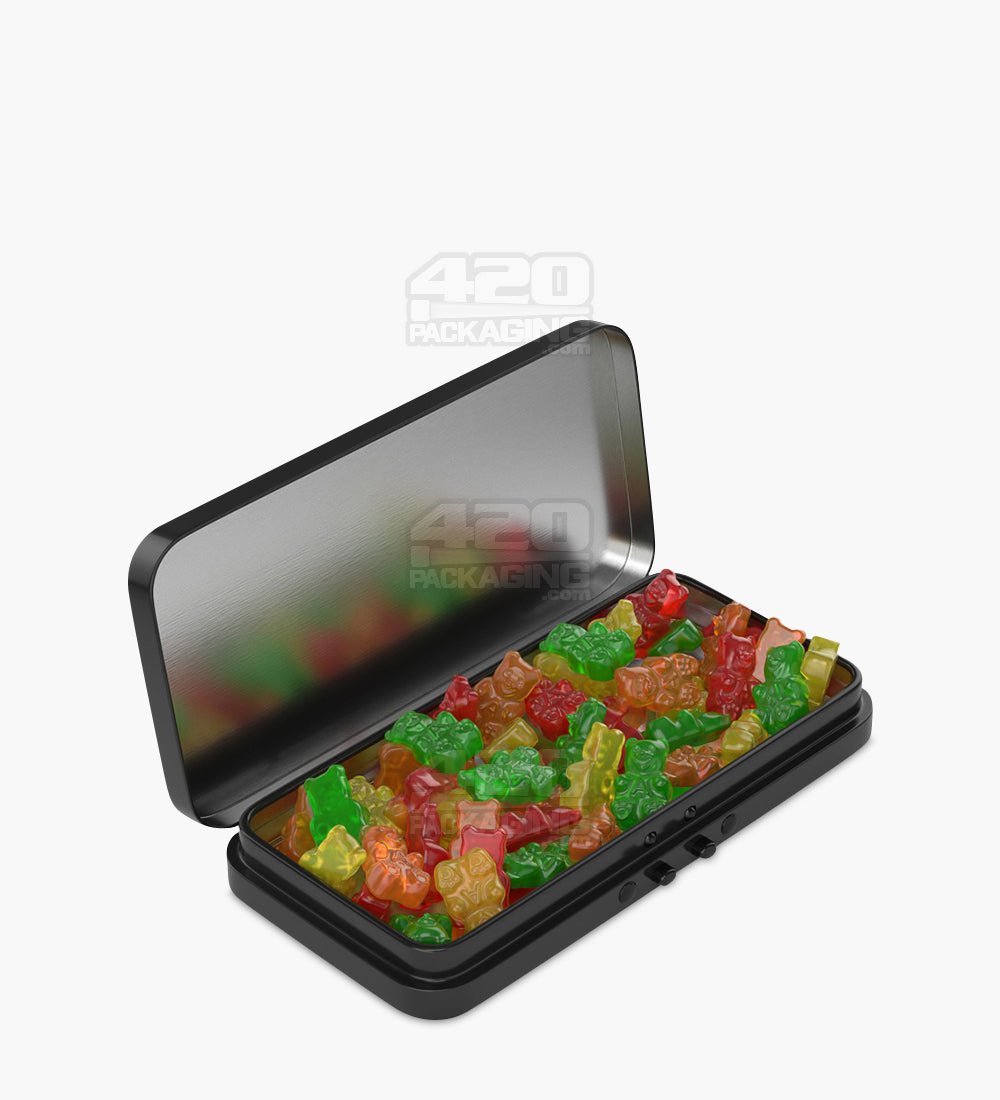
- Tins for mints, tablets, candy and specialty edibles
- Boxes and cartons for chocolates, caramels and baked goods
- Rigid containers for cakes, brittle and delicate products
- Bottles for infused oils and liquid edibles
- Beverage containers for cannabis drinks
- Single-serving packages for individually portioned products
- Multi-serving resealable packages
- Stock and custom branded packaging for commercial edible programs
Types of Packaging for Cannabis Edibles
Packaging for cannabis edibles is available across flexible, rigid and liquid-container formats. Each package type creates a different balance of barrier protection, structural support, resealability, branding area and production efficiency.
| Edible Product | Common Packaging Options | Important Packaging Considerations |
|---|---|---|
| Gummies and Chews | Mylar bags, pouches, jars, tins | Moisture control, serving count, child resistance, resealability, sticking and product fit |
| Chocolate | Boxes, pouches, tins, jars, wrappers with secondary packaging | Heat sensitivity, odor protection, grease resistance, breakage and portion organization |
| Caramels | Pouches, jars, tins, cartons | Sticking, individual wrapping, temperature, grease resistance and serving count |
| Candy | Pouches, jars, tins, boxes | Moisture, breakage, resealability and piece count |
| Gum, Tablets and Mints | Tins, jars, pouches, blister-style systems, boxes | Unit organization, moisture protection, portability and child resistance |
| Brittle | Rigid containers, pouches, tins, boxes | Crush protection, moisture barrier, sharp edges and product movement |
| Baked Goods and Cake | Rigid containers, trays, boxes, pouches | Freshness, grease, moisture, product dimensions and crush protection |
| Infused Oils | Bottles, jars, specialty liquid containers | Leak resistance, closure compatibility, light exposure and product-contact suitability |
| Cannabis Drinks and Beverages | Bottles, liquid containers, specialty beverage packages | Leak resistance, closure security, carbonation where applicable, liquid compatibility and serving format |
Choosing Cannabis Edibles Packaging by Product Type
Different cannabis edibles behave differently inside a package. Sugar, fats, oils, moisture, acidity, product texture and serving format can all affect packaging requirements. Manufacturers should therefore start with the finished edible and then determine the packaging type, material, closure and barrier properties required for that formulation.
A package used successfully for one edible should not automatically be assumed to perform the same way with another product. Changes in formulation can affect product-contact compatibility, grease resistance, moisture sensitivity, sealing requirements and shelf behavior even when the serving count remains unchanged.
Packaging for Cannabis Gummies and Chews
Packaging for cannabis gummies is one of the most common applications within the edibles category. Gummies and soft chews are frequently packed in resealable mylar pouches, jars and tins because these formats can accommodate multiple servings while providing sufficient space for branding and product information.
Mylar Bags for Cannabis Gummies
Flexible barrier pouches are widely used for gummies because they are lightweight, space-efficient and available with standard or child-resistant zipper systems. Depending on the film construction, the pouch can also provide moisture, oxygen, aroma and light barrier properties.
Buyers should compare usable internal dimensions, serving count, zipper design, heat-seal area, film construction and whether the gummy formulation tends to stick to the interior surface.
Jars for Gummies and Chews
Glass and plastic jars provide rigid packaging that can protect gummies from crushing and present the product in a reusable container. Clear jars can display product color and shape, while opaque jars provide greater visual separation from external light.
Jar diameter, opening size and closure design can influence filling speed and consumer access, especially with larger or irregular gummy shapes.
Gummy Serving Count and Package Capacity
Gummy packages are often planned around a specific number of pieces rather than a simple weight-to-volume relationship. A ten-count package of large gummies may require more space than a twenty-count package of smaller pieces.
Product teams should test the actual gummy dimensions, piece count and intended headspace inside the package. This helps avoid overfilled pouches, crowded jars or packages that appear unnecessarily large for the amount of product inside.
Chocolate, Caramel and Candy Packaging
Chocolates, caramels and infused candies create packaging challenges that differ from gummies because they can be sensitive to heat, breakage, oils, surface transfer and individual portioning.
Cannabis Chocolate Packaging
Cannabis chocolates may be packaged as bars, individually portioned pieces, truffles or other formats. Boxes, pouches, tins and rigid containers can all be used depending on the product geometry and whether the chocolate is already wrapped or sealed in primary food-contact material.
Chocolate can soften or deform when exposed to excessive heat, so packaging selection should be considered alongside transportation and storage conditions. Rigid packaging can help protect bars and molded pieces from physical damage, but the package itself does not replace appropriate temperature control.
Caramel Packaging
Caramels can stick to adjacent pieces and packaging surfaces, particularly under warmer conditions. Individual wrapping may be combined with a jar, pouch, tin or carton to keep servings separated and provide an additional branding and labeling surface.
Cannabis Candy Packaging
Hard candies and similar products can be packaged in jars, tins, flexible bags or boxes depending on piece size and serving count. Moisture exposure, breakage and product movement should be considered when selecting the package.
Cannabis Baked Goods, Cake and Brittle Packaging
Baked edibles require packaging that accounts for product freshness, texture, grease, shape and physical fragility. Brownies, cookies, cakes and other infused baked goods may be more susceptible to crushing or staling than gummies or hard candies.
Packaging for Cannabis Baked Goods
Baked goods can use rigid containers, trays, cartons or flexible pouches depending on product size and texture. Soft products may require more structural protection, while flatter cookies or bars may fit efficiently into pouches or shallow rigid containers.
Packaging should be evaluated for moisture control and grease resistance where applicable. The correct environment varies by formulation, so manufacturers should test the actual baked product rather than assuming that maximum moisture barrier is always the desired condition.
Cannabis Cake Packaging
Individual cake portions, cake bites and similar products require sufficient internal height and lateral clearance to prevent decoration or product surfaces from contacting the package. Trays or rigid containers may help maintain orientation and reduce movement.
Brittle Packaging
Cannabis brittle and other hard, breakable edibles require packaging that reduces crushing while controlling moisture exposure. Brittle can also create sharp edges that place localized pressure on flexible packaging.
When using pouches, film strength and puncture resistance should be evaluated. Rigid tins or containers can provide additional protection when preventing breakage is a major priority.
Cannabis Gum, Tablets and Mints
Cannabis gum, tablets and mints are generally compact products that can be packaged in tins, jars, small pouches, boxes or other portable containers. Because individual units are small, package organization, serving count and ease of dispensing can become more important than overall package capacity.
Cannabis Mint Packaging
Mints can be sensitive to moisture and may absorb surrounding aromas depending on the formulation. Resealable tins, jars and barrier pouches can help keep the product contained between uses while providing space for serving information and branding.
Cannabis Tablet Packaging
Tablets can be packaged loose in jars or tins, organized within individual compartments or incorporated into other packaging systems depending on product requirements. Buyers should evaluate breakage, moisture sensitivity, piece count and consumer dispensing.
Infused Gum Packaging
Cannabis gum may be packaged as individually wrapped pieces inside an outer pouch, tin or box. Individual wrapping can prevent pieces from contacting one another, while the outer package provides the primary retail branding and regulatory-information surface.
Cannabis Oils and Infused Liquid Packaging
Edible cannabis oils and other ingestible liquid products require packaging designed around liquid containment rather than the dry-food considerations that apply to gummies or candy. Bottles and other liquid containers should be evaluated for product-contact suitability, leak resistance, closure compatibility and dispensing requirements.
Bottles for Infused Oils
Glass and plastic bottles can be used for edible oils depending on the formulation, serving method and desired presentation. Bottle material should be evaluated for compatibility with the oil, particularly when products contain fats, flavoring ingredients or other components that may interact differently with packaging materials.
Closures and Dispensing Components
Infused oils may use screw caps, child-resistant closures, reducers, droppers, dispensing inserts or other components depending on how the product is intended to be used. Every component should fit the selected bottle and be appropriate for the product-contact application.
Light Protection for Oils
Some edible oils may benefit from reduced light exposure. Amber, opaque or otherwise light-shielding containers can be considered when the formulation or shelf-life program requires additional protection.
Cannabis Drinks and Beverage Packaging
Cannabis drinks and infused beverages create a distinct packaging application because the package must reliably contain a liquid through filling, transportation, storage and consumer use. Beverage packaging requirements can vary considerably depending on whether the product is still, carbonated, concentrated, single serving or intended for multiple uses.
Single-Serving Cannabis Drinks
Single-serving cannabis beverages may use bottles or other liquid packages intended to contain the full labeled serving in one package. Package volume, closure security, tamper evidence, labeling area and liquid compatibility should all be verified before production.
Multi-Serving Cannabis Beverages
Multi-serving beverage packages require a closure that can be securely reclosed between uses. If the product requires child-resistant functionality after opening, the closure system should be evaluated as a complete package and reviewed against the applicable requirements for the market.
Carbonated Cannabis Beverages
Carbonated beverages create internal pressure that requires packaging and closures specifically designed to handle the intended carbonation level. A bottle suitable for a still liquid should not automatically be used for a carbonated product without verifying its pressure-related specifications.
Beverage Leak Resistance
Liquid cannabis products should be tested for leakage under realistic conditions, including storage orientation, temperature changes and distribution handling where appropriate. Container material, neck finish, cap design, liner and application torque can all affect closure performance.
Single-Serving and Multi-Serving Cannabis Edibles Packaging
Serving format has a direct effect on edible packaging design. A single-serving package may be opened once and emptied completely, while a multi-serving package may need to remain functional through repeated opening and closing.
Single-Serving Edible Packaging
Single-serving packages can be sized closely around one edible, one portion or one individually wrapped unit. Reducing excess space can improve presentation and packaging efficiency, provided the product is not compressed or damaged.
Multi-Serving Edible Packaging
Multi-serving packages should provide enough volume for the full product count and support repeated consumer access. Resealable pouches, jars, bottles and tins are common choices depending on the edible.
Where child-resistant functionality is required for a reclosable package, the closure should remain functional after repeated use when operated correctly.
Individually Wrapped Pieces Inside an Outer Package
Some edible products use individual wrappers around each serving combined with a larger outer pouch, jar, tin or box. This can help separate sticky or fragile pieces and make portion organization easier.
The presence of individual wrappers does not automatically determine the regulatory status or child-resistant function of the outer package. The full packaging system should be evaluated against the requirements that apply to the finished product.
Child Resistant Cannabis Edibles Packaging
Cannabis edibles may require child-resistant packaging depending on the jurisdiction, product and packaging configuration. This is especially important for products such as gummies and candy that may resemble conventional food products.
Child Resistant Edible Pouches
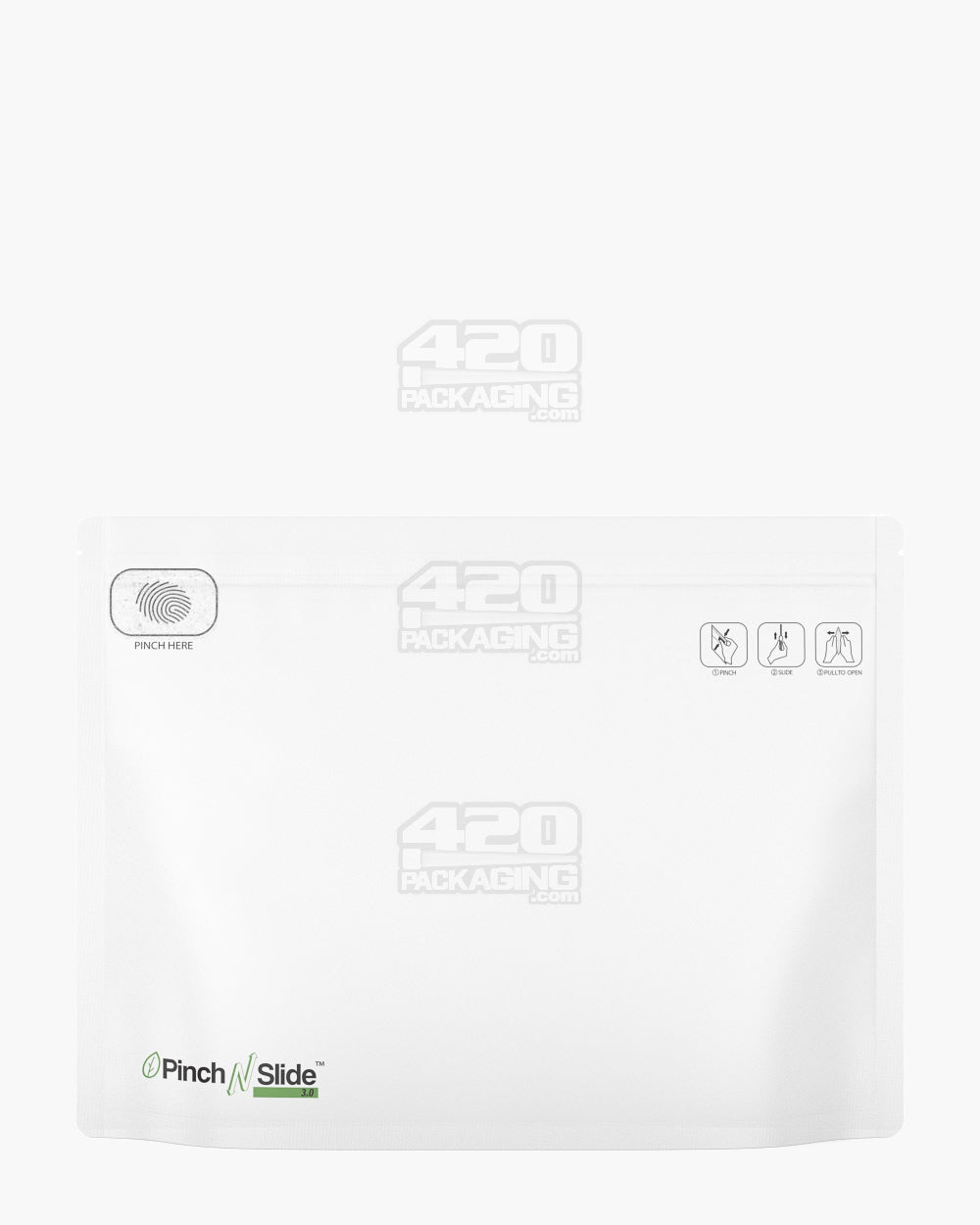
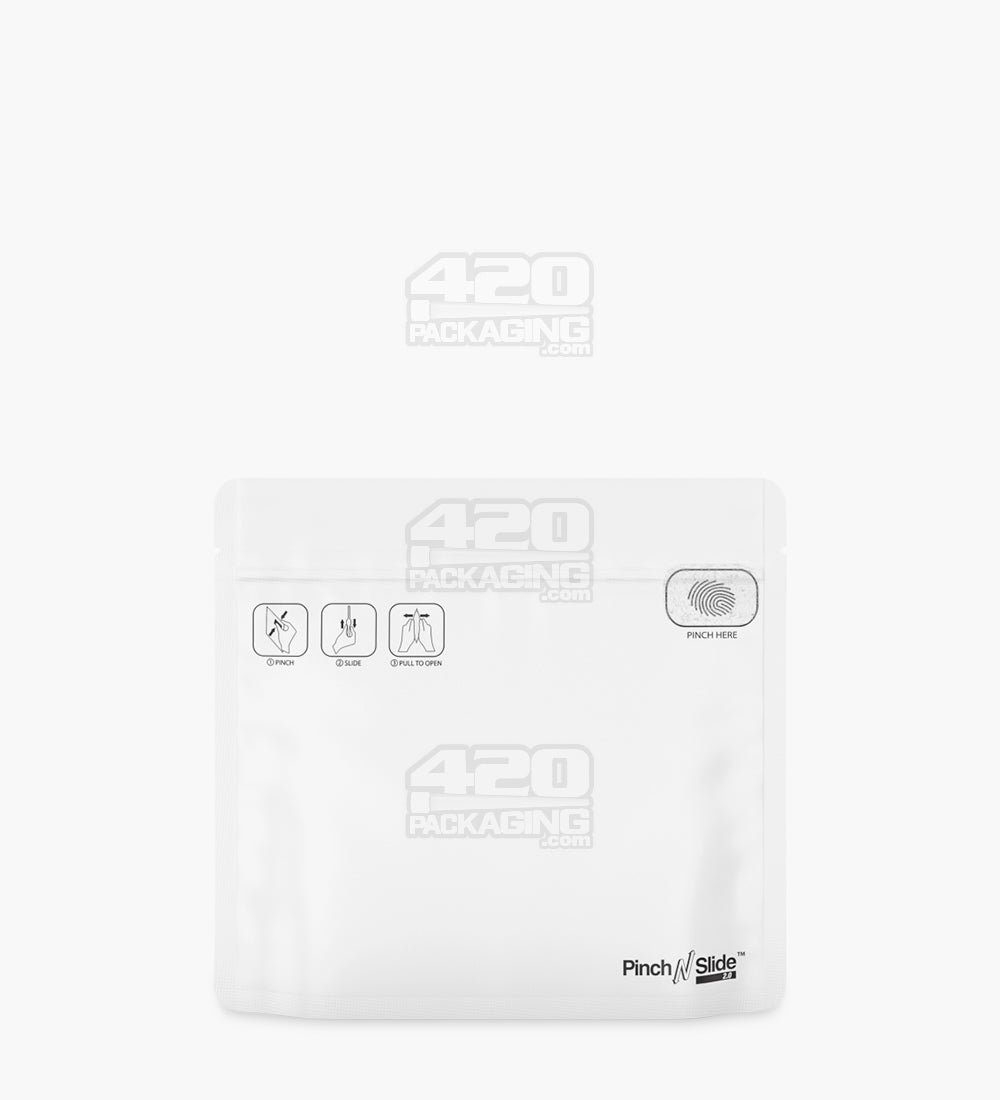
CR pouches may use pinch-and-pull, pinch-and-slide or other locking zipper mechanisms designed to make the package more difficult for young children to open. These formats are frequently used for gummies, chews, candy and other multi-serving products.
Child Resistant Jars and Containers
Rigid edible containers may use push-down-and-turn, squeeze-and-turn or other child-resistant closure systems. The child-resistant function applies to the package configuration rather than to a jar or cap considered independently.
Child Resistant Beverage and Liquid Closures
Bottled liquid edibles may use CRC caps or other closure systems depending on the product and market. The bottle neck finish and closure must be compatible, and available documentation should correspond to the package configuration being used.
Verify the Tested Package
Do not assume that a package is child resistant because it looks similar to another tested container. Review available documentation for the exact pouch, container, bottle, cap or closure combination.
For more information about CR mechanisms, 16 CFR 1700.20 testing and related package documentation, browse child resistant packaging.
Tamper-Evident Packaging for Cannabis Edibles
Tamper evidence is separate from child resistance. A child-resistant package may not provide visible evidence of prior opening, while a tamper-evident package may be easy for a child to access.
Heat-Sealed Edible Pouches
Flexible edible bags often include a heat-sealable area above the zipper. After filling, the manufacturer can create a sealed first-open barrier while retaining the zipper for subsequent consumer use.
Inner Seals for Jars
Some rigid edible jars support induction seals or other inner seals across the container opening. These components can create visible evidence of initial opening and may contribute additional barrier performance when properly matched to the container.
Shrink Bands and Tamper Labels
Bottles, jars and other rigid containers can sometimes use shrink bands, breakable labels or other devices across the closure. The selected tamper-evident method should be compatible with the package material, closure and production process.
Food-Contact Materials and Cannabis Edibles Packaging Safety
Because cannabis edibles are intended for ingestion, materials that directly contact the product should be evaluated for their intended food-contact application. Packaging suitability depends on both the material and the conditions under which the edible will contact it.
A material that is appropriate for one food-contact application should not automatically be assumed to be appropriate for every edible formulation. Product composition, fat content, acidity, temperature, storage duration and whether the edible contacts the package directly can all be relevant.
Direct Food Contact
Direct-contact packaging includes surfaces that physically touch gummies, candy, chocolate, baked goods, oils or beverages. Buyers should review available supplier or product documentation for the materials used in those surfaces.
Secondary Packaging
Boxes, cartons and outer pouches may function as secondary packaging when the edible is already contained within another food-contact wrapper, tray, bottle or primary package. The packaging requirements for these components can differ because they do not necessarily contact the food itself.
Food-Contact Documentation
Depending on the package, suppliers may provide documentation identifying the material and its intended food-contact use. Buyers should review the exact document associated with the specific packaging material and intended conditions of use rather than relying on a generic "food safe" statement.
Do Not Treat "FDA Approved" as a Generic Packaging Claim
Packaging materials should be evaluated using the applicable food-contact documentation for their intended use. A broad "FDA approved packaging" claim can oversimplify the regulatory status of individual materials, components and conditions of use. Commercial buyers should review the supporting material documentation instead.
COAs, Cannabis Edible Testing and Packaging Documentation
Certificates of Analysis, commonly called COAs, are an important part of cannabis edible production, but they should not be confused with packaging certifications. A COA generally documents laboratory testing performed on the cannabis product, ingredient, batch or sample rather than proving that the package itself is compliant or food-contact suitable.
Cannabis Edible COAs
Depending on the market and testing program, edible product COAs may report information such as cannabinoid potency and results from required contaminant testing. Manufacturers should maintain the applicable batch and testing records for the finished product according to their operational and regulatory requirements.
Packaging Documentation Is Separate
Packaging records can include material specifications, food-contact documentation, technical drawings, child-resistant test reports and other package-specific information. These records answer different questions from the edible product COA.
A practical documentation system therefore distinguishes among:
- Finished-product COAs: Laboratory results associated with the edible or production batch
- Ingredient documentation: Records relevant to ingredients used in the edible
- Packaging material documentation: Information about the material and intended application
- Child-resistant test reports: Documentation for qualifying package and closure configurations
- Technical drawings: Package dimensions, openings and component specifications
- Food-contact documentation: Supporting information for applicable direct-contact materials
- Production records: Packaging lot, batch, filling and other operational records maintained by the manufacturer
Third-Party Testing and Exact Package Identification
When a cannabis edibles package has third-party child-resistance testing or other package-specific test documentation, confirm that the report matches the exact configuration being purchased. Differences in container size, zipper construction, cap, neck finish, liner or closure can affect whether the documentation applies.
Moisture, Oxygen, Light and Aroma Barrier Protection
Barrier requirements for cannabis edibles vary substantially because different formulations respond differently to environmental exposure. The best package is not necessarily the one with the highest possible barrier in every category. It is the package that creates the appropriate environment for the specific food product.
Moisture Control
Gummies, baked goods, brittle, mints and other products can respond differently to humidity and moisture transfer. Some products can become sticky or soften, while others can dry out or lose texture.
Flexible-film structure, container material, zipper design, cap fit and final seal can all affect moisture transmission through the package system.
Oxygen Barrier
Oxygen barrier performance may be important for formulations containing ingredients that can oxidize or lose desired sensory characteristics during storage. Metallized films, foil structures and certain rigid packages can provide different levels of oxygen resistance.
Light Protection
Clear packages provide product visibility but allow greater exposure to ambient light. Opaque bags, tins, cartons, amber bottles and other light-shielding packages may be preferred when the edible formulation benefits from reduced light exposure.
Aroma and Flavor Protection
Chocolate, baked goods, flavored gummies, mints and other edibles can carry strong aromas or absorb surrounding odors. Barrier materials and effective closure systems can help reduce aroma transfer between the product and its environment.
Grease and Oil Resistance
Chocolates, caramels, baked goods and other products containing fats or oils can create additional packaging requirements. Materials, coatings, liners or individual wrappers should be evaluated for the actual food formulation and contact conditions.
Cannabis Edibles Packaging Materials
Cannabis edible packages can use flexible films, glass, plastic, metal, paperboard and multilayer structures. Material selection affects barrier performance, rigidity, weight, visibility, break resistance, customization and product-contact characteristics.
Flexible Barrier Films
Mylar-style edible pouches can use multilayer laminates containing PET, polyethylene, metallized films, foil or other materials. Each layer can contribute different characteristics such as printing performance, moisture barrier, oxygen barrier, sealability or physical strength.
Glass
Glass jars and bottles provide rigid packaging and can support gummies, candies, edible oils and other products. Clear glass provides visibility, while colored glass can offer different levels of light shielding.
Plastic
Plastic jars, bottles and containers can reduce package weight and breakage compared with glass. Different plastic resins have different properties, so material should be confirmed for the intended edible and conditions of use.
Metal and Tins
Metal tins provide rigid, opaque packaging for mints, tablets, candy, gummies and specialty products. Internal coatings, inserts or liners may be relevant depending on whether the edible directly contacts the metal package.
Paperboard Boxes and Cartons
Paperboard packaging provides broad printable surfaces and can work well for chocolates, baked goods, individually wrapped products and multipacks. When the box is not the direct food-contact layer, it may function as secondary packaging around another primary wrapper, tray or pouch.
Cannabis Edible Packaging Sizes, Capacity and Product Fit
Cannabis edible package sizing should be based on actual product dimensions, serving count and intended headspace rather than on nominal capacity alone. The same package volume can hold very different quantities of gummies, chocolate pieces, mints or baked goods.
Piece Count and Serving Count
Products sold as ten, twenty or another number of individual units should be tested inside the package at the full intended count. Piece-to-piece variation can affect fit, particularly with gummies and handmade or molded edibles.
Product Dimensions
Measure the height, width and thickness of the finished edible. This is especially important for chocolates, baked goods, brittle and larger chews where physical shape can determine whether the package needs a wider opening or rigid protection.
Headspace
A package needs enough space to close correctly without compressing the product, but excessive empty space can create unnecessary movement and an underfilled appearance. Appropriate headspace should be established through sample testing with the finished edible.
Usable Internal Dimensions
Overall package measurements do not always equal usable internal space. Pouch zippers, seals and gussets, jar walls, bottle shoulders and container closures can reduce usable capacity.
Labeling and Branding Cannabis Edibles Packaging
Edible packaging must provide adequate space for branding, product identification, serving information and applicable regulatory labeling. Complex products with multiple ingredients or required statements may need more label area than a similarly sized non-edible cannabis product.
Packaging teams should plan for:
- Product name and edible type
- Flavor or variety
- Serving count
- Net quantity information
- Cannabinoid content and serving information where applicable
- Ingredient information
- Allergen information where applicable
- Required cannabis warning statements
- Batch, lot or tracking information
- Barcode and retail scanning area
- Expiration, best-by or production information where used
- Child-resistant opening instructions where applicable
- Brand logo and product hierarchy
- Variable information applied during production
Label Area on Pouches
Flexible bags provide large front and back panels but artwork and labels should avoid zippers, heat-seal zones, gusset folds, tear notches and other structural features that can interfere with readability.
Label Area on Jars and Bottles
Jar and bottle labels should be designed around the usable straight-wall area rather than the total package height. Shoulders, bases, tapers and closure overlap can reduce the area available for clean label application.
Custom Cannabis Edibles Packaging
Custom cannabis edibles packaging allows brands to coordinate functional food packaging with a distinctive retail identity. Depending on the packaging type, customization may include direct printing, custom labels, colors, decorated closures and other available finishing options.
Custom Gummy Bags
Custom printed mylar bags are commonly used for cannabis gummies, chews and candy because the entire pouch can become a branded surface. Artwork should be built around the zipper, heat-seal area, gusset, tear notches and child-resistant opening features of the selected package.
Custom Edible Jars
Jars can support branded labels, printed decoration, coordinated caps and other available treatments. The jar size, material, closure and label panel should be finalized before artwork is approved.
Custom Boxes for Chocolates and Baked Goods
Boxes provide broad printable surfaces and can be designed around trays, individual wrappers or other internal components. Package dimensions should be based on the finished edible, not only on the nominal serving count.
Custom Beverage and Oil Packaging
Bottles and liquid containers can be branded with pressure-sensitive labels, shrink decoration or other available methods depending on the package and production program. Closure requirements and liquid compatibility should be established before decoration is finalized.
Marijuana Packaging offers domestic in-house customization capabilities for eligible packaging products, helping cannabis brands coordinate stock packaging selection, artwork and finished presentation through one packaging source.
Cannabis Edibles Packaging Specifications and Supporting Documentation
Commercial edible manufacturers should evaluate packaging with technical specifications and supporting documentation wherever available. This information can help determine whether the package works with the intended product, filling process, closure, sealing equipment and regulatory program.
Depending on the packaging product, useful documentation may include:
- Overall package dimensions
- Usable internal dimensions
- Nominal container capacity
- Pouch film or laminate construction
- Jar or bottle material
- Neck finish and closure specifications
- Heat-seal information where available
- Child-resistant test reports for qualifying package configurations
- Technical drawings
- Material composition information
- Food-contact documentation where applicable
- Barrier-performance information where available
- Case quantity and shipping specifications
For qualifying products, review available certifications and product documentation. Documentation should be matched to the exact package, material and closure configuration being considered.
Wholesale Cannabis Edibles Packaging for Commercial Operations
Wholesale cannabis edibles packaging should work efficiently across product preparation, filling, sealing, labeling, storage and distribution. Manufacturers purchasing packaging in commercial quantities should evaluate operational performance in addition to unit appearance and price.
Marijuana Packaging supplies wholesale edible packaging across pouches, jars, bottles, tins, containers and other formats. Tiered pricing may be available on qualifying items, allowing cannabis operations to compare packaging costs at different production volumes.
Test Samples With the Finished Edible
Sample testing is especially important for edible products because package fit and material compatibility cannot always be predicted from dimensions alone. Test the actual production formulation whenever possible.
Sample testing can help confirm:
- Actual product fit
- Serving or piece count
- Desired headspace
- Ease of filling
- Closure engagement
- Child-resistant opening and reclosing where applicable
- Heat-seal performance
- Leak resistance for liquids and oils
- Product sticking or surface interaction
- Grease resistance where relevant
- Package rigidity and crush protection
- Label size and placement
- Finished retail presentation
- Case packing and warehouse requirements
Conduct Shelf-Life and Package Compatibility Testing
Edible brands should evaluate the finished product and package over the expected storage period rather than relying only on a short initial fit test. Formulation, packaging material, temperature, humidity and closure performance can all influence how an edible changes over time.
Shelf-life and compatibility programs may evaluate texture, appearance, aroma, leakage, seal integrity, package deformation and other product-specific characteristics under the manufacturer's intended storage and distribution conditions.
Standardize Packaging Across Edible SKUs
Manufacturers with multiple flavors or varieties can often simplify packaging operations by standardizing around a smaller group of pouch, jar or container sizes. Product differentiation can then be created through labels, printed artwork or closure colors where appropriate.
Packaging standardization can reduce the number of components that need to be purchased, stored, tested and reordered while supporting more consistent filling and labeling procedures.
Maintain Package and Batch Traceability
Commercial edible operations can benefit from maintaining records that connect packaging lots, finished-product batches and relevant testing documentation. This creates a clearer operational history when investigating product, packaging or quality issues.
What to Compare Before Ordering Cannabis Edibles Packaging
The best cannabis edibles packaging is the package that matches the formulation, serving format, food-contact needs, production process and intended distribution conditions. Compare the complete product and packaging system before committing to wholesale quantities rather than selecting medibles packaging based only on appearance, capacity or price.
- Edible type, including gummies, chews, chocolate, caramel, candy, gum, tablets, mints, brittle, baked goods, cake, oils or beverages
- Finished product formulation
- Individual product dimensions
- Piece count and serving count
- Single-serving or multi-serving configuration
- Direct-contact or secondary packaging function
- Usable internal package capacity
- Desired headspace
- Pouch, jar, tin, box, bottle or other packaging type
- Food-contact suitability
- Material composition
- Moisture barrier requirements
- Oxygen barrier requirements
- Light protection
- Aroma and flavor protection
- Grease or oil resistance
- Temperature sensitivity
- Leak resistance for oils and beverages
- Carbonation requirements where applicable
- Crush and breakage protection
- Clear, opaque or window construction
- Standard or child-resistant closure
- Reclosable functionality
- Tamper-evident features
- Heat-seal requirements
- Available food-contact documentation
- Available child-resistant test reports
- Technical drawings and package specifications
- Labeling and regulatory-information area
- COA and finished-product testing workflow
- Custom printing and branding requirements
- Sample availability
- Case quantity and wholesale pricing
- Filling, sealing and labeling equipment compatibility
- Shelf-life and package compatibility testing
- Warehouse and transportation conditions
- Repeat-order availability
For cannabis edible manufacturers, processors and brands purchasing packaging at commercial scale, packaging should be treated as part of the food product system rather than as an interchangeable outer container. A gummy pouch, chocolate box, caramel jar, mint tin, baked-goods container, infused-oil bottle and cannabis beverage package each solve different product-protection and production requirements.
Frequently Asked Questions About Edibles Packaging
Edible packaging refers to all packaging products that store regulated products consumables and other sorts of edibles. Our store has a comprehensive variety of FDA-approved edible packaging products suitable for a wide range of regulated products consumables. You can rest assured that our edible containers will help prolong the shelf life of your products and retain their shape, potency, and taste until they get to your customers. For this reason, our edible packaging products can go a long way in keeping your clients happy and maintaining the profitability of your business.
There are plenty of merits to using our edible packaging products for your business. One of the most significant benefits is a prolonged shelf life for your products. Our edible packaging products have features that allow your consumables to remain fresh for longer and retain their potency.
Considering that various governing bodies have approved our products, they can be used in numerous industries. In addition, our edible packaging is also tamper-resistant. This plays a massive role in increasing your customers' confidence.
Our edible packaging items offer child-resistant locking mechanisms to ensure they are compliant with regulated products laws in various states. Essentially, these edible packaging products make it nearly impossible for children to open. However, they are relatively easy for adults and seniors to open and access the packaged items. For this reason, business owners can be sure that their products will not end up in the hands of young kids, thus preventing accidents in homes.
When disposing of edible packaging products, a crucial rule to keep in mind is always to reduce, reuse, and recycle. Our products are reusable, meaning consumers can reuse the packaging once they finish utilizing the product inside. Also, since many of our edible packaging products are recyclable, consumers can discard them at any curbside bin with a recycling symbol.