

Cap Liners
Cap liners provide an added layer of protection by creating a secure seal between the container and its contents. Designed to help preserve freshness, prevent leaks, and support tamper-evident packaging, cap liners are available in pressure-sensitive and induction heat seal options for a variety of bottles and jars. Whether you're packaging cannabis products, food, pharmaceuticals, or other consumer goods, our cap liners help improve product integrity, extend shelf life, and deliver greater confidence from production to purchase.
Filters
6 products


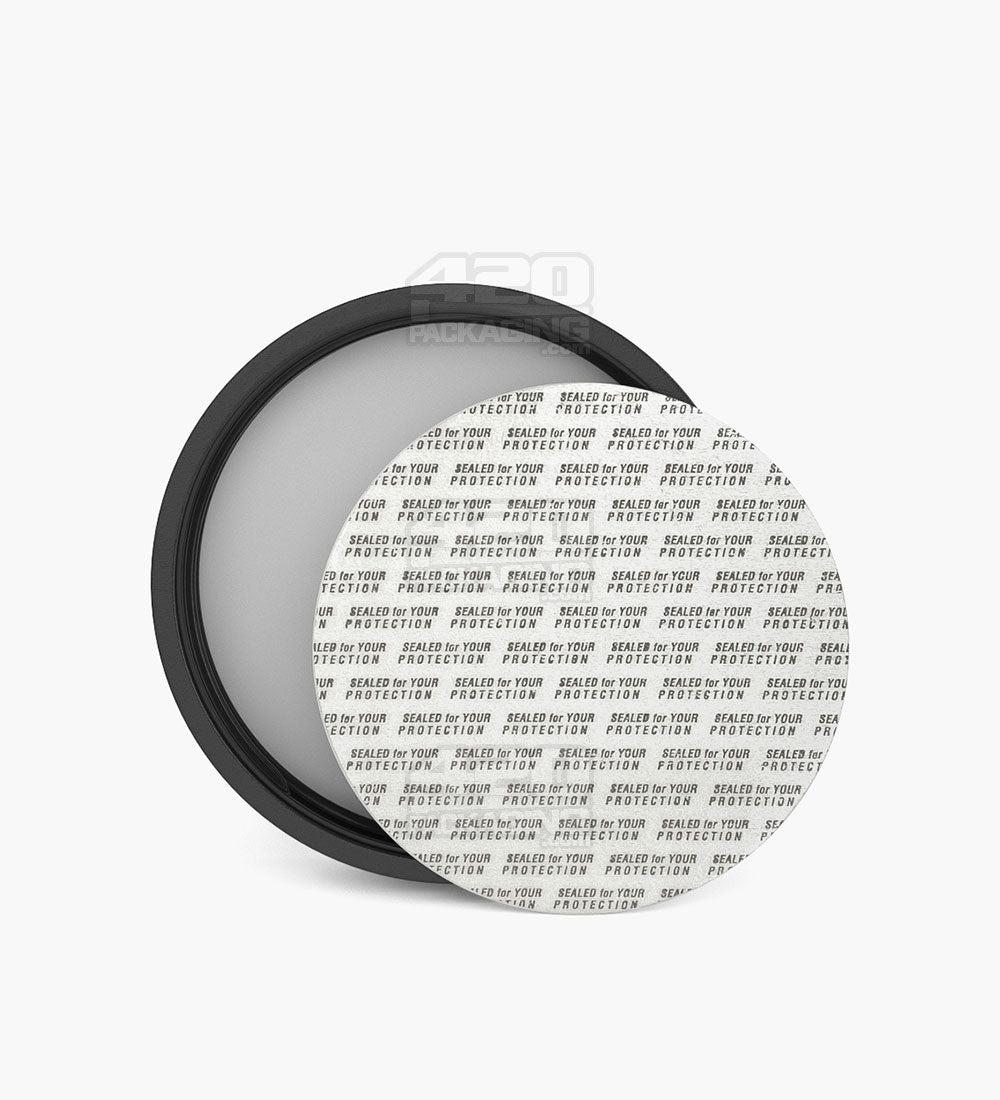
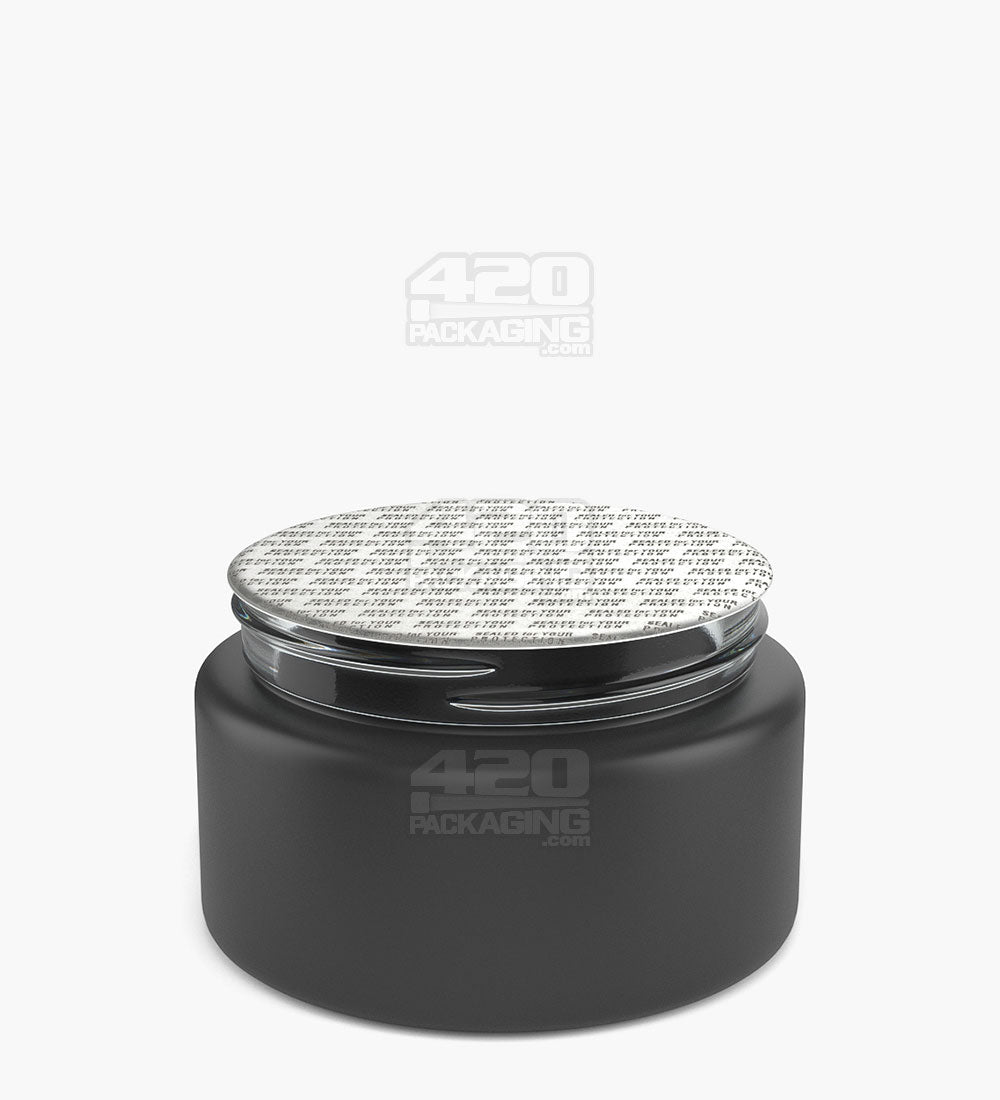
Cap liners are sealing components used with compatible jar, bottle, and container closures to help create a protective barrier across the opening. Marijuana Packaging supplies wholesale cap liners for cannabis cultivators, processors, manufacturers, brands, and dispensaries, including foam-based pressure-sensitive inliners designed for use with suitable packaging systems. These components can provide an additional first-opening seal and support packaging programs where tamper evidence, product protection, and consistent closure application are important.
Selecting the right pressure-sensitive cap liners requires more than matching a liner to the approximate diameter of a jar. The container rim, cap interior, adhesive construction, product formulation, and application procedure all influence whether a dependable seal forms. Unlike induction heat-seal liners, pressure-sensitive inliners are designed to bond through contact pressure without a separate induction-sealing process. Commercial buyers should verify liner compatibility, appropriate installation, first-opening behavior, and the requirements of the completed cannabis package before purchasing cap liners in bulk.
Wholesale Cap Liners for Cannabis Packaging
Cap liners are components positioned inside suitable closures to provide sealing contact or establish a removable barrier across a container opening. They can serve different functions depending on their construction and the method used to apply them.
The cap liner assortment at Marijuana Packaging focuses on foam-based pressure-sensitive inliners, including options described as tamper-evident. These liners are intended for use with compatible jars, bottles, and other suitable containers.
For commercial cannabis packaging, a pressure-sensitive inner seal may provide an additional barrier between the packaged contents and the outside environment until the consumer removes it.
However, cap liners must be evaluated as part of the complete package. Their performance depends on the container, closure, adhesive, application process, and packaged product.
What Is a Cap Liner?
A cap liner is an insert or integrated component associated with a closure. Depending on its design, it may help establish contact with the container rim, adhere across the opening, or contribute to the package's intended barrier characteristics.
Common liner functions include:
- Sealing contact: Providing an interface between the cap and the container opening.
- First-opening protection: Creating a removable seal over the mouth of a compatible container.
- Tamper indication: Supporting a packaging design in which opening or removal produces recognizable evidence of interference.
- Moisture management: Helping limit moisture exchange through the opening when the assembled system provides suitable performance.
- Product containment: Providing an additional barrier against certain forms of product movement or contamination.
- Closure customization: Allowing the sealing component to be selected according to the intended container and product.
Not every liner provides all of these functions. A pressure-sensitive seal, a reusable foam compression liner, and an induction foil seal can behave differently even when their exterior appearances are similar.
Why Cannabis Businesses Use Separate Jar Seals
Commercial packaging often requires more than a threaded cap to achieve the intended finished configuration.
A jar may need an additional first-opening barrier, a particular sealing function, or a liner construction suitable for the packaged material.
Separately purchased liners give businesses the ability to select sealing components for an existing packaging system, provided the components are compatible.
This can be relevant to operations already using approved cannabis jars but requiring a different first-opening seal or closure arrangement.
Because liners are small components used across potentially large production volumes, consistency of fit and application can materially affect packaging quality.
How Pressure-Sensitive Cap Liners Work
Pressure-sensitive cap liners use an adhesive-bearing construction intended to bond to a compatible container rim when sufficient contact pressure is applied.
They differ from heat-induction liners because they do not rely on an electromagnetic induction-sealing process to create the bond.
Pressure-Activated Adhesive Sealing
A typical pressure-sensitive inliner incorporates a foam-based construction and an adhesive-bearing surface intended to contact the container opening.
During application, the liner is positioned inside a suitable cap. When the cap is installed, the closure presses the liner against the jar or bottle rim.
Under appropriate conditions, the adhesive develops a bond with the rim so the liner remains across the opening when the cap is first removed.
The exact adhesive construction, required contact pressure, and time needed for adhesion depend on the specific liner.
Commercial buyers should follow the supplier's application guidance rather than assume that all pressure-sensitive liners bond immediately or behave identically.
Why Cap Pressure Matters
The closure holds the liner against the container's sealing surface during application.
If the cap is not properly engaged, the liner may contact only part of the rim or fail to develop the intended adhesive bond.
Excessive application force can also introduce problems when it deforms a liner, damages components, or interferes with a specialized closure mechanism.
For threaded jars, the correct application procedure depends on the actual jar, cap, and liner configuration.
No universal tightening method should be assumed suitable for every packaging system.
Adhesive Dwell and Seal Development
Some pressure-sensitive liners require an interval of contact under the installed closure before the adhesive develops its intended bond.
Removing the cap too soon can produce an incomplete or inconsistent seal.
Temperature, storage conditions, surface cleanliness, and material compatibility can also affect adhesive behavior.
Packaging operations should establish an appropriate inspection point according to the liner supplier's instructions rather than assume that a freshly capped container is ready for immediate seal evaluation.
Pressure-Sensitive Does Not Mean a Reusable Adhesive Seal
A pressure-sensitive inliner is generally intended to form an initial seal across the container opening.
After the consumer peels away the bonded liner, that original barrier should not be assumed to re-form when the cap is replaced.
The jar's subsequent sealing performance depends on whatever closure and liner components remain in place.
This distinction is important for cannabis packaging that will be opened and reclosed repeatedly.
Pressure-Sensitive, Foam, and Heat-Seal Liners Compared
Cap liner terminology can cause confusion because the words foam, pressure-sensitive, foil, and heat-seal describe different aspects of a sealing component.
Foam describes a material construction. Pressure-sensitive describes an adhesive bonding method. Induction heat sealing describes a different process involving compatible sealing materials and equipment.
Understanding these distinctions helps commercial buyers select the appropriate technology without assuming that different liner categories are interchangeable.
Pressure-Sensitive Foam Inliners
Pressure-sensitive foam inliners are the primary product type represented in this collection.
They are intended to create an adhesive seal through the contact pressure established when a compatible cap is installed.
They may be suitable for selected dry-product packaging applications when their material, adhesive, and first-opening behavior meet the intended requirements.
They do not automatically guarantee a leakproof package or suitability for oils, liquids, or terpene-rich formulations.
Non-Adhesive Foam Compression Liners
Some caps contain non-adhesive foam liners that compress against the container rim when the lid is tightened.
These liners primarily function through compression rather than adhesion to the jar opening.
Depending on the design, a compression liner may remain inside the cap after opening and continue to provide sealing contact when the closure is reapplied.
That does not automatically make the package airtight, child-resistant, or tamper-evident.
Non-adhesive compression liners should not be confused with pressure-sensitive inliners simply because both can incorporate foam.
Induction Heat-Seal Liners
Heat-induction liners use a different sealing method.
In a compatible induction system, an electromagnetic field heats a conductive layer in the liner. The heat activates an appropriate sealing layer, which bonds to the container opening.
This method requires suitable equipment, liner construction, container material, and application conditions.
Plastic and glass containers can require different sealing-layer formulations. A liner suitable for one container material should not automatically be assumed suitable for another.
Although heat sealing is referenced in this collection's URL, the current listed assortment focuses on pressure-sensitive foam inliners. Induction sealing is discussed here to clarify the distinction, not to imply that induction liners are part of every current collection offering.
Comparison of Liner Functions
| Liner Type | How It Works | Important Limitation |
|---|---|---|
| Pressure-sensitive foam inliner | Adhesive-bearing surface bonds to a compatible rim under suitable contact pressure. | Adhesion and first-opening evidence must be verified; not automatically suitable for liquids. |
| Foam compression liner | Compresses between the cap and rim to establish sealing contact. | Does not automatically provide a bonded first-opening seal or tamper evidence. |
| Induction heat-seal liner | Compatible sealing layer bonds to the rim using induction-generated heat. | Requires suitable sealing equipment, material compatibility, and validated settings. |
These are distinct sealing approaches rather than a ranking from least to most protective. The appropriate choice depends on the product, container, first-opening requirements, and commercial production process.
Matching Cap Liners to Jars, Bottles, and Closures
Correct fit is one of the most important requirements for pressure-sensitive liner performance.
A liner must be compatible with both the cap that holds it and the container rim to which it is intended to adhere.
Matching only the nominal opening diameter may be insufficient.
Liner Diameter and Cap Interior
The liner must sit correctly inside the intended closure without folding, bunching, or moving out of position during application.
Its diameter and construction should be appropriate for the cap's internal geometry.
If a liner is too large, it may deform inside the closure. If it is too small, it may not cover the intended sealing surface.
The correct sizing relationship should be established using the manufacturer's compatibility information and actual components.
Jar Neck Finish and Thread Engagement
The neck finish describes the opening and closure-attachment features of the container.
Even if a liner fits inside a cap, the cap must still engage the jar correctly and apply suitable contact pressure.
A mismatched thread configuration can produce incomplete seating or inconsistent liner compression.
Commercial operations sourcing separate jar caps and closures should confirm the jar, cap, and liner as a single approved combination.
Container Rim and Sealing Land
The sealing land is the area around the container opening where the liner is intended to contact and bond.
For pressure-sensitive adhesive sealing, this surface should be appropriate for the selected adhesive and free of conditions that interfere with contact.
Potential problems include:
- Chips or damage along a glass jar rim.
- Warped or uneven plastic sealing surfaces.
- Product residue around the opening.
- Dust, moisture, oils, or other contamination.
- Incompatible surface treatments or material characteristics.
- Insufficient pressure from the installed closure.
These issues can prevent consistent adhesion even when the liner's nominal size appears correct.
Glass and Plastic Container Compatibility
Pressure-sensitive liners may be intended for use with compatible glass or plastic containers, but performance can vary with the adhesive and surface material.
Glass surfaces and different plastic resins have distinct surface characteristics.
Some adhesives may bond more reliably to one material than another, and coated surfaces can introduce additional considerations.
For businesses using glass cannabis jars, rim condition and the actual glass finish should be included in compatibility testing.
For plastic containers, the specific resin and sealing-land construction should be verified rather than treating every plastic jar as equivalent.
Caps That Already Contain Liners
Some closures are supplied with an existing foam liner or other integrated sealing component.
Adding a separate pressure-sensitive inliner without verifying the cap's design can interfere with closure seating, contact pressure, or its intended operation.
Before adding an independent liner, confirm whether the cap is designed to accept it and whether the proposed configuration changes any previously qualified child-resistant performance.
A separately purchased liner is not necessarily an appropriate upgrade for every lined cap.
Installing Pressure-Sensitive Liners Correctly
Pressure-sensitive liner application is relatively straightforward compared with induction sealing, but a reliable process still requires compatible components and consistent handling.
The exact installation procedure should follow the supplier's instructions for the intended liner.
Prepare the Container Opening
Before applying the closure, inspect the container rim and sealing surface.
The opening should be free of flower fragments, concentrate residue, dust, excess moisture, and other contamination that could interfere with adhesive contact.
Damaged containers should not be used when the defect affects the sealing surface.
Packaging personnel should also confirm that the product fill leaves appropriate clearance beneath the cap.
Position the Liner in the Cap
The pressure-sensitive liner should be positioned within the compatible closure according to its intended construction.
The adhesive-bearing side must face the container opening as specified by the supplier.
Incorrect orientation can prevent adhesion or produce unwanted contact with the cap interior.
The liner should remain seated during cap installation without creasing or shifting.
Apply the Closure Correctly
Install the cap using the application method specified for the jar-and-closure configuration.
The closure should engage evenly and establish appropriate pressure across the liner and container rim.
For threaded caps, uneven engagement or cross-threading can compromise sealing contact.
The application procedure must also preserve the intended operation of any child-resistant mechanism.
Allow the Adhesive to Develop Its Bond
Some pressure-sensitive materials require a period of contact under the installed cap before the intended adhesion develops.
The appropriate interval depends on the liner construction, temperature, and other application conditions.
Packaging teams should establish a consistent procedure based on the supplier's specifications and representative testing.
Opening the jar prematurely can make an otherwise suitable liner appear to have failed.
Inspect the Finished Seal
After the specified application process, representative packages should be checked for consistent adhesion and appropriate first-opening behavior.
Inspection can include whether the liner remains on the jar opening when the cap is removed, whether the adhesive contact is continuous, and whether the seal behaves as expected when peeled away.
Testing should not rely solely on whether the liner appears attached at one point around the rim.
The complete seal perimeter and any required evidence of opening matter to the intended packaging function.
Tamper-Evident Cap Liners and Cannabis Compliance
Tamper evidence is an important consideration for cannabis retail packaging, but it should be described accurately.
A tamper-evident package is designed to provide visible or otherwise recognizable evidence that it has been opened or interfered with.
This is different from claiming a package is tamper-proof, which would imply that unauthorized access is impossible.
What Makes a Liner Tamper-Evident?
A first-opening liner can contribute to tamper evidence when opening or removing it leaves a recognizable indication that the original seal has been disturbed.
However, the actual behavior matters.
If a liner can be removed and replaced without a consumer being able to recognize interference, it may not meet the intended tamper-evident requirement.
A pressure-sensitive adhesive seal should therefore be evaluated for its removal characteristics and the applicable regulatory definition, not merely its marketing designation.
California Cannabis Tamper-Evident Packaging Requirements
The California Department of Cannabis Control's final-form packaging guidance states that cannabis packages must be sealed in a way that allows the consumer to tell if the package has been opened.
The guidance identifies different examples of tamper-evident features, including seals and labels that provide an indication of opening.
For cap liners, compliance depends on whether the actual completed package provides the required evidence under the applicable rule.
The presence of an adhesive liner should not be treated as automatic proof that every tamper-evident packaging requirement has been satisfied.
Pressure-Sensitive Liners vs. Other Tamper-Evident Features
Some products use a removable inner seal to provide evidence of first opening. Other configurations employ security bands, breakable components, or labels that are disrupted during access.
These approaches can provide different forms of opening evidence.
If the selected liner does not provide the required indication, another compatible tamper-evident packaging component may be necessary.
The selected method should be evaluated together with the jar, closure, product, and intended retail market.
Cap Liners Are Not Child-Resistant Closures
Child resistance and tamper evidence are separate functions.
The Poison Prevention Packaging Act establishes performance requirements for certain special packaging systems designed to make opening significantly difficult for young children while remaining usable by adults.
The U.S. Consumer Product Safety Commission's special packaging guidance explains the requirements under 16 CFR Part 1700.
A pressure-sensitive liner should not be assumed to make an ordinary threaded jar child-resistant.
If the finished cannabis package requires child resistance, it must be provided by a qualifying packaging configuration supported by applicable documentation.
Initial Child Resistance vs. Lifetime Child Resistance
Some jurisdictions distinguish between packages that are child-resistant only before first opening and packages that must retain child-resistant performance after repeated use.
However, the presence of a bonded pressure-sensitive liner does not independently establish that either requirement has been met.
For example, California permits qualifying initial-use child-resistant packaging for certain cannabis product categories, while edibles and certain other products generally require multiple-use child resistance.
Commercial buyers should distinguish a pressure-sensitive first-opening seal from the child-resistant function of the complete retail package.
What Happens After the Original Seal Is Removed?
The opening experience is an important consideration when selecting a jar liner.
A pressure-sensitive inner seal may provide a useful initial barrier, but the conditions after the consumer removes it can be different.
First Opening
When the consumer removes the cap from a correctly bonded pressure-sensitive liner, the liner may remain adhered to the jar mouth.
The consumer then removes the liner to access the contents.
The intended removal behavior depends on the liner construction. Some liners may peel away differently from others, and certain materials can leave varying amounts of adhesive or residue.
These characteristics should be evaluated for the intended product and consumer experience.
Resealing After the Liner Is Removed
Once a first-opening liner has been peeled away, the original adhesive seal should not be assumed to re-form.
The cap may still close the container, but the package's ongoing barrier performance depends on the remaining closure construction.
For multi-use cannabis packaging, this distinction matters because consumers may open and close the container repeatedly.
A suitable reusable cap or separate compression liner may be necessary when continued sealing contact is part of the packaging requirement.
Maintaining Child Resistance After Opening
Removing a pressure-sensitive liner does not automatically eliminate the child-resistant function of a properly designed reusable closure.
Likewise, removing the liner does not establish that the closure remains child-resistant.
The relevant question is whether the underlying jar-and-cap system has the required demonstrated performance for the intended product.
For packaging programs requiring repeated child resistance, the approved configuration should maintain that function throughout the expected use of the package.
Protective Performance Before and After First Opening
The complete initial package may have different barrier characteristics from the jar after the inner seal is removed.
Claims involving moisture protection, odor containment, or product preservation should therefore distinguish unopened performance from resealed performance when necessary.
A liner selected primarily to create a first-opening barrier is not necessarily suitable for applications that require the same barrier characteristics after repeated access.
Airtightness, Odor Control, and Moisture Protection
Cap liners can contribute to a packaging system's barrier performance, but their presence does not automatically establish that a jar is airtight, leakproof, or completely odor-resistant.
These characteristics depend on the actual sealing construction, container material, closure, application procedure, and intended contents.
Do Pressure-Sensitive Cap Liners Make Jars Airtight?
Not necessarily.
A properly bonded liner can create a barrier across a container opening, but its effectiveness depends on the adhesive bond and material properties.
Incomplete adhesion, rim damage, or incompatible materials can create pathways for air exchange.
Commercial buyers should avoid describing every pressure-sensitive liner as universally airtight without evidence supporting the specific assembled package.
Moisture Protection for Dry Products
Certain pressure-sensitive foam inliners may be appropriate for packaging applications involving dry products when their materials and adhesive are compatible.
For cannabis flower, a first-opening seal may contribute to limiting unwanted environmental exchange through the container mouth.
However, the degree of moisture protection depends on the complete package and its storage conditions.
The liner cannot correct improperly prepared flower or guarantee a particular product shelf life.
Odor Containment
Cannabis flower contains volatile aromatic compounds that can escape through inadequate packaging barriers.
An appropriate inner seal may help limit movement through the jar opening while the seal remains intact.
However, a pressure-sensitive liner should not automatically be described as smell-proof.
The container walls, sealing bond, closure, and expected storage conditions influence the finished package's odor-containment performance.
Leak Resistance and Liquid Compatibility
Pressure-sensitive foam liners should not automatically be selected for liquids, oils, or other formulations requiring leakproof packaging.
Adhesives and foam constructions can have application-specific limitations, and direct contact with certain substances may affect their behavior.
A liner suitable for a dry product may not be appropriate for a fluid formulation.
When leakage or product migration is a concern, buyers should verify chemical compatibility and test the completed package in representative handling and storage orientations.
Cap Liners for Flower, Edibles, and Concentrates
The suitability of a cap liner depends on the product it will accompany.
Dry flower, solid edibles, and cannabis concentrates can create different requirements involving moisture protection, product-contact materials, sealing, and the way the consumer opens the finished package.
Pressure-Sensitive Liners for Cannabis Flower Jars
Cannabis flower is a relevant application for compatible first-opening liners because it is a relatively dry, solid product.
For flower packaging, the liner should bond correctly to the container rim without introducing unwanted contact with the buds or interfering with closure operation.
The opening and sealing surfaces should remain free of plant fragments during filling and capping.
Where moisture or odor resistance is a requirement, the assembled package must be evaluated for the intended performance.
Cap liner selection should complement the broader requirements of cannabis flower packaging, including the jar, closure, applicable tamper evidence, and any required child resistance.
Cap Liners for Edible Jars
Solid edible products may use compatible first-opening seals when the liner materials are suitable for the intended food-contact application.
However, a foam liner should not be treated as food-contact suitable simply because it is used in a jar.
Potential contact with the product, the adhesive construction, and the expected conditions of use must be considered.
The U.S. Food and Drug Administration's food-contact packaging resources explain the framework used to assess food-contact substances and materials.
For cannabis edibles, applicable state packaging requirements must also be satisfied, including any requirements relating to opacity, child resistance, tamper evidence, and resealability.
A pressure-sensitive liner is only one possible component of the finished package.
Cap Liners for Cannabis Concentrates
Concentrates can place different demands on sealing materials because of their viscosity, aromatic compounds, and chemical composition.
Some formulations can contact the closure or liner during filling, storage, or transportation.
Adhesive-bearing foam liners should not automatically be assumed suitable for oils, high-terpene extracts, or other concentrates.
For these applications, packaging teams should evaluate material-contact compatibility, leakage risk, and the intended storage environment.
Where those requirements are significant, purpose-specific cannabis concentrate jars and their compatible sealing systems may provide a more appropriate starting point.
Jars, Bottles, and Other Compatible Containers
Pressure-sensitive liners may be used with different container formats when the liner, cap, and sealing surface are compatible.
The appropriate configuration depends on the shape and condition of the rim, the cap's ability to apply pressure, and the intended contents.
A liner that works in one jar should not automatically be applied to another bottle or tube without verifying compatibility.
Seal Inspection and Common Application Problems
Reliable pressure-sensitive sealing depends on consistent production conditions.
Even a correctly selected liner may fail to bond as intended when the container opening is contaminated, the cap is misapplied, or the adhesive has not had suitable contact time.
Common Liner Problems and Possible Causes
| Observed Problem | Possible Cause | What to Verify |
|---|---|---|
| Liner stays inside the cap when opened | Insufficient adhesion, incompatible rim material, incorrect orientation, or premature opening | Liner construction, application procedure, rim condition, and required contact time |
| Only part of the liner adheres | Uneven rim, contamination, poor contact pressure, or liner distortion | Sealing land, cap seating, and uniform contact |
| Liner wrinkles or folds | Incompatible cap interior or incorrect liner placement | Liner fit, cap geometry, and insertion procedure |
| Adhesive does not bond consistently | Material incompatibility or unsuitable application conditions | Adhesive specification, container surface, temperature, and process |
| Seal removes without recognizable opening evidence | Removal behavior does not provide the intended tamper indication | First-opening performance and applicable tamper-evident requirements |
| Product residue reaches the liner | Excessive fill, poor filling control, or unsuitable headspace | Filling procedure, product clearance, and material compatibility |
These are possible causes rather than universal diagnoses. Packaging teams should investigate the actual component and application conditions before changing the process.
Quality-Control Checks for Commercial Production
Useful checks may include:
- Confirming the approved container, cap, and liner were used.
- Inspecting the container rim before filling and sealing.
- Verifying that the liner is positioned correctly inside the cap.
- Checking for appropriate cap engagement and application consistency.
- Following any specified adhesive contact or dwell requirements.
- Inspecting representative sealed packages after application.
- Evaluating first-opening behavior and any required evidence of tampering.
- Checking compatibility with the actual packaged product.
- Documenting recurring defects and corrective actions.
Routine production inspections support consistency, but they do not automatically replace formal regulatory testing or validation required for a particular packaging claim.
Storage and Handling of Unused Liners
Unused pressure-sensitive liners should be handled according to their supplier's storage recommendations.
Adhesive-bearing components can be affected by unsuitable temperatures, humidity, contamination, and prolonged exposure to certain conditions.
Packaging teams should avoid allowing dust, product residue, or other materials to contact the adhesive surfaces before application.
For recurring operations, a documented material-handling procedure can help reduce inconsistent performance between production runs.
Buying Cap Liners Wholesale
Wholesale cap liner purchasing should begin with the intended packaging system rather than the lowest available liner price.
A properly selected liner must fit the cap, contact the container rim, perform as intended with the packaged product, and work consistently throughout the production process.
Wholesale Cap Liner Selection Checklist
Before selecting a pressure-sensitive liner for bulk purchasing, verify:
- Container compatibility: The liner is intended for the actual jar, bottle, or other packaging surface.
- Closure compatibility: The cap interior accommodates the liner correctly.
- Sealing surface: The container rim is appropriate for the adhesive construction.
- Liner type: Pressure-sensitive adhesion is suitable for the intended first-opening function.
- Product compatibility: The liner material is appropriate for the packaged contents and possible contact conditions.
- Application procedure: The required capping pressure and contact time can be maintained consistently.
- Opening behavior: The liner remains bonded and removes in the intended manner.
- Tamper evidence: Any claimed tamper-evident performance meets the relevant requirement.
- Barrier performance: Moisture, air, or odor-control claims are supported where needed.
- Child resistance: The liner does not compromise the approved jar-and-cap mechanism.
- Regulatory suitability: Any food-contact or cannabis-specific requirements have been evaluated.
- Repeat supply: The approved liner construction can be sourced consistently for future orders.
Calculating the Cost of Cap Liners in Bulk
The unit price of a pressure-sensitive liner is only part of its commercial cost.
Packaging teams should also account for:
- The compatible cap and container required for the system.
- Liner insertion and closure application labor.
- Any additional handling or adhesive contact time.
- Production samples and seal-adhesion checks.
- Allowances for damaged or improperly applied liners.
- Material storage and handling requirements.
- Packaging inspection and quality-control procedures.
- Additional tamper-evident components where necessary.
- Inventory coordination across jars, caps, and liners.
A low-cost liner may be unsuitable if its adhesive does not bond reliably to the selected container or its first-opening behavior fails to provide the intended function.
The better purchasing measure is the cost of a consistently assembled, approved finished package.
Coordinating Jar, Cap, and Liner Orders
When sealing components are purchased separately, each part must be available and compatible before a production run begins.
Commercial buyers should retain the approved specifications for the container, cap, and liner together.
Substituting a visually similar closure or foam insert may change the sealing interface, adhesive bond, or operation of the completed packaging system.
For businesses purchasing jars with matching caps, it is still important to determine whether an additional pressure-sensitive liner is appropriate for the supplied closure.
Not every preassembled or prelined cap is intended to accept another sealing component.
Documentation and Production Approval
Supporting documentation may be relevant to material composition, compatibility, food-contact suitability, and other intended packaging functions.
Where the finished package includes a qualifying child-resistant closure, any modification to its functional components should be evaluated before use.
Packaging claims should correspond to the actual assembled system and its intended application.
Before full-scale ordering, businesses should test representative samples using the same container, cap, liner, and production procedure planned for commercial packaging.
Wholesale Cap Liners for Cannabis Packaging Operations
Pressure-sensitive cap liners provide a practical first-opening sealing option for compatible jars, bottles, and closures. Their foam-based adhesive construction can support commercial packaging programs where a separate bonded inner seal is required without using induction-sealing equipment.
Marijuana Packaging supplies wholesale cap liners for cannabis cultivators, processors, manufacturers, brands, and dispensaries selecting sealing components for compatible packaging systems.
By verifying liner construction, cap fit, container-rim compatibility, adhesive application, first-opening behavior, and regulatory requirements, businesses can establish a dependable sealing process while avoiding unsupported assumptions about airtightness, tamper evidence, or child-resistant performance.
Frequently Asked Questions About Cap Liners
Pressure-sensitive cap liners are adhesive-bearing inserts designed to bond across compatible jar or bottle openings when suitable contact pressure is applied through the closure. They can provide an additional first-opening seal for selected packaging applications. Their adhesion, moisture-barrier characteristics, and tamper-evident performance depend on the liner, container material, cap, and application process. Commercial buyers should verify compatibility with the complete package.
No. Pressure-sensitive foam liners are designed to develop an adhesive bond through contact pressure rather than induction heat sealing. The liner is positioned in a compatible cap and pressed against the container rim when the closure is installed. Some constructions require a specified period for adhesion to develop. Proper cap application and suitable sealing surfaces are still necessary for consistent results.
Not automatically. A pressure-sensitive liner can create a bonded inner seal, but tamper-evident performance depends on whether opening leaves recognizable evidence of interference. Airtightness likewise depends on the adhesive bond, container rim, material properties, and complete packaging system. Buyers should verify the intended sealing and opening characteristics rather than assume every pressure-sensitive liner provides a guaranteed airtight or tamper-proof package.
Some pressure-sensitive cap liners are compatible with suitable glass and plastic containers, but performance depends on the adhesive and the actual sealing surface. The liner must fit inside the intended cap and establish consistent contact with the jar rim. Different plastic resins, surface treatments, damaged rims, or unsuitable cap designs can affect adhesion. Compatibility testing should use the actual jar, cap, and liner combination.
Yes. Marijuana Packaging supplies wholesale pressure-sensitive cap liners for use with compatible packaging systems, including certain cannabis jars and closures. However, adding a liner does not automatically make a jar child-resistant. A liner must not interfere with the intended operation of a qualifying child-resistant cap, and any modification to an approved packaging configuration should be evaluated. Buyers should verify the jar, cap, liner, and relevant documentation before ordering in bulk.