

Jars with Caps
Find Marijuana Packaging solutions for every product and every stage of your business. Our selection includes stock and custom packaging designed to protect your products, meet cannabis compliance requirements, and showcase your brand.
Filters
50 products
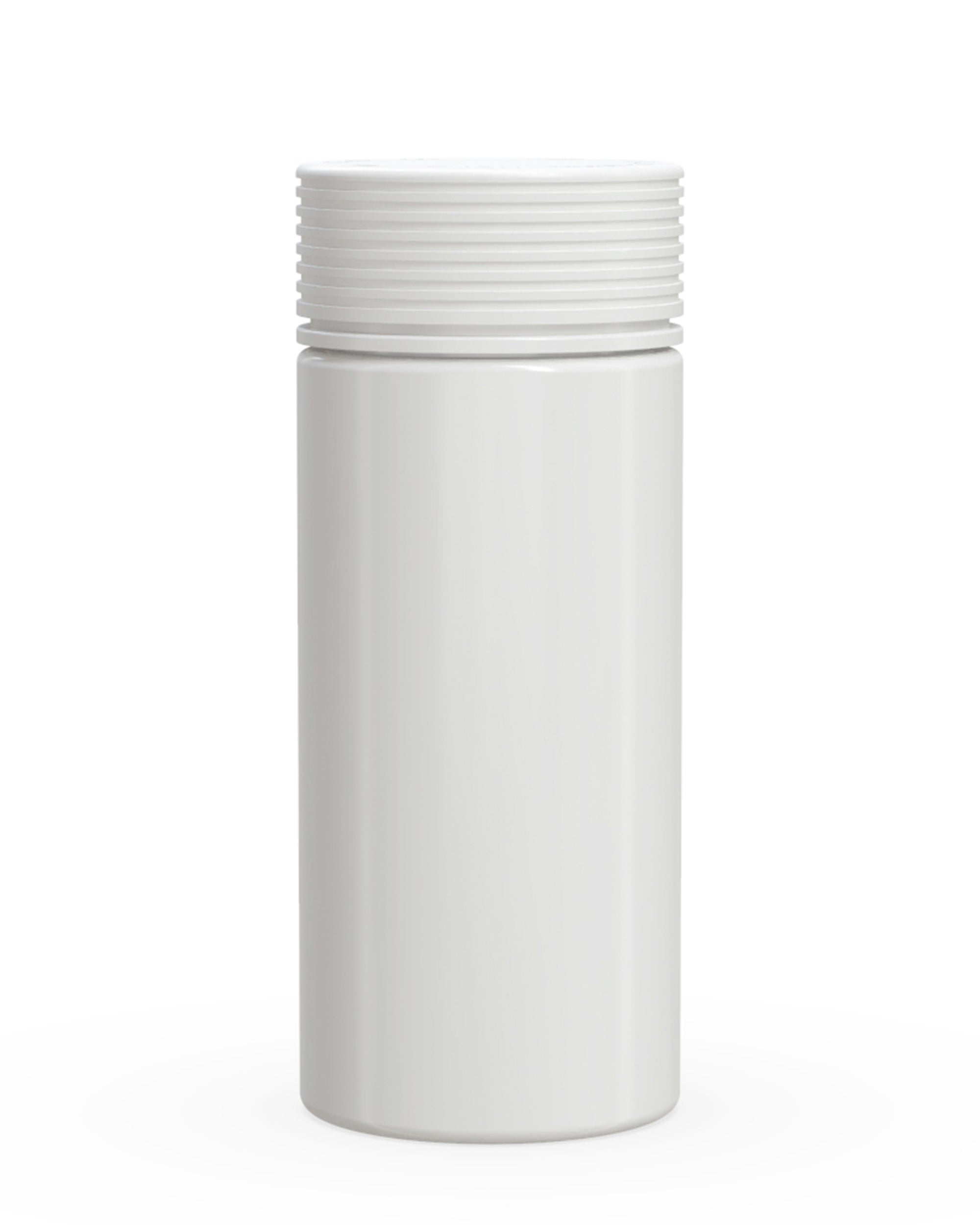
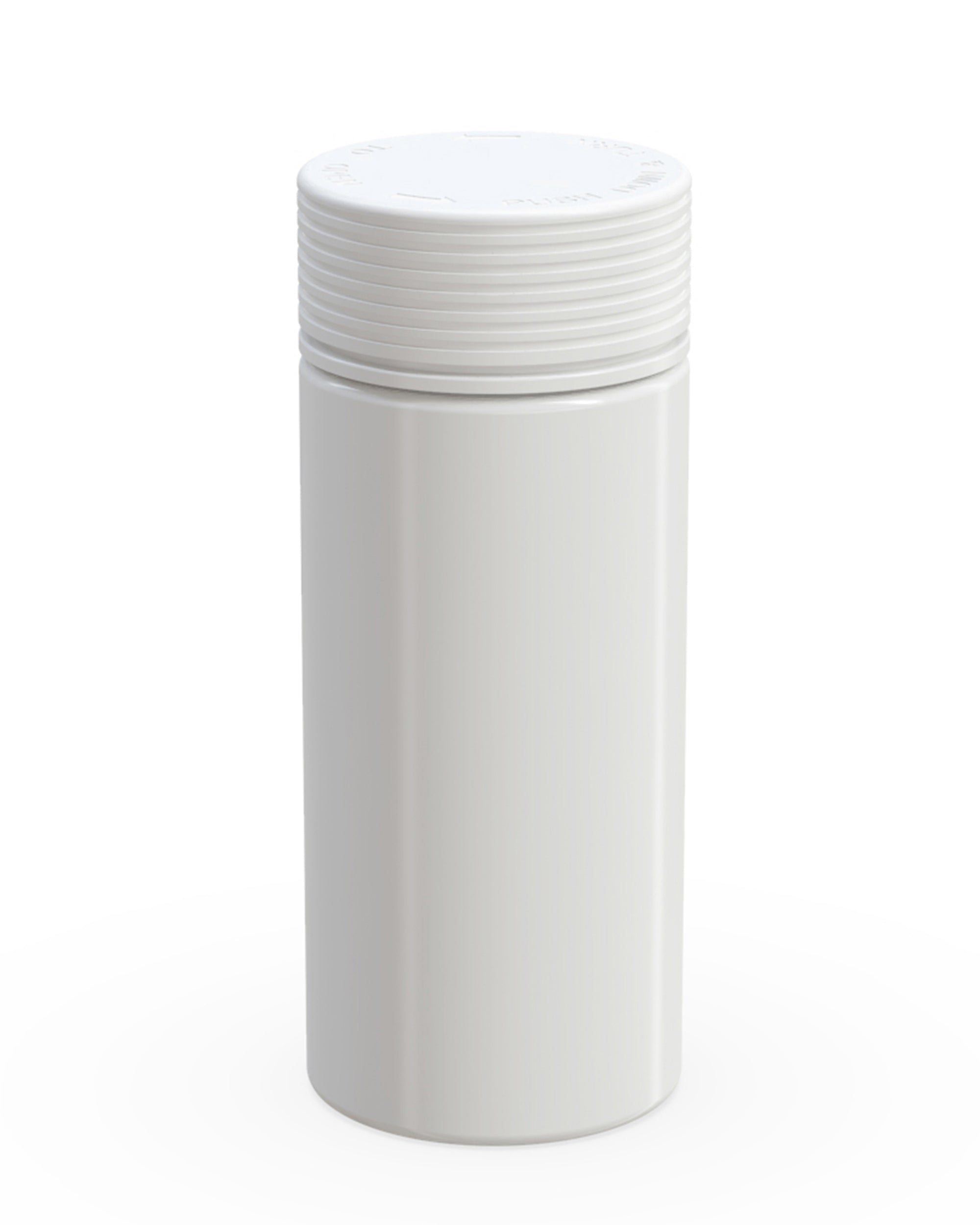
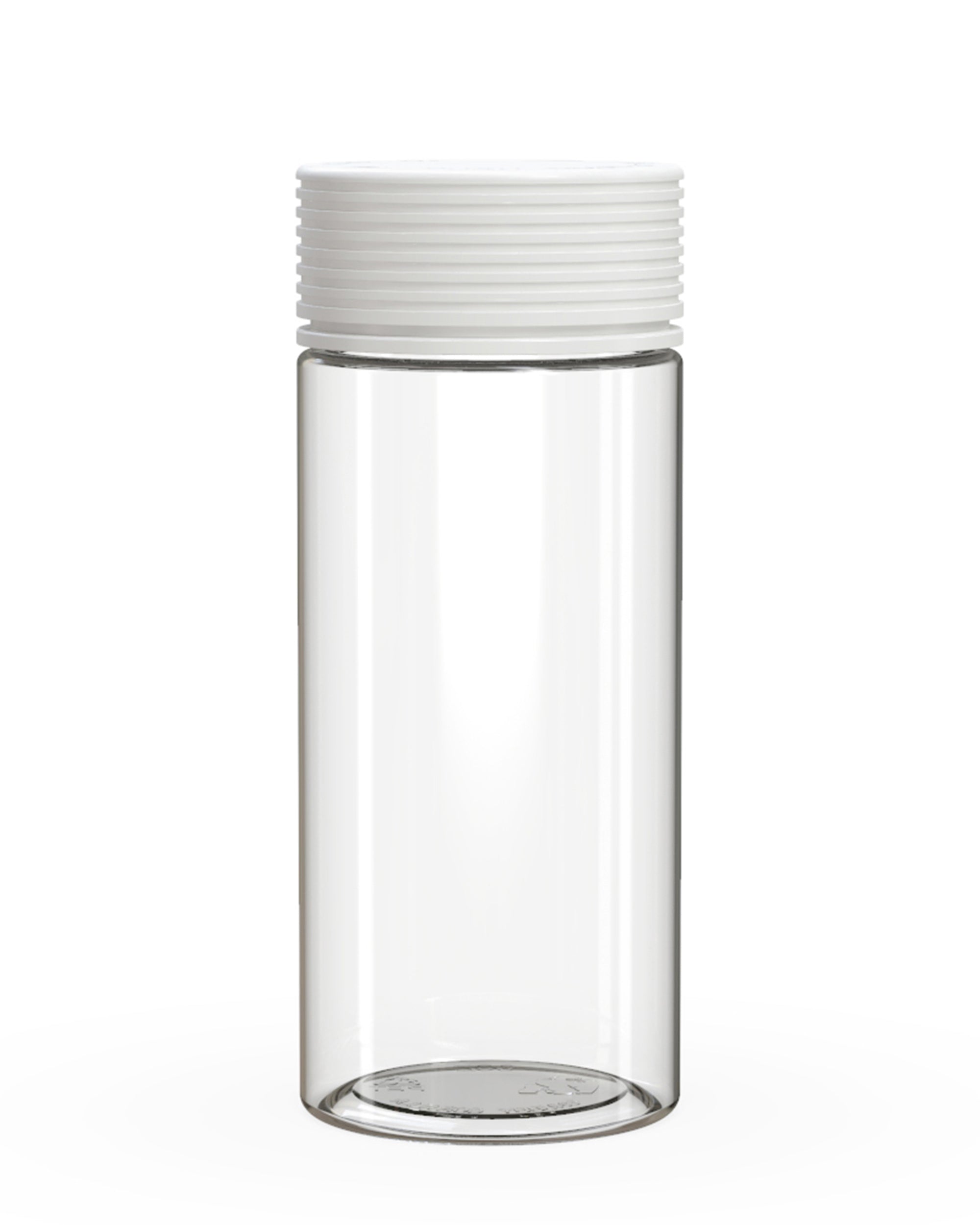
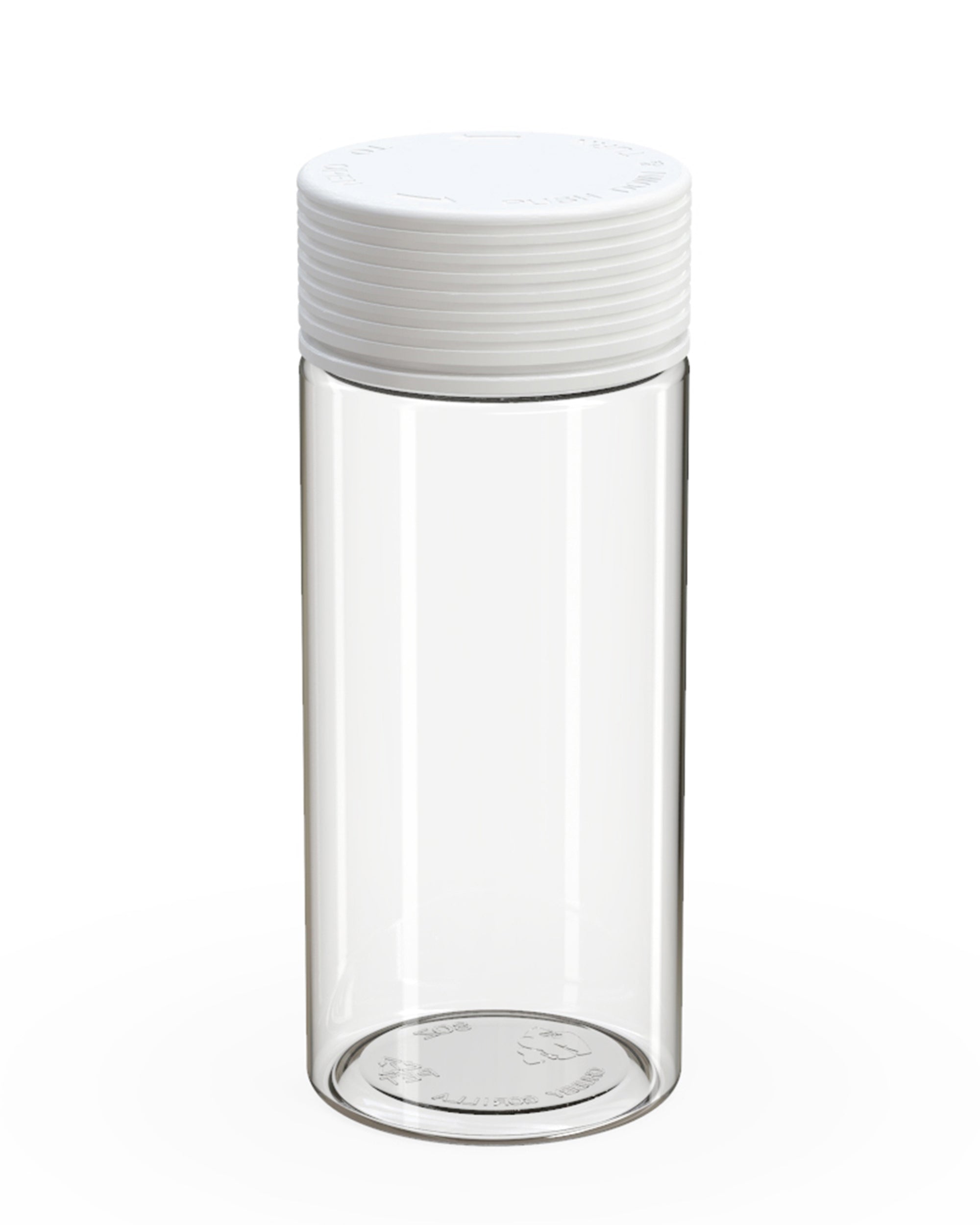
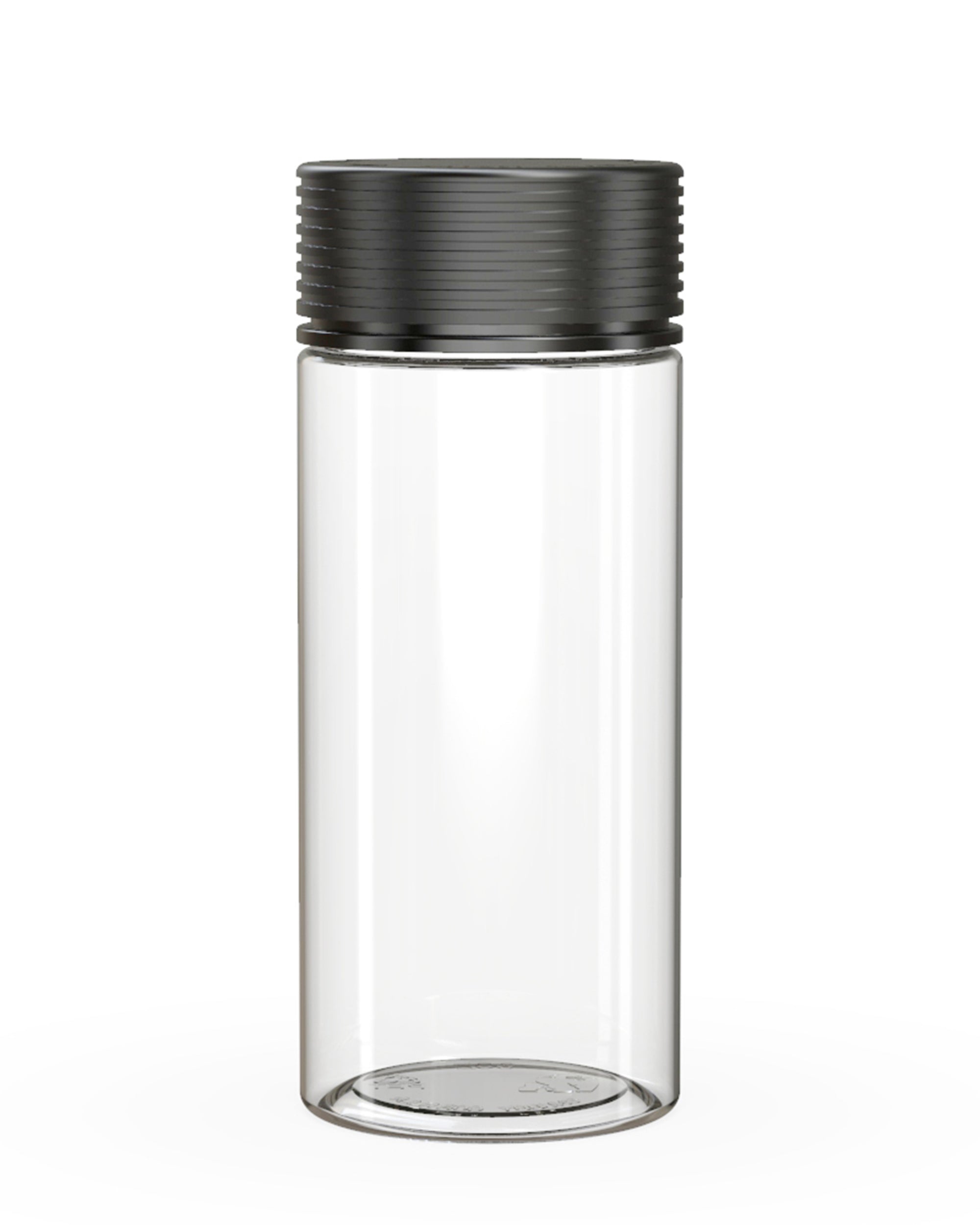
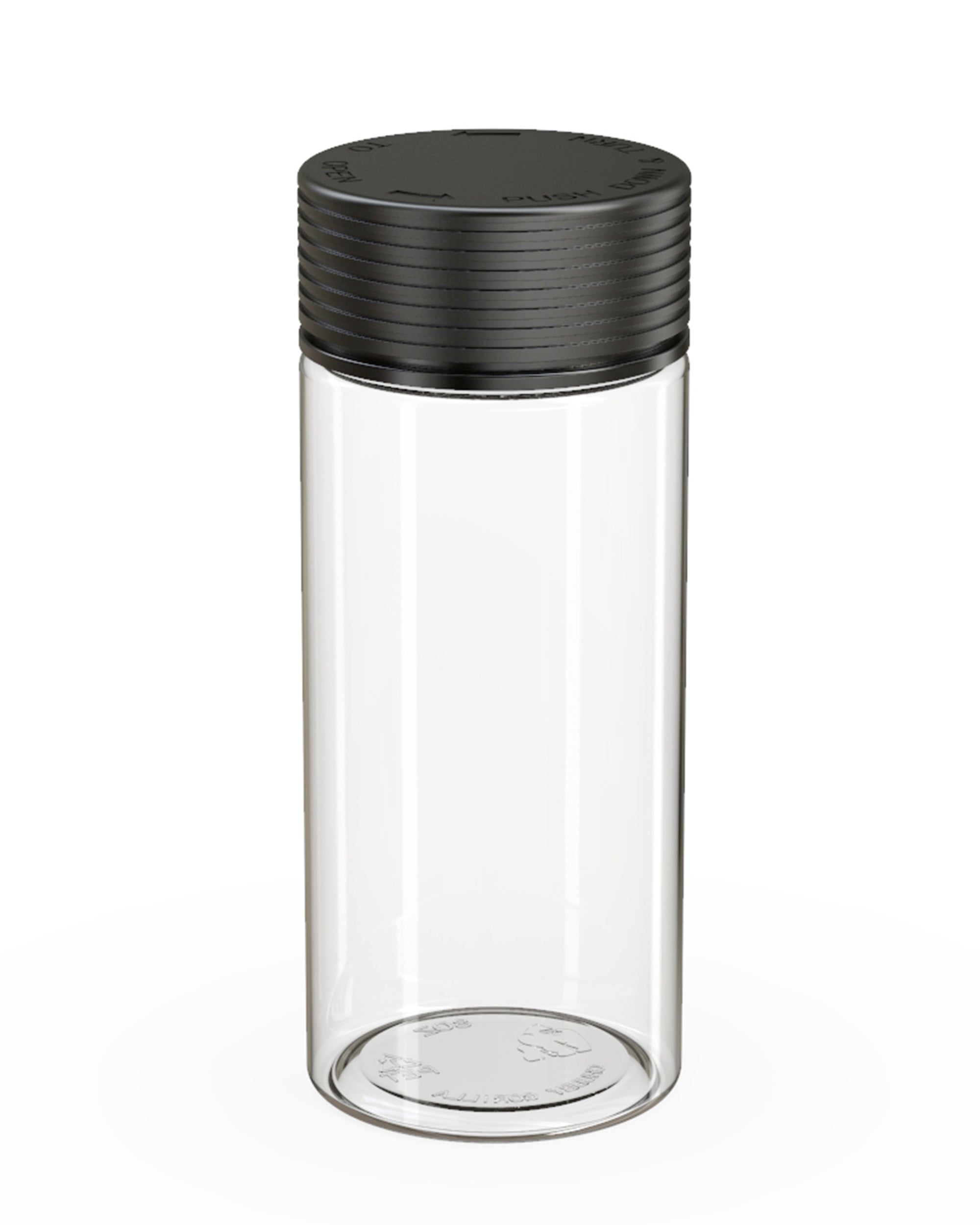
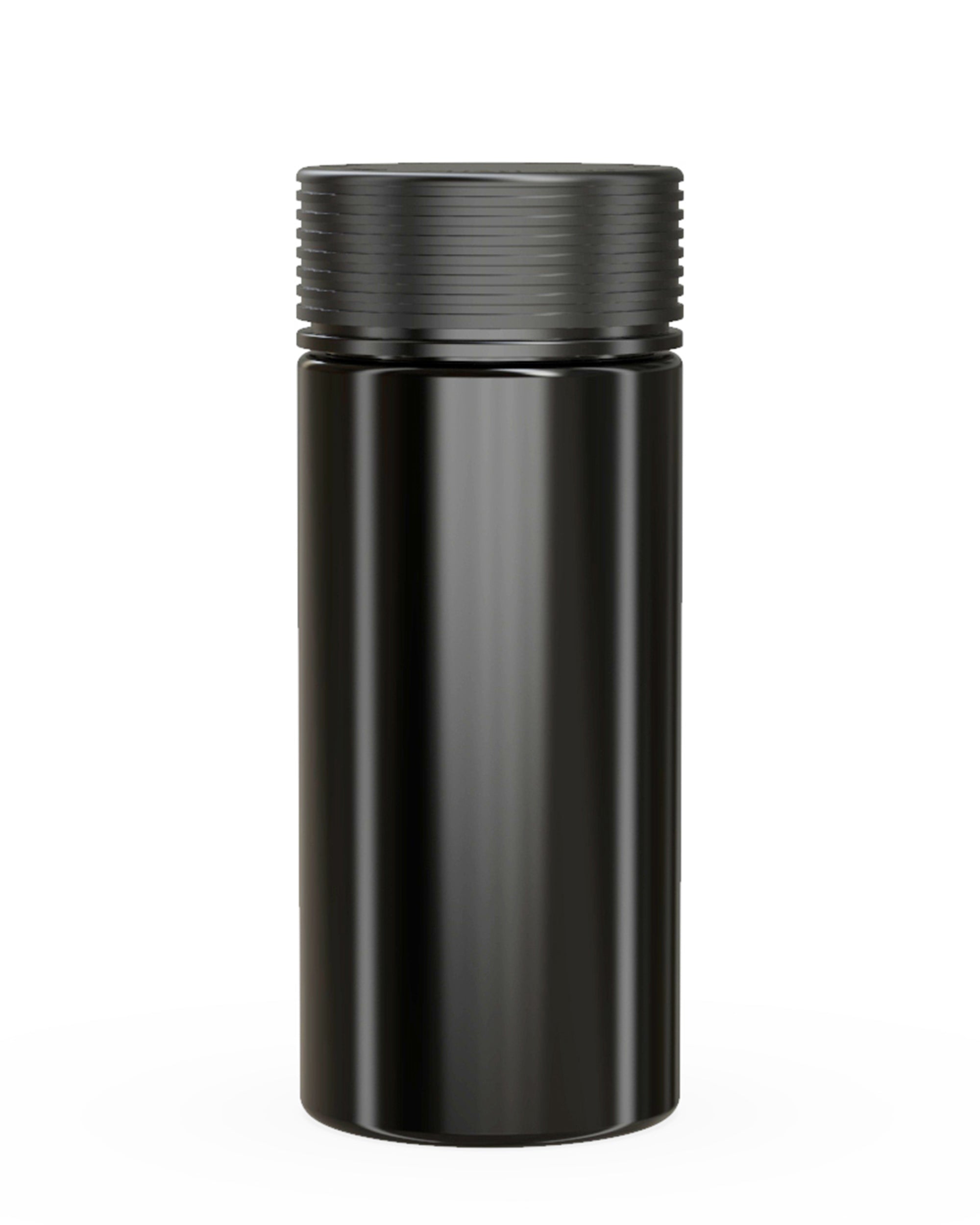
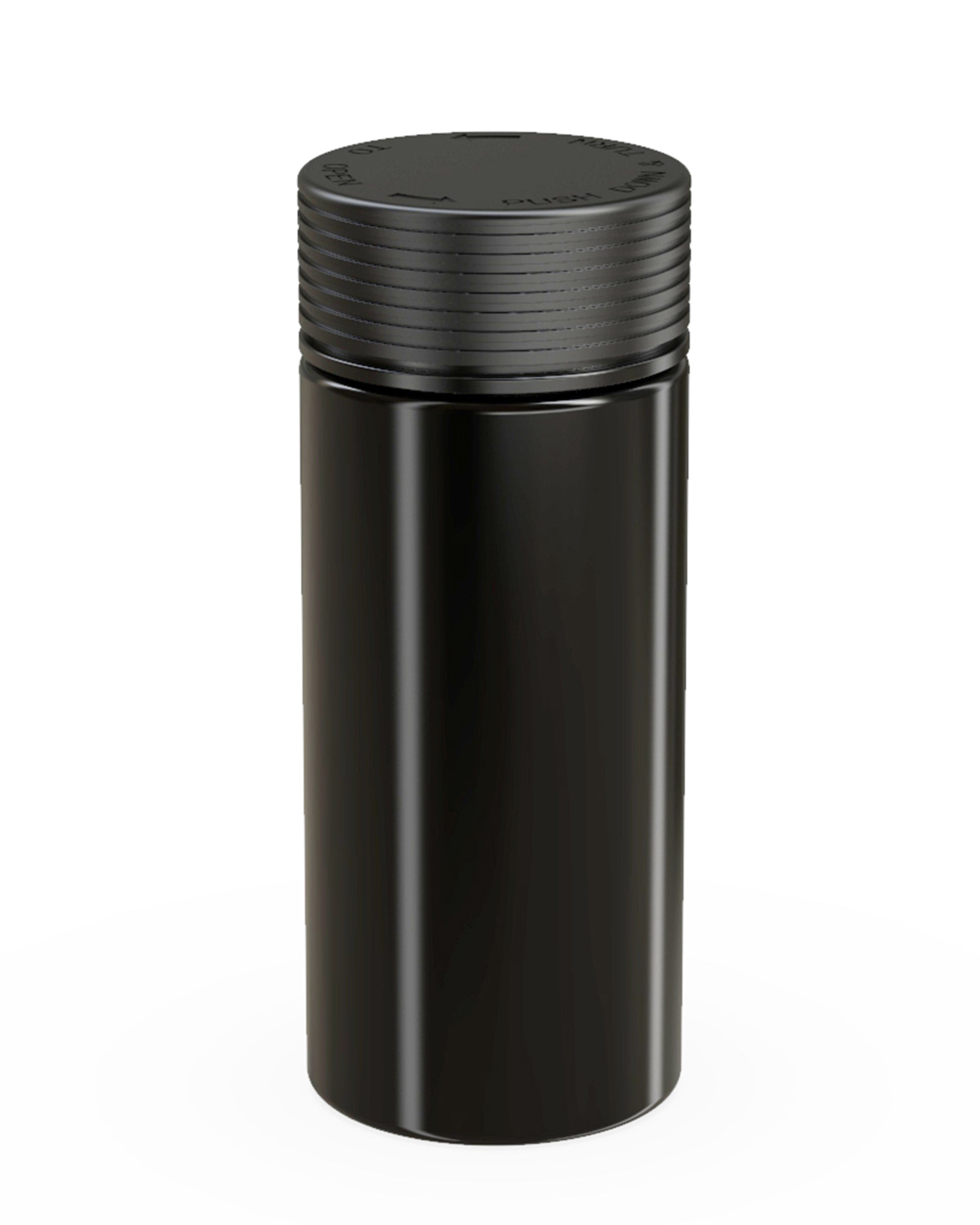
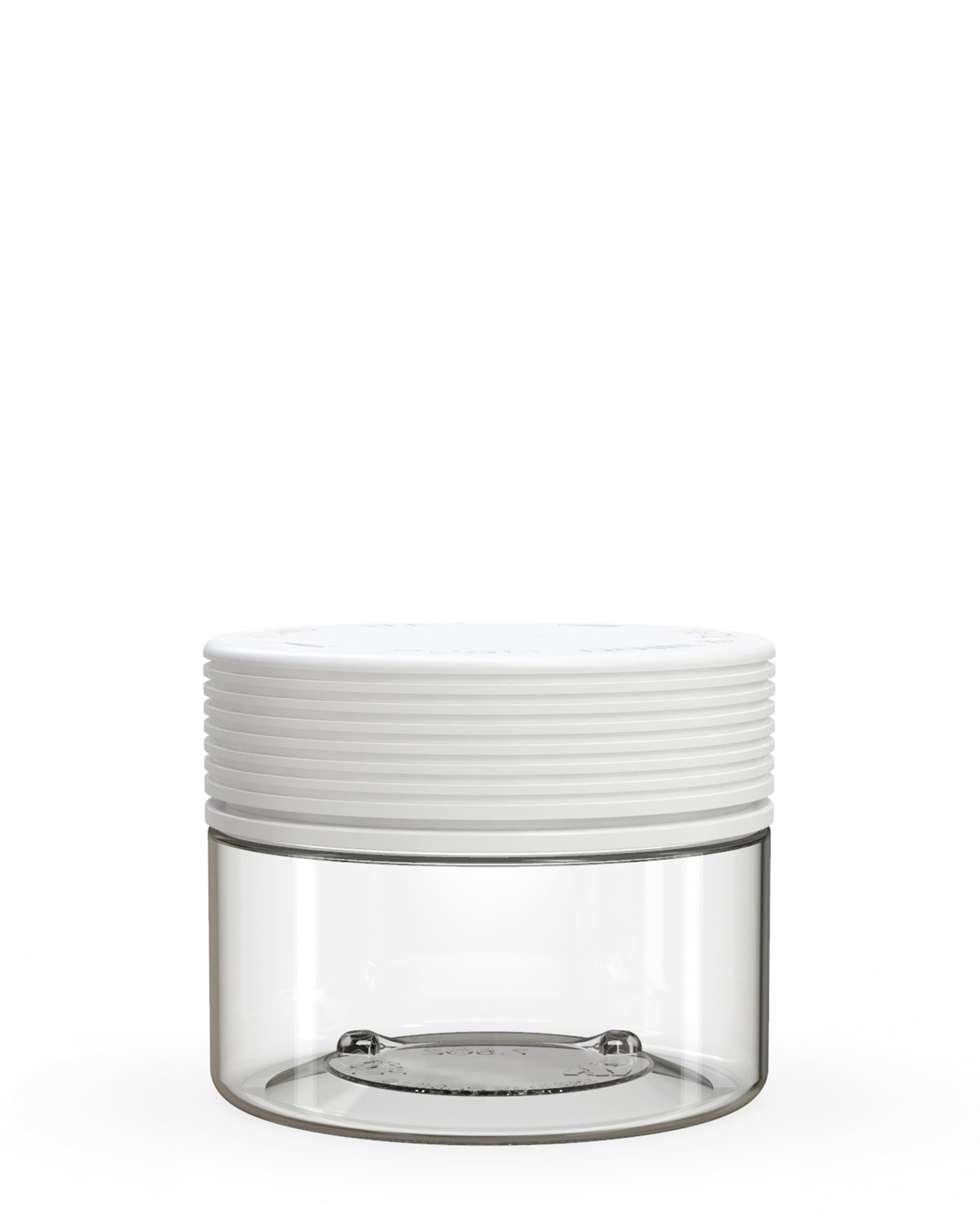
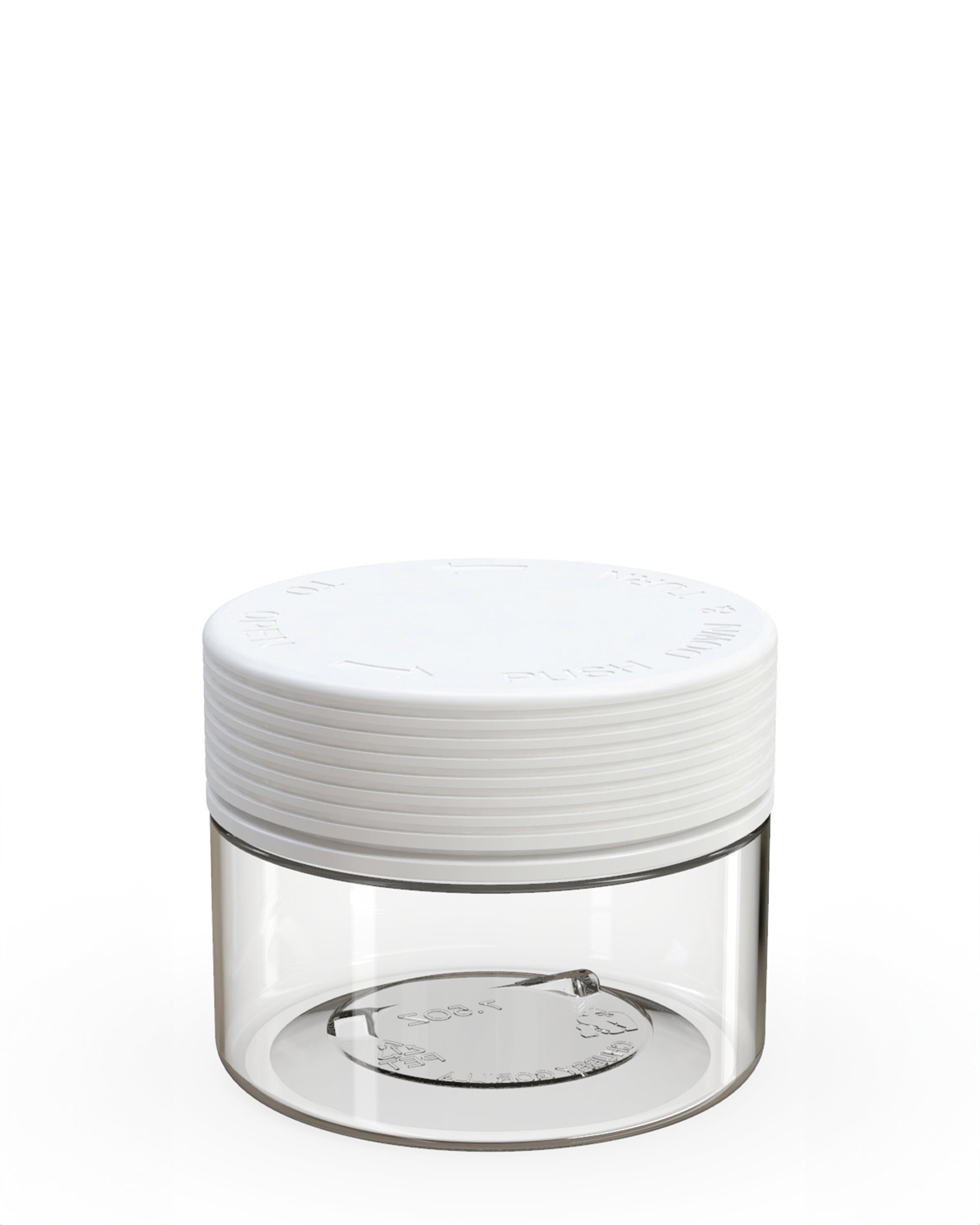
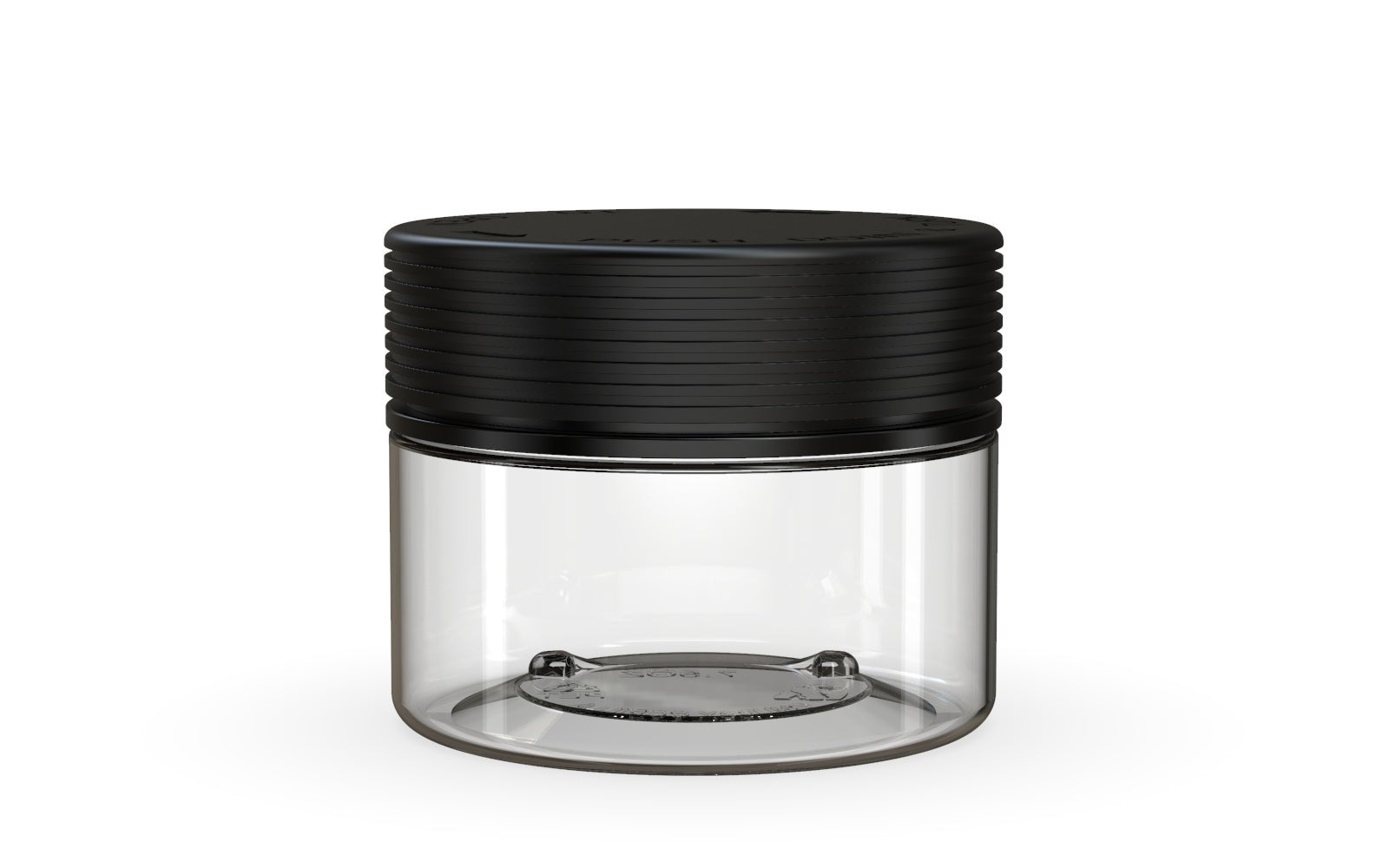
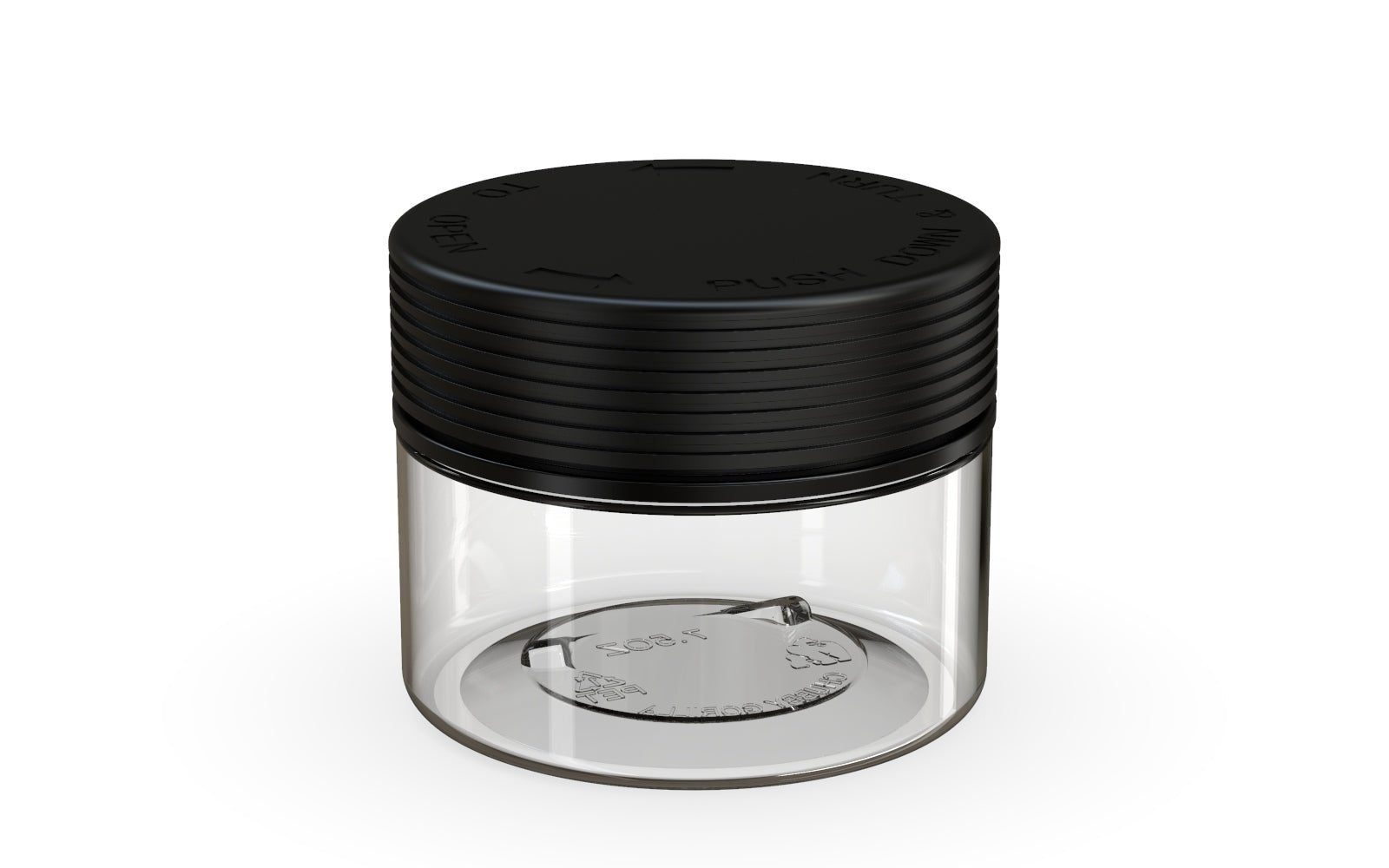
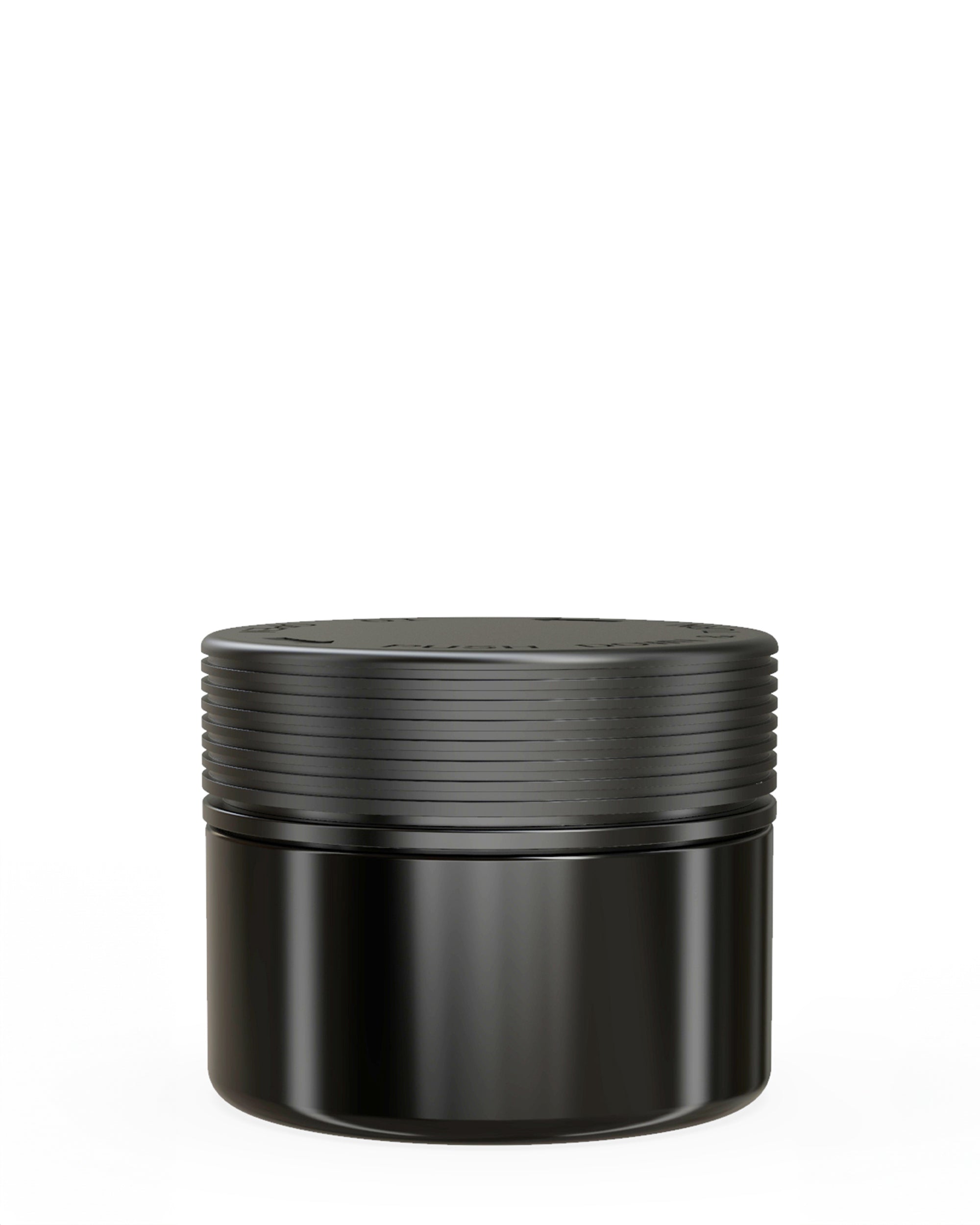
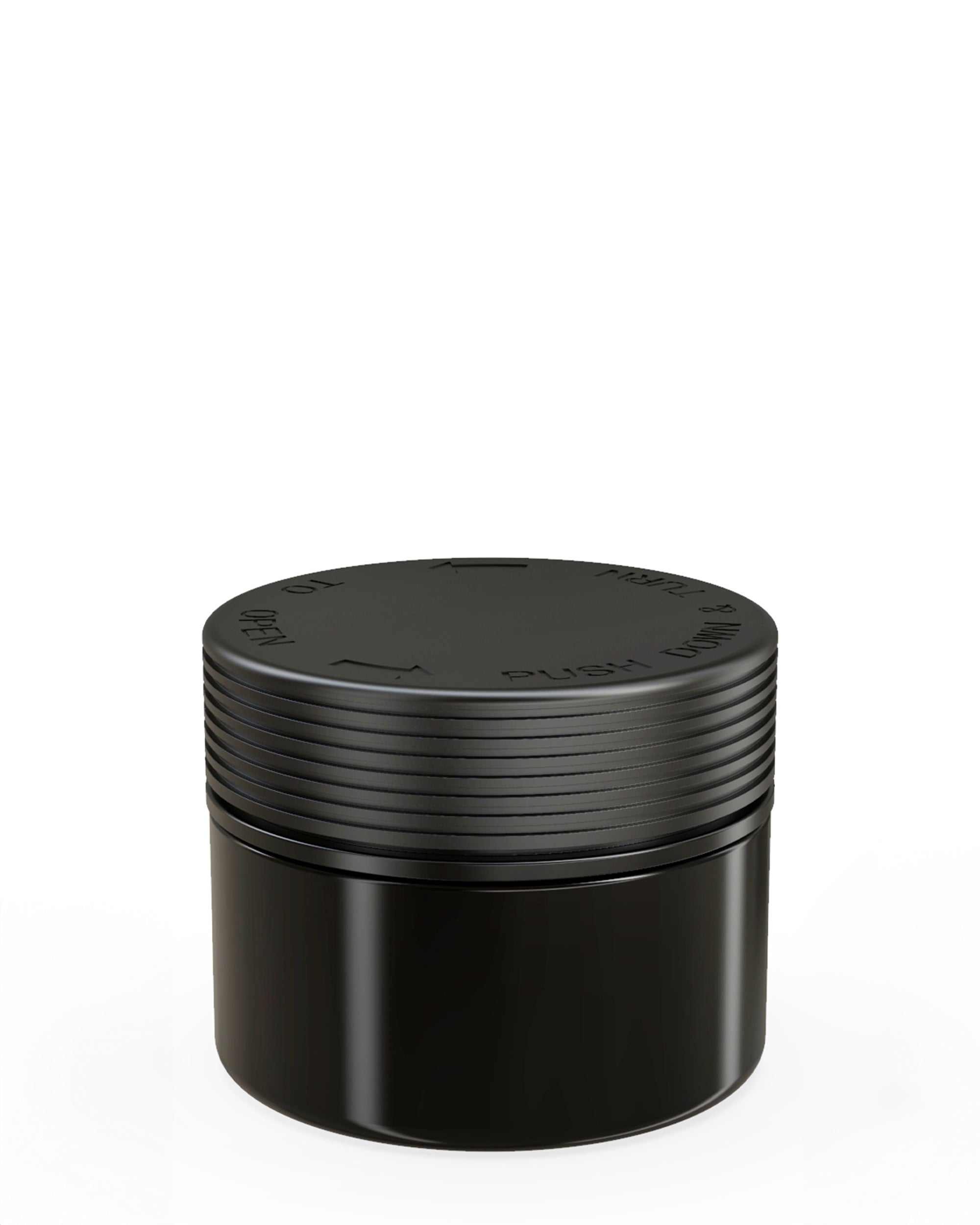
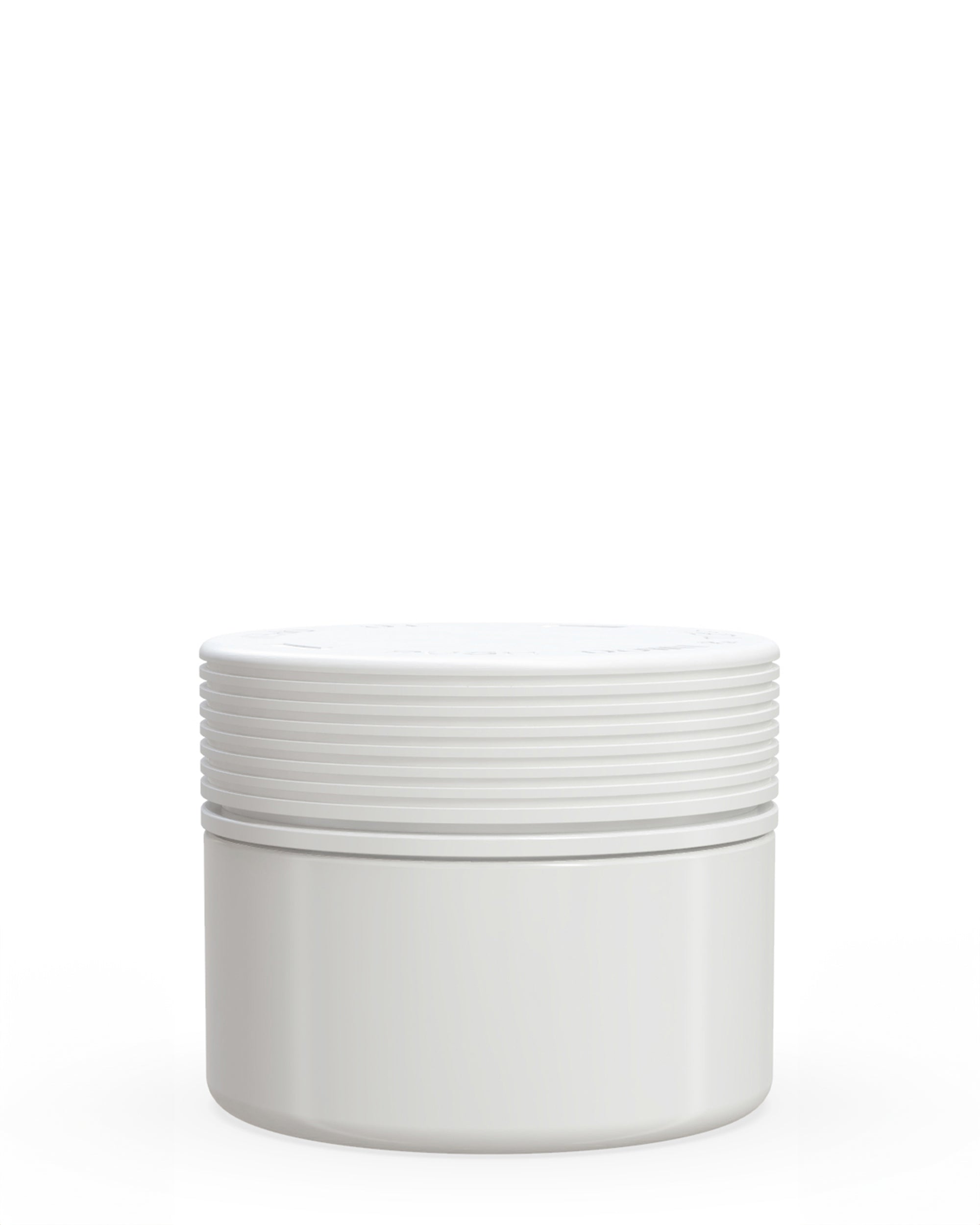
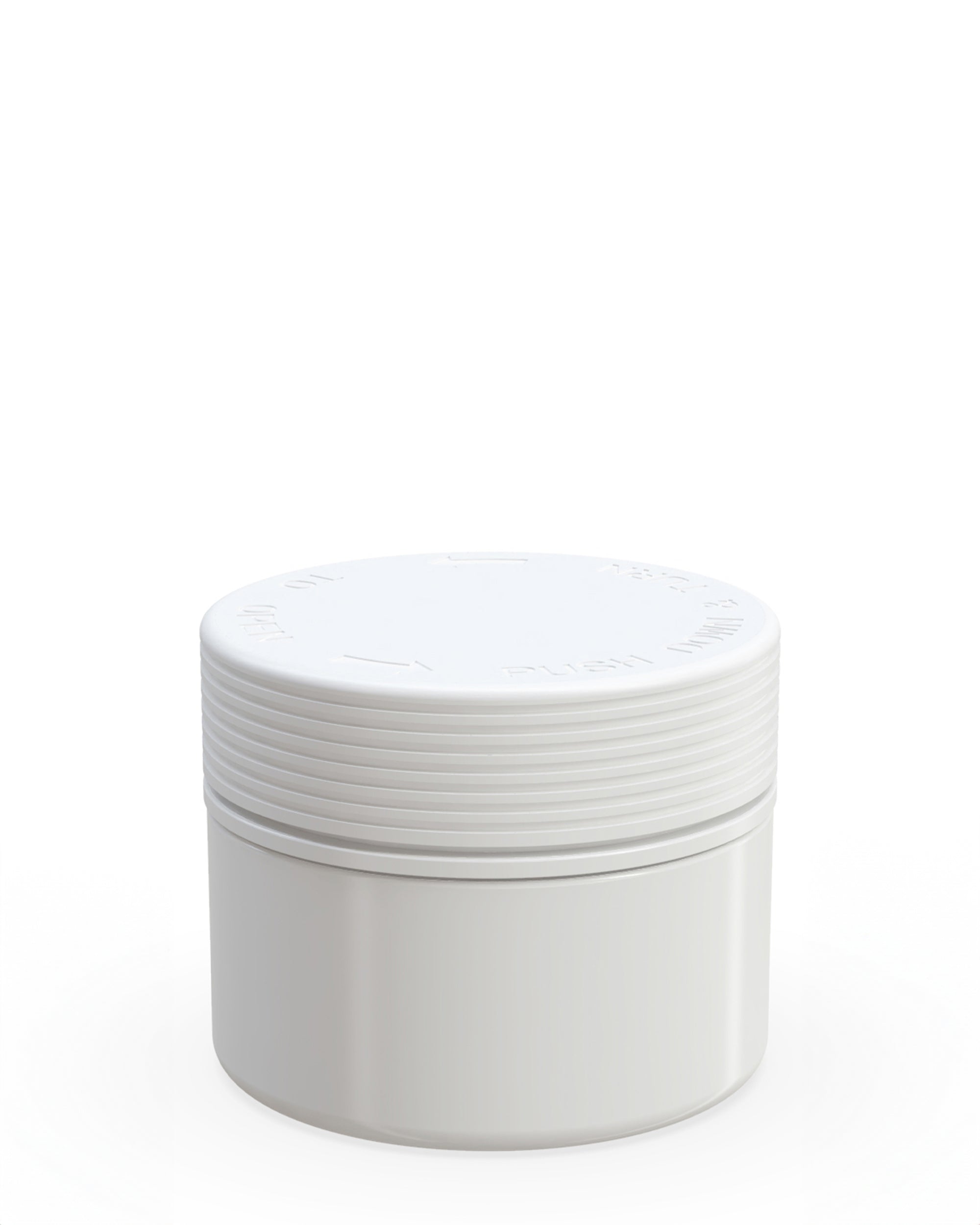
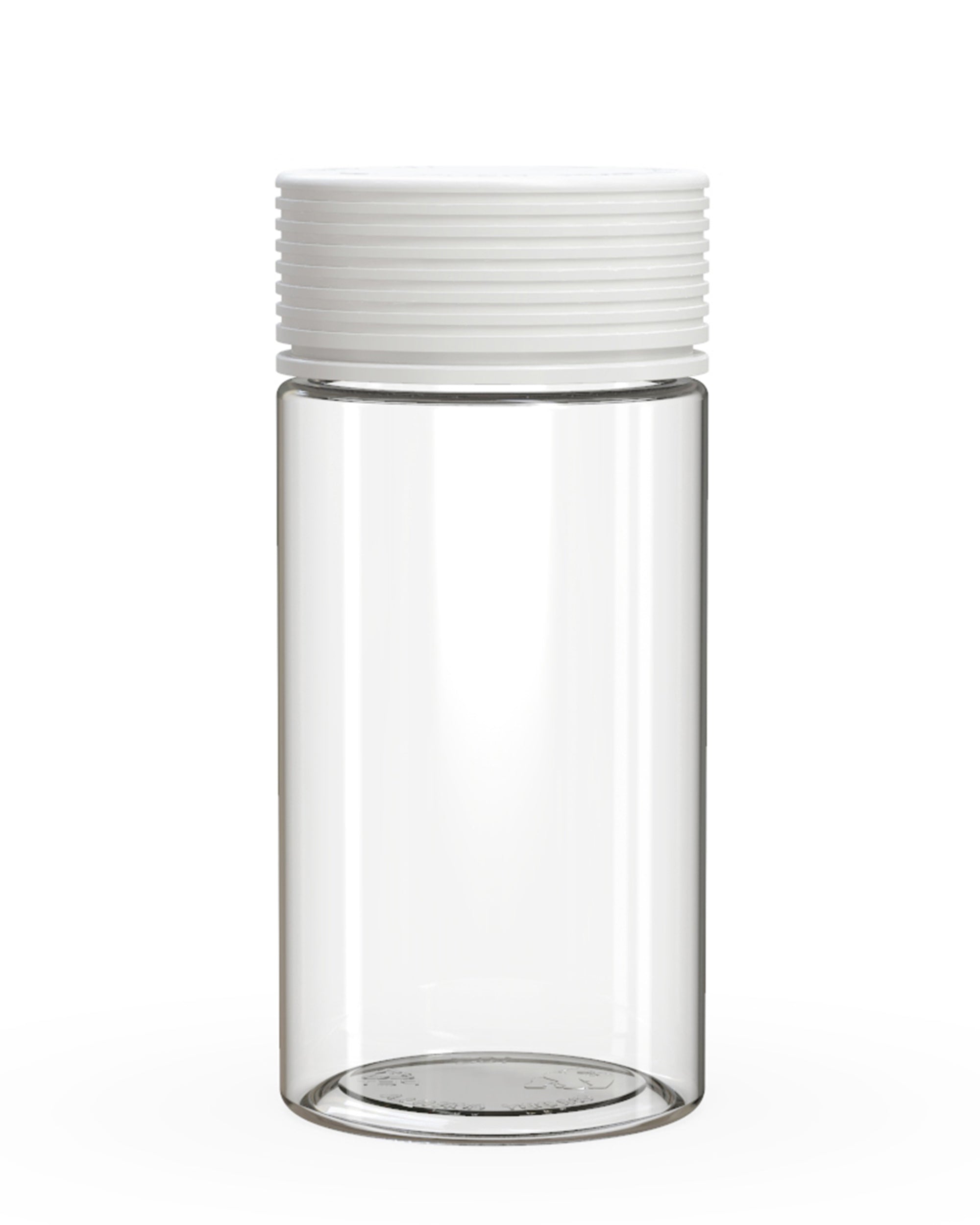
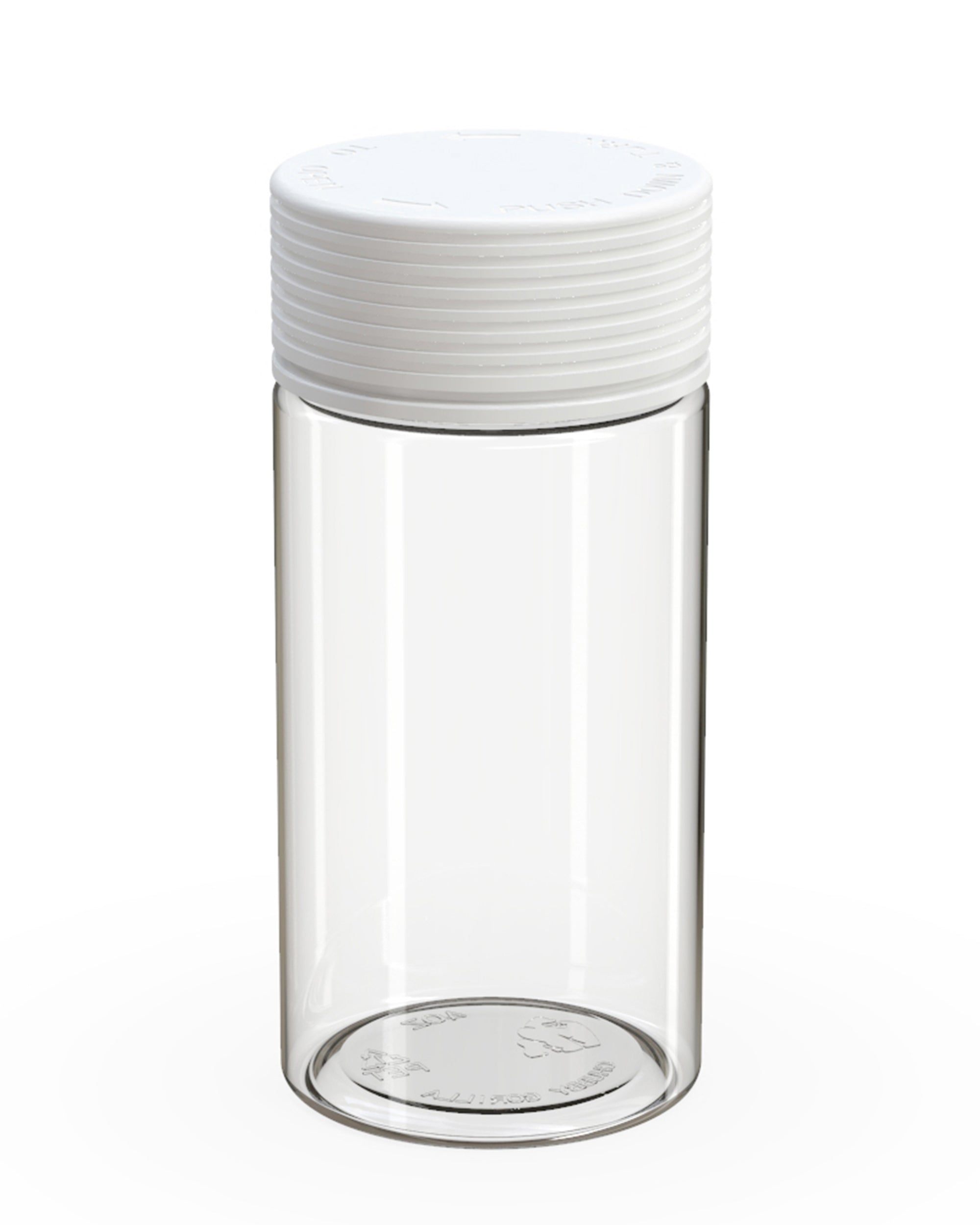
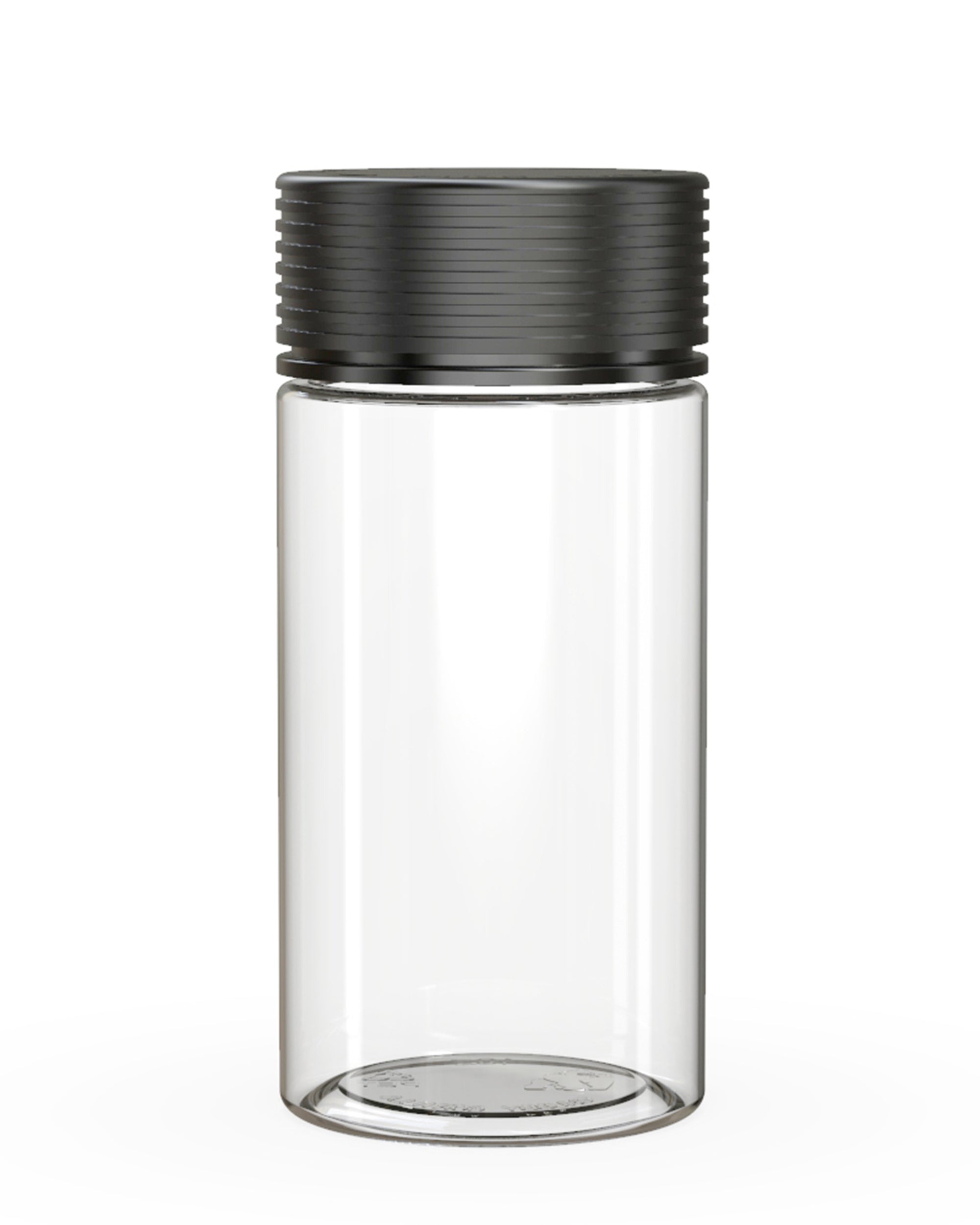
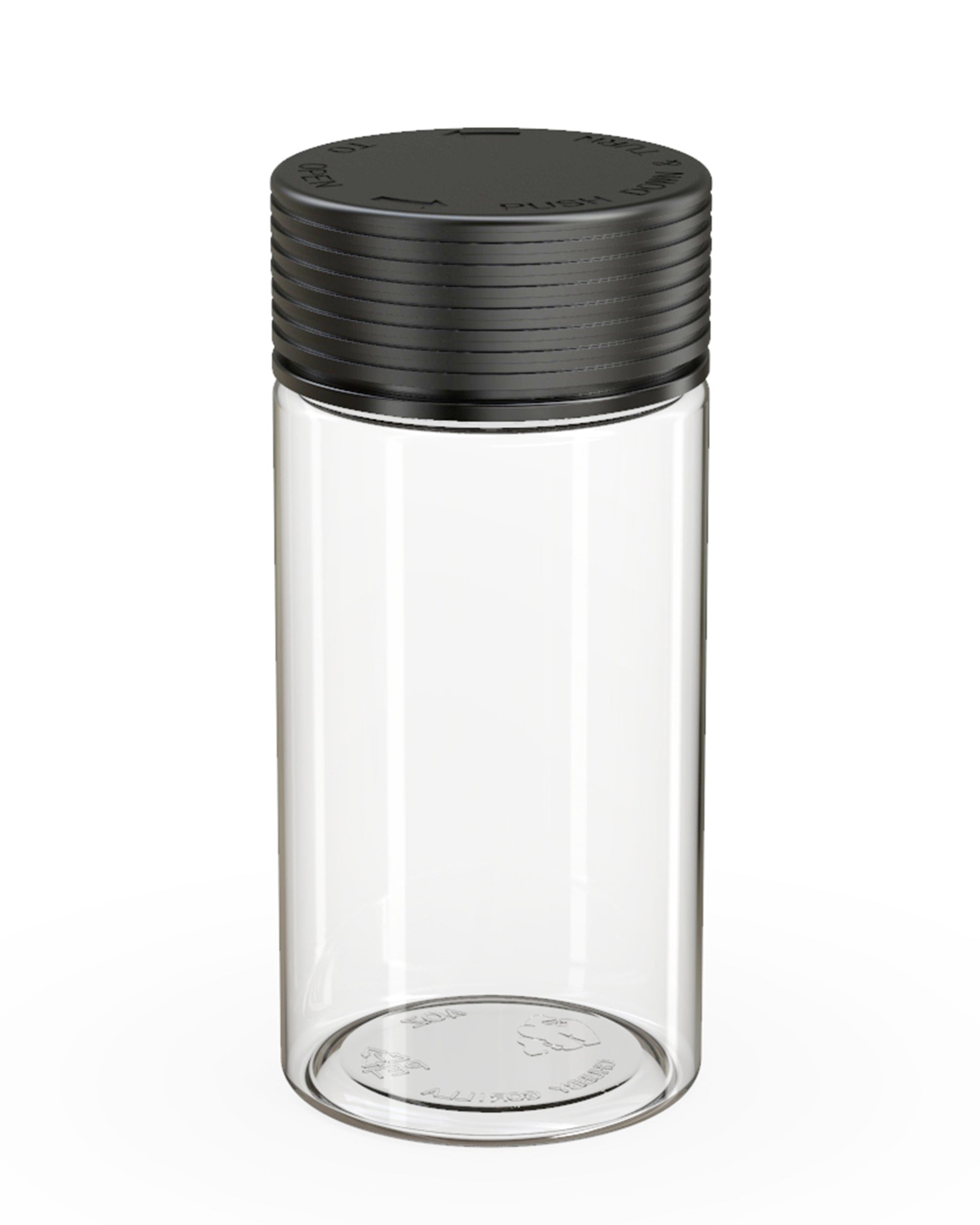
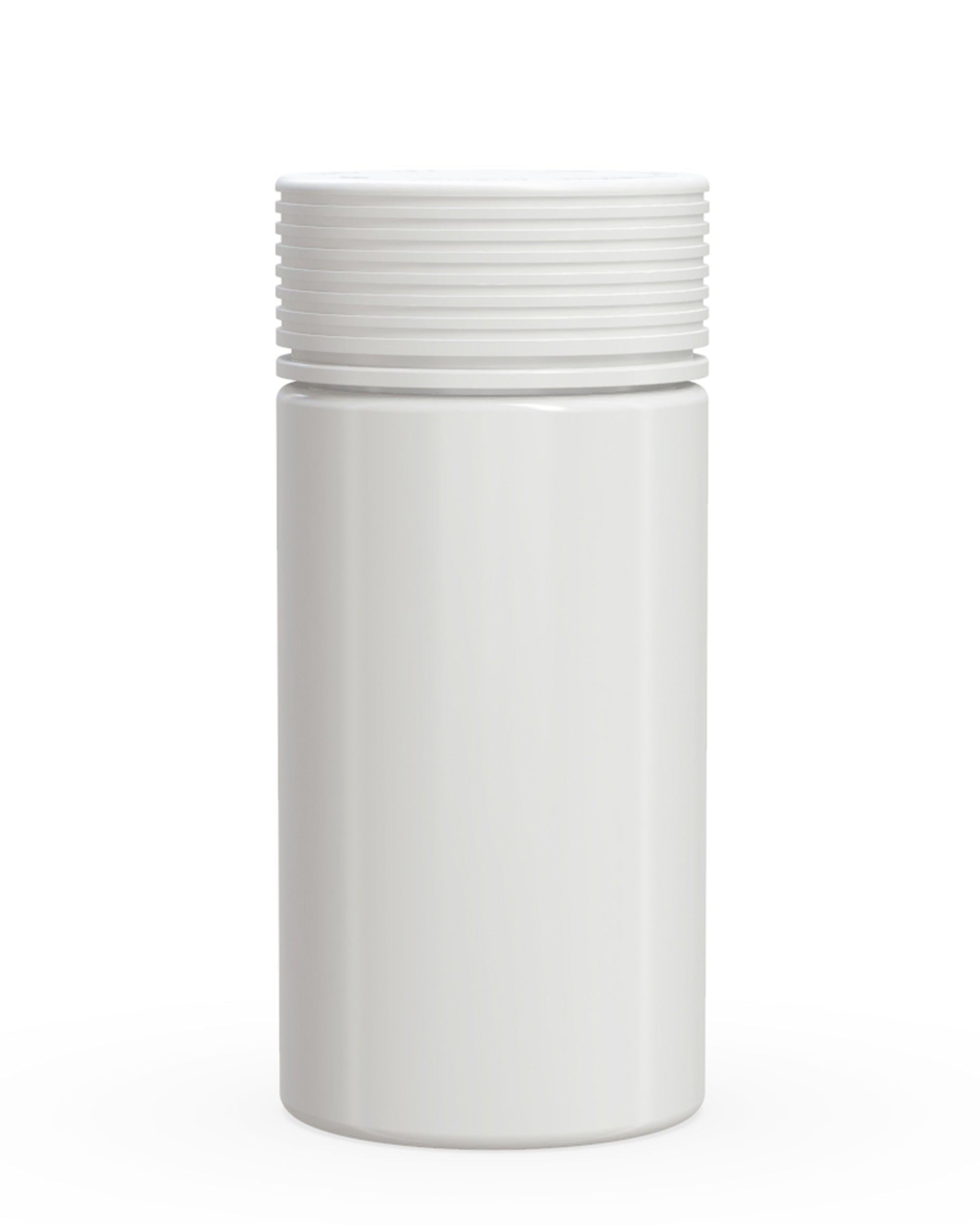
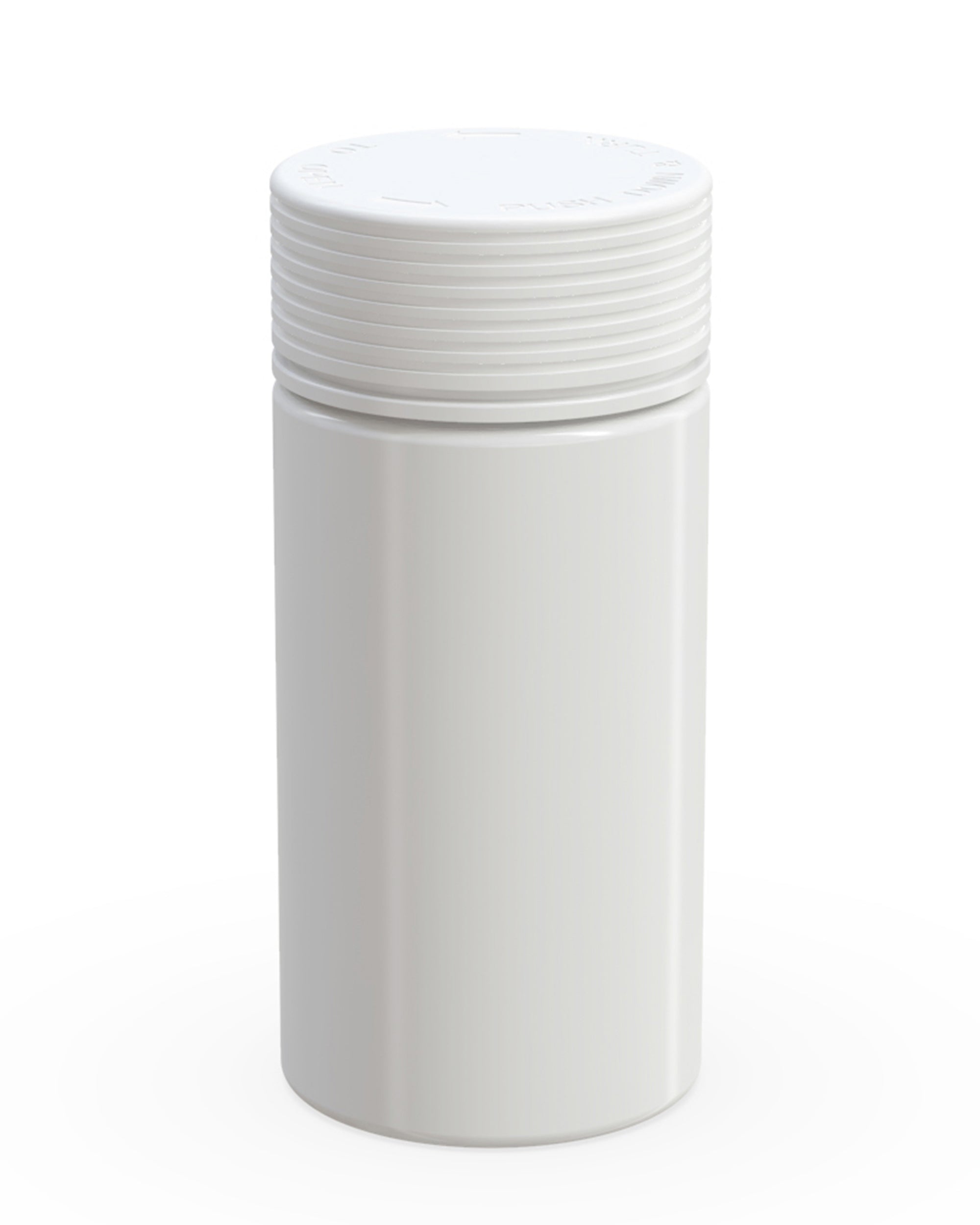
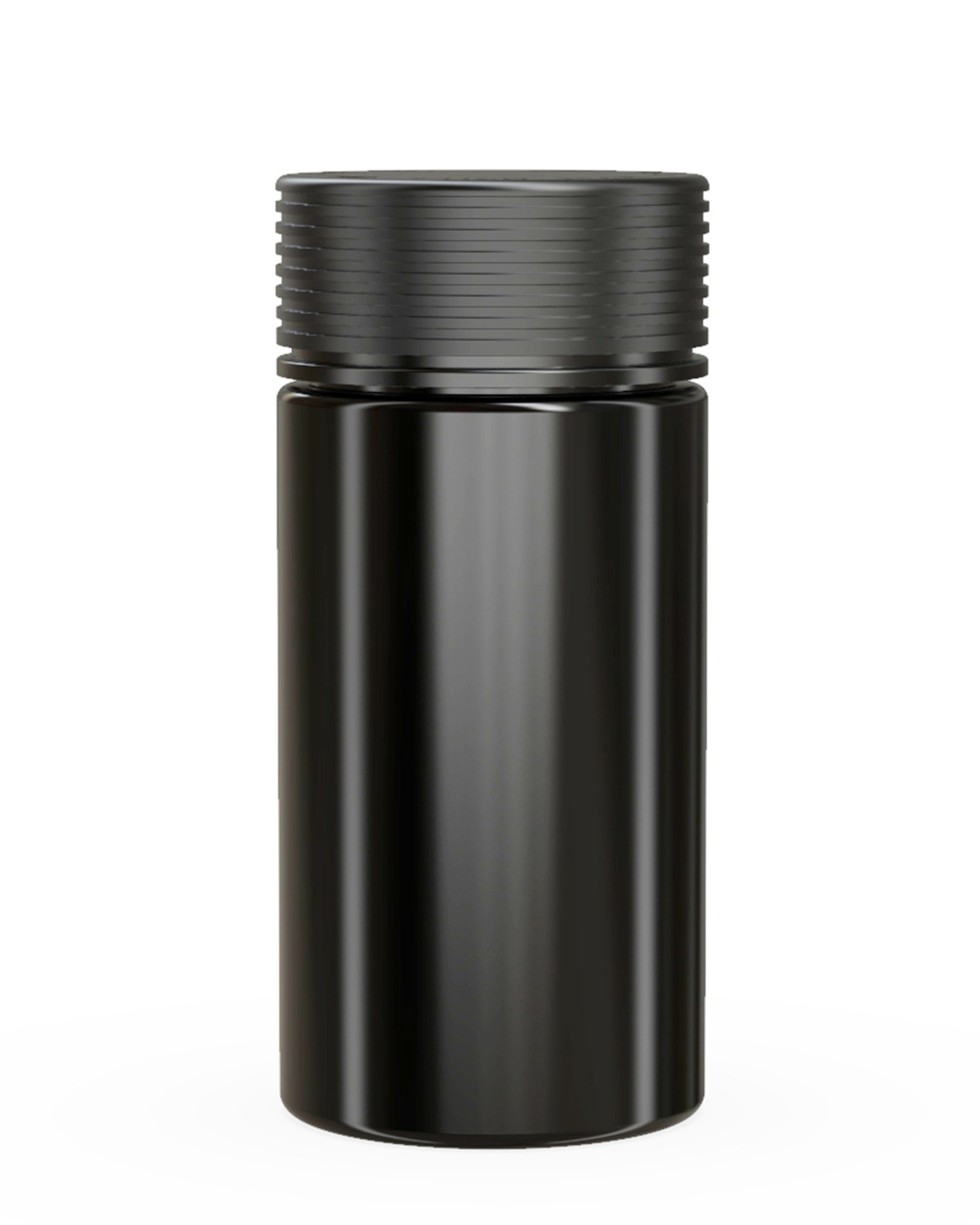
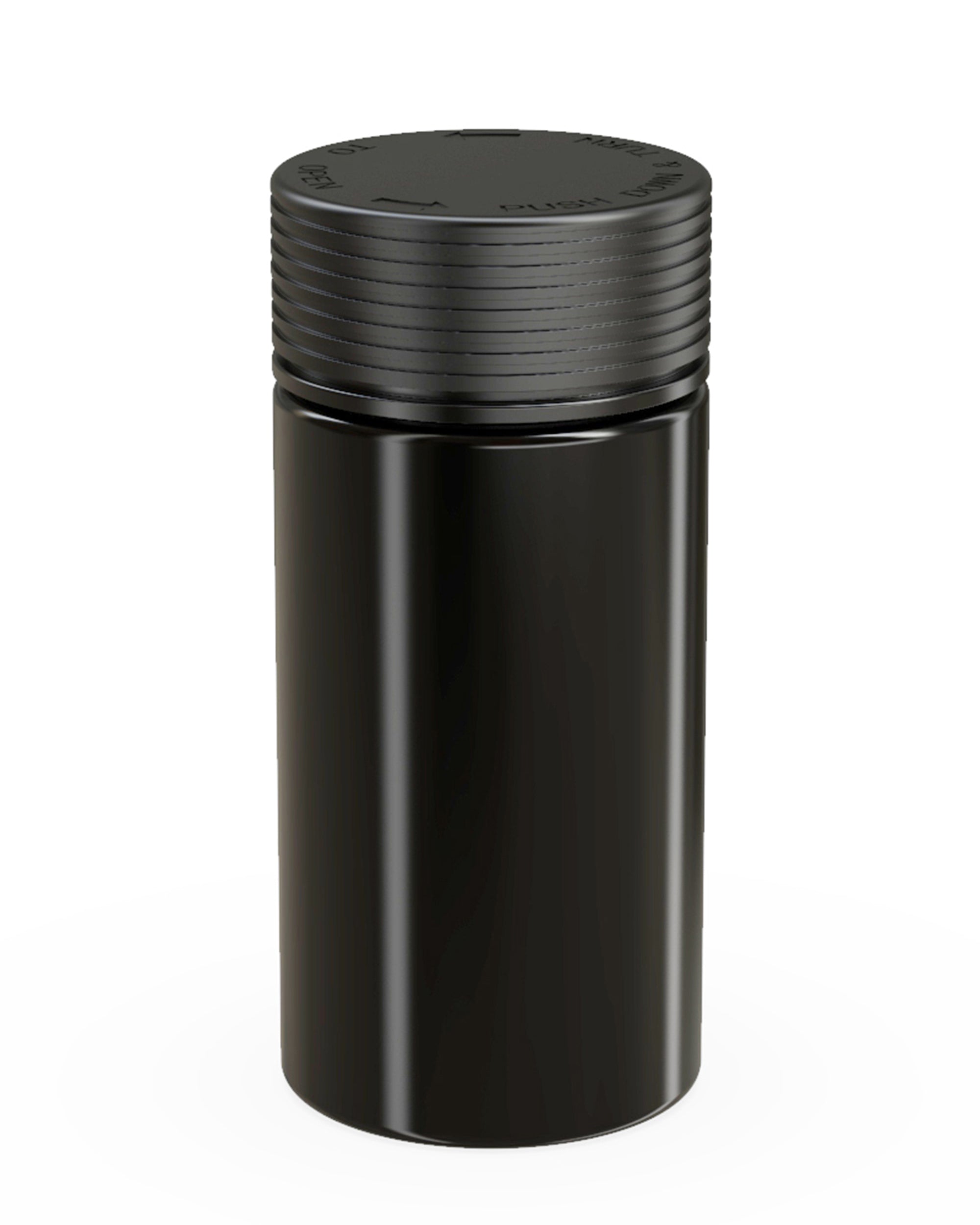
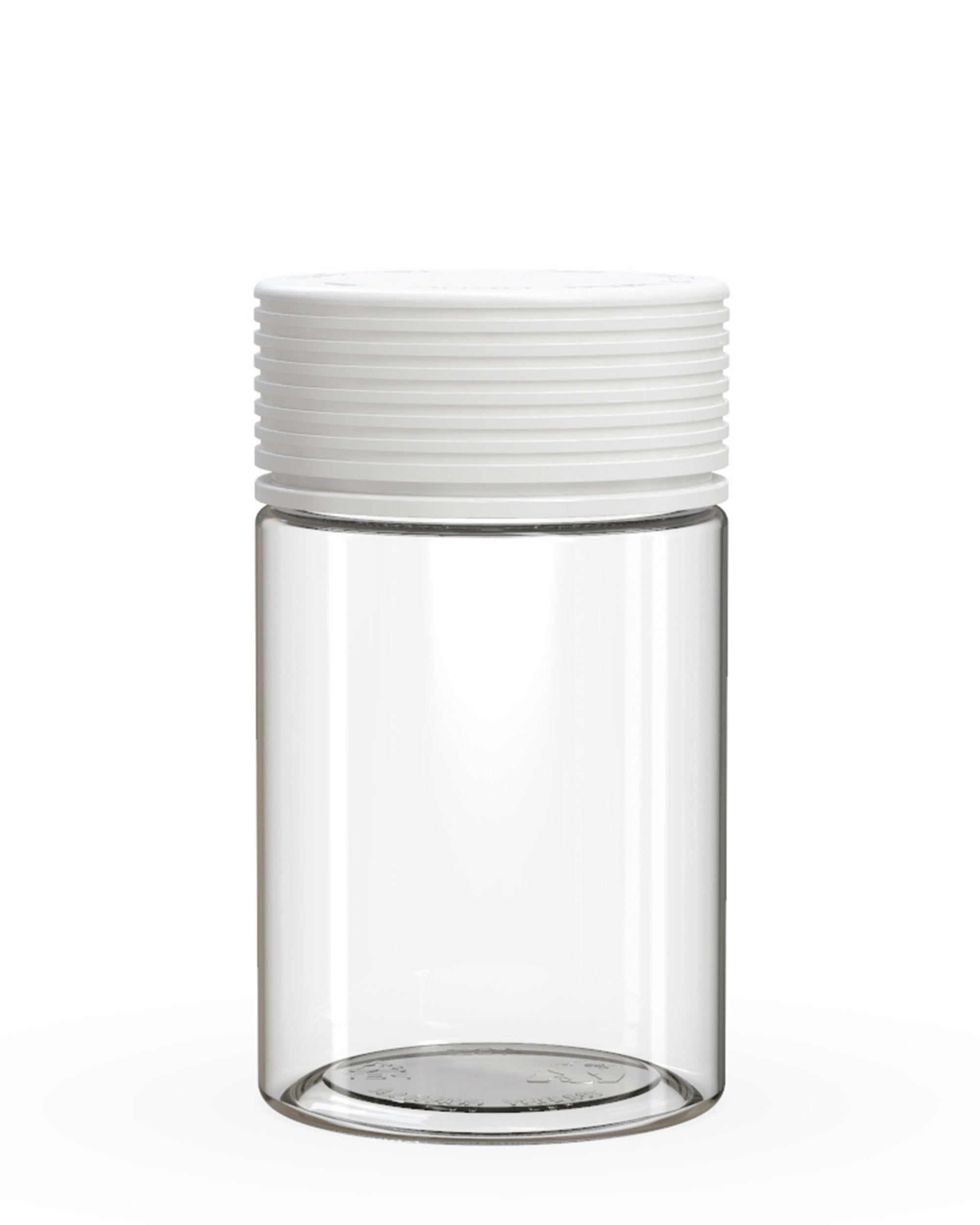
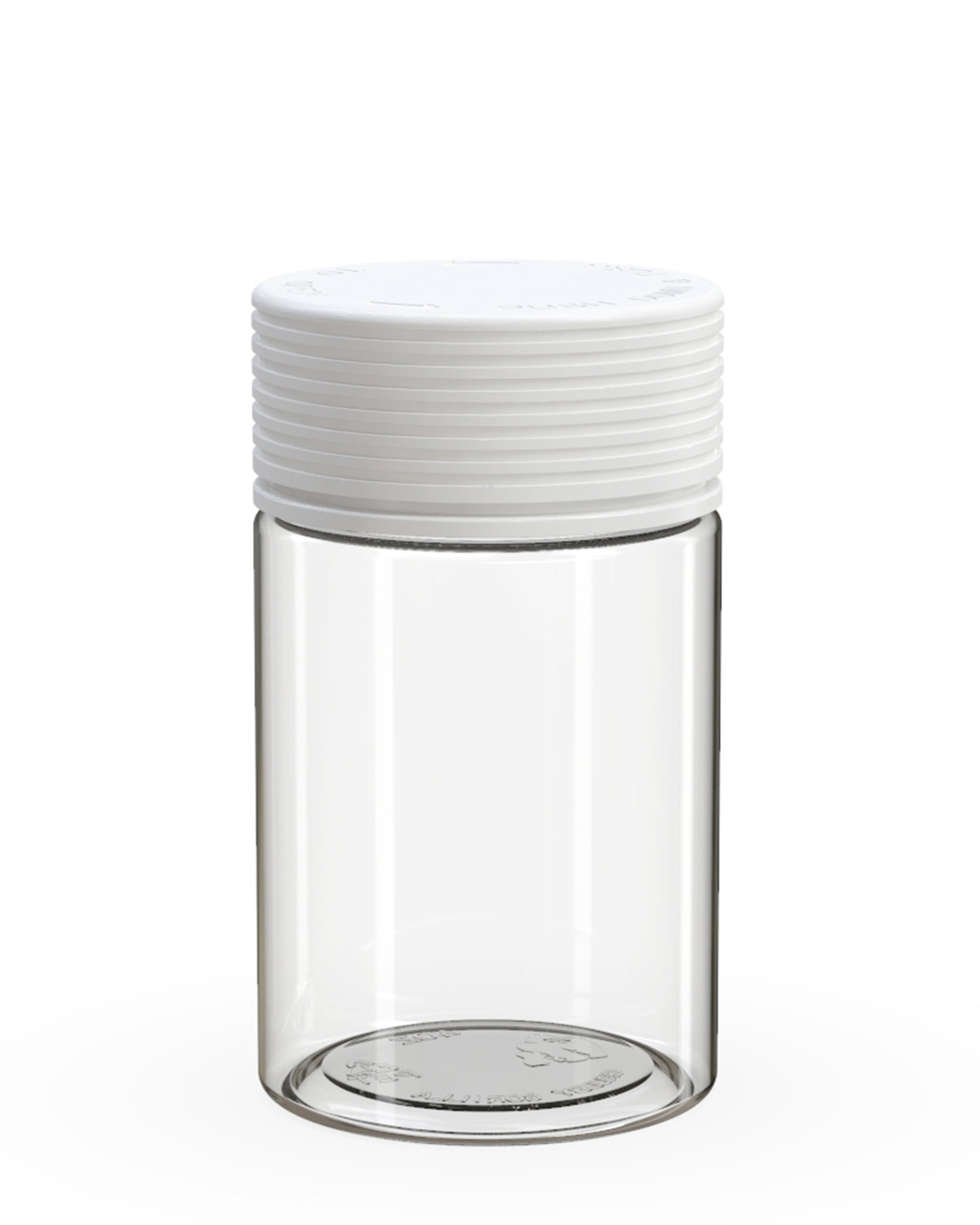
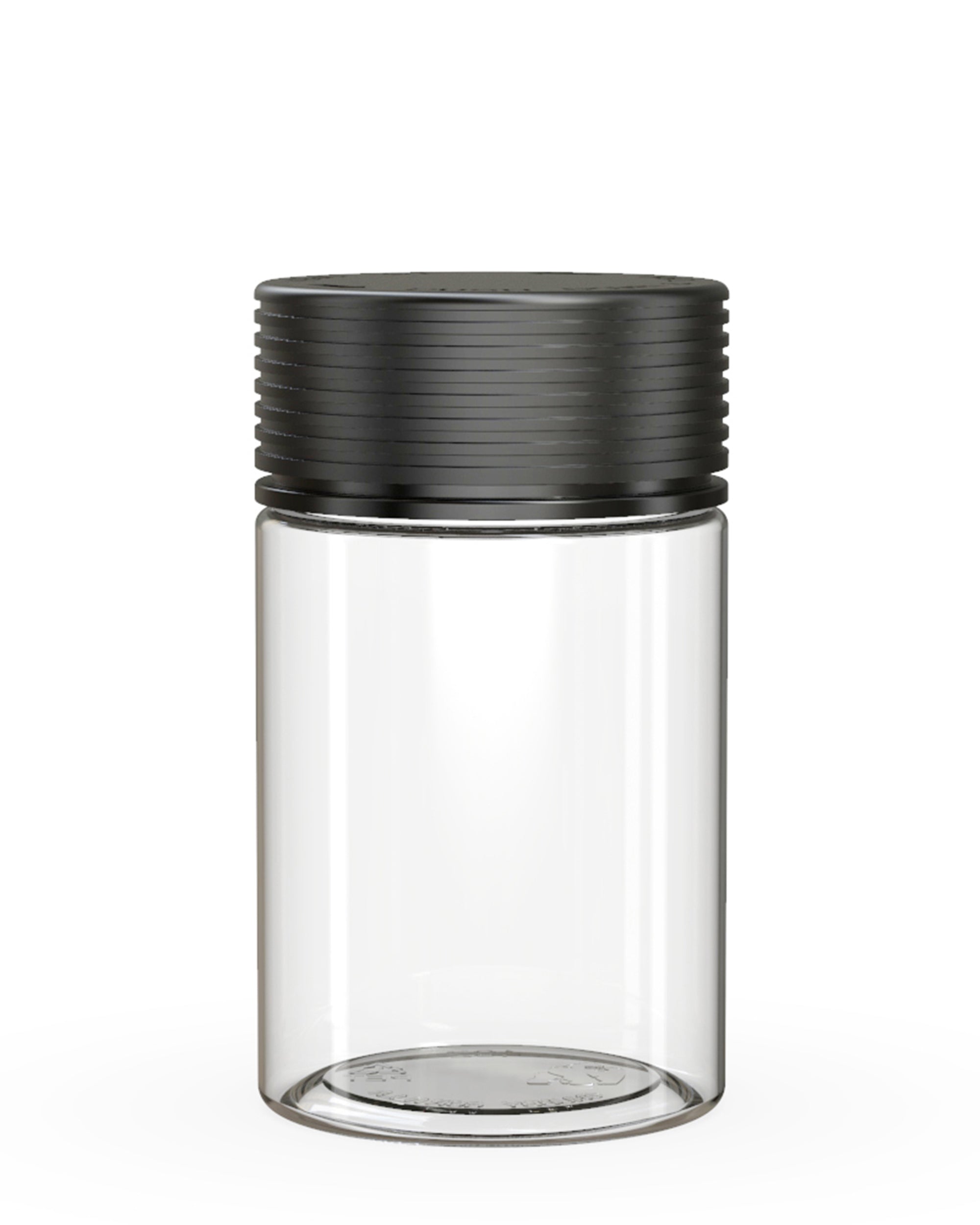
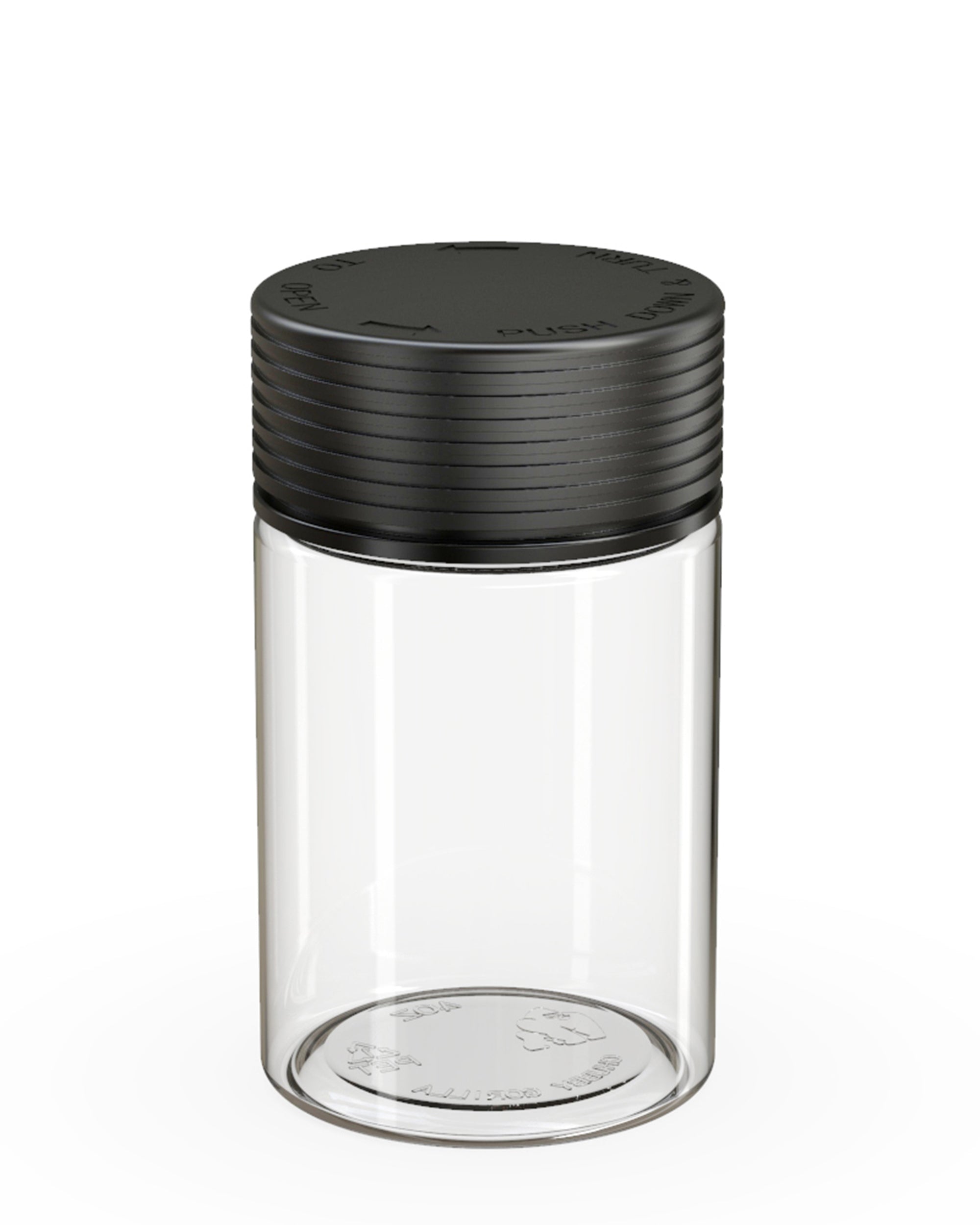
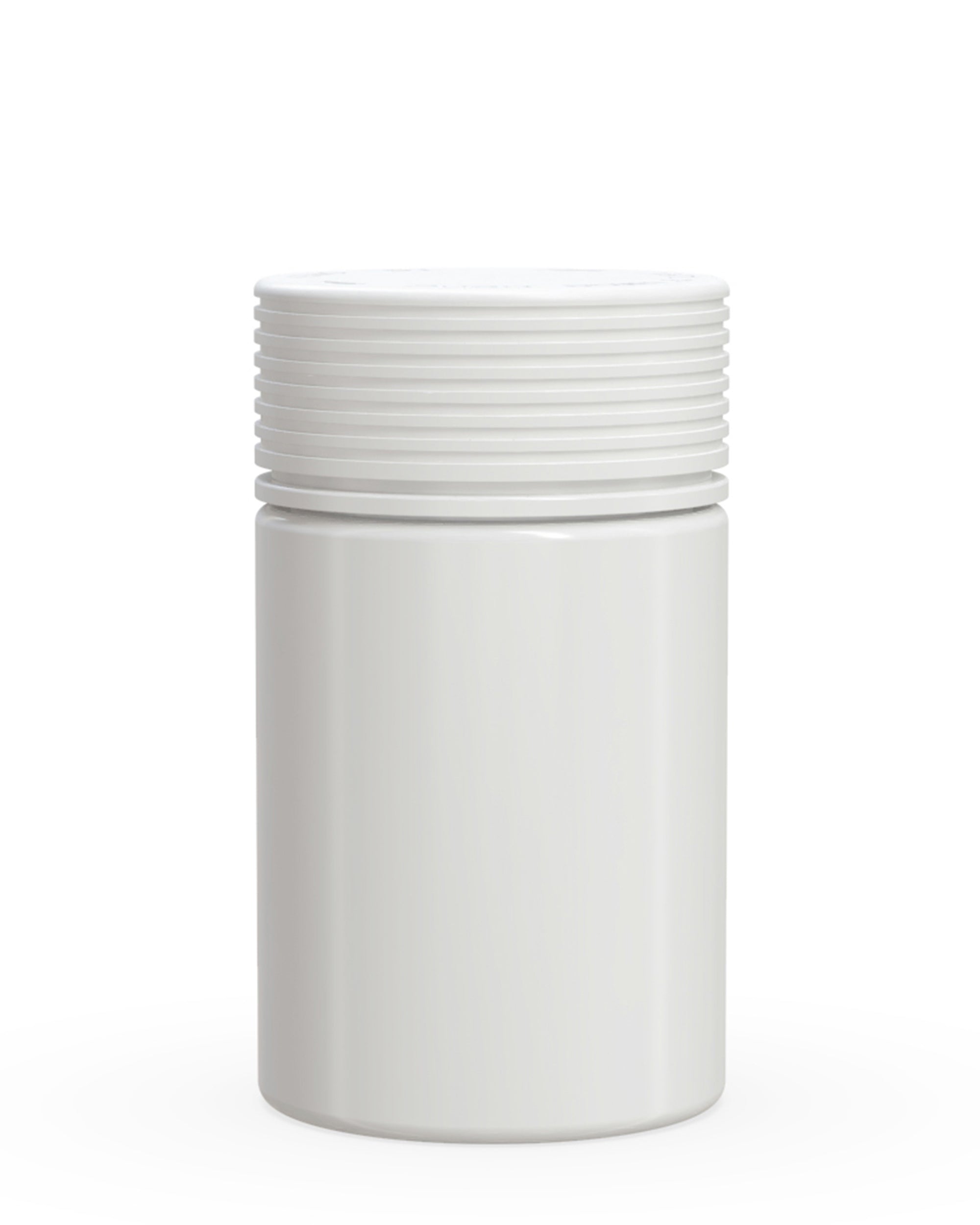
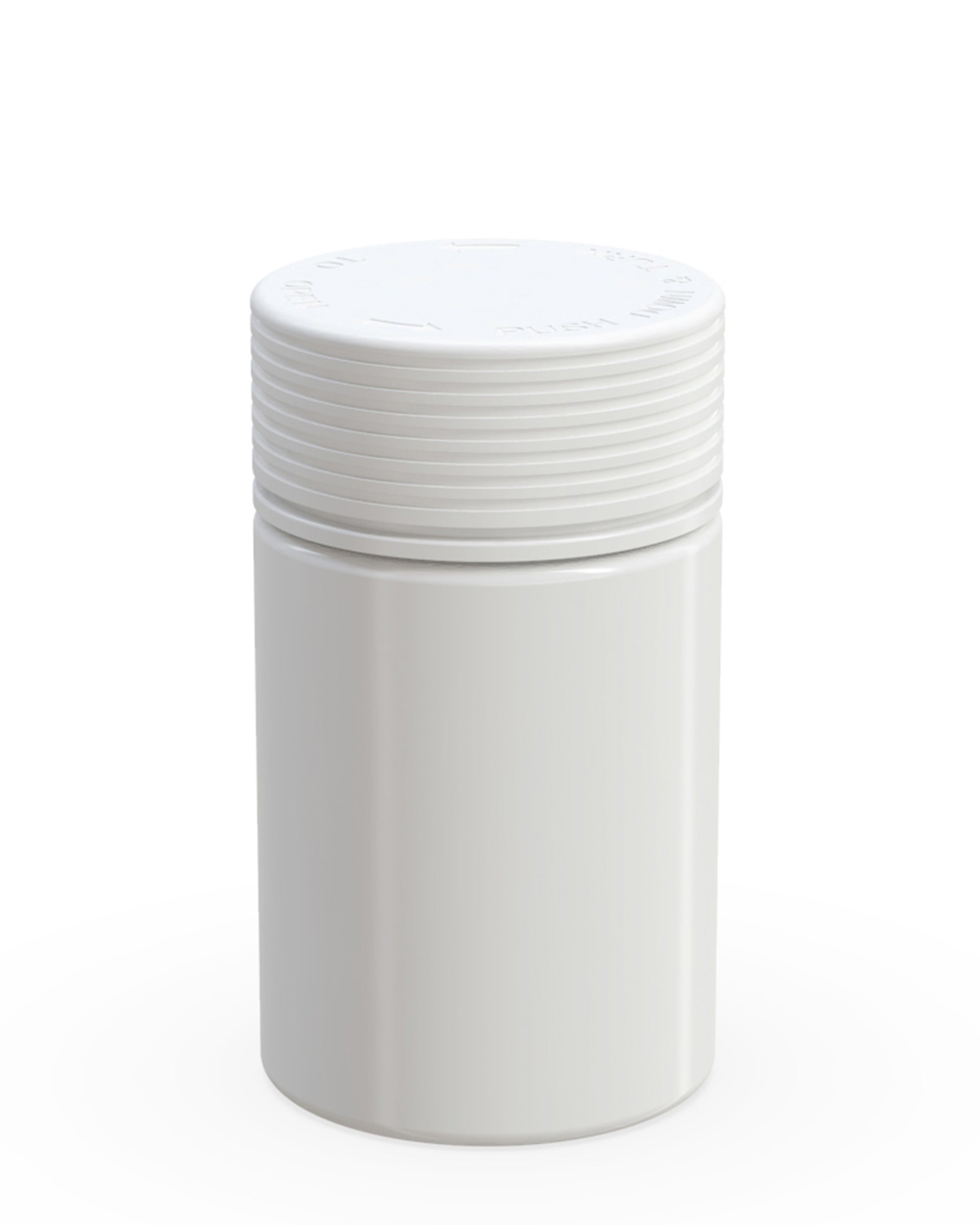
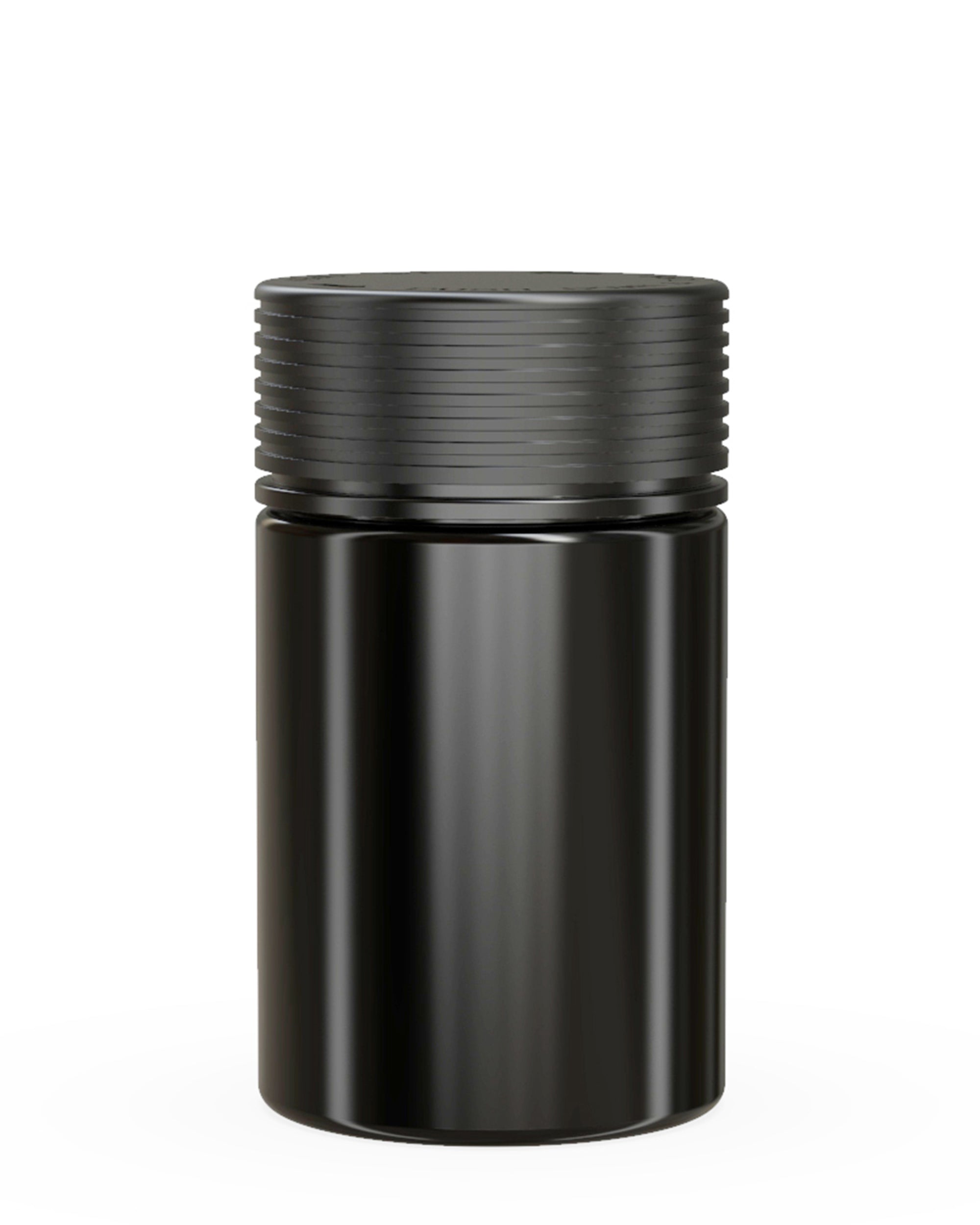
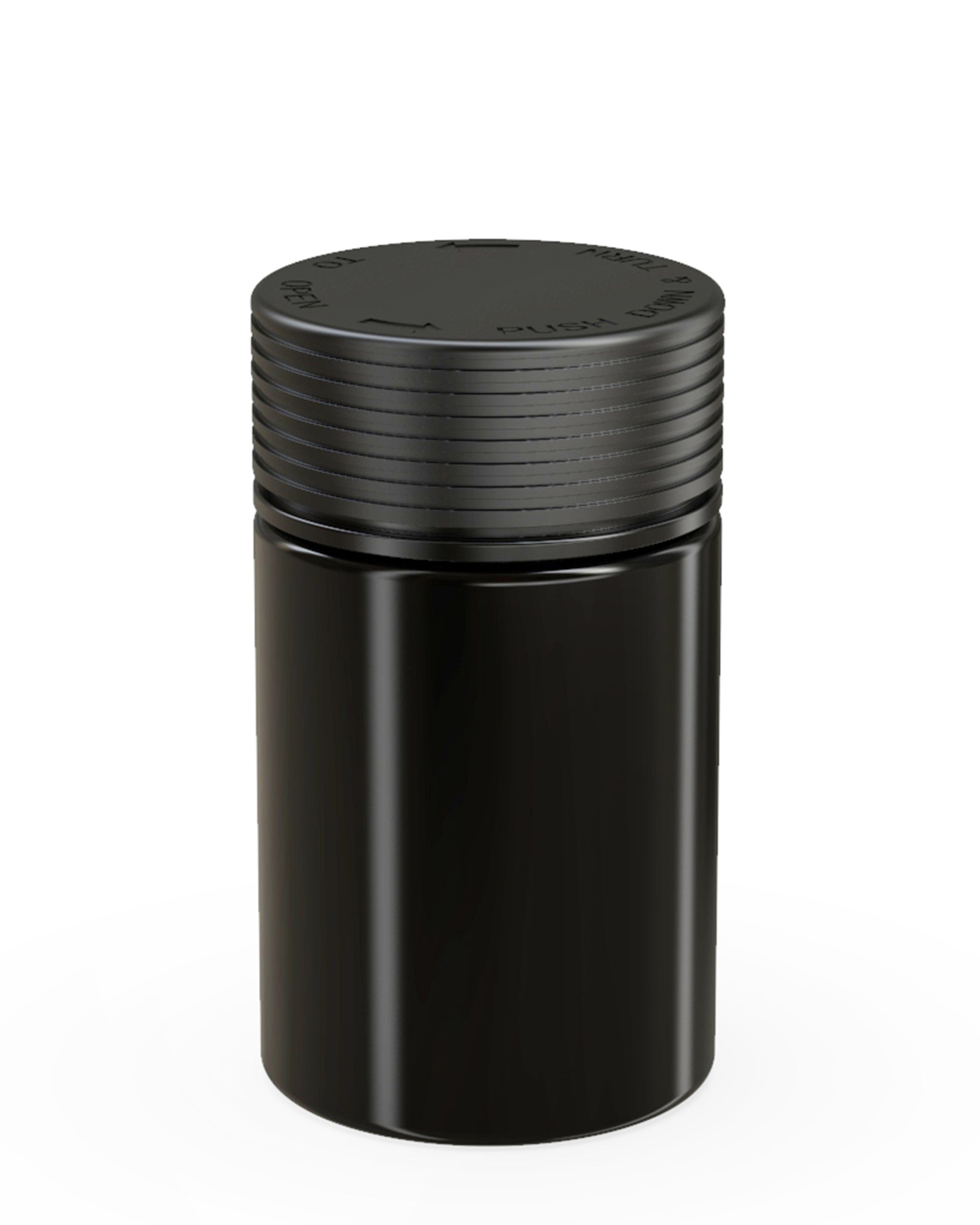
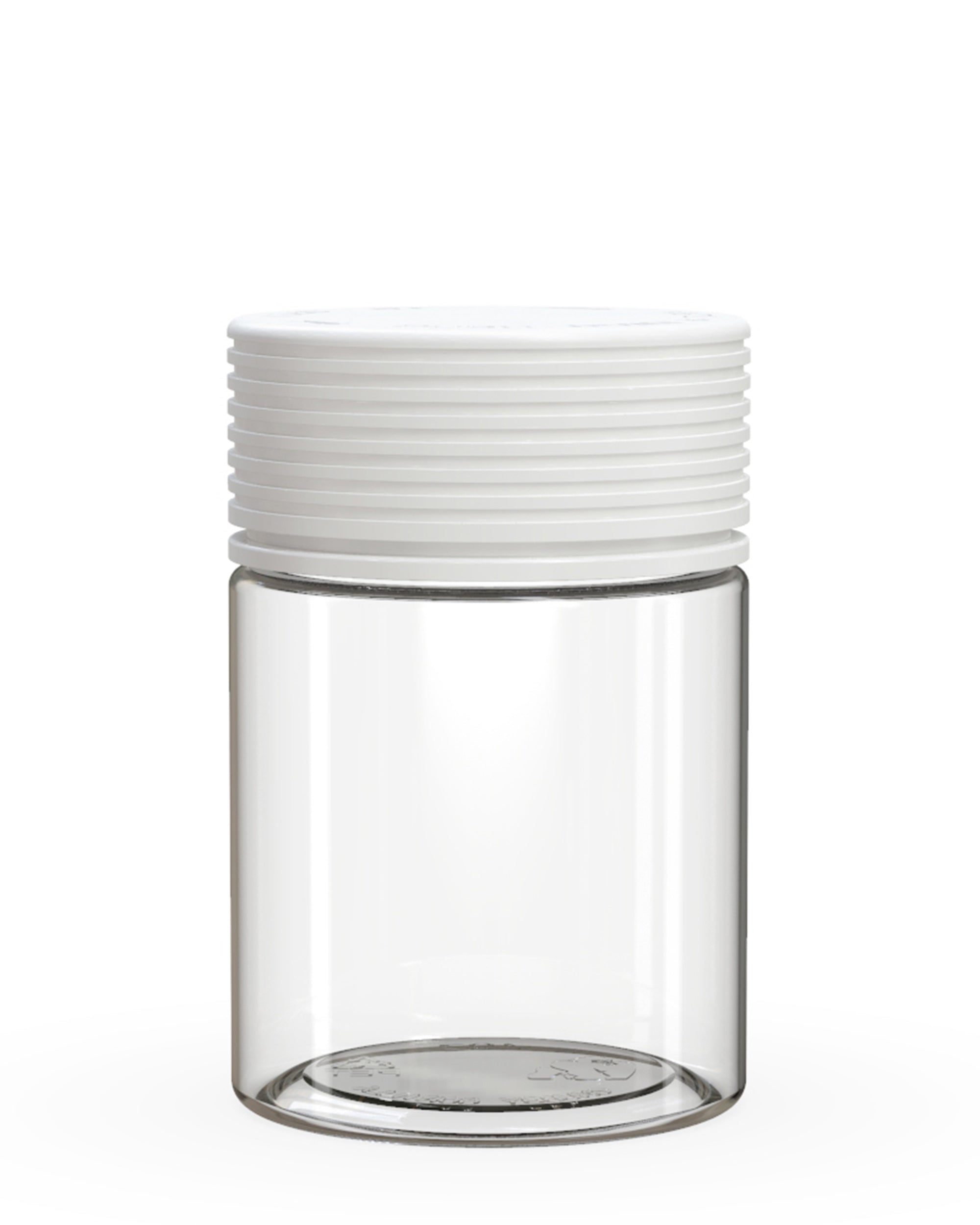
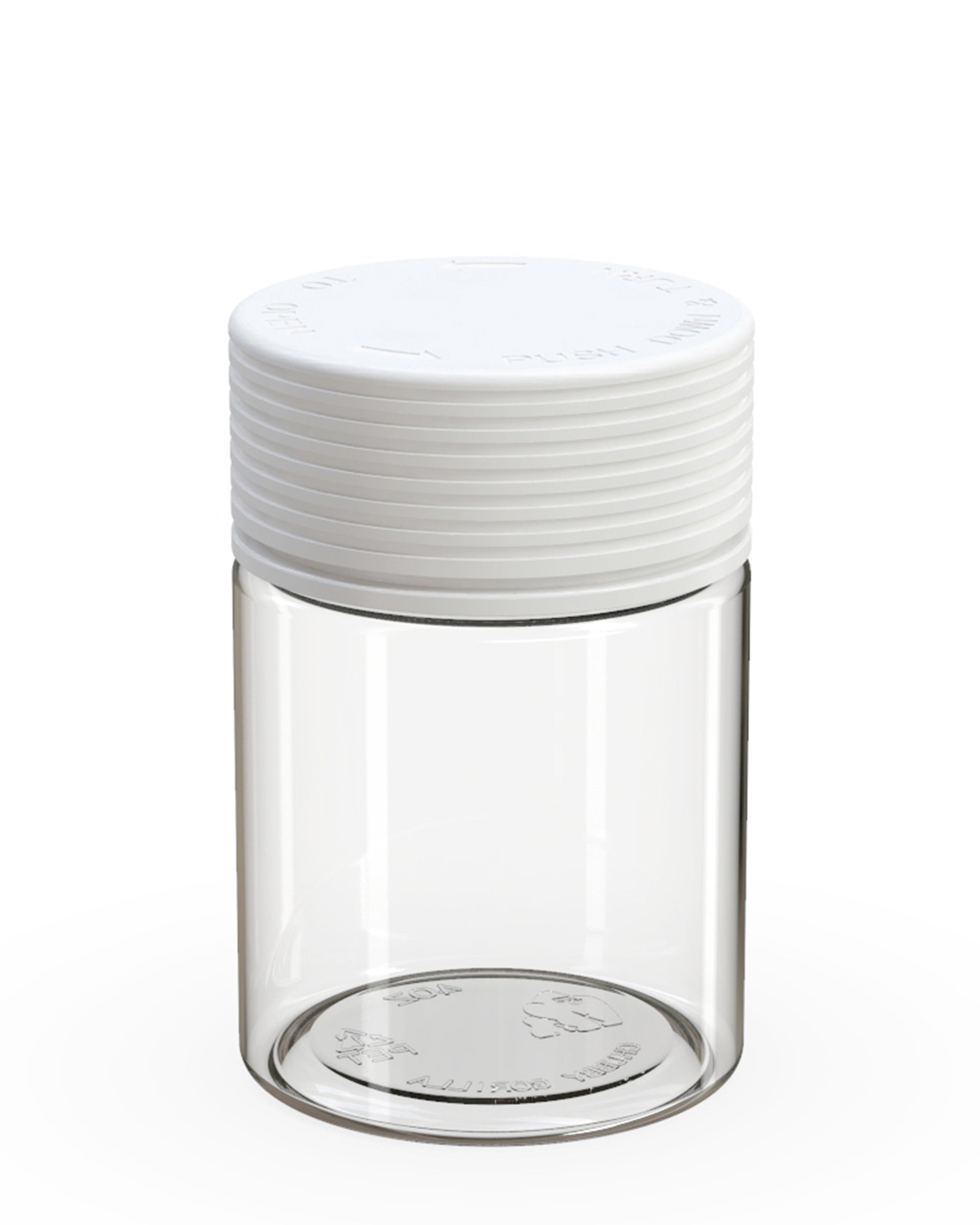
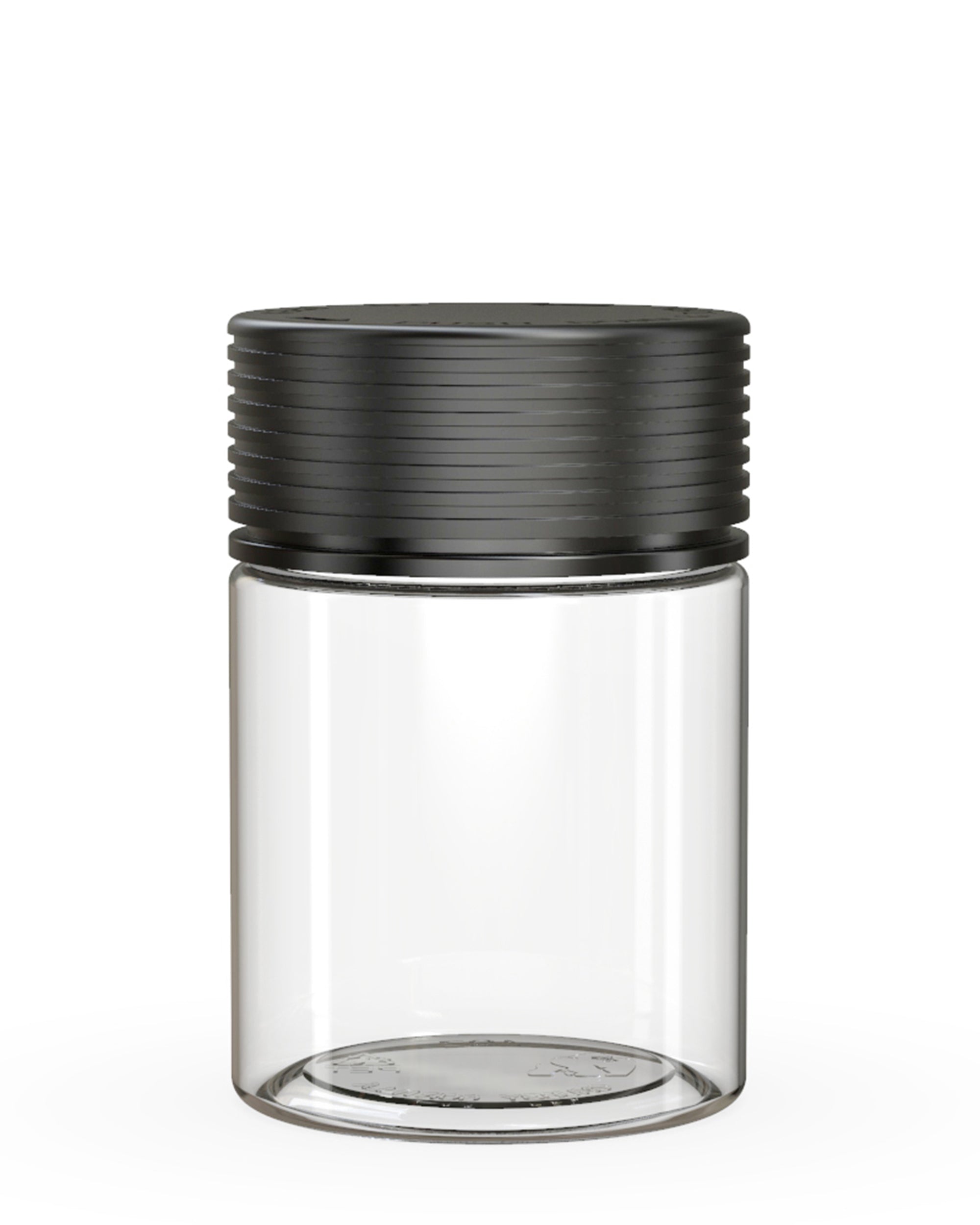
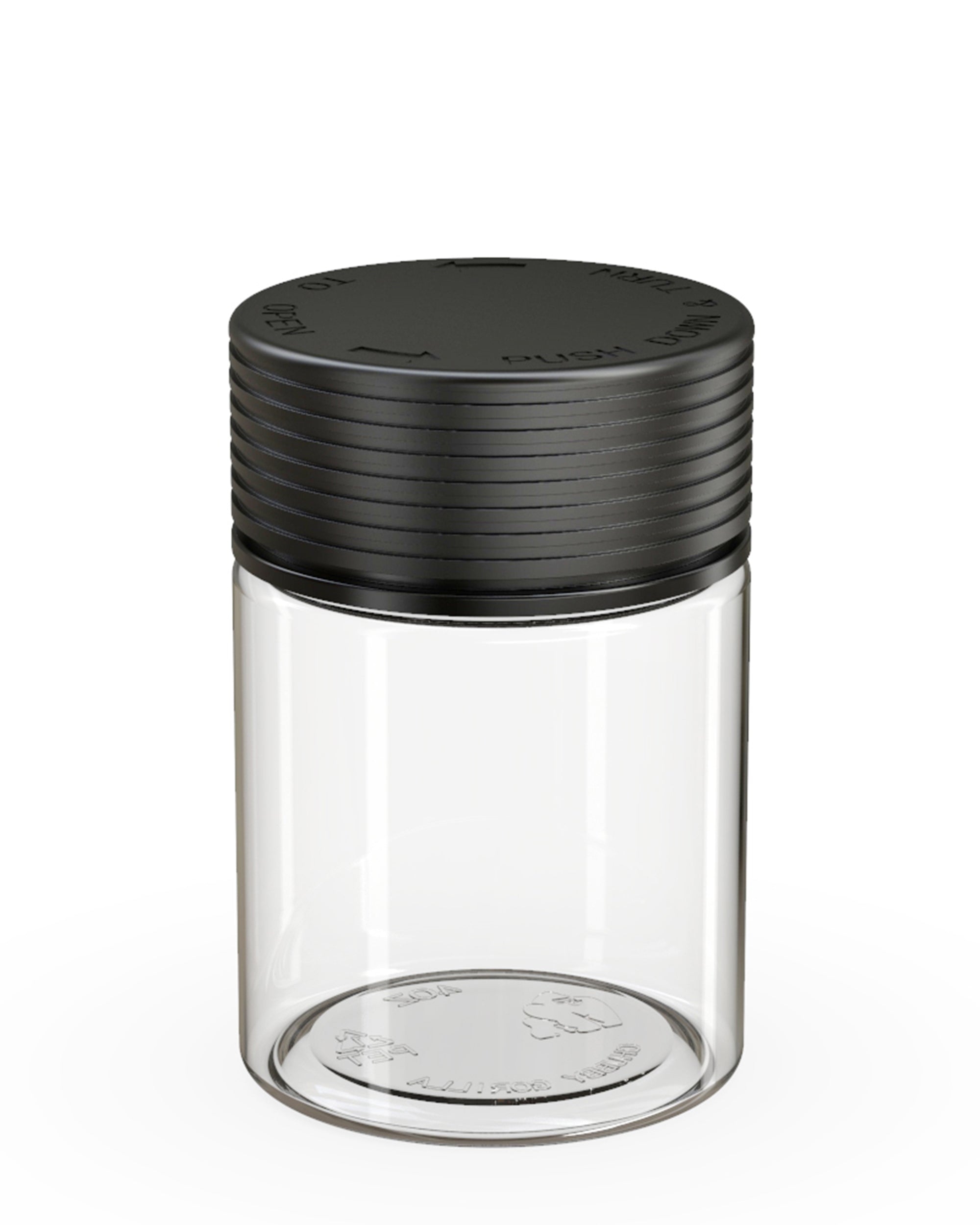
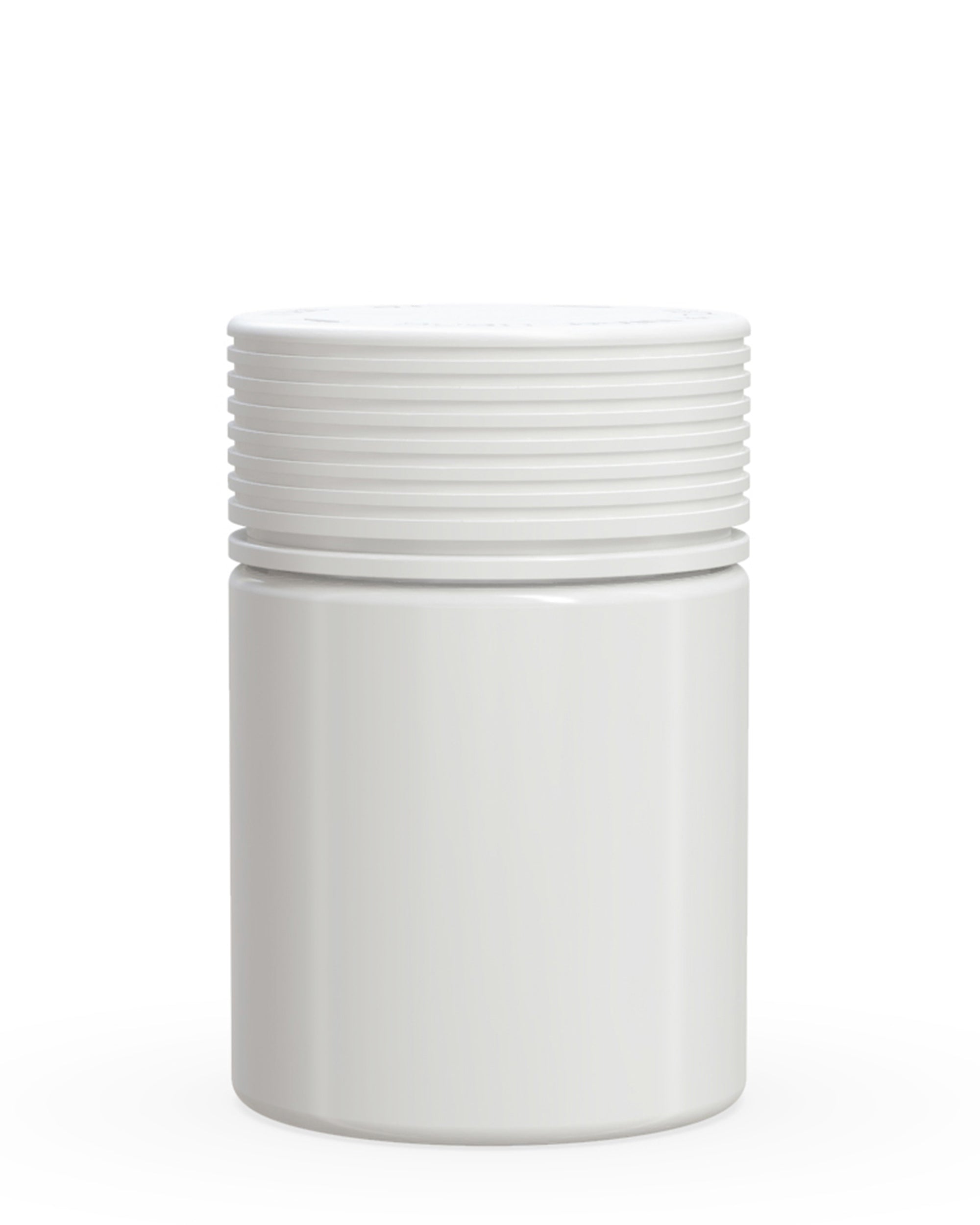
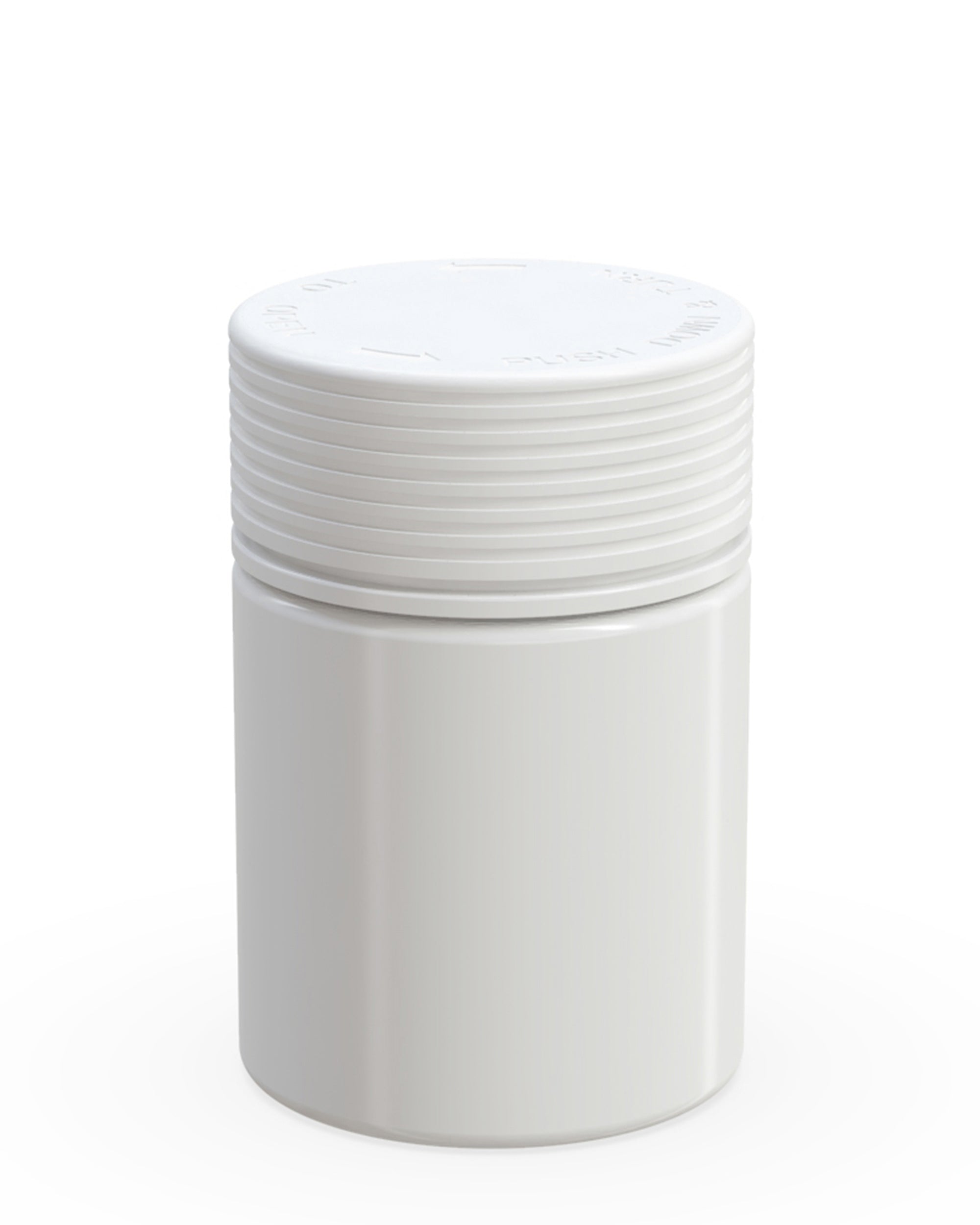
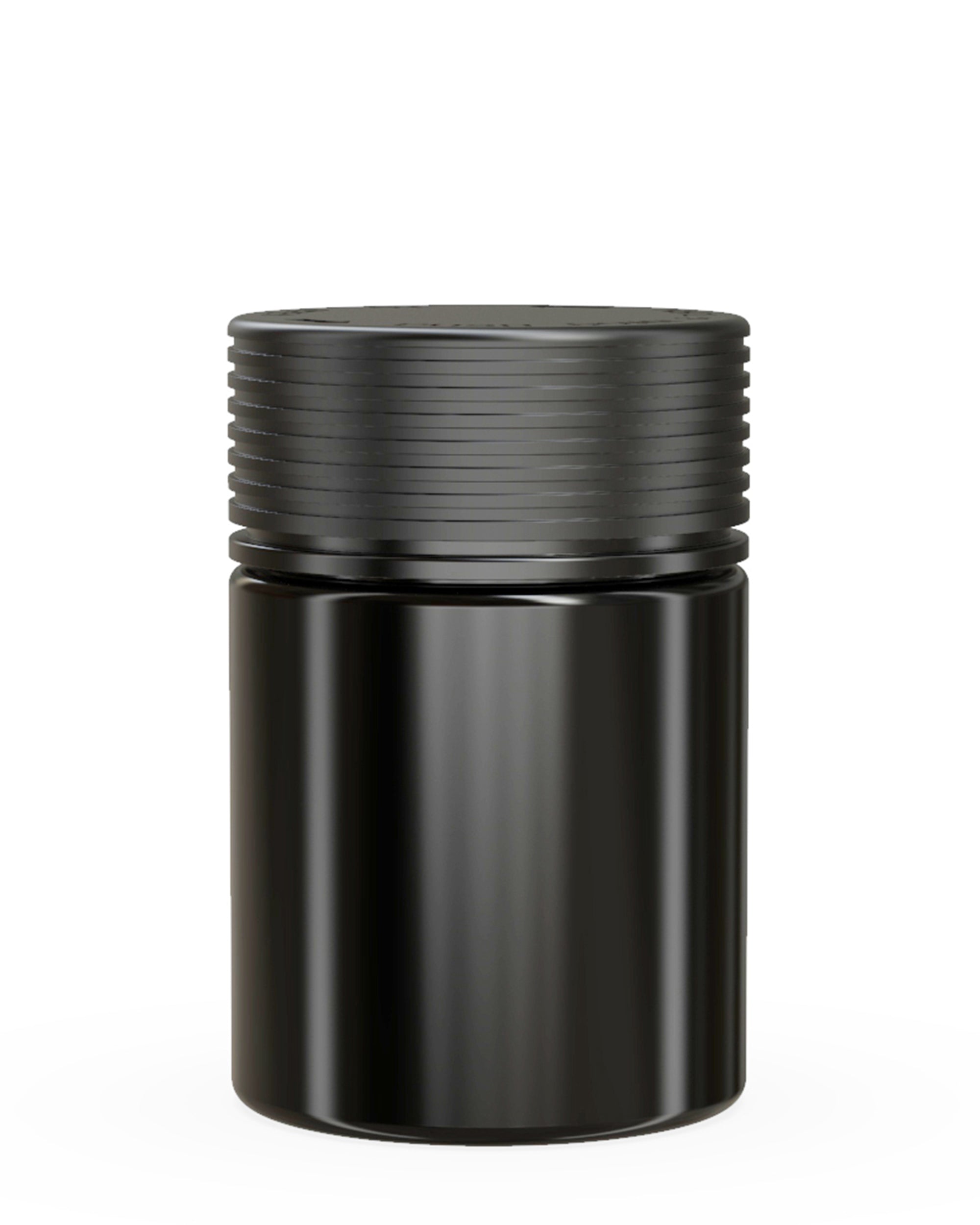
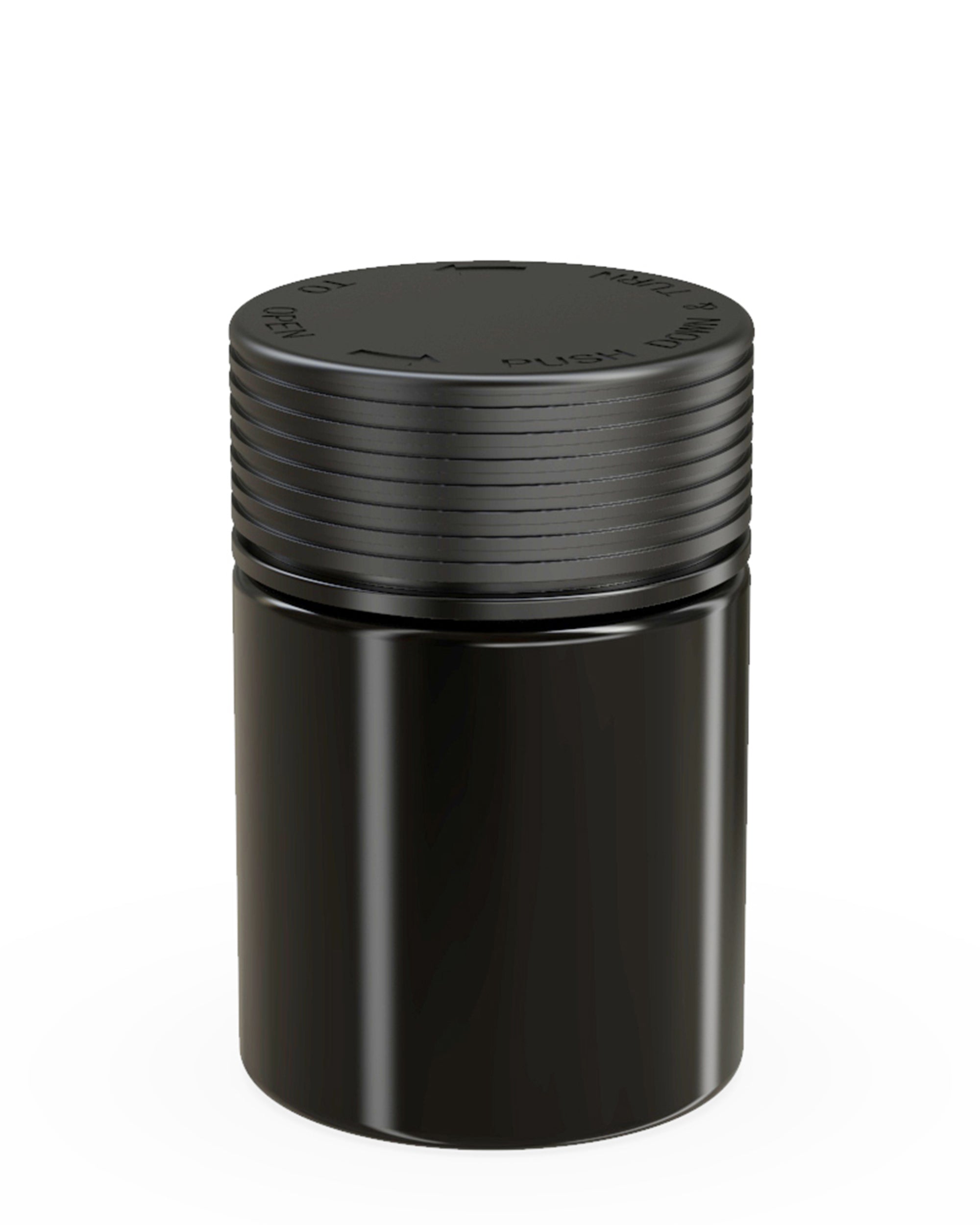
Cannabis jars with lids provide a convenient packaging solution for businesses that need compatible containers and closures supplied together. Marijuana Packaging offers wholesale glass and plastic weed jars with caps for cannabis flower, edibles, pre-rolls, and other suitable products. Available configurations include clear and opaque containers, straight-sided jars, spiral-style packaging, and child-resistant closure options for cannabis brands, cultivators, processors, manufacturers, and dispensaries.
Unlike purchasing empty jars and caps separately, choosing a matched jar-and-lid configuration reduces the need to identify compatible components independently. However, the right packaging system must still accommodate the product, provide the required sealing and opening characteristics, and meet applicable regulatory requirements. For commercial operations ordering cannabis jars with lids in bulk, container capacity, closure functionality, material, labeling area, and total packaging cost are essential selection considerations.
Wholesale Cannabis Jars With Lids for Commercial Packaging
Jars with caps are packaging configurations in which the container and its corresponding closure are supplied together. This arrangement is particularly useful for cannabis manufacturers and brands that want to source complete packaging components without independently matching empty jars to compatible lids.
For commercial cannabis packaging, the closure is a functional part of the finished package. It determines how the container opens and closes, helps keep the contents enclosed, and may incorporate child-resistant mechanisms or sealing components. Selecting the jar and cap together can simplify component sourcing while supporting a consistent finished presentation.
These configurations serve a more specific purchasing requirement than the broader cannabis jars category, which includes containers available with or without closures. A jar-with-cap listing is intended for buyers who need the corresponding lid as part of the purchased packaging configuration.
Why Cannabis Operations Purchase Jars With Caps
Packaging consistency becomes increasingly important as a business expands its production volume. When jars and lids are ordered independently, purchasing teams must coordinate neck finishes, thread compatibility, closure styles, quantities, and delivery schedules.
Matched jar-and-cap configurations can simplify this process by providing the components as a designated packaging combination.
Important advantages include:
- Coordinated components: The jar and its corresponding cap are supplied as a matched configuration rather than selected independently.
- Simplified purchasing: Buyers can evaluate the container and closure together when planning a packaging order.
- Consistent appearance: Jar and cap colors or finishes can provide a coordinated retail presentation.
- Reduced component-matching work: The intended closure is identified with the container, reducing uncertainty during purchasing.
- Production planning: Packaging teams can coordinate filling, capping, and labeling around the selected system.
- Child-resistant options: Certain configurations include closures designed to provide child-resistant opening mechanisms.
- Inventory coordination: Sourcing matched components can simplify repeat ordering and packaging inventory management.
These benefits do not eliminate the need for packaging validation. The complete jar and lid system must still be assessed for product fit, closure functionality, required documentation, and suitability for the intended cannabis application.
Benefits of Matched Jar and Cap Systems
The primary distinction between jars with lids and jars sold separately is the purchasing configuration. A matched system identifies the intended container and closure together, while a jar-only listing requires the buyer to source a compatible cap independently.
This difference affects procurement, inventory planning, and the amount of component verification required before production.
Matched Jars and Lids vs. Separately Purchased Components
| Packaging Consideration | Jars With Caps | Jars and Caps Purchased Separately |
|---|---|---|
| Component selection | Jar and designated closure supplied together | Jar and cap selected as separate purchasing items |
| Closure matching | Intended combination identified by the supplier | Buyer must verify the compatibility of selected components |
| Ordering | Combined packaging configuration | Separate component purchasing and inventory coordination |
| Design flexibility | Limited to compatible combinations offered together | Potentially broader component selection, subject to compatibility |
| Child resistance | Depends on the qualifying completed configuration | Depends on the separately selected and qualifying configuration |
| Sealing performance | Depends on cap design, liner, and assembled seal | Depends on cap design, liner, and assembled seal |
| Production validation | Still required | Still required |
Neither purchasing approach is automatically superior for every packaging operation. Matched configurations simplify component sourcing, while purchasing separately may provide additional flexibility when a business requires a specialized closure or already maintains an approved jar inventory.
When Separately Sourced Caps May Be Appropriate
Some cannabis manufacturers already use a particular jar and need to replace or change its closure without purchasing a new container system. Others require a specific liner, decorative finish, or closure design that is not included in a standard jar-with-cap configuration.
In these situations, separately available cannabis jar lids and closures allow purchasing teams to evaluate compatible components independently.
However, the buyer must confirm the complete neck finish, thread configuration, sealing surfaces, and any applicable child-resistant qualifications. A cap that fits physically should not automatically be assumed to deliver the same performance as another closure intended for the jar.
What an Included Cap Does and Does Not Establish
When a jar includes its corresponding cap, the components are supplied together, but that arrangement does not independently establish every performance characteristic of the finished package.
The included lid may or may not incorporate a particular liner, sealing feature, child-resistant mechanism, or tamper-evident component. Those characteristics depend on the selected configuration.
Important: A jar sold with a cap is not automatically child-resistant, airtight, or tamper-evident. The included lid establishes the intended closure pairing, but protective and regulatory performance depends on the complete assembled system. Before ordering cannabis jars with lids wholesale, confirm the closure mechanism, any included liner, product compatibility, applicable testing documentation, and whether additional sealing components are required.
Glass and Plastic Jars With Lids
Both glass and plastic containers can be supplied with compatible caps. The preferred material depends on the cannabis product, expected handling conditions, closure requirements, and desired retail presentation.
Material selection should be evaluated separately from closure functionality. A glass jar can use a plastic cap, and a plastic jar can incorporate an advanced child-resistant closure mechanism. The complete system determines the finished packaging characteristics.
Glass Cannabis Jars With Lids
Glass jars provide rigid construction, a substantial feel, and strong resistance to gas and moisture transmission through the container walls. These properties make glass a common choice for cannabis flower and other products requiring an enclosed rigid package.
The closure remains particularly important because the glass itself does not determine whether the assembled package is airtight or odor-resistant.
For brands that prefer glass construction, glass cannabis jars are available in different shapes and finishes. Where a matching cap is included, buyers should still verify the closure's liner, opening mechanism, and required performance documentation.
Glass packaging also introduces considerations involving freight weight, breakage prevention, and safe handling during filling and distribution.
Plastic Cannabis Jars With Lids
Plastic jars are generally lighter than glass and more resistant to breakage during normal handling. They are widely used in commercial packaging programs that prioritize practical distribution, consistent container construction, and compatible reclosable lids.
Depending on the container, plastic jars may use PET, polypropylene, post-consumer recycled materials, or other packaging resins. Each material has different characteristics relating to rigidity, chemical compatibility, barrier performance, and temperature tolerance.
Plastic jar-and-cap configurations may incorporate threaded closures, coordinated-action child-resistant mechanisms, and matching opaque or transparent finishes.
These features can make plastic suitable for high-volume packaging operations, but the material and closure must still be appropriate for the finished cannabis product.
Straight-Sided and Spiral-Style Containers
The shape of a jar influences its appearance and handling. Straight-sided containers provide relatively uniform exterior walls that can support conventional labeling and a consistent retail profile.
Spiral-style jars incorporate distinctive exterior or closure features that can create a coordinated container-and-cap appearance. Depending on the design, these may also be associated with specialized child-resistant opening systems.
The exterior style should not be confused with the package's tested performance. A distinctive shape or spiral appearance does not independently establish that a container is child-resistant.
Commercial buyers should evaluate jar geometry according to product fit, ease of filling, label placement, cap operation, and compatibility with existing packaging equipment.
Jar Capacity, Product Fit, and Headspace
Selecting a jar with its cap included simplifies closure sourcing, but the container must still have the appropriate capacity and geometry for the intended product.
For cannabis flower, this requires distinguishing product weight from nominal container volume. For edibles and other solid products, usable space depends on serving count and individual product dimensions.
Jar Volume vs. Cannabis Flower Weight
Jar capacity is commonly described in fluid ounces or milliliters. Cannabis flower, however, is generally packaged and sold by weight.
These measurements are not interchangeable. A jar's nominal fluid capacity does not establish how many grams of dried flower will fit inside.
Flower density, bud size, internal jar geometry, and desired headspace affect the amount of product a container can accommodate.
For example, a jar selected for a common eighth-ounce flower portion should be evaluated according to the actual 3.5-gram fill rather than assuming that a particular fluid-ounce measurement guarantees the intended capacity.
Headspace and Closure Clearance
Headspace is the unfilled area between the contents and the underside of the closure. It is especially relevant to jars with caps because the finished package must leave sufficient room for the lid to engage and function correctly.
Insufficient headspace can compress flower or interfere with internal sealing components. Excessive headspace may create an undesirable fill appearance and allow unnecessary movement during transportation.
Some closure designs also occupy space within the opening or extend below the rim. This should be considered when evaluating usable capacity.
The correct fill should be tested with the actual included cap installed, rather than judging the empty jar alone.
Opening Width and Product Accessibility
The jar opening must accommodate the product during both filling and removal. A container may have adequate total capacity while still presenting difficulties if its opening is too narrow.
Large flower buds, multiple pre-rolls, and certain edible products may require wider openings for practical handling.
For concentrate applications, access to the interior and compatibility with the formulation can be especially important.
Opening geometry should therefore be evaluated alongside capacity, closure operation, and the intended filling process.
Child-Resistant Jar Closures and Opening Mechanisms
Child-resistant closures are an important consideration for cannabis operations packaging regulated products. Many jar-with-cap configurations incorporate mechanisms designed to restrict access by young children while remaining usable by adults.
However, not every jar with an included cap is child-resistant. The actual qualification depends on the packaging configuration and applicable performance documentation.
Push-Down-and-Turn Closures
Push-down-and-turn closures require the user to apply downward pressure while rotating the lid. The coordinated action is intended to make opening more difficult for young children than a conventional screw cap.
The closure's effectiveness depends on the design and the interaction between its components and the container.
When a push-down-and-turn mechanism is used, manufacturers should verify that it engages properly, opens according to the intended procedure, and can be resecured consistently.
Closure operation should also be evaluated within the packaging production process. Improper assembly or component substitution may interfere with the intended function.
Other Coordinated-Action Closures
Child-resistant packaging can also use mechanisms that require squeezing, pressing, alignment, or other coordinated actions. The appropriate system depends on the specific container and closure design.
A jar-with-cap configuration should be evaluated according to its documented opening mechanism rather than assuming that all child-resistant closures operate in the same way.
The degree of effort needed to open a package also matters. Child-resistant designs are intended to restrict access by young children without making the package unreasonably difficult for adults to use.
Child-Resistant and Senior-Friendly Performance
The Poison Prevention Packaging Act (PPPA) provides a federal framework for special packaging used with certain regulated substances.
Under 16 CFR Part 1700, qualifying child-resistant packaging is evaluated using performance testing that considers children's ability to open the package and adults' ability to open and, where applicable, resecure it.
The U.S. Consumer Product Safety Commission's special packaging guidance explains the child-resistant and senior-friendly testing procedures, including those established under 16 CFR § 1700.20.
The CPSC does not pre-approve or endorse individual package designs. When a packaging system is described as meeting a recognized child-resistant standard, the claim should be supported by documentation applicable to the intended configuration.
Initial vs. Lifetime Child Resistance
Some cannabis packaging regulations distinguish between initial child-resistant packaging and packaging that maintains child resistance after repeated opening and closing.
Initial child resistance may be sufficient for certain product categories under specific regulatory frameworks. Other products require a reclosable package that continues to provide child-resistant performance throughout use.
For example, the California Department of Cannabis Control's child-resistant packaging guidance distinguishes between these requirements for different cannabis product categories.
Because jars with lids are often designed to be opened and reclosed, the distinction is particularly important for cannabis manufacturers selecting packaging for products containing multiple servings.
A reclosable jar should not automatically be described as lifetime child-resistant merely because its lid can be screwed back onto the container.
Verified Packaging Configurations
Child-resistant testing applies to the qualifying package configuration. A cap's performance with one jar should not automatically be assumed to extend to every container with a similar opening.
The material, closure design, manufacturing process, and combination of components can affect performance.
Businesses that need detailed information about qualifying configurations may consult the available product certifications documentation, while confirming that the relevant records apply to the actual components being purchased.
Final packaging responsibility remains with the business placing the product into its applicable regulated market.
Cap Liners, Sealing Performance, and Tamper Evidence
An included cap is not necessarily equivalent to a complete sealing system. The closure may incorporate a liner, require a separate sealing component, or rely on its own engineered contact surfaces.
The appropriate configuration depends on the product, required sealing performance, and intended packaging process.
What Jar Cap Liners Do
A cap liner is a component positioned inside or beneath a closure to help create contact between the cap and the container opening.
Depending on its material and construction, a liner may contribute to sealing performance, protect against certain forms of leakage, or form part of a tamper-evident system.
Common liner categories include:
- Foam liners: Compressible materials used in certain closures to help establish contact with the jar rim.
- Pressure-sensitive seals: Sealing components designed to adhere to suitable container surfaces under specified application conditions.
- Heat induction seals: Compatible sealing constructions that use induction equipment to bond an appropriate layer to the container opening.
- Specialty liners: Materials selected for particular chemical compatibility, sealing, or product-contact requirements.
The performance of these materials depends on the complete jar, cap, liner, and application process. A liner should not be considered universally compatible simply because its nominal diameter resembles the container opening.
When Additional Sealing Components Are Needed
Some cannabis packaging programs require sealing characteristics beyond those provided by a standard cap.
For example, a manufacturer may require a first-opening barrier, a particular liner construction, or an additional seal to support its packaging specifications.
Separately available cap liners and pressure-sensitive seals may be relevant when the intended jar-and-cap configuration supports their use.
Adding a liner should be a deliberate packaging decision. The selected material must be compatible with the container opening, closure design, product, and any required application equipment.
Are Jars With Caps Airtight?
Not all jars with lids are airtight. The presence of a cap confirms that the container can be closed, but it does not establish a particular barrier or leakage performance.
Airtightness depends on the interaction between the jar, lid, liner, sealing surfaces, and closure application.
Glass and plastic containers may both support effective sealing systems, but the final result must be evaluated at the assembled-package level.
If airtight performance is essential, businesses should review the relevant technical characteristics and testing information rather than relying solely on packaging terminology.
Tamper-Evident Features
Tamper-evident packaging is designed to provide visible evidence that a package has been opened or interfered with.
Depending on the configuration, a jar may require an inner seal, shrink band, breakable feature, or other suitable component to provide the intended tamper evidence.
Child resistance and tamper evidence are different functions. A child-resistant cap does not automatically indicate prior opening, while a tamper-evident seal does not necessarily prevent access by young children.
Commercial packaging teams should verify each required function independently.
Jars With Lids for Different Cannabis Products
Matched jars and caps can support multiple cannabis packaging applications, but the product determines which combination of capacity, material, sealing, and closure characteristics is appropriate.
Packaging requirements for loose flower differ from those for gummies, pre-roll multipacks, or concentrated formulations. The correct system should be selected around the intended contents rather than the convenience of having an included lid alone.
Jars With Lids for Cannabis Flower
Cannabis flower packaging requires a container that accommodates the intended fill weight without excessive compression. A rigid jar can help protect buds during handling, while its closure helps keep the contents enclosed.
For flower packaging, important considerations include:
- Usable internal capacity relative to the flower's physical volume.
- Opening width suitable for the intended bud structure.
- A compatible closure that does not interfere with the finished fill.
- Sealing performance appropriate for storage and distribution.
- Clear or opaque packaging according to the brand's presentation and protection needs.
- Suitable surfaces for net weight, strain identification, and required labeling.
Because flower density varies, a jar should be tested with representative product batches before being standardized across several strains.
Jars With Caps for Cannabis Edibles
Rigid jars with reclosable caps can be used for certain edible products where the materials, closure characteristics, and packaging format are appropriate.
For gummies, candies, capsules, and similar products, buyers should evaluate serving count, food-contact suitability, product dimensions, moisture exposure, and the packaging's opening and reclosing performance.
Additional regulatory requirements can affect material, opacity, and child-resistant performance.
For example, California generally requires cannabis edible packaging to be opaque and distinguishes products requiring lifetime child resistance. The exact finished package must comply with the rules applicable to its product category and intended retail market.
A clear jar-and-lid configuration should therefore not automatically be assumed suitable as the final retail package for cannabis edibles.
Jars With Lids for Pre-Roll Multipacks
Some jar-and-cap configurations can accommodate multiple finished pre-rolls in one rigid container.
For this application, usable internal height, opening clearance, and the arrangement of the finished joints are especially important.
The package must provide sufficient room for the pre-rolls and their filters or tips without bending the cones or obstructing closure engagement.
The included cap should also allow practical access to the contents while providing the required protective and regulatory functions.
Jars With Caps for Concentrates
Cannabis concentrates vary in texture, viscosity, and composition. These characteristics can affect the suitability of the container material, cap, liner, and sealing system.
Some concentrate formulations require specialized containers that differ from conventional flower jars. The suitability of a matched jar-and-cap system should be evaluated according to product-contact compatibility, leakage risk, access to the contents, and the intended storage conditions.
Closures or liners that may come into contact with a concentrate should be assessed separately from the jar material.
A complete jar-and-cap configuration should not be assumed compatible with every concentrate formulation without appropriate product-specific evaluation.
Odor Control, Moisture Management, and Product Protection
For cannabis flower and other suitable products, the completed jar-and-cap system can contribute to product protection during storage and transportation.
However, the protective characteristics depend on the container material, closure, liner, and environmental conditions rather than the fact that the components are supplied together.
Odor Containment and Closure Integrity
Cannabis flower contains aromatic compounds that contribute to its characteristic scent. Limiting the escape of these compounds requires an appropriate seal between the jar and cap.
Glass provides strong container-wall barrier properties, while plastic performance varies by resin and construction. In either case, the closure remains an important potential pathway for air and odor exchange.
A suitable liner or engineered sealing surface may help limit that exchange, but a screw-on cap should not automatically be described as smell-proof.
Where odor containment is important, the assembled package should be evaluated for the required performance under the intended storage and distribution conditions.
Moisture Management for Flower Packaging
Moisture exchange can affect the physical condition of cannabis flower. A suitable jar-and-cap configuration may help limit unwanted exchange when it provides an effective closure seal.
However, the package cannot correct unsuitable product conditions at the time of filling. Flower condition, headspace, storage temperature, and closure performance must all be considered.
Some commercial flower packaging programs incorporate cannabis humidity-control packs to help manage the internal environment of the package.
These accessories should be selected according to the intended flower, package, and storage requirements. They also occupy internal space and should be accounted for during capacity and headspace testing.
Light Exposure and Jar Opacity
Clear containers allow the packaged product to remain visible, while opaque jars conceal the contents and can reduce light exposure depending on their materials and construction.
For brands emphasizing flower appearance, transparent jars may support the desired retail presentation. For products where light exposure or opacity requirements are a greater concern, opaque configurations may be more appropriate.
The jar and cap should be evaluated together when a consistent appearance or particular light-protection characteristic is required.
Protection During Handling and Distribution
Rigid jars help prevent external compression of the contents. Plastic containers generally offer greater resistance to breakage, while glass containers require additional consideration for impact and transportation.
Closure engagement is also relevant during distribution. A properly selected cap must remain attached under the intended handling conditions.
Finished-package testing should account for normal transportation, storage, and retail handling rather than evaluating the jar only while stationary.
Jar and Lid Colors, Labeling, and Branding
A matched jar-and-cap configuration influences the appearance of the entire retail package. The container and lid are viewed together, so their colors, shapes, surface finishes, and proportions contribute to the product's identity.
For cannabis brands, coordinating these components can support a consistent presentation across multiple strains or product categories.
Clear, Black, and White Jar-and-Cap Combinations
Clear jars provide product visibility, while black and white containers create opaque presentations that place greater visual emphasis on labeling and decoration.
The closure can either match the jar or provide a contrasting color, depending on the available configuration.
A coordinated jar and lid finish can create a uniform appearance, while contrasting components may help visually distinguish product lines.
Branding decisions should also account for the practical characteristics of each material. Matte, glossy, and other finishes may behave differently during labeling, handling, and storage.
Closure Appearance and Brand Consistency
The cap is a visible part of the finished product. Its height, shape, surface texture, and color can influence the overall package presentation.
Some closures feature smooth surfaces, while others use ribbed or textured designs that may affect handling and appearance.
For brands packaging several products in the same container family, maintaining consistent cap styles can help create a recognizable packaging system.
However, visual consistency should not take priority over closure compatibility or required child-resistant performance.
Labeling Requirements for Jars With Lids
The jar's usable exterior surface determines how product information and brand artwork can be applied.
For regulated cannabis products, labeling may need to accommodate:
- Brand and product identification.
- Applicable net weight or volume information.
- Strain or product-variant details.
- Required cannabinoid and testing information.
- Lot, batch, and tracking details.
- Required government warnings and cannabis symbols.
- Responsible licensee or manufacturer information.
- Other market-specific labeling statements.
When planning the label, account for curved shoulders, container geometry, and any portion of the jar obscured by the lid.
Product artwork should be tested on the complete closed package rather than an isolated container.
Custom Packaging and Decoration
Some cannabis brands require coordinated decoration across both the jar and lid. Depending on the available customization program, this may involve specialty finishes, printed decoration, branded labels, or compatible custom closure treatments.
Customizing a jar-and-cap system requires attention to the materials and surfaces of both components.
Printing or decoration should not interfere with closure engagement, child-resistant operation, required labeling, or the intended sealing function.
For commercial programs, customization planning should also account for artwork approval, production lead times, minimum order requirements, and consistent component availability.
Wholesale Ordering, Production Compatibility, and Packaging Verification
Wholesale cannabis jars with lids can simplify component procurement, but commercial purchasing decisions should account for the entire finished-package cost and production process.
The objective is to select a configuration that accommodates the intended product, operates correctly, and can be sourced consistently across repeat orders.
Calculating the Cost of a Complete Jar-and-Cap System
When the jar and lid are sold together, the listed unit price may make initial cost comparisons more straightforward. However, the complete packaging expense can still include additional components and operational requirements.
Relevant costs include:
- Jar-and-cap unit cost: The price of the matched configuration at the intended wholesale quantity.
- Additional liners or seals: Components required when the included closure does not supply the intended sealing characteristics.
- Labeling and decoration: Printed labels, specialty finishes, variable information, and application labor.
- Freight and handling: Shipping weight, protective packing, warehouse storage, and damage allowances.
- Production labor: Filling, cap application, inspection, and final packaging.
- Equipment compatibility: Adjustments needed for capping, labeling, or material-handling equipment.
- Quality control: Component inspection, fill testing, closure verification, and packaging documentation.
- Inventory planning: Purchasing quantities, storage capacity, reorder requirements, and availability of matching components.
The lowest jar-and-cap price does not necessarily produce the lowest overall packaging cost. A configuration that reduces component confusion, supports reliable production, and remains available for repeat orders may offer better operational value.
Compatibility With Filling and Capping Equipment
The shape of the jar and the design of its cap can influence how the packaging system interacts with manual or automated equipment.
Commercial operations should consider whether the selected configuration can be filled, capped, inspected, and labeled using their established production procedures.
Child-resistant closures may require particular application techniques or equipment settings to engage properly.
Production teams should verify that the intended process consistently installs the closure without damaging the container or interfering with the opening mechanism.
Pre-Production Jar-With-Cap Checklist
Before placing a wholesale order, verify the following requirements:
- The intended product is suitable for the selected jar material.
- The container has sufficient usable internal capacity for the finished fill.
- The opening allows practical product filling and removal.
- Appropriate headspace remains beneath the installed closure.
- The cap is included with the selected packaging configuration.
- The included cap engages correctly and can be opened and resecured as intended.
- Any required child-resistant performance is supported by documentation for the qualifying system.
- Any required liner, seal, or tamper-evident component is included or separately accounted for.
- The assembled package provides suitable sealing performance for the intended product.
- The jar and lid colors or finishes meet the intended branding requirements.
- The package accommodates all required labels, warnings, and tracking information.
- The configuration is compatible with the intended filling, capping, and labeling workflow.
- Wholesale order quantities and repeat availability support production planning.
- The completed packaging system has been evaluated under representative storage and distribution conditions.
Maintaining Consistency Across Packaging Runs
For recurring cannabis production, consistent component specifications are essential. Replacing a jar or lid with an apparently similar alternative can introduce differences in sealing, opening performance, appearance, or regulatory qualification.
Packaging teams should maintain records of approved configurations, including the jar, included closure, any additional sealing components, and relevant supporting documentation.
When a packaging change becomes necessary, the modified system should be evaluated before it is introduced into production.
This is particularly important where child-resistant performance depends on a specific tested combination of components.
Wholesale Cannabis Jars With Lids for Your Operation
Jars with caps offer a practical purchasing option for cannabis businesses that want corresponding containers and closures supplied together. Available glass and plastic configurations can support different packaging applications, retail presentations, and closure requirements.
Marijuana Packaging supplies wholesale cannabis jars with lids for cultivators, processors, manufacturers, dispensaries, and cannabis brands seeking reliable packaging components for commercial production.
By evaluating the complete jar-and-cap system according to product fit, material, opening mechanism, sealing performance, labeling requirements, and total purchasing cost, businesses can select packaging that supports consistent production and an appropriate finished retail presentation.
Frequently Asked Questions About Jars with Caps
Yes. The jars with caps collection features packaging configurations in which the jar and its corresponding lid are supplied together. This simplifies component sourcing compared with purchasing empty jars and caps separately. However, included liners, sealing features, and child-resistant mechanisms vary by configuration. Commercial buyers should verify the components and performance characteristics of the selected packaging system.
No. An included lid does not automatically make a cannabis jar child-resistant. Many jar-and-cap configurations incorporate child-resistant mechanisms, including coordinated-action closures, but the qualification depends on the complete packaging system. Businesses should confirm applicable testing documentation and verify that the finished package meets the requirements of the jurisdiction where the cannabis product will be sold.
Not all jars with caps are airtight or smell-proof. Sealing performance depends on the jar material, closure design, liner, sealing surfaces, and correct cap application. Some configurations may require additional liners or seals to provide the intended protection. Brands should evaluate the complete assembled package rather than assuming that a screw-on lid guarantees an airtight or odor-resistant seal.
Choose a jar based on the flower's actual weight, density, bud structure, and the space required for an appropriate finished fill. The jar should provide sufficient opening clearance, suitable headspace, and a compatible closure. Nominal container volume does not directly determine the weight of flower it can hold. Commercial buyers should test representative flower portions with the included lid installed before ordering in bulk.
Yes. Marijuana Packaging offers wholesale glass and plastic cannabis jars with matching lids for brands, cultivators, processors, manufacturers, and dispensaries. Available configurations include clear and opaque containers with different closure mechanisms. Buyers should evaluate the material, product fit, child-resistant requirements, sealing characteristics, and total packaging cost when selecting jars with caps for recurring commercial production.