

Glass Jars
Airtight glass jars provide a premium storage solution designed to preserve freshness while protecting products from air, moisture, and odors. Ideal for cannabis flower, concentrates, herbs, and other sensitive products, these durable glass jars are available in a variety of sizes, styles, and child-resistant options to meet industry compliance requirements. Whether you need stock or custom packaging, our airtight glass jars combine reliable product protection, premium presentation, and customizable branding to help your products stand out.
Filters
35 products

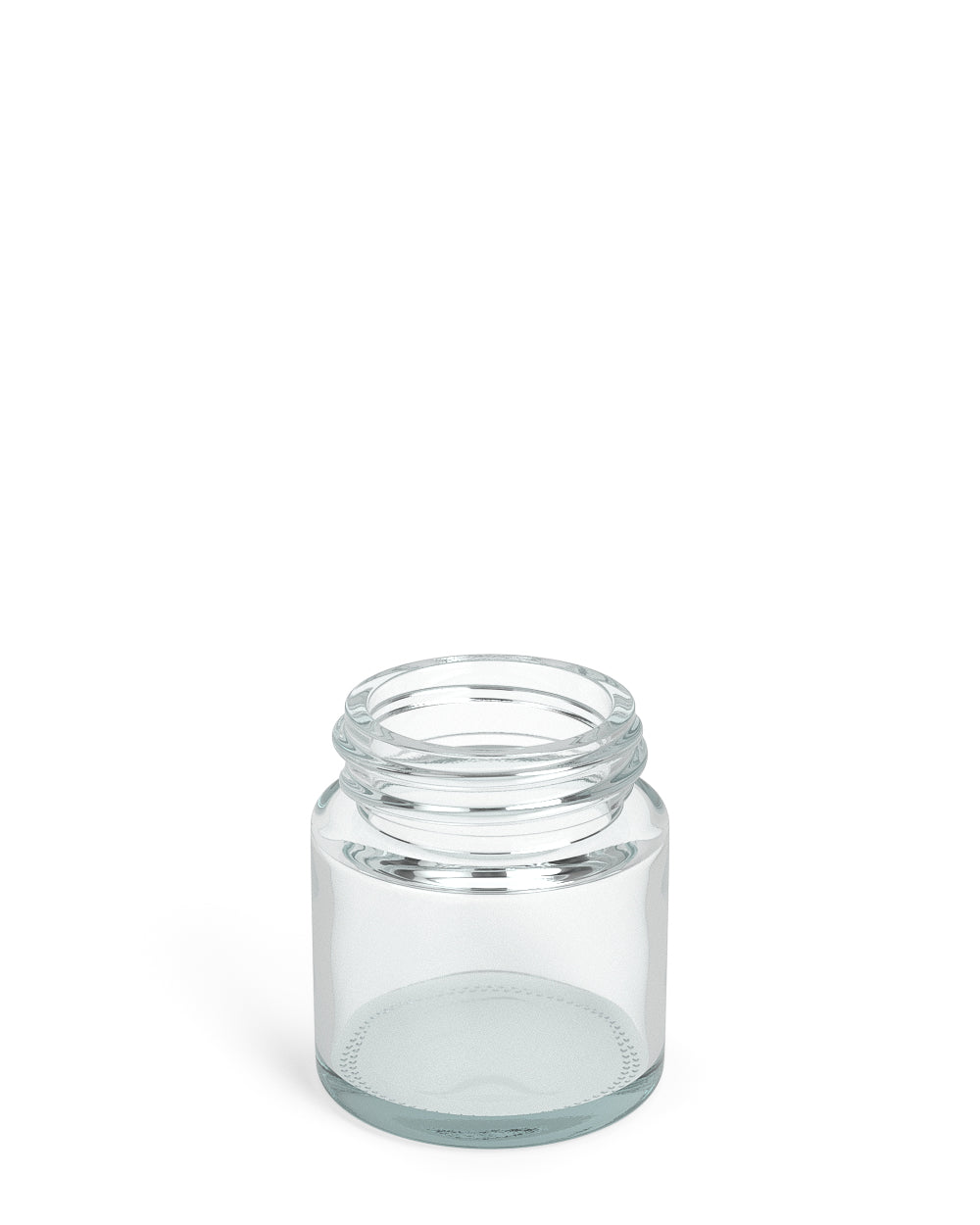
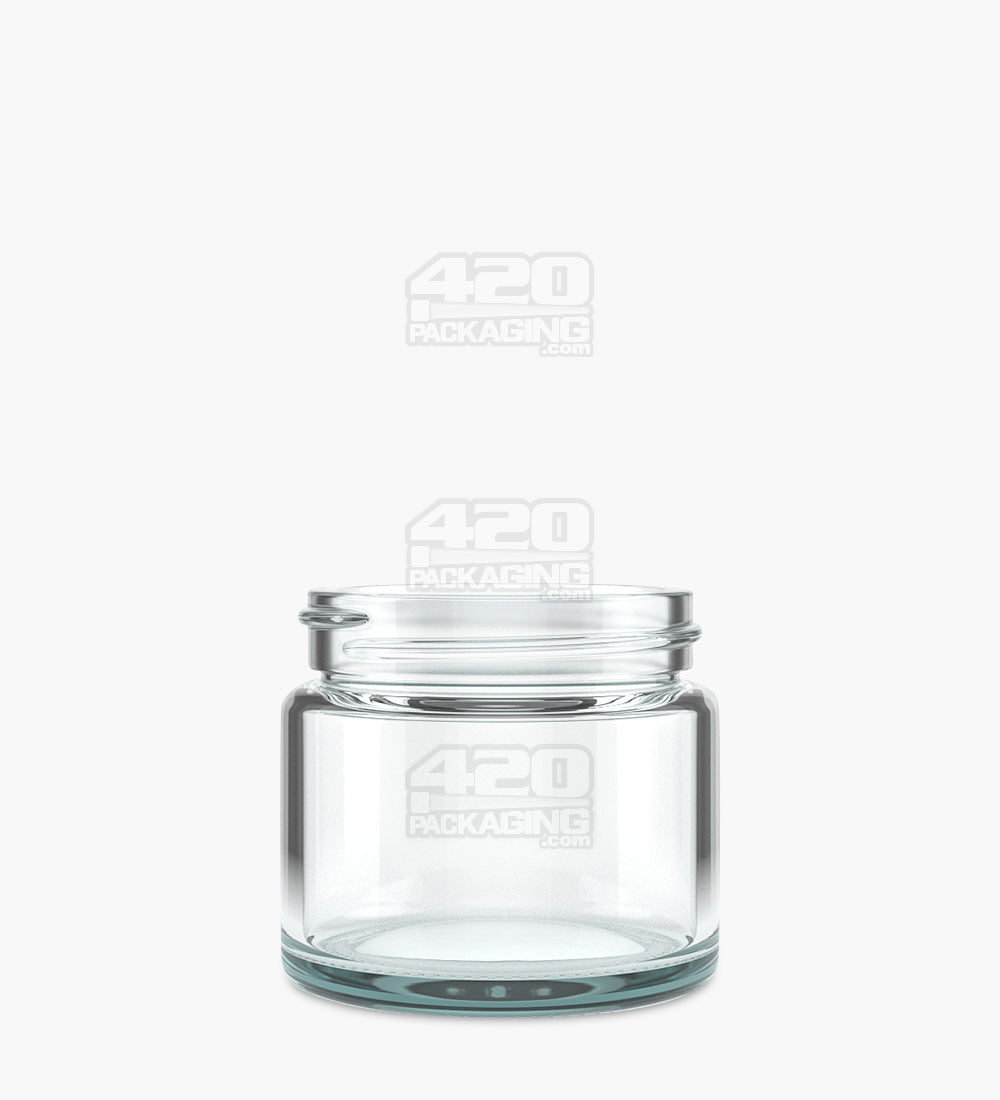
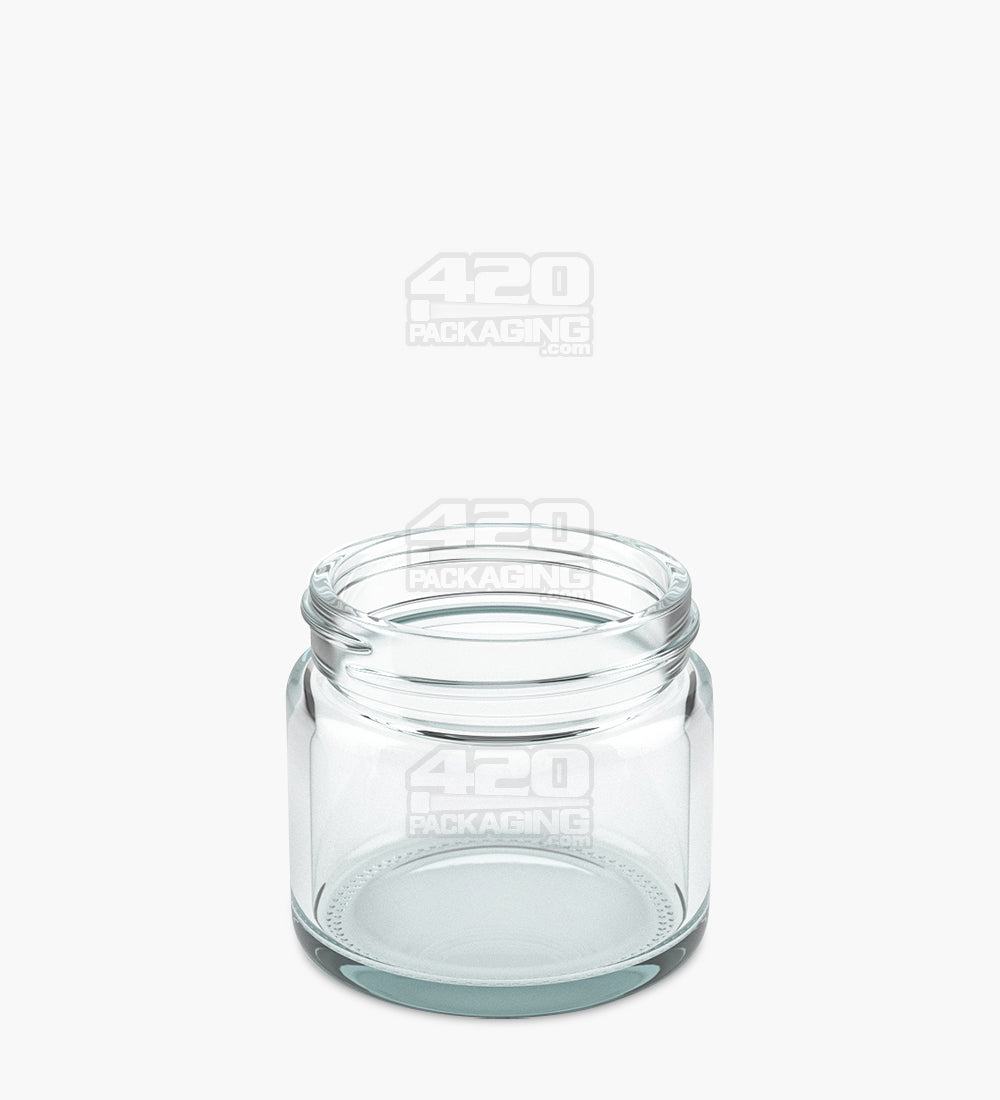
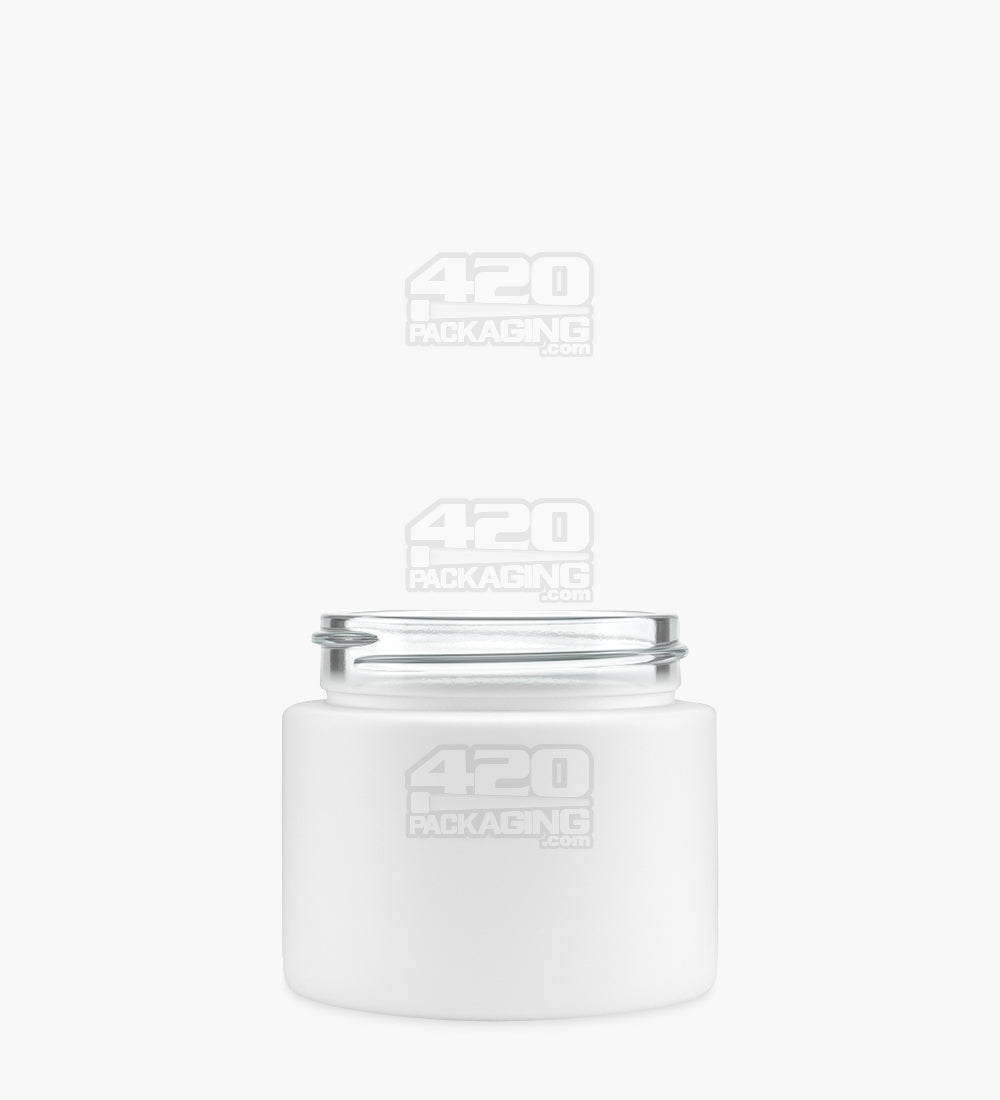
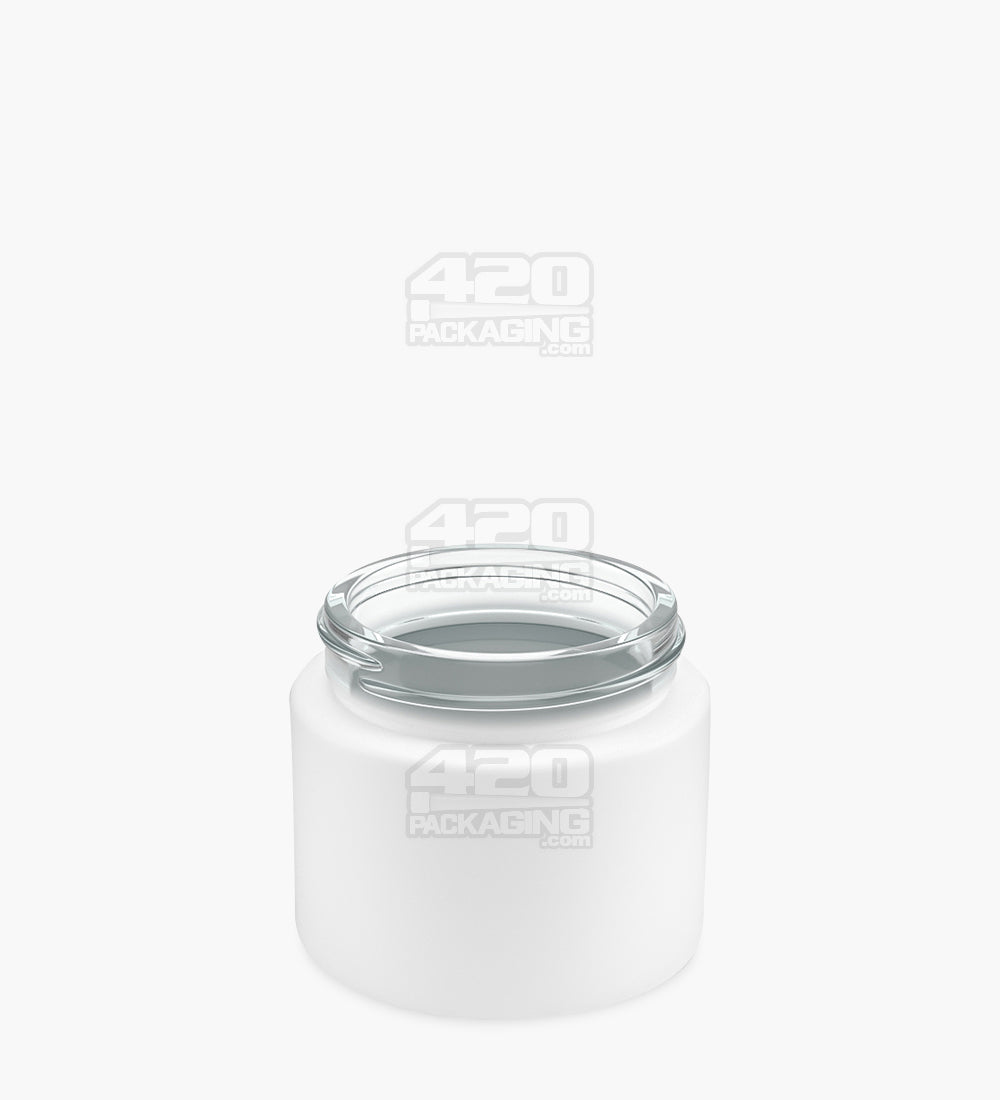
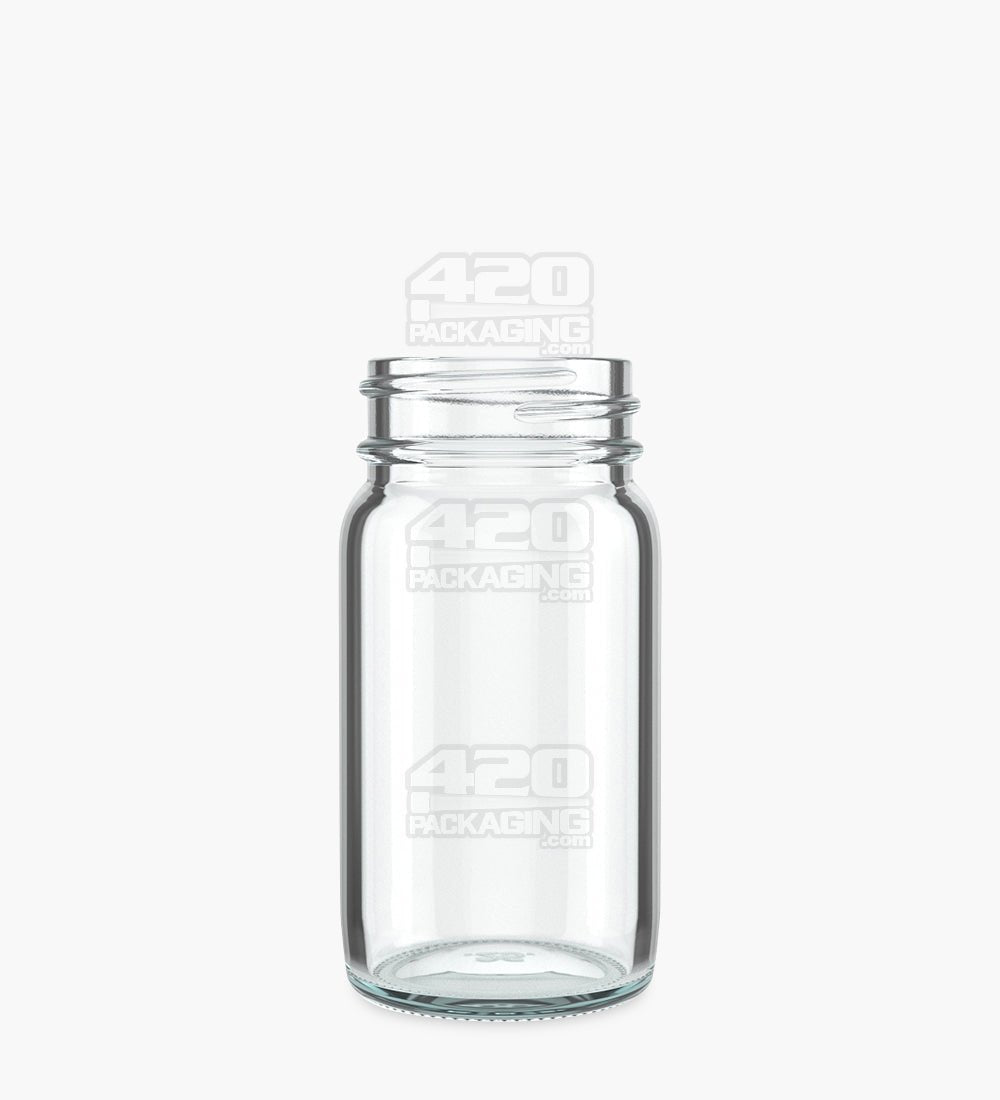
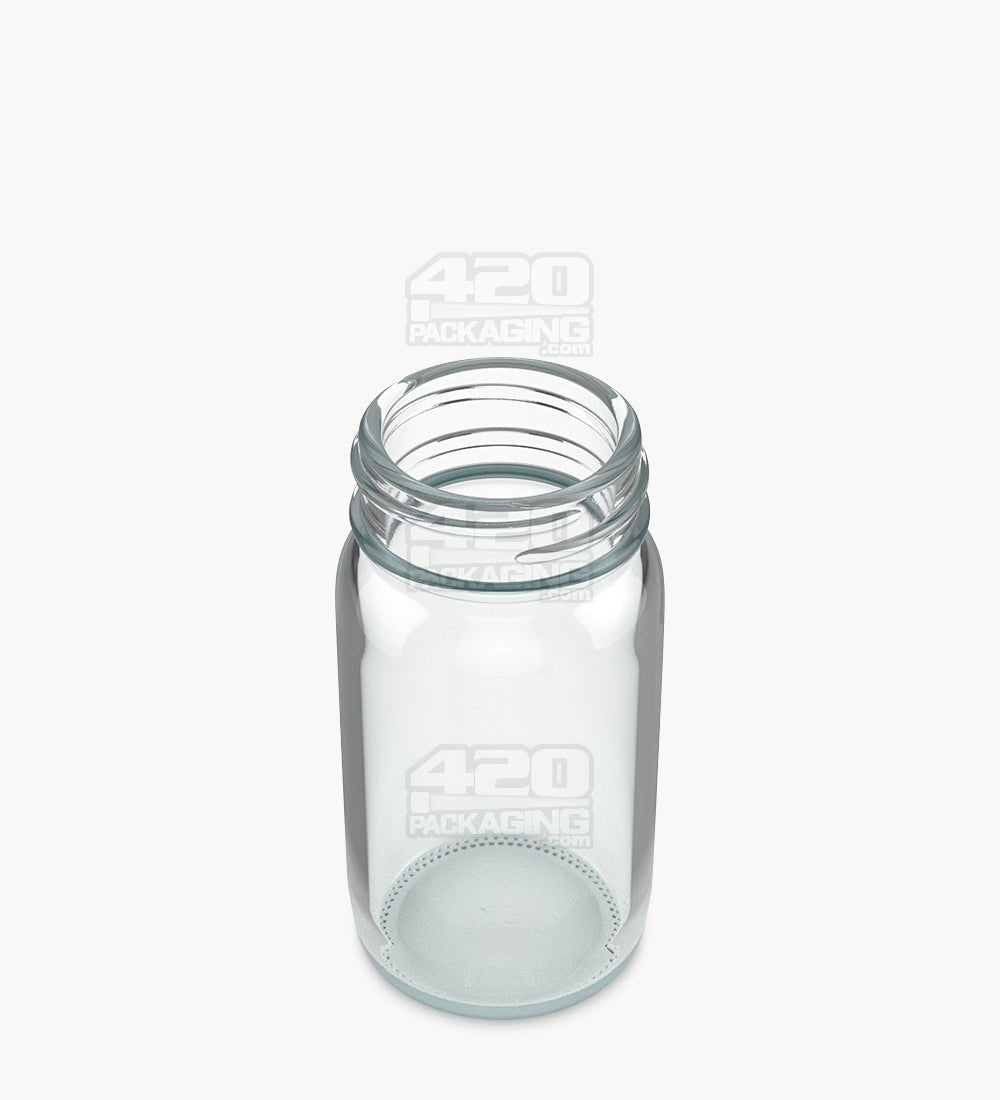
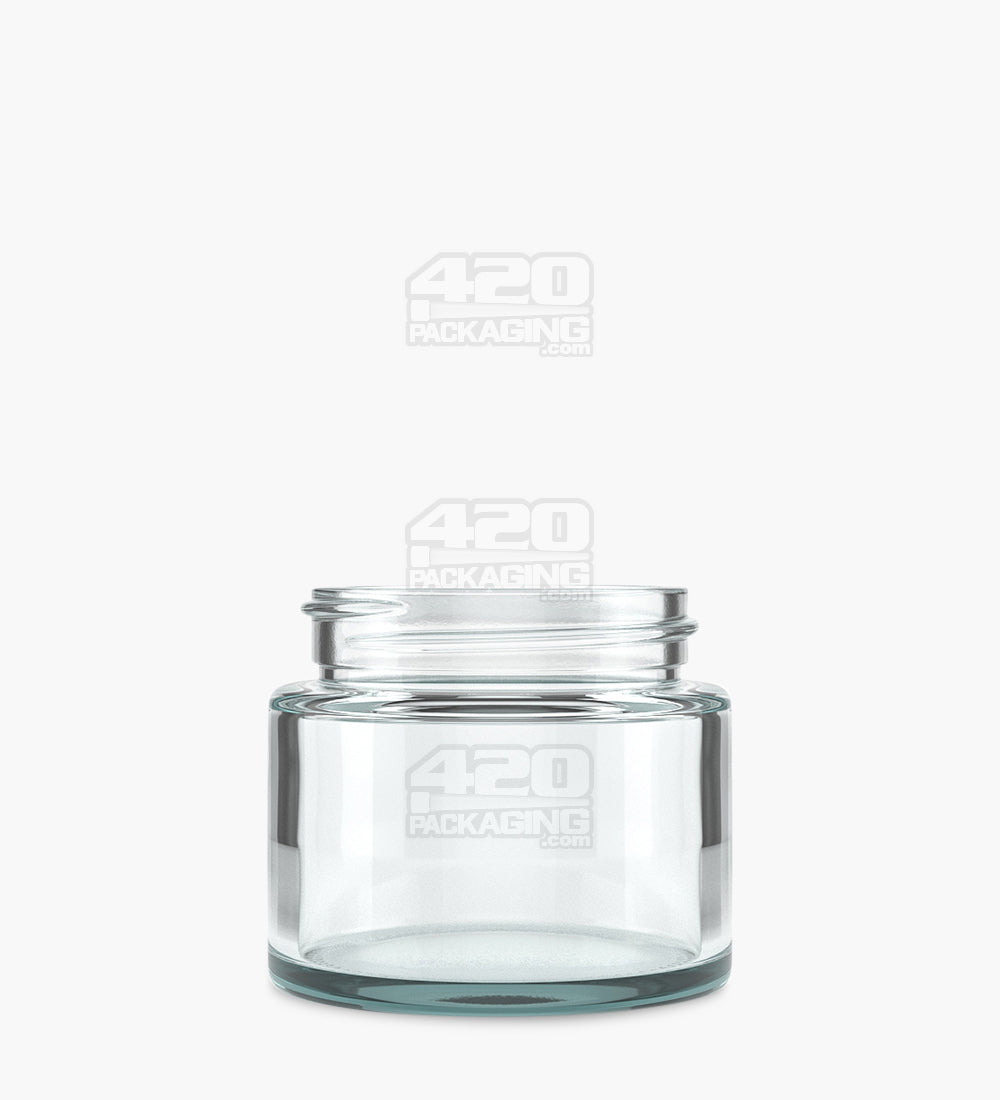
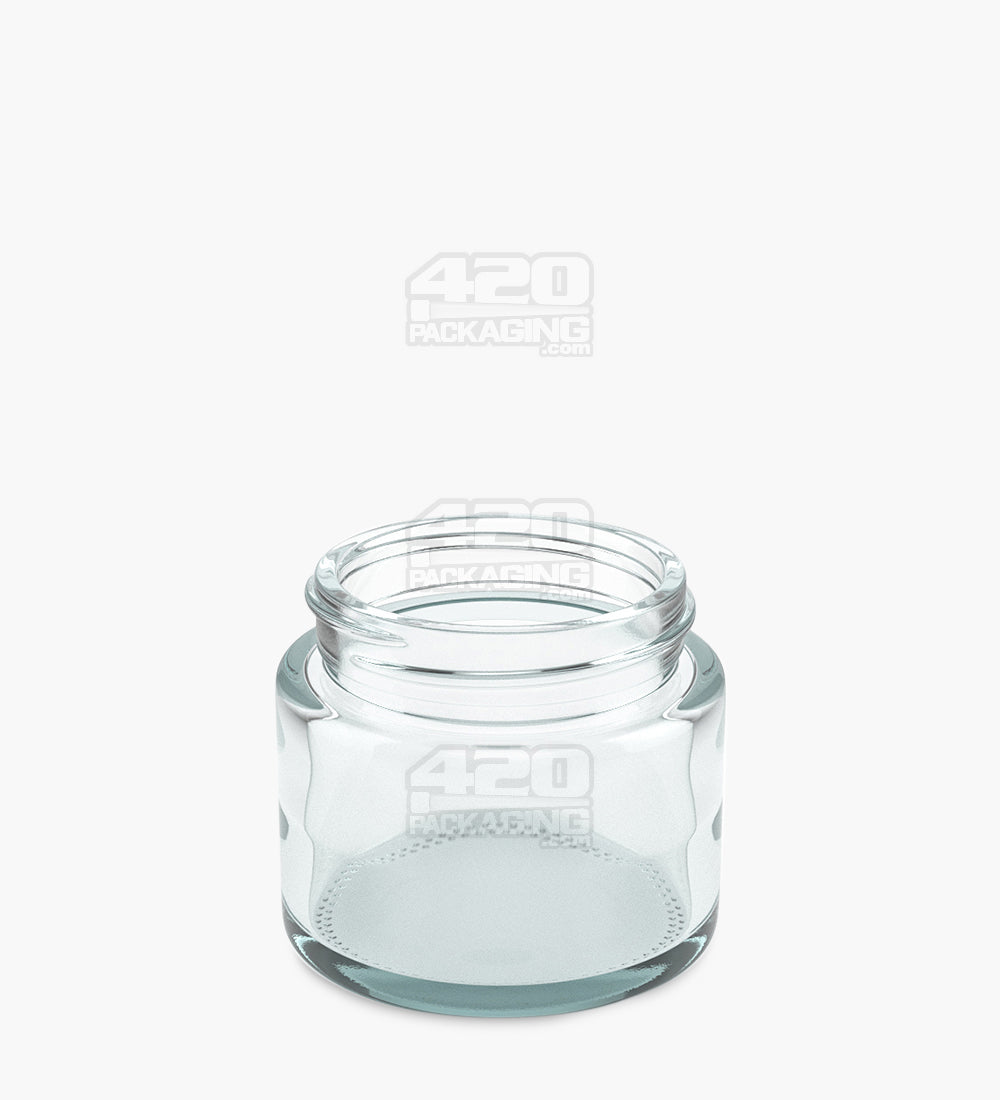
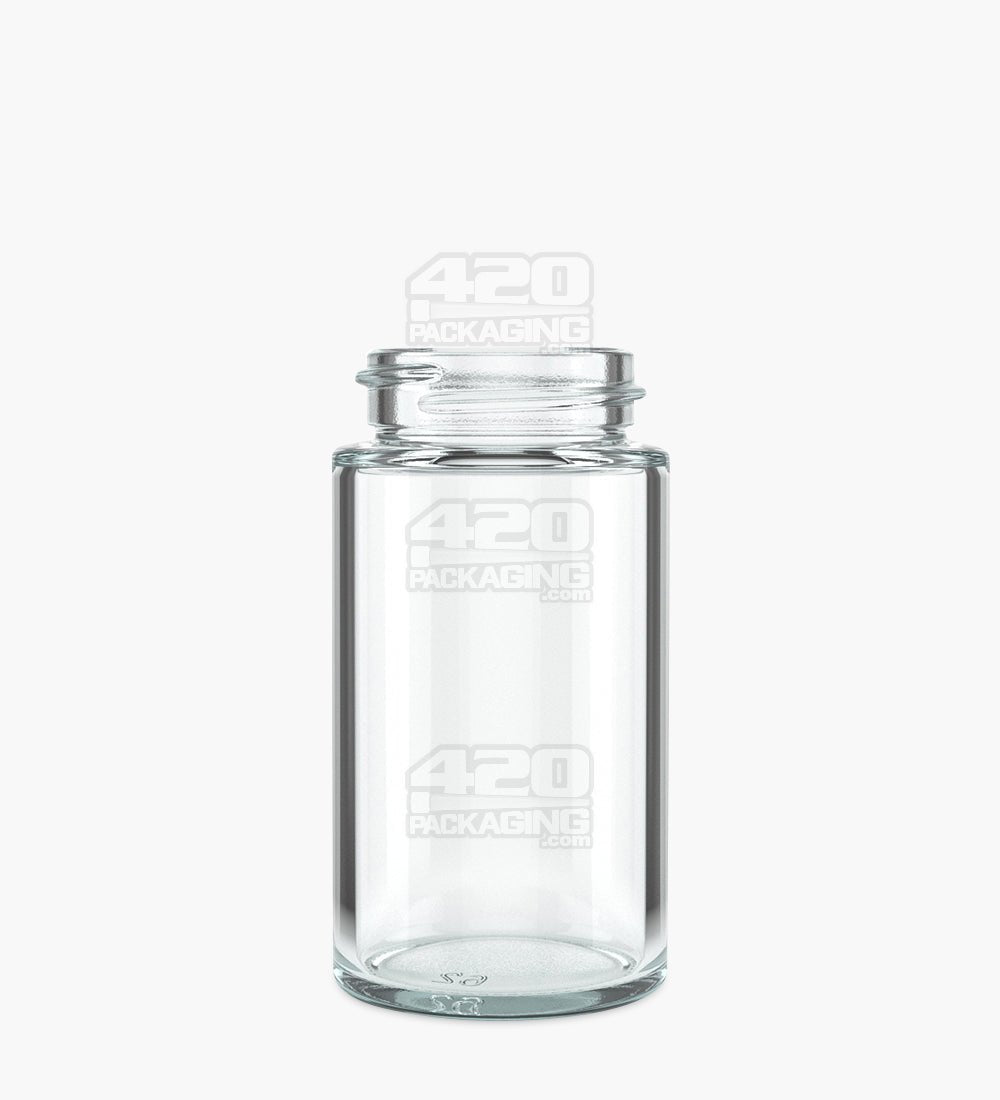
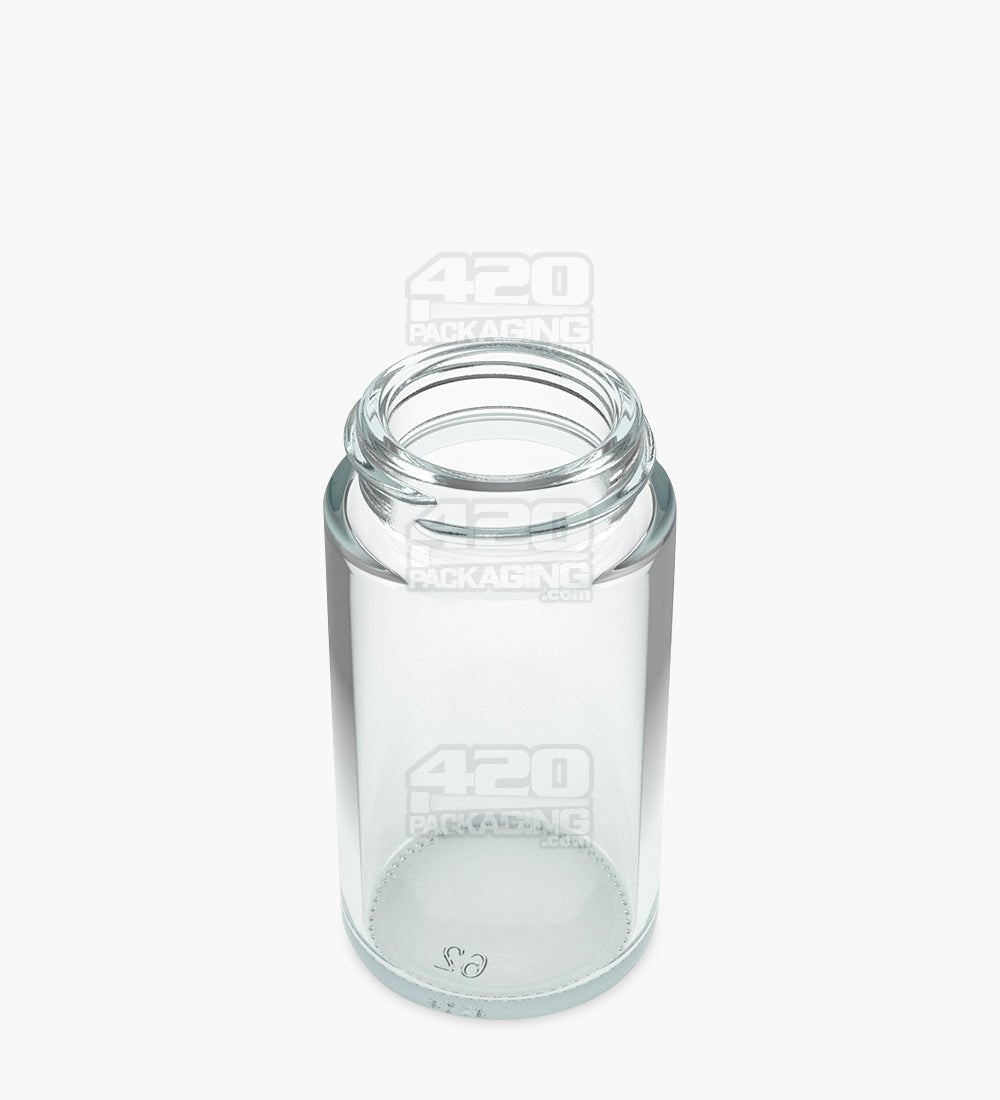
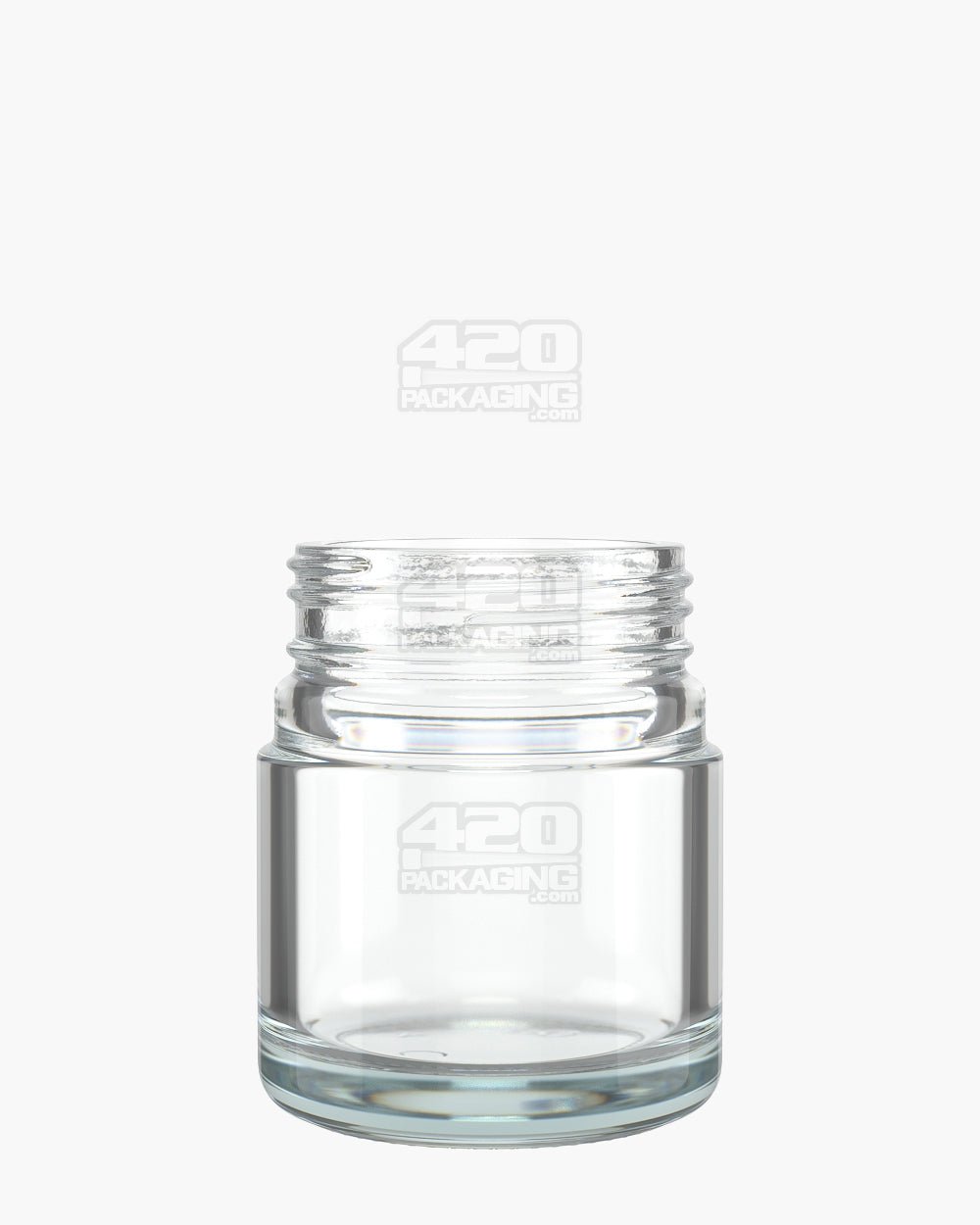
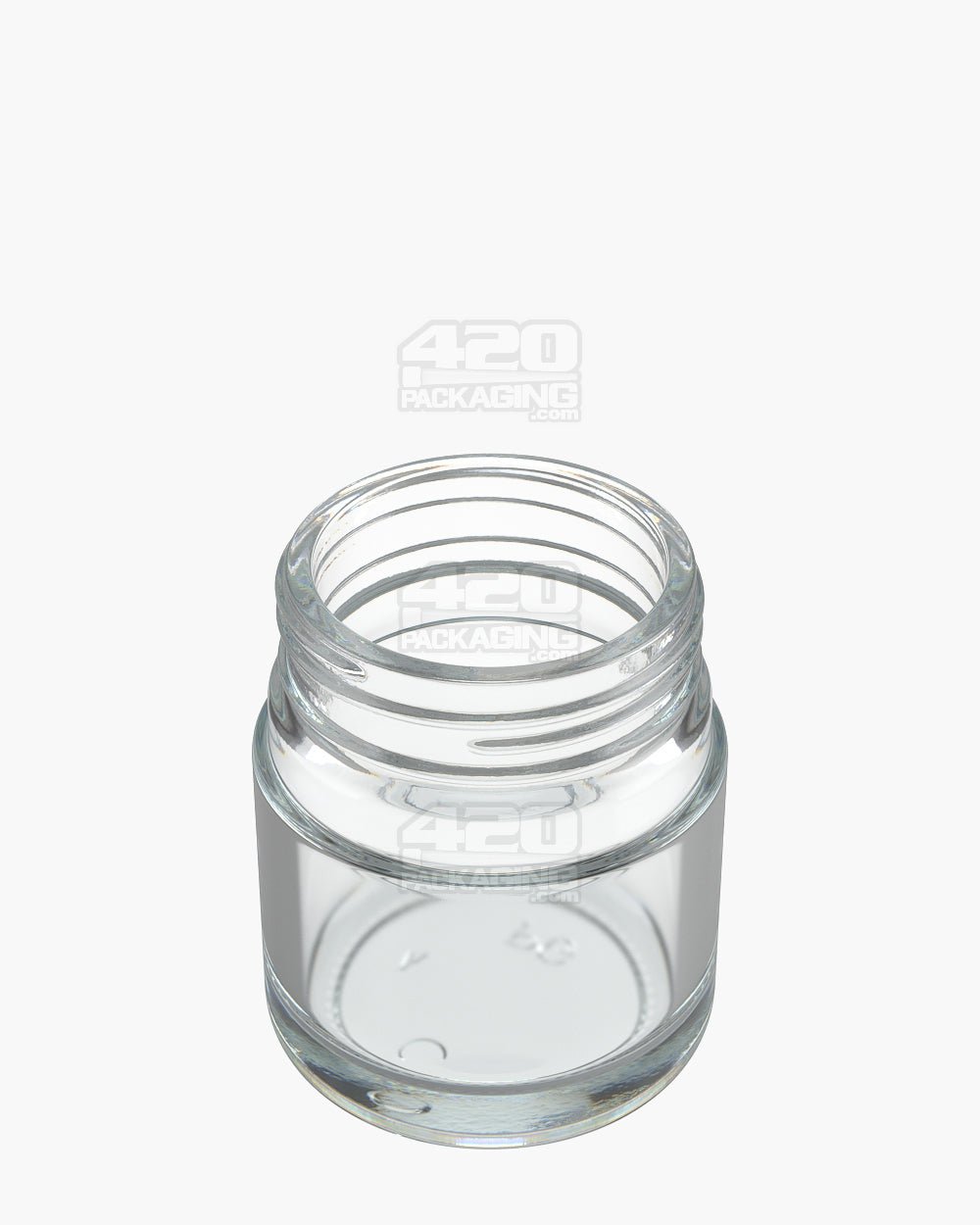


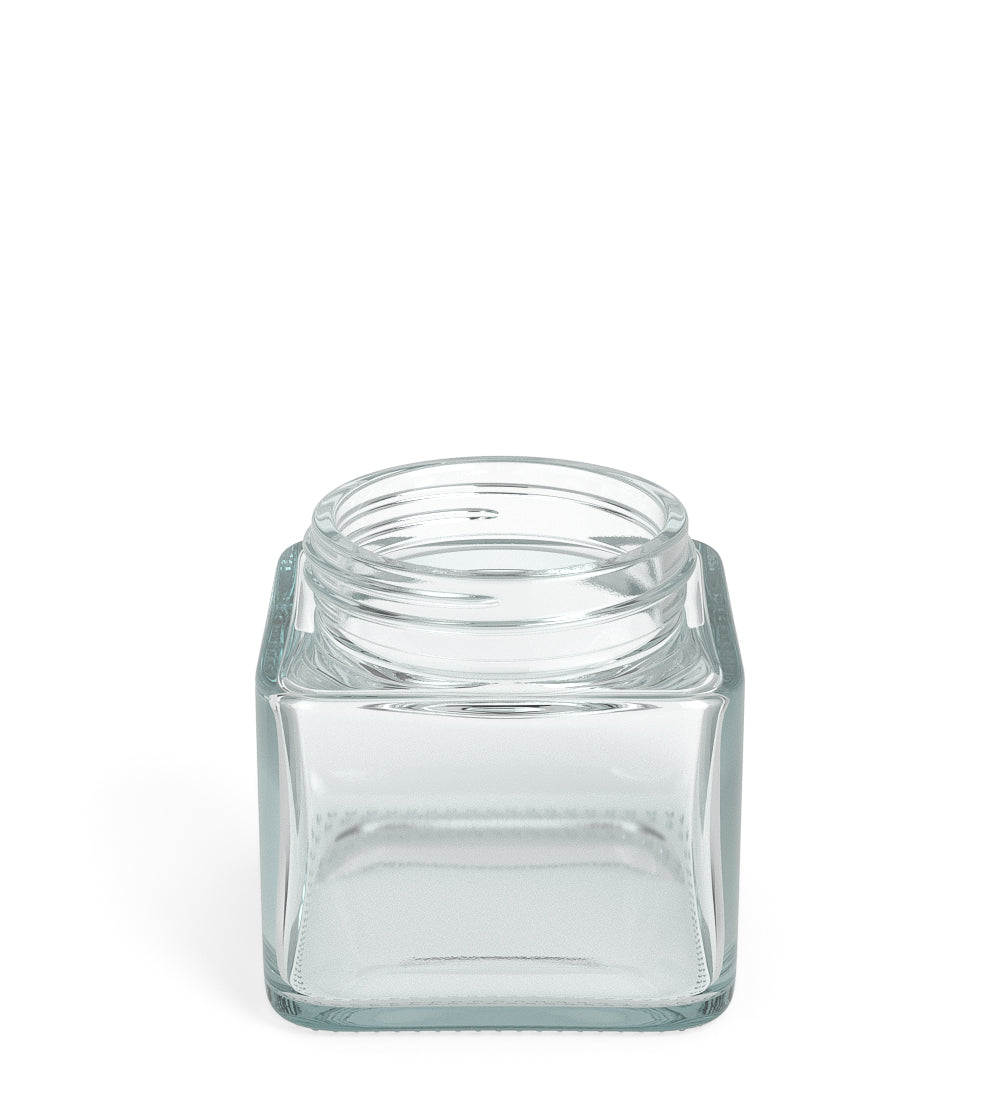
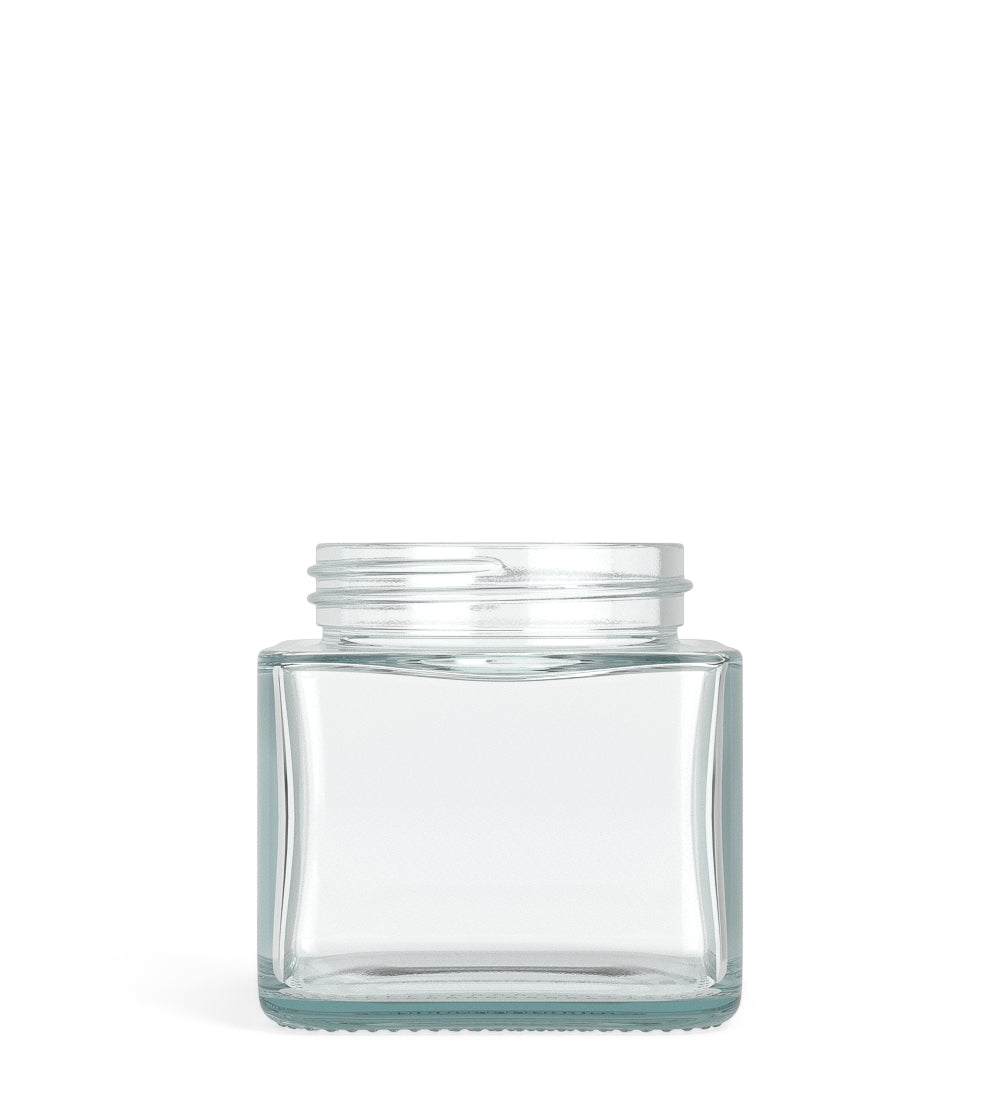


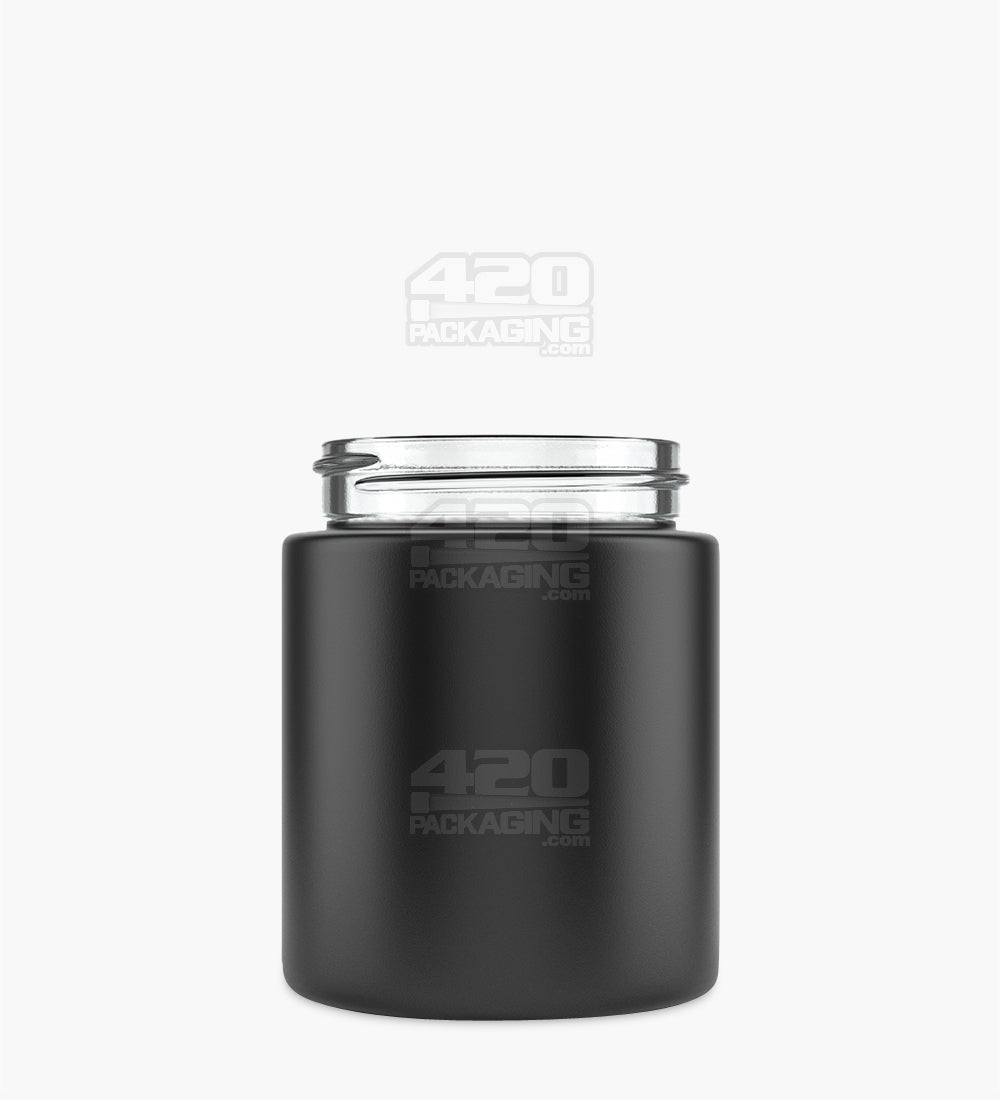
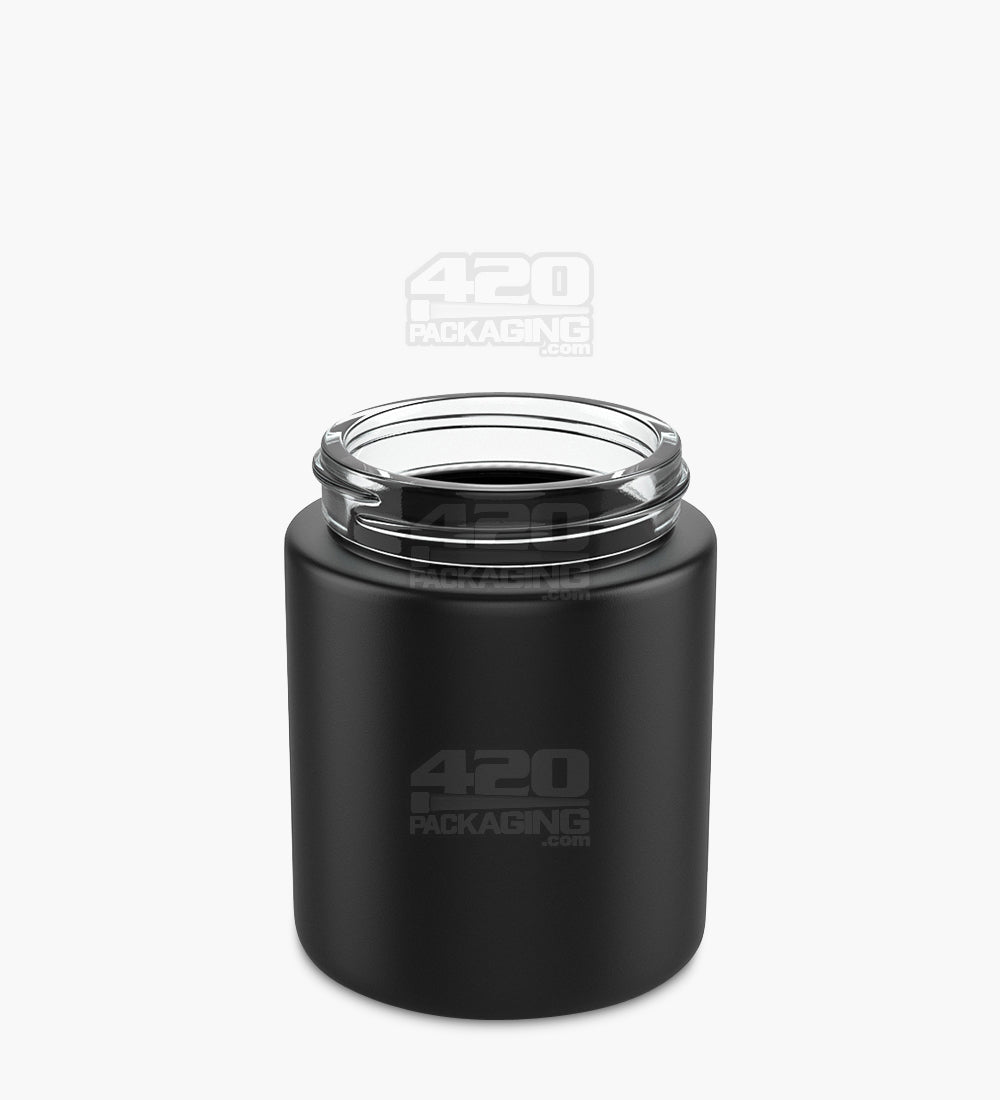
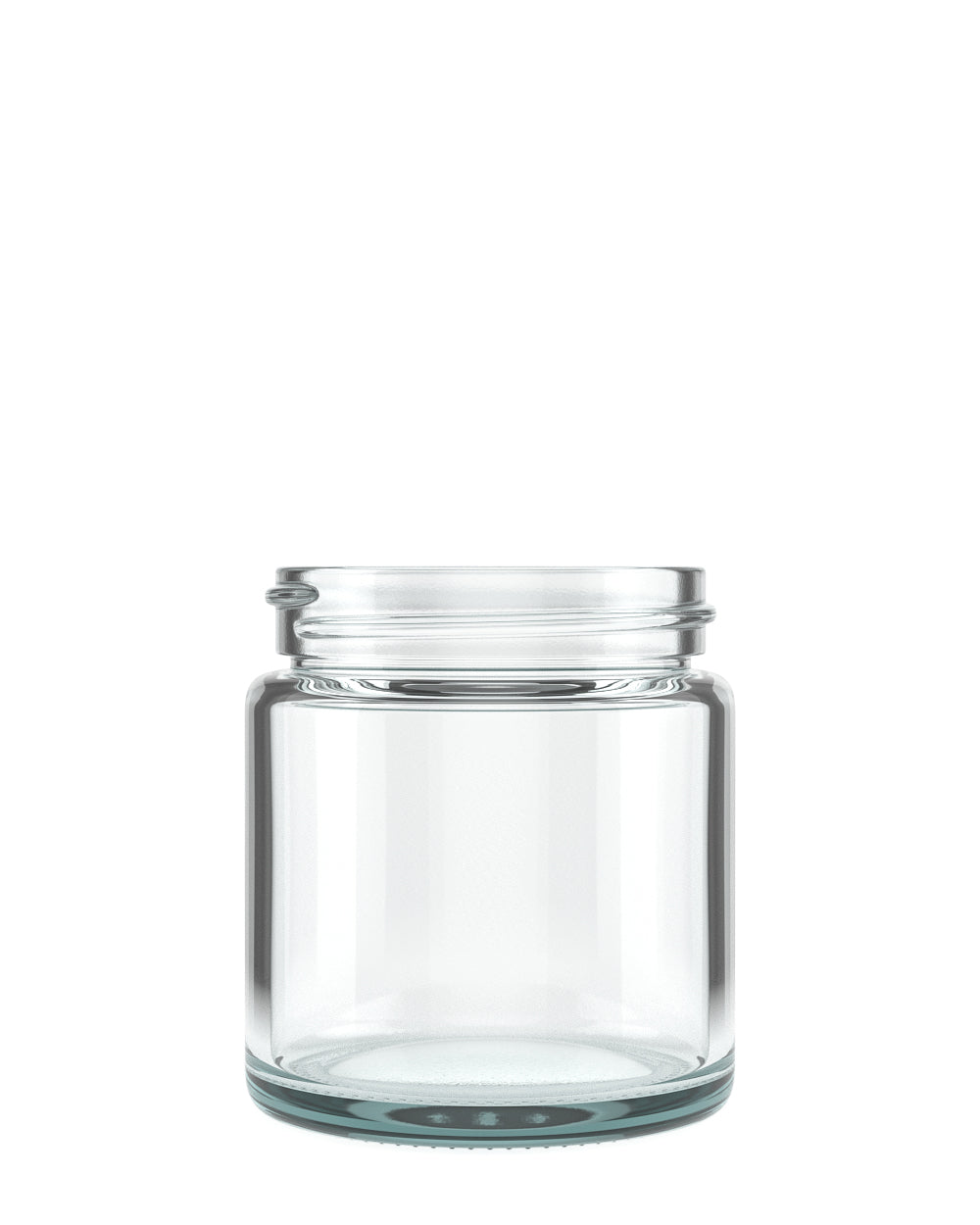
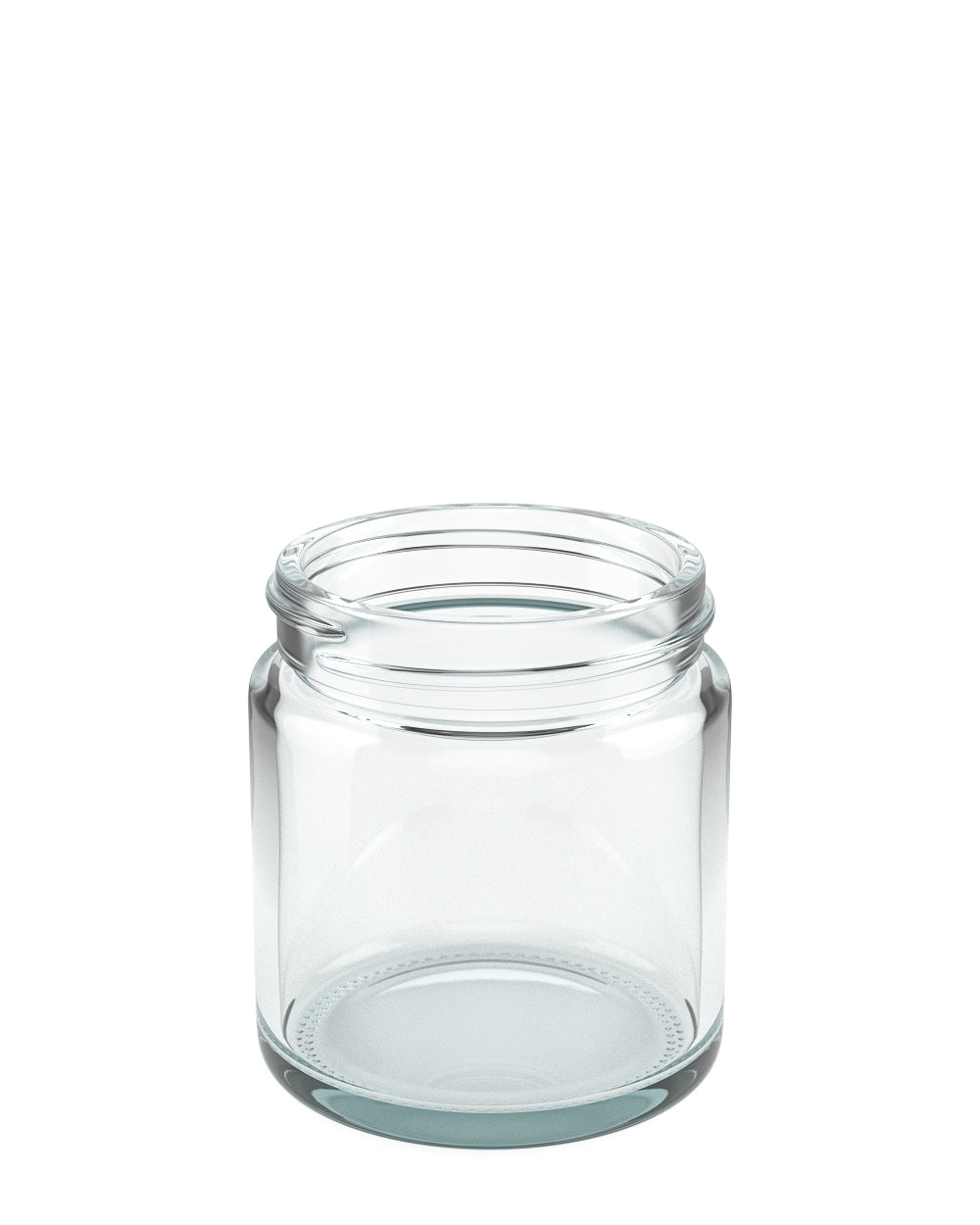
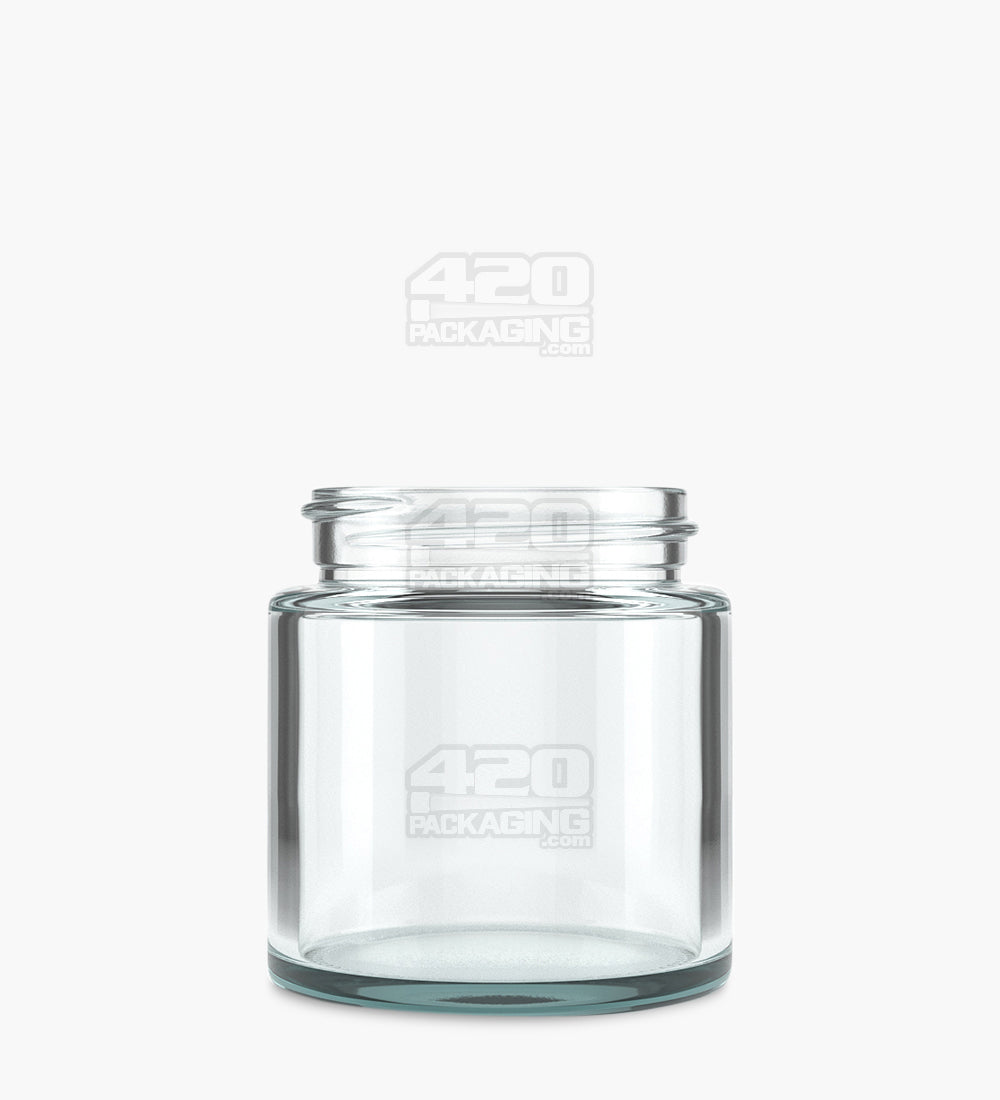

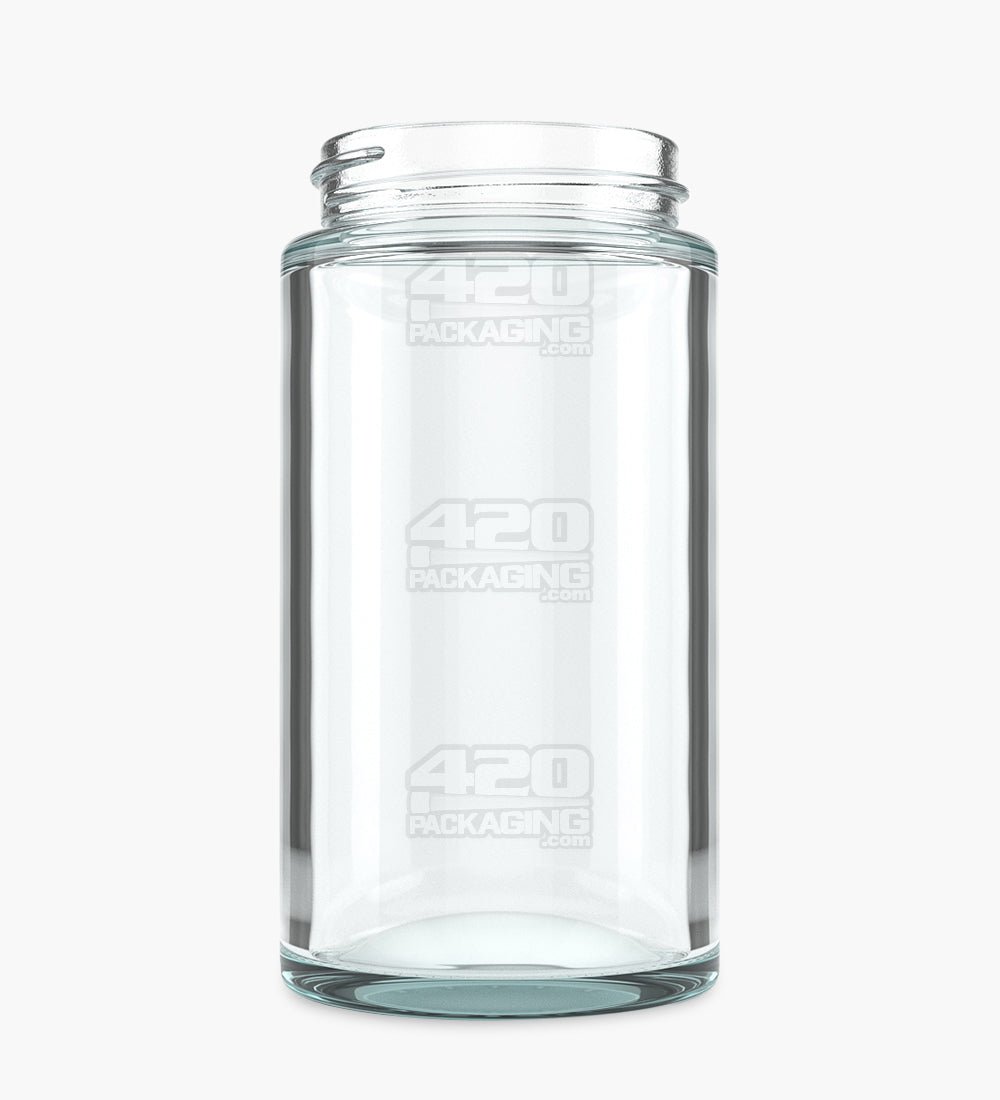
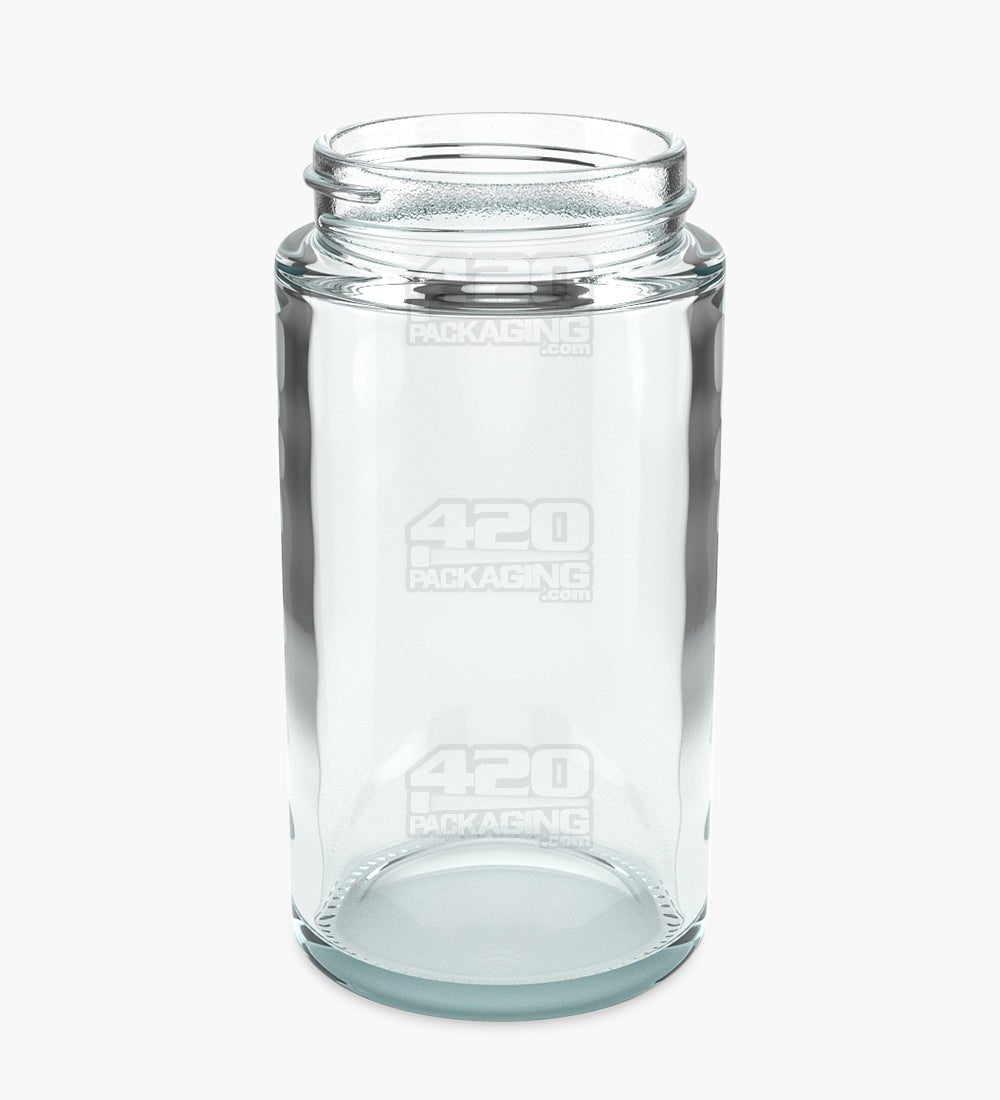
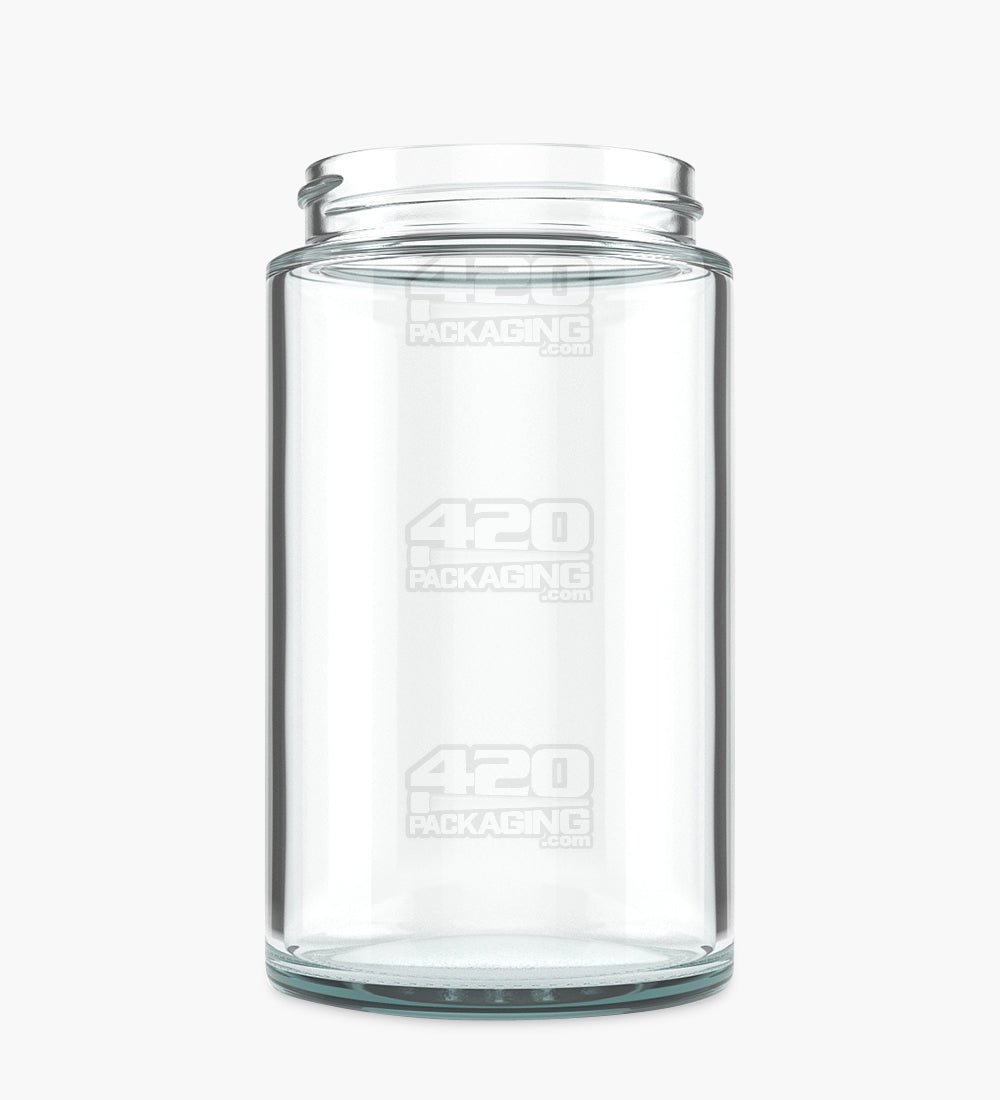
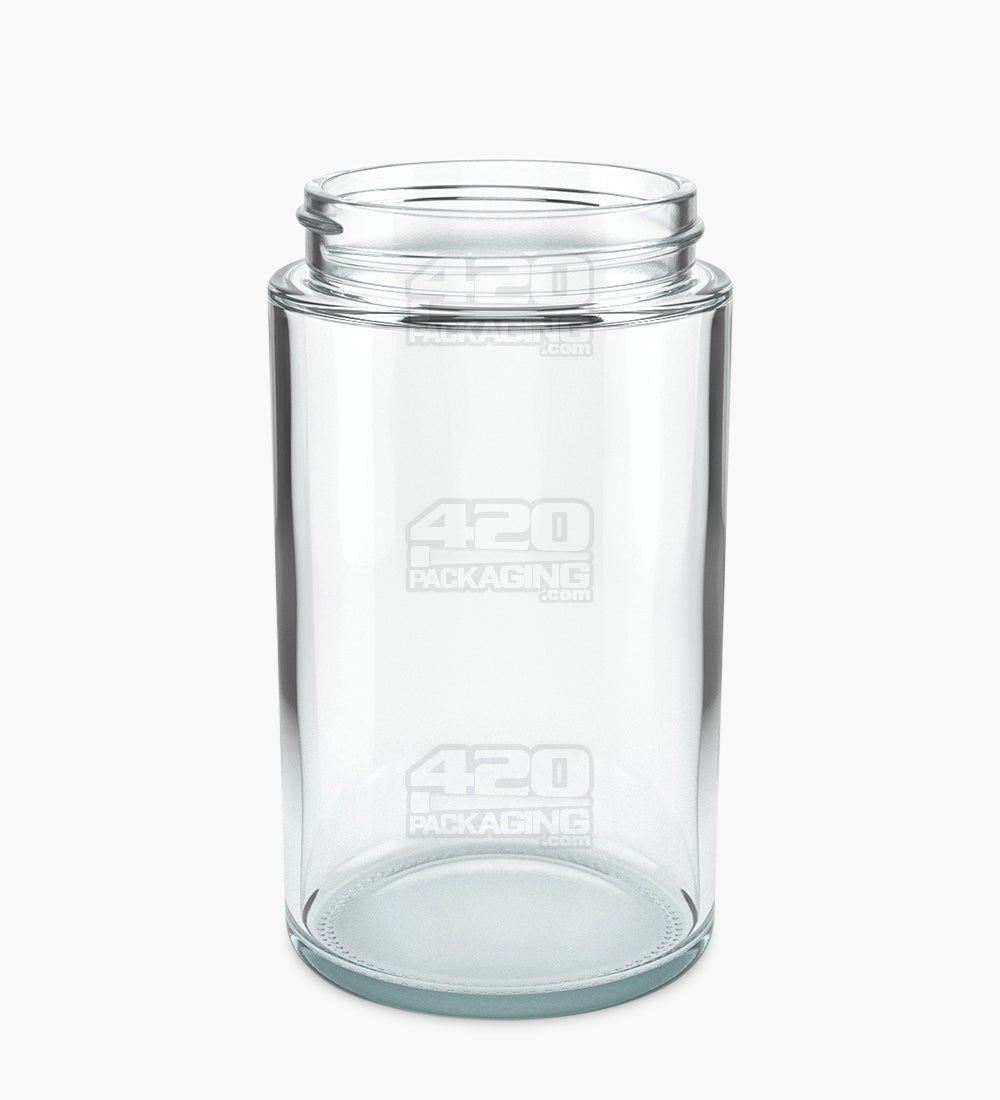


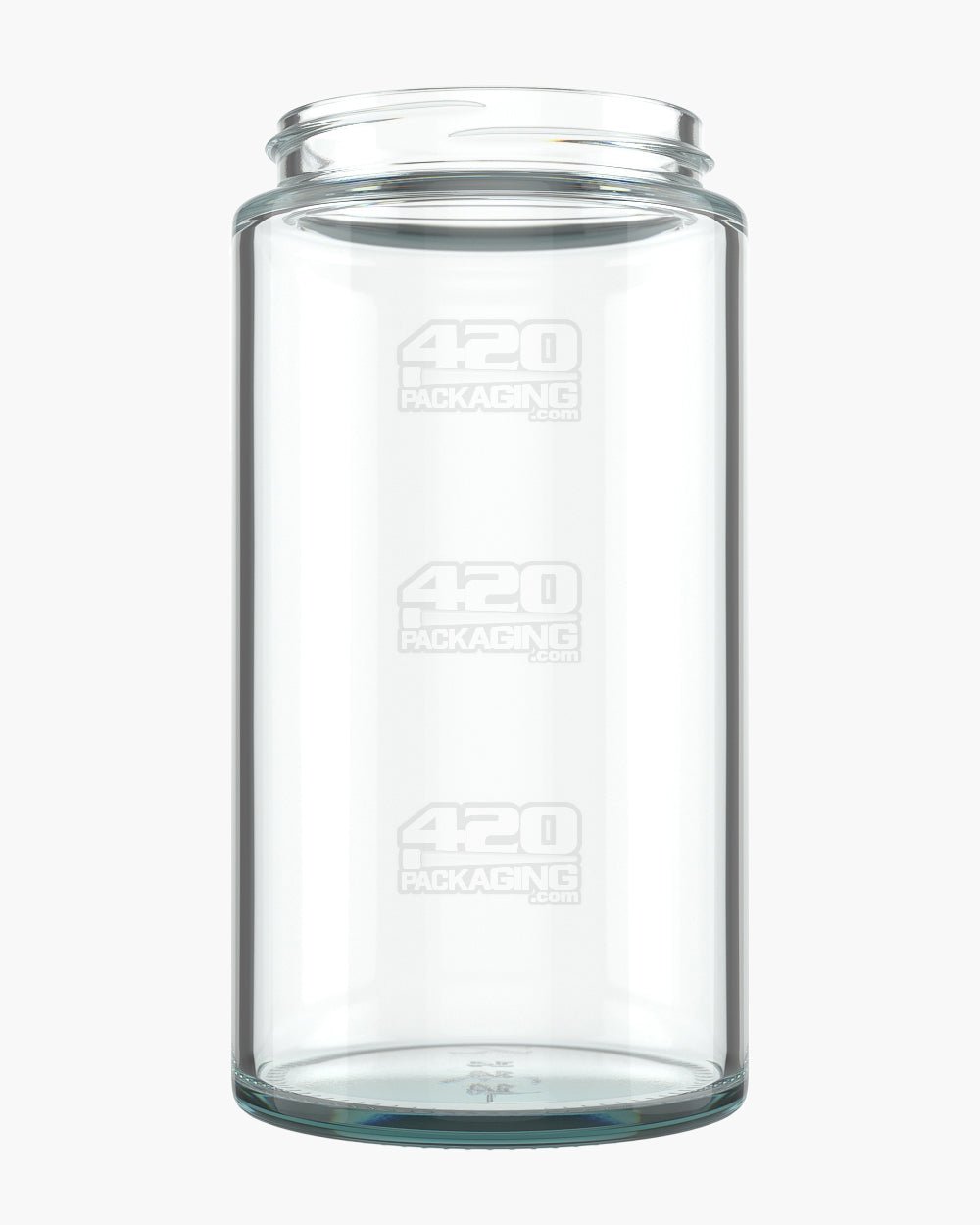
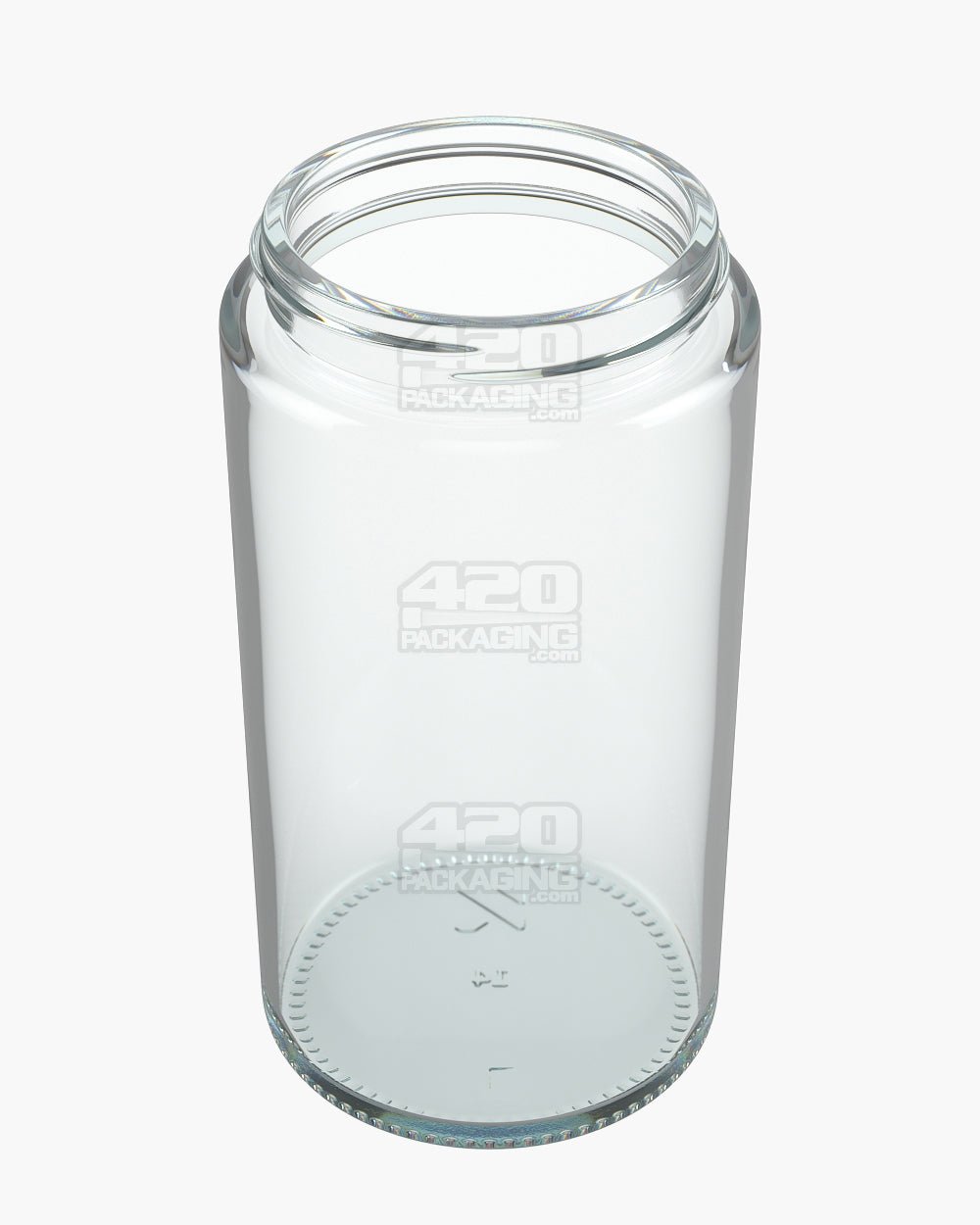
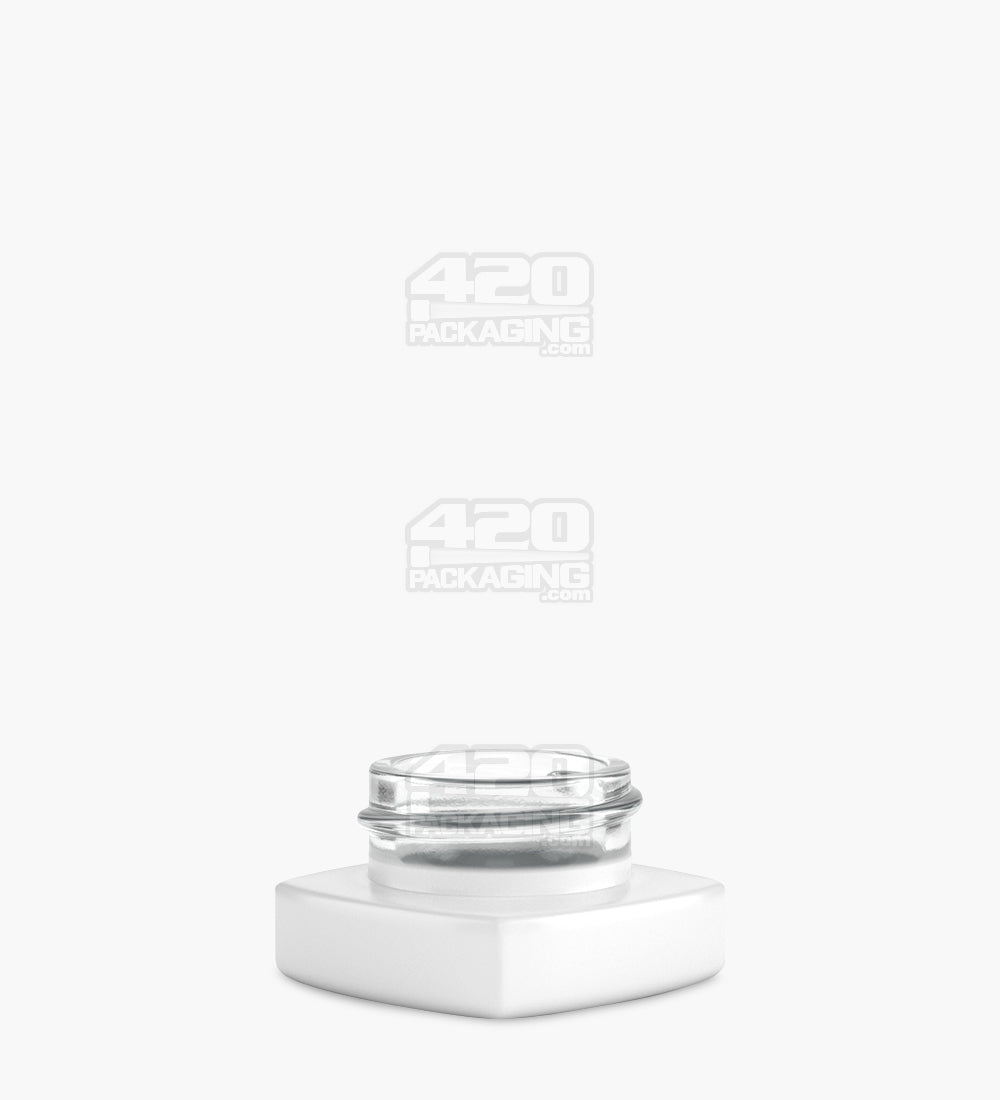
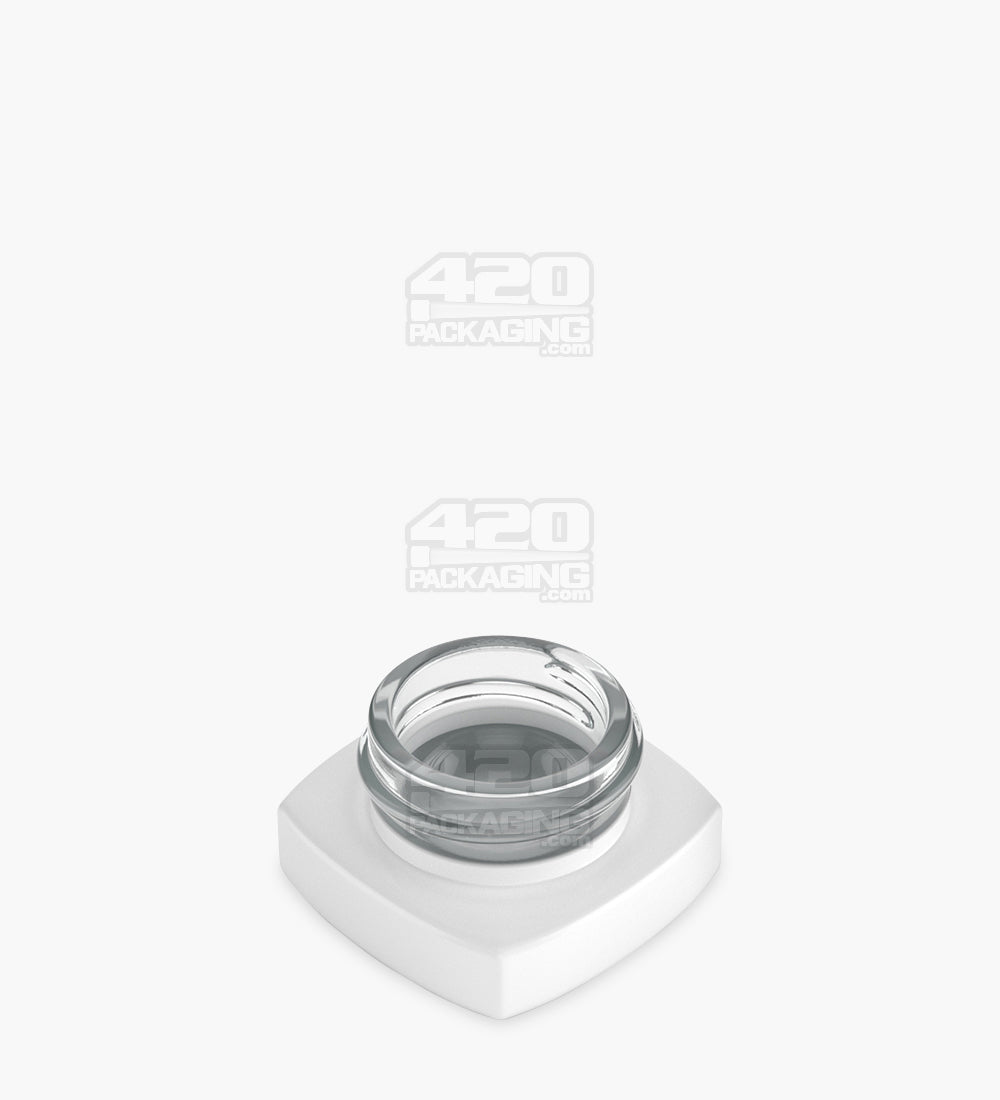
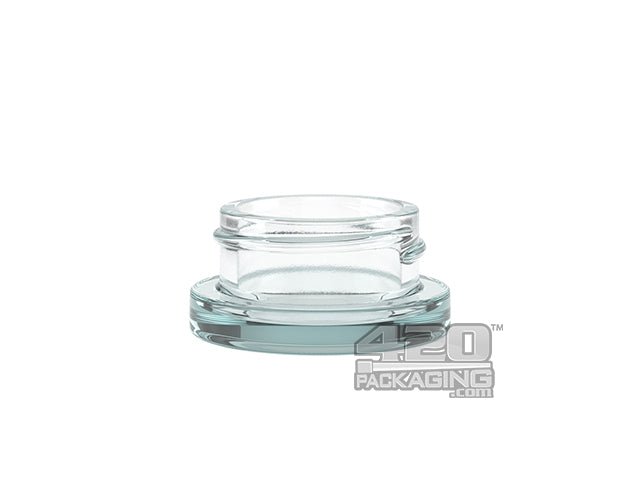
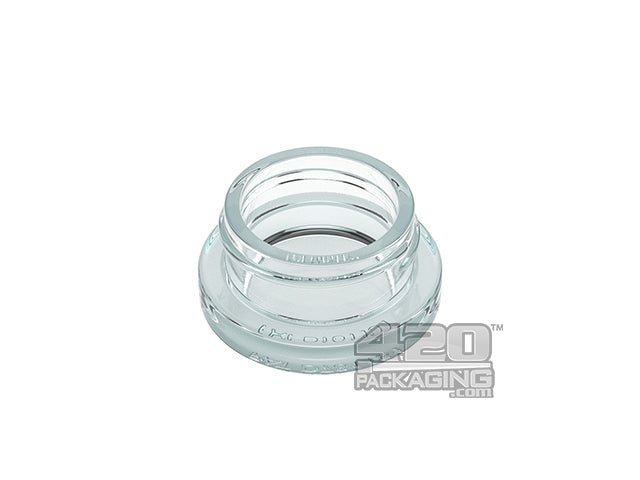
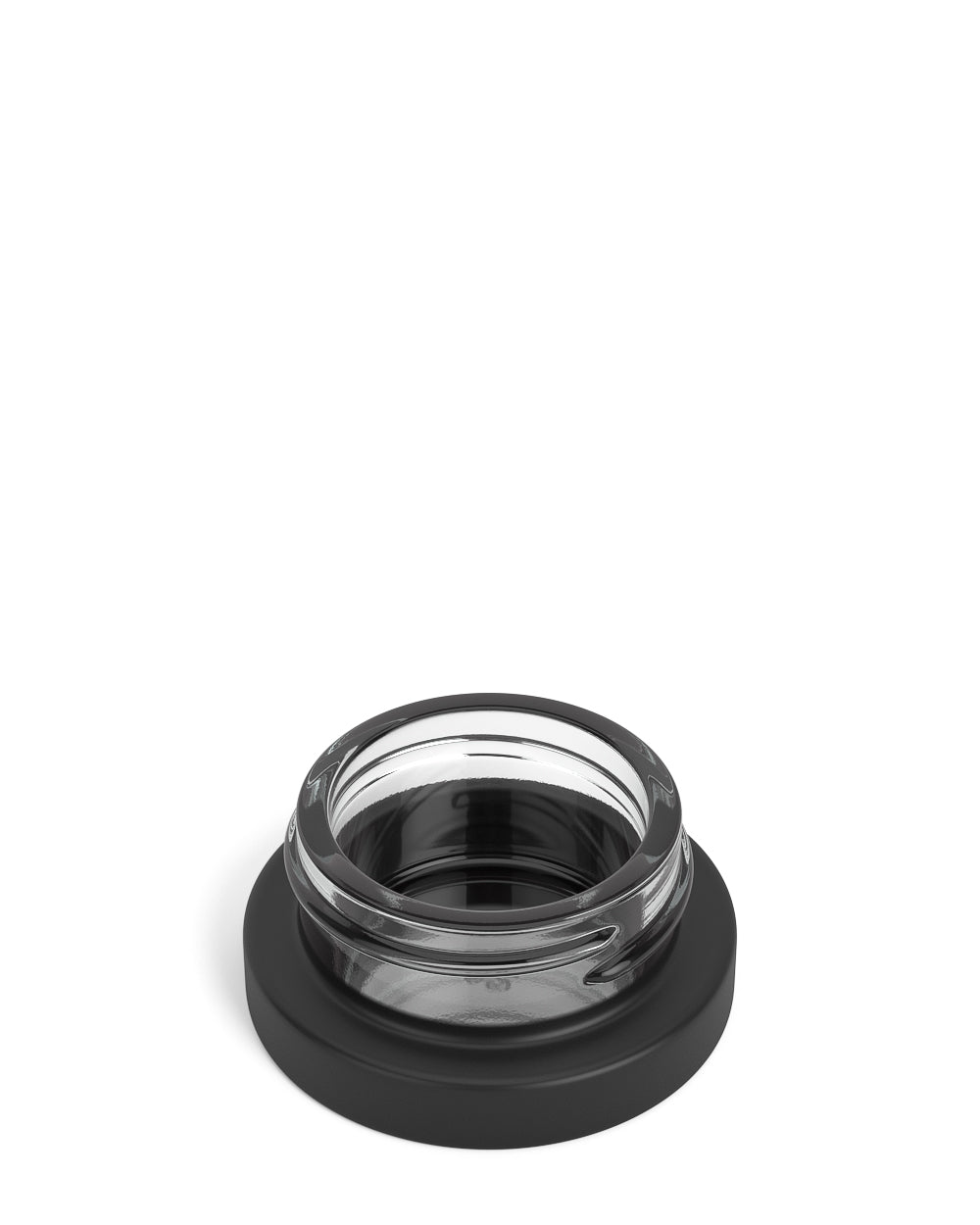
Glass cannabis jars provide rigid, nonporous packaging for cannabis flower, pre-rolls, concentrates, and other products requiring a durable container with a substantial retail presentation. Marijuana Packaging supplies wholesale glass weed jars in clear, black, white, and other available finishes, with straight-sided, wide-mouth, and specialty designs for commercial cannabis operations. Our glass jar selection supports brands, cultivators, processors, manufacturers, and dispensaries purchasing packaging in bulk.
Glass is valued for its chemical stability, strong barrier properties, and ability to maintain its shape during filling, storage, and handling. However, choosing the right glass jars for cannabis involves more than selecting a capacity or finish. Usable internal volume, opening geometry, closure compatibility, sealing performance, product visibility, and labeling requirements all affect the finished package. For wholesale buyers, these considerations must also be balanced against shipping weight, breakage prevention, production efficiency, and total packaging cost.
Wholesale Glass Cannabis Jars for Commercial Packaging
Glass jars are widely used throughout the cannabis industry as primary packaging for finished products. Their rigid walls provide structural protection, while their smooth surfaces support labeling, product identification, and branded decoration. Depending on the container and closure configuration, glass jars can accommodate loose flower, finished pre-rolls, certain concentrates, and other products requiring enclosed retail packaging.
For cannabis businesses, glass packaging serves several functions simultaneously. It helps protect the product against external compression, creates a defined container for controlled filling operations, and provides a consistent appearance across production batches. A compatible cap completes the package and contributes to its sealing, opening, and resealing characteristics.
Glass represents a material-specific category within our broader cannabis jars assortment. Whereas cannabis jars may be manufactured from glass, plastic, or other materials, this collection is focused on businesses seeking the particular handling, barrier, and presentation characteristics of glass.
Why Cannabis Brands Choose Glass Packaging
Glass is frequently associated with premium cannabis packaging because of its weight, rigidity, and visual appearance. However, its advantages extend beyond aesthetics.
- Rigid construction: Glass maintains its shape under normal handling, helping protect delicate flower and other products from external compression.
- Nonporous container walls: Glass does not absorb liquids or aromatic compounds in the same manner as certain porous materials.
- Strong barrier properties: Intact glass walls are highly resistant to gas and moisture transmission.
- Chemical stability: Glass is relatively inert under many ordinary packaging conditions, although compatibility with the finished formulation should still be verified.
- Product visibility: Transparent glass allows the contents to be viewed without opening the container.
- Decorative versatility: Clear, opaque, colored, and specialty finishes accommodate different retail presentations.
- Reusable construction: Suitable glass containers may be reused when their condition, cleanliness, and intended application permit it.
- Recycling potential: Glass can be recycled through appropriate collection and processing systems, subject to local acceptance and contamination requirements.
These characteristics make glass a practical option for brands prioritizing product presentation and rigid protection. Nevertheless, glass is heavier and more susceptible to impact damage than many plastics. The complete packaging decision should account for both its advantages and operational limitations.
Benefits and Material Properties of Glass Jars
Glass behaves differently from plastic, paperboard, and flexible packaging materials. Understanding these differences helps cannabis manufacturers determine when glass is appropriate for a particular product and distribution process.
Nonporous and Chemically Stable Packaging
Glass has a dense, nonporous structure that makes it resistant to absorbing many substances encountered during ordinary packaging use. This characteristic can be valuable for products containing aromatic compounds or formulations that require careful material selection.
Unlike some packaging plastics, glass does not rely on the same polymer structure to form its container walls. However, that distinction should not be interpreted as a guarantee that every glass formulation is compatible with every cannabis product.
Product-contact suitability should be evaluated according to the finished formulation, storage conditions, and any coatings or components that may contact the contents. Caps, liners, inserts, and seals can introduce materials with different compatibility requirements from the glass itself.
Barrier Properties of Glass
Intact glass walls provide an effective physical barrier to the transmission of gases and water vapor. This makes glass useful when a packaging application calls for a container material with strong inherent barrier properties.
However, the jar wall is only one part of the finished package. The opening, cap, liner, and sealing surfaces determine whether air or moisture can move through the assembled closure system.
A glass container with a poorly matched cap may offer less effective overall protection than one fitted with an appropriate closure and sealing component. For this reason, barrier performance should be evaluated at the complete-package level rather than inferred from the container material alone.
Glass Compared With Plastic Packaging
Glass and plastic jars can perform similar packaging functions, but they differ in weight, handling, breakage resistance, and material properties.
Glass offers a substantial feel, strong wall-barrier characteristics, and a rigid structure. Plastic generally weighs less and is more resistant to breakage during impact. Depending on the resin, plastic containers may also offer different levels of flexibility and barrier performance.
For manufacturers where shipping weight, breakage resistance, or handling efficiency is especially important, plastic cannabis jars provide an alternative material category. Businesses prioritizing glass presentation and material characteristics may prefer rigid glass containers despite the additional transportation and handling considerations.
Neither material is automatically superior for every product. The decision should be based on the intended contents, closure requirements, packaging process, and commercial objectives.
Glass Jar Shapes, Openings, and Finishes
Glass jars are manufactured in different shapes and profiles to accommodate varying products, branding requirements, and packaging processes. Container geometry affects how a jar is filled, how the contents are accessed, and how the finished package moves through production and distribution.
Straight-Sided Glass Jars
Straight-sided glass jars have relatively uniform exterior walls, generally creating a cylindrical profile with a practical surface for labels and other decorative elements.
This construction is common in cannabis flower packaging because it accommodates different retail presentations while maintaining a consistent container shape. Straight walls can also simplify certain labeling and handling procedures when the jar is compatible with the selected equipment.
For brands using the same packaging design across multiple strains, straight-sided jars may help maintain visual consistency while allowing individual product information to change.
Wide-Mouth Glass Jars
Wide-mouth jars provide larger openings relative to their overall body dimensions. This can make filling and removing products easier, particularly when working with bulky flower, multiple pre-rolls, or other contents that require additional clearance.
Opening width is distinct from total capacity. A jar may have enough internal volume for a product but still be inconvenient to fill if its opening is too narrow.
Manufacturers should evaluate both characteristics during packaging trials. A wider opening may improve access, but it also requires a compatible closure and may affect the finished package's appearance and labeling layout.
Round, Square, and Specialty Glass Jars
Round jars provide a familiar cylindrical shape with relatively predictable handling and labeling characteristics. Square, cube-style, and other specialty profiles create different retail presentations and may influence how the container fits into secondary packaging or shipping cases.
Exterior geometry can affect label placement, equipment alignment, storage efficiency, and the way containers contact one another during transportation.
When selecting a specialty glass jar, packaging teams should evaluate the entire production process rather than relying solely on its appearance.
Low-Profile and Taller Glass Containers
Container proportions influence access to the contents. Lower-profile jars may be useful for products requiring a relatively shallow, accessible interior, while taller containers can accommodate products with greater length or vertical packaging requirements.
The appropriate shape depends on the product's physical dimensions and how it will be removed by the end user.
For example, a shallow container may support convenient access to certain concentrate formulations, while a taller glass jar may be better suited to products such as finished pre-rolls.
Glass Jar Capacities, Flower Weight, and Headspace
Glass jar capacity is commonly expressed in fluid ounces or milliliters, while cannabis flower is typically packaged and sold according to weight. These measurements describe different physical quantities and should not be treated as interchangeable.
The most important consideration when selecting glass cannabis jars is the fit of the finished product inside the complete packaging system. Nominal jar volume does not establish how many grams of flower a container can hold. Actual capacity depends on product density, shape, internal jar geometry, and required headspace. The jar must also accommodate its intended closure without compressing or interfering with the contents. Commercial buyers should verify the finished fill before ordering glass jars in bulk.
Nominal Jar Volume vs. Cannabis Flower Weight
A jar's stated volume describes the space available within the container according to its nominal capacity specification. Flower weight describes the mass of the cannabis product being packaged.
Because dried cannabis flower contains irregularly shaped buds and spaces between them, a particular weight does not occupy one fixed volume.
Dense flower may fit comfortably inside a smaller container, while larger or less compact buds of the same weight may require additional space.
This distinction is particularly important when purchasing glass jars for cannabis flower because container-size names can resemble common retail weight measurements without representing the same quantity.
Choosing Glass Jars for Different Flower Portions
Smaller retail flower portions generally require less internal space than larger quantities, but the relationship is not perfectly proportional. Bud size, density, trimming, and the desired appearance of the finished fill all influence the appropriate jar.
For example, a brand packaging standard eighth-ounce flower portions may use a different container format from one packaging larger quantities. The 3.5 gram eighth jars category addresses that narrower retail weight, including the importance of flower structure and headspace.
Brands using multiple sizes should evaluate whether one glass jar family offers suitable options across the product lineup. Standardizing compatible finishes and closures can simplify operations, provided each container remains appropriate for its intended fill.
Headspace and Usable Internal Volume
Headspace is the unfilled area between the product and the underside of the closure. It influences product movement, finished-package appearance, and clearance for any cap or sealing component.
Insufficient headspace can cause flower to press against the lid or require compression during packaging. Excessive headspace may create an undesirable fill appearance and allow additional movement during transportation.
Usable internal volume should therefore be evaluated with the intended product and closure installed, not simply estimated from the jar's exterior appearance.
Opening Diameter and Product Access
A jar must accommodate the product through its opening as well as inside its walls.
For cannabis flower, a suitable opening helps operators place buds into the container without unnecessary handling. For pre-rolls, the opening must accommodate the finished joints. For concentrates, opening geometry influences how easily the contents can be filled and accessed.
These practical requirements should be considered alongside nominal capacity when approving a glass container for commercial use.
Glass Jars for Flower, Pre-Rolls, Concentrates, and Edibles
Glass jars can support several cannabis packaging applications, but the product being packaged determines which container properties are most important. A flower jar, concentrate container, and pre-roll multipack may all use glass while requiring different shapes, openings, closures, and product-contact considerations.
Glass Jars for Cannabis Flower
Glass jars for cannabis flower provide rigid protection against external compression and create an enclosed space for finished buds. Clear glass can display the flower's appearance, while opaque finishes offer different visual and light-exposure characteristics.
Flower packaging requires attention to bud structure, usable internal volume, headspace, and sealing performance. Larger buds may require more opening clearance, while less dense flower can occupy more space than a compact portion of equal weight.
Because the glass walls maintain their shape, the finished fill level remains visually apparent in clear containers. This makes accurate sizing especially important when consistency across different flower strains is a priority.
Glass Jars for Pre-Rolls
Glass can also serve as a rigid packaging material for finished pre-rolls, particularly when several joints are packaged together.
The primary considerations are usable internal height, opening clearance, product arrangement, and protection against bending or crushing. A jar must accommodate the full length of the finished pre-rolls, including filters or tips, without interfering with closure engagement.
Some glass pre-roll jars use wide-mouth construction to simplify filling and removal. The number of pre-rolls a container can hold depends on the dimensions and arrangement of the finished products rather than jar volume alone.
Glass Jars for Cannabis Concentrates
Glass is commonly considered for concentrate packaging because of its rigid construction, nonporous surface, and compatibility with certain product formulations.
However, concentrates vary significantly in texture, viscosity, and composition. A container suitable for a relatively firm concentrate may not provide the same handling or sealing performance for a more fluid formulation.
Small, shallow concentrate jars are designed around different access and filling requirements than conventional flower jars. Product-contact compatibility, sealing integrity, and potential leakage should be evaluated using the finished formulation.
Where a cap includes a liner or other internal material, that component must also be suitable for the concentrate it may contact.
Glass Jars for Cannabis Edibles
Glass jars may also be used for certain cannabis-infused edible products, including gummies, candies, tablets, and other solid formats, when the container and closure are appropriate for the intended food-contact application.
Packaging teams should consider product dimensions, serving count, moisture sensitivity, material suitability, and access to individual pieces.
Edible packaging may also be subject to additional opacity requirements. For example, California requires opaque packaging for cannabis edibles, with a specific exception for certain beverage containers. The California Department of Cannabis Control's final-form packaging guidance describes these requirements.
A clear glass jar should not automatically be considered suitable as the final retail package for an edible product. The complete packaging configuration must meet the rules applicable to the intended market.
Glass Jar Caps, Liners, and Child-Resistant Closures
A glass jar is only one component of the finished packaging system. Its cap, liner, and any additional protective features influence sealing, product accessibility, child resistance, and tamper evidence.
Many glass containers are sold separately from their closures. Buyers should confirm whether the intended jar includes a cap and identify compatible components before approving the packaging configuration.
Matching Caps to Glass Jar Neck Finishes
The neck finish describes the opening and thread configuration used to attach a cap. Different glass jars may use different neck diameters, thread profiles, and sealing surfaces.
Two closures that appear similar are not necessarily interchangeable. A mismatched cap may engage improperly, fail to create the intended seal, or interfere with the operation of a child-resistant mechanism.
When evaluating glass jar closures, verify:
- The exact neck-finish compatibility between the jar and cap.
- Correct thread engagement and closure retention.
- Compatibility with the intended liner or sealing component.
- Application requirements for manual or automated capping.
- Any manufacturer-specified closure application procedures.
- Whether the cap provides the opening and resealing characteristics required by the finished product.
- Availability of the same closure configuration for repeat production orders.
Component compatibility should be established before ordering jars in commercial quantities. A suitable container cannot function as intended if its required closure is unavailable or improperly matched.
Child-Resistant Glass Jar Packaging
Child-resistant closures are designed to make package opening more difficult for young children while remaining usable by adults. Common mechanisms include push-down-and-turn and other coordinated-action designs.
Child resistance depends on the complete qualifying package, not merely the material or appearance of the container.
Within the child-resistant cannabis jars assortment, buyers may encounter separate jars, compatible closures, and complete packaging configurations. Each should be evaluated according to its actual components and supporting documentation.
The Poison Prevention Packaging Act establishes a federal special-packaging framework for certain regulated products. Under 16 CFR Part 1700, child-resistant and senior-friendly performance requirements include prescribed testing procedures.
The U.S. Consumer Product Safety Commission's special packaging guidance explains how these performance standards are evaluated and clarifies that the agency does not pre-approve individual packaging designs.
Cannabis-specific packaging requirements vary by jurisdiction and finished product. Manufacturers should verify whether the intended glass jar and closure configuration satisfies the applicable requirements rather than assuming that an empty jar or an independently purchased cap is compliant on its own.
Foam Liners, Inner Seals, and Closure Integrity
Caps may incorporate foam liners, pressure-sensitive liners, induction-compatible components, or other sealing constructions.
These systems perform different functions and may require different application procedures. A foam liner can help establish contact with the jar rim, while other sealing components may create an additional barrier when installed using compatible equipment.
The suitability of a liner depends on the cap, glass sealing surface, packaged product, and intended performance requirements.
Closure integrity should be verified using the actual assembled package rather than inferred from the liner material alone.
Tamper-Evident Features for Glass Jars
Tamper-evident packaging is intended to provide visible evidence of opening or interference. Depending on the package, this function may be supplied through an appropriately applied inner seal, shrink band, breakable closure feature, or other suitable component.
Child resistance and tamper evidence are separate characteristics. A child-resistant cap does not necessarily show whether the package has previously been opened, while a tamper-evident feature does not automatically prevent access by children.
Both requirements should be evaluated independently where they apply to the finished cannabis product.
Airtight Seals, Odor Control, and Product Protection
Glass has useful inherent barrier properties, but the protection offered by a completed jar depends on more than the container walls. Caps, liners, seals, headspace, and environmental conditions all influence how the packaged product is stored.
Are Glass Cannabis Jars Airtight?
Glass itself is highly resistant to the movement of gases through its walls. However, a glass jar is not automatically airtight simply because it has a screw-on cap.
Air exchange can occur through an improperly matched closure, damaged sealing surface, unsuitable liner, or poorly applied cap.
For manufacturers requiring an airtight glass jar, the intended configuration should be evaluated as an assembled package. Closure fit and relevant sealing performance are more informative than the appearance of the container alone.
Odor Control and Aromatic Compounds
Cannabis flower contains volatile aromatic compounds that contribute to its characteristic scent. Limiting their escape requires attention to the complete packaging system.
Glass walls provide a strong material barrier, while the closure determines whether aromatic compounds can escape through the opening.
Terms such as smell-proof glass jars and odor-resistant weed jars are commonly used in packaging searches, but they should be interpreted according to the actual performance of the finished container and seal.
For brands placing particular emphasis on odor containment, smell-proof cannabis jars represent a more specialized packaging consideration. The actual sealing performance should still be verified before making product claims.
Moisture Protection for Cannabis Flower
Moisture exchange can influence the physical condition of packaged cannabis flower. A properly selected glass jar may help limit that exchange when paired with an appropriate closure system.
However, the container cannot correct unsuitable product conditions at the time of filling. Flower moisture, storage temperature, closure performance, and the amount of air remaining inside the package must all be considered.
Some packaging programs incorporate humidity-control inserts where appropriate. These components should be selected according to the product, intended storage conditions, and available internal space.
The presence of an insert should also be considered during capacity and headspace testing.
Light Exposure and Glass Opacity
Clear glass allows the contents to remain visible, but it also permits light to reach the packaged product.
Black, white, amber, and other colored or opaque finishes can provide different levels of shielding depending on their actual construction and light-transmission properties.
Opacity should not be confused with complete ultraviolet protection. A decorative finish may change the appearance of the jar without providing a verified level of protection against every wavelength of light.
Brands should evaluate the intended storage and retail display conditions when deciding whether clear or opaque glass is more appropriate.
Glass Jar Colors, Labeling, and Custom Branding
Glass packaging provides a distinctive visual and tactile presentation. Its weight, rigidity, transparency, and available surface treatments can influence how a cannabis product is perceived at retail.
For commercial brands, the design must also accommodate required product information and remain practical for repeated production.
Clear Glass Jars
Clear glass allows customers and retail staff to see the contents without opening the container. This can be particularly useful for flower products where appearance, bud structure, and color contribute to the retail presentation.
Transparent packaging also makes the fill level immediately visible. As a result, consistent portion sizing and suitable headspace become important visual considerations.
Clear glass is not necessarily appropriate for every product or jurisdiction. Light sensitivity, product presentation, and any applicable opacity requirements should be evaluated before choosing it for finished retail packaging.
Black and White Glass Jars
Black glass jars create an opaque presentation that conceals the contents and can provide contrast for printed graphics, product labels, and brand elements.
White glass jars offer a different visual foundation and can support minimal designs, color-coded product families, and high-contrast identification.
Matte and glossy finishes may behave differently during labeling and handling. Brands should test label adhesion, visual consistency, and the appearance of their artwork on the actual jar finish.
The choice between clear and opaque glass should reflect both product-protection requirements and the intended brand presentation.
Labeling Glass Cannabis Jars
The exterior shape of a glass jar determines how much usable space is available for labeling. Straight-sided containers often provide relatively consistent surfaces, while specialty shapes may require additional artwork planning.
For commercial cannabis packaging, labels may need to accommodate:
- Brand name and product identity.
- Applicable net weight or volume declarations.
- Strain, cultivar, or product-variant information.
- Required cannabinoid and testing-related information.
- Batch, lot, and tracking identifiers.
- Required warnings and regulatory symbols.
- Responsible licensee or manufacturer information.
- Other market-specific product statements.
Usable labeling area is not necessarily equal to the entire outside surface. Curved shoulders, rounded edges, decorative features, and cap clearance can reduce the space available for printed information.
Labeling should therefore be evaluated using the actual jar and the required finished artwork.
Custom Branded Glass Cannabis Jars
Custom decoration can create a more integrated package design than a standard container with an adhesive label. Depending on the available program, customization may involve direct printing, specialty finishes, decorative treatments, or branded closures.
For brands developing custom cannabis jars, the selected glass shape and surface finish influence artwork requirements and the compatibility of decoration methods.
Production planning should account for artwork preparation, decoration area, material suitability, minimum order requirements, samples, lead times, and repeat-order consistency.
Where multiple flower strains or product categories share one visual identity, a coordinated glass jar family can help maintain a consistent brand presentation across different retail packages.
Glass Jar Handling, Reuse, and Recycling
Glass offers useful packaging characteristics, but its weight and susceptibility to breakage require deliberate handling procedures. These considerations become particularly important when receiving, storing, filling, and transporting wholesale quantities.
Handling Glass Jars in Production
Empty glass jars should be handled and stored in a manner that minimizes impact, excessive contact between containers, and exposure to particulate contamination.
Before filling, production teams should inspect containers according to their established quality procedures. Damaged rims, cracks, chips, or foreign material can compromise package integrity and create safety concerns.
Inspection is especially important around the jar opening because damage to the sealing surface may interfere with closure engagement or liner contact.
Glass jars should not be assumed to arrive sterile or ready for every direct-product-contact application. Cleaning, inspection, and any required sanitation procedures should follow the packaging operation's validated process and the container manufacturer's recommendations.
Glass Breakage and Transportation
Glass is resistant to compression under many ordinary handling conditions but can fracture when subjected to impact or inappropriate mechanical stress.
Wholesale buyers should account for protective packing, case handling, warehouse storage, and transportation conditions.
When filled jars are shipped to distributors or retail locations, the completed packaging system should be assessed for the movement and contact likely to occur during normal distribution.
Broken glass must be kept away from production materials and finished cannabis products. Any affected inventory should be handled according to the operation's contamination and quality-control procedures.
Reusable Glass Cannabis Jars
Glass containers can be physically durable enough for repeated use, provided they remain intact and are suitable for the proposed application.
However, the ability to reuse a glass jar does not mean every closure, liner, or tamper-evident component can be reused. Some components are designed for a particular use or sealing process and may require replacement.
Commercial reuse also depends on appropriate cleaning, inspection, product-contact requirements, and applicable regulations.
Brands considering reusable packaging systems should evaluate both the container and the supporting collection, cleaning, and closure-replacement processes.
Glass Recycling and Environmental Considerations
Glass is a recyclable material, and suitable glass packaging can be processed into new glass products through appropriate recycling systems.
However, recyclability does not guarantee that every used cannabis jar will be accepted by a local recycling facility. Contamination, coatings, decorative treatments, mixed materials, and jurisdiction-specific collection rules can affect disposal options.
The U.S. Environmental Protection Agency's recycling guidance explains that glass recycling practices and accepted materials vary between local programs.
When evaluating environmental claims, businesses should consider the jar's weight, transportation requirements, recyclability in relevant markets, and any actual reuse program rather than assuming that glass packaging is automatically the most sustainable option.
Buying Wholesale Glass Jars in Bulk
For cannabis brands, cultivators, processors, manufacturers, and dispensaries, wholesale glass jar purchasing requires coordination between packaging specifications, production needs, and procurement costs.
The container itself is only one part of the finished package. Compatible closures, liners, labels, transportation, and filling procedures can all influence its overall cost and suitability.
Calculating the Cost of Glass Jar Packaging
When purchasing bulk glass cannabis jars, the most relevant cost is the amount required to produce a complete, ready-for-distribution package.
Important cost components include:
- Empty jar cost: The unit price of the glass container at the intended wholesale order quantity.
- Compatible closures: Caps and any child-resistant mechanisms required by the packaging program.
- Liners and seals: Additional components used to establish the intended sealing or tamper-evident functions.
- Labels and decoration: Printed artwork, direct decoration, variable information, and application costs.
- Freight: Transportation costs associated with glass weight, shipment volume, and protective packing.
- Handling and storage: Warehouse requirements and procedures for reducing breakage.
- Production operations: Filling, capping, labeling, inspection, and finished-case packing.
- Inventory allowances: Additional containers or closures needed for samples, production setup, and quality-control losses.
A lower empty-jar price may not result in the lowest finished-package cost. The cost of compatible components and the container's performance during production can substantially influence overall packaging economics.
Standardizing Glass Jar Packaging
Using a coordinated family of glass jars can simplify purchasing and production when multiple products require different capacities or finishes.
Where compatible components are available, standardizing neck finishes and closure types may reduce the number of separate caps that must be stocked.
Consistent exterior geometry may also support shared labeling equipment, common artwork layouts, and predictable finished-case packing.
However, standardization should not compromise product fit. A jar selected for one cannabis flower portion, pre-roll configuration, or concentrate formulation may not be suitable for another.
Bulk Orders and Inventory Planning
Wholesale glass jars are commonly supplied in case quantities, with pricing and available purchasing tiers varying according to the container.
Production planning should consider expected packaging consumption, storage capacity, transportation requirements, and the availability of compatible closures.
When jars and caps are purchased separately, both components must be coordinated to prevent interruptions during filling.
For recurring orders, maintaining approved container specifications and purchasing records can help ensure consistent packaging across future production runs.
Pre-Production Glass Jar Selection Checklist
Before approving a glass container for commercial cannabis packaging, confirm the following:
- The glass material and container construction are suitable for the intended product.
- The nominal capacity and usable internal volume accommodate the finished fill.
- The opening provides suitable clearance for filling and product removal.
- Appropriate headspace remains beneath the intended closure.
- The selected cap matches the jar's exact neck finish and sealing requirements.
- Any required liner, seal, or tamper-evident component is compatible with the package.
- Child-resistant performance, where required, is supported by documentation for the qualifying configuration.
- The glass finish provides the intended product visibility and light-exposure characteristics.
- The exterior surface accommodates required labeling and branding.
- The container works with the intended filling, capping, and labeling procedures.
- Storage, handling, and transportation procedures adequately address glass breakage risks.
- Total packaging costs account for the jar, closure, labeling, freight, and production requirements.
- Representative samples have been evaluated before full-scale purchasing.
Product Documentation and Packaging Verification
Technical documentation can help packaging teams verify the characteristics of a glass container and its compatible closure system.
Depending on the application, relevant documentation may include material information, dimensional specifications, closure compatibility, and records supporting child-resistant performance.
Marijuana Packaging maintains a product certifications resource with available documentation for various packaging categories, including certain glass jar and closure systems.
Documentation should be checked against the exact intended configuration. A testing report for one jar-and-cap combination should not automatically be applied to a different container, closure, or material.
The licensee responsible for packaging should also confirm that the finished product meets the rules applicable to its intended retail market.
Wholesale Glass Cannabis Jars for Your Packaging Operation
Glass cannabis jars offer a combination of rigid protection, material stability, strong container-wall barrier properties, and versatile retail presentation. When paired with an appropriate closure, they can support commercial packaging for flower, pre-rolls, concentrates, and other suitable cannabis products.
Marijuana Packaging supplies wholesale glass weed jars in multiple capacities, shapes, and finishes for brands, cultivators, processors, manufacturers, dispensaries, and other commercial cannabis operations.
By selecting glass jars according to actual product fit, material characteristics, closure compatibility, labeling requirements, and total packaging cost, businesses can establish a consistent packaging system that supports both efficient production and the intended retail presentation.
Frequently Asked Questions About Glass Jars
Glass jars are used for cannabis packaging because they provide rigid protection, nonporous container walls, strong material barrier properties, and a substantial retail presentation. Clear glass allows cannabis flower to remain visible, while opaque finishes provide different branding and light-exposure characteristics. The finished package's sealing and protective performance depend on the compatible closure and other components.
Not all glass cannabis jars are airtight or smell-proof. Glass itself is highly resistant to gas and moisture transmission, but air and aromatic compounds may escape through an improperly sealed closure. Airtight and odor-resistant performance depends on the compatibility of the jar, cap, liner, and sealing interface. These characteristics should be verified for the complete packaging system.
The appropriate glass jar size depends on the flower's weight, density, bud structure, and desired headspace. Jar capacity is often stated in fluid ounces or milliliters, while cannabis flower is sold by weight. These measurements cannot be directly equated. Commercial buyers should test the intended flower portion in the selected jar to confirm usable capacity and closure clearance.
Yes. Glass weed jars can form part of child-resistant packaging systems when paired with suitable closures and supported by applicable testing or qualification documentation. Push-down-and-turn mechanisms are one common option. The glass jar alone is not necessarily child-resistant, and compliance must be evaluated for the complete packaging configuration and the regulations governing the finished cannabis product.
Yes. Marijuana Packaging supplies wholesale glass cannabis jars for commercial packaging operations, with customization options available through applicable programs. Depending on the project, branding may include printed labels, specialty finishes, direct decoration, or branded closures. Buyers should confirm customization compatibility, minimum order requirements, closure availability, and production lead times before finalizing a bulk order.