

Smell Proof Jars
Find Marijuana Packaging solutions for every product and every stage of your business. Our selection includes stock and custom packaging designed to protect your products, meet cannabis compliance requirements, and showcase your brand.
Filters
43 products
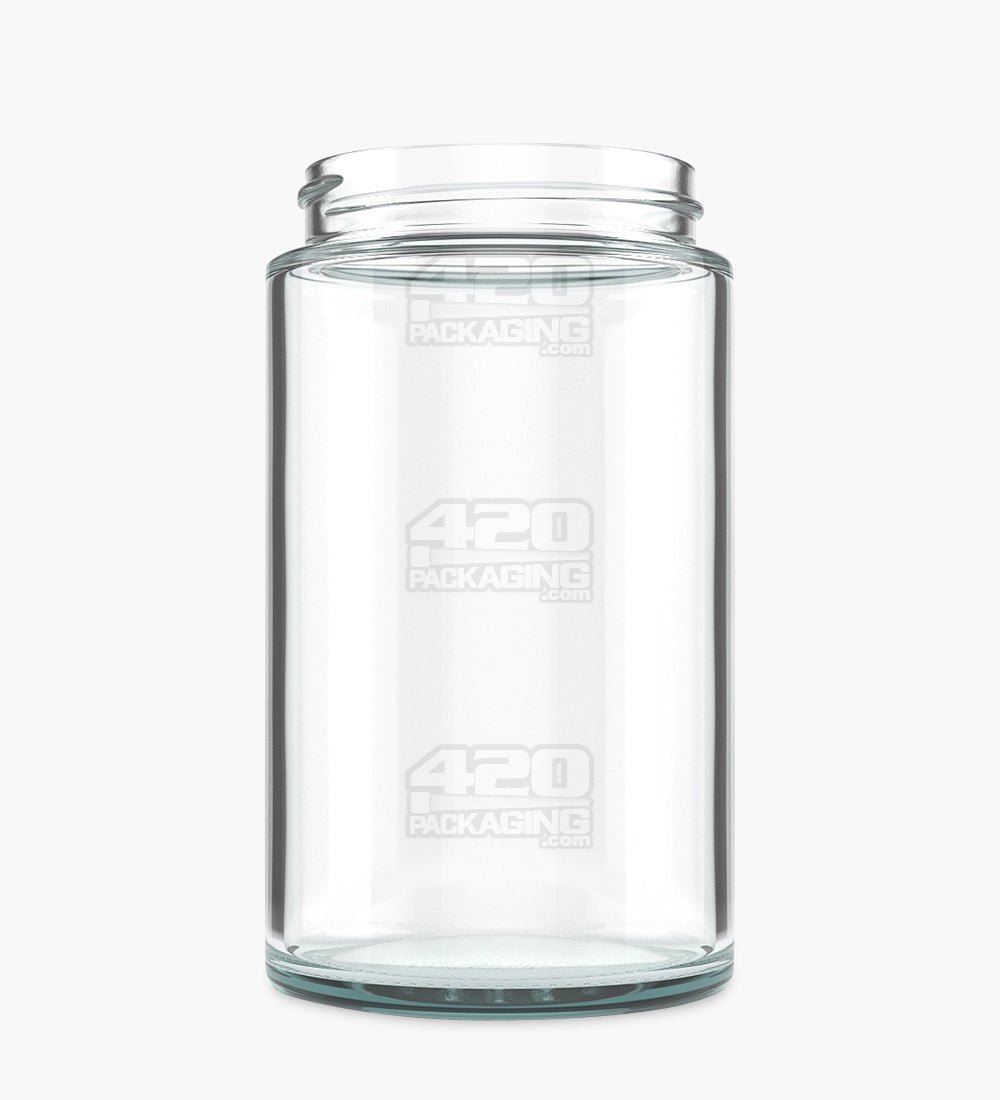
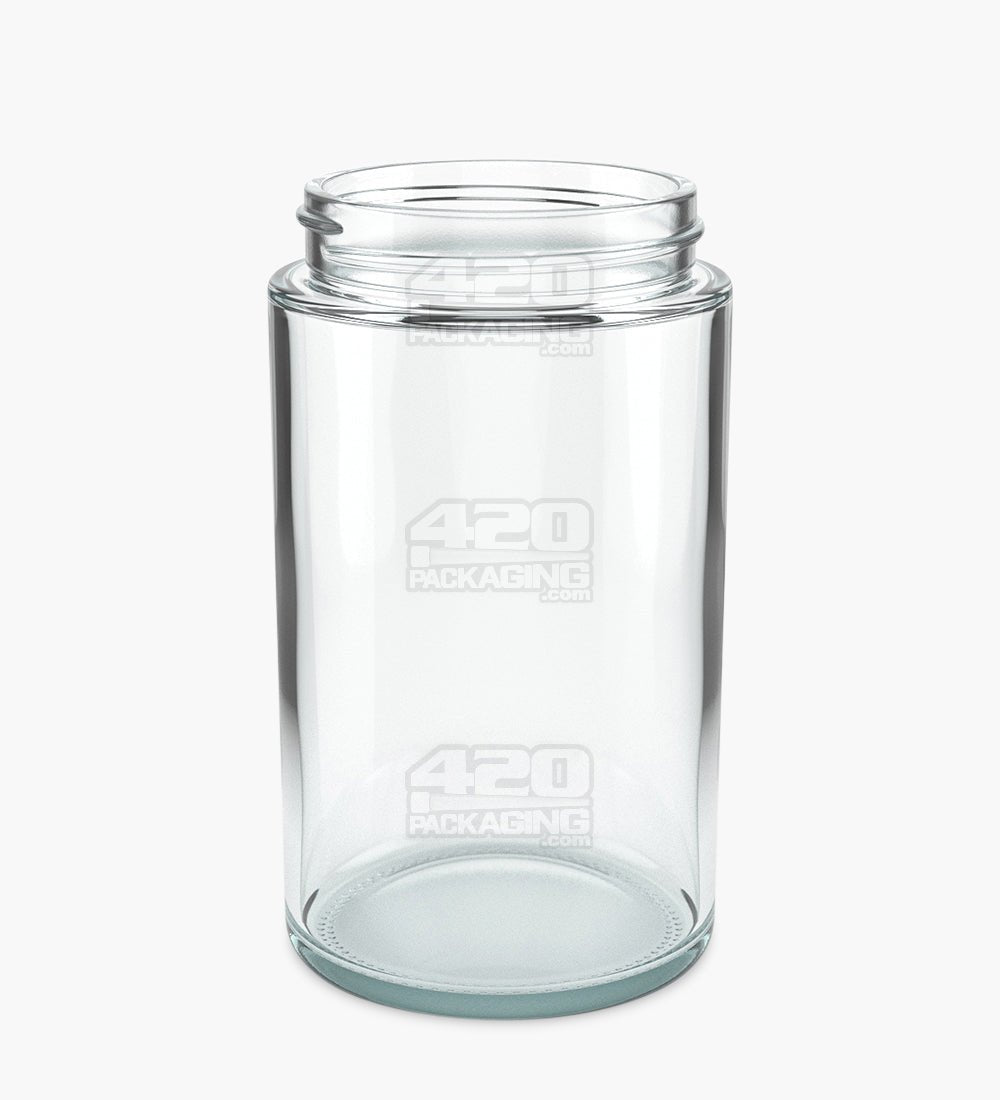
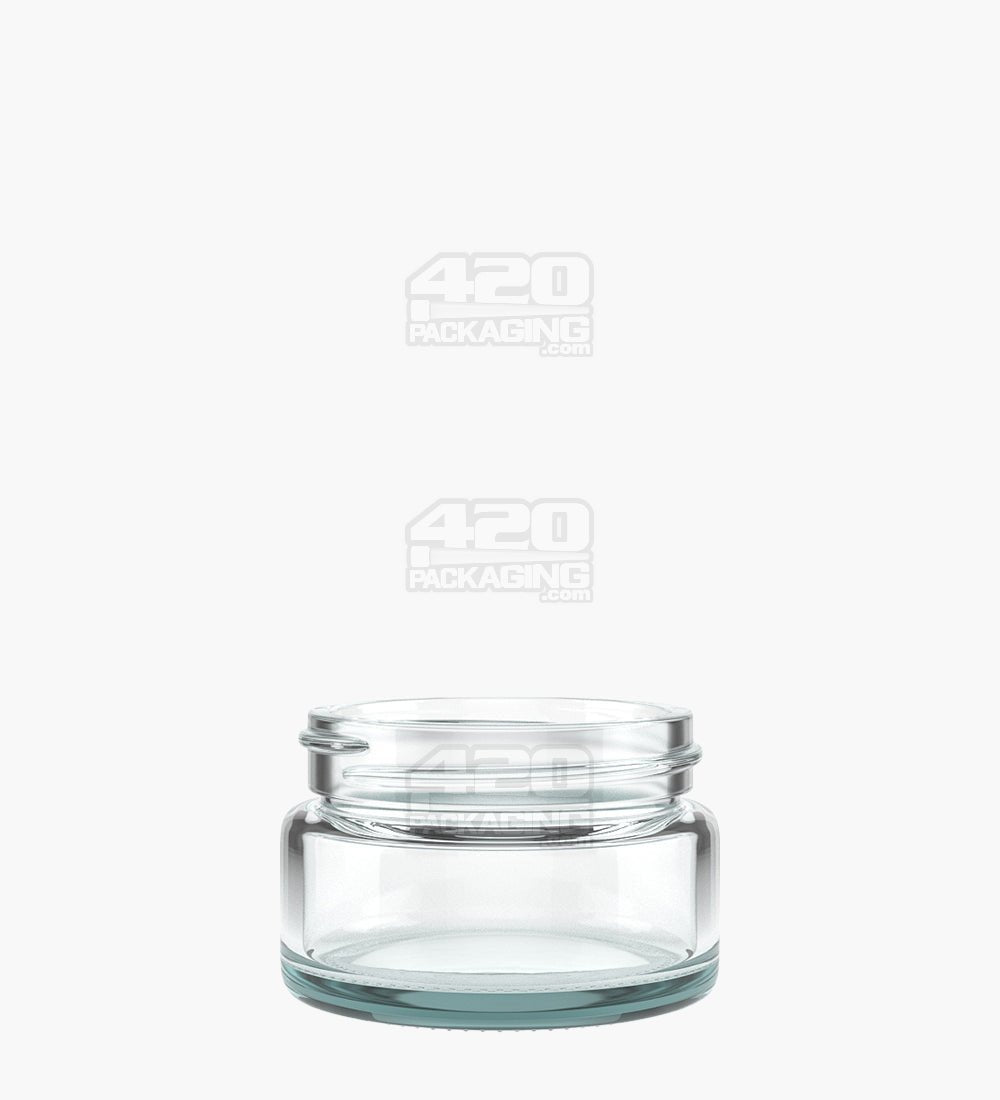
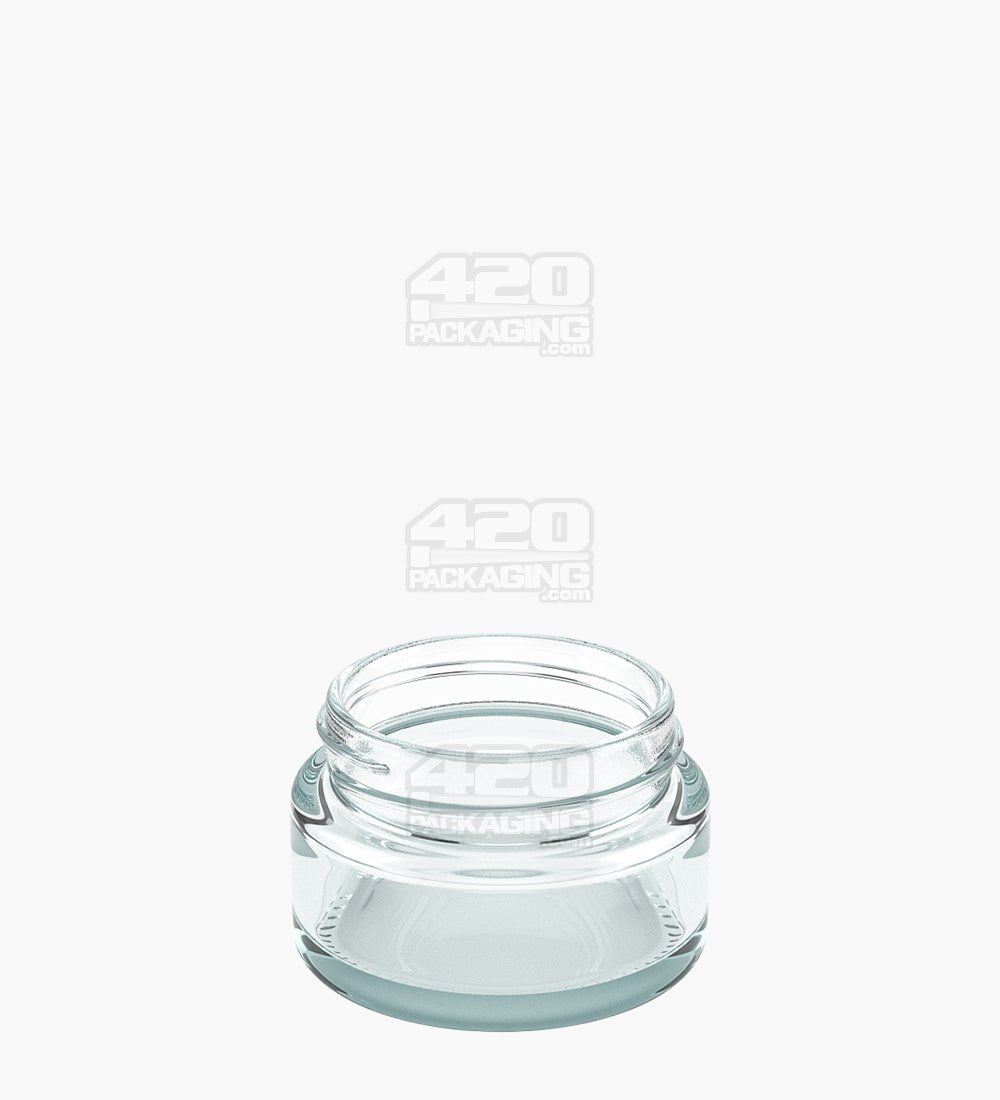
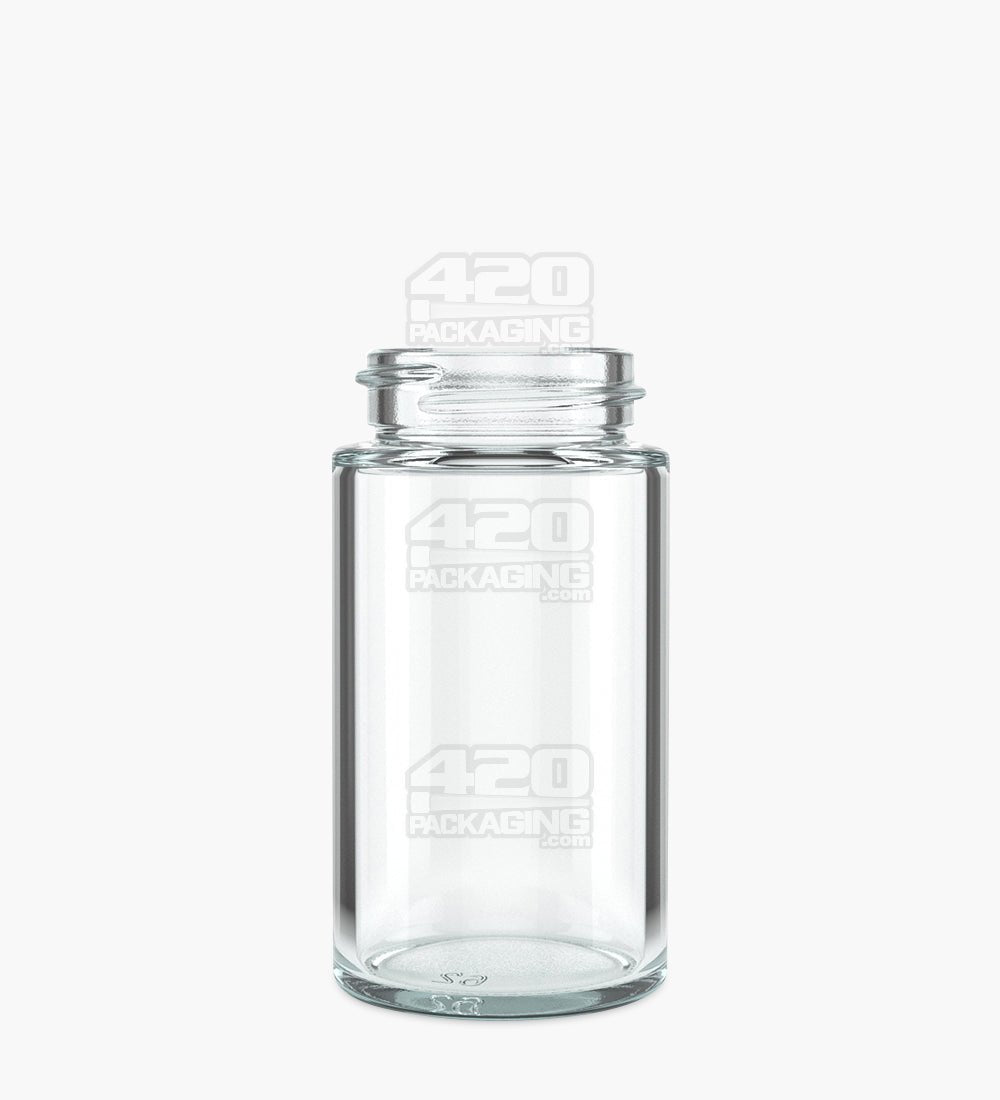
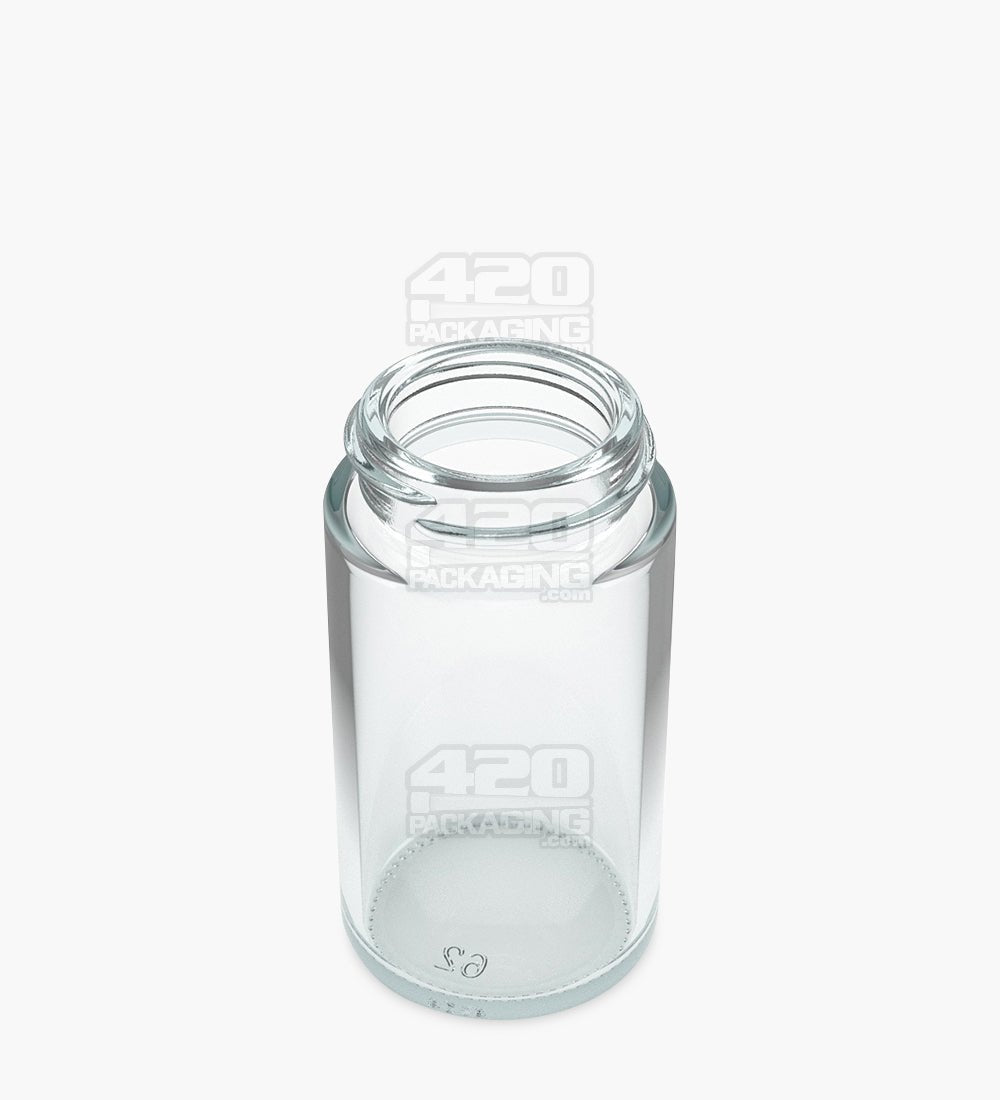
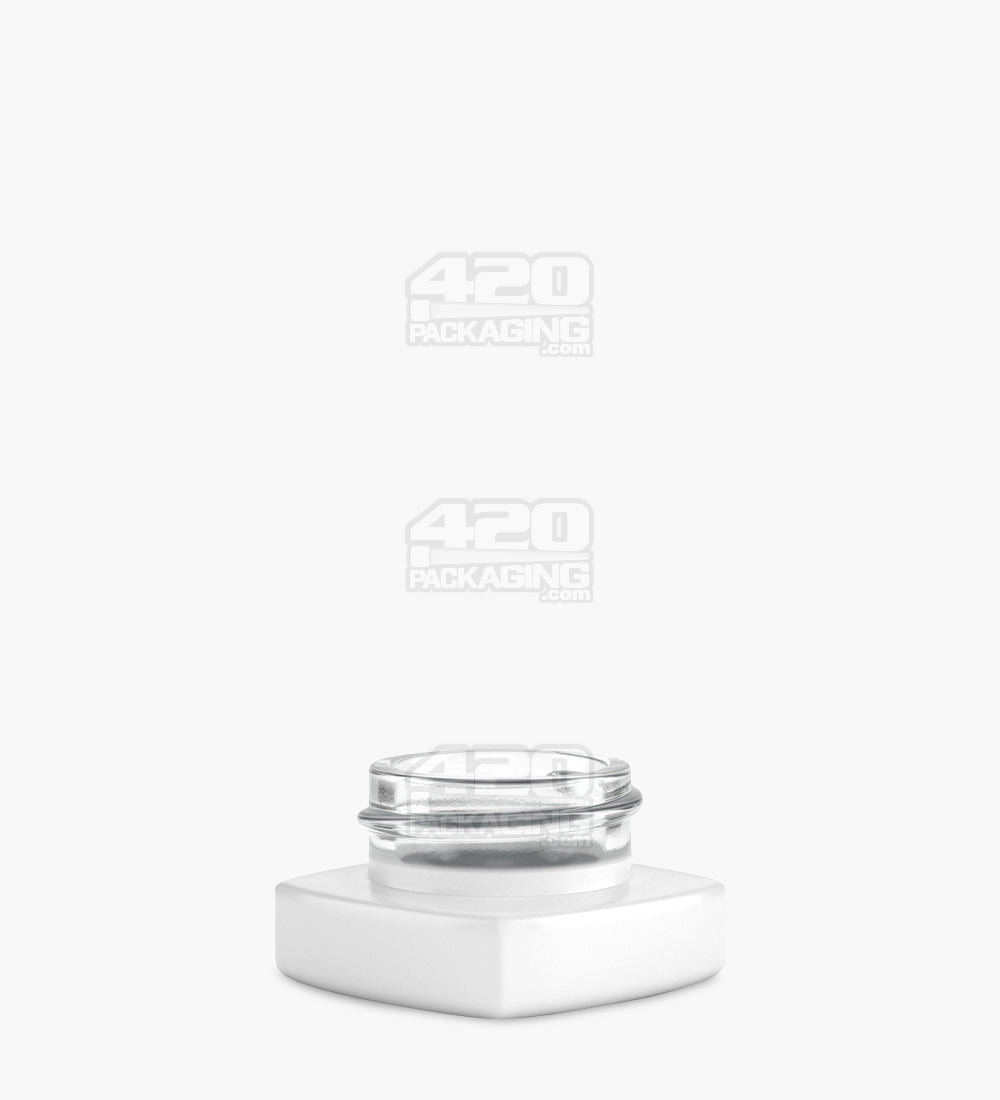
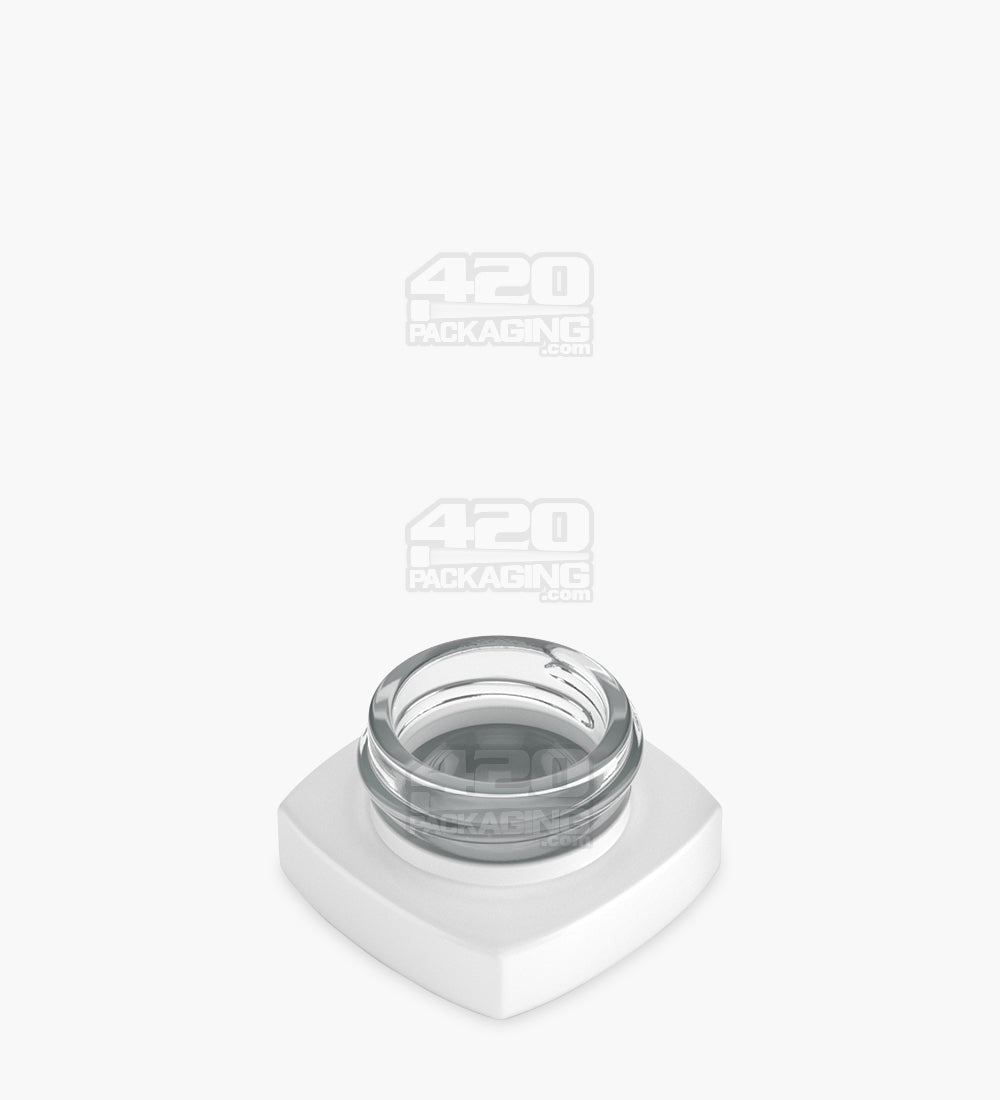
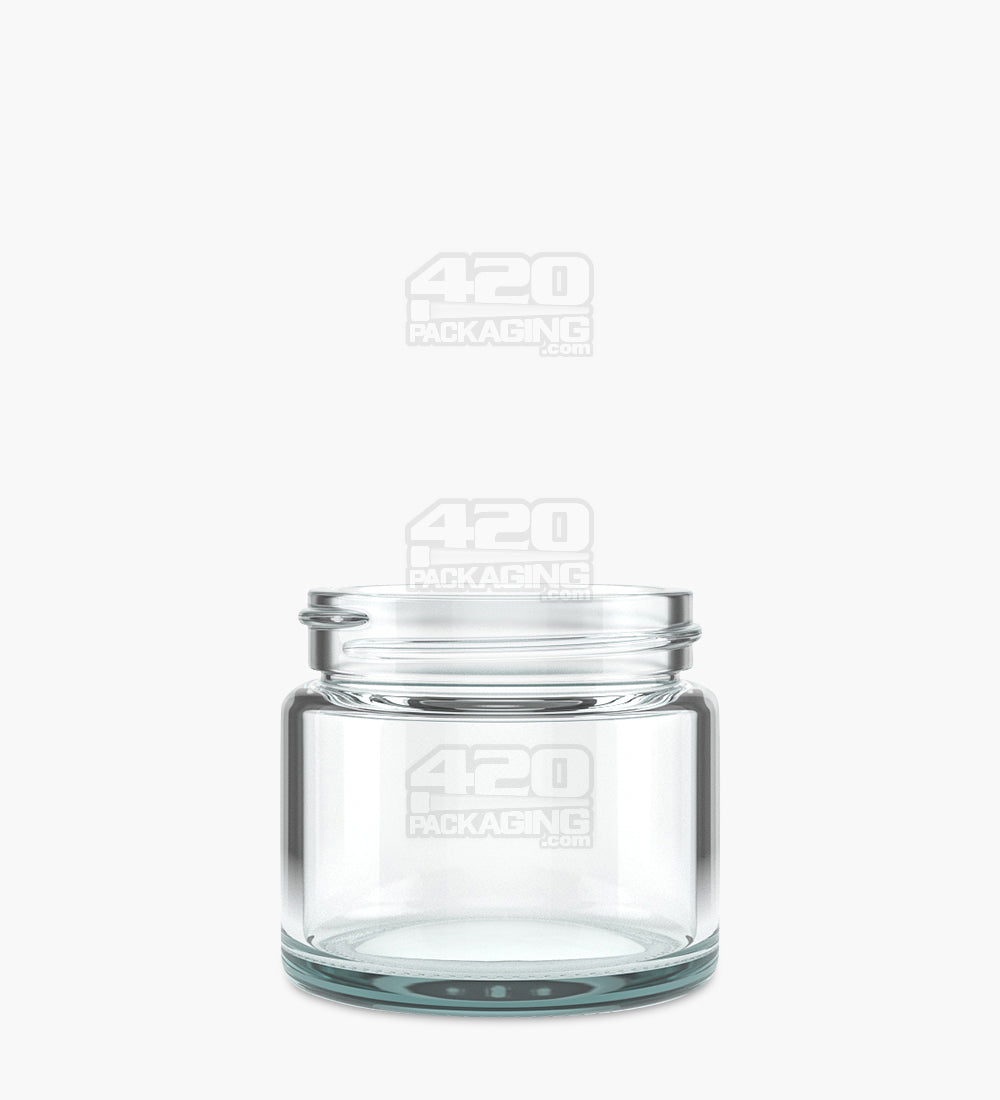
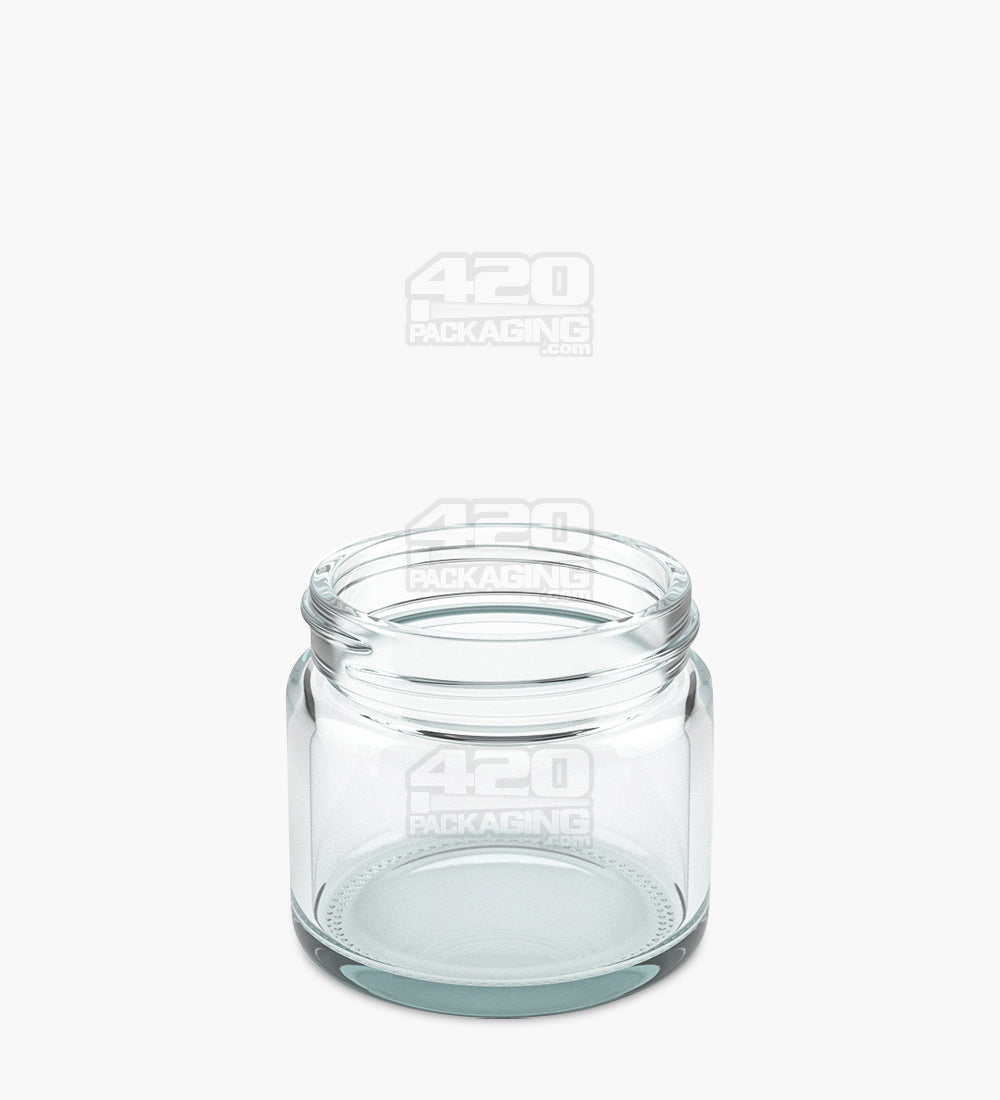


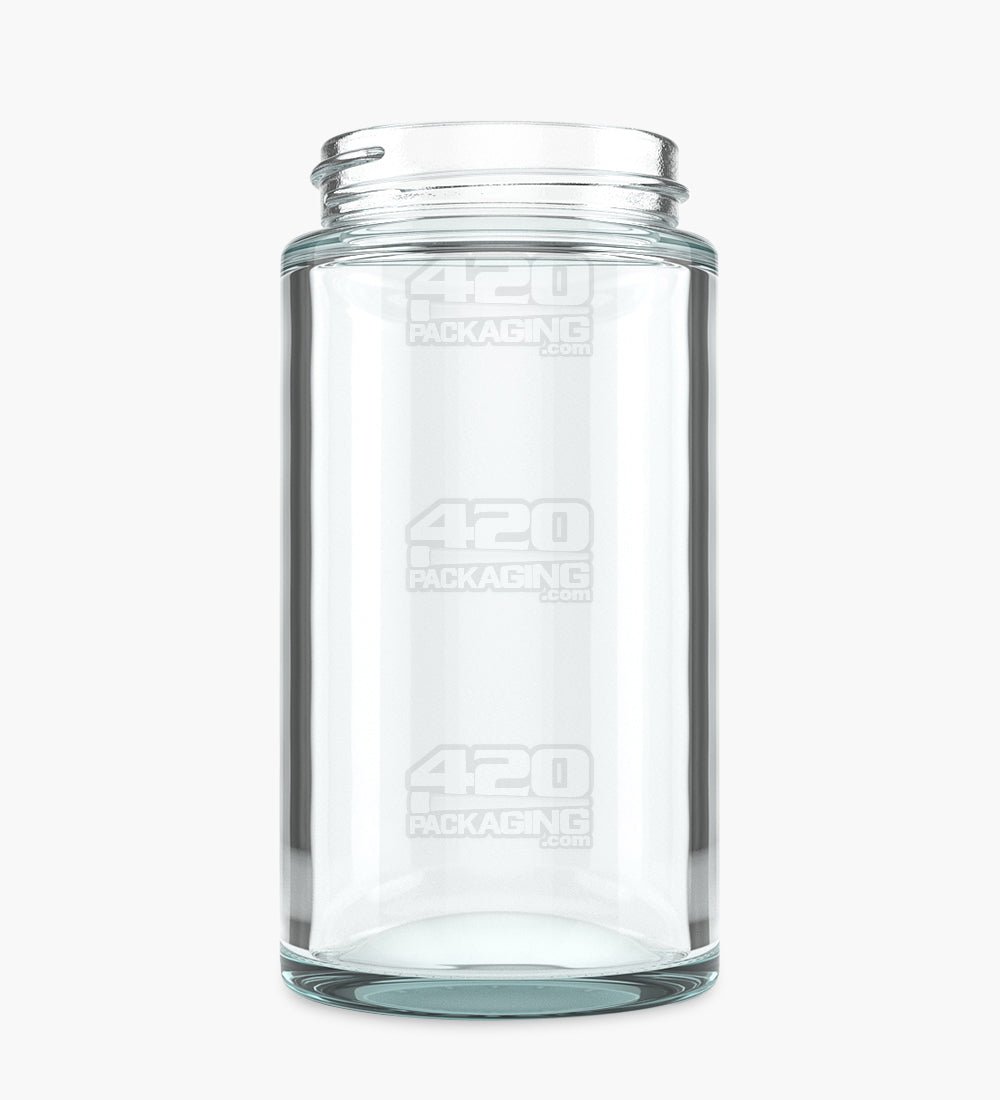
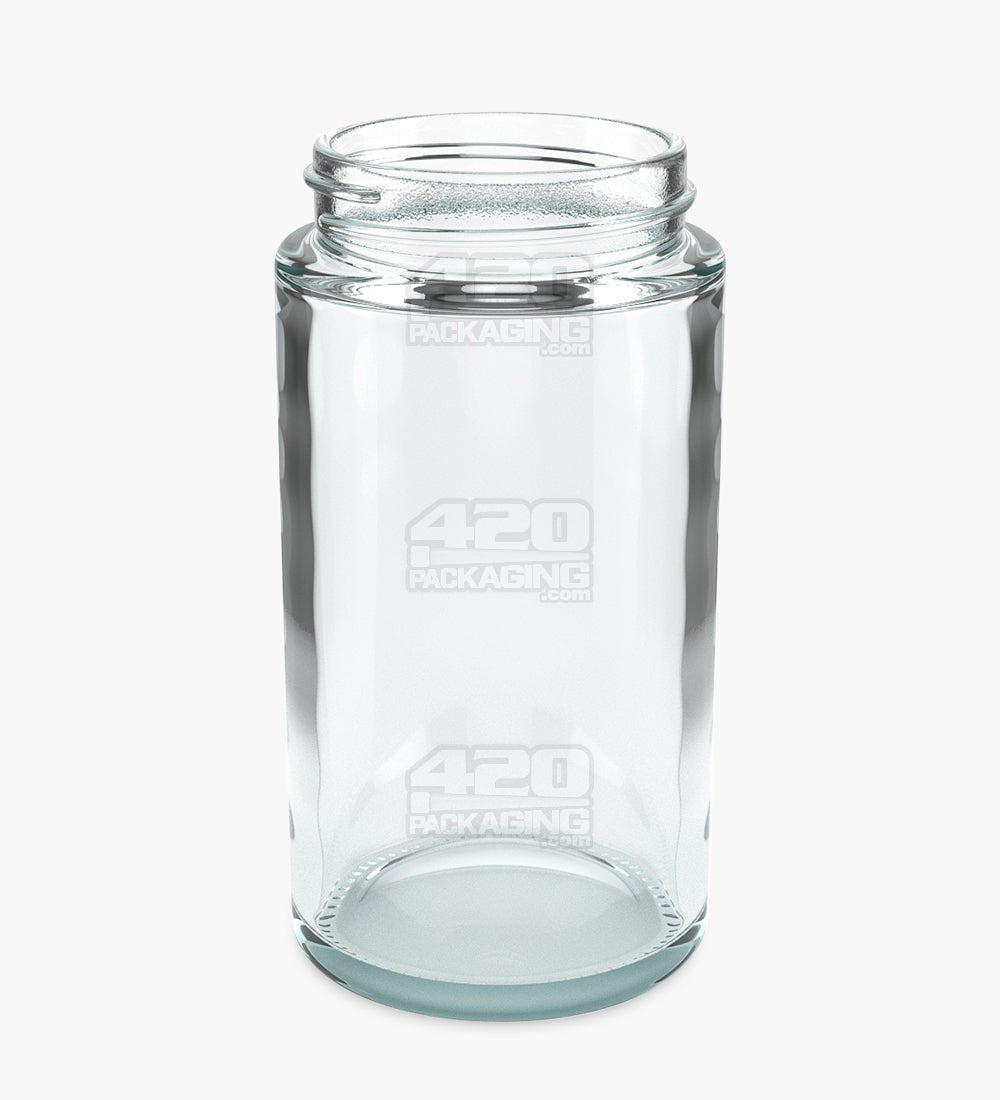
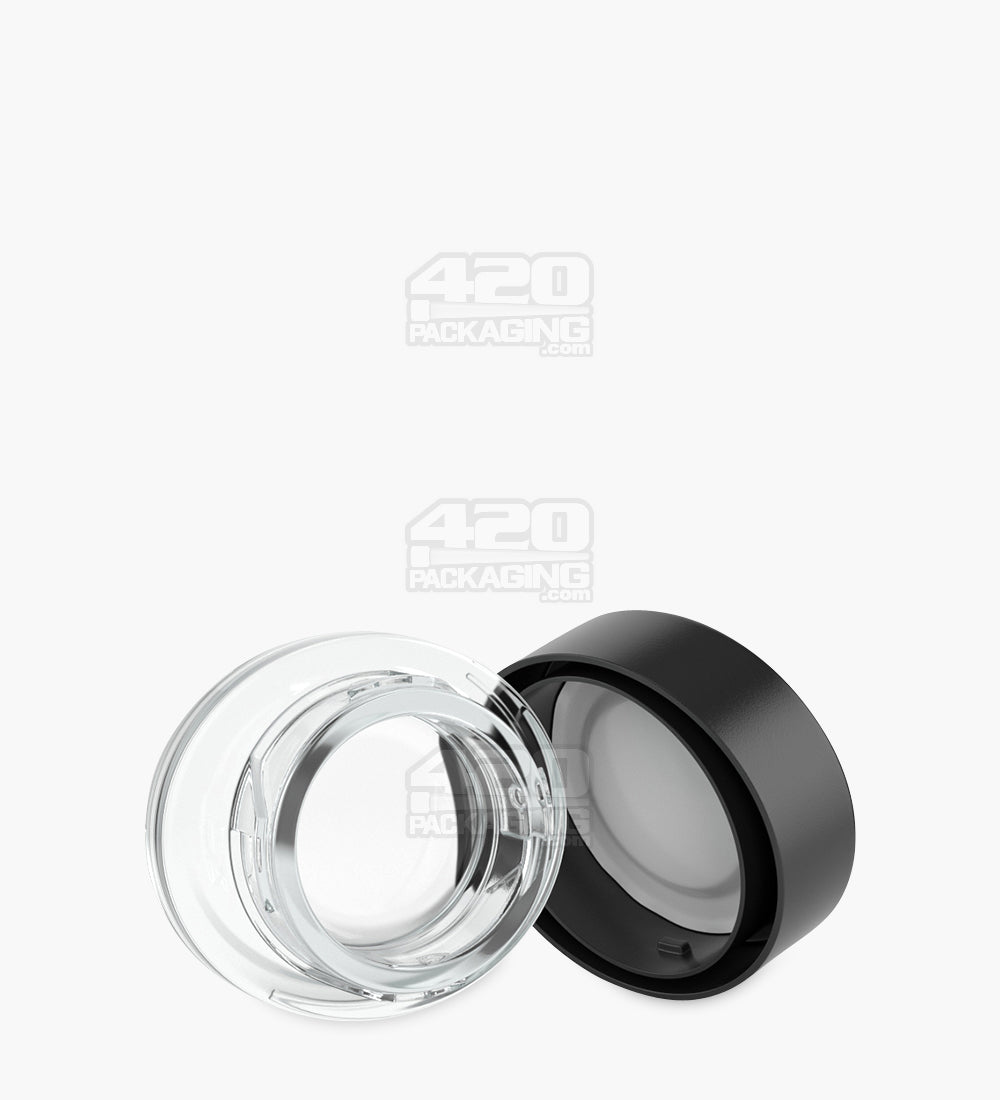
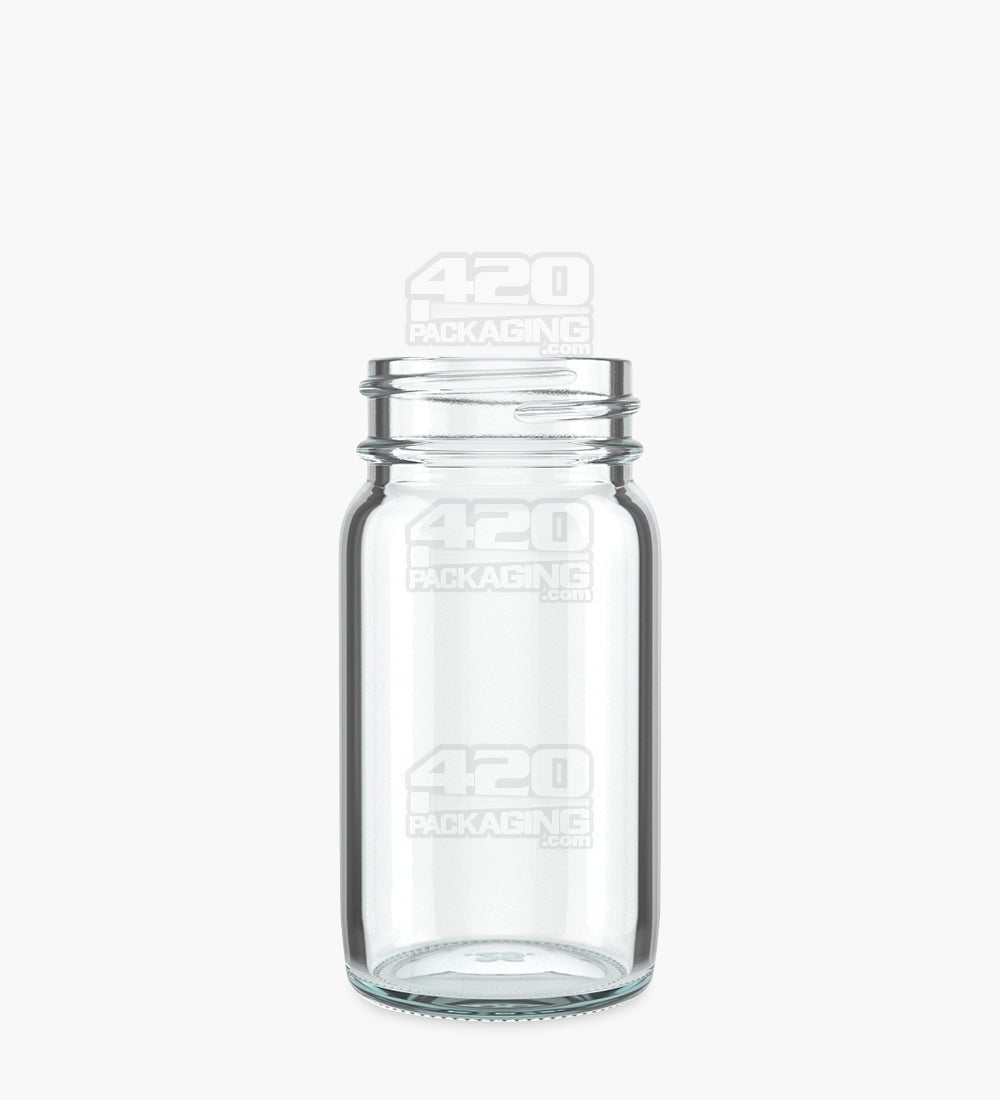
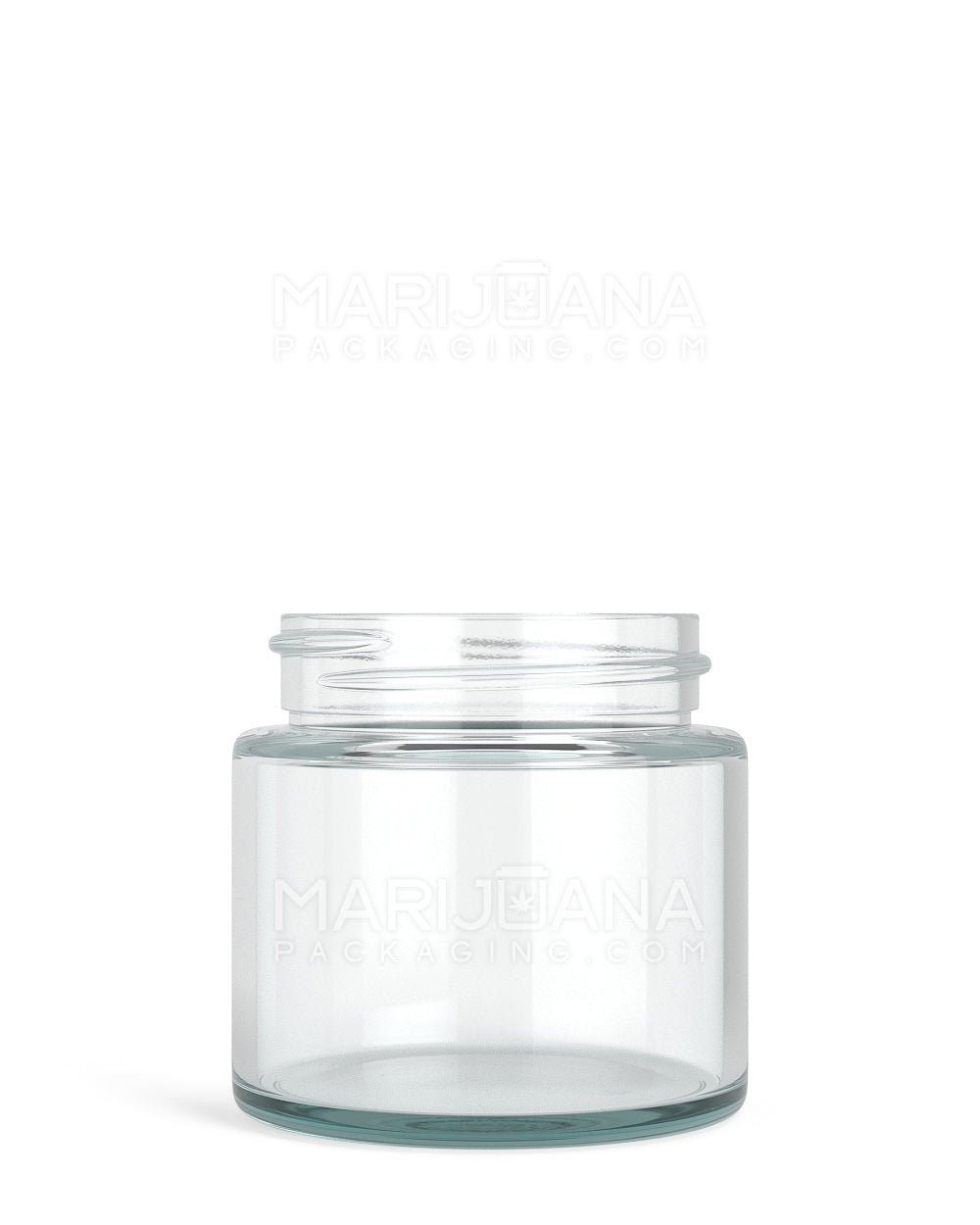
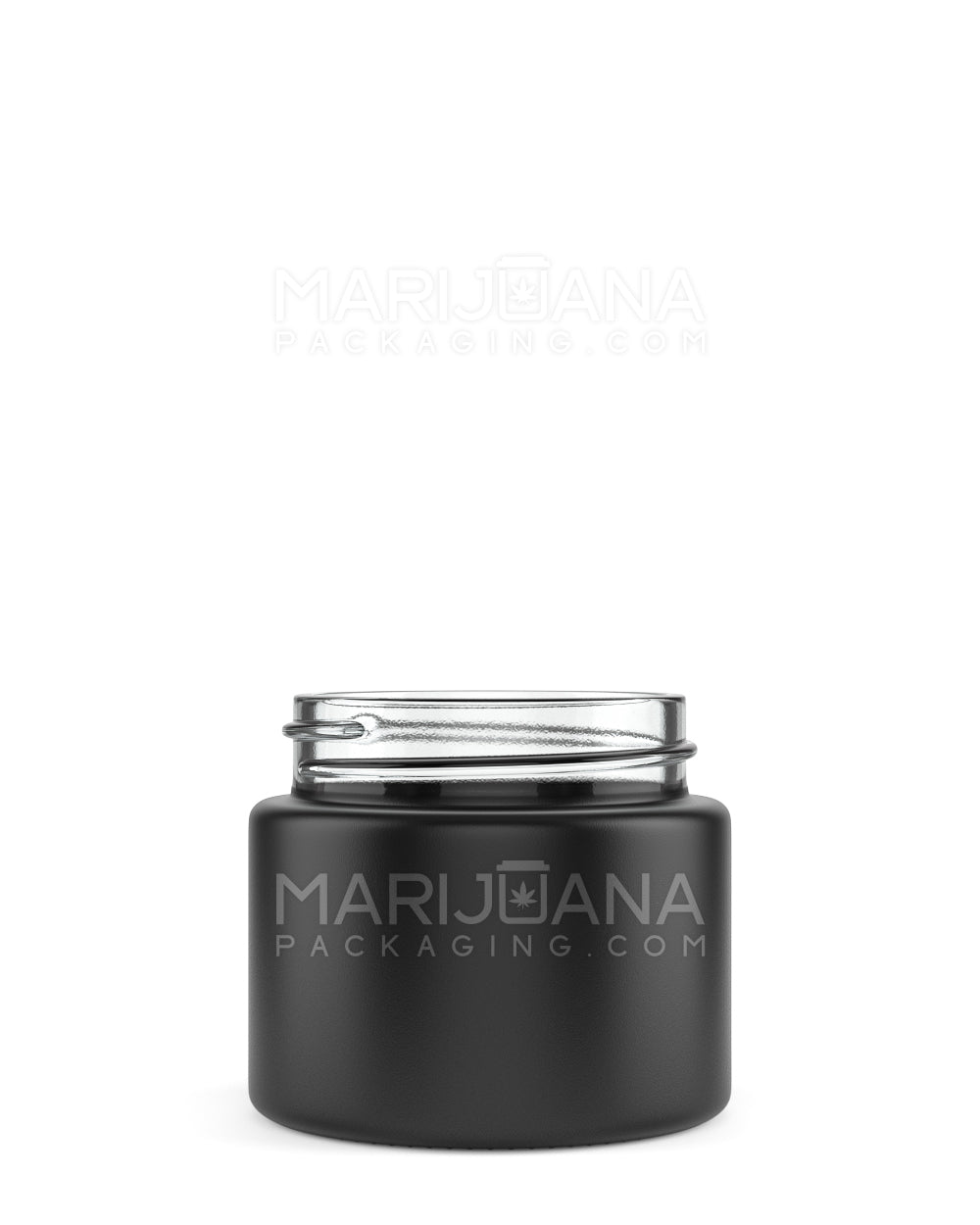
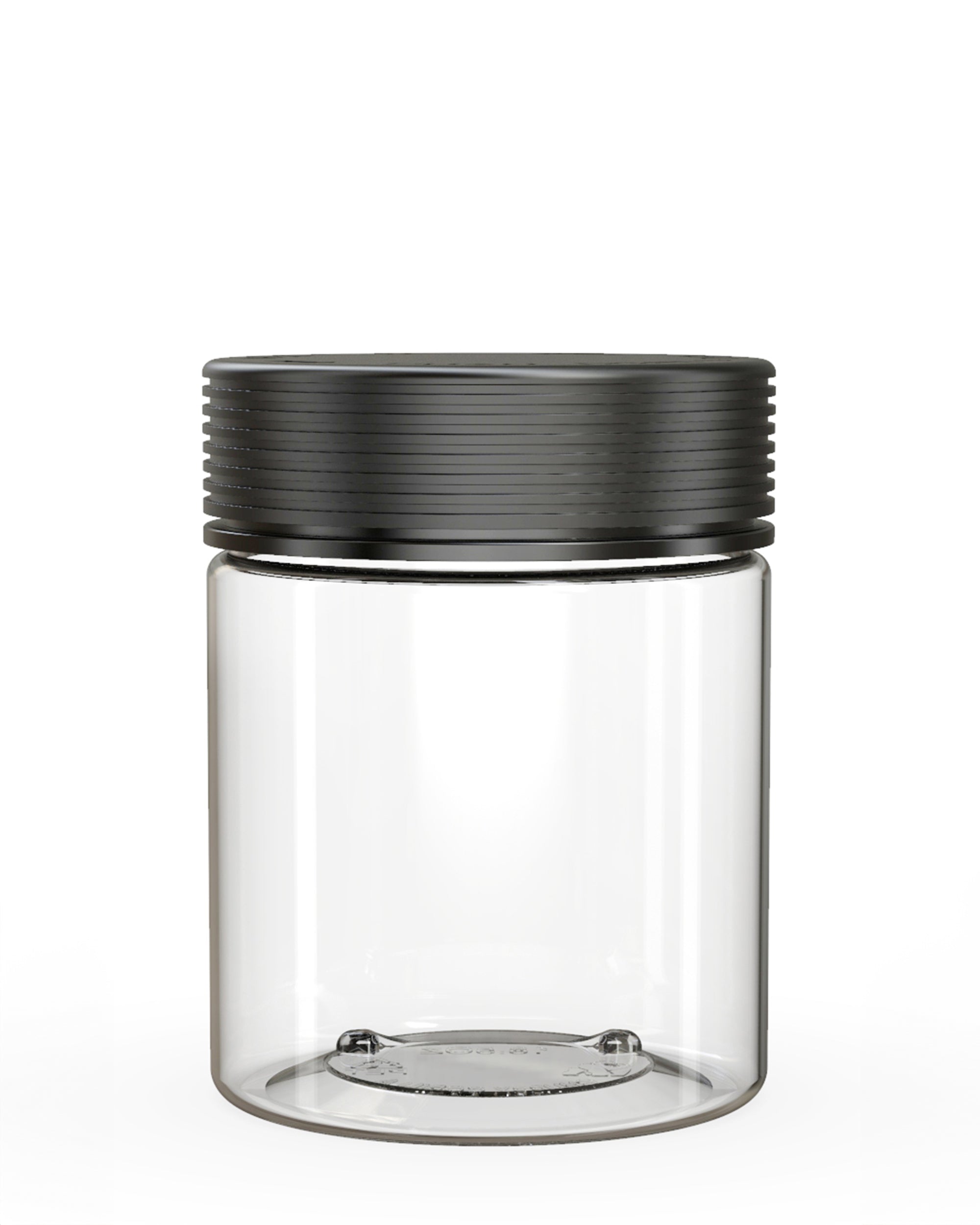
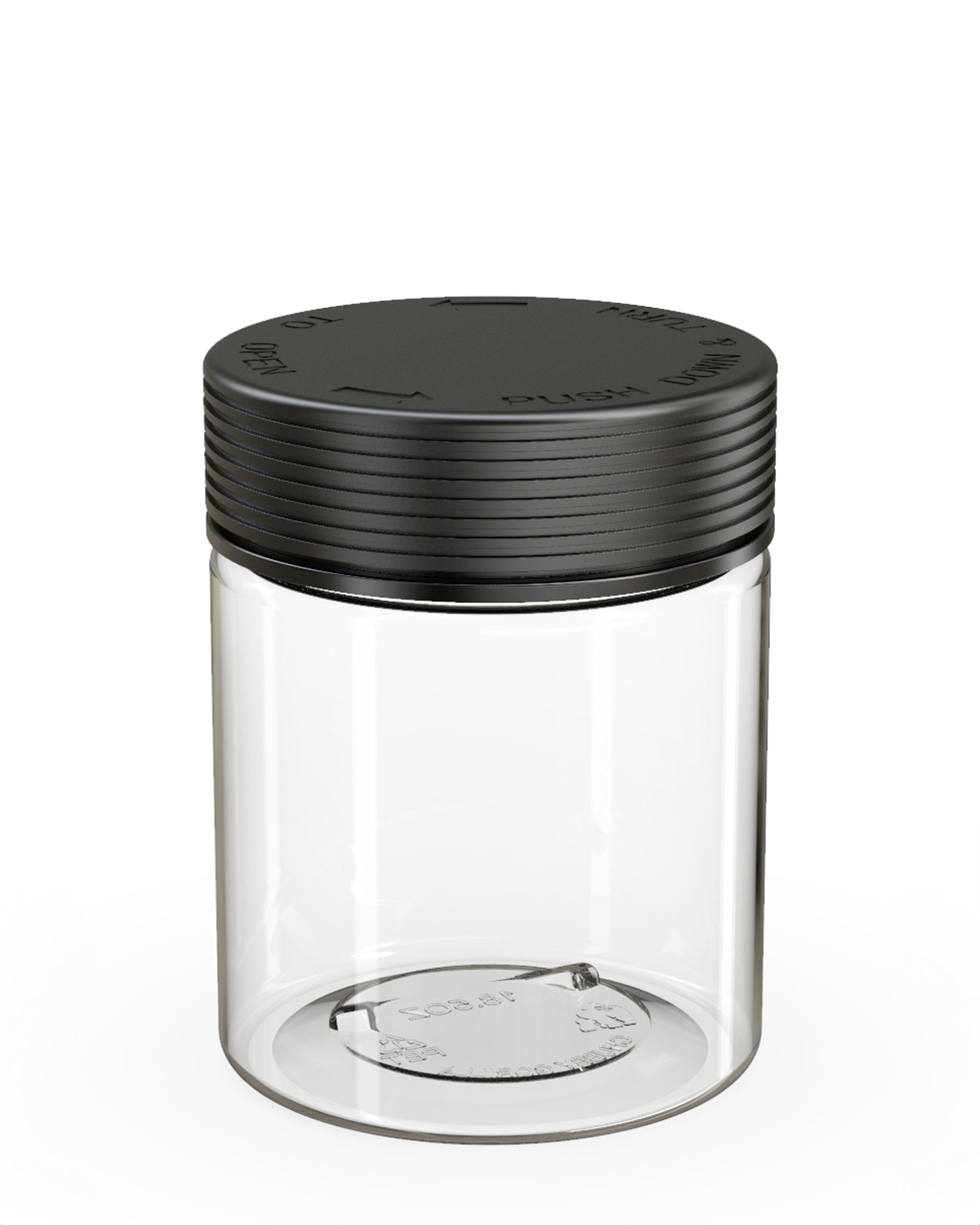
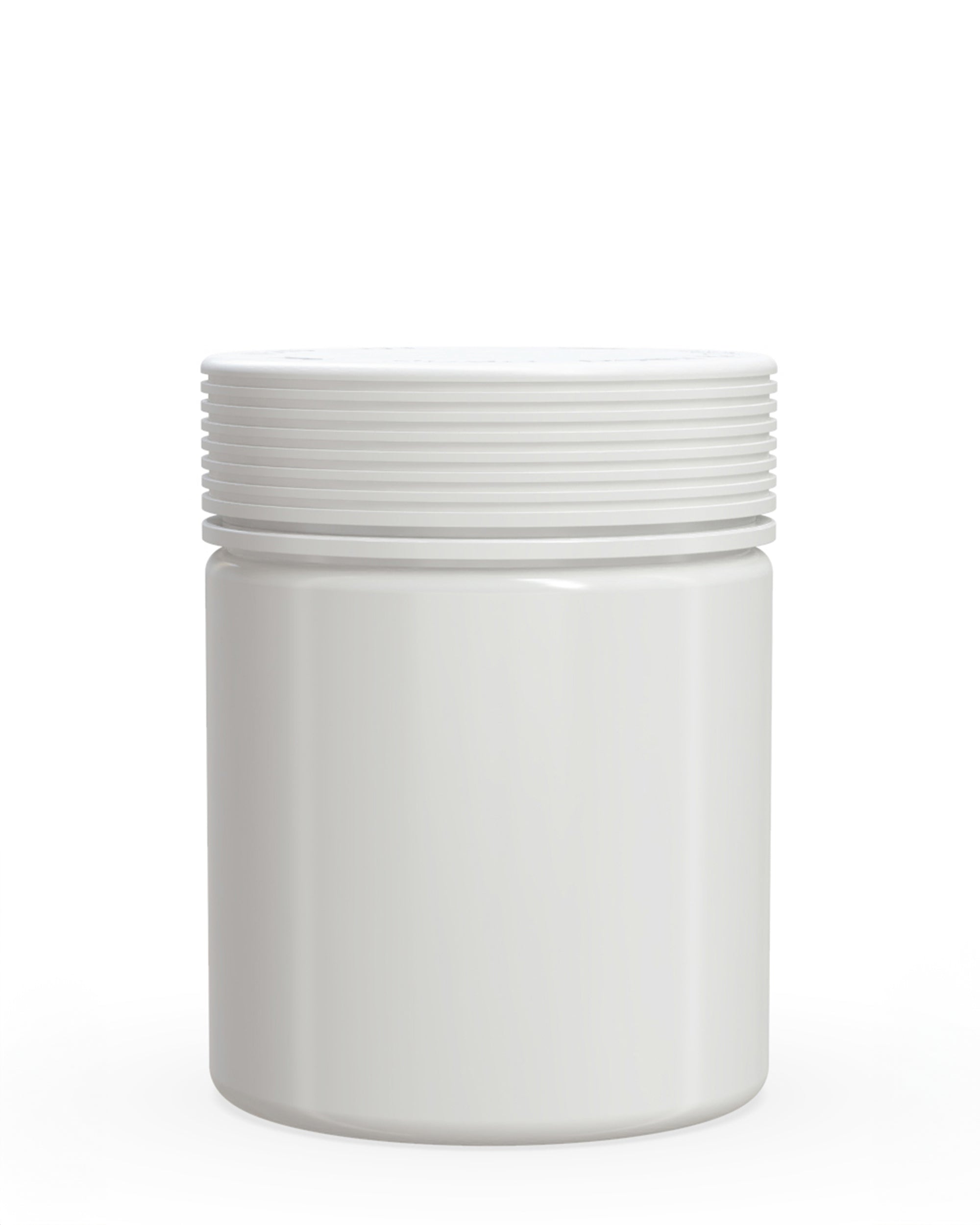
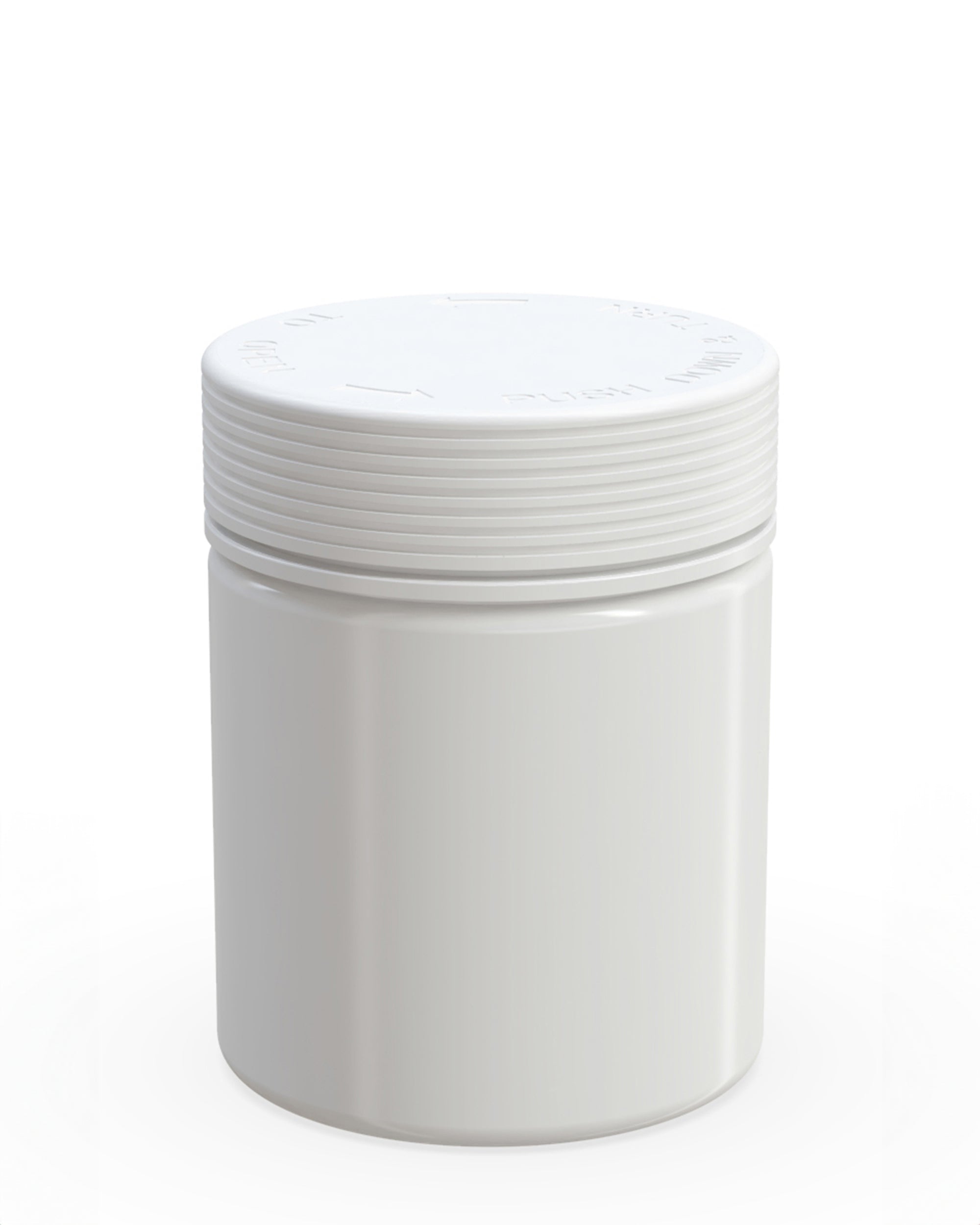
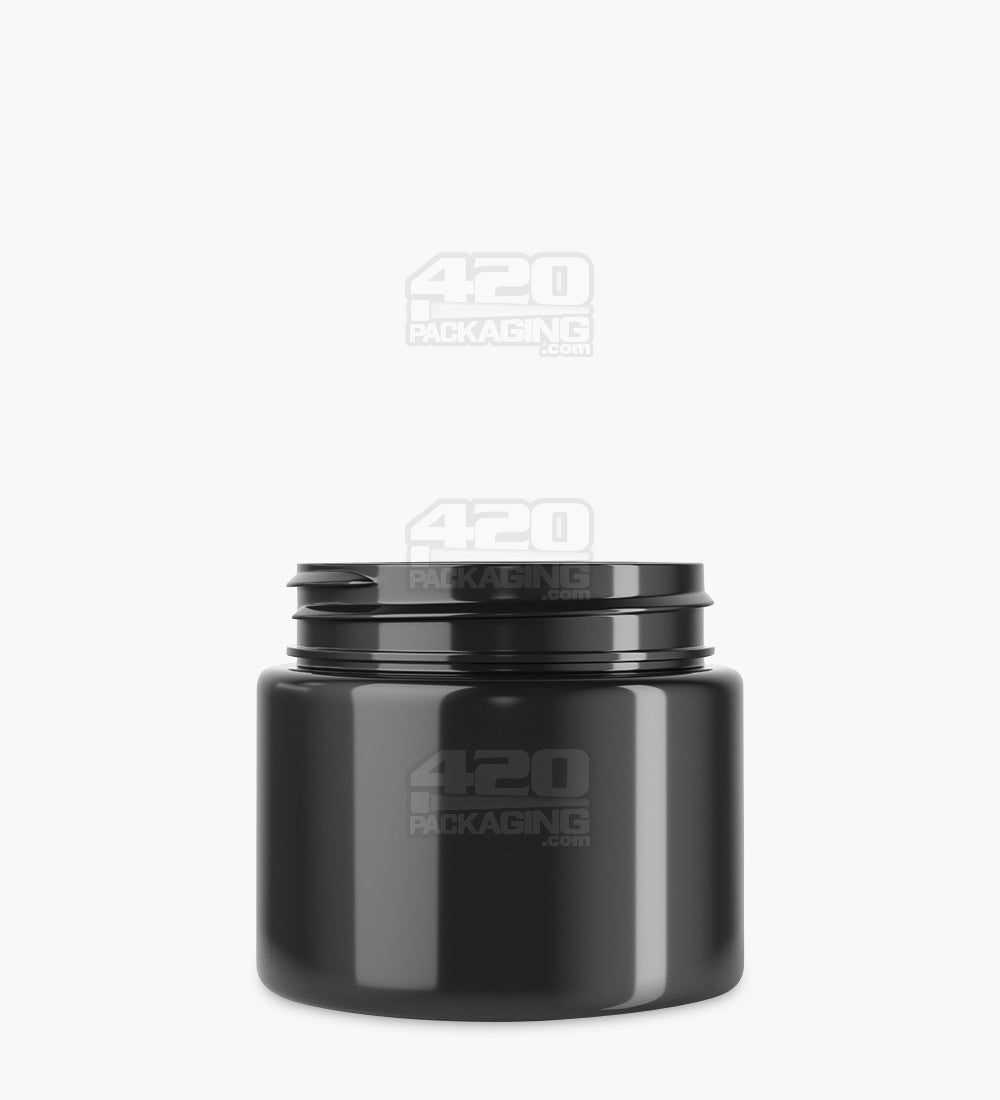


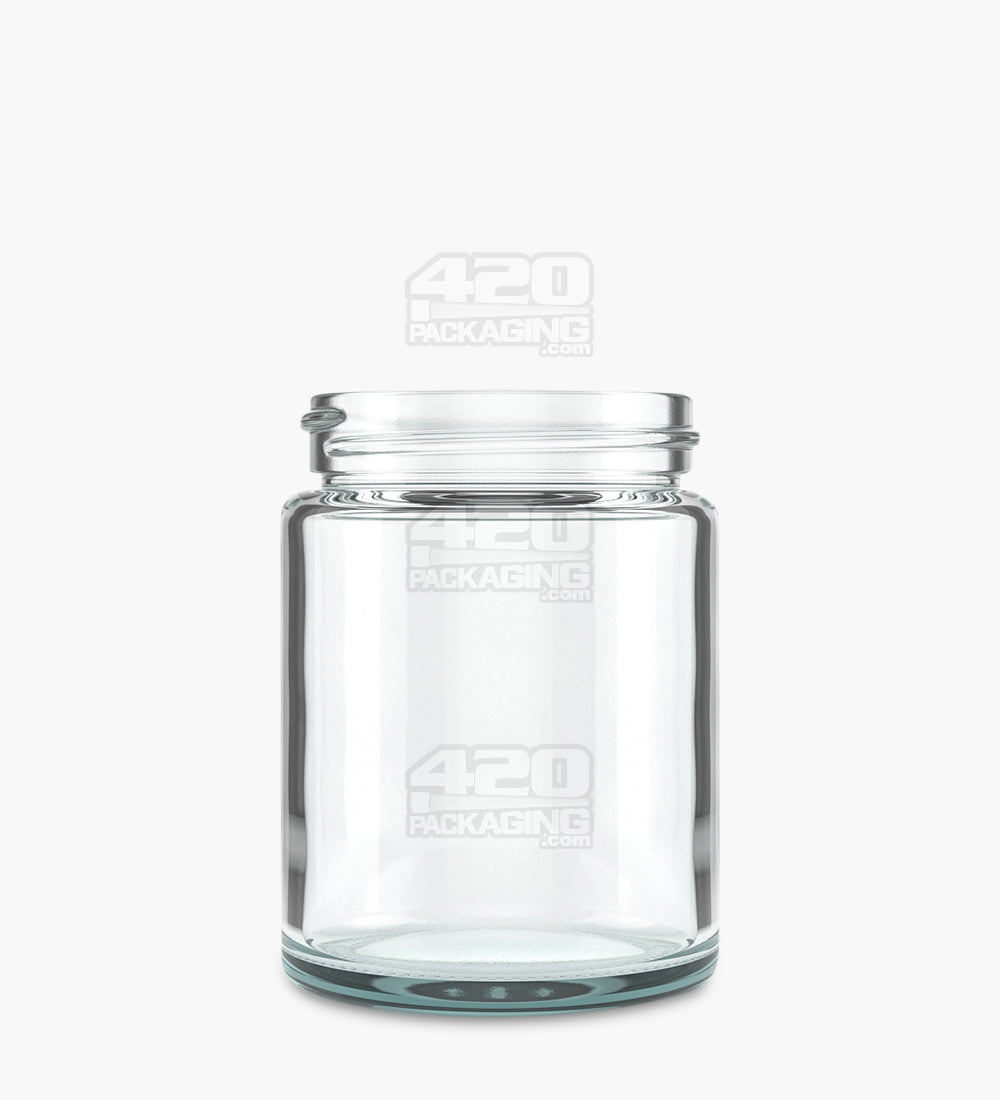
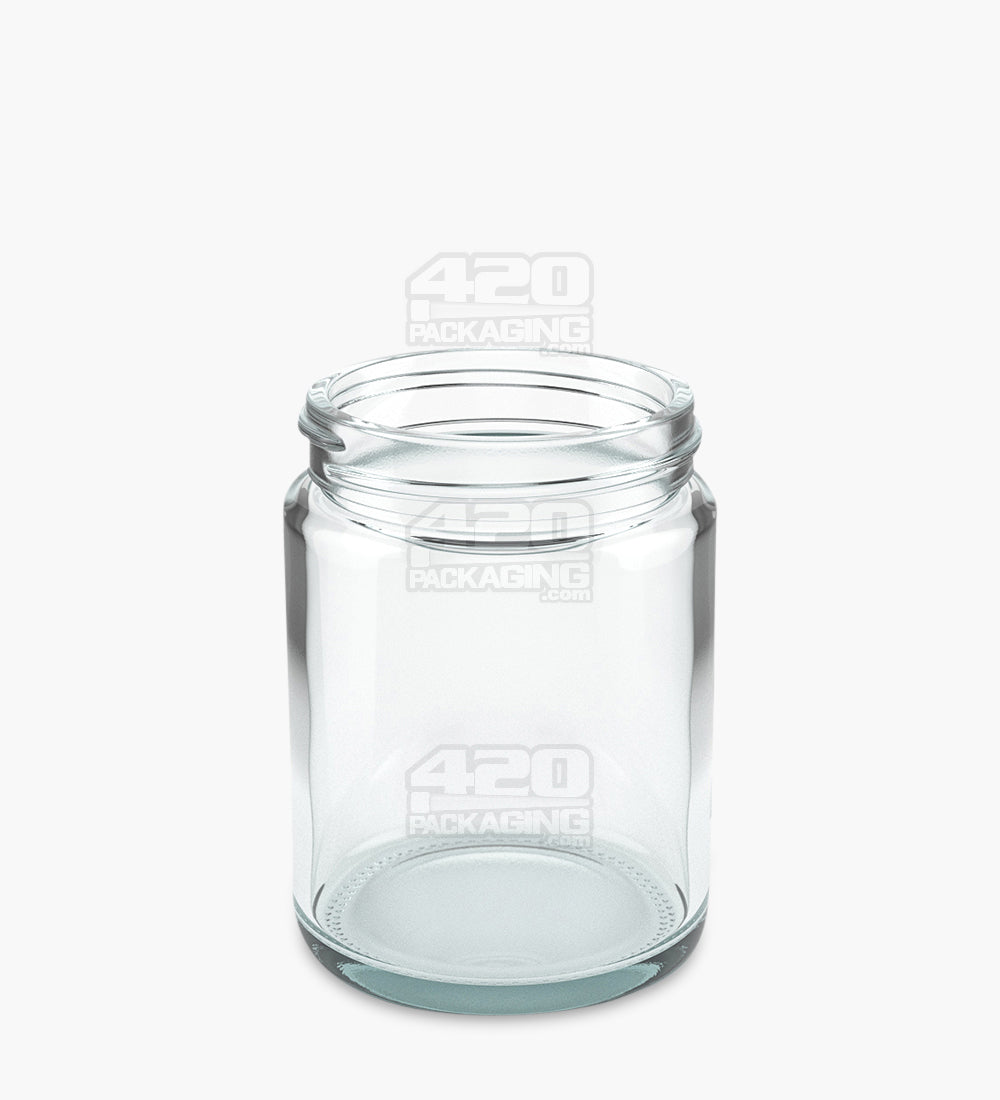
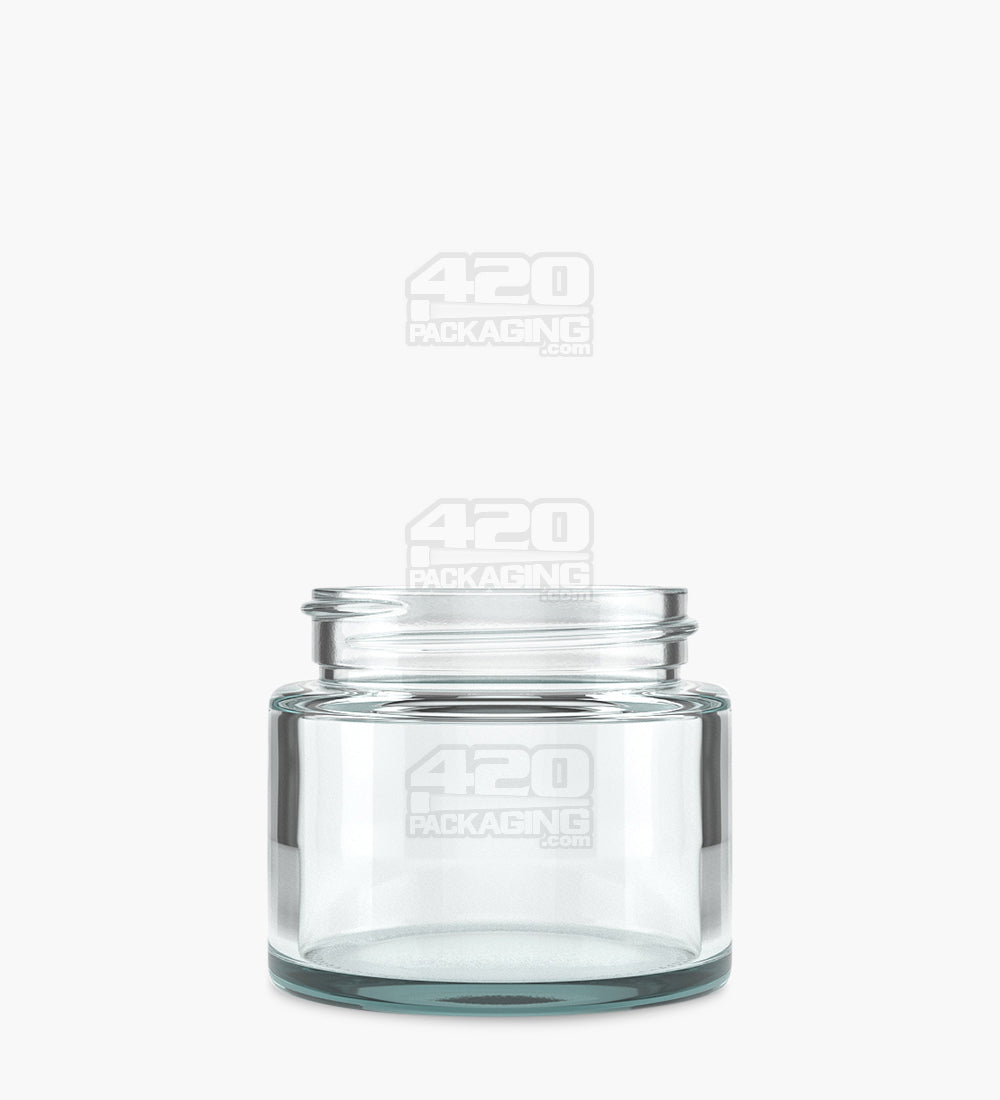
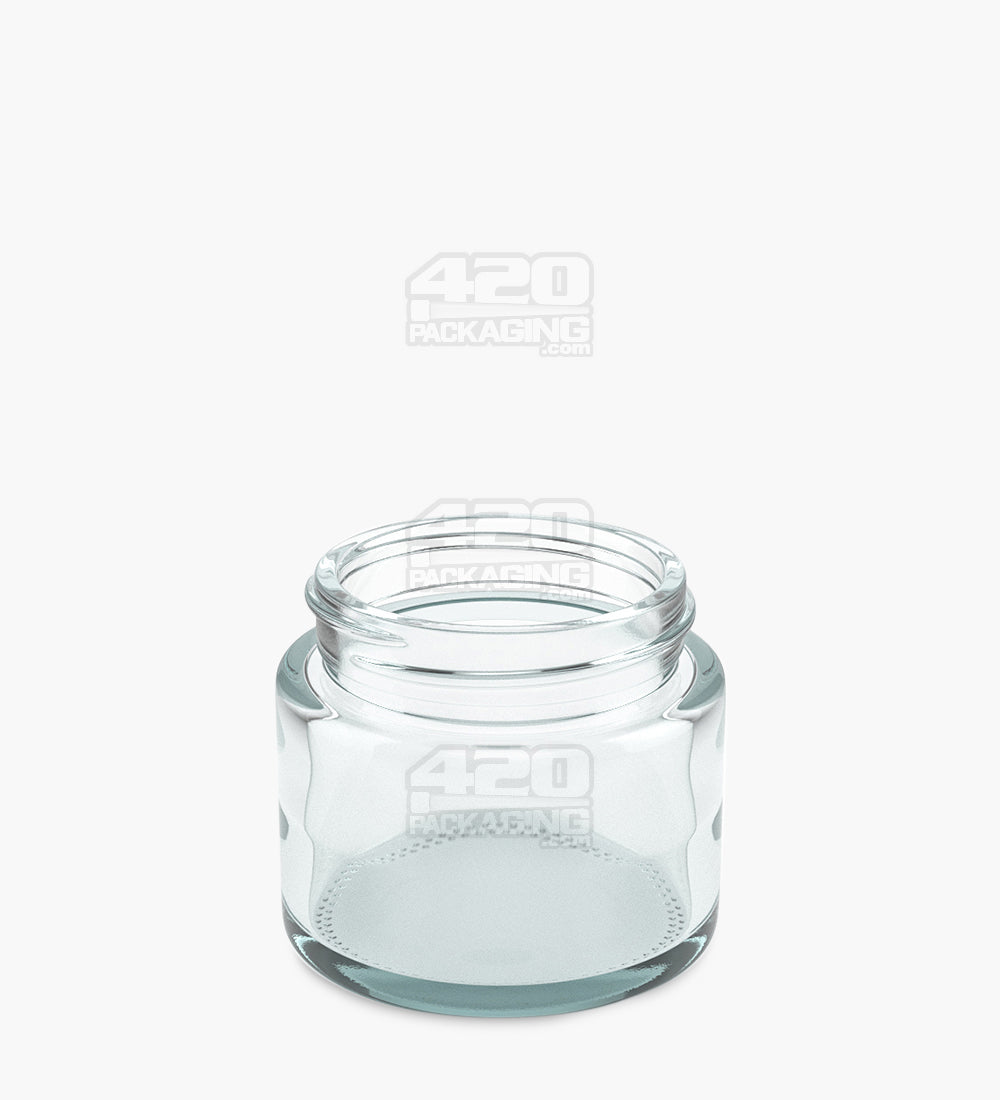


Smell proof cannabis jars are designed to help contain the distinctive aromas of marijuana flower and other suitable cannabis products when paired with an effective closure and sealing system. Marijuana Packaging supplies wholesale smell proof jars for cultivators, processors, manufacturers, dispensaries, and cannabis brands seeking rigid packaging with odor-control capabilities. Our selection includes glass and plastic weed jars in clear and opaque finishes, with compatible lids and sealing components available for different packaging requirements.
For commercial cannabis operations, odor containment depends on more than the container itself. The jar material, cap fit, liner construction, sealing surfaces, and application process all influence whether aromatic compounds can escape from the closed package. Whether sourcing airtight weed jars for retail flower or odor-resistant cannabis containers for a larger packaging program, buyers should evaluate the complete jar-and-closure configuration, product fit, storage conditions, and wholesale purchasing requirements.
Wholesale Smell Proof Jars for Cannabis Packaging
Smell proof jars are rigid containers intended to limit the movement of aromatic compounds from packaged cannabis into the surrounding environment. They are commonly associated with cannabis flower because dried buds contain volatile compounds responsible for the plant's distinctive scent.
For cannabis brands and manufacturers, odor-resistant packaging can support more controlled storage, product handling, distribution, and retail presentation. An effective jar-and-closure system helps keep the packaged product enclosed while reducing unwanted aroma transfer from a properly sealed container.
These products serve a more specialized purpose than general cannabis jars. While any appropriately sized jar may physically contain flower, an odor-control application places additional emphasis on the sealing interface, material barrier properties, and performance of the assembled package.
Why Odor Control Matters in Commercial Cannabis Packaging
Cannabis flower contains aromatic compounds that can be detected at relatively low concentrations. The intensity and character of the scent vary between cultivars and finished products, making odor containment a relevant consideration for packaging programs handling multiple flower varieties.
Odor-resistant packaging can help businesses address several operational needs:
- Retail packaging: Limiting aroma escape from properly closed containers during storage, handling, and presentation.
- Wholesale distribution: Reducing odor transmission from individual finished packages within cases and shipments.
- Product segregation: Helping limit aroma transfer between separately packaged flower varieties.
- Storage consistency: Providing a defined barrier between the packaged product and the surrounding environment.
- Brand presentation: Supporting a controlled retail packaging experience without requiring the package to remain open.
- Packaging standardization: Establishing repeatable jar, cap, and liner configurations across production batches.
- Inventory management: Coordinating containers and sealing components for recurring wholesale packaging operations.
These benefits depend on the actual performance of the finished container. A jar advertised for odor control should not automatically be treated as providing complete odor elimination under every storage or handling condition.
Smell Proof, Odor Resistant, and Airtight Packaging
The terms smell proof, odor proof, odor resistant, and airtight are often used when describing cannabis storage jars. Although closely related, they should not be treated as interchangeable technical guarantees.
Smell proof is a common commercial term describing packaging intended to prevent or substantially reduce the escape of detectable odors.
Odor resistant describes a package intended to limit odor movement without necessarily claiming that no aromatic compounds can pass through the system.
Airtight describes a sealing characteristic related to limiting air movement through the assembled package. The degree of airtightness depends on the container, closure, liner, and conditions under which the seal is evaluated.
A container may perform well in one aspect without establishing every other characteristic. For commercial purchasing, the meaningful question is whether the specific jar-and-closure system provides the odor containment required by the intended application.
How Smell Proof Jars Contain Cannabis Odors
Cannabis odors originate from volatile compounds that can move from the flower into surrounding air. When a jar is closed, those compounds may accumulate within the package's internal atmosphere. Whether they subsequently escape depends on the barrier characteristics of the container and the integrity of its closure.
Understanding where odor can escape helps cannabis manufacturers select suitable jars, caps, and sealing components without relying exclusively on product descriptions.
The Aromatic Compounds in Cannabis Flower
Cannabis flower contains a complex mixture of volatile organic compounds that contribute to its aroma. Terpenes and terpenoids are important contributors to the floral, citrus, pine, earthy, and other aromatic characteristics associated with different cultivars.
However, terpenes are not the only compounds responsible for cannabis odors. Certain volatile sulfur compounds, including thiols, contribute strongly to the pungent, skunk-like scent associated with some cannabis varieties.
Research published in ACS Omega and available through the National Institutes of Health's scientific literature archive identified a family of volatile sulfur compounds associated with the characteristic skunky aroma of cannabis.
This matters for packaging because odor containment involves limiting the movement of multiple types of volatile compounds, not simply selecting a container described as protecting terpenes.
Where Cannabis Odors Can Escape
A closed jar can have several potential pathways for odor transmission.
| Potential Odor Pathway | Why It Matters | Packaging Consideration |
|---|---|---|
| Container walls | Some packaging materials permit different levels of gas and vapor transmission. | Evaluate the material's barrier characteristics. |
| Jar and cap interface | Gaps or incomplete closure engagement can allow air and aromatic compounds to pass. | Verify neck-finish compatibility and correct cap application. |
| Cap liner | An unsuitable, damaged, or poorly seated liner can compromise the intended seal. | Confirm liner construction, fit, and sealing requirements. |
| Closure components | Materials within a closure may have different permeability or sealing characteristics. | Evaluate the complete cap assembly, not only the jar walls. |
| Exterior contamination | Aromatic residue transferred to the outside of the package can produce odor independently of the internal seal. | Maintain clean filling, capping, and handling procedures. |
| Opening and reclosing | Opening releases internal aroma, while repeated use can affect the condition of sealing components. | Evaluate both initial and repeated-use performance. |
These pathways explain why a rigid jar alone cannot establish odor-proof performance. Even a container made from a strong barrier material may allow aroma escape if its closure is incompatible, incorrectly installed, or damaged.
Why the Complete Package Matters More Than the Empty Jar
An empty jar can provide useful information about material, capacity, and construction. However, odor containment is a function of the assembled packaging system.
The package should be evaluated with the intended lid, liner, and any additional sealing components installed. The finished product, internal headspace, and expected storage conditions can also affect how the packaging performs over time.
For cannabis brands, selecting an odor-resistant jar should therefore be treated as a complete packaging decision rather than a container-only purchase.
The most important factor in smell proof cannabis packaging is the seal of the complete jar-and-closure system. Glass provides strong resistance to gas transmission through its walls, but odors may still escape through an improperly matched cap, damaged liner, or contaminated sealing surface. Plastic containers have additional material-dependent barrier considerations. For reliable odor control, confirm jar and cap compatibility, use suitable sealing components, and evaluate the assembled package under the intended storage and handling conditions.
Glass vs. Plastic Odor-Resistant Cannabis Jars
Glass and plastic are both used in rigid cannabis packaging, but their material properties can affect odor containment differently. The appropriate choice depends on the product, expected storage conditions, closure system, packaging budget, and operational requirements.
Smell Proof Glass Jars
Glass is a strong material choice for cannabis packaging where limiting gas transmission through the container walls is important. Its nonporous structure provides an effective physical barrier, making the closure and sealing interface particularly important considerations.
Properly configured glass cannabis jars can support odor-resistant packaging for flower and other suitable products. Their rigid construction also helps protect buds against external compression, while clear and opaque finishes accommodate different retail presentations.
However, glass does not make a container smell proof by itself. A standard glass jar with an incompatible cap or an inadequate sealing surface may still allow noticeable aromas to escape.
Commercial buyers should assess the intended glass container together with its closure, liner, and application procedure.
Smell Proof Plastic Jars
Plastic weed jars offer a lightweight alternative with greater resistance to shattering during normal handling. Their suitability for odor-resistant packaging depends on the polymer, wall construction, closure, and complete sealing configuration.
Different plastic resins have different levels of gas and vapor permeability. As a result, a tightly closed plastic jar may behave differently from a glass container under the same storage conditions.
For manufacturers choosing plastic primarily because of its weight or breakage resistance, odor containment should be evaluated as an additional performance requirement.
Material selection should account for storage duration, product characteristics, shipping conditions, and the intended closure system rather than assuming that all rigid plastic jars provide equivalent odor barriers.
How Material Choice Affects Aroma Retention
Containing cannabis odor and preserving the product's internal aromatic profile are related but distinct objectives.
An effective barrier can help limit the movement of volatile compounds, but aroma retention also depends on storage duration, temperature, oxygen exposure, and changes occurring within the product itself.
A study published in Analytical and Bioanalytical Chemistry examined changes in cannabis volatile compounds under different storage conditions. The researchers observed that storage in closed glass containers better maintained aspects of the original volatile-compound profile than certain alternative conditions used in the study.
The published cannabis drying and storage research supports evaluating packaging materials in relation to the product's aromatic characteristics, although its findings should not be interpreted as a guarantee of odor-proof performance for every glass jar.
Glass may be a preferred material for certain aroma-sensitive applications, but the finished package still requires an appropriate closure and controlled storage conditions.
Airtight Jar Caps and Closure Compatibility
The cap is one of the most important components of an odor-resistant cannabis jar. It closes the container opening and establishes the interface through which the package may limit air and aroma exchange.
Many cannabis jars are sold without caps, allowing businesses to select closures according to the required opening mechanism, sealing characteristics, and packaging design.
Why Cap Fit Influences Odor Control
A cap must engage the jar correctly to provide its intended function. Differences in threading, neck geometry, sealing surfaces, or cap construction can create gaps or prevent uniform liner contact.
Even when a closure appears to fit, the package may not achieve the sealing performance required for an odor-sensitive product.
When selecting cannabis jar lids, packaging teams should verify:
- Compatibility with the exact jar neck finish.
- Correct thread engagement and closure retention.
- Proper contact between the cap, liner, and jar rim.
- Availability of the intended liner or sealing component.
- Compatibility with manual or automated capping procedures.
- Performance after opening and reclosing, where repeated use is expected.
- Availability of supporting documentation for relevant packaging claims.
- Consistent component supply for repeat production runs.
A matched neck finish is necessary, but not always sufficient to establish sealing performance. The entire closure configuration should be evaluated before commercial use.
Threaded Caps and Reclosable Jar Systems
Threaded caps are commonly used for cannabis jars because they allow the container to be opened and reclosed.
The effectiveness of a threaded closure depends on the design of the cap and the way it engages the jar. Correct application helps the sealing surfaces contact one another as intended.
However, a screw-on lid does not automatically create an airtight seal. Packaging teams should consider the closure's actual construction, any liner it contains, and the manufacturer's application requirements.
Reclosable packaging also introduces a performance distinction between an unopened package and one that has been opened multiple times.
Matched Jars and Caps
Some operations prefer to purchase the container and closure as an identified combination rather than sourcing each component independently.
A matched jar-and-cap configuration can simplify procurement and reduce uncertainty about the intended pairing. However, the fact that a lid is supplied with a jar does not independently establish odor-tightness.
Businesses should confirm whether the included closure provides the intended seal or whether an additional liner or sealing feature is necessary.
Repeated Opening and Odor Control
Once a cannabis jar is opened, aromatic compounds within the package can enter the surrounding air. No reusable closure can prevent that release while the container remains open.
After reclosing, the package's odor resistance depends on the condition and operation of the remaining sealing system.
Some liners continue to provide contact against the jar rim during repeated use. Other sealing components are designed primarily for the unopened package and are removed or altered during first opening.
For multi-use cannabis packaging, evaluate odor containment after repeated opening and closing rather than relying solely on first-use performance.
Cap Liners, Inner Seals, and Odor Barriers
Cap liners and inner seals can contribute to the performance of odor-resistant packaging by improving contact at the container opening or providing an additional barrier.
However, liner materials vary considerably. Their suitability depends on the jar, cap, product, sealing method, and intended conditions of use.
Foam Cap Liners
Foam liners are compressible components positioned inside certain caps. When an appropriate closure is applied, the liner can help establish contact with the jar's sealing surface.
Foam construction, compression, material compatibility, and cap application all influence the resulting seal.
A foam liner should not automatically be interpreted as a completely impermeable odor barrier. Its performance depends on the actual material and assembled package.
Pressure-Sensitive Jar Seals
Pressure-sensitive liners are designed to adhere to compatible container surfaces under specified application conditions.
These components may create an additional barrier across the jar opening and can serve as part of a first-opening packaging system.
The effectiveness of a pressure-sensitive seal depends on suitable liner material, an appropriate jar rim, correct application, and the finished product's storage conditions.
Commercial buyers should also determine what happens after the seal is removed. If the original liner is designed for one-time use, the remaining cap may provide different odor-control performance once the package has been opened.
Heat Induction Seals
Heat induction sealing uses compatible equipment and a specially designed liner structure to create a seal across the opening of an appropriate container.
When correctly selected and applied, an induction seal can provide an additional barrier before the package is first opened.
However, the process requires compatibility between the sealing material, container, cap, and application equipment. Not every glass or plastic jar supports the same induction-sealing configuration.
Induction sealing should not be assumed to provide an ongoing odor barrier after the original seal has been removed. Reclosed-package performance depends on the remaining closure system.
Selecting a Liner for Odor-Resistant Packaging
The range of cap liners and jar sealing components includes constructions with different application methods and performance characteristics.
For a cannabis odor-control application, the appropriate liner should be selected according to the intended package rather than the sealing terminology alone.
Important considerations include:
- The container material and condition of its sealing surface.
- The liner's compatibility with the selected cap.
- The packaged cannabis product and any potential contact with the liner.
- Whether the seal is intended for first opening or repeated use.
- The required degree of air and aroma containment.
- Any equipment necessary to apply the liner consistently.
- The expected storage and transportation conditions.
- Whether the packaging also requires visible tamper evidence.
No liner should be treated as a universal solution for every jar. Compatibility and performance should be established for the actual assembled configuration.
Jar Capacity, Flower Weight, and Headspace
Smell proof jars must be correctly sized for the intended cannabis product. An effective closure cannot compensate for a container that does not accommodate the product or leaves insufficient clearance for proper cap engagement.
For cannabis flower, jar size selection requires distinguishing the flower's packaged weight from the container's nominal volume.
Choosing Odor-Resistant Jars for Cannabis Flower
Cannabis flower is generally packaged according to weight, while container capacities are often stated in fluid ounces or milliliters.
Because flower density varies, a particular weight does not occupy one fixed volume. Dense buds may fit differently from larger, more loosely structured flower at the same weight.
The intended jar should accommodate the complete flower portion without excessive compression. Its opening should also provide sufficient clearance for filling and removing the buds.
This becomes important when a brand wants to use one odor-resistant packaging format across several cultivars.
Headspace and the Internal Package Environment
Headspace is the unfilled space between the contents and the underside of the closure.
Too little headspace can interfere with cap installation or compress the product. Excessive headspace may create an undesirable fill appearance and increase the amount of air initially enclosed with the flower.
Headspace also forms part of the internal environment where volatile aromatic compounds can accumulate.
However, reducing headspace alone does not make a jar smell proof. Sealing performance and material characteristics remain the primary considerations for limiting odor transfer through a closed package.
Wide-Mouth Jars and Product Handling
Wide-mouth jars can simplify flower filling by allowing larger buds to pass through the opening without unnecessary compression.
This is relevant to odor-control packaging because the opening and rim must remain suitable for closure installation after filling.
Operators should avoid leaving flower fragments, dust, or other residue on the sealing surfaces. Material trapped between the liner and jar rim can interfere with proper contact and compromise the intended seal.
Container design should therefore be evaluated for both product accessibility and consistent closure application.
Odor-Control Jars for Other Cannabis Products
Although cannabis flower is a primary application, odor-resistant jars may also be considered for certain concentrates, pre-rolls, and other suitable products.
The package must still be selected according to the actual contents.
Pre-rolls require appropriate internal clearance and protection against bending. Concentrates introduce additional questions involving material compatibility, formulation characteristics, and the possibility of product contacting the closure or liner.
A jar-and-cap system suitable for dried flower should not automatically be considered appropriate for every concentrate formulation or edible product.
Aroma Retention, Moisture Control, and Storage
Odor-resistant packaging serves two related purposes: helping limit aromas escaping from the closed package and influencing the environment surrounding the product while it is stored.
However, reducing odor transmission does not automatically guarantee that the product's original aroma, moisture condition, or chemical composition will remain unchanged over time.
Odor Containment vs. Aroma Preservation
Odor containment concerns the movement of aromatic compounds from the package into the surrounding environment.
Aroma preservation concerns changes in the compounds responsible for the product's scent and flavor while it remains packaged.
These objectives are connected, but they are not identical. A well-sealed container may help reduce external aroma loss while the product's volatile compounds still change over time because of temperature, oxygen, moisture, or internal chemical processes.
For cannabis brands, the appropriate package should be evaluated according to both external odor control and the product's intended storage requirements.
Managing Moisture Inside the Jar
Moisture conditions influence the physical characteristics of stored cannabis flower. The container material, closure integrity, initial product condition, and storage environment all contribute to moisture management.
Some flower packaging programs use cannabis humidity packs to help regulate relative humidity inside the finished package.
Humidity-control packs are not odor-absorbing devices and should not be treated as substitutes for an effective jar seal.
They also cannot correct every product-quality problem. Their suitability depends on the flower's condition, the selected packaging system, and the intended storage environment.
If humidity-control products are included inside the jar, their physical space requirements should be considered during capacity and headspace testing.
Oxygen Exposure and Packaging Integrity
Oxygen exposure is another consideration for cannabis flower storage. The amount of air enclosed with the product and the rate at which additional gases can enter the package depend on its initial fill conditions and barrier characteristics.
Container walls, closure engagement, liner performance, and repeated opening can influence the package's internal environment.
A jar that reduces noticeable odor escape should not automatically be described as oxygen-free or as guaranteeing preservation of cannabinoids and terpenes.
Any claims about shelf life or product stability should be supported by appropriate evaluation of the finished product and packaging system.
Temperature and Light Exposure
Temperature and light can affect the storage environment of packaged cannabis. Even when a jar provides effective odor containment, inappropriate storage conditions may influence the product's physical and aromatic characteristics.
Clear glass allows product visibility but also transmits light. Opaque containers may reduce light exposure depending on their material and finish.
For commercial packaging programs, the selected jar should be evaluated alongside expected warehouse conditions, transportation, and retail display practices.
Odor resistance should be one component of a broader product-protection strategy rather than the sole basis for choosing the container.
Child Resistance, Tamper Evidence, and Packaging Requirements
Smell proof cannabis jars may also need to satisfy requirements concerning child resistance, tamper evidence, resealability, labeling, and other packaging characteristics.
These functions should be evaluated independently because a container's odor resistance does not establish its regulatory suitability.
Child-Resistant Odor-Control Jars
Child-resistant closures are designed to make package opening significantly difficult for young children while remaining usable by adults.
Some jars can be paired with child-resistant caps that use push-down-and-turn or other coordinated-action opening mechanisms.
However, child resistance depends on the qualifying jar-and-closure configuration. A cap should not be assumed to provide the same child-resistant performance with every container that appears compatible.
The child-resistant cannabis jars category addresses that specific packaging requirement, but each system must still be evaluated according to its applicable documentation.
The U.S. Consumer Product Safety Commission's special packaging guidance explains the federal child-resistant and senior-friendly performance framework under the Poison Prevention Packaging Act.
Child-resistant testing under this framework should not be interpreted as independent certification that a jar is airtight or smell proof.
Tamper-Evident Sealing
Tamper-evident packaging provides visible evidence that a package has been opened or interfered with.
Depending on the configuration, a jar may use an inner seal, shrink band, security label, or other suitable first-opening feature.
Some tamper-evident components can also contribute to the initial package seal, but the functions are not identical. A package can be tamper-evident without providing effective odor containment, and a reclosable odor-resistant jar may require a separate feature to show first opening.
The appropriate tamper-evident packaging component should be compatible with the jar, cap, product, and application procedure.
Packaging Regulations and Odor-Proof Claims
Cannabis packaging rules vary by jurisdiction and product category. Depending on the market, finished packages may need to be child-resistant, tamper-evident, resealable, opaque, or otherwise configured to meet specific requirements.
These regulatory functions should not be confused with a general commercial claim that a jar limits odors.
For example, the California Department of Cannabis Control's final-form packaging requirements identify relevant packaging characteristics for cannabis goods sold through licensed retailers.
The listed requirements do not establish a universal smell-proof certification for cannabis jars. Businesses should evaluate odor containment according to the actual package performance while separately confirming applicable legal requirements.
Where child resistance or another tested characteristic is required, documentation should apply to the exact packaging configuration being used.
Evaluating Odor Containment Before Production
For cannabis businesses purchasing wholesale smell proof jars, evaluating the finished package before a large order is essential. The intended container should be tested with the actual closure, liner, product, and filling process whenever practical.
A packaging configuration may perform differently after repeated opening, during transportation, or when exposed to changing storage conditions.
What to Check During an Odor-Control Packaging Trial
An effective pre-production evaluation should address the complete packaging system rather than the empty jar alone.
Relevant checks include:
- Container condition: Inspect the jar opening, rim, walls, and other relevant surfaces for defects or damage.
- Cap compatibility: Confirm that the intended closure engages and remains secure.
- Liner contact: Verify that the sealing component contacts the jar rim as designed.
- Filling cleanliness: Ensure that cannabis fragments or aromatic residue do not interfere with the seal.
- Initial closed-package performance: Assess the assembled package using an appropriate evaluation method.
- Repeated-use performance: Examine the system after opening and reclosing if the finished product is intended for multiple uses.
- Handling durability: Evaluate whether normal transportation and handling affect closure engagement.
- Storage conditions: Consider whether expected temperature and storage-duration changes influence performance.
- Component consistency: Confirm that the same jar, cap, and liner configuration can be sourced for repeat production.
Any acceptance criteria should reflect the packaging program's actual needs and the level of evidence required for its intended claims.
Distinguishing Odor Leakage From Exterior Residue
One easily overlooked source of cannabis odor is residue deposited on the outside of the container during filling or handling.
A jar may have a functioning internal seal while its exterior still carries aromatic compounds from contact with flower, packaging equipment, or surrounding production surfaces.
For odor-sensitive packaging programs, quality-control procedures should distinguish external contamination from transmission through the package itself.
Clean handling practices and suitable inspection procedures can help prevent misleading conclusions about sealing performance.
First Opening vs. Reclosed Packaging
Some sealing systems provide their strongest initial barrier before the consumer removes an inner seal.
After that first opening, odor containment may depend primarily on the reusable cap and any remaining liner.
This distinction matters for cannabis flower packaged in jars that consumers are expected to open repeatedly.
If a business intends to describe its package as odor resistant throughout repeated use, the relevant configuration should be evaluated after opening and reclosing, not solely while the original seal remains intact.
Subjective Odor Checks and Documented Performance
A basic sensory check may help identify obvious packaging problems during development, but it should not be treated as a standardized measurement of odor transmission.
Human odor perception varies, and factors such as aromatic residue, background conditions, product differences, and exposure duration can affect the results.
When documented odor performance is important, manufacturers should establish appropriate testing methods and acceptance criteria for the actual package and product.
Statements such as completely smell proof, zero odor leakage, or guaranteed aroma preservation should not be made without evidence supporting those specific claims.
Buying Wholesale Smell Proof Jars in Bulk
Wholesale odor-resistant packaging involves more than purchasing a container advertised as smell proof. Commercial buyers must ensure that the jar, closure, and any required sealing components form a suitable system at the intended production volume.
Marijuana Packaging supplies wholesale smell proof cannabis jar options for brands, cultivators, processors, manufacturers, and dispensaries. The appropriate configuration depends on product requirements, component availability, filling procedures, and the finished-package cost.
Calculating the Cost of an Odor-Resistant Jar System
The listed unit price of an empty jar may not include the components needed to achieve the intended level of odor resistance.
For accurate purchasing decisions, consider the complete cost per finished package:
- Empty jar: The price of the selected glass or plastic container at the required wholesale quantity.
- Compatible cap: The closure required to complete the package and establish the intended sealing interface.
- Cap liner or inner seal: Any additional sealing component needed for the proposed packaging system.
- Child-resistant features: Qualifying closure components and related documentation where required.
- Tamper evidence: Any separate first-opening component required by the finished package.
- Labels and decoration: Printed information, brand artwork, and application costs.
- Packaging equipment: Capping or sealing processes needed for consistent assembly.
- Freight and handling: Transportation, case packing, storage, and potential breakage costs.
- Quality control: Seal inspection, packaging trials, and ongoing verification.
- Inventory planning: Component availability, repeat orders, and production allowances.
A lower-cost jar may require additional sealing components or more complex handling. Conversely, a more expensive container does not necessarily deliver better odor containment if its closure is unsuitable.
The relevant purchasing comparison is the performance and cost of the complete assembled system.
Jar Colors, Labels, and Odor-Control Packaging
Odor-resistant cannabis jars can also support a brand's retail presentation through clear or opaque containers, coordinated caps, and appropriate labeling.
Clear glass allows the packaged flower to remain visible, while black, white, and other opaque finishes provide different levels of product concealment and light protection.
Branding should not interfere with the closure's operation. Labels, decorative elements, or additional packaging components should not obstruct child-resistant mechanisms, sealing surfaces, or required opening instructions.
For cannabis operations considering custom decoration, the jar and cap configuration should be approved before the final artwork is developed. This helps ensure that the packaging design remains compatible with its intended sealing and regulatory functions.
Standardizing Odor-Control Packaging Across Product Lines
Using a common jar family across multiple flower products can simplify packaging procurement and production.
Where compatible designs are available, brands may be able to coordinate container materials, cap types, liner constructions, and labeling procedures across several retail formats.
However, standardization should not compromise product fit or sealing performance. Different flower weights, bud structures, and product types may require different containers or closure configurations.
When a common cap or liner is intended for multiple jars, compatibility and performance should be verified for every applicable container configuration.
Pre-Production Smell Proof Jar Checklist
Before approving odor-resistant cannabis jars for a wholesale order, confirm the following:
- The container material is suitable for the intended cannabis product.
- The jar provides enough usable capacity for the product without excessive compression.
- The opening supports practical filling and access to the contents.
- The cap matches the exact jar neck finish and closure design.
- Any liner or inner seal is appropriate for the selected materials and sealing procedure.
- The sealing surfaces remain clean and undamaged during filling.
- The intended odor-control performance has been evaluated using the assembled package.
- Repeated opening and closing have been considered where relevant.
- Any required child-resistant or tamper-evident function has been independently verified.
- The package accommodates all required labels, warnings, and tracking information.
- The container is compatible with the intended filling, capping, and labeling workflow.
- Storage and transportation conditions have been considered.
- Total packaging costs include all required components and application processes.
- Approved container and closure configurations can be sourced for repeat production orders.
Wholesale Odor-Resistant Cannabis Jars for Your Operation
The most effective smell proof jar is not simply a container with thick walls or a tightly fitting appearance. It is a complete packaging configuration designed to limit unwanted aroma transfer through suitable materials, compatible closures, and an effective seal.
Marijuana Packaging supplies wholesale smell proof jars for cannabis flower and other suitable products, with glass and plastic packaging options that can be evaluated according to odor-control requirements, retail presentation, and commercial purchasing needs.
By selecting the jar, cap, liner, and sealing process as one system, cannabis brands and manufacturers can develop odor-resistant packaging that supports consistent filling, reliable handling, appropriate documentation, and repeatable wholesale production.
Frequently Asked Questions About Smell Proof Jars
Not every jar marketed as smell proof can guarantee that no cannabis odor will escape under all conditions. Odor containment depends on the container material, compatible cap, liner, sealing surfaces, and correct closure application. Glass offers strong barrier properties through its walls, but an unsuitable lid can still allow aromatic compounds to escape. Commercial buyers should evaluate the performance of the complete assembled package rather than the empty jar alone.
Glass has strong inherent resistance to gas transmission through its container walls, making it a useful material for odor-resistant cannabis packaging. Plastic jars generally weigh less and resist breakage better, but their gas and vapor barrier properties vary by resin and construction. Either material requires a suitable closure. The better option depends on the intended product, sealing requirements, handling conditions, and wholesale packaging costs.
There is no single lid type that guarantees odor-proof performance with every cannabis jar. A properly matched closure, suitable liner, and intact sealing interface can help limit aroma escape. Foam liners, pressure-sensitive seals, and compatible induction seals serve different purposes and may provide different performance before and after first opening. Buyers should confirm the complete jar-and-cap configuration and evaluate its intended odor resistance.
Not necessarily. Smell-proof or odor-resistant performance does not automatically establish child resistance. A cannabis jar may require a separate child-resistant closure or qualifying complete packaging system to meet the applicable regulations. Likewise, a child-resistant cap is not automatically airtight or odor-proof. Both functions must be evaluated independently using the relevant product information and documentation.
Yes. Marijuana Packaging supplies wholesale smell proof cannabis jar options for cultivators, processors, manufacturers, dispensaries, and brands. Commercial buyers should evaluate jar material, usable capacity, compatible caps, liners, child-resistant requirements, and actual odor-containment performance. The total packaging cost should include any separately required closures, seals, labeling, freight, and production processes before placing a bulk order.