

Pre-Rolled Cones
Pre-rolled cones offer a convenient, consistent solution for producing high-quality pre-rolls with less time and effort. Shop a wide selection of pre-rolled cones in multiple sizes, materials, and styles, including hemp, rice, and refined paper options for every application. Whether you need stock cones, custom branded cones, or wholesale quantities, our pre-rolled cones are designed to deliver an even burn, reliable performance, and a professional presentation for your cannabis products.
Filters
75 products
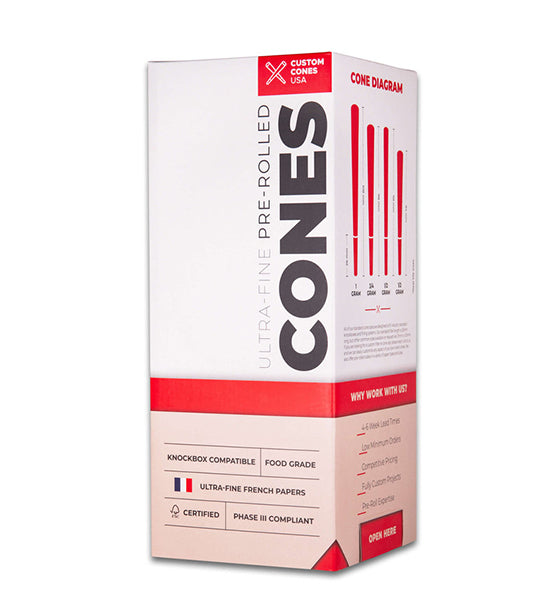
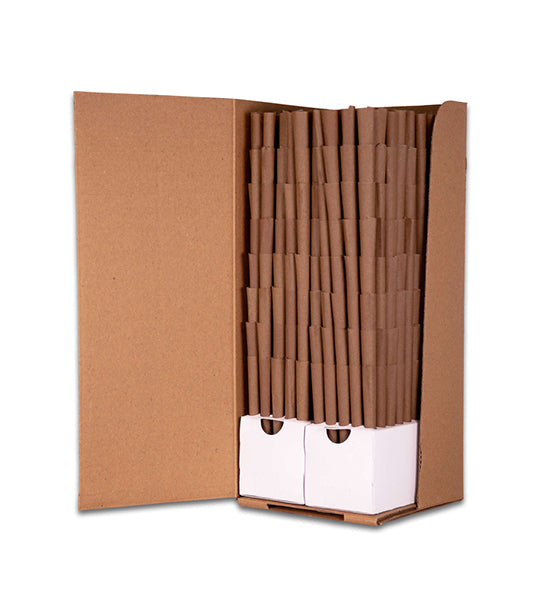
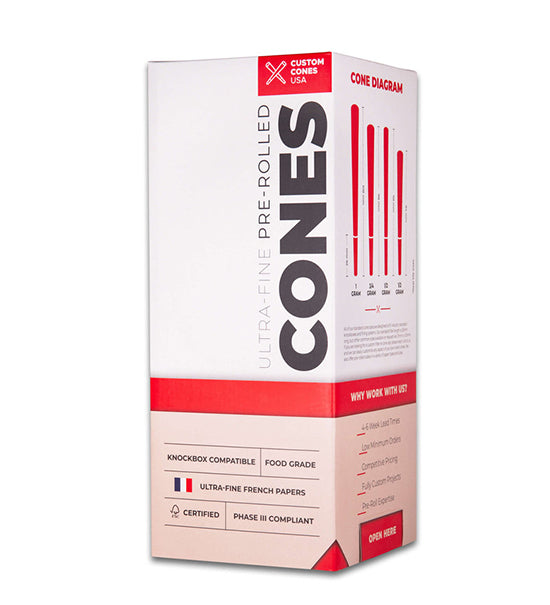
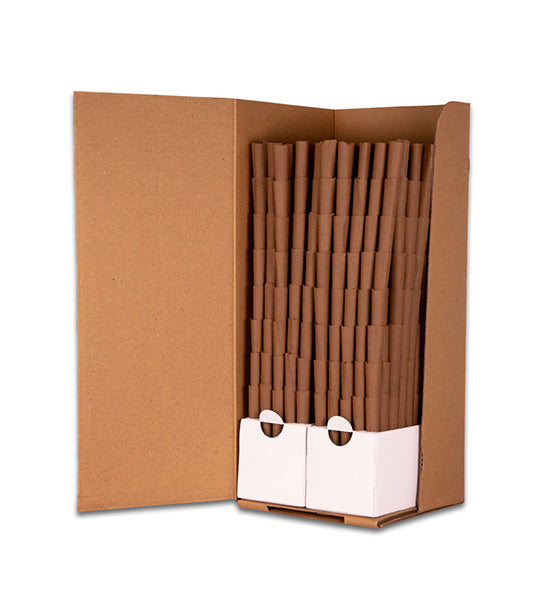
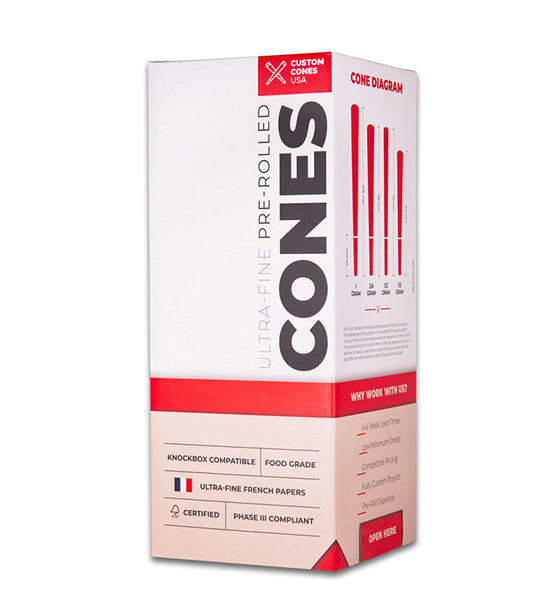
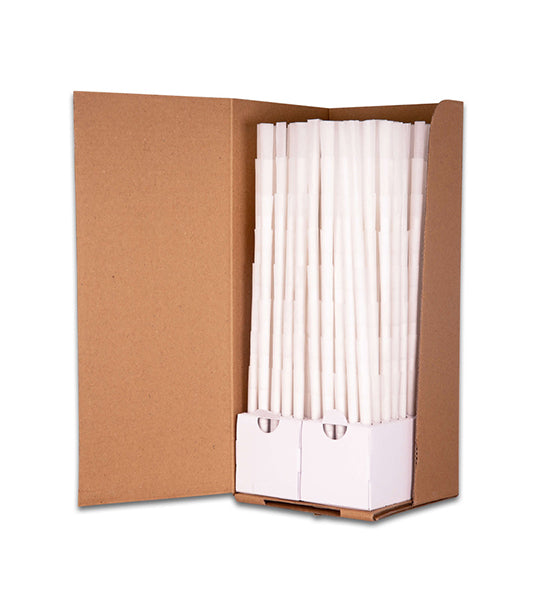

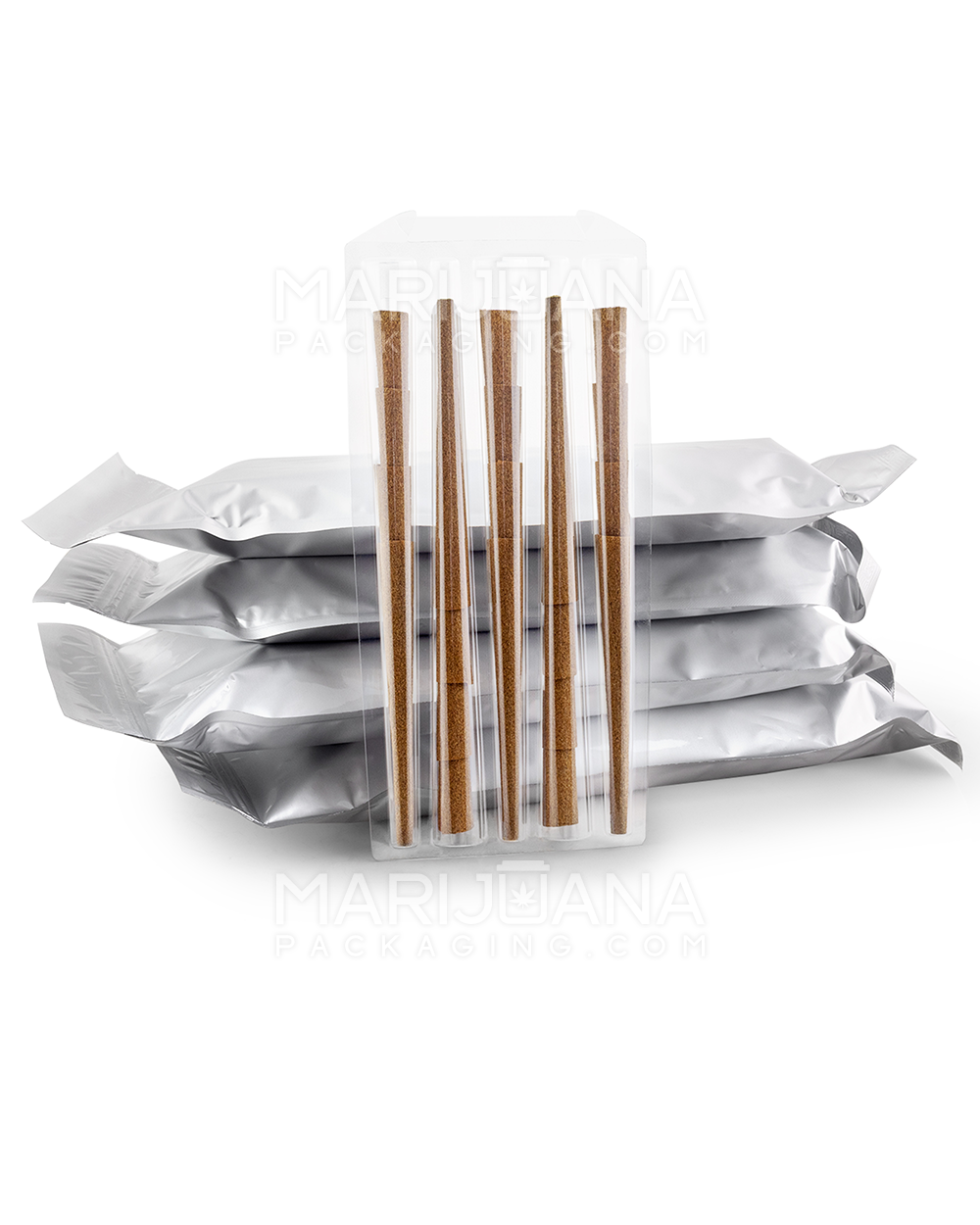


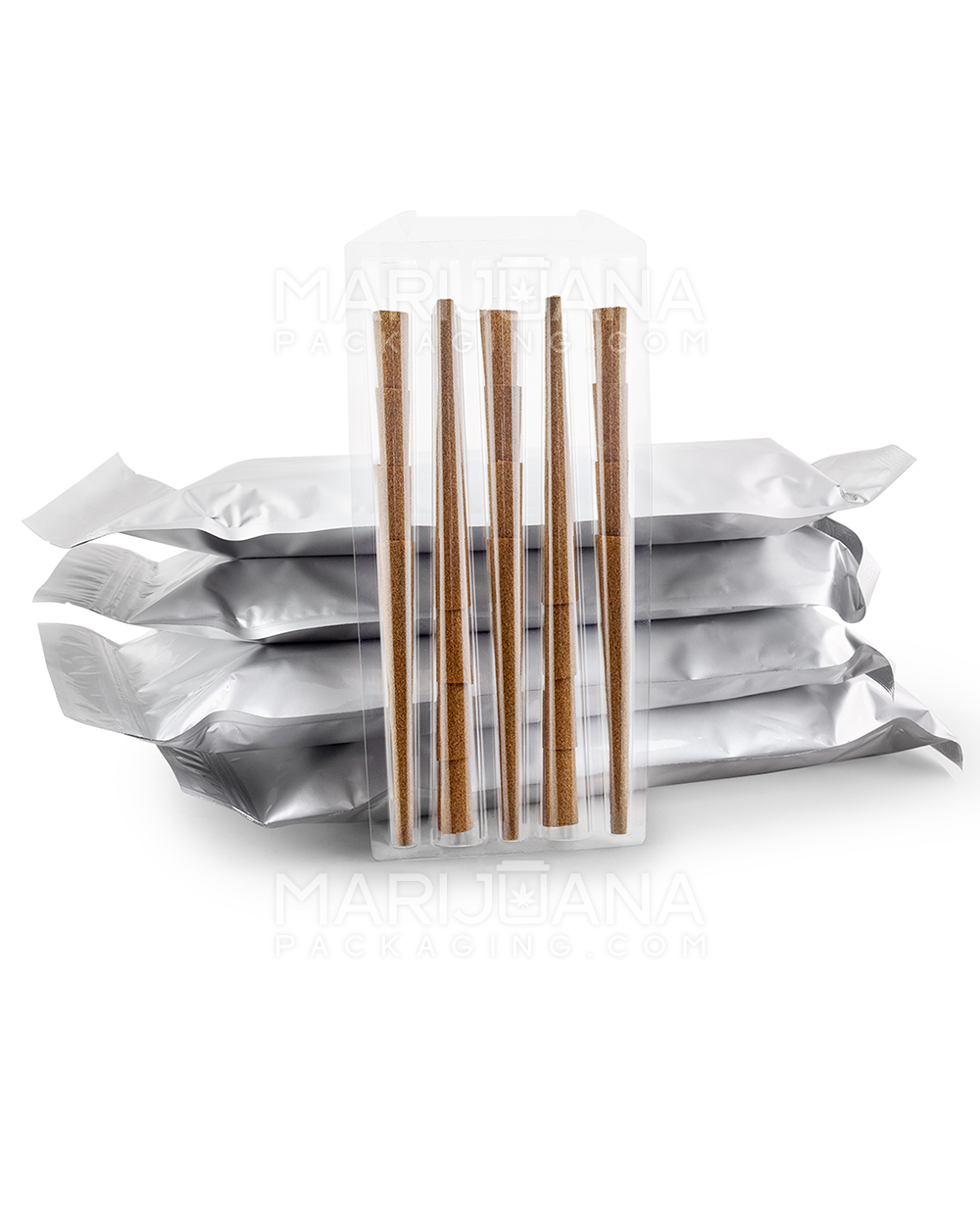
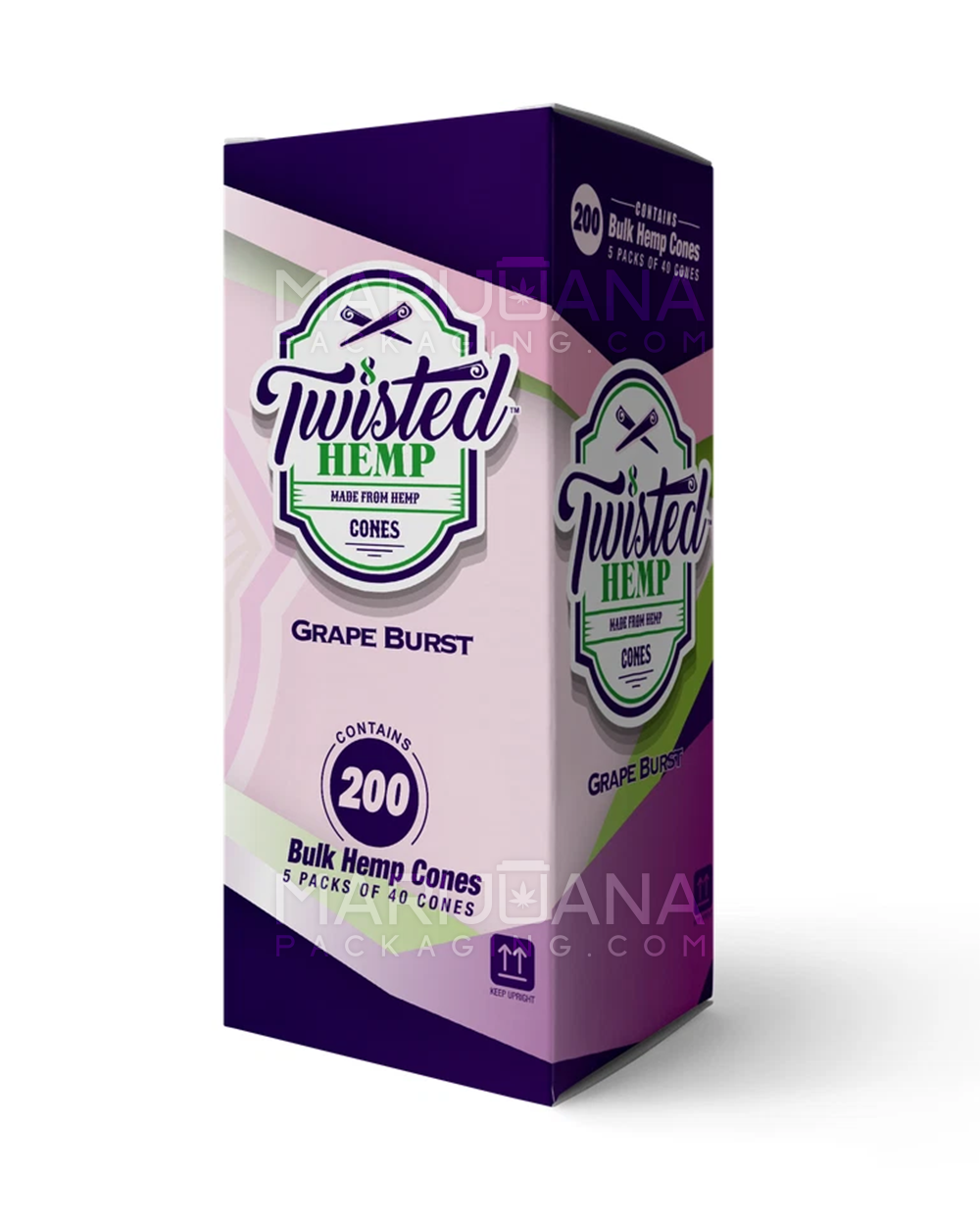
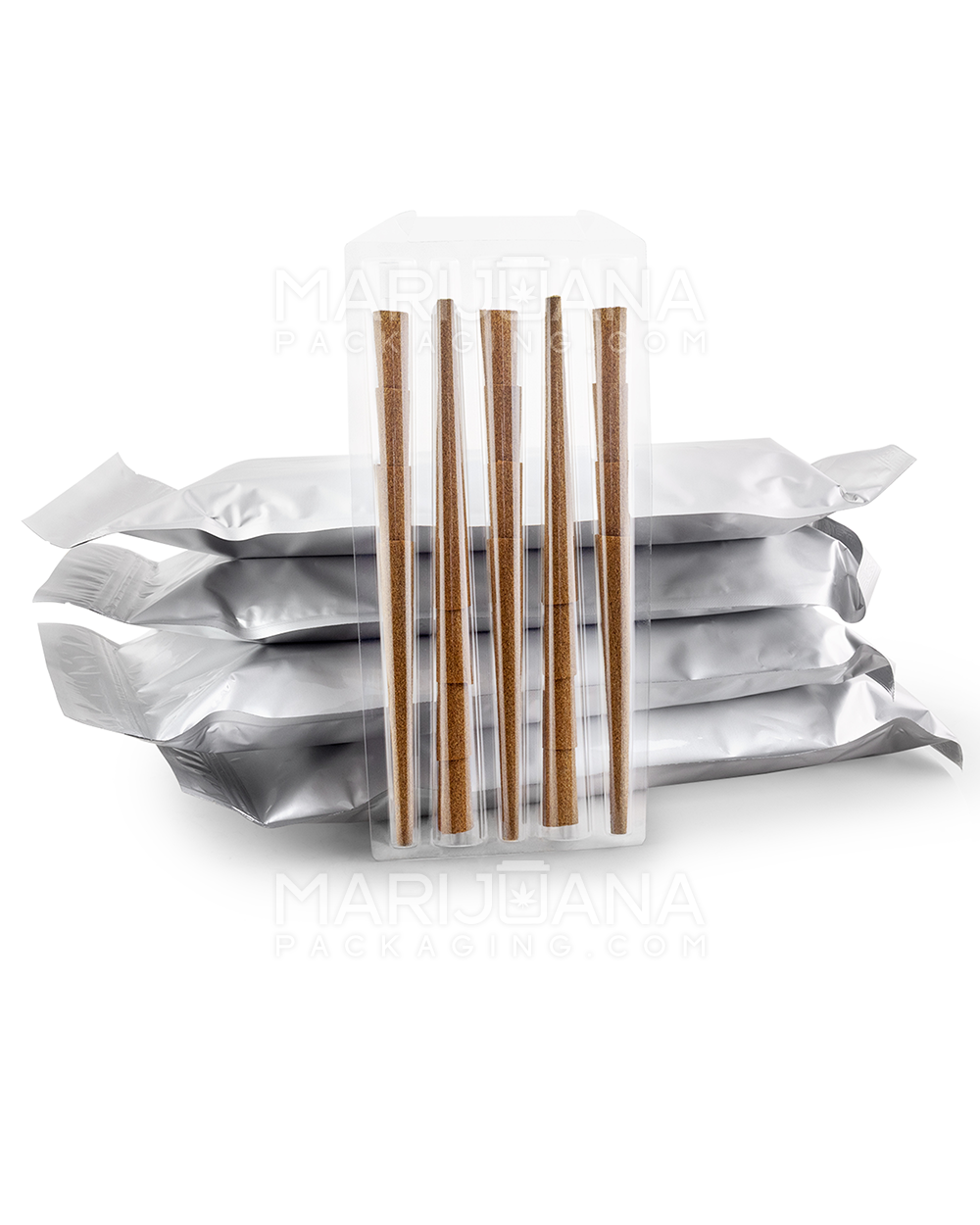
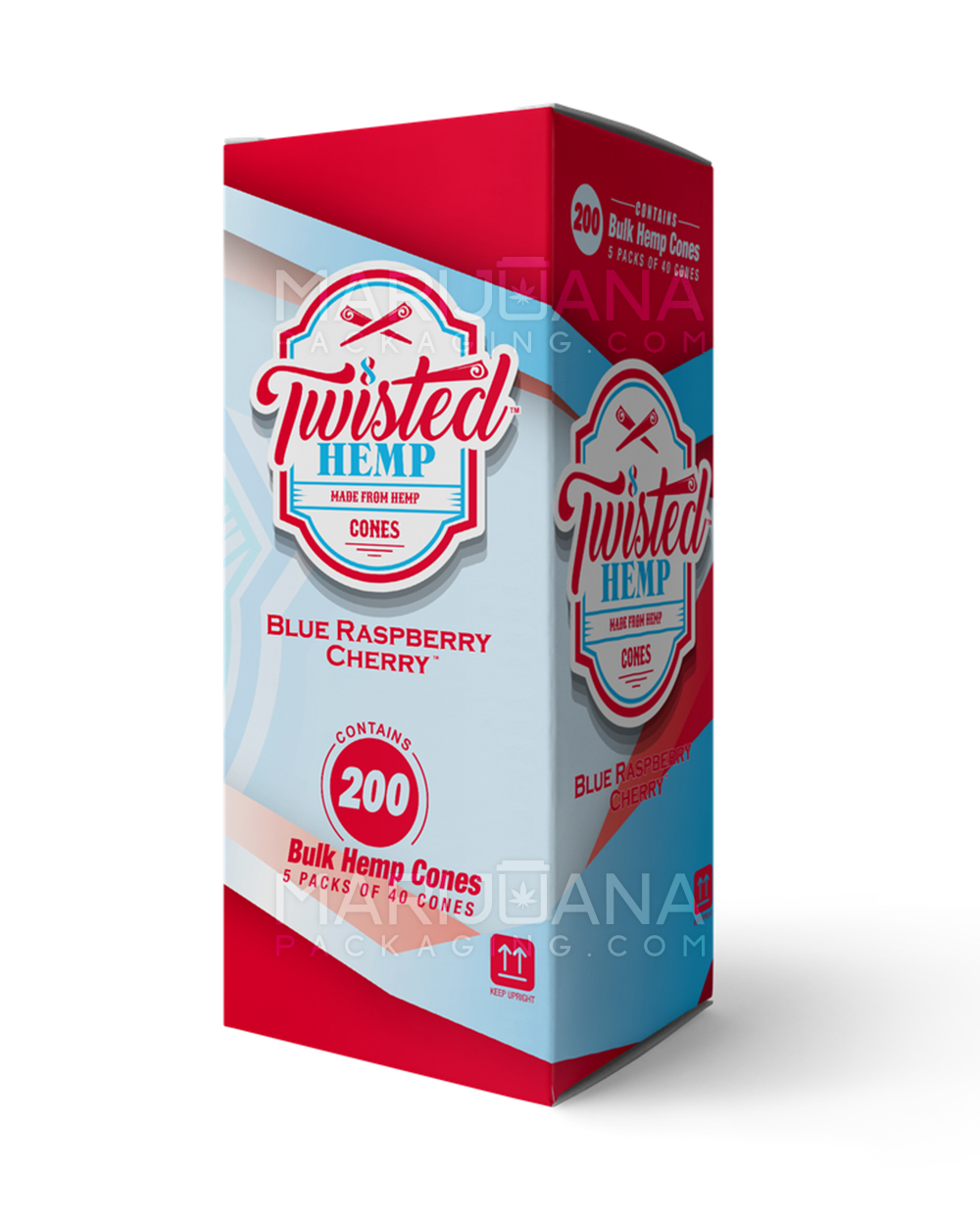


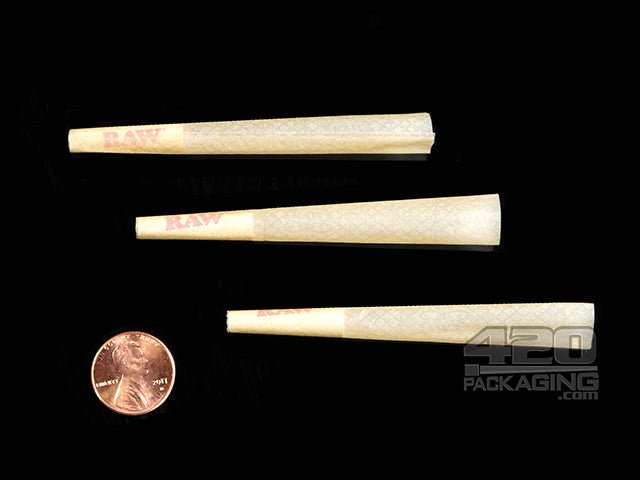


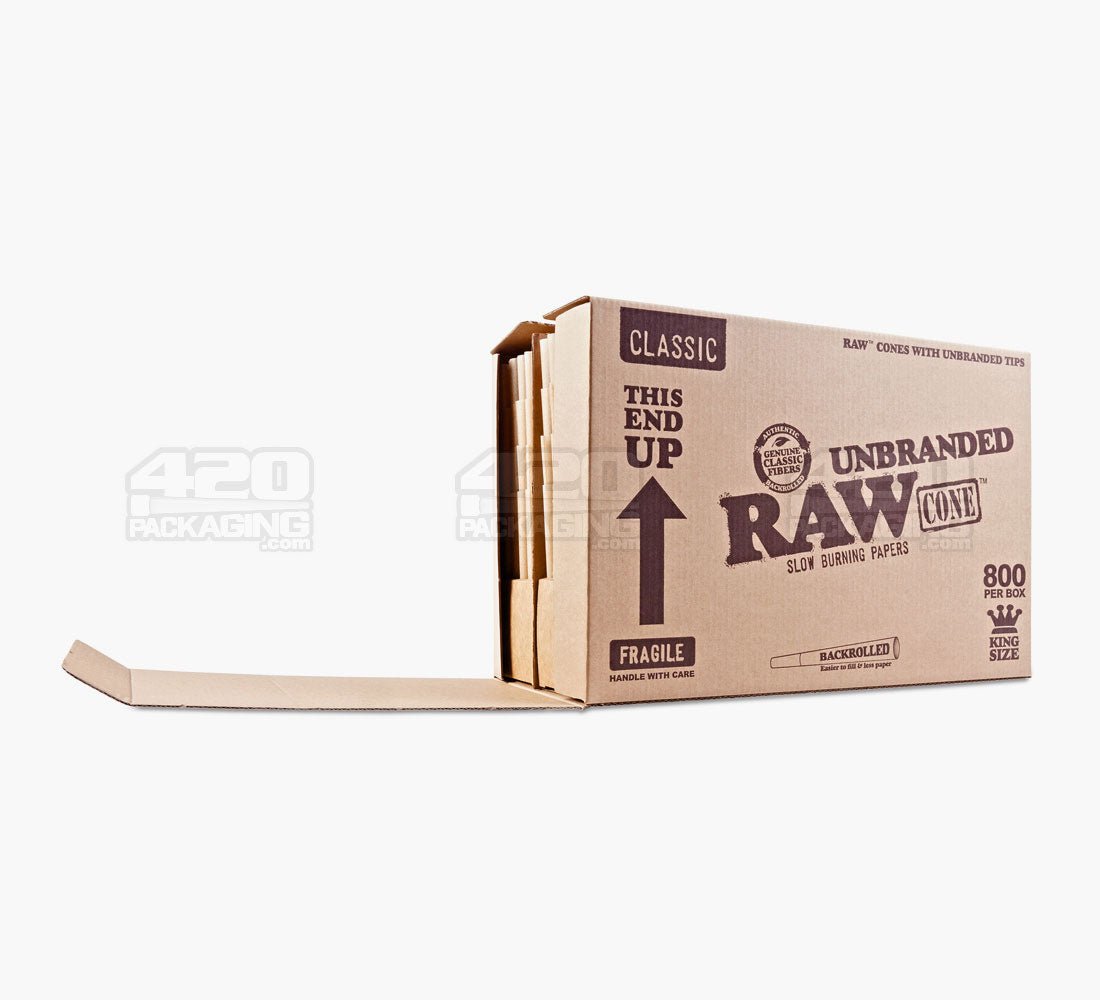

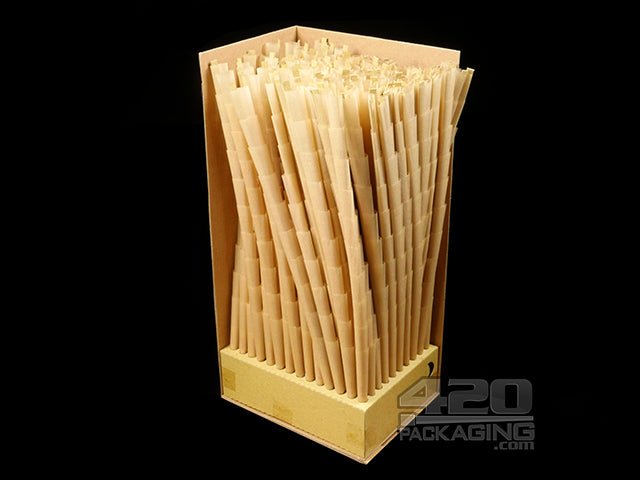
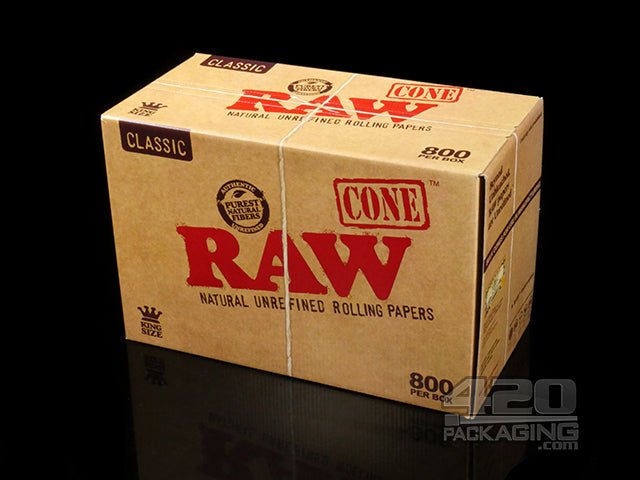
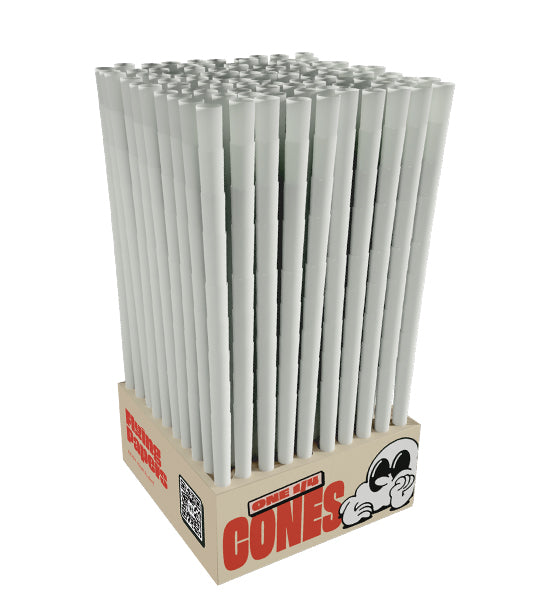
Wholesale Pre-Rolled Cones for Cannabis Brands and Pre-Roll Manufacturers
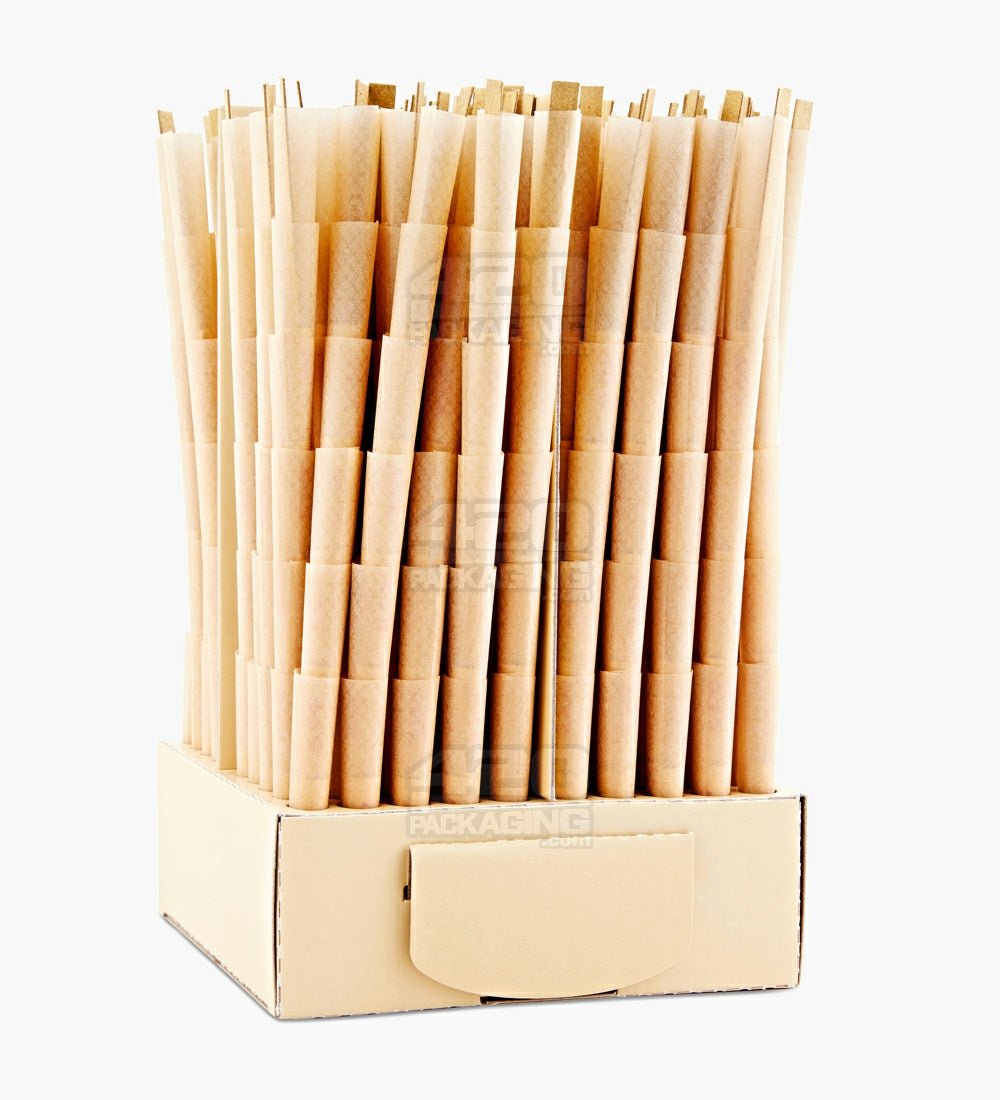
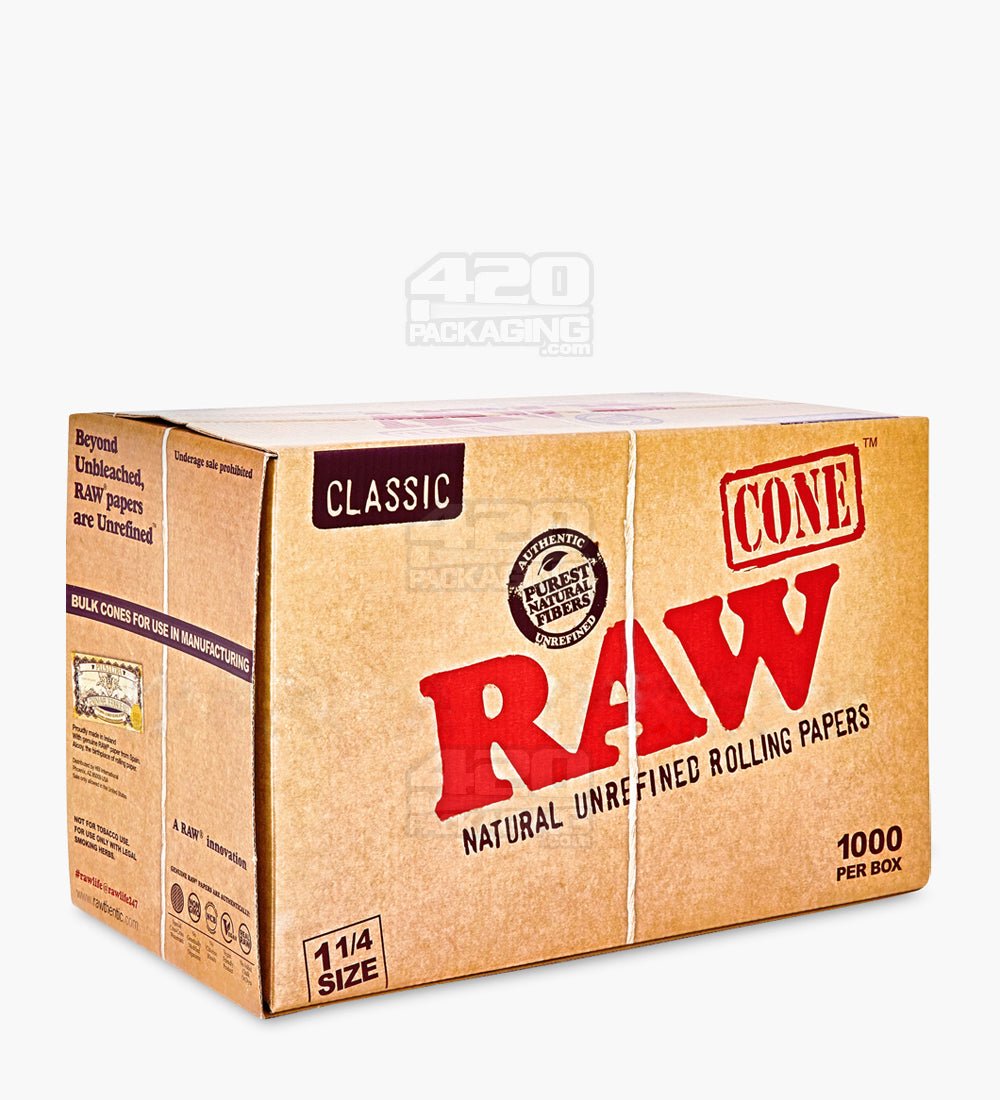
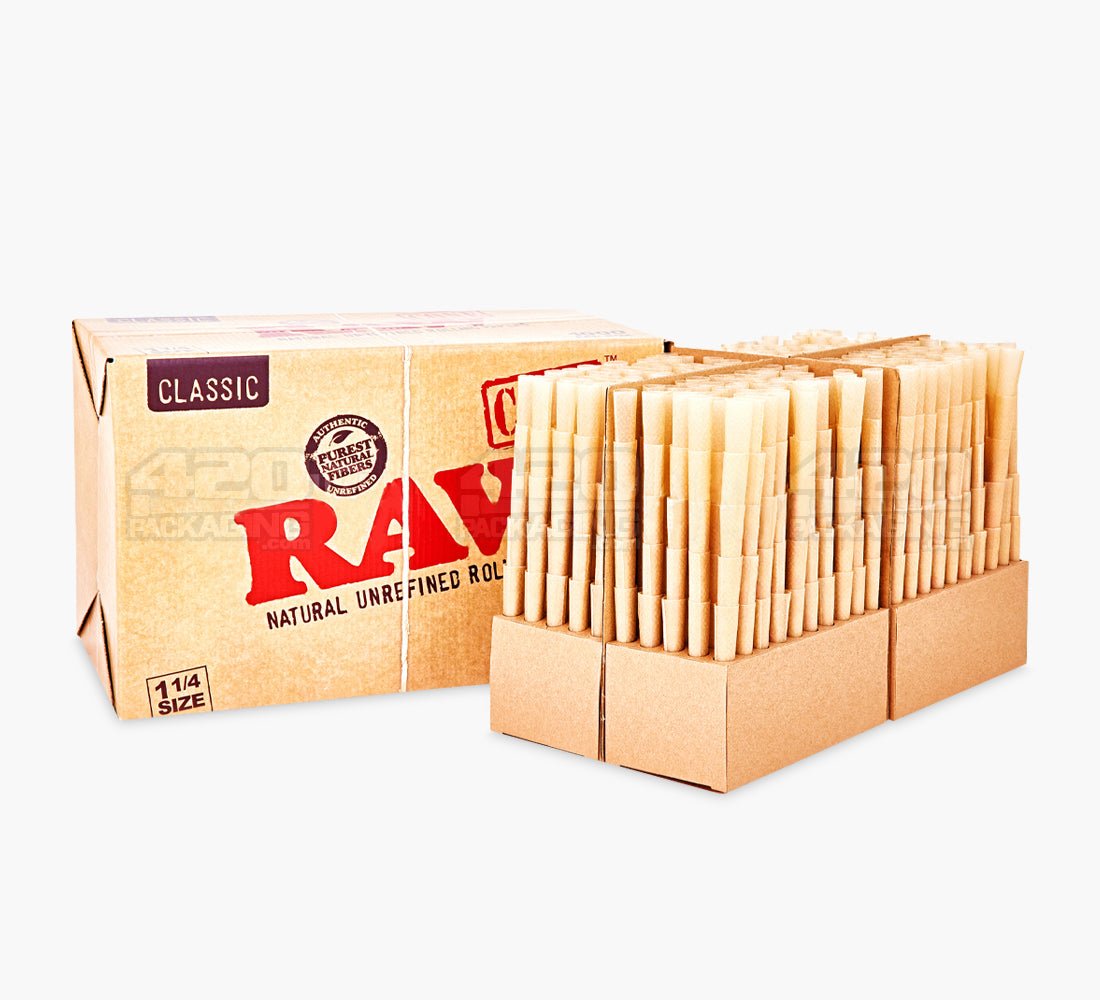
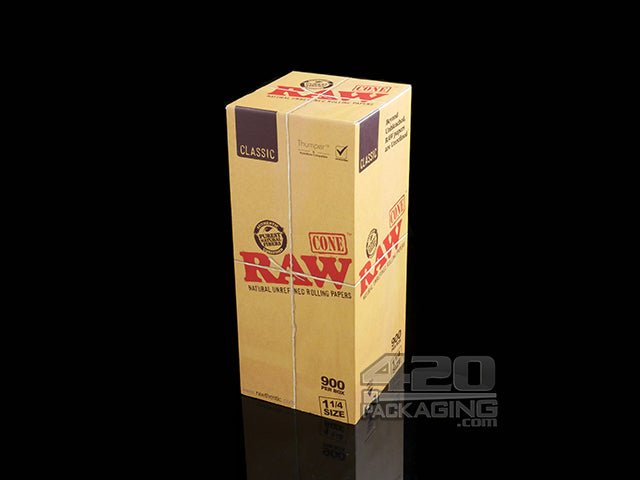
Pre-rolled cones provide cannabis manufacturers with ready-formed rolling paper that can be filled with ground flower instead of requiring each joint to be rolled from a flat sheet. Marijuana Packaging supplies wholesale pre-rolled cones for cultivators, processors, pre-roll manufacturers, co-packers, dispensaries and cannabis brands producing finished joints at commercial scale.
Often searched for as cannabis cones, cones for weed, weed cones, empty pre-rolled cones, empty joints, wholesale joint cones, pre-rolled paper cones, empty pre-rolls, pre-rolled smoking tubes, bulk pre-rolled cones or blunt cones, these products are available in different lengths, diameters, paper materials, tip configurations and case quantities. Common size classes include short dogwalker cones, approximately 84 mm 1 1/4 cones, intermediate formats such as 98 mm cones and longer king-size or extended cones around 109 mm to 116 mm depending on the manufacturer.
Commercial buyers should select cones around the intended finished pre-roll rather than treating every paper cone as interchangeable. Cone length, opening diameter, taper, crutch dimensions, paper construction, fill volume, filling equipment compatibility and finished packaging all affect how efficiently a cone works in production.
Key Consideration
Cone size should be treated as a complete set of dimensions, not just a length printed in the product name. Two cones described as the same general size can differ in total length, crutch length, opening diameter, taper and usable fill space. These differences affect flower capacity, filling equipment compatibility and the dimensions of the finished joint. Before standardizing a high-volume pre-roll line, test the exact cone with your flower grind, packing process, filling equipment and intended retail package.
What Are Pre-Rolled Cones?
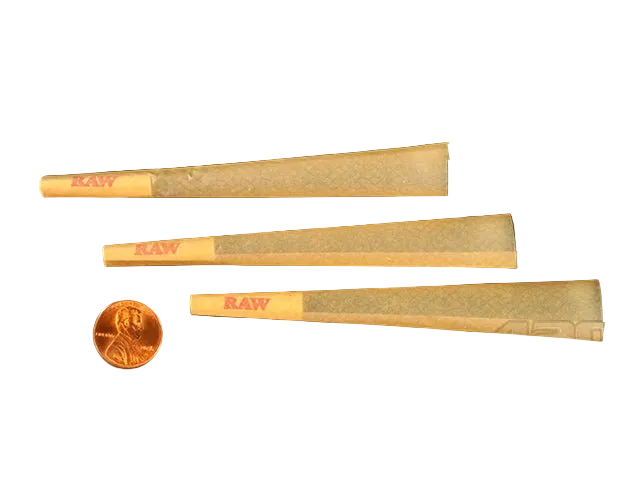
Pre-rolled cones are empty, cone-shaped rolling papers that have already been formed around a filter tip or paper crutch. The larger open end is filled with prepared cannabis flower, while the narrower end contains the tip. After filling and packing, the open end is typically finished by twisting, folding or another closing method to create the completed pre-roll.
Terms such as "empty joints" and "empty pre-rolls" are frequently used when shopping for cones, although the product is more precisely an unfilled pre-rolled cone. A finished pre-rolled joint contains cannabis, while an empty cone is the paper and tip assembly used to manufacture that finished product.
- Pre-formed paper cones for commercial cannabis filling
- Short dogwalker cones for compact pre-roll products
- 1 1/4 size cones around 84 mm
- Intermediate cone sizes such as 98 mm formats
- King-size and extended cones around 109 mm to 116 mm depending on the SKU
- Standard and slim cone geometries
- Refined, unbleached, hemp and other available paper constructions
- Pre-rolled blunt cones and alternative wrap formats
- Bulk cones for manual, semi-automated and automated production
- Wholesale cases intended for high-volume pre-roll manufacturing
Pre-Rolled Cone Sizes and Lengths
Cone length is one of the primary specifications used to distinguish pre-rolled cones, but size names are not completely standardized across every manufacturer. A cone described as king size by one supplier may not have the same exact dimensions as another king-size cone.
Buyers should verify the manufacturer's actual dimensional specifications before ordering. Important measurements include total cone length, crutch length, open-end diameter, tip diameter and the length of paper available for the flower fill.
| Cone Size Class | Approximate Length | Common Production Use | Important Considerations |
|---|---|---|---|
| Dogwalker / Short Cone | Often around 70 mm, depending on manufacturer | Short pre-rolls and compact multipacks | Finished length, smaller fill volume, tray compatibility and multipack dimensions |
| 1 1/4 Cone | Approximately 84 mm | Standard single pre-roll programs | Crutch length, flower capacity, diameter and package fit |
| Intermediate / 98 mm | Approximately 98 mm | Longer pre-rolls between standard and king-size formats | Filling equipment, finished length and package selection |
| King Size / Extended | Approximately 109 mm to 116 mm depending on SKU | Larger or longer pre-roll products | Usable fill length, final twist, tube length and crush protection |
These measurements should be treated as general size classes rather than universal specifications. Always use the dimensional information for the exact cone being purchased.
84 mm 1 1/4 Pre-Rolled Cones
The 1 1/4 cone format is commonly associated with an approximately 84 mm overall cone length and is widely used for standard cannabis pre-roll programs. Its relatively compact size can work for individually packaged joints as well as multipacks.
Buyers should confirm whether the stated 84 mm dimension represents the complete cone including the crutch and how much of that length is available for flower. Crutch size, taper and opening diameter affect the usable fill volume even when two cones have the same overall length.
Packaging Finished 84 mm Pre-Rolls
A finished pre-roll made from an 84 mm cone should be matched to packaging based on its final post-fill dimensions. Twisting or folding the open end can change the usable finished length, while the package itself may lose internal space to caps, closures or rounded ends.
Packaging teams commonly evaluate tubes longer than the finished 84 mm product, including tube classes around 90 mm, 98 mm or similar dimensions depending on the exact usable interior. The actual package should always be tested with the completed joint.
Dogwalker and Short Pre-Rolled Cones
Dogwalker cones are shorter pre-rolled cones designed for compact joints. The term describes a general short-format pre-roll rather than one universal technical size, so the actual dimensions should be verified for the individual SKU.
Many dogwalker-style cones fall around the 70 mm class, although manufacturers can use different lengths, crutch sizes and diameters. Their smaller dimensions make them useful for brands developing shorter sessions, lower-fill products or compact multipacks.
Dogwalker Cones for Multipacks
Short pre-rolls can be particularly useful in two-pack, five-pack, ten-pack and other multipack configurations because several finished joints can fit into a relatively compact box, tin or tube.
When planning dogwalker multipacks, evaluate the exact finished cone diameter and the spacing required between joints. Smaller length does not eliminate the need for adequate crush protection or internal organization.
Filling Short Cones
Short cones provide less vertical fill space than longer 84 mm or king-size products, so filling equipment and flower dosing need to be configured accordingly. Overfilling can leave insufficient paper for a clean final closure.
98 mm Pre-Rolled Cones
Approximately 98 mm cones provide an intermediate option between the common 84 mm 1 1/4 format and longer king-size cones. This size can be useful for brands that want a longer finished pre-roll without moving to the largest cone class.
As with other cone sizes, a 98 mm designation does not provide complete information about usable capacity. Opening diameter, taper, crutch length and paper geometry determine how much ground flower the cone can practically accommodate.
Packaging 98 mm Pre-Rolls
Finished joints built from 98 mm cones require packaging with sufficient internal length beyond the completed pre-roll. The package should also provide enough diameter or width for the widest section of the cone without excessive side-to-side movement.
116 mm King Size Pre-Rolled Cones
Longer cones around 109 mm to 116 mm are commonly associated with king-size, extended or large-format pre-roll programs. A 116 mm cone provides substantially more paper length than an 84 mm 1 1/4 cone, but the exact increase in flower capacity depends on taper and diameter as well as length.
Manufacturers using 116 mm cones should verify production equipment, filling depth and retail packaging together. Long cones can require deeper loading trays, longer filling channels and packaging with substantially more usable internal length.
Packaging 116 mm King Size Pre-Rolls
A package described as 116 mm long should not automatically be assumed to fit a finished 116 mm pre-roll. Exterior package length and usable internal length are different measurements, and closures can occupy part of the internal space.
Measure the finished king-size joint after filling and final closure, then select a tube, box, tin or pouch that provides additional clearance without allowing unnecessary movement.
Cone Size, Fill Capacity and Finished Pre-Roll Weight
Cone dimensions influence how much cannabis flower can be loaded into a pre-roll, but cone length should not be converted directly into a fixed gram capacity. Flower grind, density, moisture, packing pressure, crutch length and cone diameter can all affect the final fill weight.
Flower Density
Two batches of ground cannabis with the same weight can occupy different volumes. Dense material may fit more easily into a cone than a lighter, more open grind at the same target weight.
Grind Size
Grind consistency influences how efficiently flower moves through filling equipment and settles inside the cone. Material that is too coarse, too fine or highly inconsistent can affect fill uniformity and production throughput.
Packing Density
Packing pressure changes both the amount of cannabis inside the cone and the physical characteristics of the finished pre-roll. Production teams should establish repeatable filling and tamping procedures rather than using cone capacity as a substitute for process control.
Leave Room for Final Closure
A cone should not be filled completely to the open edge if the production process requires paper for twisting, folding or another final closure. The amount of unfilled paper required should be incorporated into target fill calculations.
Cone Diameter, Taper and Finished Dimensions
Pre-rolled cones are tapered rather than perfectly cylindrical. The opening is wider at the fill end and narrows toward the crutch, which means both length and diameter affect usable volume.
Open-End Diameter
The wide opening affects filling speed, flower flow and compatibility with loading equipment. A larger opening can make manual or machine-assisted filling easier but also changes the amount of cannabis that fits into the upper portion of the cone.
Tip Diameter
The diameter near the crutch influences the overall taper of the joint and should be considered when matching cones to trays, loading stations and finished packaging.
Cone Taper
Two cones of identical length can hold different volumes if one has a wider taper. This is why overall length alone is not enough to compare bulk pre-rolled cones for production.
Finished Joint Diameter
Packaging teams should measure the widest section of the completed pre-roll rather than relying only on the crutch diameter. This is especially important for rigid tubes, fitted trays and compact multipacks.
Filter Tips, Crutches and Pre-Rolled Cone Construction
Most pre-rolled paper cones include a paper tip or crutch at the narrow end. The crutch helps maintain the shape of the cone, provides a defined end for filling and contributes to the finished dimensions of the joint.
Crutch Length
Crutch length reduces the portion of the total cone length available for cannabis. Two cones with the same overall measurement can therefore have different usable flower-fill lengths if their tips are different sizes.
Crutch Diameter
Crutch diameter contributes to the taper of the finished joint. It can also affect fit within production fixtures, tube packaging and multipack inserts.
Crutch Construction
Paper tips may use different folds, rolls and internal structures depending on the cone design. Commercial manufacturers should evaluate dimensional consistency and physical integrity rather than assuming that every filter tip performs identically.
Tip Adhesion
The crutch should remain securely positioned during filling, tamping, handling and packaging. Loose or shifting tips can cause production issues and create inconsistent finished lengths.
Pre-Roll Paper and Cone Materials
Pre-rolled paper cones are available in several paper types, colors and constructions. Paper selection can influence appearance, handling, production behavior and the overall positioning of the finished pre-roll.
Refined White Rolling Paper
Refined white papers provide a light, uniform appearance and are commonly used for traditional pre-rolled joints. Paper thickness, texture and composition can vary by manufacturer and should be reviewed at the SKU level.
Unbleached Rolling Paper
Unbleached cones typically have a natural brown or tan appearance. They are frequently selected by cannabis brands seeking a visibly natural paper presentation.
Hemp Paper Cones
Hemp paper cones use hemp fiber as part of the paper construction. Exact composition, color and physical characteristics can vary, so buyers should review the specifications for the specific cone rather than treating every hemp cone as identical.
Other Specialty Papers
Specialty cone programs may use alternative fibers, colors, textures or paper constructions. Production teams should confirm that specialty cones maintain the dimensional consistency and filling characteristics required by their equipment and workflow.
Blunt Cones and Alternative Pre-Rolled Wraps
Blunt cones provide a larger or different wrap format from conventional rolling-paper cones. Depending on the product line, blunt-style cones may use hemp-based, botanical or other nontraditional wrap materials and may have different thickness, flexibility, diameter and filling characteristics.
Blunt Cone Diameter
Blunt cones can be wider than standard joint cones, making opening diameter and finished product diameter particularly important. Loading trays, filling equipment and packaging should all accommodate the larger format.
Blunt Cone Length
Blunt cones can be produced in several lengths, so the term "blunt cone" should not be treated as a standard dimensional specification. Compare total length, usable fill length and final diameter for the exact SKU.
Blunt Packaging Compatibility
Larger finished blunts may require wider tubes, deeper boxes or specialty pouches. Measure the completed product after filling and closing before selecting retail packaging.
Bulk Pre-Rolled Cones for Commercial Production
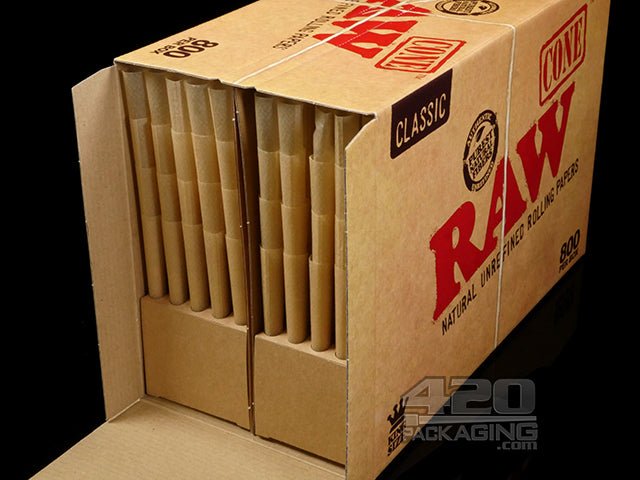
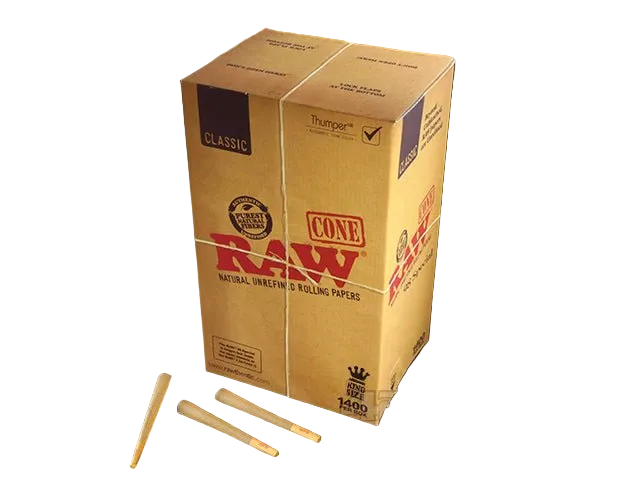
Bulk pre-rolled cones are intended for businesses manufacturing pre-rolls in production quantities. Wholesale packs and cases can contain hundreds or more than 1,000 cones depending on the product, allowing manufacturers to supply repeated production runs from standardized cone inventory.
Case quantity should be evaluated alongside unit dimensions, quality consistency and production throughput. A low per-cone price provides limited value if variation in cone shape or damaged inventory slows filling operations.
Nested Bulk Cones
Pre-rolled cones are frequently nested together to reduce shipping and storage volume. Commercial buyers should evaluate how easily individual cones separate without deforming, tearing or pulling the crutch out of position.
Case Quantity
Wholesale joint cones may be packaged in smaller production packs, large cases or quantities exceeding 1,000 units depending on the SKU. Buyers should compare case count against expected production volume and warehouse capacity.
Production Yield
Cone purchasing should account for realistic production yield rather than simply dividing finished-unit targets by case quantity. Damage during storage, setup or filling can affect usable quantity, especially in very high-volume operations.
Pre-Rolled Cones and Filling Equipment Compatibility
Commercial pre-roll production can range from manual filling to semi-automated loading stations and high-throughput automated systems. Cone dimensions need to match the equipment used to hold, fill, vibrate, tamp and finish the pre-roll.
Manual Cone Filling
Manual production may use funnels, loading trays or individual filling tools. Cone opening diameter and structural stiffness can affect how easily operators fill the product without damaging the paper.
Pre-Roll Loading Trays and Knockbox-Style Systems
Multi-cone loading systems use holes or channels designed around specific cone dimensions. A cone that is too wide, too narrow, too short or too long may not sit correctly in the fixture.
Verify cone length, tip diameter and opening diameter against the equipment manufacturer's supported specifications before ordering cones in bulk.
Automated Pre-Roll Machines
Automated equipment can place tighter requirements on dimensional consistency because the machine repeats the same movements across large quantities of cones. Small differences in diameter, taper or crutch position can become more significant at high production speeds.
Vibration and Tamping
Some filling processes use vibration, tamping or both to distribute ground flower through the cone. The cone needs enough structural consistency to withstand the production method without collapsing, tearing or shifting out of position.
Pre-Rolled Cones for Single Joints and Multipack Programs
Cone selection affects the finished retail package, particularly when several joints are sold together. Short cones can enable compact multipacks, while longer king-size pre-rolls require more package length and internal clearance.
Single Pre-Rolls
Individual pre-roll programs can prioritize the exact relationship between one finished cone and one tube, pouch or carton. Standardizing one cone size can make package selection and labeling more repeatable.
Two-Pack and Three-Pack Pre-Rolls
Small multipacks require enough width for several finished joints without allowing them to crush one another. Cone diameter and taper influence how closely the products can be arranged.
Five-Pack Pre-Rolls
Five-count products are commonly arranged in boxes, tins, wider tubes or flexible pouches. Brands should determine whether joints will sit vertically, horizontally or within an insert before finalizing the cone and package combination.
Ten-Pack and Larger Multipacks
Large multipacks place greater emphasis on product organization and dimensional consistency. Small differences between cones can become more noticeable when ten or more finished joints need to fit into a defined tray or container.
Dogwalker Multipacks
Short dogwalker cones are particularly well suited to compact multipack concepts because their reduced length can allow several joints to fit within a smaller retail footprint.
Matching Finished Pre-Rolled Cones to Pre-Roll Packaging
The cone and its retail package should be planned together. Once a cone has been filled and closed, its final length and diameter determine which tubes, boxes, tins or bags can protect it correctly.
Matching 84 mm Cones to Tubes
A finished joint made from an approximately 84 mm cone normally requires more than 84 mm of usable internal package length. Additional clearance is needed for the final tip closure and for any part of the package cap that extends into the container.
Matching 116 mm Cones to Tubes
Longer 116 mm cones need substantially longer packaging. Do not match a 116 mm finished pre-roll to a nominal 116 mm tube without first confirming the usable internal length of that tube.
Matching Cone Diameter
Rigid packaging should provide enough internal width for the broadest section of the finished cone. Excessive clearance can allow movement, while insufficient clearance can compress the paper or make product removal difficult.
Packaging Multipacks
Multipack boxes and tins may use inserts or trays designed around a particular cone diameter. The pre-roll should sit securely without being gripped so tightly that the paper is damaged during loading or removal.
Cone size should therefore be finalized before custom multipack packaging is engineered around the finished product.
Pre-Rolled Cone Quality and Production Consistency
High-volume pre-roll production depends on consistency from cone to cone. Small defects that are minor during manual production can create significant downtime or waste when thousands of units move through a filling operation.
Paper Shape and Roundness
Cones should maintain consistent geometry so they sit predictably in filling fixtures and retail packages. Crushed, flattened or distorted openings can interfere with loading.
Seam Integrity
The paper seam should remain intact during filling, vibration, tamping and handling. Poor seam consistency can lead to torn cones or product loss during production.
Gum Line and Adhesion
The adhesive seam should remain secure through normal filling and handling. Commercial buyers should examine samples for lifting, separation or inconsistent bonding before standardizing the product.
Crutch Position
Filter tips should remain aligned and securely positioned. Variation in crutch depth can change usable fill space and the overall dimensions of the finished joint.
Dimensional Consistency
Length, opening diameter, taper and tip diameter should remain sufficiently consistent for the intended production equipment. This becomes especially important in automated or tightly fitted systems.
Damage Rate
Inspect wholesale samples for crushed openings, bent tips, torn paper, separated seams and other defects that could reduce production yield. The usable-cone rate is an important commercial consideration alongside the purchase price.
Storage and Handling of Empty Pre-Rolled Cones
Empty pre-roll cones are lightweight and can be deformed by pressure, poor case handling or unsuitable storage. Commercial operations should maintain cone inventory in conditions that protect paper shape and prevent unnecessary damage before filling.
Protect Cones From Crushing
Cases and inner packs should be stored so that heavier inventory does not deform the cones. Damaged openings can create filling problems even when the remainder of the paper remains intact.
Keep Cones Dry and Protected
Rolling paper can respond to environmental moisture. Store bulk pre-rolled cones according to the supplier's recommendations and protect open production inventory from unnecessary exposure to moisture, liquids and contaminants.
Limit Unnecessary Handling
Repeatedly transferring or unpacking nested cones can increase the chance of bent openings and crushed tips. Production teams can reduce handling by organizing cone inventory around planned run quantities.
Use Lot-Based Inventory Control
Commercial manufacturers can benefit from tracking cone lots or received cases alongside finished production batches. This creates a clearer record if a dimensional or material issue is discovered later.
Custom Pre-Rolled Cones for Cannabis Brands
Custom pre-rolled cones can help brands differentiate the pre-roll itself in addition to the outer retail package. Available customization depends on the cone program, paper construction, production quantity and supplier capabilities.
Custom Printed Cone Paper
Certain cone programs may support printed graphics or repeating brand elements on the paper. Any print program should be developed specifically for the intended rolling paper and manufacturing process.
Custom Filter Tips and Crutches
The crutch can provide another branding surface through printed logos, colors or other available treatments. Custom tip dimensions should remain compatible with filling equipment and planned retail packaging.
Custom Paper Colors and Materials
Depending on the program, brands may have access to different paper appearances or specialty constructions. Availability, minimum order quantities and dimensional specifications should be confirmed before artwork or packaging is finalized.
Coordinate Cones With Finished Packaging
Custom cones should be developed alongside the finished retail packaging. Cone color, crutch design, joint length and outer packaging can work as one branded system while maintaining the dimensional requirements of production.
Wholesale Pre-Rolled Cone Ordering for Commercial Cannabis Operations
Wholesale pre-rolled cones should support consistent production from case opening through filling and final packaging. Cannabis businesses ordering bulk cones should evaluate dimensions, manufacturing consistency, case quantity and equipment compatibility in addition to unit price.
Marijuana Packaging supplies pre-rolled cones in production-oriented quantities across multiple sizes and paper formats. Depending on the SKU, bulk cases may contain hundreds or more than 1,000 cones, allowing pre-roll manufacturers to purchase inventory for repeated commercial runs.
Order Samples Before Standardizing a Cone
Sample testing should reproduce the intended production process as closely as possible. Use the actual cannabis grind, filling equipment, tamping procedure and finished package rather than evaluating the empty cone by appearance alone.
Sample testing can help confirm:
- Total cone length
- Usable flower-fill length
- Open-end diameter
- Crutch length and diameter
- Cone taper
- Target flower fill
- Ease of loading
- Compatibility with filling equipment
- Performance during vibration or tamping
- Paper and seam integrity
- Consistency of final closure
- Finished pre-roll dimensions
- Fit inside retail packaging
Test Multiple Flower Batches
Flower characteristics can change between strains, harvests and processing batches. Testing cones with more than one representative grind can help determine whether a selected size supports consistent target fills across the manufacturer's product line.
Standardize Cone Sizes Where Practical
Brands producing many strains can often simplify operations by using a controlled number of cone sizes rather than introducing a different format for every SKU. Strain and product differentiation can then be handled through labels, outer packaging and artwork.
Standardizing around formats such as a short dogwalker cone, an 84 mm 1 1/4 cone and a longer king-size cone can reduce equipment changes, packaging variations and inventory complexity when those sizes fit the brand's product strategy.
Coordinate Cone and Packaging Inventory
Empty cones and finished pre-roll packaging should be planned together. A production facility with thousands of 116 mm cones but only packaging sized for 84 mm joints can create avoidable delays and inventory problems.
What to Compare Before Ordering Pre-Rolled Cones
The best wholesale pre-rolled cone is the one that works consistently with the intended flower, target pre-roll format, filling equipment and finished retail packaging. Compare the exact cone specifications before committing to bulk quantities rather than selecting empty joints based only on size name, case count or unit price.
- Short, dogwalker, 1 1/4, 84 mm, 98 mm, king-size, 116 mm or other cone format
- Exact overall cone length
- Usable flower-fill length
- Crutch or filter-tip length
- Crutch diameter
- Open-end diameter
- Cone taper
- Finished pre-roll diameter
- Target flower fill weight
- Flower grind size and consistency
- Expected packing density
- Amount of paper required for final closure
- Refined, unbleached, hemp or other paper construction
- Standard joint cone or blunt cone format
- Paper seam quality
- Gum-line adhesion
- Crutch stability
- Dimensional consistency between cones
- Manual, semi-automated or automated filling method
- Loading-tray compatibility
- Filling-machine compatibility
- Vibration and tamping compatibility
- Single pre-roll or multipack production
- Finished retail package dimensions
- Tube internal length and diameter where applicable
- Tray or insert dimensions for multipacks
- Custom paper or tip requirements
- Sample availability
- Cones per pack and per case
- Wholesale pricing and quantity breaks
- Expected production yield
- Warehouse storage requirements
- Repeat-order availability
For cannabis cultivators, manufacturers and pre-roll brands purchasing at commercial scale, the cone should be treated as a production component rather than a generic paper product. A short dogwalker cone, an 84 mm 1 1/4 cone, a 98 mm format, a 116 mm king-size cone and a blunt cone create different relationships between flower capacity, filling equipment and finished packaging. Standardizing the right dimensions can improve production consistency while making downstream packaging and inventory planning easier.
Frequently Asked Questions About Pre-Rolled Cones
In essence, a joint is an empty pre-roll ready for filling, and a pre-roll is already filled and ready to smoke. Paper cones for regulated products are designed to make rolling papers easier. A pre-roll is rolling paper or a pre-rolled cone filled with regulated products that’s ready to smoke upon purchase. A pre-rolled cone is rolling paper that’s been formed into a cone shape with a tip or filter already in place. Customers buy these to easily fill with their own regulated products, twist the top closed, and spark up.
You’ll need: RAW paper pre-rolled cones, ground regulated products, a chopstick/pencil/ or packing tool, and a rolling tray or clean table. Over the rolling tray, hold a RAW cone by the tip with the wide open end up. Use your other hand to sprinkle a bit of regulated products inside, then use your packing tool of choice to gently pat it down toward the tip. Be careful not to pack too tightly - it will make inhaling difficult. Continue filling and packing down until the cone is ~ ⅘ full ( ~ 1 cm from the open end). Twist the top closed tightly and then you’re ready to spark up!
You’ll need: rolling paper and a filter. Imagine rolling paper into a “telescope;” one end’s opening is wider. Place a filter in the paper’s bottom right corner; the filter’s end should line up with the right edge, and the long side should line up with the bottom edge of the paper. Begin pinching the paper to the filter and roll inward up to the sticky line. Check the shape and adjust to the telescope style - ensure the paper is tight around the filter, but wide at the other end. Lick the sticky line, press against the cone, and let dry fully before packing.
Most tokers agree that you should “roast” your pre-roll before bringing it to your lips. To “roast” your pre-roll, hold it in front of you and use a lighter or lit hemp wick to carefully burn the twisted end. Rotate the rolled product as you do this to encourage even burning. Once the tip is consuming/glowing, bring the filter end to your lips and take a draw - imagine taking a breath through a straw. If it seems to need more lighting, go ahead and carefully inhale as you briefly hold the lighter to the burning end. Be cautious with the flame so close to your face. Enjoy!
Pre-roll freshness and longevity comes down to its packaging and storage. If the pre-roll is naked (not contained), it will dry out within a matter of days to weeks, depending on your region’s climate. If it’s in a sandwich baggy, it will last a little longer. The best way to ensure pre-roll freshness for weeks and even months is to keep it in an air-tight pre-roll container, of which we offer several options. Choose from individual tubes, biodegradable options, and containers for multiple pre-rolls - they’ll all aid your pre-roll’s longevity.