

Affordable Cannabis Jars
Find Marijuana Packaging solutions for every product and every stage of your business. Our selection includes stock and custom packaging designed to protect your products, meet cannabis compliance requirements, and showcase your brand.
Filters
92 products
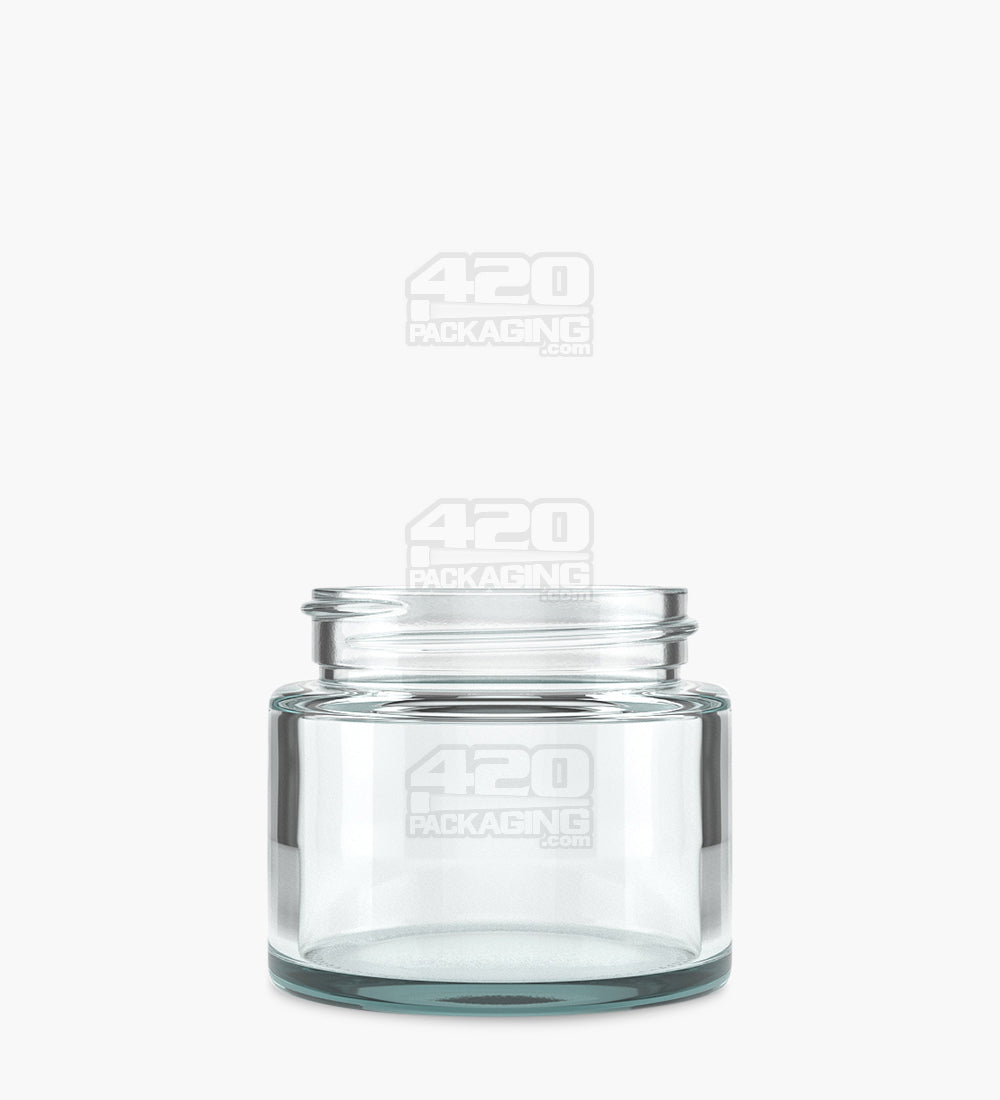
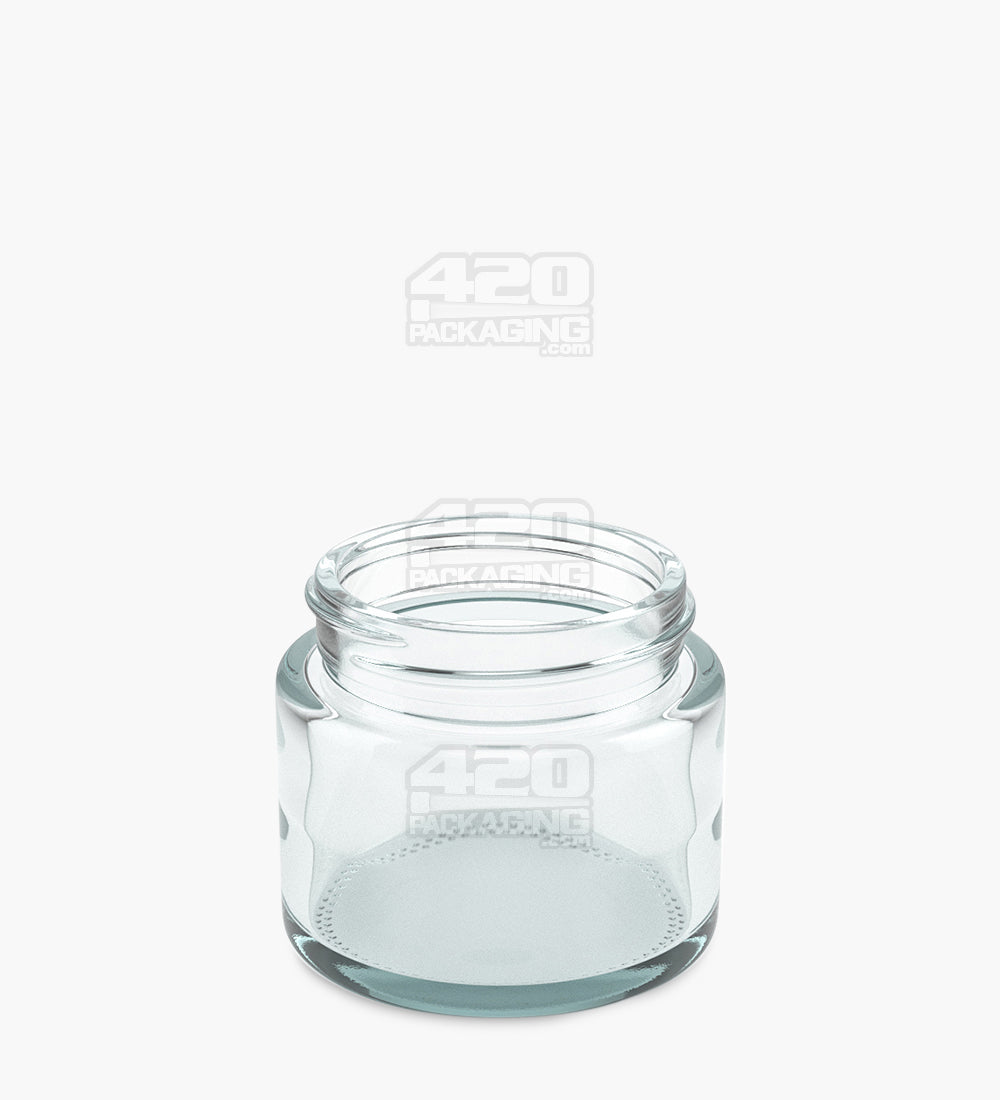


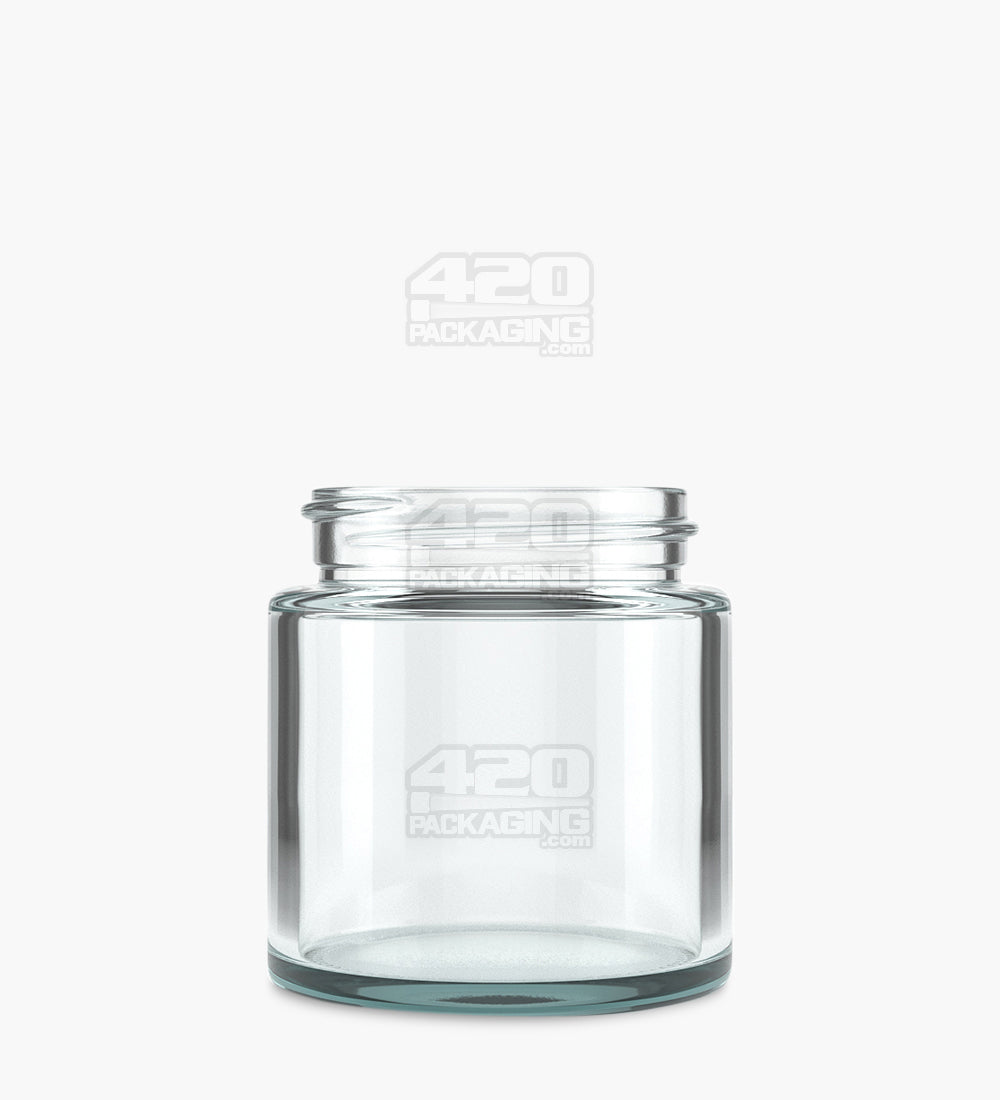

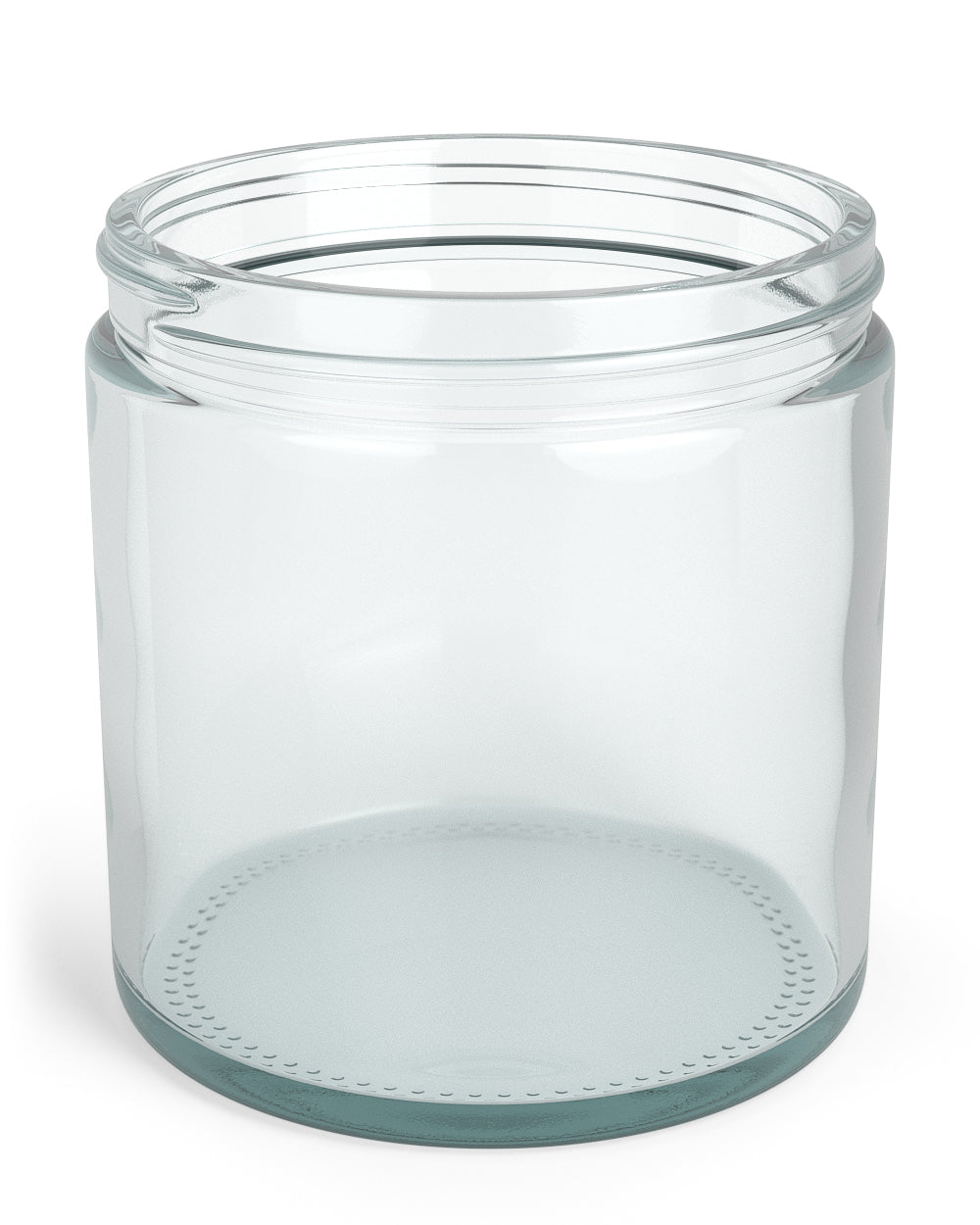
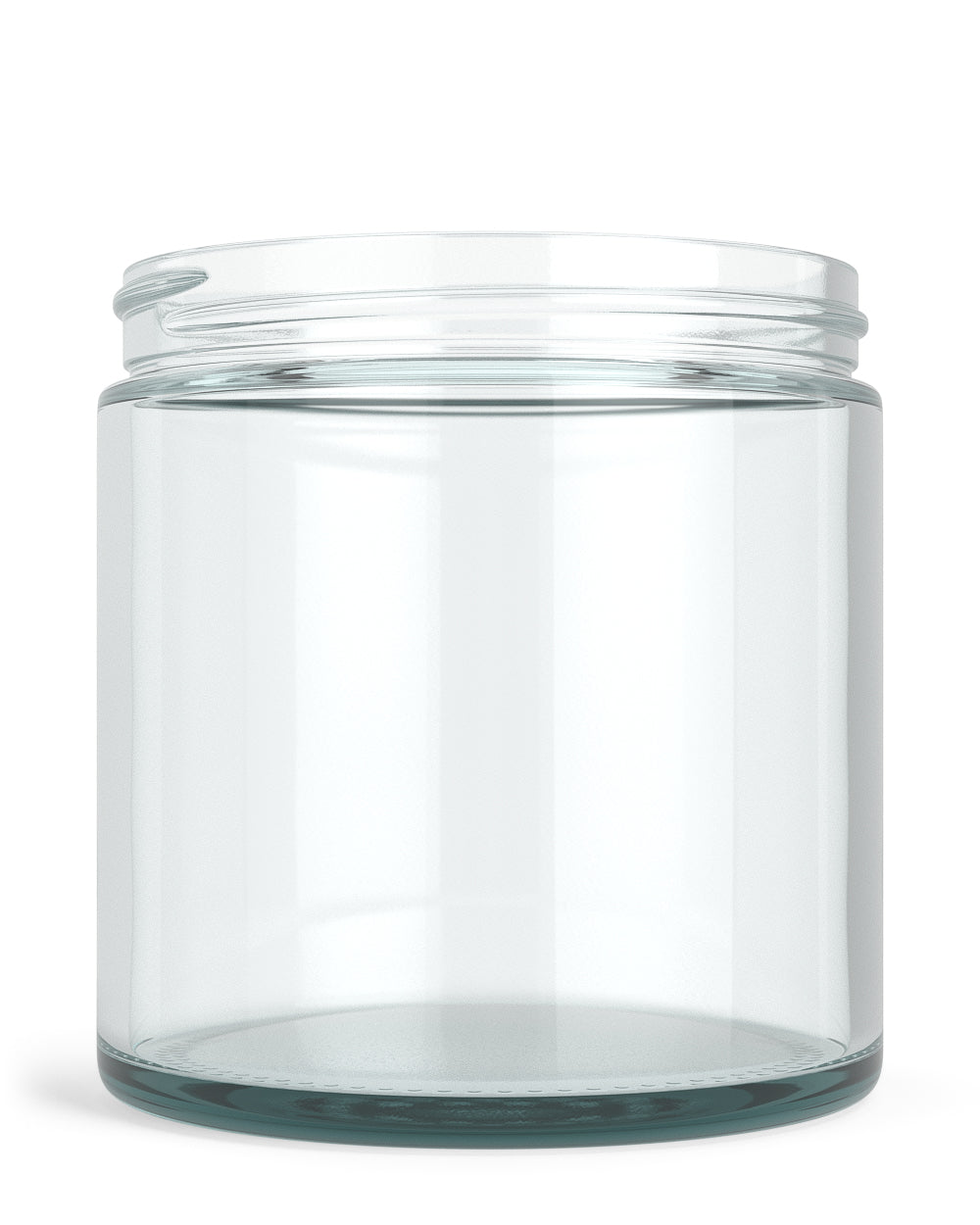
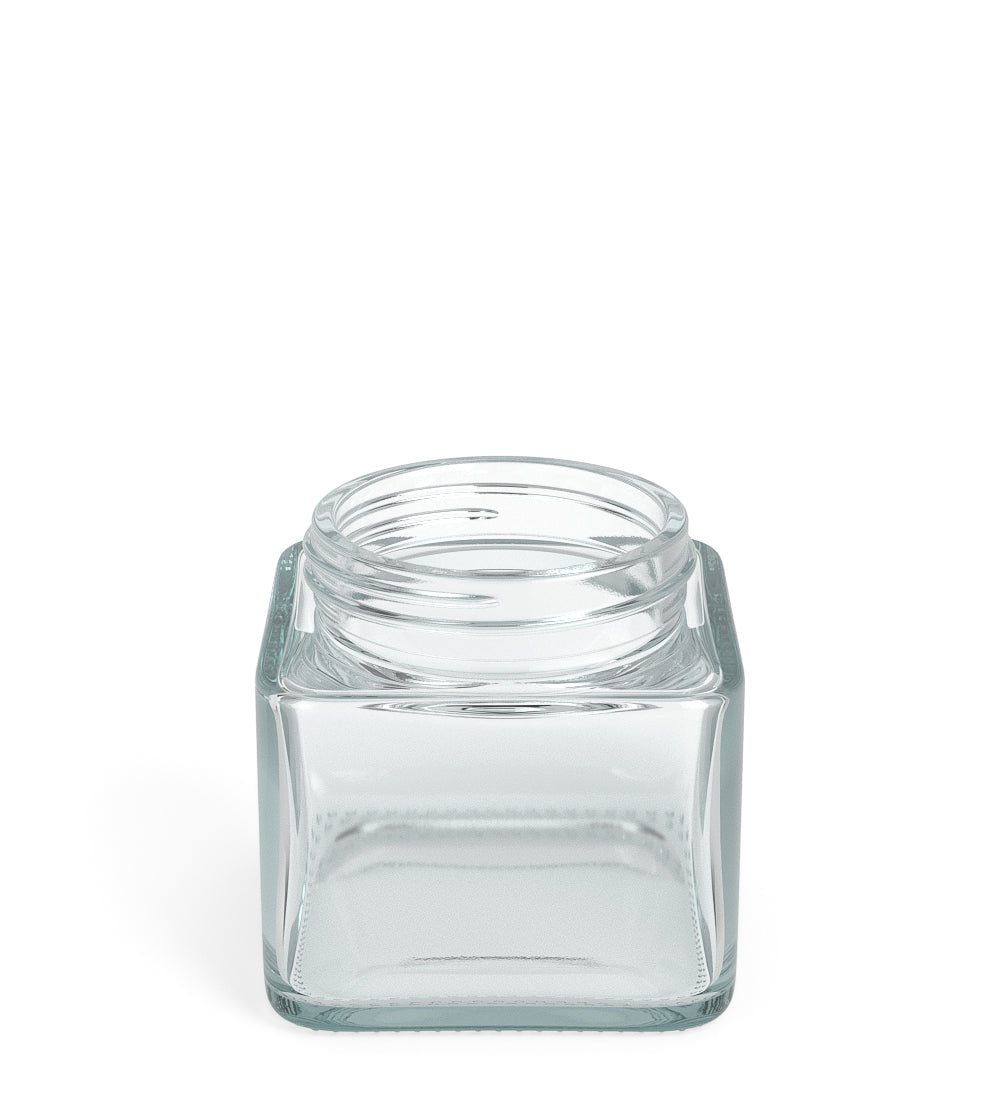

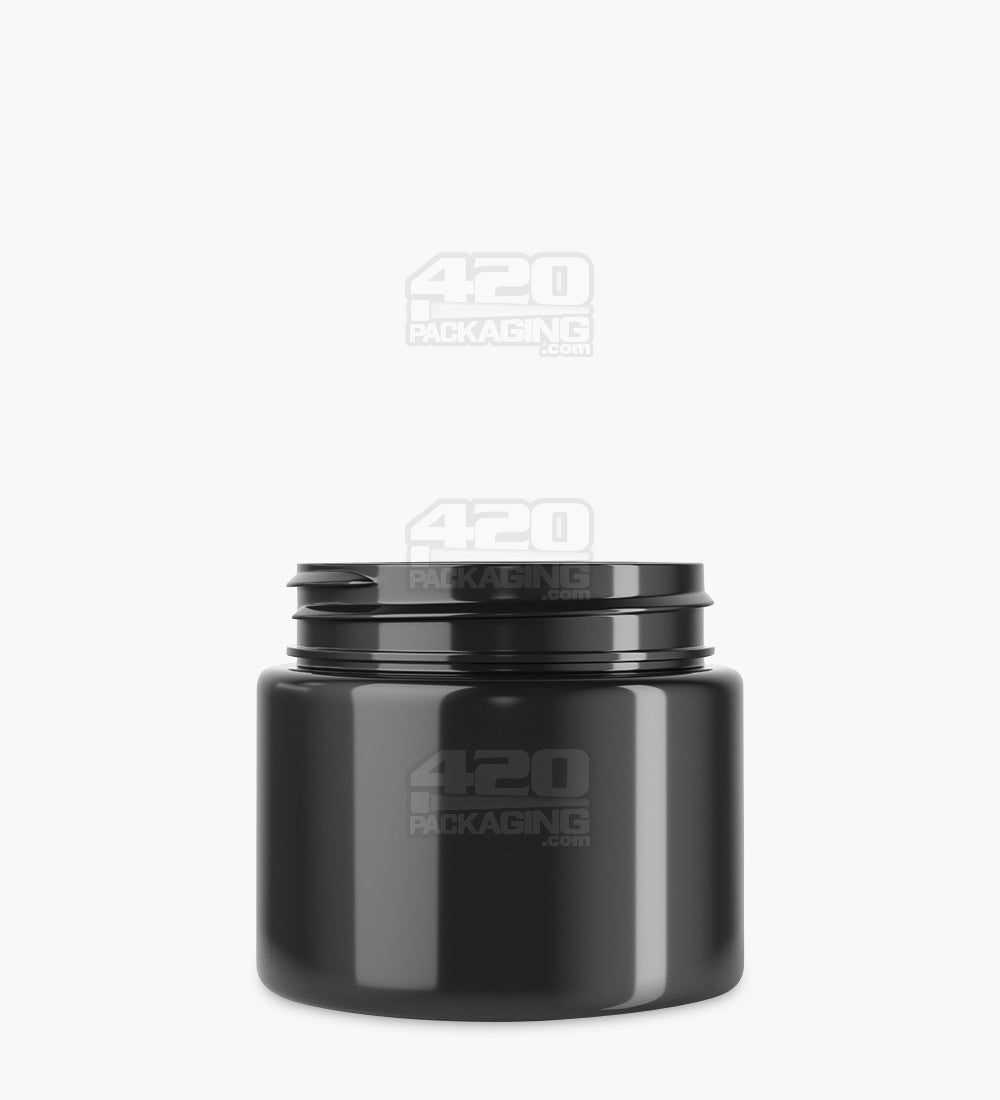


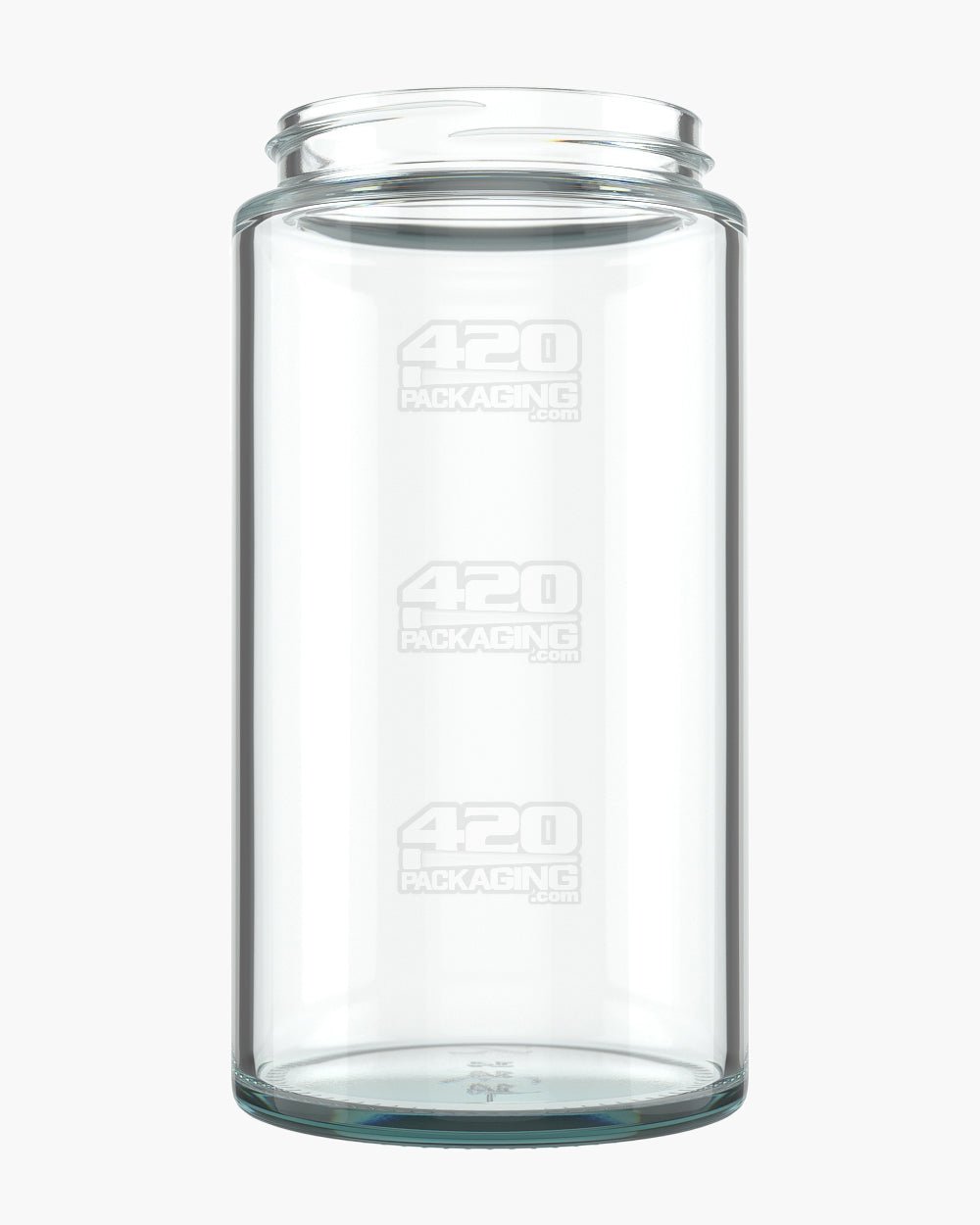
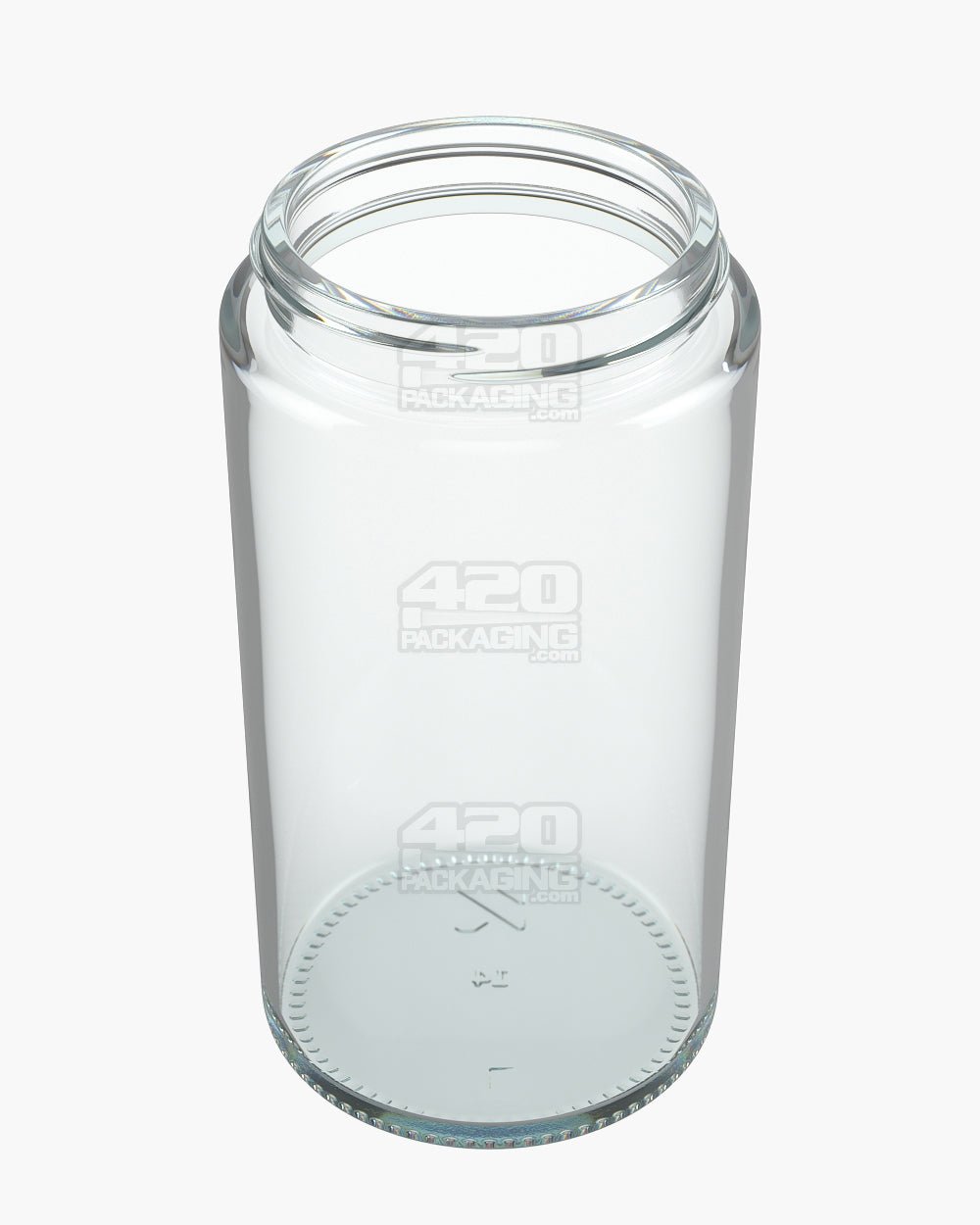
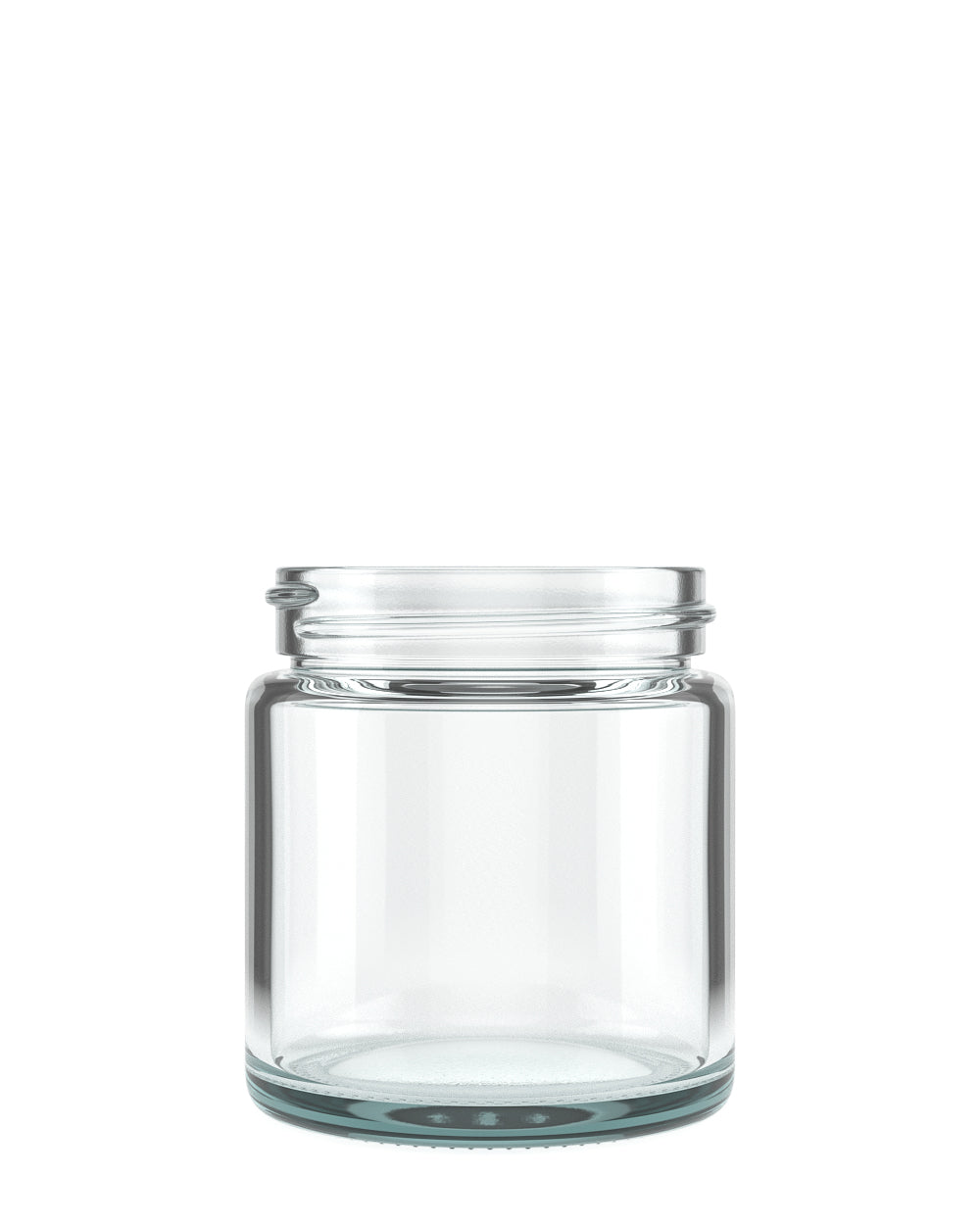
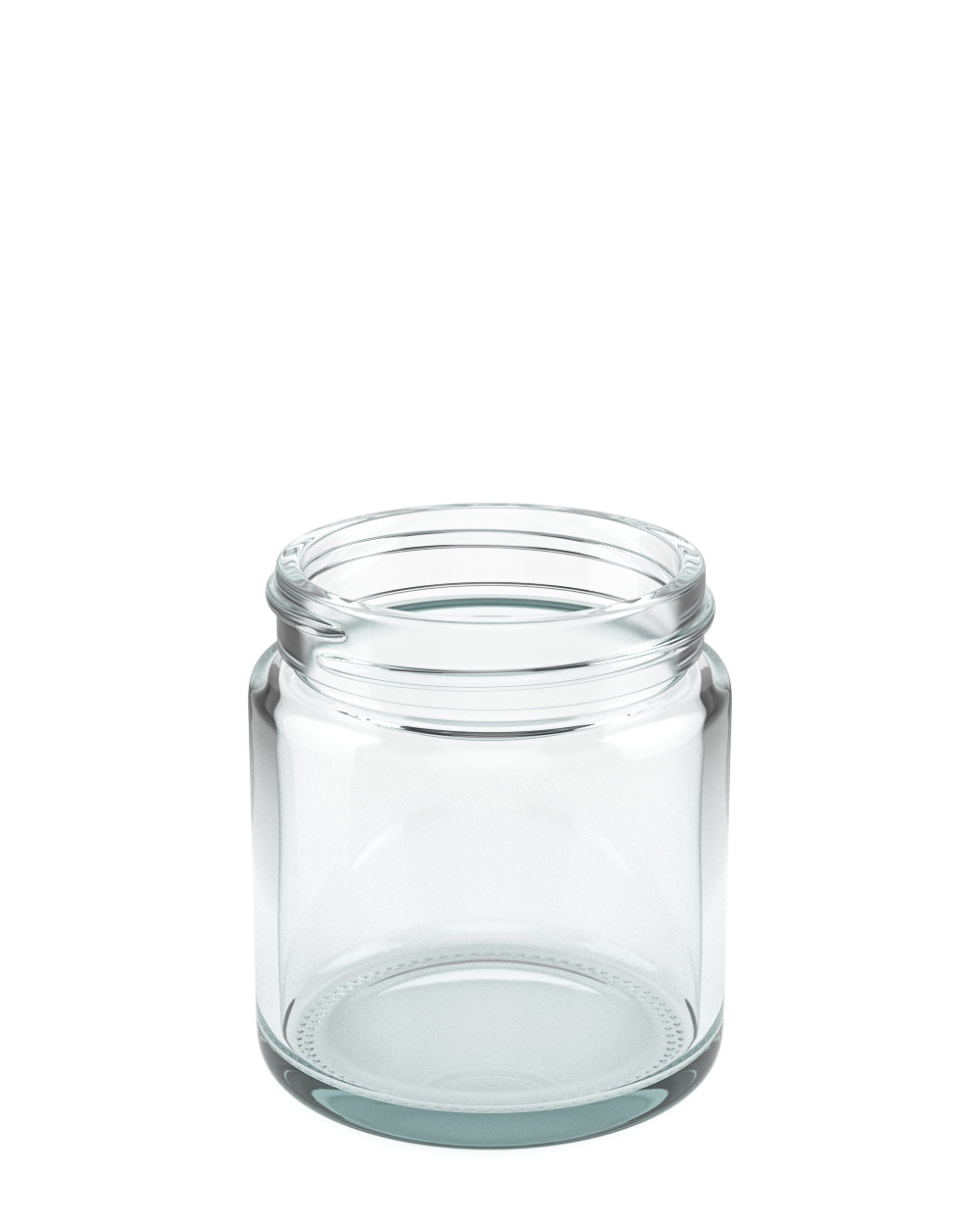


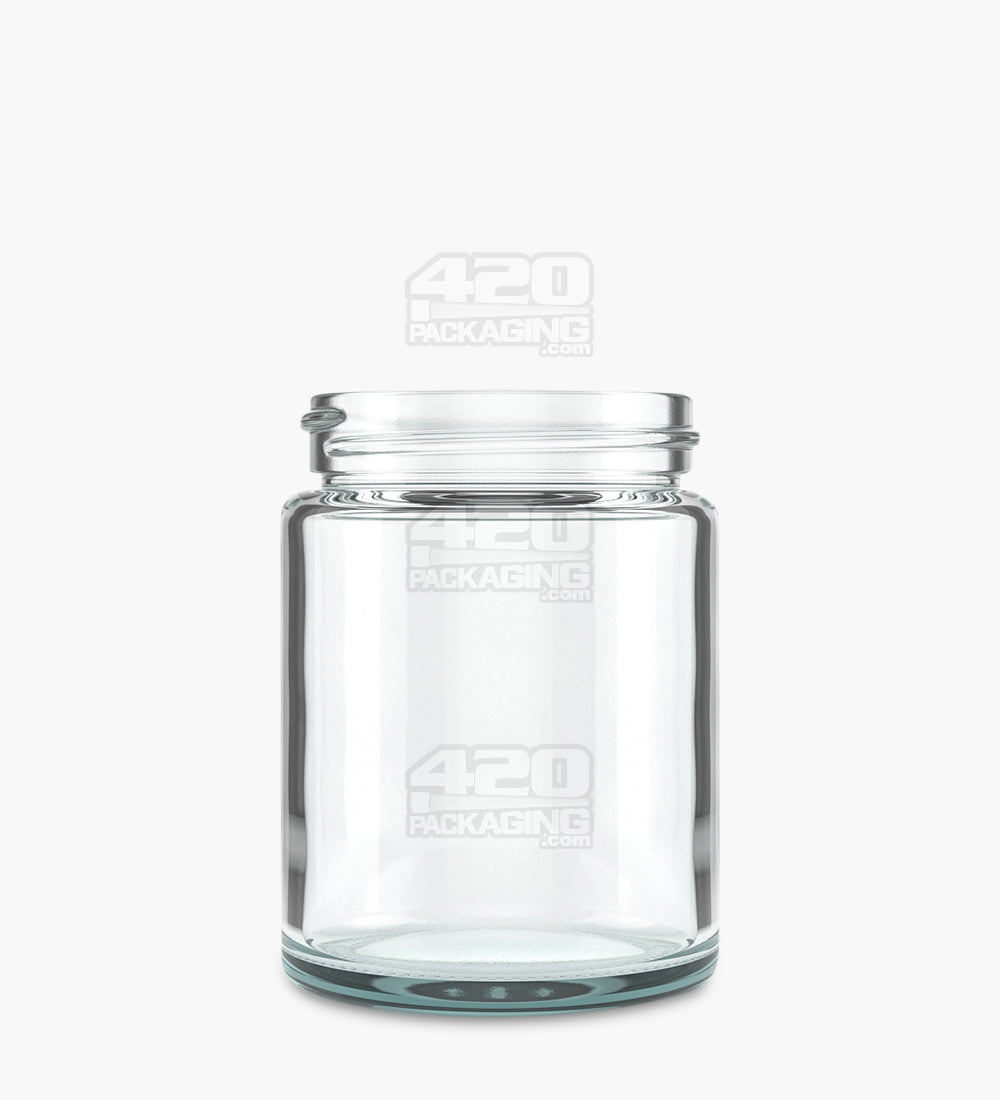
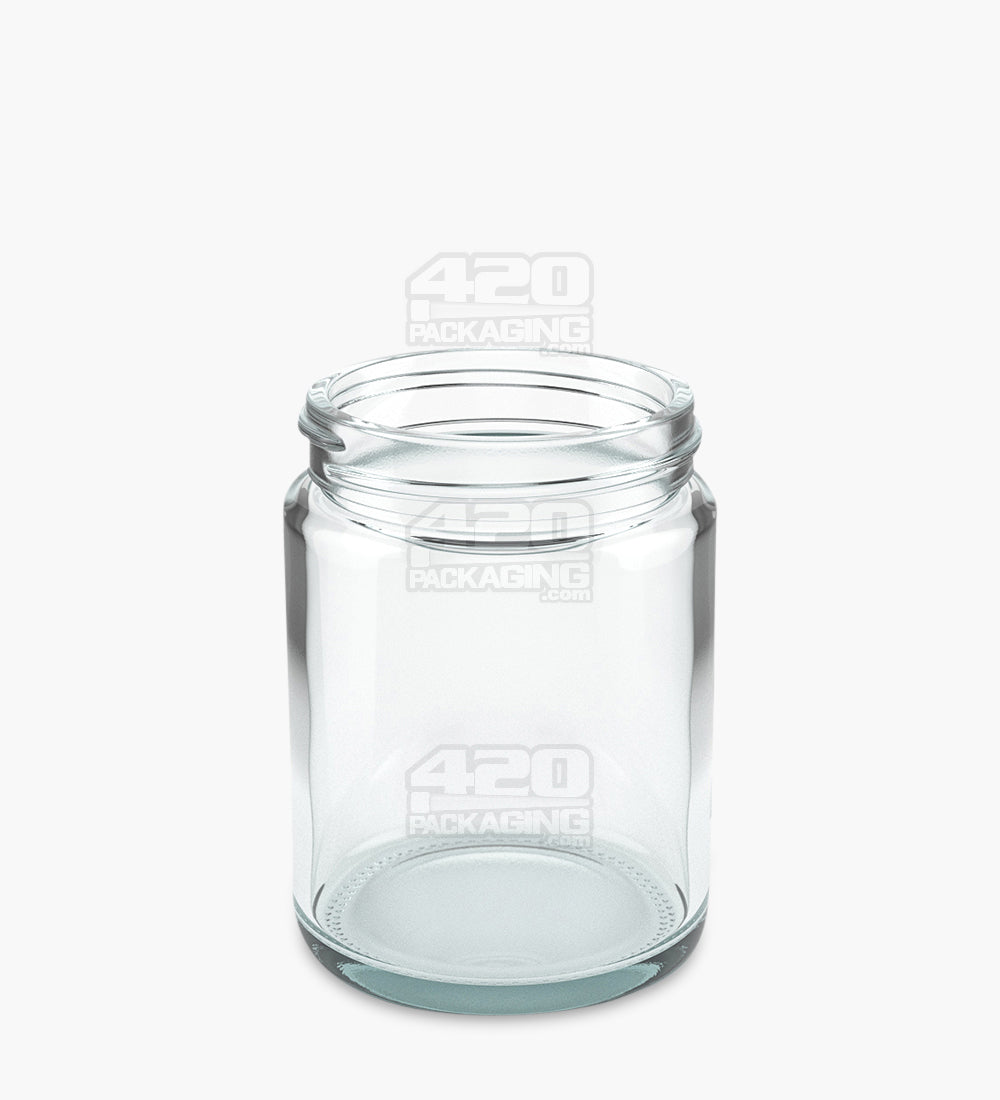

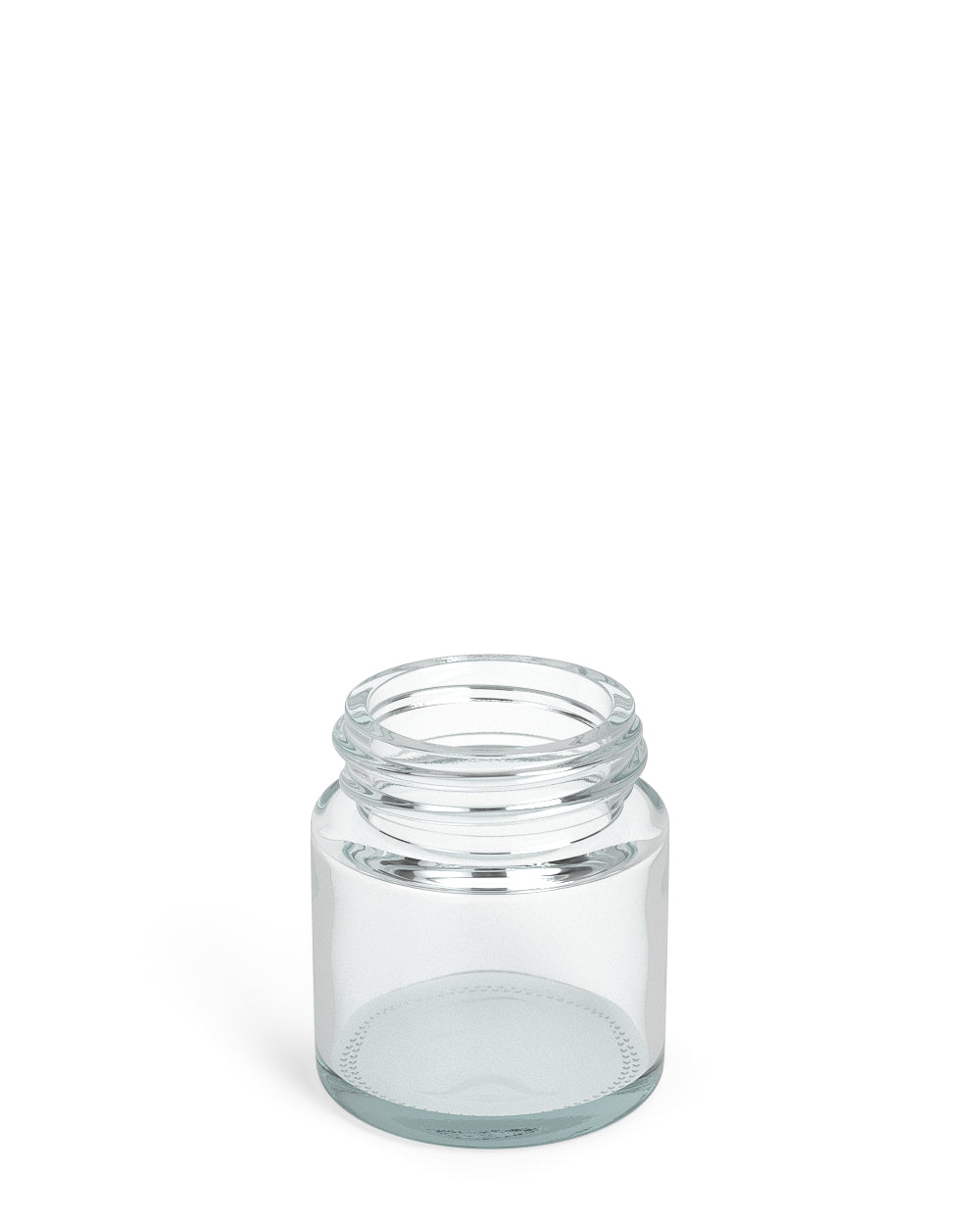
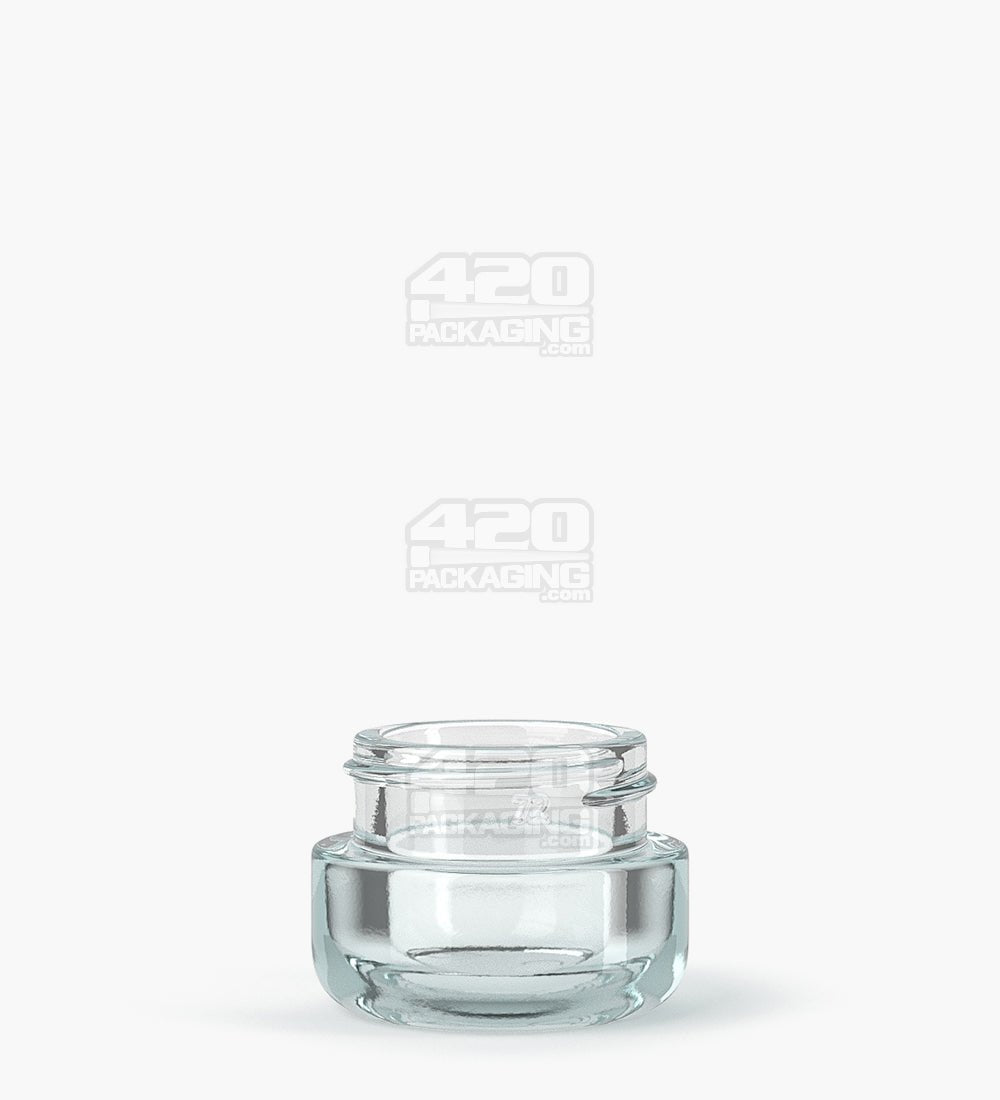
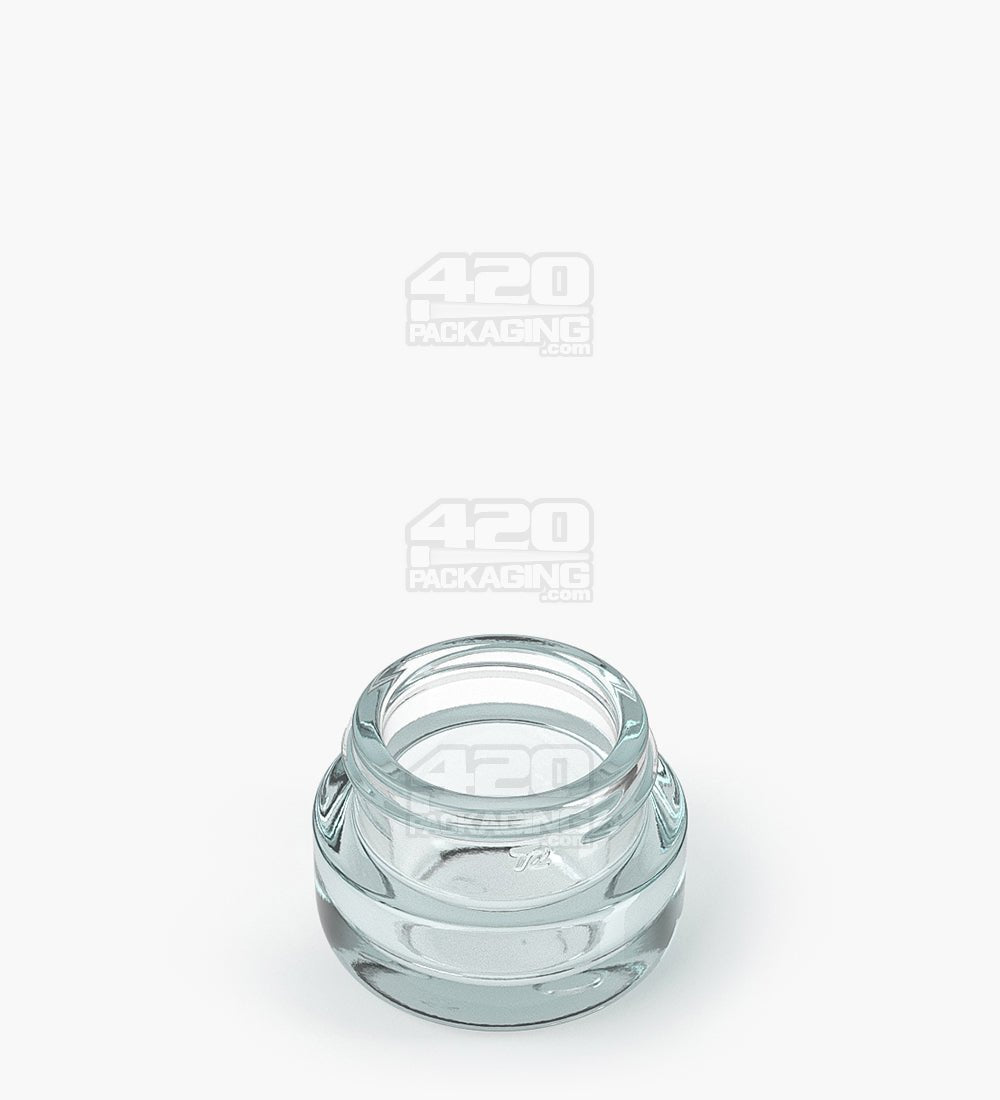


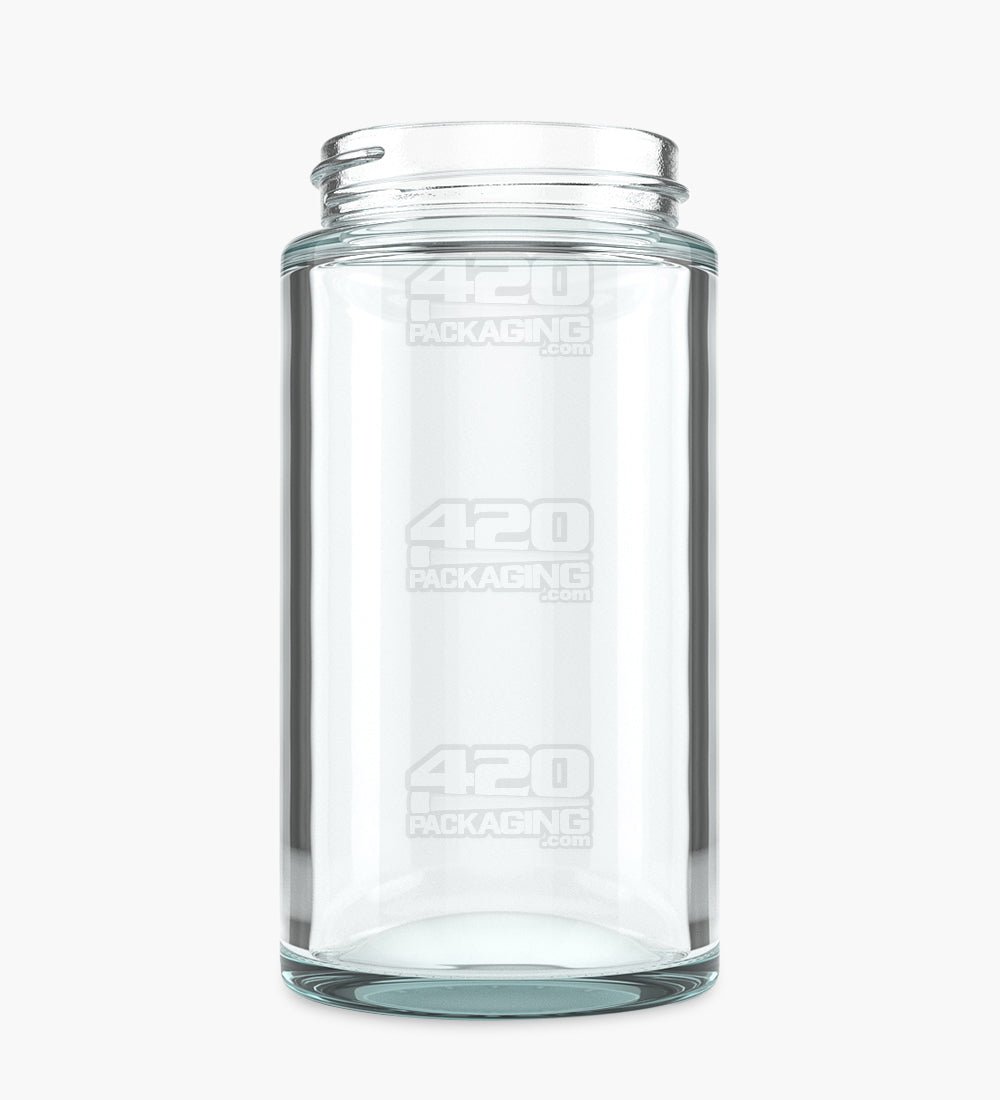
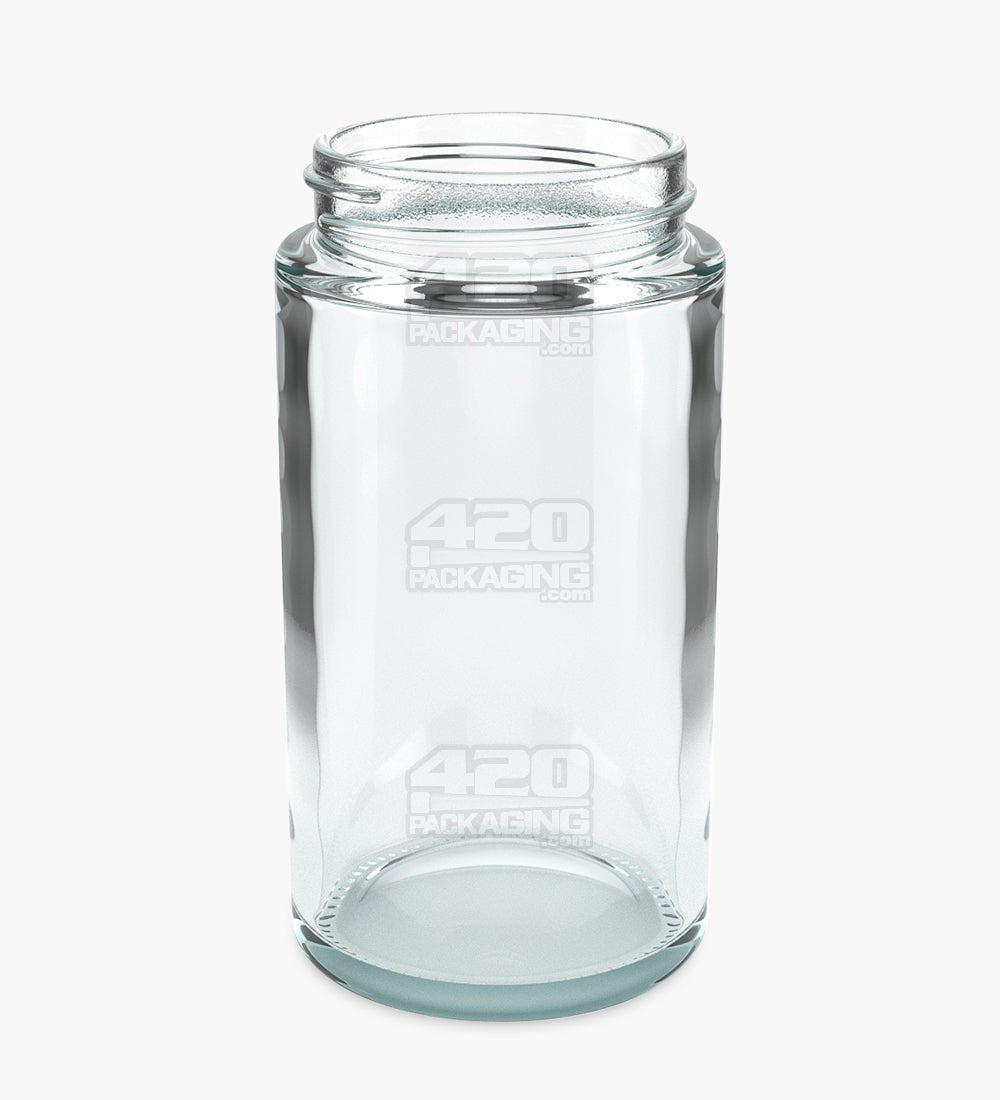
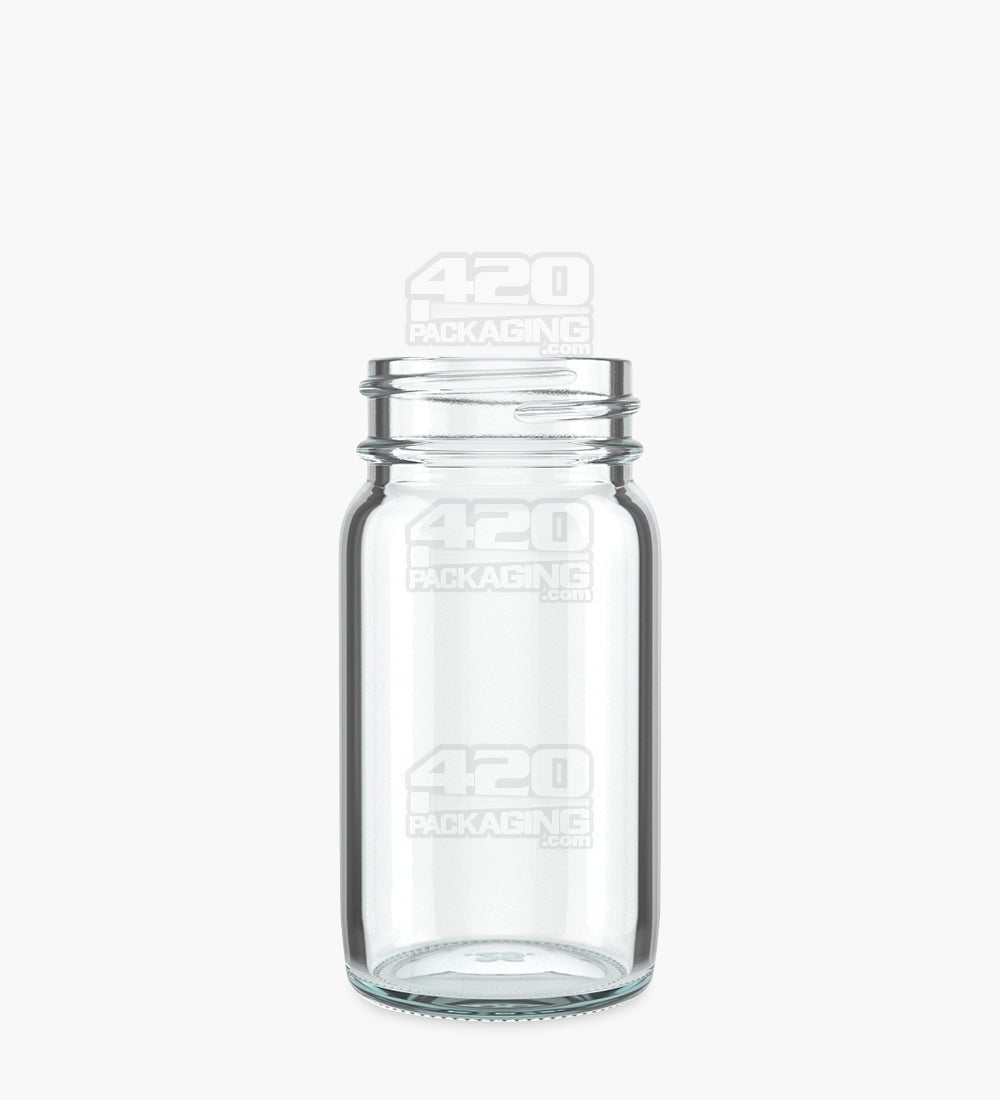
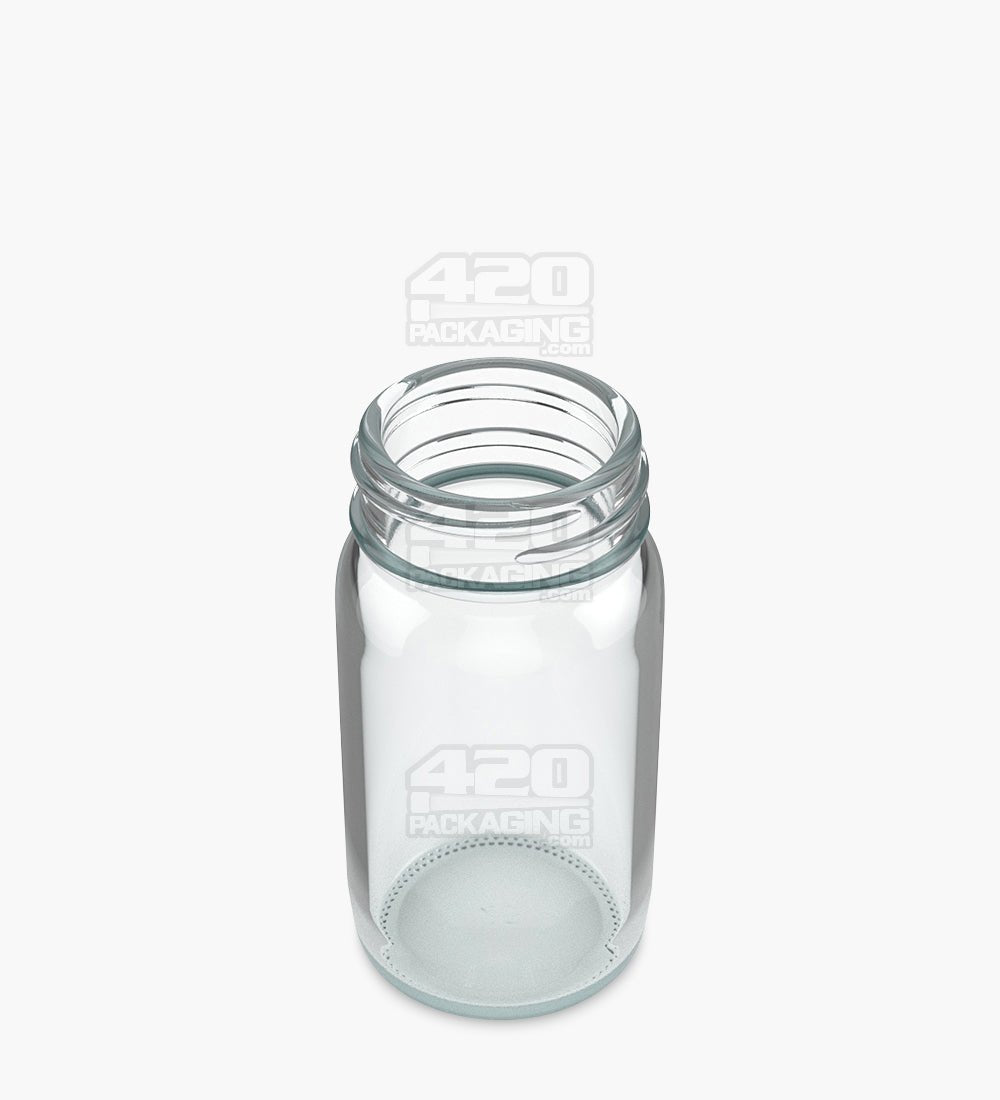
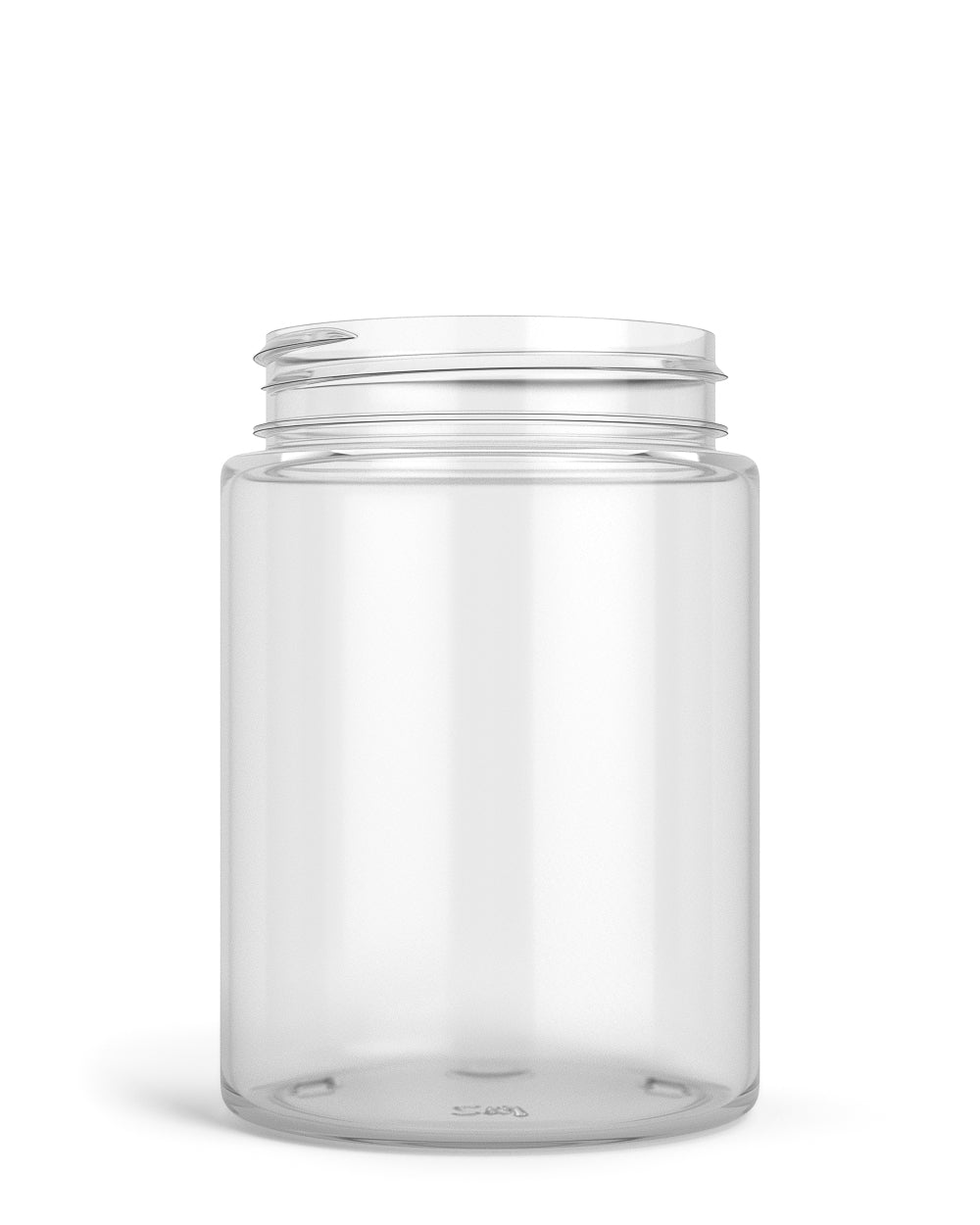
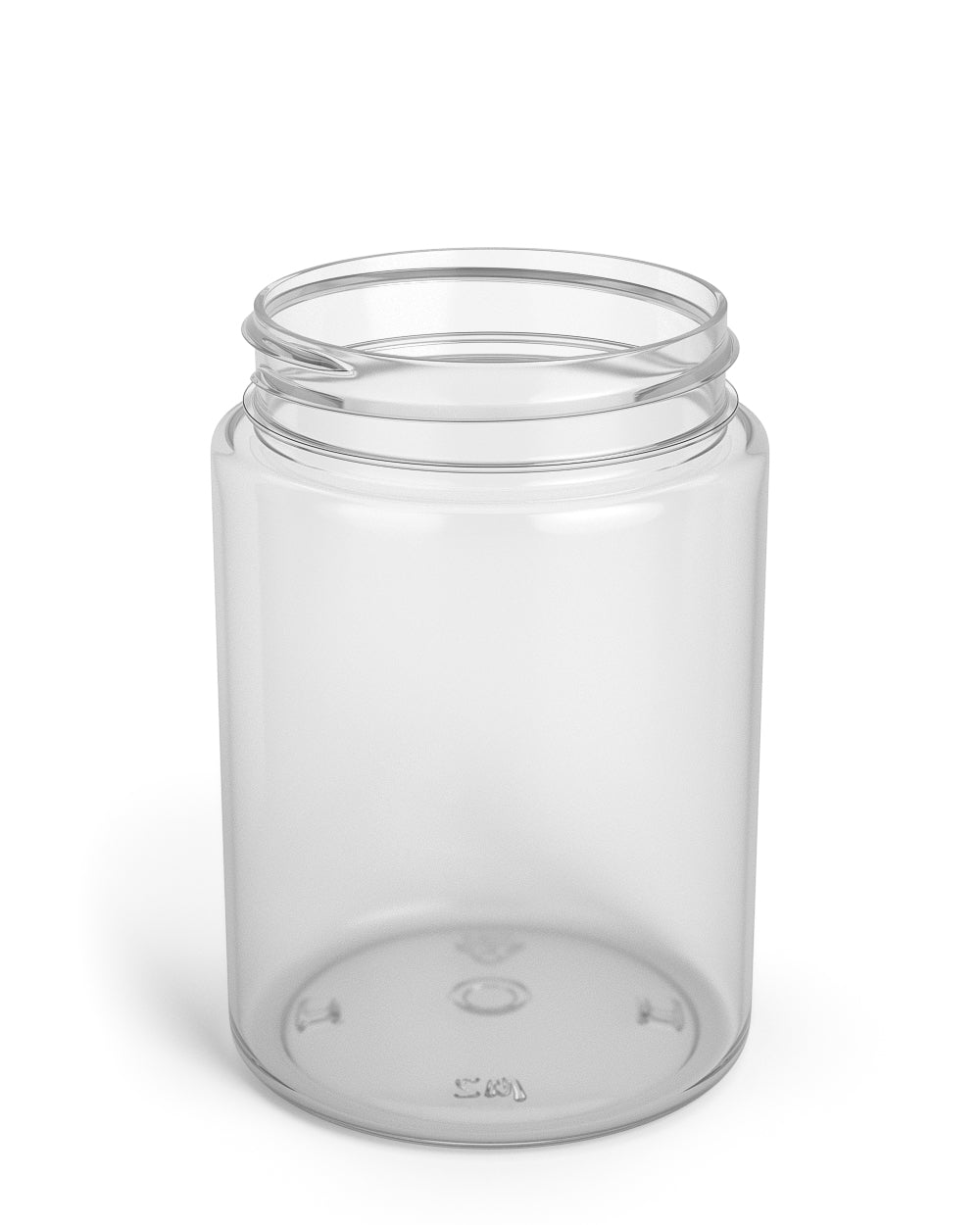


Cheap cannabis jars help cultivators, processors, manufacturers, dispensaries, and cannabis brands manage packaging expenses without unnecessarily increasing the cost of each finished retail unit. Marijuana Packaging supplies wholesale cannabis jars and related packaging components for businesses comparing affordable glass and plastic containers, bulk pricing, closure requirements, and recurring production needs.
Finding affordable wholesale cannabis jars involves more than choosing the lowest advertised price. The container must fit the product, work with an appropriate closure, accommodate required labeling, and perform consistently during filling and distribution. Jar materials, case quantities, freight, breakage, sealing components, and child-resistant packaging requirements all influence the actual cost. By evaluating the complete packaging system, cannabis businesses can identify lower-cost options that meet their operational needs without paying for features they do not require.
Affordable Wholesale Cannabis Jars for Commercial Packaging
For a cannabis business, packaging cost is a recurring operating expense. Every finished retail unit requires suitable packaging, and seemingly small differences in material prices or assembly costs can become meaningful over repeated production runs.
Wholesale purchasing can help businesses compare container options, order packaging in commercial quantities, and evaluate pricing based on expected demand. However, a lower unit price is useful only when the selected jar is appropriate for the product and can be assembled into the required finished package.
Affordable cannabis jars may be relevant to businesses packaging flower, pre-rolls, certain concentrates, edibles, or other suitable products. Each application has different requirements, so a jar that offers good value for one product may not be economical for another.
Cheap Does Not Have to Mean Unsuitable
The term cheap cannabis jars describes a purchasing objective rather than a technical material category. A competitively priced container may be suitable for commercial use when its material, capacity, closure compatibility, and other required characteristics have been verified.
Likewise, a more expensive jar is not necessarily a better choice for every product.
The goal is to identify the least costly configuration that satisfactorily performs the required job. Paying for unnecessary decoration, oversized packaging, or features unrelated to the product can increase costs without providing a corresponding operational benefit.
On the other hand, selecting a container that requires replacement, repacking, or additional handling may eliminate the savings associated with its initial purchase price.
Who Benefits From Affordable Bulk Jars?
Cost-conscious jar purchasing is particularly relevant to:
- Cultivators: Packaging repeated flower harvests across multiple retail weights or strains.
- Processors: Maintaining consistent container supplies for recurring production batches.
- Manufacturers: Managing the combined costs of jars, closures, sealing components, and labeling.
- Cannabis brands: Balancing retail presentation with packaging margins.
- Dispensaries: Sourcing appropriate packaging for permitted in-house or other authorized packaging operations.
- Multi-product businesses: Reducing inventory complexity by using compatible packaging formats where practical.
Businesses should compare packaging costs against their actual production requirements rather than assuming the same low-cost container will work across every product line.
What Makes a Cannabis Jar Affordable?
The advertised price of an empty jar is one useful purchasing metric, but it is not the complete cost of packaging a cannabis product for retail sale.
The container may require a separately purchased cap, an additional sealing component, a tamper-evident feature, or more labor to fill and close consistently.
Freight charges, damaged units, storage requirements, and labeling costs can also change the financial comparison between two jar options.
The most important distinction when buying cheap cannabis jars is empty-container price versus cost per usable finished package. Compare the jar, compatible lid, required seals, labeling, freight, handling, and expected production losses together. A low-priced jar can become the more expensive option if the closure costs more, the container arrives damaged, or the packaging process creates additional labor and rejects. The best wholesale value is the lowest total cost for a package that meets the product's actual requirements.
Empty Jar Cost vs. Finished Packaging Cost
A jar-only price is useful when comparing containers with similar specifications and purchasing conditions.
However, it should not be compared directly with the price of a complete jar-and-cap package unless the required components are included in both calculations.
For a meaningful comparison, businesses should account for the packaging materials and procedures necessary to produce a finished unit.
| Cost Component | What to Include | Why It Matters |
|---|---|---|
| Empty jar | Container price at the intended wholesale quantity | Establishes the starting material cost |
| Cap or closure | Matching lid, including any required child-resistant mechanism | May be sold separately and can materially change the total |
| Sealing components | Liners, inner seals, and compatible application materials | May be necessary for the intended barrier or first-opening function |
| Tamper evidence | Additional bands, labels, or seals where required | Can add both material and application costs |
| Labels and branding | Printed labels, artwork setup, and application | Varies with decoration method and production quantity |
| Freight and receiving | Shipping, handling, unloading, and related charges | Changes the landed cost of each usable container |
| Losses and rework | Damaged jars, defective closures, rejects, and repacking | Reduces the number of usable finished packages |
| Production labor | Filling, capping, sealing, labeling, and inspection | Different packaging designs can require different amounts of work |
Cost per Usable Finished Package
For an accurate purchasing comparison, calculate total relevant packaging and processing costs, then divide by the number of acceptable finished packages produced.
This is more informative than dividing the empty-jar case price by the number of containers delivered.
For example, if one packaging configuration experiences more breakage or requires additional manual processing, its effective cost may be higher even when its jars have a lower initial unit price.
Commercial buyers should use realistic production assumptions and track actual costs over time to identify which packaging choices offer the best value.
Cheap Glass Jars vs. Plastic and PCR Jars
Material selection can significantly influence the total cost of wholesale cannabis jars.
Glass and plastic have different manufacturing, weight, handling, and barrier characteristics. However, no material is guaranteed to be the cheapest in every capacity, purchasing quantity, or packaging configuration.
Affordable Glass Cannabis Jars
Glass jars provide rigid construction, strong resistance to gas and moisture transmission through their walls, and a substantial retail presentation.
Clear glass can display cannabis flower without requiring the container to be opened, while opaque or decorated finishes offer different branding possibilities.
Standard, undecorated glass may provide an economical starting point when a business can apply conventional labels instead of purchasing a more elaborate container finish.
However, glass generally weighs more than plastic and can break during handling or transportation. Buyers should include those considerations when comparing wholesale glass jars with other materials.
A lower glass-jar purchase price may still be attractive when breakage is controlled and the selected closure is economical, but the decision should be based on the completed package.
Low-Cost Plastic Cannabis Jars
Plastic jars generally weigh less than comparable glass containers and offer greater resistance to shattering during normal handling.
For high-volume packaging operations, these characteristics can help reduce certain transportation and breakage-related expenses.
However, plastic materials differ in barrier properties, stiffness, clarity, and suitability for contact with particular products.
Businesses comparing plastic cannabis jars should verify the specific resin and container construction rather than assume all plastic packaging offers equivalent performance or cost.
The cheapest plastic jar may not be the best option when the contents require different barrier characteristics or when the selected cap adds substantial expense.
Post-Consumer Recycled Plastic
Some cannabis jars incorporate post-consumer recycled plastic, commonly identified as PCR.
PCR refers to the use of recycled material rather than a particular polymer. A recycled-content container may use different underlying plastics, and its properties depend on the actual material and manufacturing process.
Recycled content should not automatically be treated as either a lower-cost or higher-cost option. Pricing can depend on material availability, processing requirements, container construction, and purchasing volume.
Likewise, a recycled-content claim does not automatically establish food-contact suitability or acceptance by every local recycling program.
For food-contact applications, the FDA's guidance on recycled plastics in food packaging explains why the source and treatment of recycled materials require careful evaluation.
Choosing Material Based on Total Value
A business may find that glass provides the desired presentation at an acceptable total cost, while another operation benefits more from the lower weight of plastic.
The appropriate comparison should include material suitability, jar price, cap price, freight, expected damage, and the labor required to produce a finished package.
Material choice should be guided by actual packaging needs rather than treating glass as inherently premium or plastic as inherently inexpensive.
Bulk Pricing, Case Quantities, and Volume Discounts
Wholesale purchasing can make cannabis jar costs more predictable when a business understands how packaging is priced, packed, and reordered.
Case-based pricing and volume-discount tiers can offer purchasing advantages, but a lower price at a higher quantity is not always the most economical decision for every operation.
Understanding Case Price and Unit Price
Cannabis jars are often sold in cases containing multiple containers.
For a valid comparison, divide the case price by the number of jars included. This provides the empty-container unit price before other costs are added.
However, differences in case quantity can make two advertised prices difficult to compare at a glance.
Buyers should confirm the actual number of usable containers included, the condition in which they are supplied, and whether the case contains caps or only empty jars.
How Bulk Discounts Affect Purchasing Decisions
Some wholesale listings offer lower unit pricing at larger purchasing quantities.
These discounts may be useful for businesses with predictable demand and enough inventory capacity to consume the packaging within their production plans.
However, ordering substantially more jars than needed can tie up cash and warehouse space. It may also leave a business holding excess packaging if artwork, product formats, or regulatory requirements change.
The best price tier is not necessarily the largest available tier. It is the level that provides a reasonable balance between unit savings, anticipated demand, storage costs, and purchasing flexibility.
Minimum Orders and Production Planning
Before placing a wholesale order, businesses should determine how much packaging they expect to use during their planned production period.
Ordering too little can create repeated freight charges or increase the risk of production interruptions. Ordering too much can increase carrying costs and the likelihood of obsolete inventory.
The appropriate quantity depends on the business's production schedule, reorder frequency, storage capacity, and financial requirements.
Buyers should also confirm whether different jar colors or closure configurations can be combined for pricing purposes rather than assuming all variations qualify for the same tier.
Promotional Pricing vs. Repeat-Order Pricing
A temporary discount may reduce the cost of an initial packaging purchase.
However, businesses using the same jars for recurring production should also consider the cost of replacement inventory after a promotion ends.
Packaging budgets are more reliable when based on pricing that can be reasonably expected during repeat orders.
Before standardizing a container, compare current pricing with available volume terms and confirm how future orders will be handled.
How Jar Lids and Seals Affect Packaging Cost
Caps and sealing components are a major source of hidden costs when comparing inexpensive cannabis jars.
Some containers are sold without lids, while others are supplied with matching closures. Those purchasing arrangements should not be compared using empty-jar prices alone.
Jar-Only Pricing vs. Jars With Lids
A jar-only purchase may provide flexibility when a packaging operation already uses an approved compatible cap.
This can be economical when the business maintains a common closure inventory and the selected jar works with that existing system.
However, a separately purchased closure must be included in the cost comparison.
A matched jar-and-cap configuration may simplify ordering and reduce component-matching work, but buyers should still verify whether the included cap provides the required opening mechanism, liner, or sealing performance.
Finding Economical Compatible Caps
A cap must match the jar's complete neck finish, thread configuration, and intended sealing interface.
Two closures with similar appearances are not necessarily interchangeable.
When comparing cannabis jar lids and closures, buyers should evaluate both unit cost and compatibility with the exact container.
Purchasing an inexpensive cap that does not engage correctly can lead to rejects, leaks, inconsistent sealing, or failure of the intended child-resistant mechanism.
Component compatibility should be established before purchasing large quantities of either jars or lids.
When Cap Liners Add Necessary Value
Some packaging applications require an additional liner or sealing component.
Foam liners, pressure-sensitive seals, and compatible induction-sealing materials perform different functions and may require different application processes.
These components can increase material and labor costs, but they may be necessary to achieve the intended packaging performance.
Unnecessary sealing components can add expense, while omitting a required component can create much greater downstream costs.
Businesses should evaluate cap liners and jar seals according to their actual container, closure, and product requirements rather than automatically adding every available feature.
Child Resistance and Compliance on a Packaging Budget
Regulatory suitability is not an optional premium feature when the finished cannabis package is required to provide a particular protective function.
An inexpensive jar should only be selected when it can form part of a packaging system appropriate for the product and the jurisdiction where the product will be sold.
Child Resistance Is a Complete-Package Requirement
Child-resistant packaging is designed to make opening significantly difficult for young children while remaining usable by adults.
For rigid jars, this frequently involves a qualifying container-and-cap combination.
An empty jar is not automatically child-resistant, and a cap with a child-resistant opening mechanism should not be assumed to provide the same performance on every compatible-looking container.
The U.S. Consumer Product Safety Commission's special packaging guidance explains the federal testing framework under the Poison Prevention Packaging Act and 16 CFR Part 1700.
The CPSC does not pre-approve or certify individual child-resistant package designs. Supporting documentation should apply to the intended packaging system and applicable standard.
Initial and Multiple-Use Child Resistance
Some cannabis regulations distinguish between packaging that provides child resistance before first opening and packaging that must maintain child resistance throughout repeated use.
For example, the California Department of Cannabis Control's child-resistant packaging guidance identifies qualifying initial-use packaging for cannabis flower and multiple-use requirements for certain other products, including edibles.
A lower-cost closure that does not provide the required type of child resistance may not be appropriate for the intended product.
Requirements vary by jurisdiction, making it necessary to establish the product and target market before selecting the least expensive acceptable packaging configuration.
Child Resistance vs. Tamper Evidence
Child resistance and tamper evidence address different packaging functions.
Tamper-evident features provide visible evidence of opening or interference, while child-resistant mechanisms restrict access by young children under applicable performance criteria.
A child-resistant cap does not automatically supply tamper evidence. Likewise, a tamper-evident seal does not automatically make the jar child-resistant.
Where both are required, the purchasing comparison must account for the materials and procedures needed to achieve each function.
Why Documentation Has Economic Value
Appropriate packaging records can help a business confirm that a selected configuration meets the requirements for its intended use.
Failing to verify a component before purchase can lead to repacking expenses, production delays, or the inability to use the selected materials for a regulated retail product.
Before standardizing a low-cost container, buyers should confirm the scope of any testing documentation and retain records of the approved jar, closure, and relevant components.
A lower purchase price does not compensate for a package that cannot be used in the intended market.
Choosing the Right Jar Size Without Overspending
Container sizing can affect packaging costs in several ways, including material use, shipping weight, storage space, and the appearance of the finished product.
Buying a larger jar than necessary may increase packaging expenses without providing a corresponding benefit. Choosing a container that is too small can damage the product or interfere with closure installation.
Nominal Jar Capacity Is Not Cannabis Weight
Jar capacities are commonly expressed in fluid ounces or milliliters, while cannabis flower is typically sold by weight.
These measurements are not interchangeable.
The actual amount of flower that fits inside a jar depends on bud density, structure, internal geometry, opening clearance, and headspace.
A cost-conscious buyer should not assume that a particular fluid-ounce container holds the same number of grams of flower across every strain.
Avoiding Unnecessary Headspace
Headspace is the unfilled space between the contents and the underside of the closure.
Some headspace is necessary for proper cap engagement and product protection. However, an oversized jar may leave more empty space than the brand intends.
This can affect both retail presentation and the amount of packaging material required for the finished product.
The right container balances a proportionate fill with adequate clearance for the intended closure.
Product Fit Across Different Cannabis Categories
Flower packaging requires room for irregular buds without excessive compression. Pre-roll packaging places greater emphasis on joint length, count, and orientation.
Concentrates may require smaller or differently shaped containers with materials suitable for the formulation. Edible packaging introduces additional considerations involving product dimensions, serving count, food-contact suitability, opacity, and repeated access.
Using the same jar for unrelated products is not automatically economical. A standardized container only creates value when it meets the actual requirements of each intended application.
Testing Before Buying More Capacity
Before moving to a larger jar, buyers should evaluate whether a different opening or internal shape could accommodate the product within a more compact container.
Similarly, before selecting a smaller jar to reduce costs, confirm that the product can be inserted and removed without damage.
Representative filling trials are a relatively straightforward way to avoid purchasing containers that are too large, too restrictive, or incompatible with the intended closure.
Freight, Storage, Breakage, and Landed Cost
Shipping and warehouse expenses can change the effective value of a wholesale jar order.
Empty glass and plastic jars occupy space during transportation and storage, and their weight and handling requirements influence the cost of moving them through the supply chain.
Comparing Landed Cost
Landed cost includes the amount paid for the packaging materials and the applicable expenses required to receive them at the intended location.
For a practical comparison, businesses should account for quoted freight, handling charges, and the usable quantity received.
Shipping estimates can differ depending on order quantity, total weight, packaging configuration, destination, and delivery requirements.
Two containers with similar purchase prices may have different landed costs because of material weight or how the cases are packed.
Glass Breakage and Product Loss
Glass is rigid and provides strong material barrier properties, but it can fracture under impact.
Damaged empty jars reduce the usable quantity received. Damage during production can also create cleanup, inspection, and replacement costs.
Businesses should consider the protective packing, receiving procedures, and handling methods necessary to reduce breakage.
Breakage rates should be based on actual receiving and production experience rather than an assumption that all glass orders have the same level of loss.
Plastic Handling and Deformation
Plastic generally offers greater resistance to shattering, but it is not immune to packaging defects.
Container deformation, damaged threads, unsuitable storage conditions, or incorrect capping procedures can still affect usability.
Material inspection and compatible handling procedures help determine whether a lower-weight plastic container provides an actual cost advantage in the intended operation.
Warehouse Space and Inventory Carrying Costs
Bulk discounts can encourage larger purchases, but empty jars require storage space until they are used.
Packaging inventory also ties up working capital and may become unsuitable if product formats, labels, closures, or regulatory needs change.
The ideal purchasing quantity balances unit-price savings against the practical costs of storage and the business's expected rate of use.
For recurring programs, packaging teams may benefit from reviewing demand and reorder patterns instead of purchasing the largest possible quantity at every opportunity.
Budget-Friendly Jar Labeling and Branding
Retail presentation matters, but a cannabis brand does not always need a highly customized container to create a consistent packaging identity.
Stock jars combined with appropriately designed labels and compatible caps can provide a practical branding approach, particularly for businesses managing smaller production runs or multiple product variations.
Stock Jars With Printed Labels
Using an existing jar format can reduce the need for specialized container manufacturing or decoration.
Brand differentiation can then be handled through labels, product identification, and coordinated closure finishes.
This approach may be useful when a business frequently updates strain names, product information, or packaging artwork.
However, label cost and application labor should still be included in the packaging budget.
Clear vs. Opaque Jars
Clear jars allow the contents to remain visible and can support flower presentation without extensive decoration.
Opaque containers conceal the contents and offer a different background for labels and graphics.
Neither finish is automatically the lowest-cost option. Pricing depends on material, manufacturing process, purchasing quantity, and available inventory.
Product requirements can also influence the choice. For example, California generally requires final-form cannabis edible packaging to be opaque, subject to specified exceptions.
Container appearance should therefore be selected after determining the product's functional and regulatory needs.
When Custom Decoration Becomes Economical
Custom printing or specialty decoration may provide value for brands producing large, stable product lines.
However, customization can introduce artwork setup, production minimums, longer purchasing commitments, and the risk of unused packaging if designs change.
Businesses should compare the total cost of custom decoration with a stock-container-and-label approach over their expected production volume.
For a developing brand, maintaining flexibility may be more economical than committing to an extensive supply of predecorated jars.
Standardizing Labels Across Product Lines
Using a common jar shape can simplify label artwork and application procedures when the format is suitable for multiple products.
However, each finished package must still accommodate the required product identification, warnings, and other applicable information.
Labels should remain legible and should not interfere with child-resistant opening mechanisms or closure operation.
A packaging format that reduces decoration costs but fails to provide adequate label space is not an effective economy.
Quality Checks That Prevent Expensive Packaging Problems
Low-cost packaging must still perform consistently during commercial use.
Quality problems can generate additional costs through wasted materials, production stoppages, relabeling, or repacking. Some issues may only become visible after the container has been filled and closed.
For this reason, economical purchasing should include a practical pre-production evaluation.
Inspecting the Empty Container
Before approving a packaging format, check representative jars for:
- Visible cracks, chips, or other material damage.
- Deformed or inconsistent container openings.
- Damaged or unsuitable sealing surfaces.
- Thread irregularities that interfere with the intended closure.
- Foreign material or contamination.
- Unexpected differences in container appearance or finish.
- Labeling surfaces that do not support the intended artwork.
These checks can identify practical problems before they affect filled cannabis products.
Testing the Complete Jar-and-Cap System
A container should be evaluated with the actual cap and any required liner or seal.
The closure must engage according to its intended design. Where child resistance or another regulated function is required, applicable supporting documentation must also be reviewed.
The presence of a tight-fitting lid does not automatically establish airtightness, odor containment, or tamper evidence.
Packaging teams should identify which characteristics are necessary and establish appropriate acceptance criteria for those functions.
Testing the Product Fill
For flower, a trial should use representative buds of the intended weight and structure. For pre-rolls, the finished length and arrangement are important. For other products, material compatibility and product accessibility may be primary considerations.
The package should provide adequate headspace and allow the contents to be removed without unnecessary damage.
Correct product fit helps avoid rework and reduces the risk of buying a large quantity of unsuitable containers.
Checking Production Performance
Manual and automated packaging procedures can introduce different operational requirements.
Evaluate how consistently the jars can be filled, capped, labeled, inspected, and packed into shipping cases.
A jar that is inexpensive to purchase but difficult to process may increase labor costs or lower the number of acceptable finished units.
Quality-control procedures should focus on the issues that affect the selected package rather than introduce unnecessary complexity.
How to Compare Wholesale Cannabis Jar Quotes
To compare two affordable cannabis jar options fairly, request or verify the information needed to evaluate the same finished packaging requirements.
A quote based on empty glass jars should not be compared directly with a quote for plastic jars that include child-resistant caps. The included components and total usable cost are different.
What to Verify Before Comparing Prices
For each candidate packaging configuration, confirm:
- Container price: The applicable case and per-unit prices.
- Quantity basis: The number of jars included and the order volume required for the quoted rate.
- Current availability: Whether the intended material, capacity, and finish are available for the production schedule.
- Included components: Whether caps, liners, or other accessories are supplied with the jars.
- Closure compatibility: The exact cap intended for the container.
- Packaging requirements: Any child-resistant, tamper-evident, or other required function.
- Documentation: Relevant material specifications and qualifying test records.
- Freight: Shipping charges and any applicable receiving or delivery costs.
- Production suitability: Whether the jar works with the intended filling and labeling procedures.
- Repeat purchasing: Expected reorder availability, pricing terms, and ordering conditions.
Questions Worth Asking Before a Bulk Order
Several questions can help identify packaging costs that are not obvious from a product listing.
- Is the listed price for empty jars or a complete jar-and-cap configuration?
- Are compatible child-resistant lids available if the product requires them?
- Does the proposed closure require an additional liner or sealing operation?
- Is the quoted price a current promotion or a repeatable volume tier?
- What is the expected delivered cost for the intended order quantity?
- Can representative samples be evaluated before committing to full production?
- What documentation is available for the specified container-and-closure system?
- Will the same approved configuration be available for future orders?
These questions help move the purchasing decision from a simple price comparison to an evaluation of complete packaging value.
Comparing Suppliers on More Than Price
Consistency of supply, component compatibility, and accurate product specifications can be important to cannabis packaging operations.
Unexpected changes in containers or caps may require additional packaging evaluation, artwork adjustments, or production setup.
Businesses should therefore consider whether the proposed packaging program can be repeated reliably, not just whether the initial order appears inexpensive.
The lowest quoted price may still be appropriate, provided the supplier's configuration and purchasing terms support the intended application.
Buying Affordable Cannabis Jars in Bulk
Affordable wholesale cannabis jars are most useful when they support a predictable, repeatable packaging process without unnecessary material or labor costs.
Marijuana Packaging supplies cannabis jars and complementary packaging components for cultivators, processors, manufacturers, brands, dispensaries, and other businesses seeking cost-conscious commercial packaging.
Start With the Finished Product
Before comparing prices, determine the characteristics the completed package actually needs.
For flower, this includes suitable usable capacity, opening clearance, and any intended moisture or odor protection. For edibles or concentrates, material-contact considerations and other product-specific requirements may be important.
The applicable regulatory requirements should also be established before selecting a closure or sealing method.
These decisions define the minimum acceptable packaging configuration and prevent businesses from comparing options that do not perform the same job.
Calculate Total Cost Before Increasing Order Volume
Once the required package has been established, compare the available jar materials, purchasing quantities, closure options, and delivered costs.
Where volume discounts are available, evaluate whether the expected savings justify the additional inventory commitment.
The best purchasing quantity should reflect production forecasts and warehouse capacity rather than simply qualifying for the largest possible discount.
Confirm the Package Before Standardizing It
Representative samples should be evaluated with the intended product, cap, liner, and label before a large commercial order.
For packaging functions supported by testing documentation, confirm that the records apply to the actual configuration being purchased.
Packaging specifications should be retained for future orders so replacement materials remain compatible with the established production process.
Wholesale Value Without Unnecessary Compromises
The most economical cannabis jar is not necessarily the one with the lowest empty-container price. It is the jar that provides the required product fit, suitable materials, compatible closure, and dependable production performance at the lowest practical total cost.
By comparing glass and plastic options, reviewing wholesale price tiers, verifying closure requirements, and accounting for freight and handling, cannabis businesses can make more informed decisions about affordable bulk packaging.
Marijuana Packaging's wholesale jar assortment provides a starting point for evaluating these tradeoffs and selecting packaging configurations suited to recurring commercial use.
Frequently Asked Questions About Affordable Cannabis Jars
Marijuana Packaging offers wholesale cannabis jars for cultivators, processors, manufacturers, dispensaries, and brands seeking affordable rigid packaging. Buyers can compare glass and plastic containers, available bulk pricing, and compatible closures. Before ordering, confirm whether the advertised price includes lids and evaluate freight, sealing components, labeling, and other costs associated with the finished package.
Neither glass nor plastic is always the less expensive choice. Plastic generally weighs less and offers greater resistance to shattering, which can reduce some freight and breakage-related costs. Glass offers strong container-wall barrier properties and a different retail presentation. The actual comparison depends on the jar price, order quantity, compatible caps, shipping, handling, and production requirements.
Not necessarily. Some cannabis jars are sold without caps, while others are offered as matched jar-and-lid configurations. Child-resistant performance must be verified for the intended container-and-closure system. A low-priced empty jar should not be assumed to satisfy child-resistant packaging regulations simply because compatible lids may be available. Buyers should confirm the included components and applicable documentation before purchasing.
Brands can reduce unnecessary costs by choosing an appropriately sized container, comparing glass and plastic, selecting only the sealing features required by the product, using stock jars with suitable labels, and evaluating wholesale price tiers. They should also consider shipping, breakage, labor, and inventory costs. Product fit, closure compatibility, applicable regulations, and material suitability should be verified before placing a bulk order.
Larger orders may qualify for lower per-unit pricing, but they do not always produce the lowest overall cost. Freight, warehouse space, unused inventory, cash tied up in packaging, and the risk of future product or artwork changes can offset the savings. Cannabis businesses should compare total landed cost and expected usage before selecting a wholesale order quantity.