

Weed Jars
Weed jars provide a secure and reliable storage solution for cannabis flower, concentrates, edibles, and other products while helping preserve freshness and product quality. Shop a wide selection of glass and plastic weed jars in multiple sizes, colors, and child-resistant options designed to meet industry compliance requirements. Whether you need stock or custom cannabis jars, our packaging solutions combine product protection, professional presentation, and customizable branding to help your products stand out on the shelf.
Filters
43 products

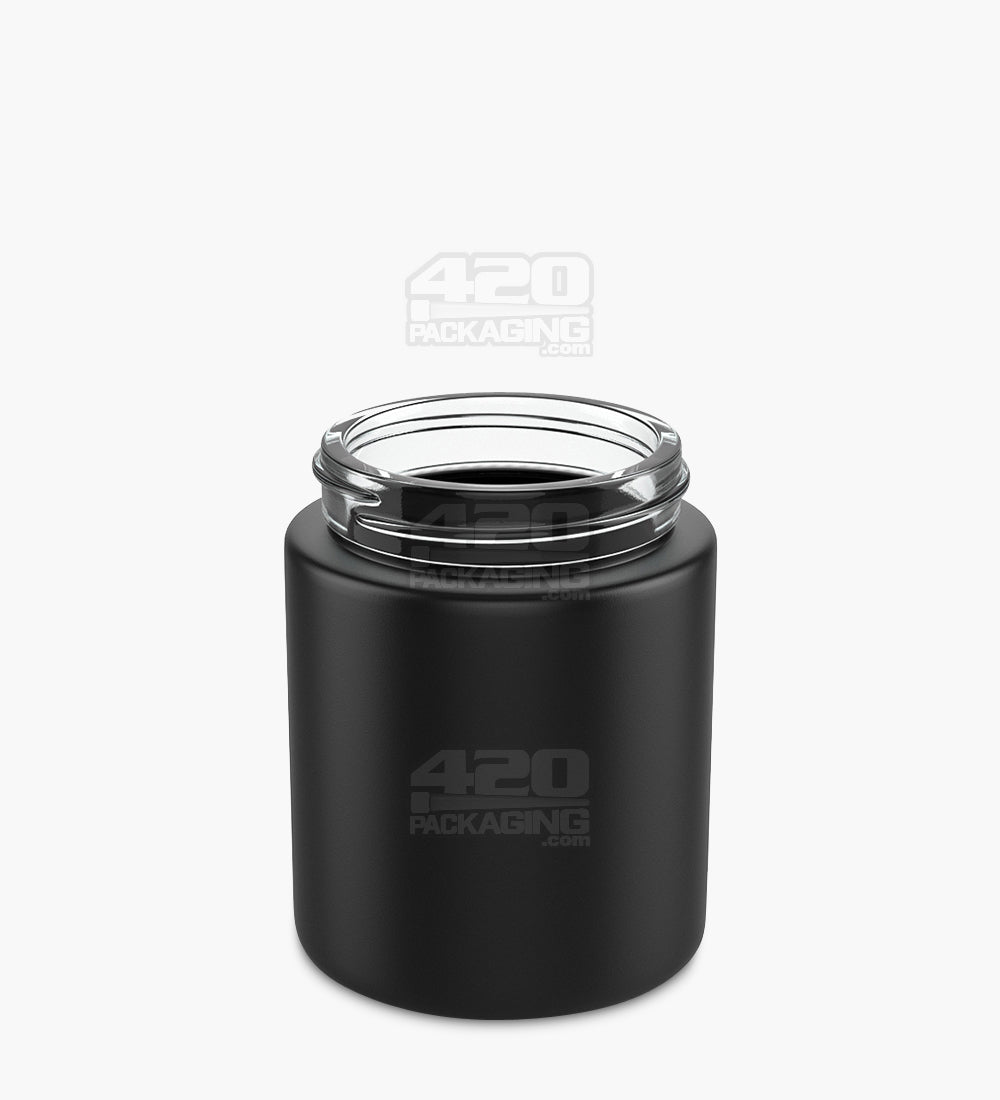
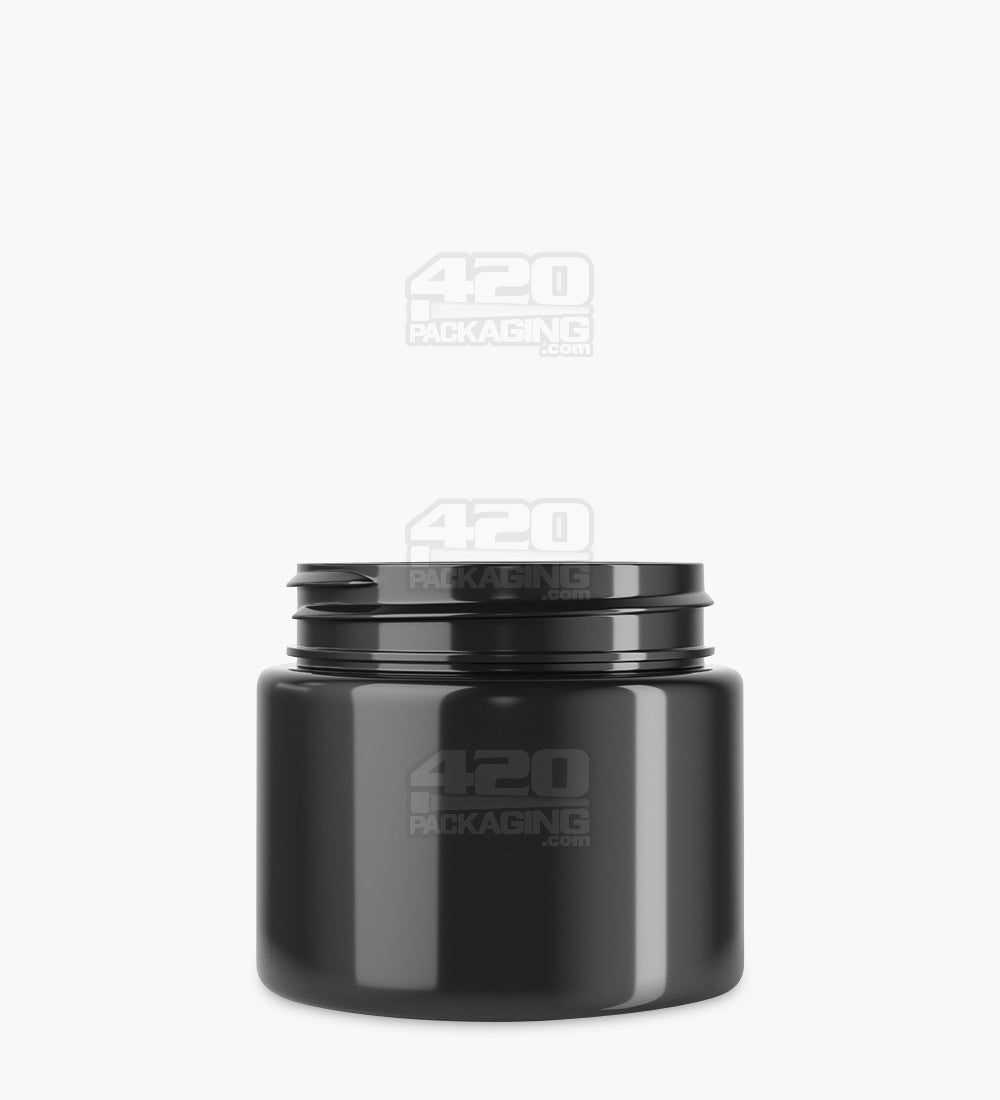

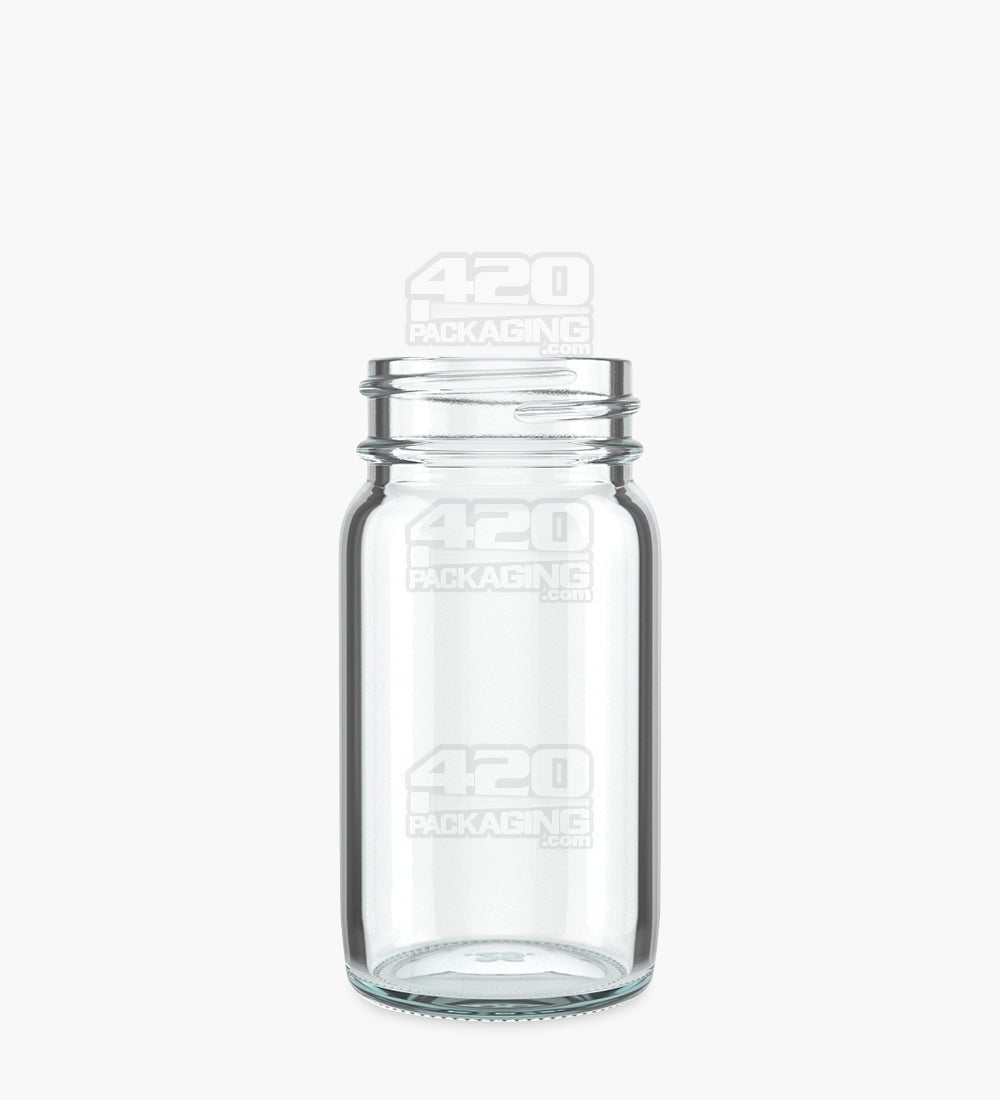
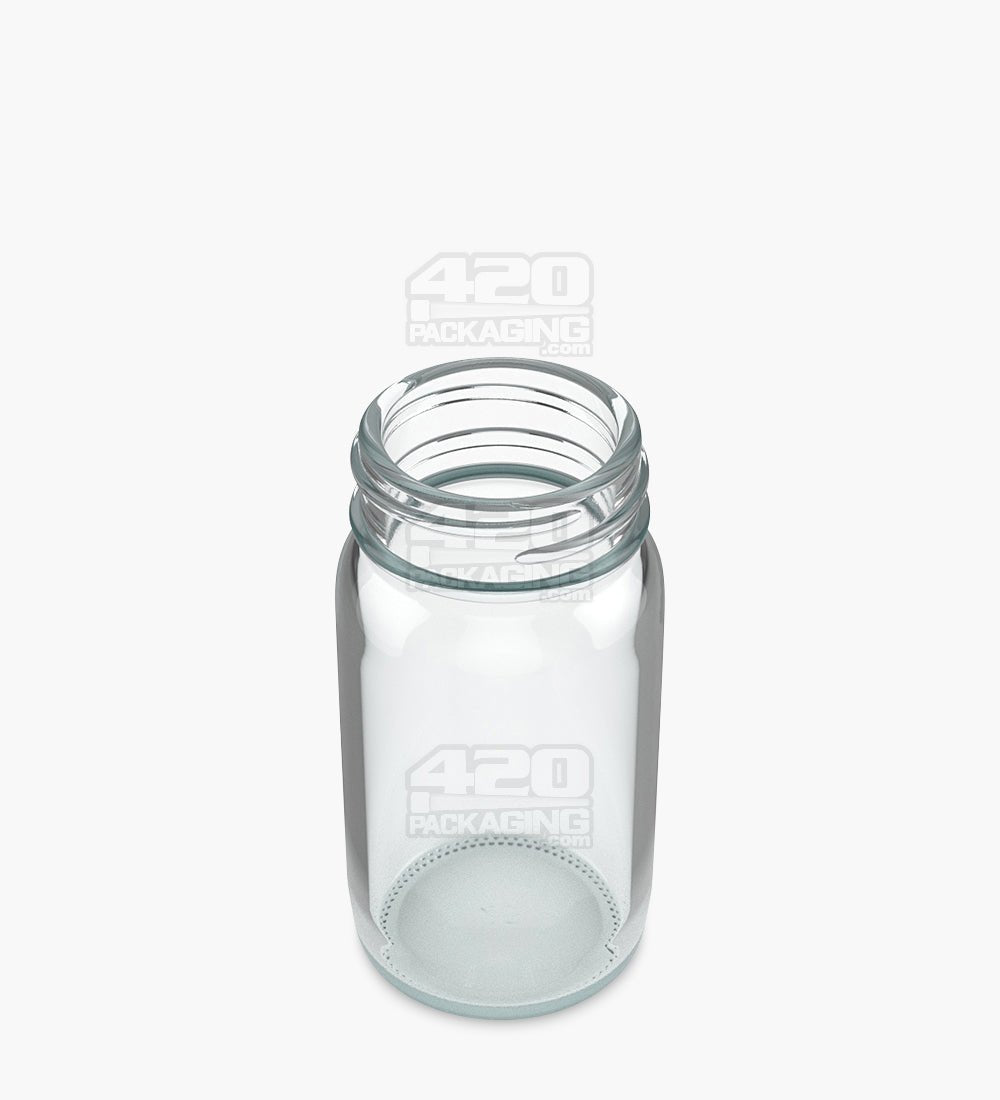
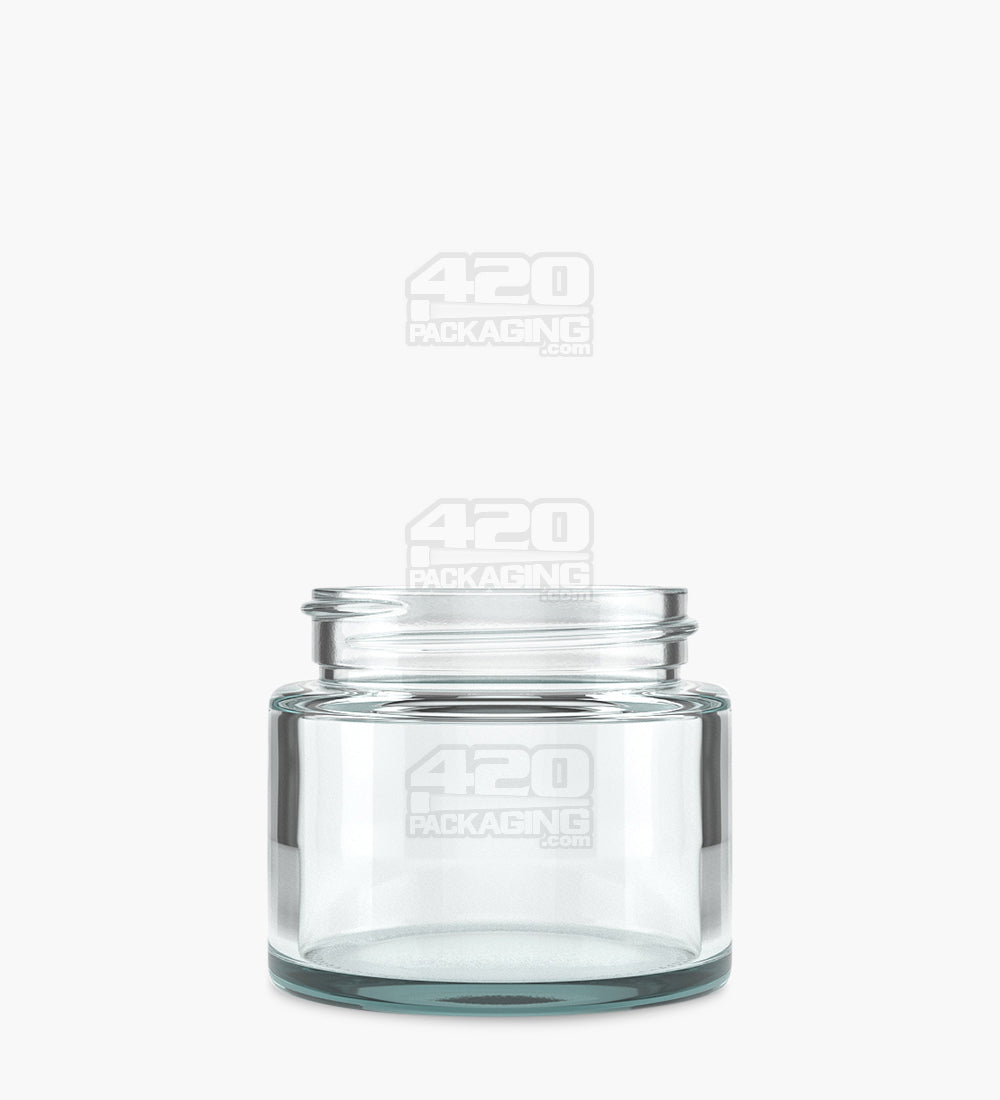
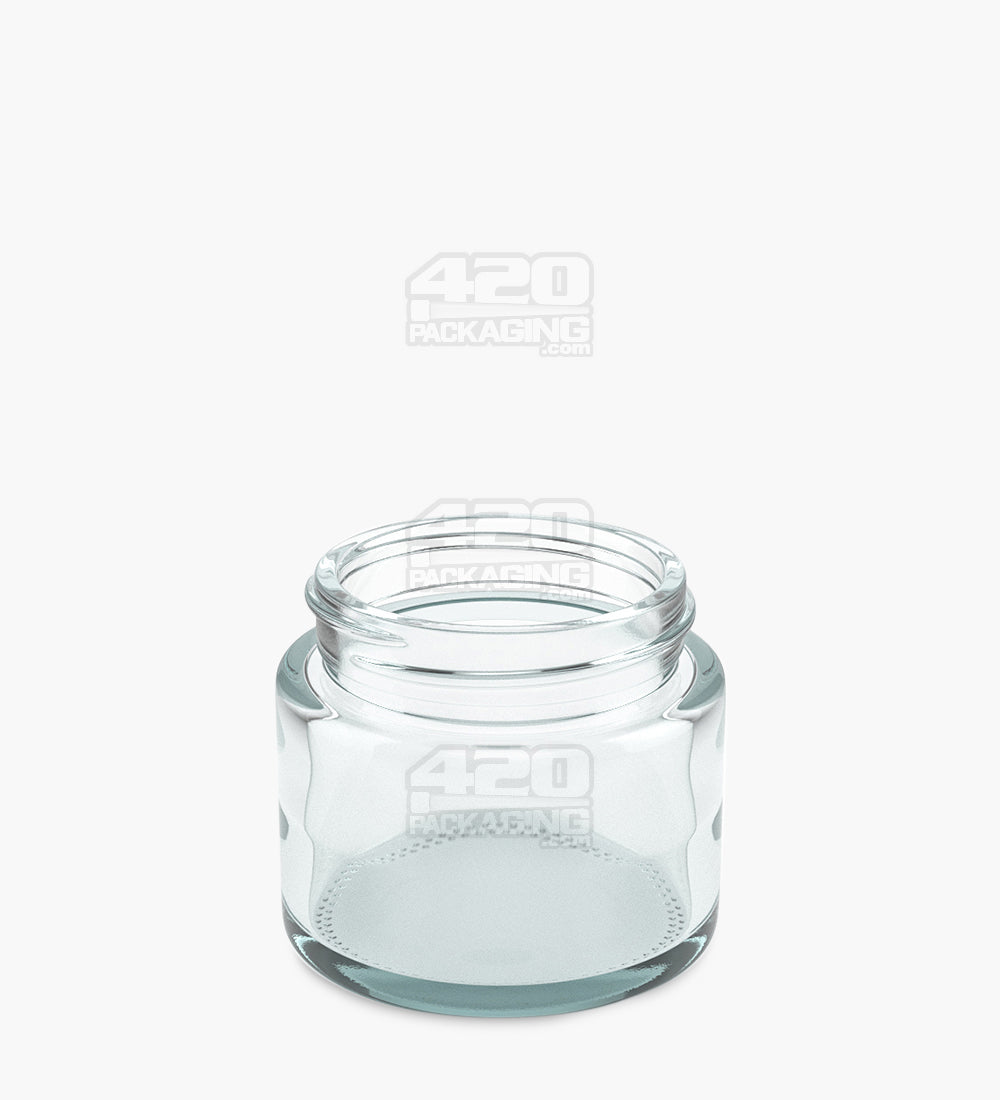
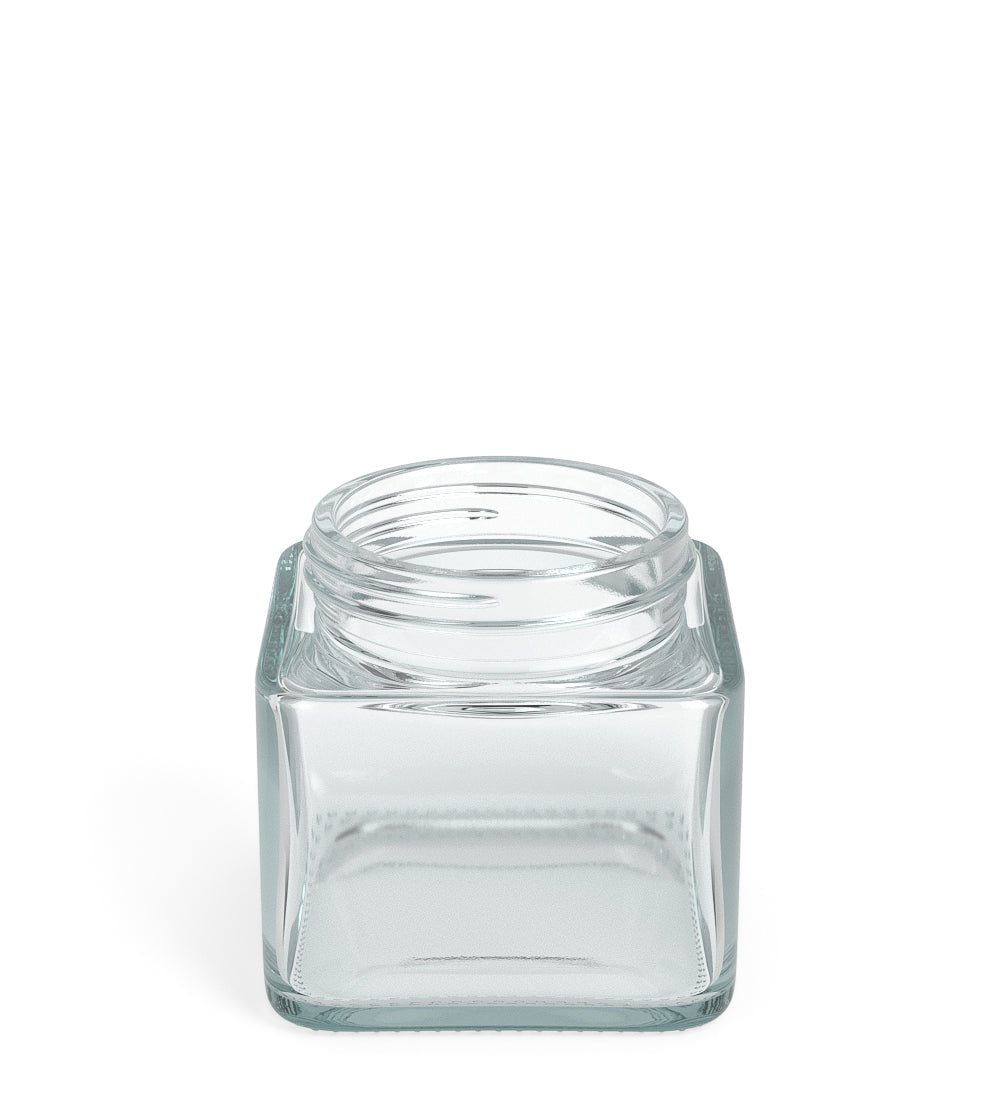
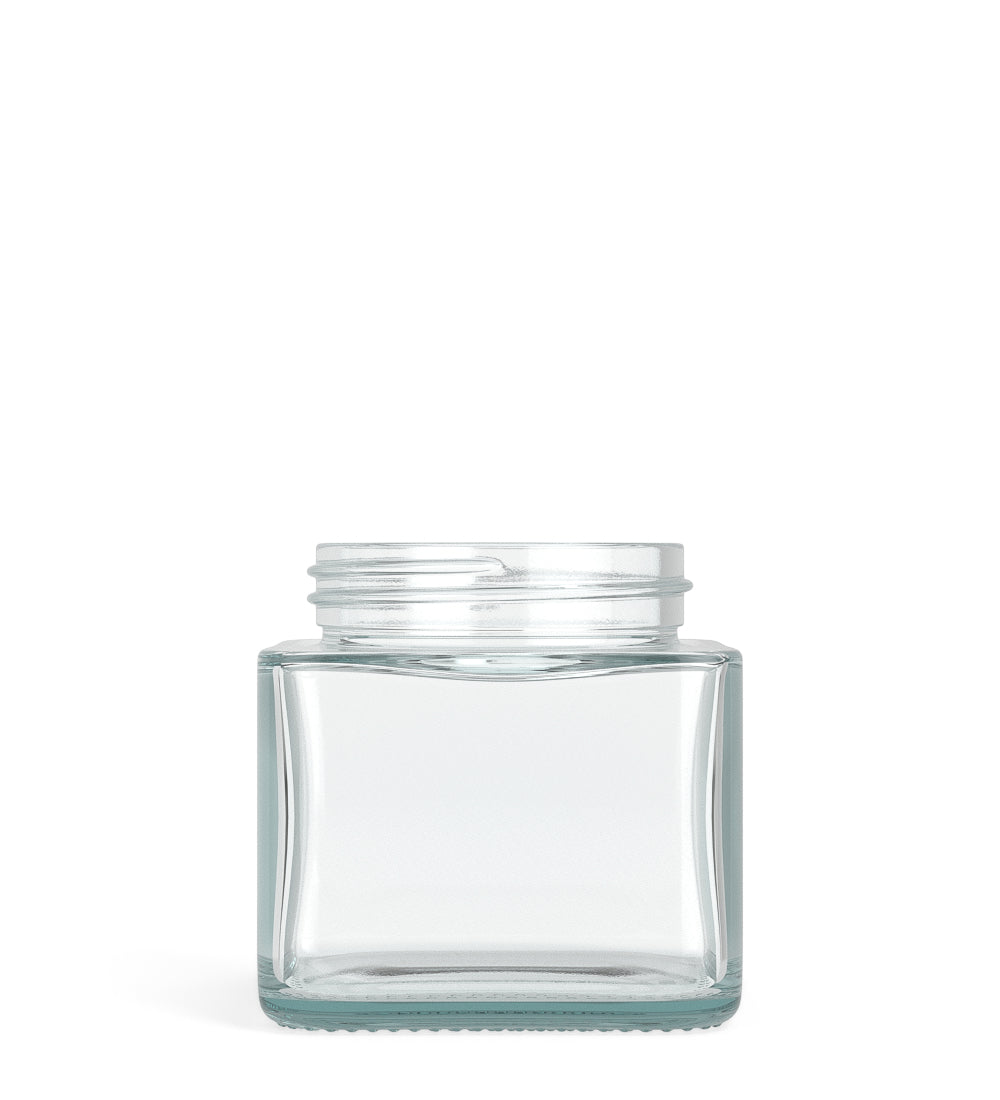


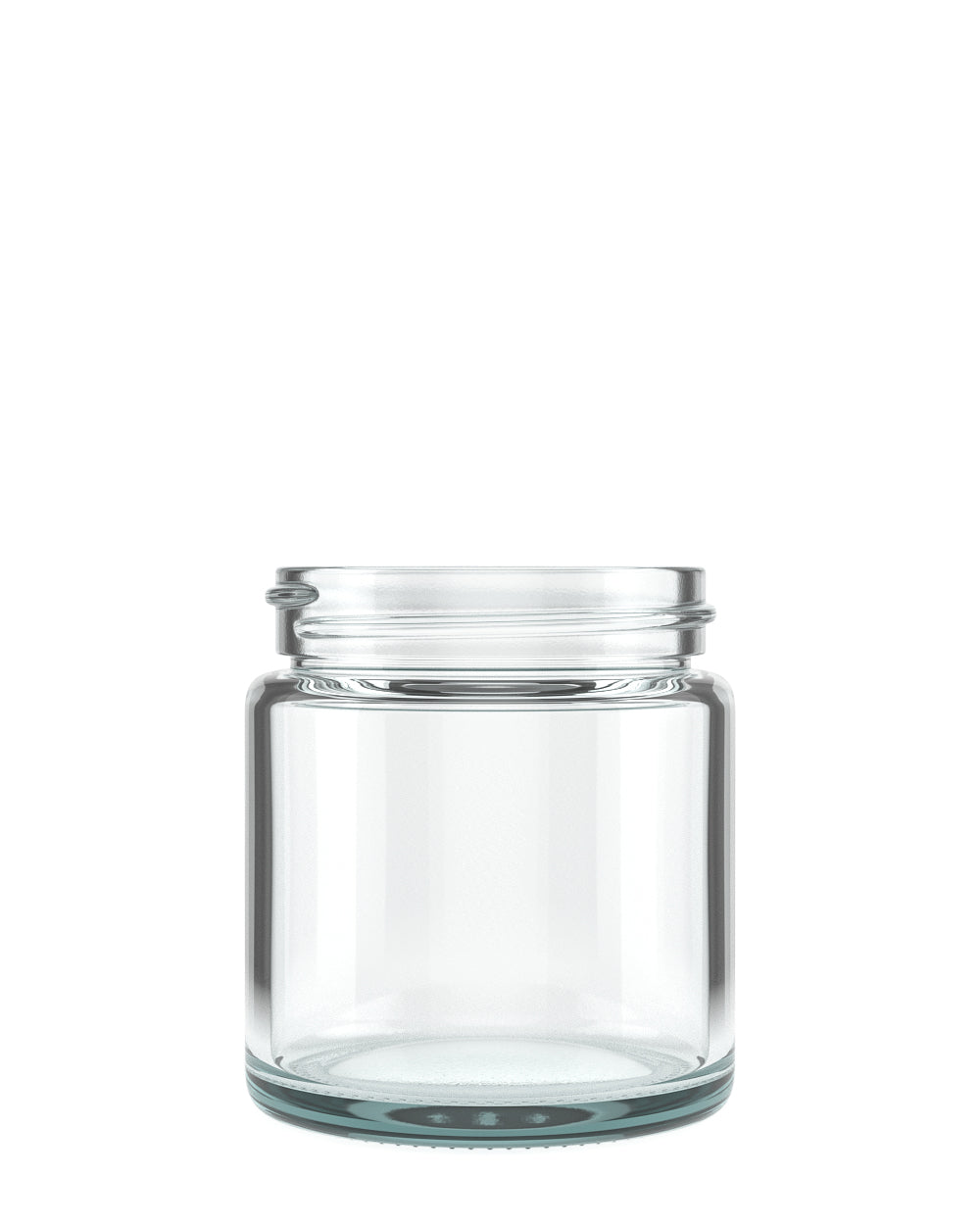
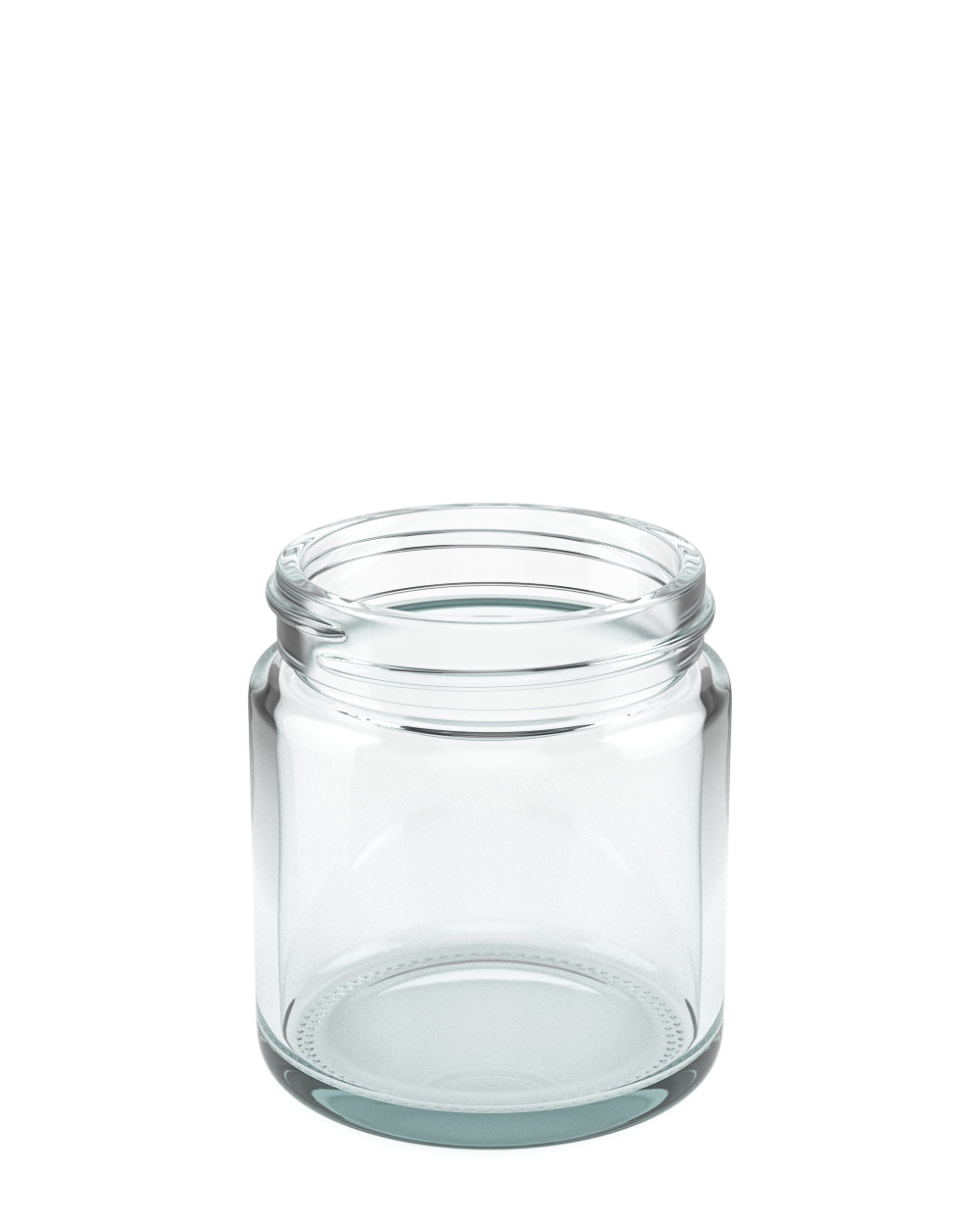
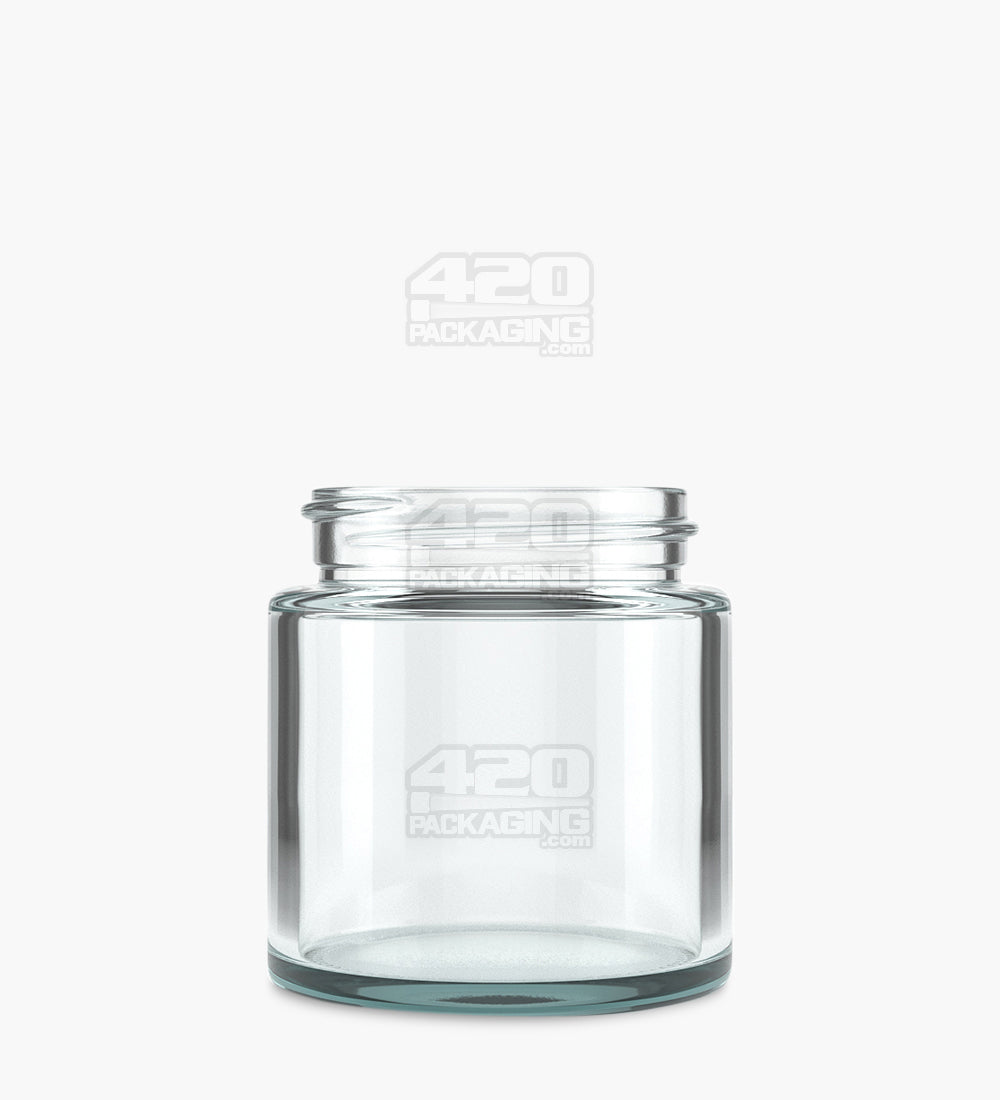


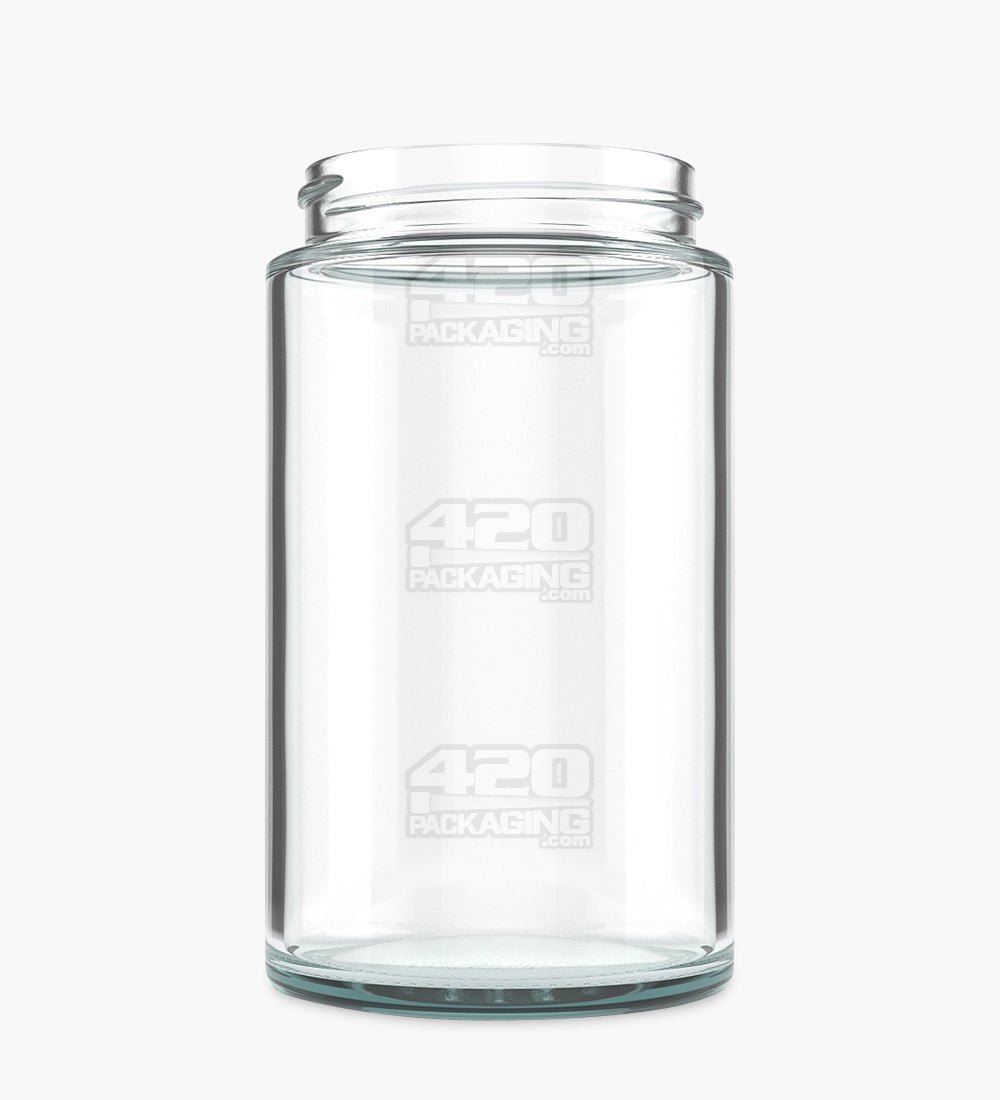


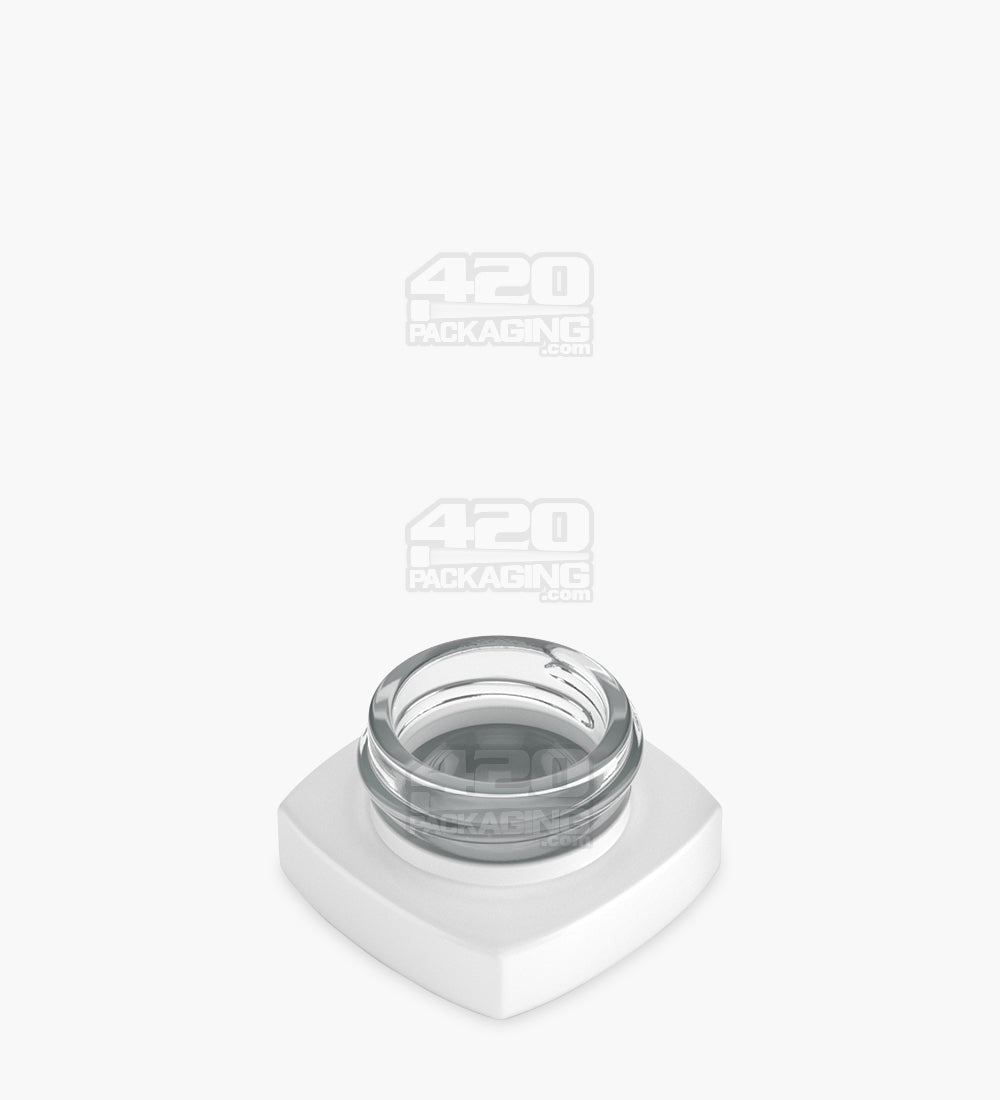
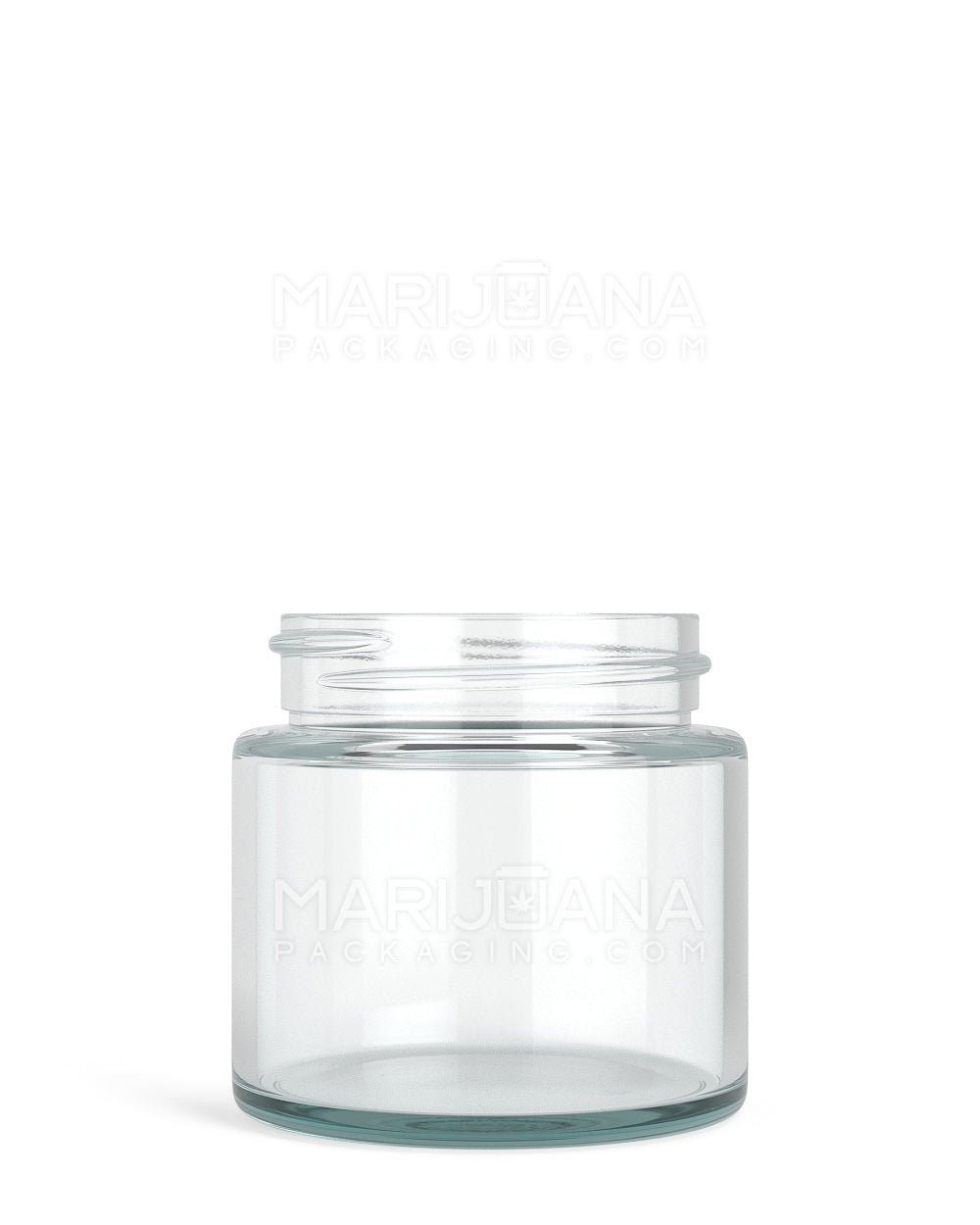
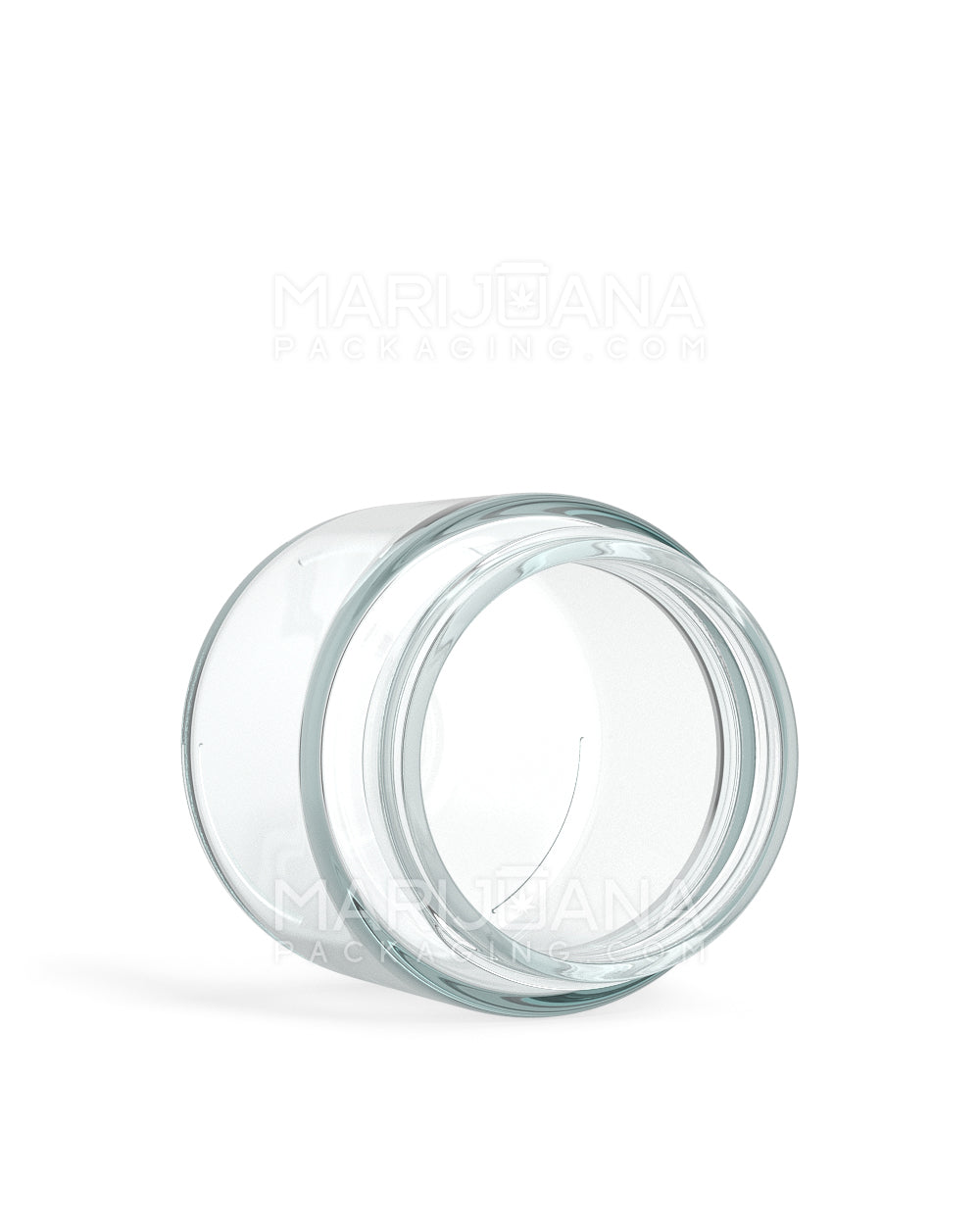


Wholesale Cannabis Jars for Brands and Manufacturers
Cannabis jars are one of the most widely used rigid packaging options for flower, concentrates, edibles and other cannabis products that benefit from structural protection, a secure closure and a substantial surface for labels or branded decoration. Marijuana Packaging supplies wholesale cannabis jars in multiple materials, capacities, colors, shapes and closure configurations for brands, cultivators, processors, manufacturers, producers, dispensaries and other commercial cannabis operations.
Often searched for as weed jars, marijuana jars, jars for weed, jars for cannabis or cannabis packaging jars, these containers can serve very different production requirements depending on the product being filled. A flower jar may need sufficient headspace, odor control and moisture protection, while a concentrate jar may place greater emphasis on a compatible product-contact surface, smaller capacity, closure integrity and low-profile access.
Buyers should evaluate cannabis jars as complete packaging systems rather than choosing by appearance alone. Material, internal volume, opening diameter, neck finish, cap compatibility, liner, opacity, labeling area and available child-resistant options can all affect how well a jar performs in production and after the product reaches the consumer.
Key Consideration
A jar's stated volume and the amount of cannabis it can comfortably hold are not the same measurement. Flower density, bud structure, moisture level and desired headspace can change how much product fits into a container. When selecting a jar for 1 gram, 3.5 grams, 7 grams, 14 grams or 28 grams of flower, verify the actual fit with your product rather than relying on the nominal jar volume alone. Sampling the package with the finished product before committing to a large wholesale order can prevent problems with overfilling, excess headspace and poor presentation.
What Are Cannabis Jars?
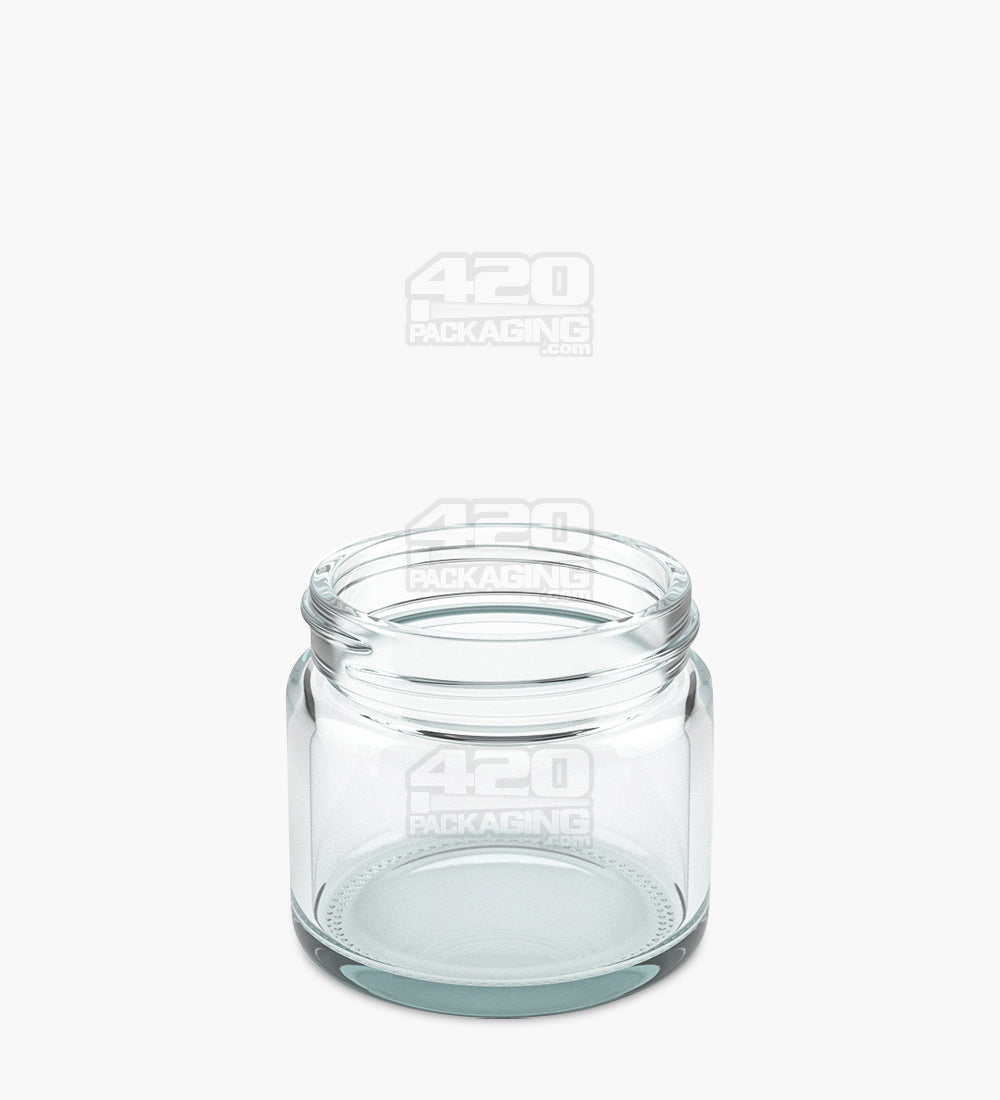
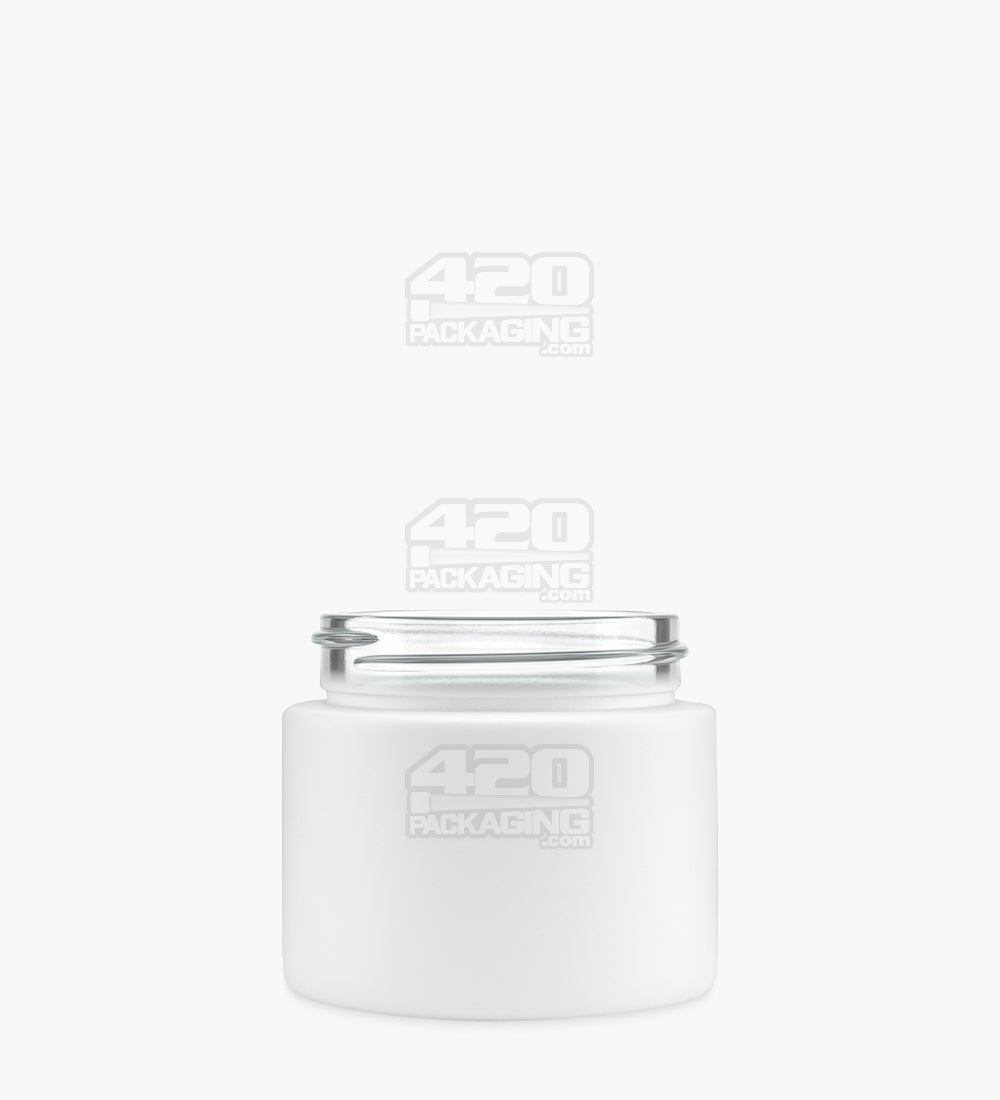
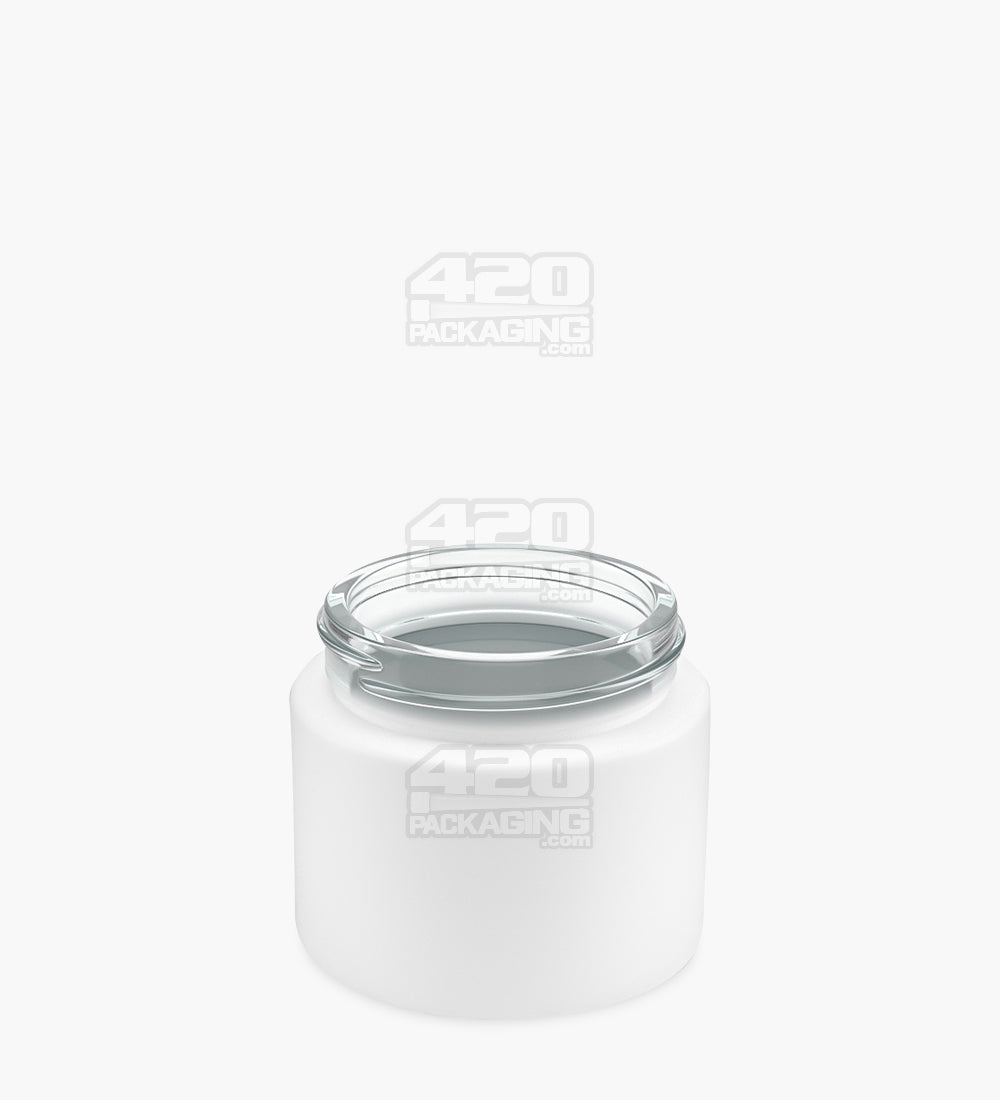
Cannabis jars are rigid containers designed or selected for packaging cannabis products in a format that provides structure, reusable access and compatibility with screw caps, child-resistant closures or other lid systems. Depending on the application, jars may be manufactured from glass, PET, polypropylene or other packaging materials and can be offered in clear, amber, black, white, frosted or other finishes.
Unlike flexible pouches, jars maintain their shape whether full or empty. That rigid construction can help protect flower from crushing, provide a stable container for concentrates or edibles, and create a premium presentation for retail shelves. Wide-mouth openings can also make filling and product removal easier for products that are difficult to handle through a narrow bottle opening.
- Glass cannabis jars for flower, concentrates and premium product presentation
- Plastic cannabis jars for lightweight and impact-resistant packaging
- Child resistant jars paired with compatible CRC closures
- Wide-mouth jars for easier filling and product access
- Clear jars for product visibility
- Opaque and colored jars for greater light protection
- Small-capacity jars for concentrates and portioned products
- Larger jars for flower, edibles and higher-volume fills
- Stock cannabis jars for immediate production needs
- Custom cannabis jars for branded packaging programs
Glass vs. Plastic Cannabis Jars
Material is one of the most important differences between cannabis packaging jars. Glass and plastic jars can both provide effective rigid packaging, but they differ in weight, break resistance, appearance, handling and the types of products for which they are commonly selected.
Glass Cannabis Jars
Glass cannabis jars are commonly chosen for flower and concentrates when brands want a rigid package with substantial weight, a premium appearance and a non-flexing container wall. Clear glass can display the product directly, while amber, black, frosted or other colored glass options can reduce product exposure to visible light depending on the jar construction.
Glass also maintains its shape during filling and handling, which can be useful for automated labeling, branded decoration and premium retail presentation. Because glass is heavier and can break if dropped, businesses should also account for transportation, case weight, warehouse handling and secondary packaging when planning larger orders.
Plastic Cannabis Jars
Plastic cannabis jars provide a lightweight alternative to glass and can offer greater resistance to breakage during filling, transportation and consumer handling. Depending on the product, available materials may include PET, polypropylene or other packaging plastics selected for specific appearance, rigidity and closure requirements.
Clear plastic can provide product visibility without the weight of glass, while opaque plastic jars can support products where limiting light exposure or concealing the contents is preferred. Buyers should verify the exact resin, product-contact suitability, closure compatibility and available technical documentation for the jar being considered.
Glass and Plastic Cannabis Jar Comparison
| Attribute | Glass Cannabis Jars | Plastic Cannabis Jars |
|---|---|---|
| Weight | Heavier | Lighter |
| Break Resistance | Can break if dropped or impacted | Generally more resistant to breakage |
| Product Visibility | Available in clear and colored options | Available in clear and opaque options |
| Retail Presentation | Frequently selected for premium presentation | Useful for lightweight and practical packaging programs |
| Shipping Considerations | Higher case weight and greater breakage considerations | Lower package weight and easier handling |
| Closure Compatibility | Depends on neck finish and jar design | Depends on neck finish and jar design |
Cannabis Jar Sizes, Capacities and Fill Weight
Cannabis jars are available in numerous capacities because different products require different amounts of usable internal space. For flower packaging, buyers often select jars around common retail fill weights such as 1 gram, 3.5 grams, 7 grams, 14 grams and 28 grams. Concentrates, edibles and other products may be selected according to volume, dimensions, serving count or the physical size of the finished product instead.
The most important distinction is that package volume does not directly determine cannabis flower weight. Two flower products with the same weight can occupy different amounts of space because bud density, trimming, moisture content and structure vary. A dense 3.5-gram fill may sit differently in a jar than a lighter, more open flower structure at the same weight.
Headspace in Cannabis Flower Jars
Headspace is the unused space between the product and the closure. Too little headspace can compress flower, interfere with closure engagement or create an overfilled appearance. Excessive headspace can make a package appear undersized for its container and may create unnecessary movement during handling.
Brands should evaluate the finished fill visually and functionally. The goal is to select a cannabis jar that accommodates the intended weight without crushing the product while maintaining an appropriate presentation and allowing the cap or lid to close correctly.
Jar Dimensions Matter Alongside Capacity
Two jars with similar internal capacities can have different diameters, heights and opening sizes. Short, wide jars may provide easier product access and a different shelf profile than taller, narrower jars. Dimensions also affect label size, case packing, storage density, filling equipment and retail display.
Cannabis Jar Closures and Child Resistant Caps
The closure is a critical part of a cannabis jar because it affects accessibility, seal performance, product protection and regulatory suitability. Cannabis jars may be paired with standard screw caps, child-resistant caps, smooth-sided closures, ribbed closures or other lid systems depending on the jar design.
Child Resistant Jar Closures
For cannabis products that require child-resistant packaging, the jar and closure should be evaluated as a complete system. Common child-resistant closure mechanisms include push-down-and-turn caps, squeeze-and-turn designs and other CRC systems that require more than a simple twisting motion to open.
A cap should not be assumed to make every compatible-looking jar child resistant. Child-resistance documentation may apply to a specific jar, cap, neck finish or package configuration. Review the available test report for the exact combination being purchased.
For a broader explanation of CR mechanisms, testing and packaging requirements, review our child resistant packaging options.
Standard Screw Caps
Standard threaded caps can be appropriate where child-resistant functionality is not required for the intended package or where the jar is used as one component of a larger packaging system. These closures may prioritize straightforward opening, low profile, appearance or compatibility with liners and seals.
Smooth and Ribbed Caps
Cap surface design can affect both appearance and grip. Smooth closures provide a clean visual profile that can work well with premium branding, while ribbed closures add surface texture that may make the cap easier to grip during opening and closing. The correct choice depends on package design, user experience and the closure system available for the jar.
Jar Openings, Neck Finishes and Closure Compatibility
Jar and cap compatibility should be confirmed before production. A closure that appears to fit a jar is not necessarily designed to seal correctly or engage the threads as intended. Neck diameter, thread design, neck finish, cap dimensions and liner configuration all contribute to proper closure fit.
Wide-Mouth Cannabis Jars
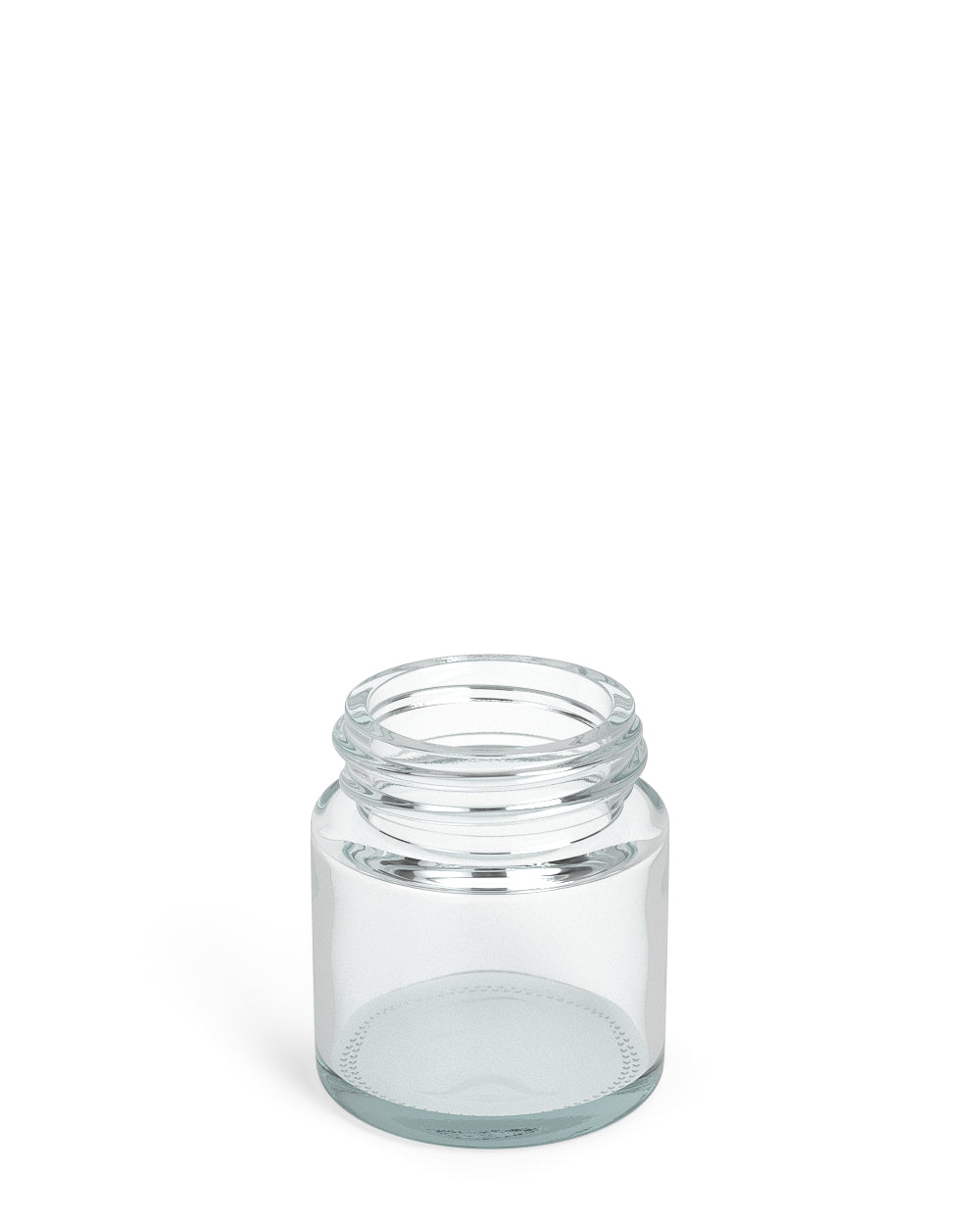
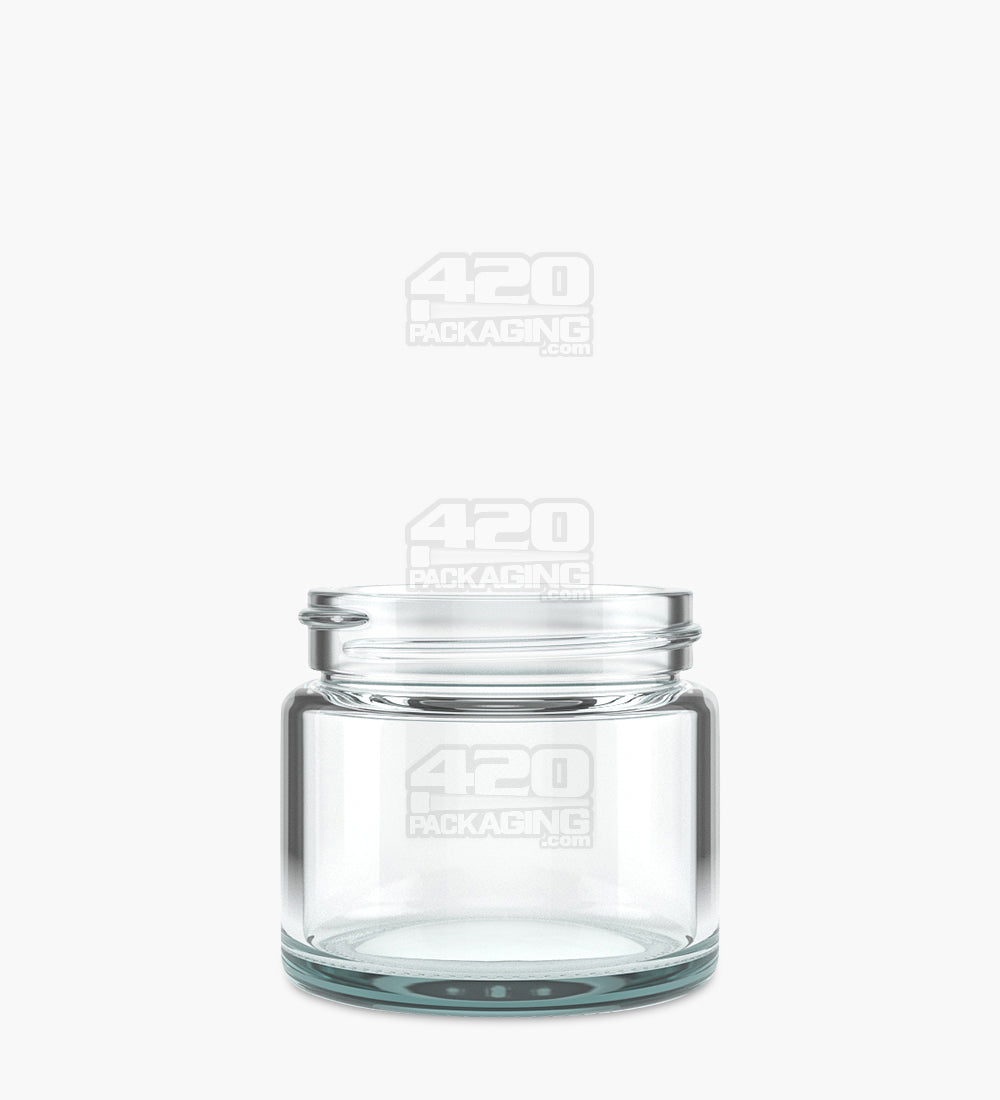
Wide-mouth jars are common in cannabis packaging because they provide easier access to flower, concentrates and other products that would be difficult to fill or remove through a narrow opening. A larger opening can simplify manual filling and improve consumer access, but it also changes the closure dimensions and available cap options.
Neck Finish and Thread Compatibility
The neck finish describes important dimensions and thread characteristics around the opening of a rigid container. When sourcing jars and closures separately, confirm that both components are designed for the same neck finish and package system.
Closure compatibility becomes especially important when changing suppliers, adding custom caps or moving from a standard closure to a child-resistant closure. Small differences in thread geometry or sealing surfaces can affect how the package closes and performs.
Barrier Protection, Freshness and Product Preservation
Cannabis jar performance depends on more than rigid construction. Flower, concentrates and edibles can be affected by environmental exposure, making closure fit, container material and package configuration important parts of product protection.
Moisture Management
Cannabis flower requires careful moisture management. Packaging should help limit uncontrolled moisture exchange while allowing the brand to maintain the product characteristics expected throughout distribution and storage. Closure fit, liner selection and the overall container system all influence how the jar performs.
Some brands also use humidity-control inserts inside flower jars. If a humidity product will be included, confirm that the jar has sufficient internal space without compressing the flower or interfering with the closure.
Odor Control
Cannabis flower and concentrates can have strong aromas, making odor control an important consideration for many brands. The effectiveness of a jar in limiting odor transmission depends on the material, closure fit, liner and complete package construction.
Terms such as "smell proof weed jars" are commonly used in the market, but buyers should evaluate the actual container and sealing system rather than relying on an absolute odor-proof claim without supporting performance data.
Oxygen Exposure
The amount of air inside the package and the rate at which gases can move through the package system can influence product storage. Jar material, closure engagement, liner type and unused headspace should all be considered when evaluating packaging for products sensitive to environmental exposure.
Light Protection
Clear cannabis jars provide maximum product visibility but also expose the contents to more ambient light than opaque packaging. Amber, black, white, frosted and other colored or opaque jars can provide different levels of light shielding depending on their material and construction.
Clear, Opaque and Colored Cannabis Jars
Jar color affects product visibility, branding and light exposure. The right choice depends on whether seeing the cannabis product is part of the retail presentation and how much protection from light the product requires.
Clear Cannabis Jars
Clear jars allow customers and retail staff to see the flower, concentrate or edible without opening the package. This can be valuable when visual characteristics such as color, structure and product appearance are an important part of the purchasing experience.
Amber Cannabis Jars
Amber jars are commonly selected when brands want some reduction in light exposure while maintaining a distinctive glass appearance. The exact degree of protection depends on the glass composition and package specifications.
Black and Opaque Cannabis Jars
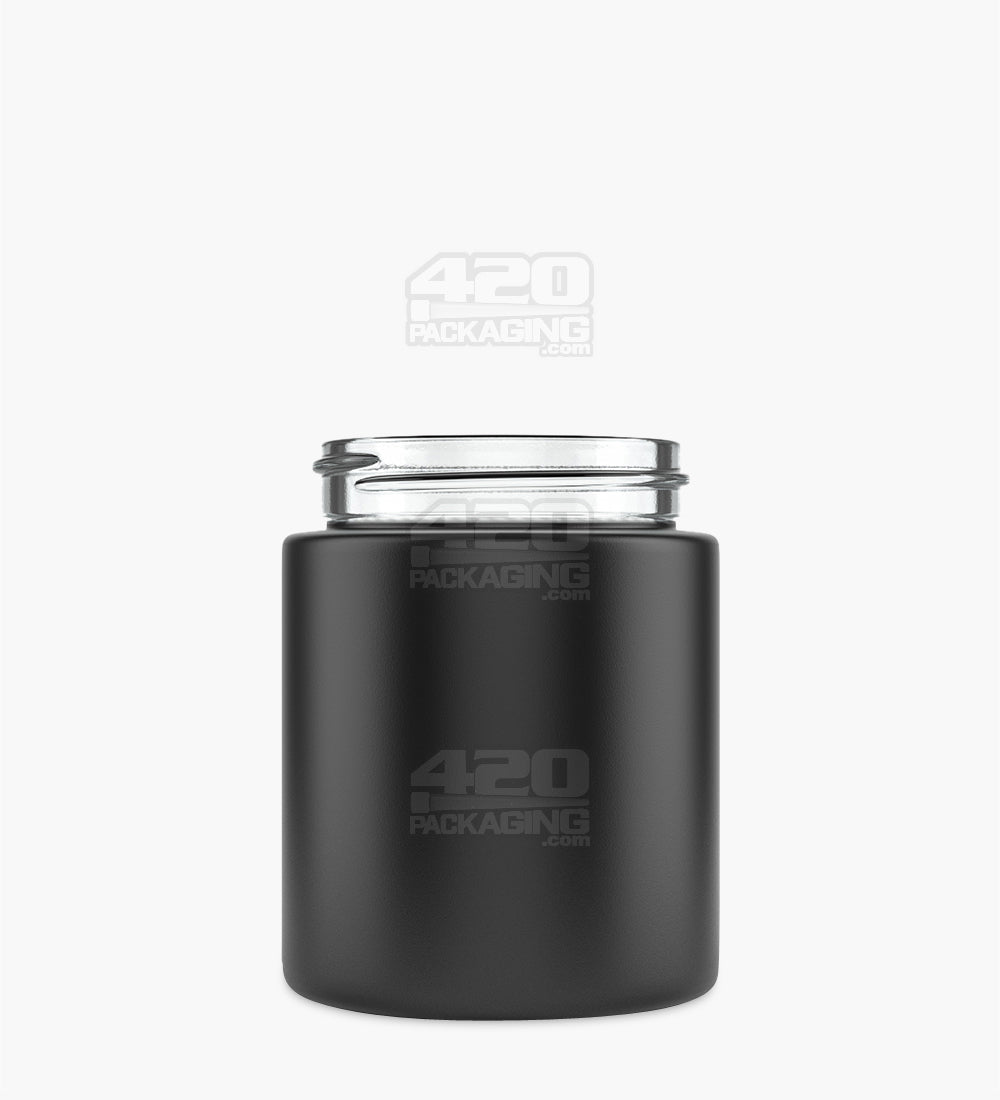
Black, white and other opaque jars conceal the product and can provide stronger visual separation between the contents and external light. These containers are also useful when the brand wants the package itself, rather than the visible product, to dominate the retail presentation.
Frosted Cannabis Jars
Frosted jars provide a partially obscured appearance that can support premium branding while still communicating the rigid glass or plastic construction of the package. Frosting can also create a distinctive surface appearance for labels, printed branding and decorative closures.
Liners, Seals and Tamper-Evident Features
The components between a cannabis jar and its closure can affect seal integrity, product protection and tamper evidence. Depending on the package, caps may include liners or work with separate sealing components.
Cap Liners
Liners can create a contact surface between the cap and jar opening and may support sealing, product protection or compatibility requirements. Different liner materials are designed for different packaging systems, so buyers should verify that the liner is appropriate for both the jar and the product.
Induction Seals and Inner Seals
Some rigid packaging systems support induction seals or other inner seals that create an additional barrier across the jar opening. These components may provide evidence of prior opening and can contribute to product protection when properly matched to the container material and filling process.
Tamper-Evident Packaging
Child resistance and tamper evidence are separate packaging functions. A package can be child resistant without providing visible evidence that it has been opened, and a tamper-evident seal does not automatically make a package child resistant. Cannabis operations should evaluate both functions independently based on product and market requirements.
Choosing Cannabis Jars by Product Type
The right jar depends heavily on the cannabis product being packaged. Flower, concentrates and edibles place different demands on capacity, opening size, closure design, product-contact surfaces and barrier protection.
Cannabis Flower Jars
Cannabis flower jars should provide enough space for the intended fill weight without excessive compression or headspace. Common considerations include odor control, moisture management, light protection, opening diameter, child-resistant closure options and enough exterior area for required labels and branding.
Flower packaging is commonly planned around retail weights such as 1 gram, 3.5 grams, 7 grams, 14 grams and 28 grams, but actual jar fit should always be tested using the product that will be packaged.
Concentrate Jars
Concentrate jars are typically much smaller than flower jars and may use low-profile designs with wide openings that make product access easier. Buyers should pay particular attention to capacity, product-contact material, liner or insert design, closure fit, leak resistance and compatibility with the concentrate being packaged.
Edible Jars
Cannabis edible jars may be used for gummies, candies, tablets, capsules or other products that benefit from rigid reusable packaging. Important variables include serving count, internal volume, child-resistant closure requirements, product dimensions, labeling area, tamper evidence and food-contact documentation where applicable.
Pre-Roll and Specialty Cannabis Jars
Some cannabis jars can also be used for pre-roll multipacks and specialty products when the internal dimensions provide enough height and diameter for the finished item. For pre-rolls, verify internal height, pack count, crush protection and how easily the products can be removed from the jar.
Labeling and Branding Cannabis Jars
Cannabis jars provide substantial exterior surface area for product labels, regulatory information and branding. The available label panel depends on the jar's diameter, sidewall shape, shoulder profile and closure.
Before finalizing artwork, brands should confirm the exact jar dimensions and determine where labels can be applied without wrapping onto curved transitions, interfering with the cap or obscuring important package features.
- Jar diameter and circumference
- Usable sidewall height
- Label panel dimensions
- Required cannabis warnings and regulatory text
- Product identity and net quantity information
- Batch, lot or tracking information where required
- Barcode or retail scanning area
- Brand logo and visual hierarchy
- Closure labeling or top-label opportunities
- Compatibility with automated or manual label application
Custom Cannabis Jars
Custom cannabis jars allow brands to move beyond stock containers and create a more distinctive packaging system. Depending on the jar and production method, customization may involve direct printing, custom labels, color treatments, decorated closures or other branded elements.
The packaging itself should be selected before artwork and decoration are finalized. Capacity, material, jar dimensions, neck finish, closure, child-resistant requirements and labeling area all affect which customization methods are practical.
Marijuana Packaging offers domestic in-house customization capabilities for eligible cannabis jars and related packaging. Keeping customization and packaging sourcing coordinated can make it easier to align artwork, production specifications and finished package requirements.
Custom Jar Closures
The closure can be an important branding surface in addition to the jar body. Depending on the package, brands may be able to coordinate cap color, printed graphics, top labels or other decorative treatments with the primary container.
Custom Labels for Cannabis Jars
Pressure-sensitive labels provide a flexible way to brand stock cannabis jars without changing the base container. Labels can be designed around the jar's usable sidewall area and can incorporate branding, product identification and required regulatory information in a single application.
Cannabis Jar Product Specifications and Documentation
Commercial cannabis operations should review technical information before selecting jars for production. Product specifications can help determine whether a jar is suitable for filling equipment, labeling systems, closures, secondary packaging and the intended cannabis product.
Depending on the product, available documentation may include:
- Jar dimensions and technical drawings
- Nominal capacity or overflow capacity where provided
- Material composition information
- Neck finish and opening dimensions
- Compatible closure specifications
- Child-resistant test reports for qualifying jar and closure combinations
- Material and safety documentation where applicable
- Food-contact documentation where applicable
- Case pack and shipping specifications
For qualifying products, review the available certifications and product documentation before ordering. Documentation should be matched to the exact jar, closure and package configuration being evaluated.
Wholesale Cannabis Jar Ordering for Commercial Operations
Cannabis brands and manufacturers purchasing jars at scale need to evaluate more than the unit appearance. Case quantity, warehouse storage, shipping weight, breakage considerations, closure availability and repeat-order consistency can all affect the total packaging program.
Marijuana Packaging supplies cannabis jars at wholesale quantities across a broad selection of stock packaging. Many products are sold by the case with tiered pricing available on qualifying items, allowing operators to compare options based on both package specifications and order volume.
Order Samples Before Production
When available, samples give packaging teams an opportunity to test the jar with the actual product before purchasing larger quantities. This is especially important for cannabis flower because fill weight does not translate perfectly into container volume.
Sample testing can also help confirm:
- Actual product fit
- Desired headspace
- Closure engagement
- Ease of filling
- Ease of consumer access
- Label dimensions and placement
- Case packing and storage requirements
- Compatibility with filling and labeling equipment
- Visual presentation at the intended fill level
Standardize Jar Families Across Multiple SKUs
Brands with multiple flower strains, concentrate varieties or edible SKUs may benefit from standardizing around a smaller number of compatible jar and closure families. Using consistent neck finishes, materials and label dimensions can simplify closure sourcing, artwork templates, filling procedures and warehouse inventory.
Product differentiation can then be created through labels, colors, closures and decoration rather than requiring a completely different package for every SKU.
What to Compare Before Ordering Cannabis Jars
The best cannabis jar is the one that fits the product, production process, closure requirements and retail presentation without introducing unnecessary complexity. Compare the complete packaging system before committing to wholesale quantities.
- Intended cannabis product, including flower, concentrates, edibles or specialty products
- Target fill weight, serving count or product volume
- Usable internal capacity and desired headspace
- Glass, PET, polypropylene or other jar material
- Clear, amber, black, white, frosted or other appearance
- Jar height, diameter and overall dimensions
- Opening diameter and wide-mouth access
- Neck finish and thread configuration
- Compatible cap or closure
- Child-resistant closure requirements
- Liner, inner seal or tamper-evident options
- Odor, moisture, oxygen and light-protection needs
- Product-contact compatibility
- Label panel and branding area
- Custom printing or decoration requirements
- Available technical drawings and supporting documentation
- Sample availability
- Case quantity and wholesale pricing
- Shipping weight and warehouse storage requirements
- Repeat-order and closure availability
For cannabis businesses purchasing at commercial scale, evaluating these attributes together creates a more reliable packaging decision than choosing a weed jar based on capacity, appearance or price alone. The jar, closure, product and production process should function as a single packaging system.
Frequently Asked Questions About Weed Jars
Most of our jars, when paired with the right caps and liners, are smell proof. Jars with well-fitting, airtight, and/or child-resistant caps are likely to be the most smell proof, especially with foil liners or foam pressure sensitive cap liners. Once the foam, foil, and/or tamper evident seal is broken, the jar will naturally be a little less smell proof. However, when caps are screwed on properly, most of our jars will continue to block aromas after the seal is broken.
Glass jars with airtight caps are hands down the best containers for keeping regulated products from smelling. To deter the heady fragrance of regulated products from increasing during storage, keep your glass jar of nugs in a cool, dark space. Closets, kitchen cabinets (away from the stove), bedside table drawers, and other similar locations make great storage spots for regulated products. The less light, heat, and air, the better for keeping your regulated products fresh and the aroma contained.
As long as you’re using a glass jar with an airtight cap and the cap is extremely secure on the jar, a dog should not be able to smell through it. However, if there is residue on the outside of the jar, it will negate your smell proof jar efforts. Be sure to tightly seal your glass smell proof jars and wipe the outsides clean to avoid dogs catching the scent of what’s within.
No, you can’t dry regulated products in a jar, but you can cure regulated products in a glass jar. Medical products typically needs to dry in a cool room (60 - 70°F) with moderate humidity (40 - 55%) and good airflow for 3 to 5 days. Once the buds are no longer externally moist, they can be cured in airtight glass jars. It typically takes between 2 to 8 weeks for regulated products to cure this way, during which it should be kept in a cool, dry, dark space (think closets, not attics). “Burp” your regulated products once a day by opening the container for a few moments then reseal tightly.
Properly dried, cured, and stored regulated products can last for up to two years in an airtight glass jar! But your regulated products’s longevity depends on numerous factors. Keep the jars in cool, dry, dark spaces and open briefly at least once in a while. No airflow will mess with the bud’s quality, as will light and humidity. As long as you properly dry and cure your nugs, and keep them in an airtight glass jar that’s opened at least once a month, it can stay good for a long time. Even if you aren’t going to smoke, just give your nugs a breath once in a while, then reseal tightly.