

Child-Resistant Packaging
Protect your products with child-resistant packaging designed for safety, compliance, and retail-ready presentation. Our collection includes child-resistant bags, jars, tubes, bottles, boxes, tins, and other packaging solutions available in a variety of styles, materials, and sizes. Whether you need stock or custom packaging, you'll find dependable solutions that help safeguard your products while showcasing your brand with confidence.
Filters
162 products




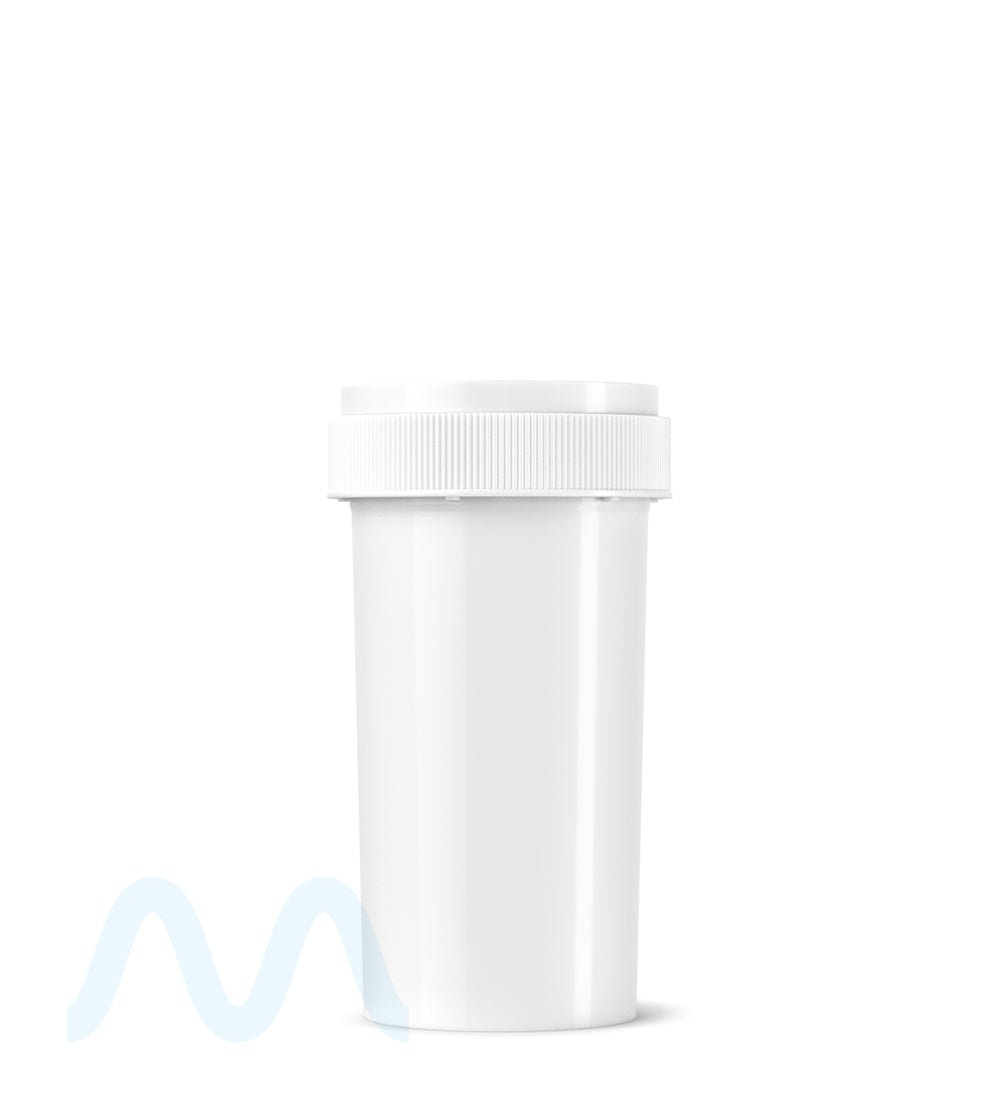
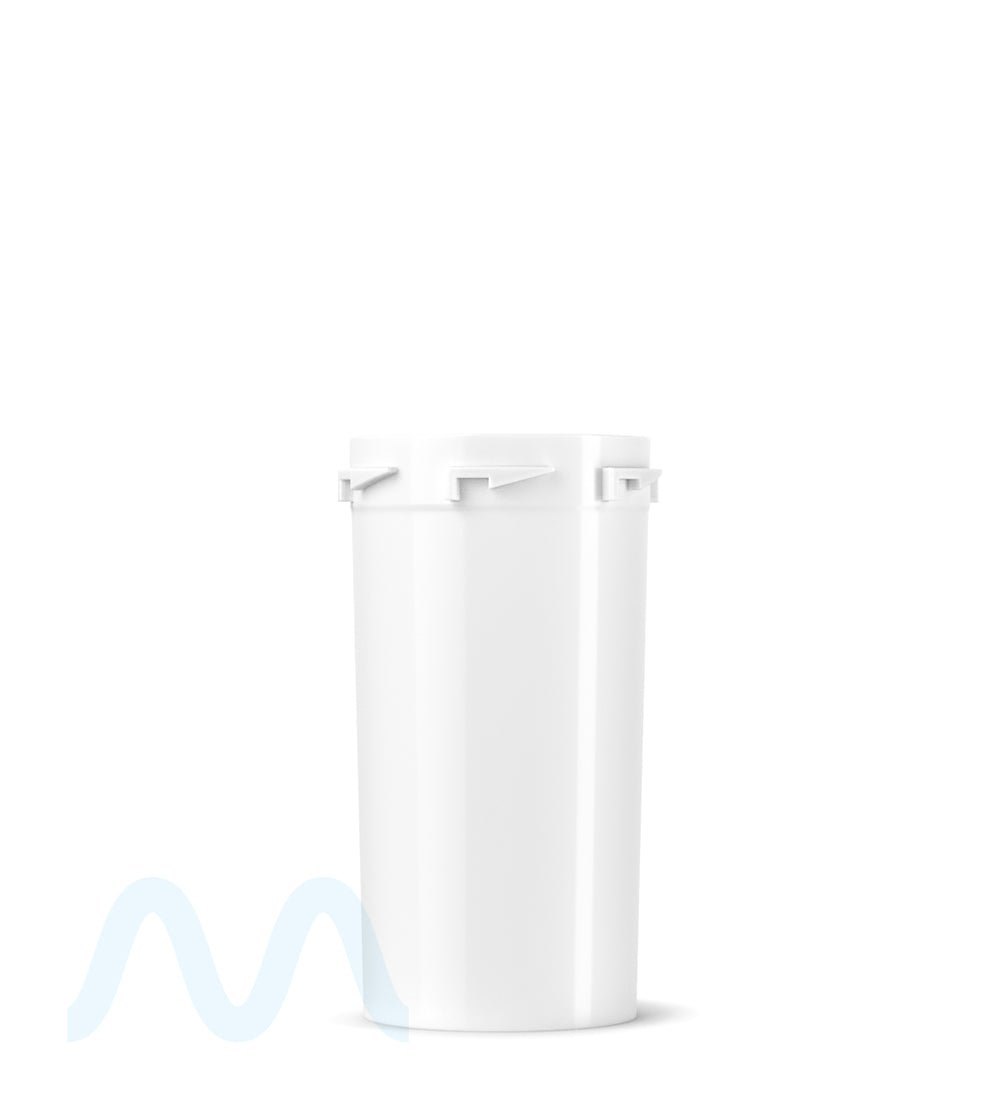
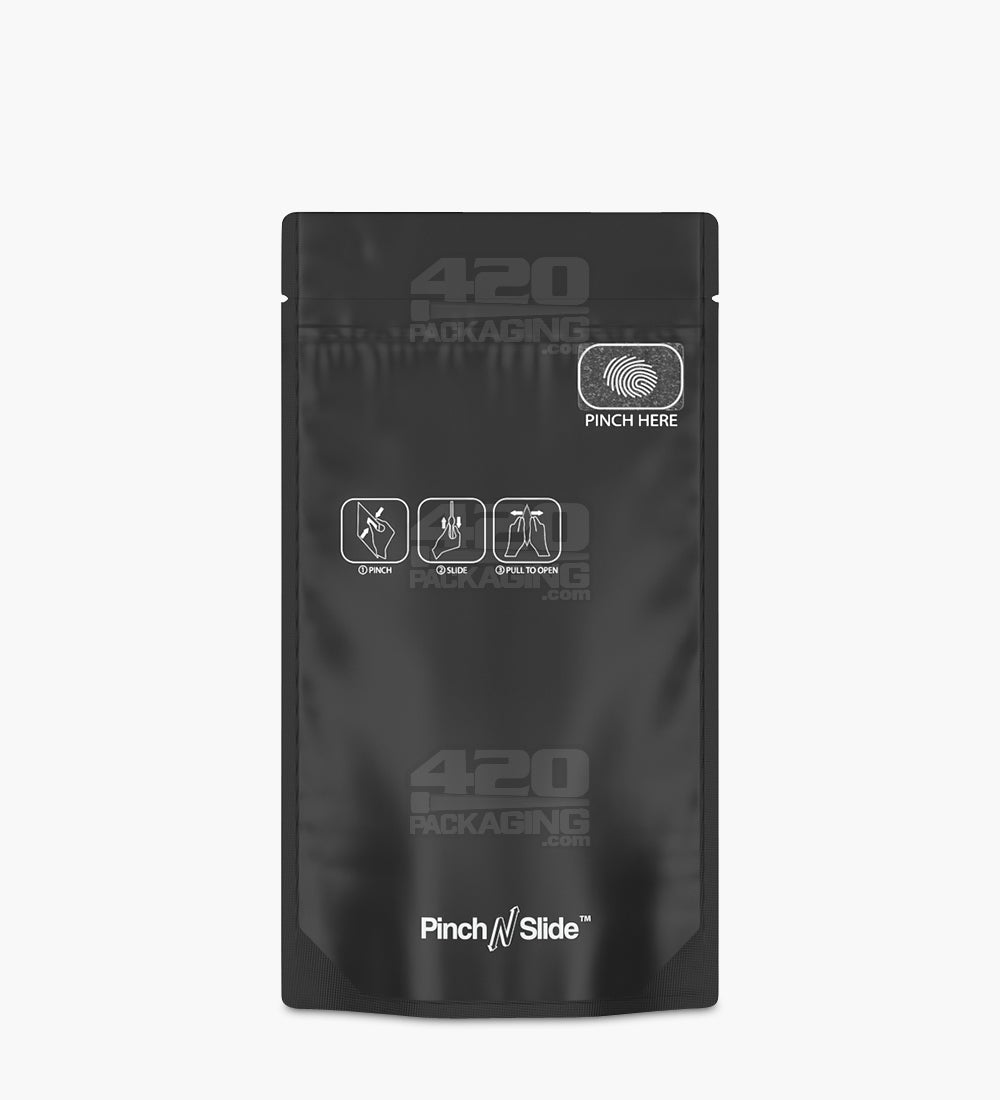
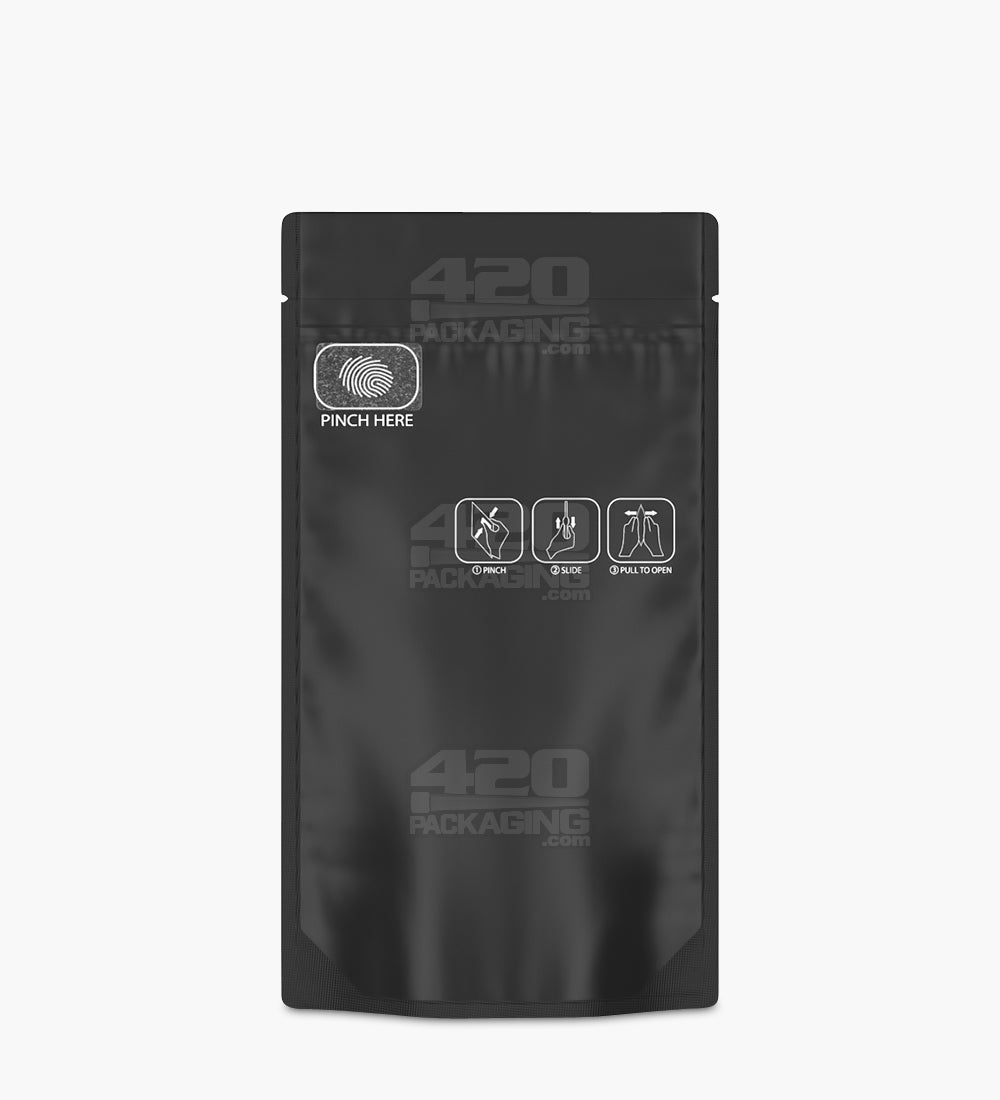
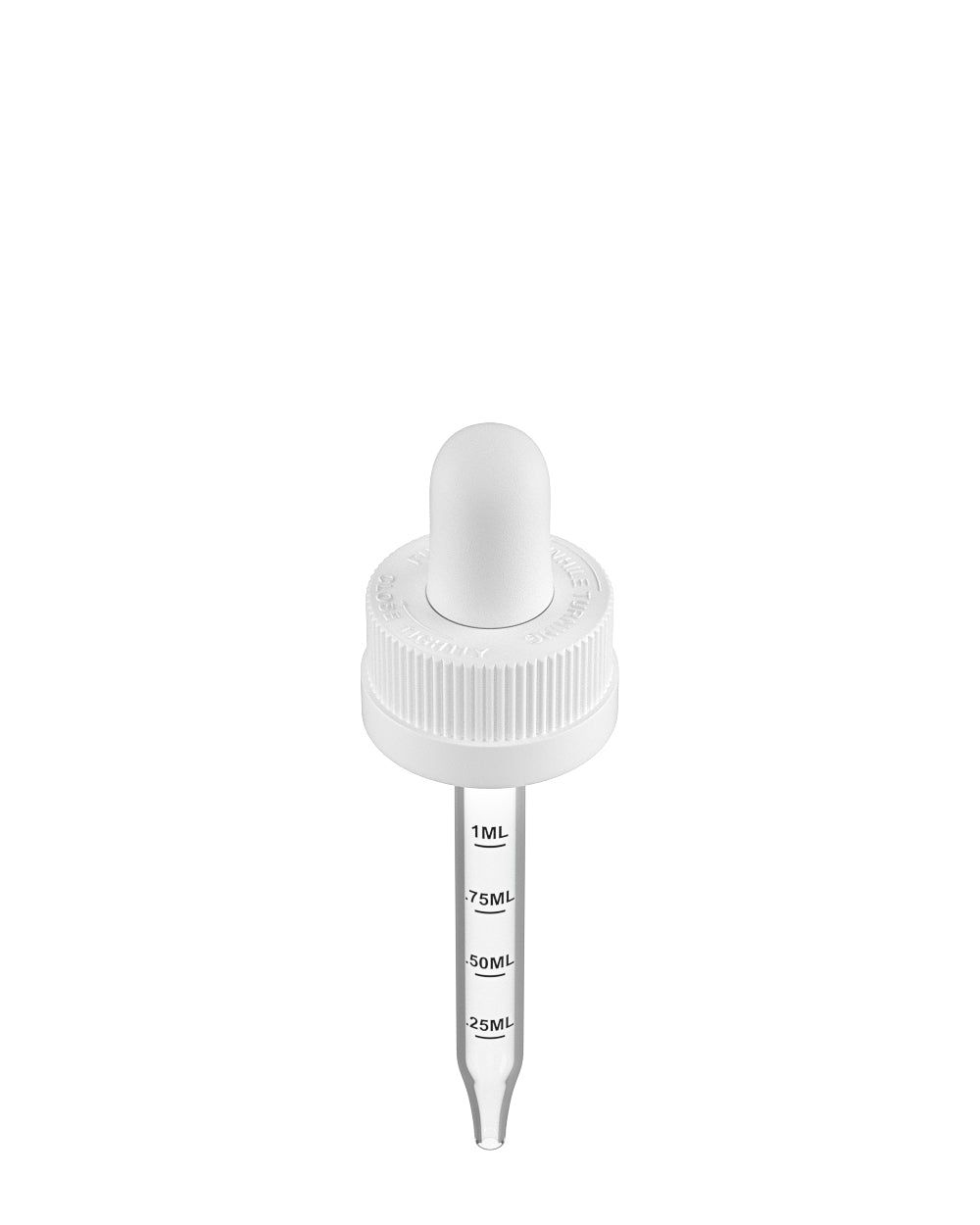
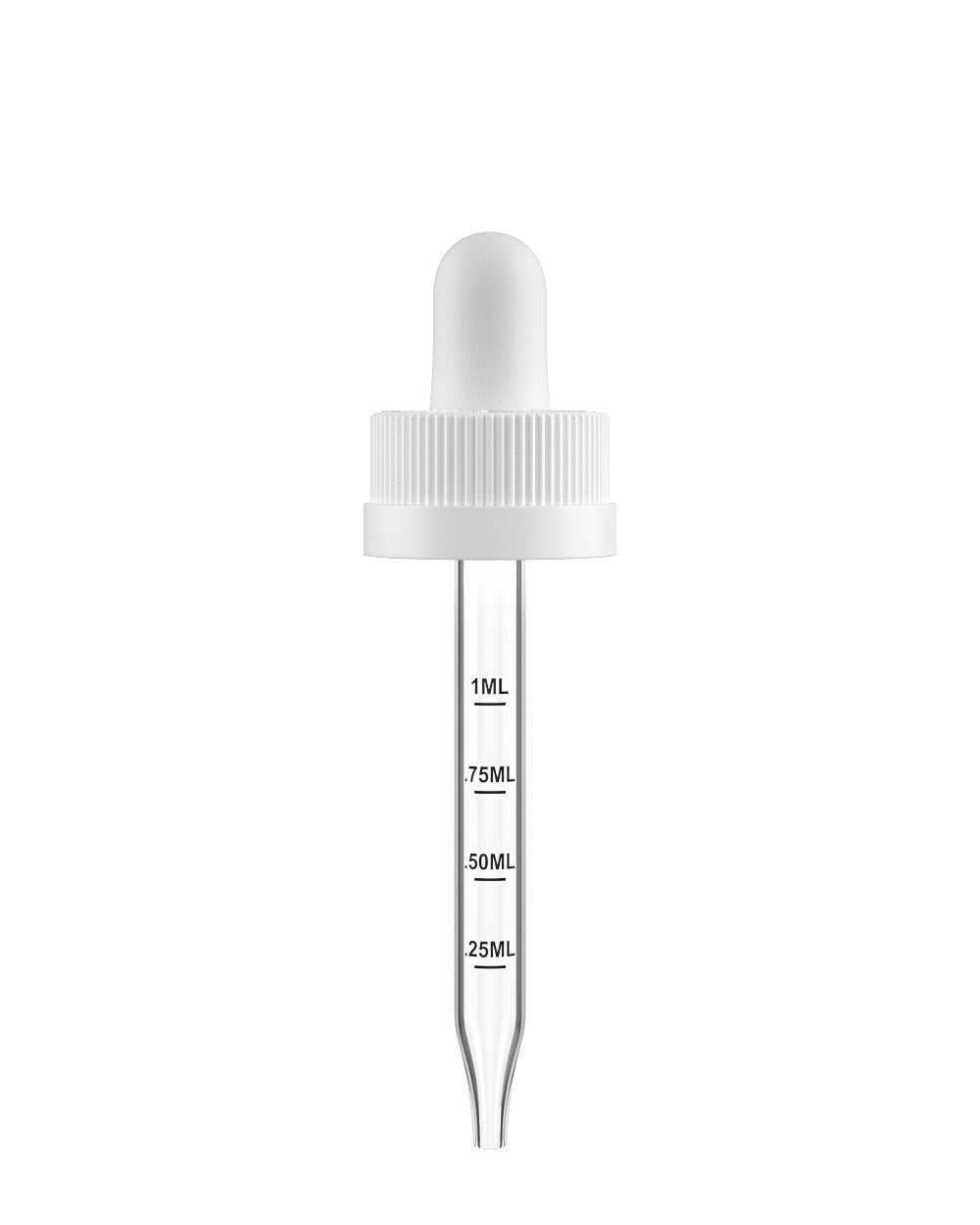


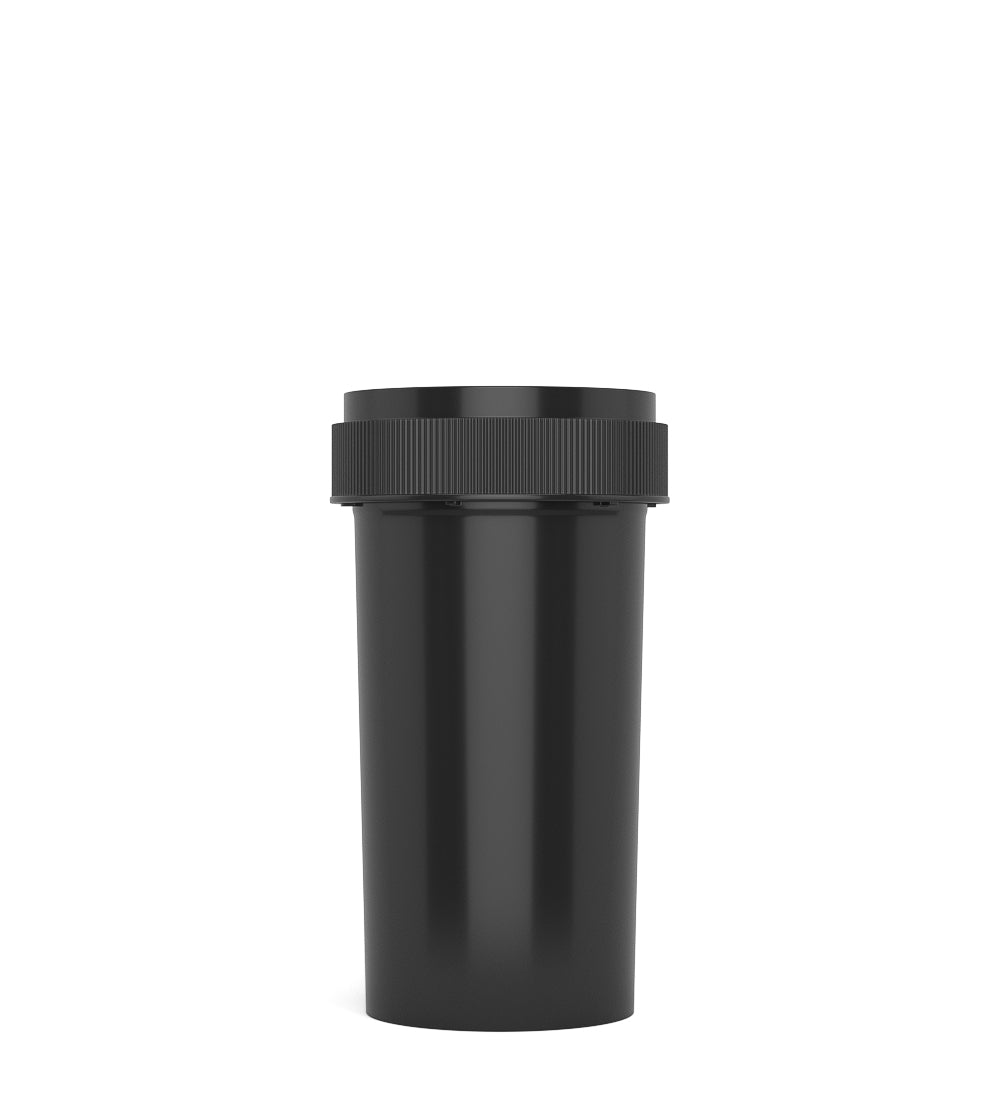
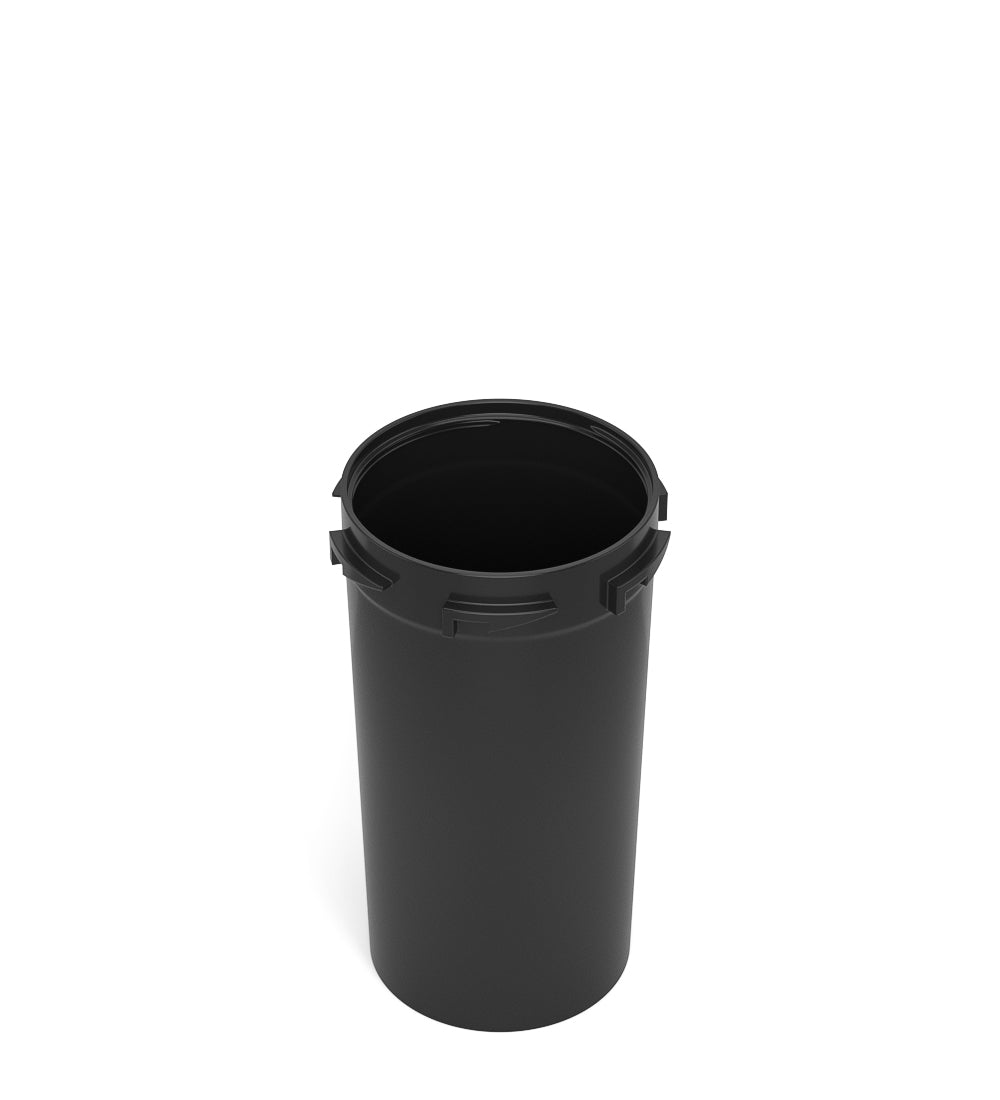
Wholesale Child Resistant Packaging for Cannabis Brands and Manufacturers
Child resistant packaging, often referred to as CR packaging or child proof packaging, is designed to make a package significantly more difficult for young children to open while remaining practical for adults to use correctly. For cannabis brands, manufacturers, processors, producers and dispensary operations, the right child-resistant package also needs to work with the product inside, the filling process, labeling requirements, transportation, storage and the regulations that apply in the market where the finished product will be sold.
Marijuana Packaging supplies wholesale child resistant packaging across a wide range of packaging types, including bags, pouches, jars, containers, bottles, vials, pre-roll tubes, tins, boxes, caps and child-resistant closures. Available options span multiple materials, capacities, opening mechanisms and product applications, allowing cannabis operators to compare CR packaging based on both regulatory needs and real production requirements.
For qualifying products, available documentation may include child-resistant test reports, technical drawings, material information and other product records. Buyers should review the documentation for the exact package and closure combination they intend to use rather than assuming that every size, cap, container or configuration carries the same supporting data.
Key Consideration
Child resistance applies to the complete packaging system, not simply to a jar, bag, bottle or cap in isolation. Always evaluate the exact container and closure combination you intend to purchase, then review the test reports, specifications and supporting documentation associated with that configuration. A report for a similar package, different closure, different size or different material should not automatically be treated as evidence for the package you plan to use.
What Makes Packaging Child Resistant?
Child-resistant packaging relies on an opening system that requires a motion, sequence of motions, force pattern or package interaction that is intentionally more difficult for a young child to complete. The mechanism can be built into the container, closure, zipper, lid, cap, locking tab or outer package.
The best child-resistant packaging does more than add opening difficulty. It must also remain functional throughout filling, distribution, storage and repeated consumer use when the package is designed to be reclosable. For cannabis operations, that means evaluating the complete package system rather than selecting a container based only on the appearance of the closure.
- Child-resistant opening mechanism
- Compatibility between the container and closure
- Reclosable or single-use package design
- Adult and senior-friendly usability
- Product capacity and fill requirements
- Barrier and product-protection needs
- Tamper-evident features where required
- Labeling and branding area
- Available testing and technical documentation
- Requirements of the jurisdiction where the finished product will be sold
Child Resistant Does Not Mean Child Proof
"Child proof packaging" is a common industry and search term, but child resistant is the more accurate description. CR packaging is designed to create meaningful resistance to opening by young children, not to make access physically impossible under every circumstance. This distinction matters when brands evaluate packaging claims, third-party test reports and regulatory documentation.
Child Resistant Packaging Regulations, Testing and Documentation
Cannabis packaging requirements can vary by state, product category and package configuration. Many child-resistance programs and packaging specifications reference concepts established under the Poison Prevention Packaging Act, commonly abbreviated as the PPPA, along with the testing procedures in Title 16 of the Code of Federal Regulations.
PPPA and 16 CFR Part 1700
The Poison Prevention Packaging Act established the federal framework for special packaging intended to reduce the ability of young children to access certain regulated household substances while maintaining reasonable adult usability. The related federal requirements appear in 16 CFR Part 1700.
In cannabis packaging procurement, terms such as PPPA compliant, 16 CFR 1700 compliant, CR tested and child-resistant certified are often used broadly. Buyers should look beyond the marketing terminology and confirm what testing was performed, which exact package components were tested and what documentation is available for the package being purchased.
16 CFR 1700.20 Child-Resistance Testing
16 CFR 1700.20 contains the protocol used to evaluate child-resistant and adult-use performance for applicable special packaging. When reviewing a third-party test report, verify that the report corresponds to the exact packaging system you intend to use, including the relevant container, cap, lid, zipper or closure configuration.
A test report for one package configuration should not automatically be treated as evidence for every related size, closure or material variation. This is especially important when a brand changes a cap, neck finish, zipper, lid, container geometry or another component that affects how the package opens and recloses.
ASTM D3475 and Child Resistant Package Classification
ASTM D3475 is a classification system for child-resistant packaging that organizes package designs according to the motions, skills or tools required to open them. It is useful for describing and categorizing different CR mechanisms, but an ASTM classification is not a substitute for reviewing the testing associated with a specific packaging configuration.
When a package is described as conforming to ASTM D3475, buyers should still review the supporting documentation and determine whether the exact package is appropriate for the intended cannabis product and regulatory market.
CPSC, Testing and the Meaning of "Certified"
The Consumer Product Safety Commission, or CPSC, administers the federal PPPA framework, but "CPSC certified packaging" can be misleading when used as a blanket description of an empty package. In procurement, a more useful question is whether the exact packaging configuration has supporting child-resistance testing and whether that documentation is suitable for the buyer's regulatory and operational needs.
Marijuana Packaging provides available test reports and supporting product documentation for qualifying products so brands can evaluate the packaging before committing to production quantities.
Types of Child Resistant Cannabis Packaging
Child resistant packaging is not limited to a single container style. Different cannabis products require different capacities, barrier properties, closure systems and filling workflows, which is why CR packaging is available across both rigid and flexible packaging types.
Child Resistant Bags and Pouches
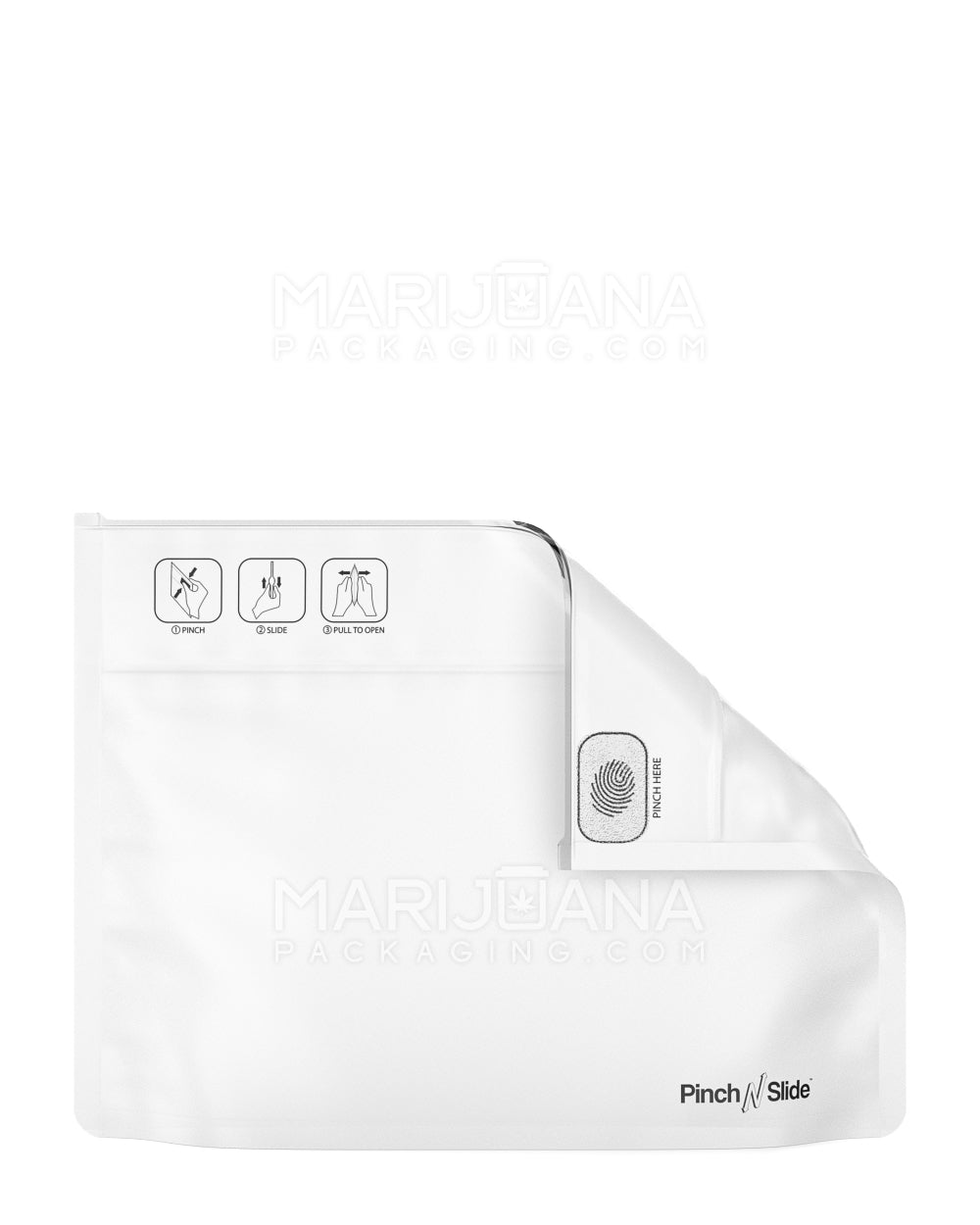
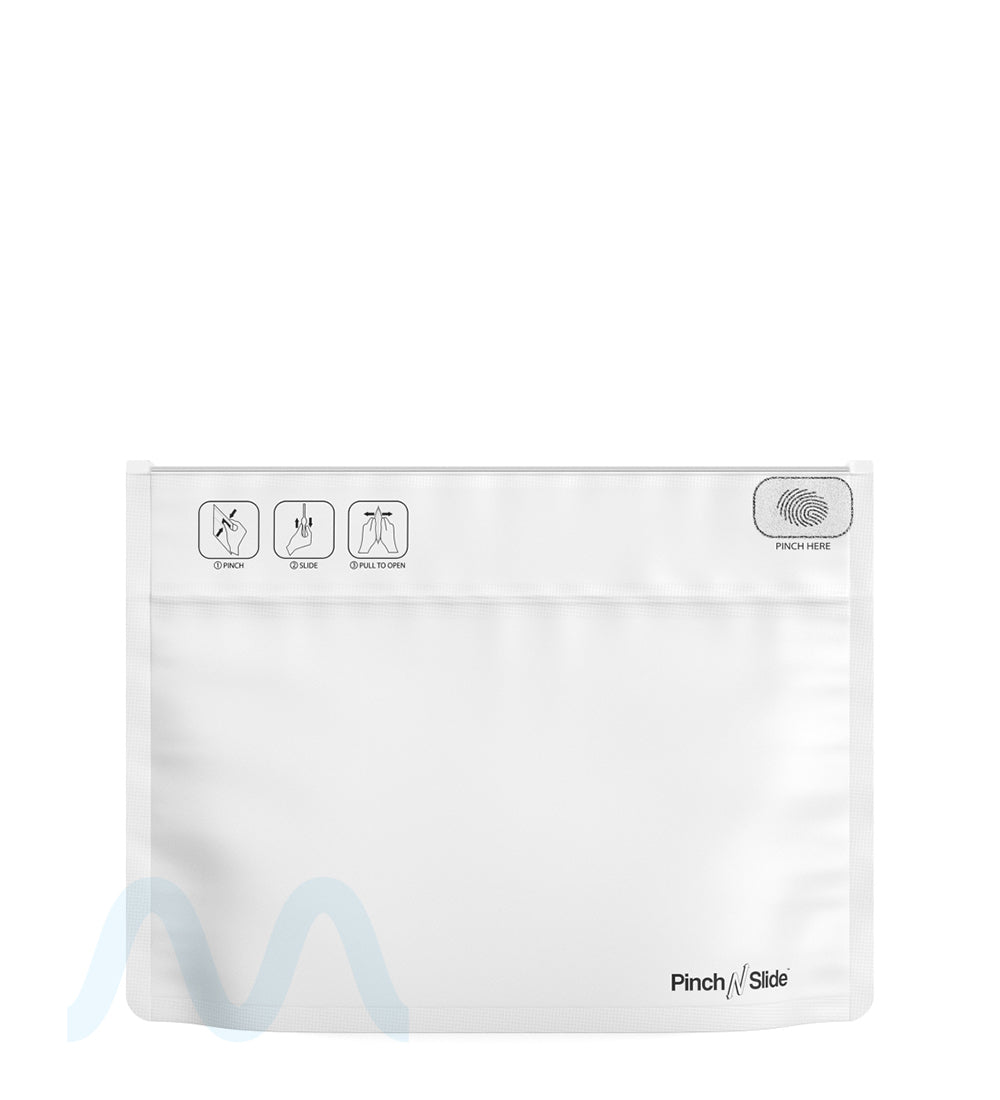
Child resistant bags and mylar pouches are widely used for cannabis flower, edibles, pre-rolls and other products that benefit from lightweight flexible packaging. CR bags may use locking zipper systems, pinch-and-pull openings, pinch-and-slide mechanisms or other multi-step closures intended to reduce easy access by children.
When comparing child resistant bags, review the usable internal dimensions, fill capacity, film construction, opacity, barrier properties, zipper design, tamper-evident features, heat-seal area and available space for labels or custom printing.
Child Resistant Jars and Containers
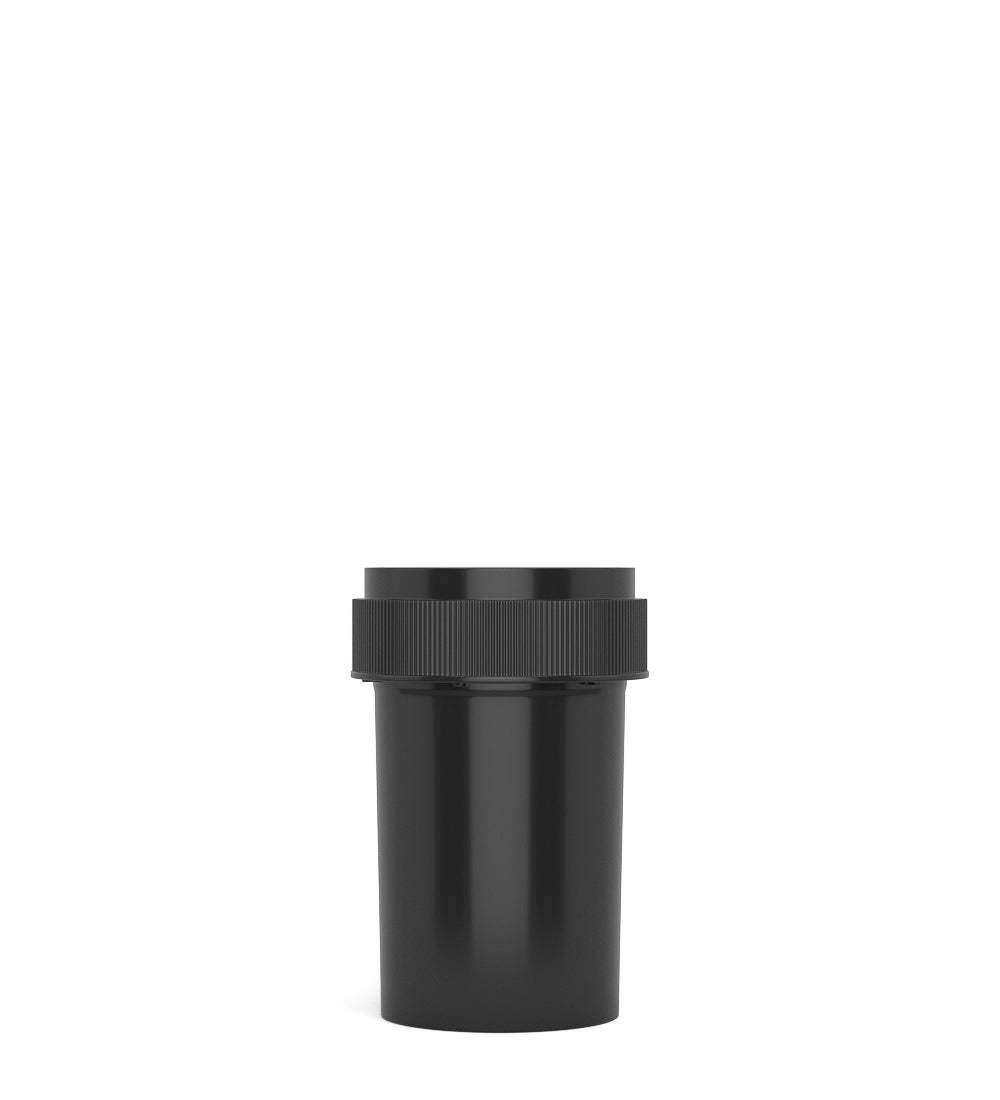
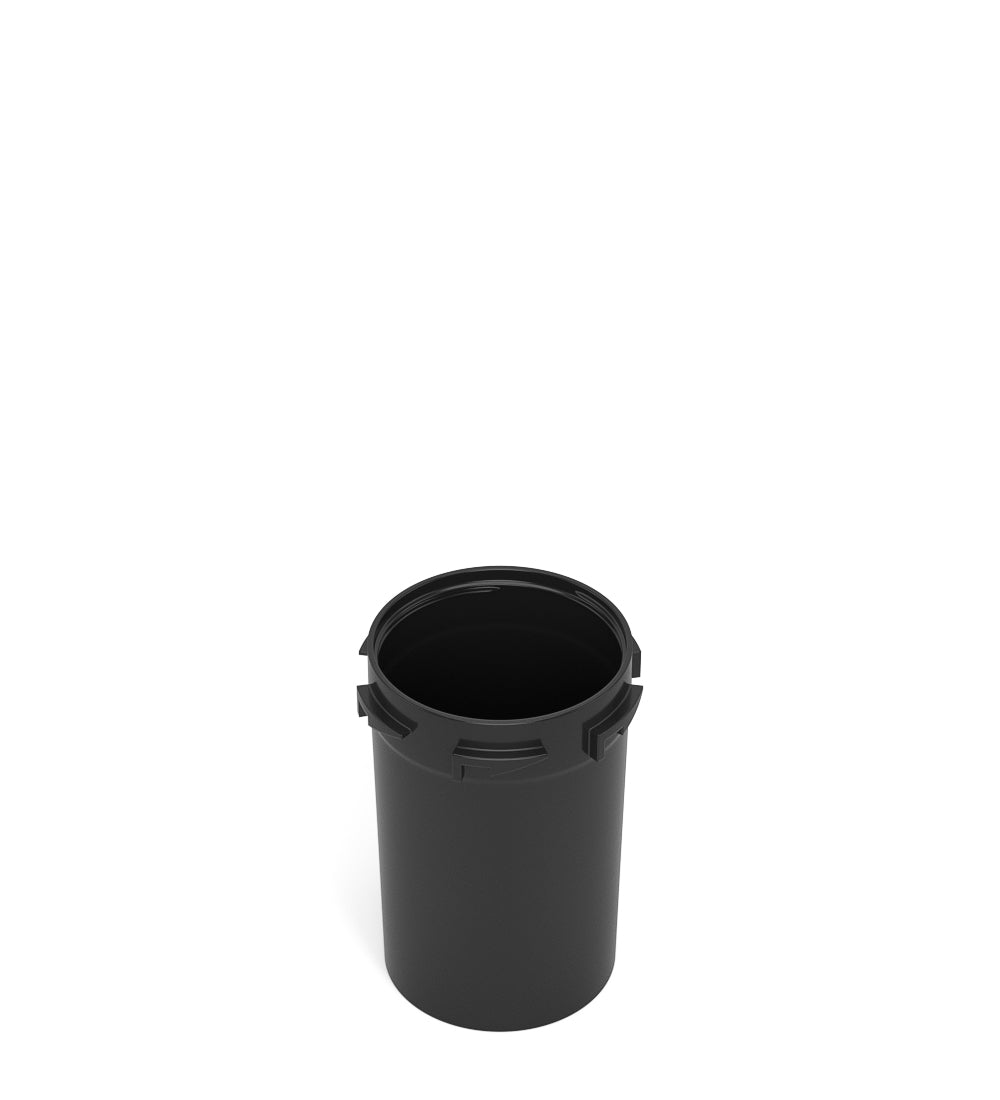
Child resistant jars and rigid containers are commonly used for cannabis flower, concentrates, edibles and other products where structural protection, product visibility or a premium presentation is important. Glass and plastic containers can be paired with CR caps, threaded closures, locking lids or other child-resistant closure systems.
Container selection should account for capacity, neck finish, closure compatibility, liner or sealing surface, material, opacity, barrier protection, headspace and the exact child-resistant mechanism used with the jar.
Child Resistant Bottles and Vials
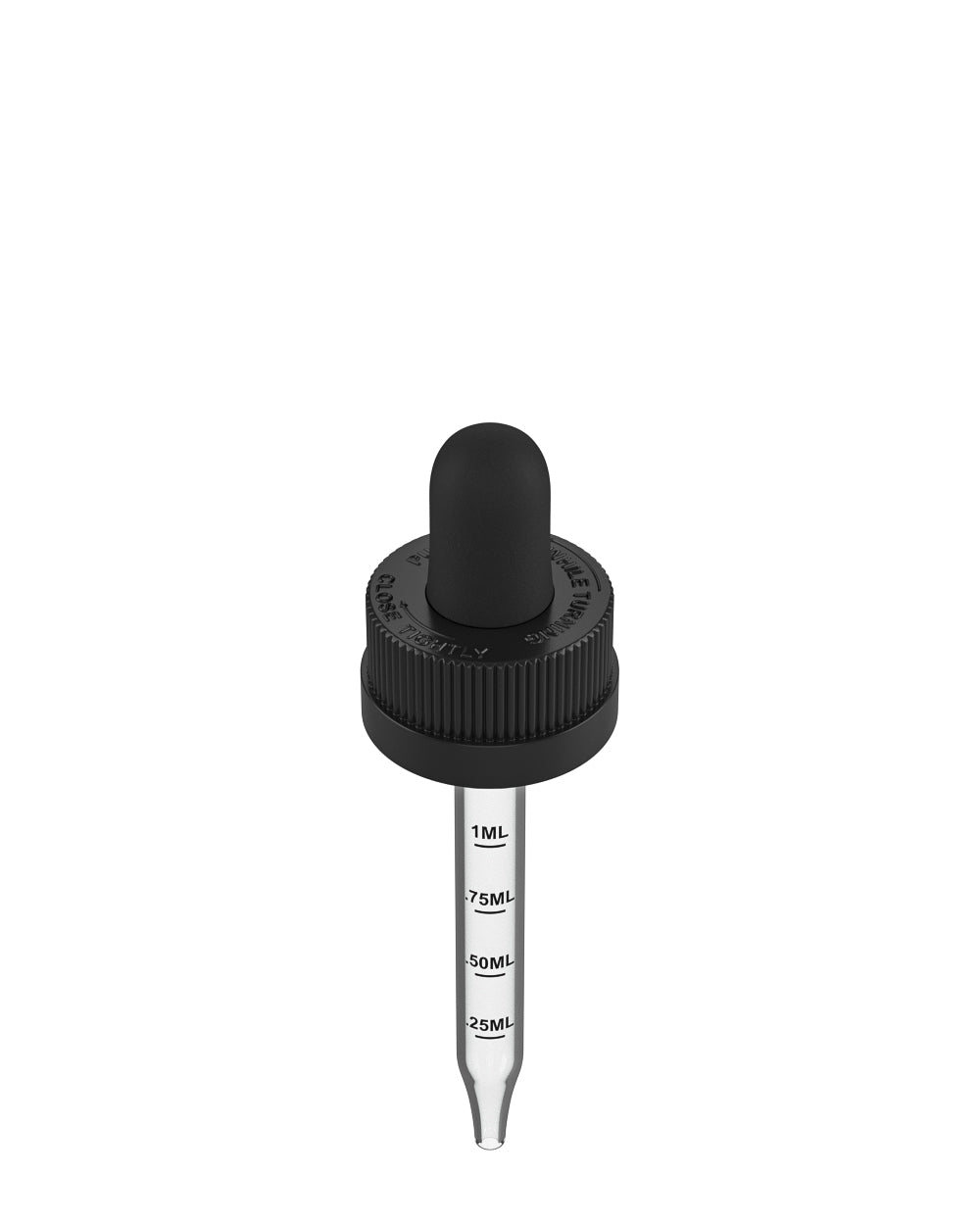
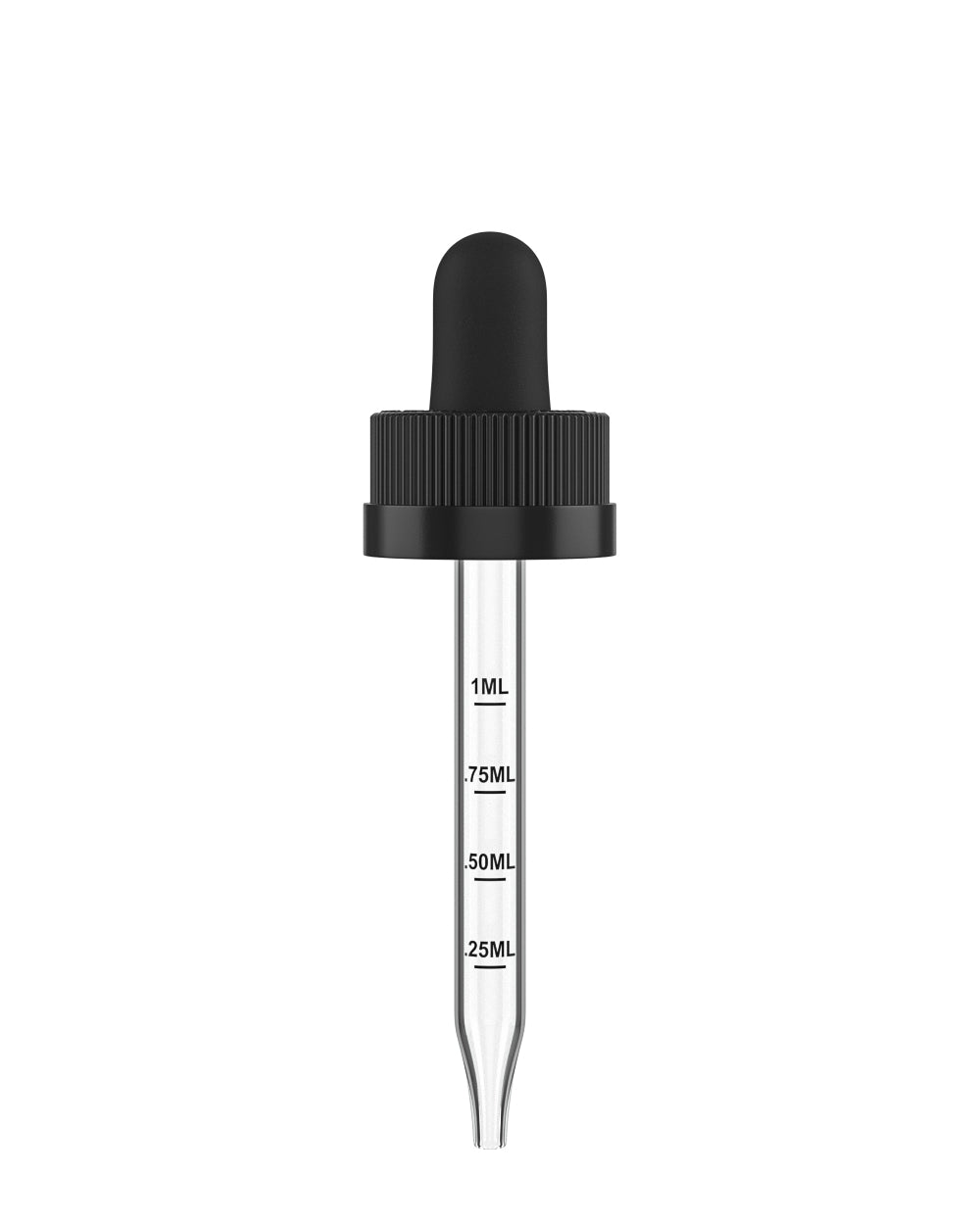
Child resistant bottles and vials are used for tinctures, liquid products and other cannabis applications that require controlled dispensing or smaller-capacity packaging. Depending on the package, the child-resistant function may be incorporated into a threaded cap, dropper assembly, locking closure or another multi-motion system.
Buyers should compare bottle volume, neck dimensions, dropper or reducer compatibility, closure construction, leak resistance, opacity, labeling area and whether the documented CR configuration matches the bottle and closure being ordered.
Child Resistant Pre-Roll Tubes
Child resistant pre-roll tubes provide rigid protection for individual pre-rolls and multipacks while helping protect products from crushing and handling during distribution. Common designs include pop-top tubes, squeeze-to-open tubes and other closures that require pressure or a coordinated opening motion.
For pre-roll packaging, compare internal length, diameter, pack count, material, closure type, odor control, labeling area and the level of crush protection required by the finished product.
Child Resistant Tins, Boxes and Specialty Packages
Child resistant tins, cartons, boxes and specialty packages can use locking tabs, buttons, slides, internal trays or multi-step opening systems. These options are useful when a brand needs a larger branding surface, a rigid retail presentation or packaging designed around a specific product configuration.
Because CR functionality can depend on the interaction between multiple package components, review the complete system rather than evaluating the outer box, tray, sleeve or lid independently.
Common Child Resistant Closure Mechanisms
Different child-resistant closures use different combinations of force, direction and sequencing. Choosing the right mechanism depends on the packaging type, intended consumer, filling operation and product application.
Push Down and Turn Closures
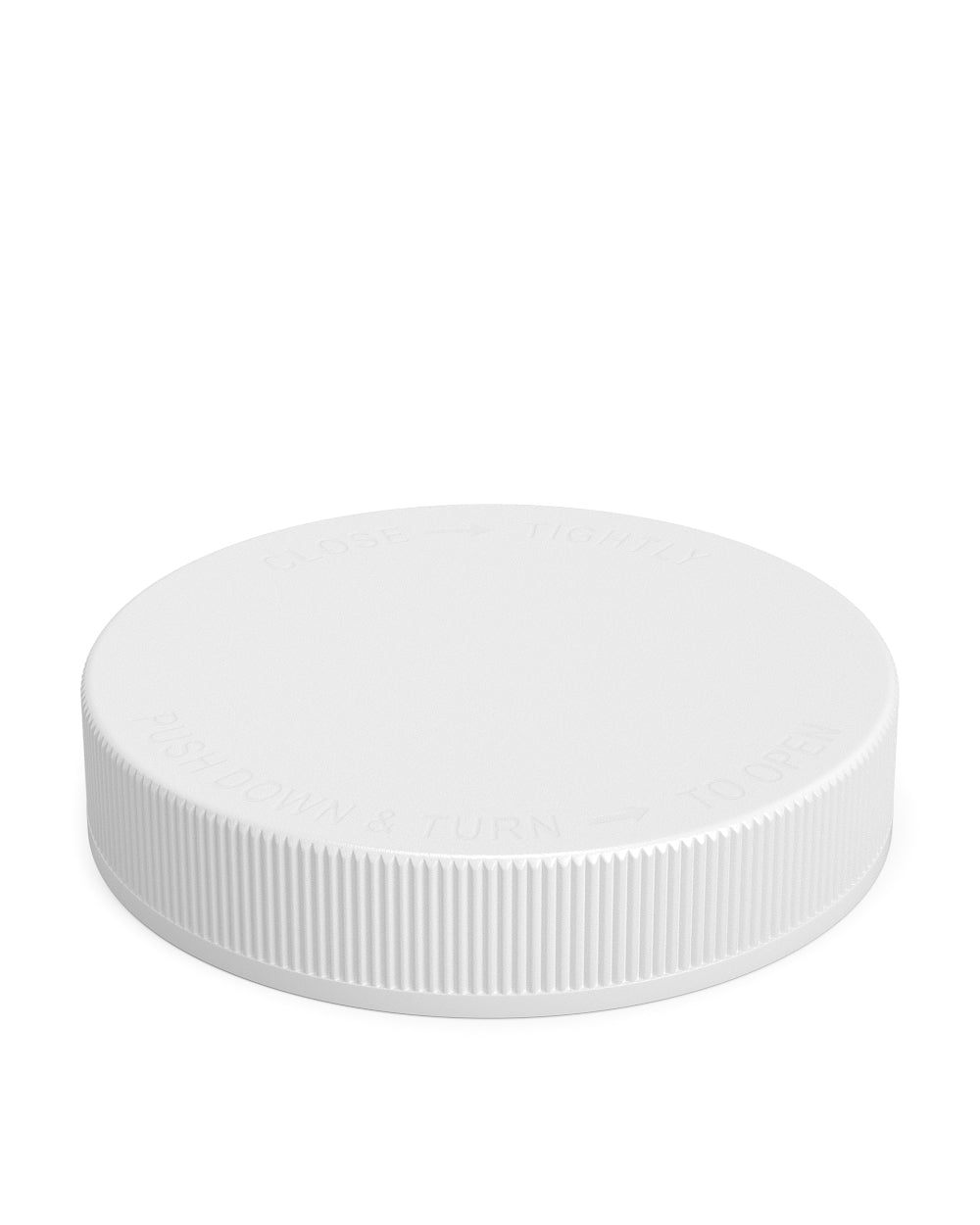
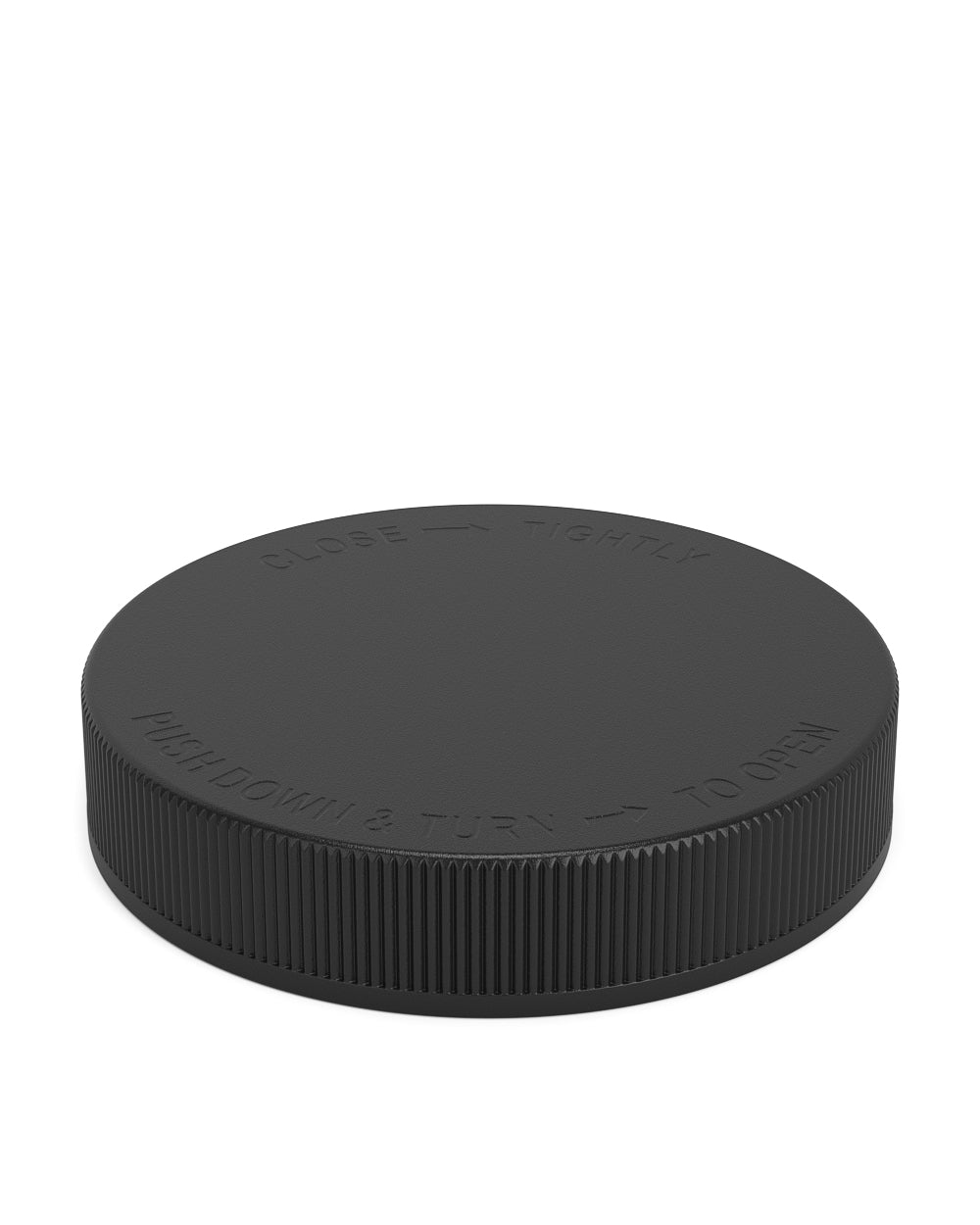
Push-down-and-turn closures require downward pressure while the cap is rotated. This familiar CRC design is commonly used with threaded jars and bottles because it combines a standard screw closure with an additional opening motion.
Squeeze and Turn Closures
Squeeze-and-turn closures require pressure on the closure while it is rotated. Depending on the design, the squeeze force may need to be applied at designated points or across specific areas of the cap before the closure can disengage.
Pinch and Pull Closures
Pinch-and-pull mechanisms require the user to compress designated areas while pulling the package open. This type of coordinated motion is commonly associated with flexible child-resistant packaging and can be incorporated into zipper or locking pouch designs.
Pinch and Slide Closures
Pinch-and-slide systems require the user to pinch or compress part of the closure while sliding another component. These mechanisms can provide a reclosable CR function while maintaining a relatively clean package profile for branded bags and specialty packaging.
Press Button and Locking Tab Mechanisms
Some child-resistant packages use buttons, tabs or release points that must be pressed before a lid, tray, drawer or other package component can move. These mechanisms are often used in rigid boxes, tins and specialty cannabis packages where the child-resistant feature is integrated into the structure of the package.
Squeeze-to-Open and Pop-Top Packaging
Pop-top tubes and similar containers can use sidewall pressure or a specific squeeze point to release the lid. These packages are widely used for pre-rolls because they combine compact dimensions, rigid protection and rapid adult access.
Dual-Action and Multi-Step Child Resistant Packaging
Some CR packages require two or more coordinated actions, such as pressing and sliding, squeezing and turning, or depressing a release before pulling a tray. These dual-action systems create child resistance through the sequence and coordination required to open the package rather than relying on force alone.
Choosing Child Resistant Packaging by Cannabis Product
The strongest CR package is the one that matches both the regulatory requirement and the physical needs of the cannabis product. Start with what is being packaged, then narrow the selection by packaging type, capacity, material and closure.
- Cannabis flower: Compare child resistant mylar bags, glass jars and plastic jars based on fill weight, headspace, odor barrier, moisture protection, opacity and closure design.
- Pre-rolls: Compare CR pop-top tubes, glass tubes, tins, bags and boxes based on cone length, pack count, crush protection, odor control and labeling area.
- Concentrates: Compare child resistant concentrate jars and containers based on capacity, closure, liner or contact surface, leak resistance, light protection and material compatibility.
- Edibles: Compare CR bags, jars, tins and rigid packages based on serving count, resealability, barrier performance, tamper evidence and product dimensions.
- Tinctures and liquids: Compare child resistant bottles and vials based on volume, dropper or reducer compatibility, closure design, leak resistance, opacity and labeling area.
- Vape products: Compare child resistant tubes, cartons, blister-style packages and specialty packaging based on hardware dimensions, product fit, retail presentation and the opening mechanism required for the finished package.
Reclosable and Single-Use Child Resistant Packaging
A major distinction in CR packaging is whether the package must remain child resistant after repeated opening and closing or whether the child-resistant feature is intended for a single opening event.
Reclosable Child Resistant Packaging
Reclosable CR packaging is designed for products that may be accessed multiple times. Examples can include jars with child-resistant caps, bottles with CRC closures, locking pouches and reusable rigid containers. The closure needs to continue functioning correctly after the consumer opens and recloses the package.
Single-Use Child Resistant Packaging
Single-use or non-reclosable child-resistant packaging is designed around an opening event that permanently changes the package or removes the protective barrier. The appropriate approach depends on the product, intended use and applicable regulatory requirements.
Child Resistant and Senior-Friendly Packaging
Effective child-resistant packaging should create meaningful resistance for young children without creating unnecessary difficulty for adults. Senior-friendly usability is therefore an important part of evaluating CR packaging, particularly for products intended for a broad adult customer base.
Brands should consider grip strength, opening force, required hand positioning, visibility of opening instructions and the number of coordinated motions required. A mechanism that performs well in child-resistance testing still needs to be practical for the intended adult consumer when used correctly.
What to Compare Before Ordering Child Resistant Packaging
Do not select child-resistant packaging based on a CR label alone. Compare the complete package against the product, production process and intended retail market.
- Exact packaging type and intended cannabis product
- Container capacity, fill weight or internal volume
- Package dimensions and available headspace
- Material, including glass, plastic, flexible film, metal or paperboard
- Child-resistant closure or opening mechanism
- Reclosable or single-use functionality
- Available 16 CFR 1700.20 test documentation
- ASTM D3475 classification where applicable
- Third-party testing information
- Tamper-evident features
- Moisture, odor, oxygen and light barrier needs
- Leak resistance and product-contact considerations
- Labeling area and required regulatory statements
- Custom printing and branding compatibility
- Case quantity, wholesale pricing and order volume
- Sample availability for fit and production testing
Child Resistant Test Reports and Product Documentation
Documentation is an important part of CR packaging procurement. For qualifying products, Marijuana Packaging makes available supporting records that can help brands evaluate the package before ordering.
Depending on the product, available records may include:
- 16 CFR 1700.20 child-resistance test reports
- Third-party testing documentation
- Technical drawings and package dimensions
- Material composition or safety documentation where applicable
- Closure and component specifications
- Food-contact documentation where applicable
- Other package-specific certification or compliance records
When reviewing documentation, match the test report to the exact package, closure and configuration being purchased. A similar container or closure should not automatically be treated as equivalent without supporting documentation.
View available certifications and product documentation.
Wholesale Child Resistant Packaging for Cannabis Operations
Marijuana Packaging supplies CR packaging for commercial cannabis operations that need stock inventory, case quantities and wholesale pricing across multiple packaging categories. Brands can compare products by size, material, closure, child-resistant mechanism and available documentation before selecting packaging for production.
Many packaging products are available in wholesale case quantities, with tiered pricing available on qualifying items. Samples are also available for many packaging products so operations can evaluate product fit, closure function, dimensions, labeling area and presentation before moving into larger orders.
For businesses managing multiple SKUs, standardizing compatible child-resistant package families can also simplify sourcing, artwork development, filling procedures and inventory planning across product lines.
Custom Child Resistant Packaging for Cannabis Brands
Child-resistant functionality does not prevent a package from carrying a strong brand identity. Many CR packaging types can support custom printing, labels, colors and other branding treatments while maintaining the functional package system selected for the product.
Available customization varies by packaging type and may include direct printing, custom labels, color treatments, foil, embossing, debossing, spot UV, inserts, windows and other finishes. When developing custom child resistant packaging, confirm the package and closure first, then build the branding program around the tested configuration rather than changing functional components late in production.
Marijuana Packaging offers domestic in-house customization capabilities for eligible products, helping cannabis brands coordinate packaging selection and branded presentation through a single packaging partner.
Build a Child Resistant Packaging System Around the Product
The best child resistant packaging decision begins with the finished cannabis product, not with a generic CR claim. Identify the product type, required capacity, preferred material, barrier needs, opening mechanism, regulatory market and branding requirements. Then compare packaging options using the exact specifications and documentation associated with each package.
For brands, manufacturers, processors and other cannabis operations purchasing at wholesale scale, this approach creates a clearer path from packaging selection to production while reducing uncertainty around fit, closure function and documentation.