

Pre-Roll Joint Tubes
Pre-roll tubes provide durable, compliant packaging designed to protect pre-rolls from damage while preserving freshness and presentation. Shop a wide selection of glass, plastic, and metal pre-roll tubes with child-resistant options available in multiple sizes, colors, and cap styles. Whether you need stock or custom pre-roll packaging, our tubes help meet industry regulations while showcasing your brand with premium, retail-ready packaging.
Filters
44 products


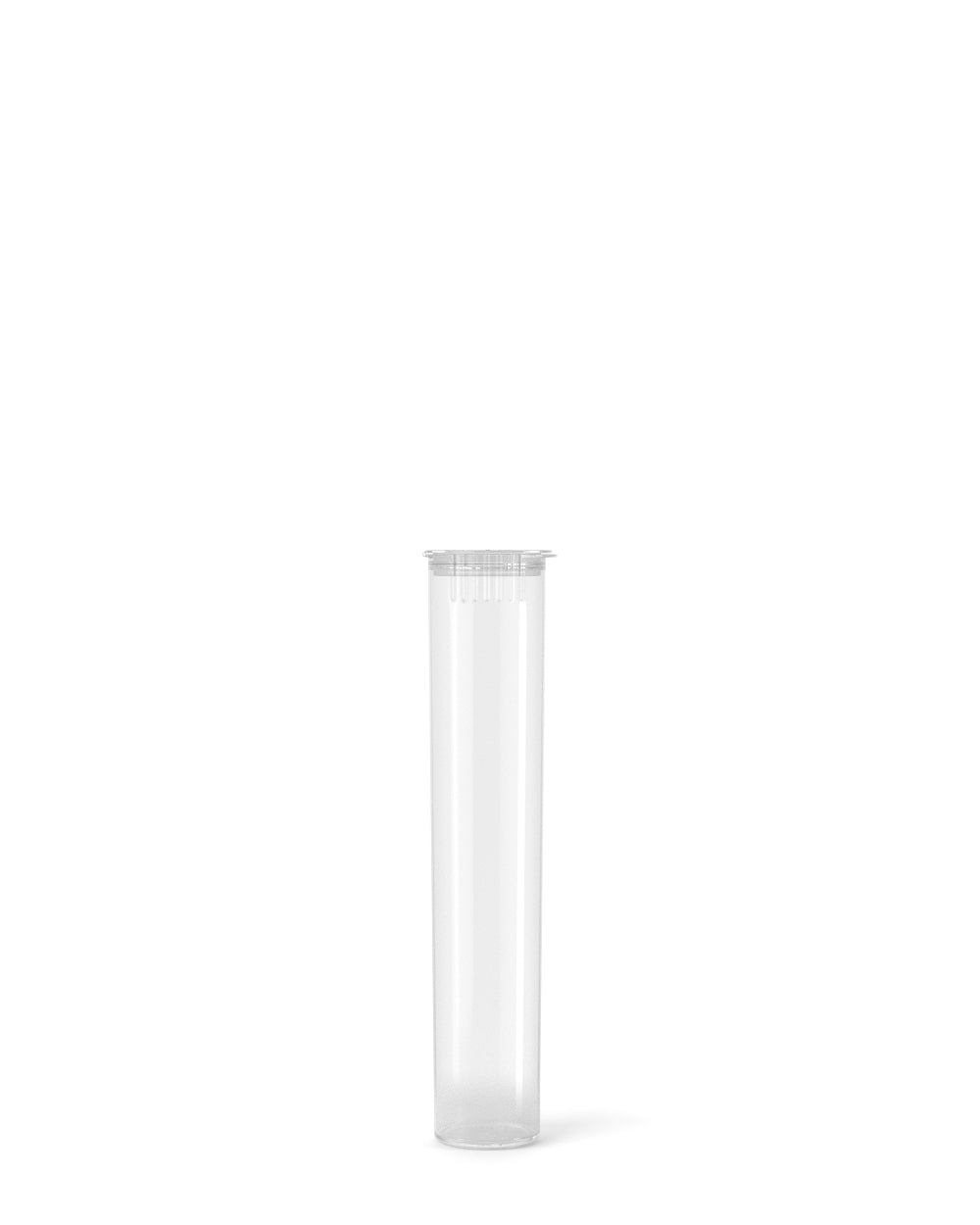


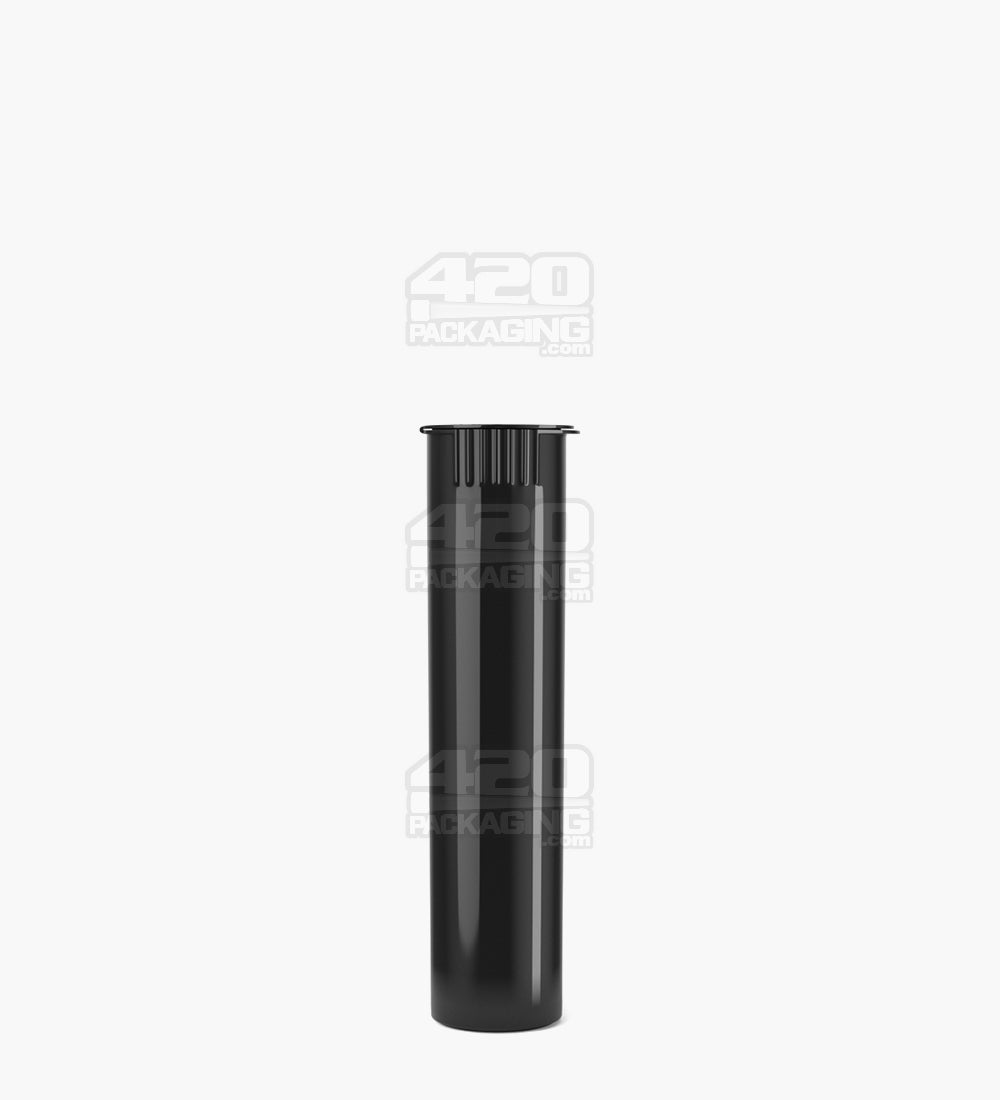
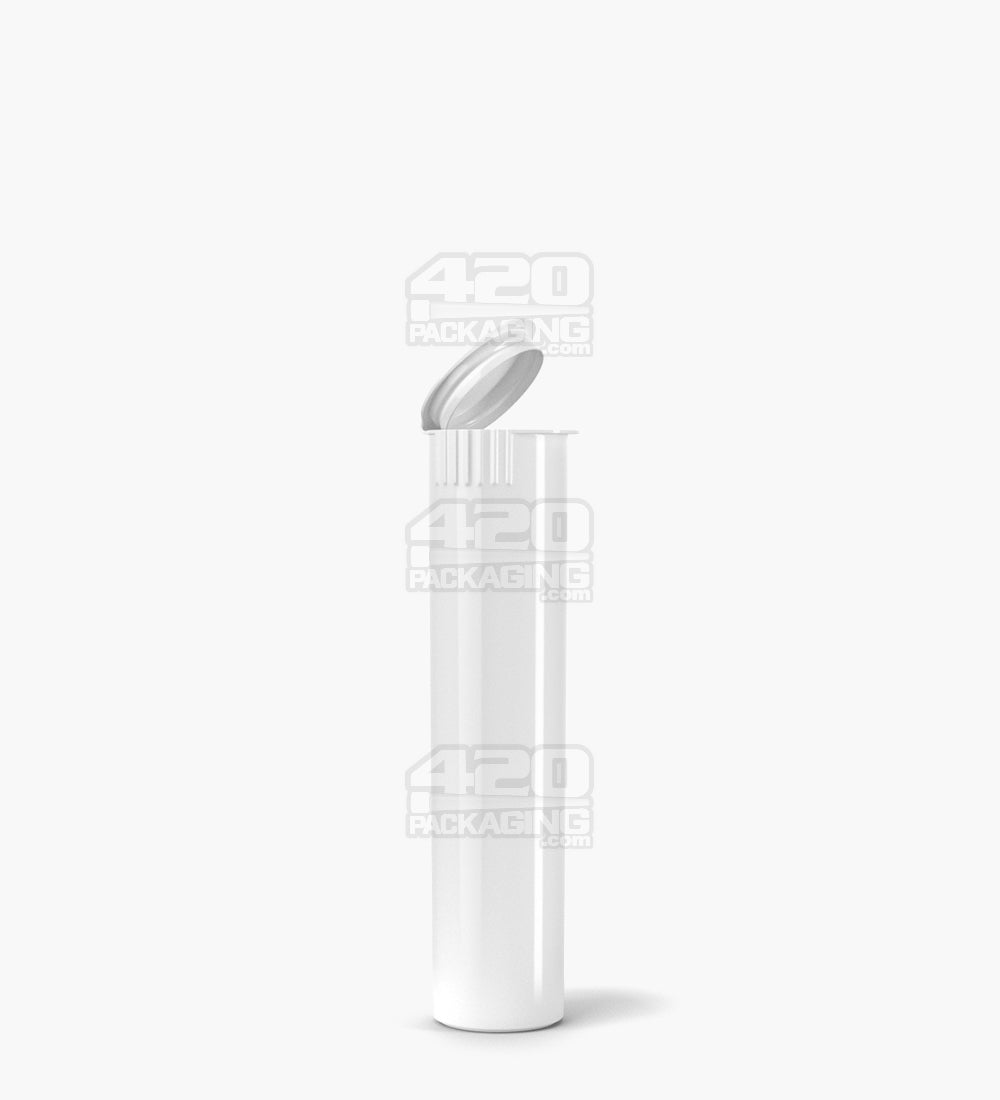
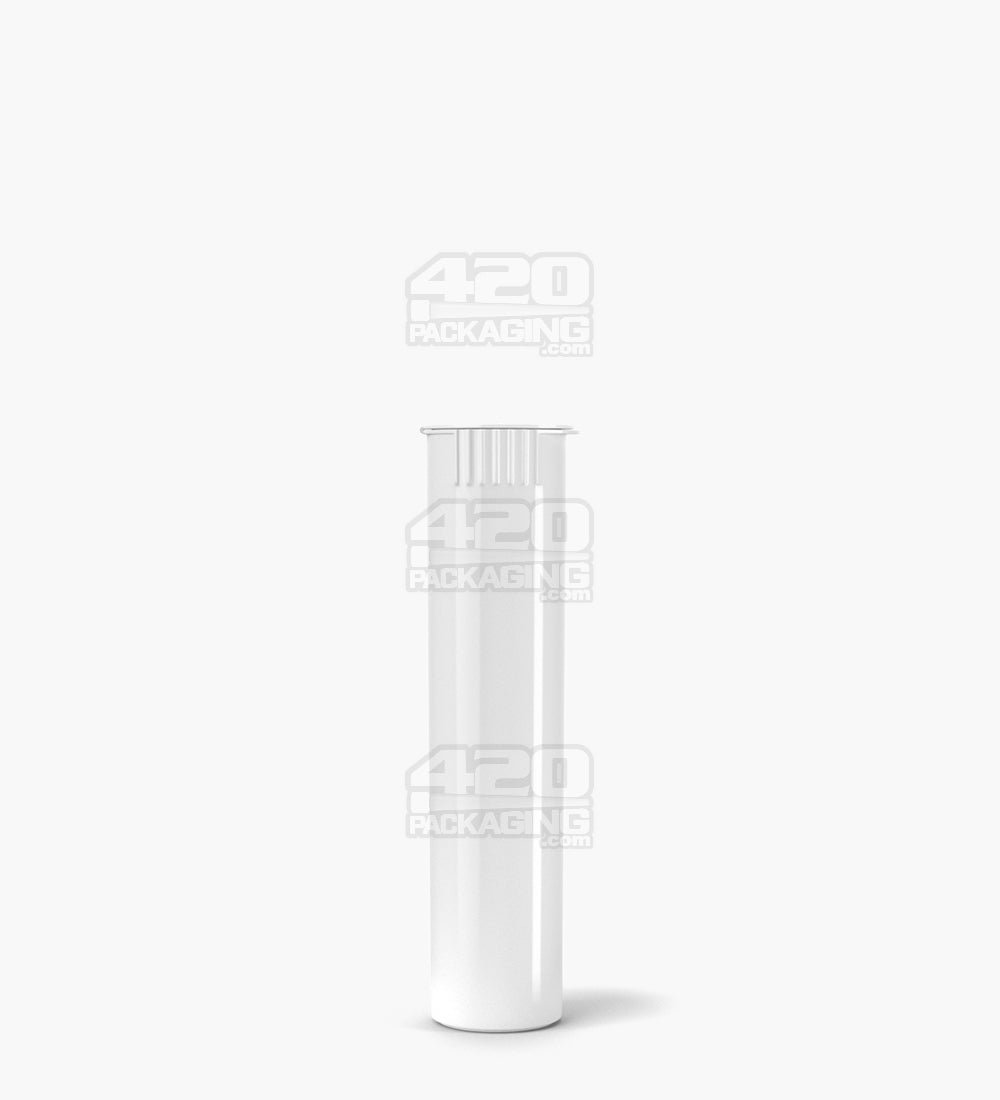
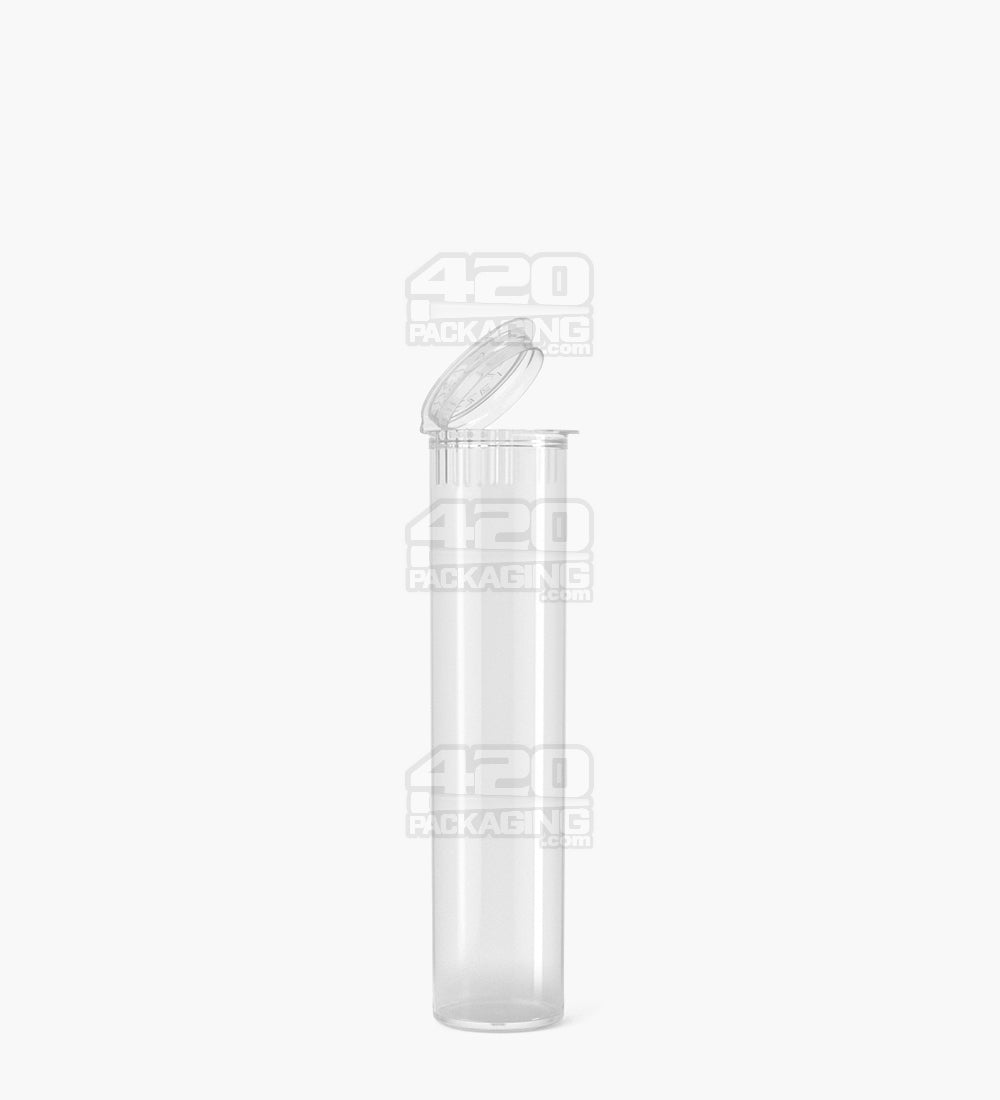
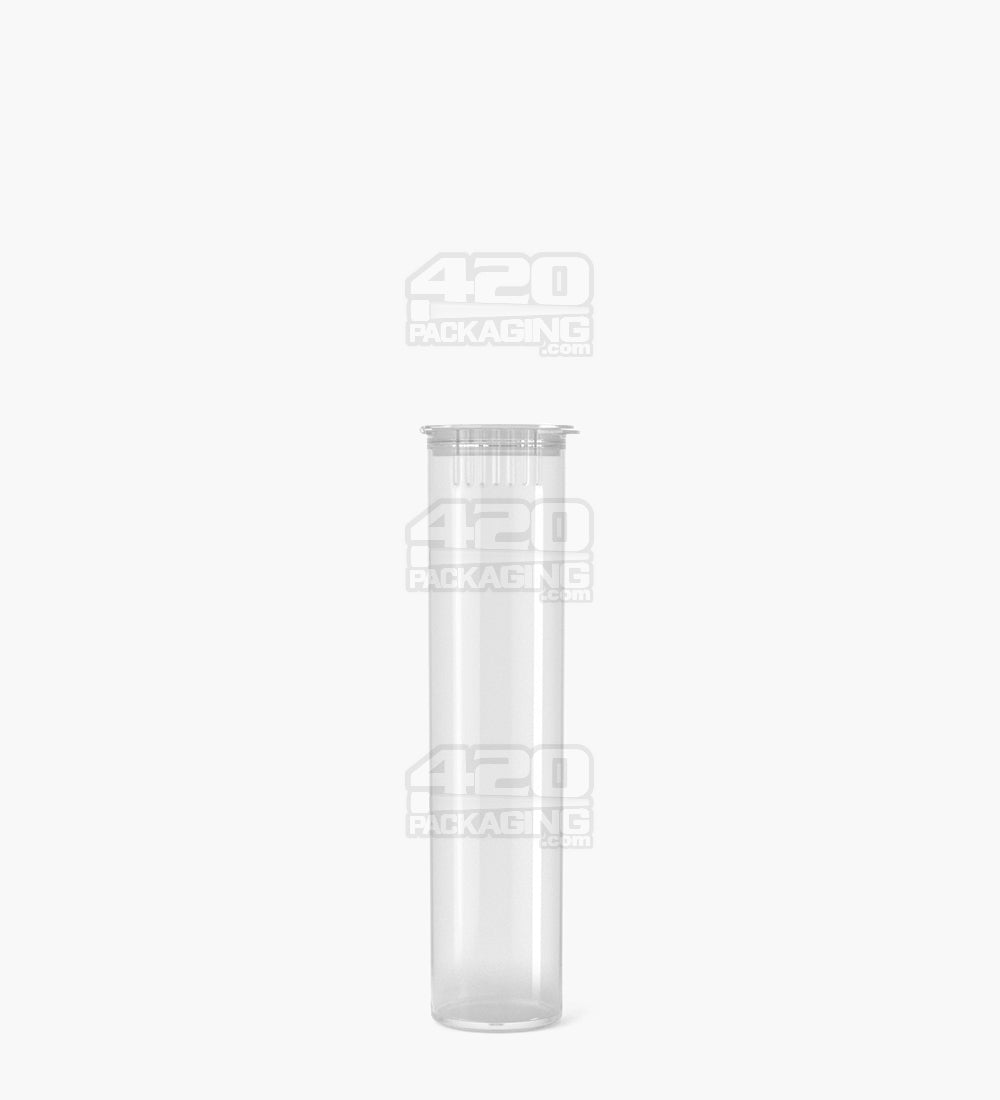
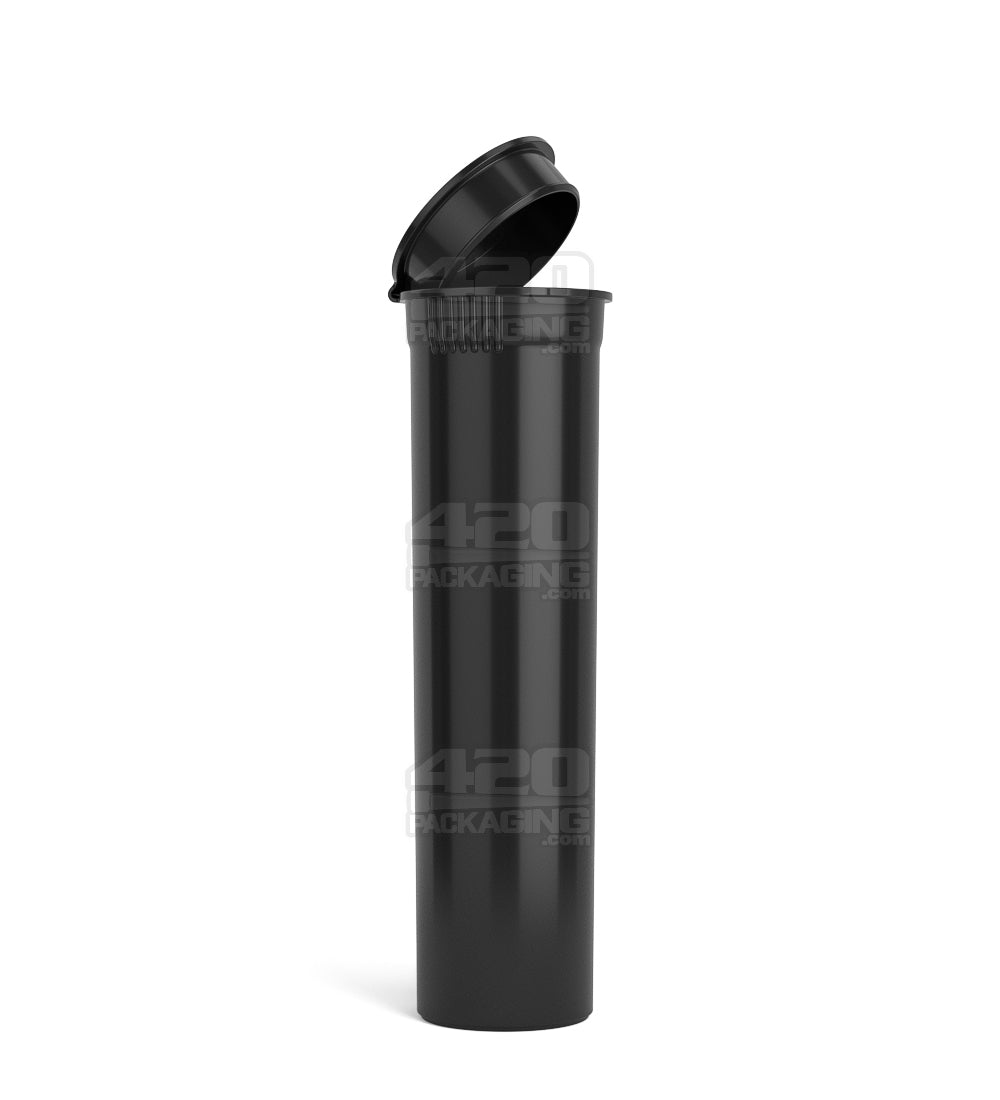

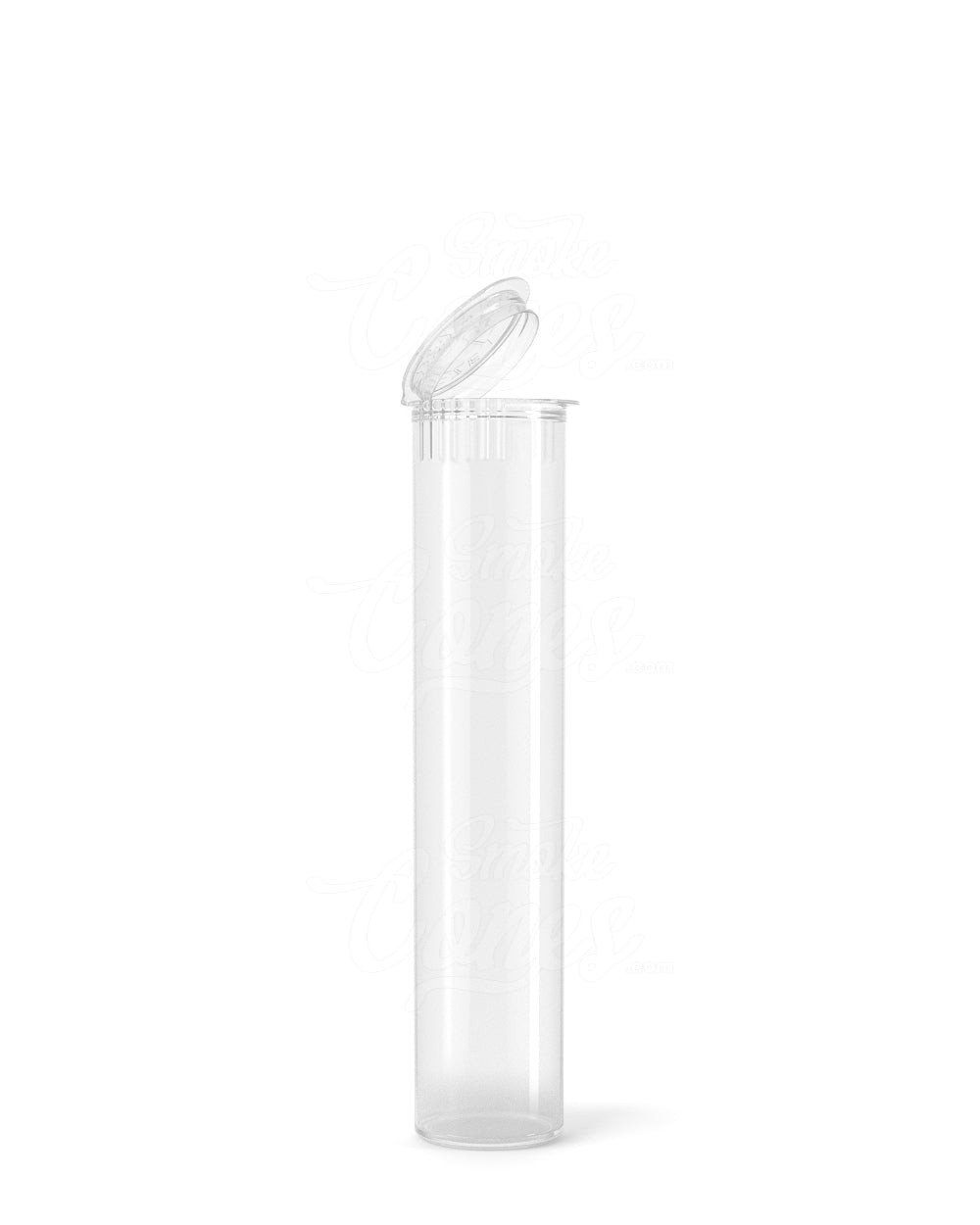
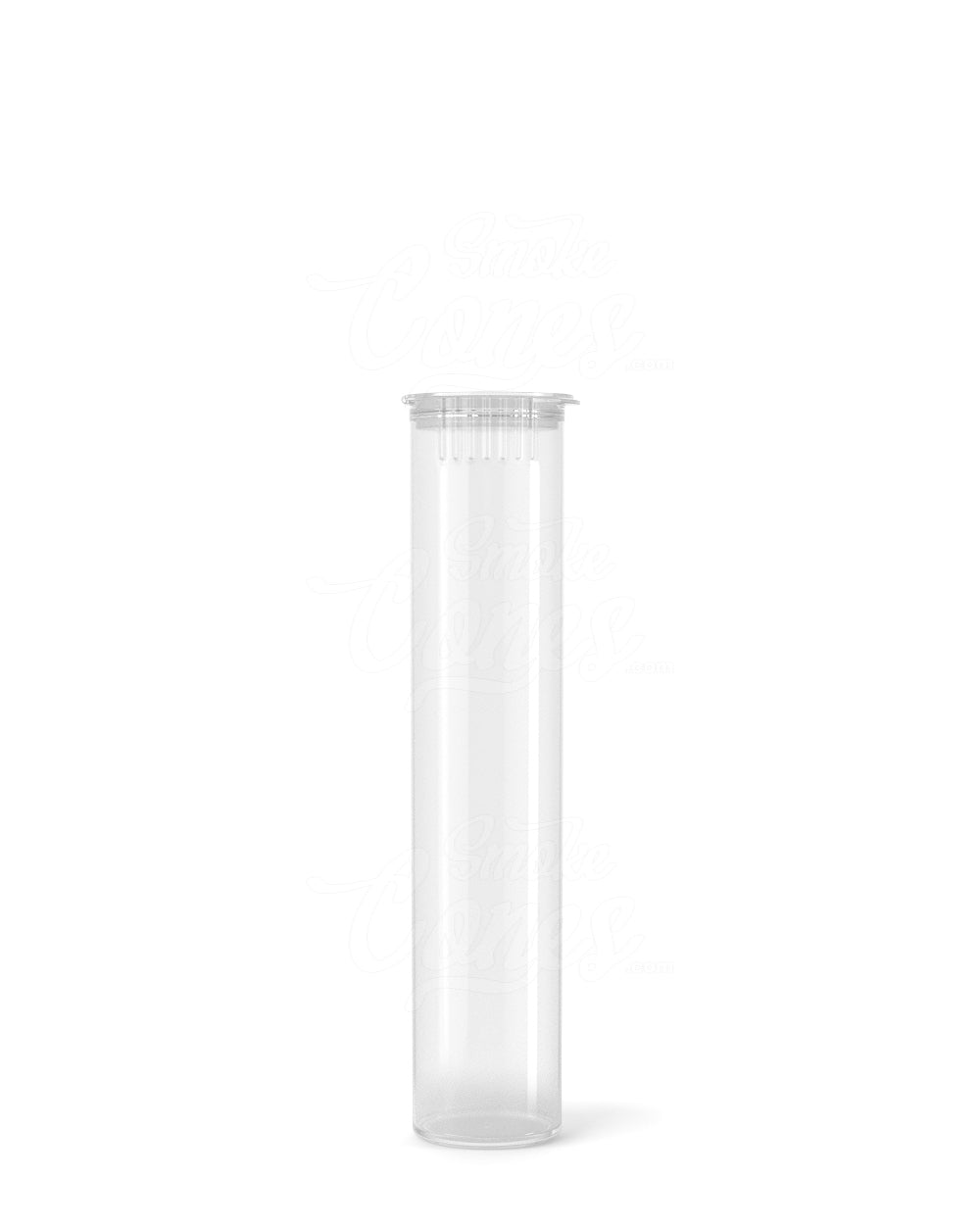
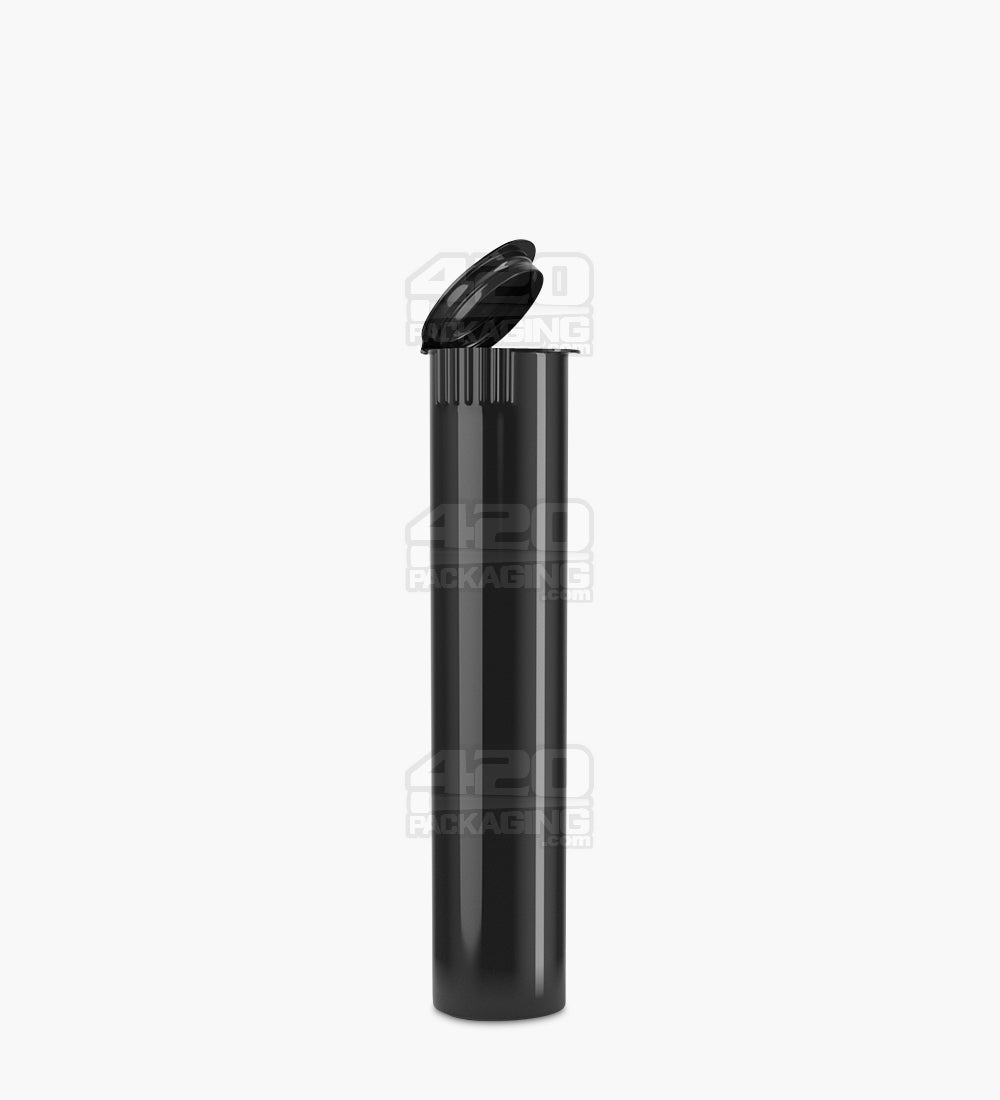
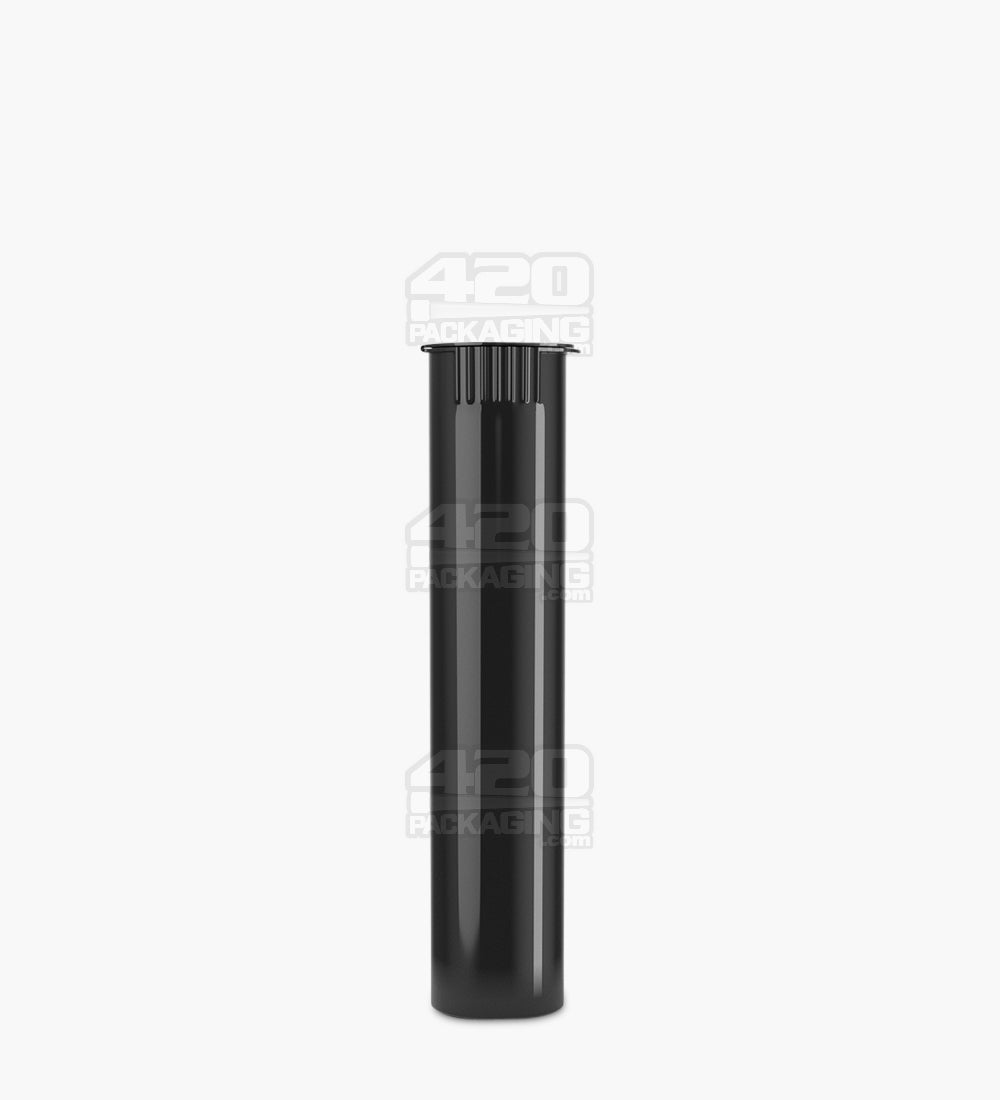


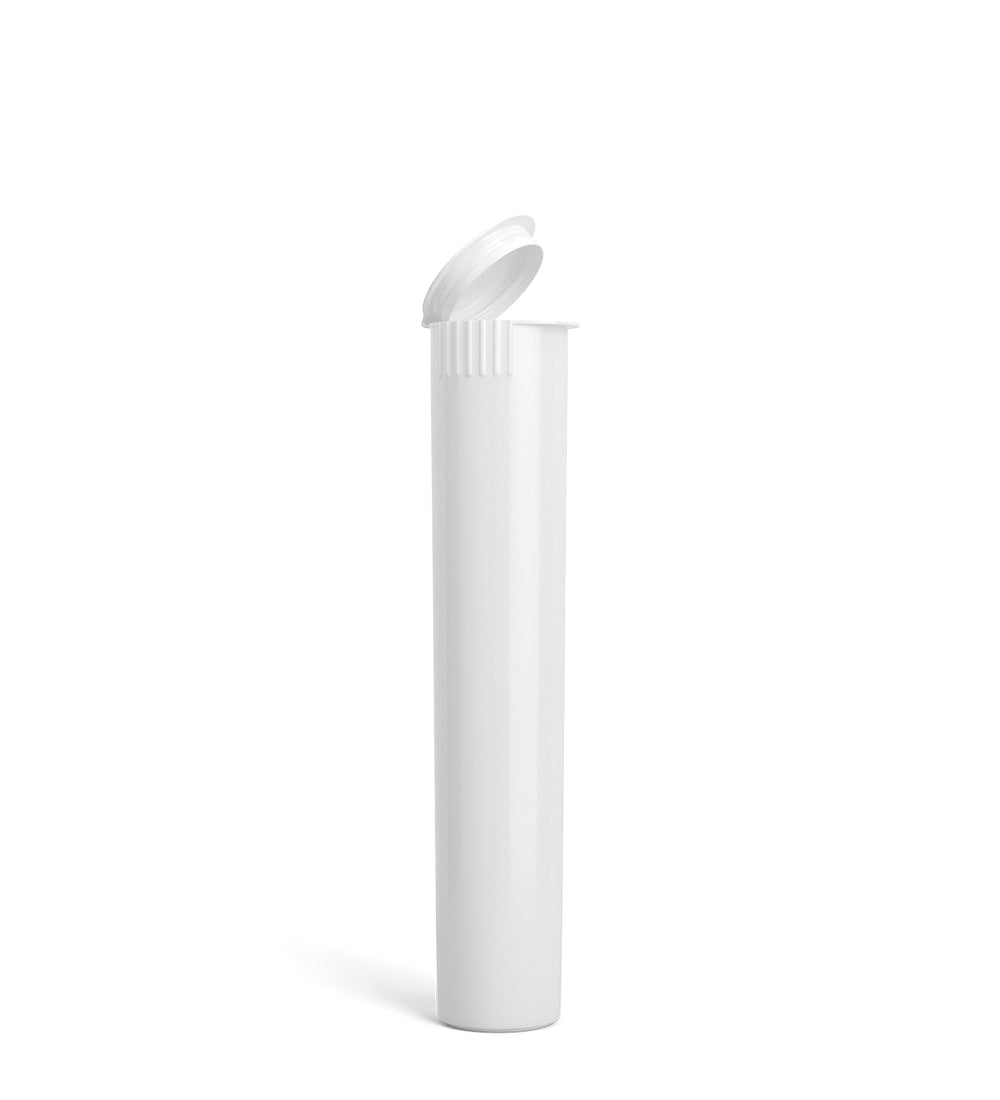
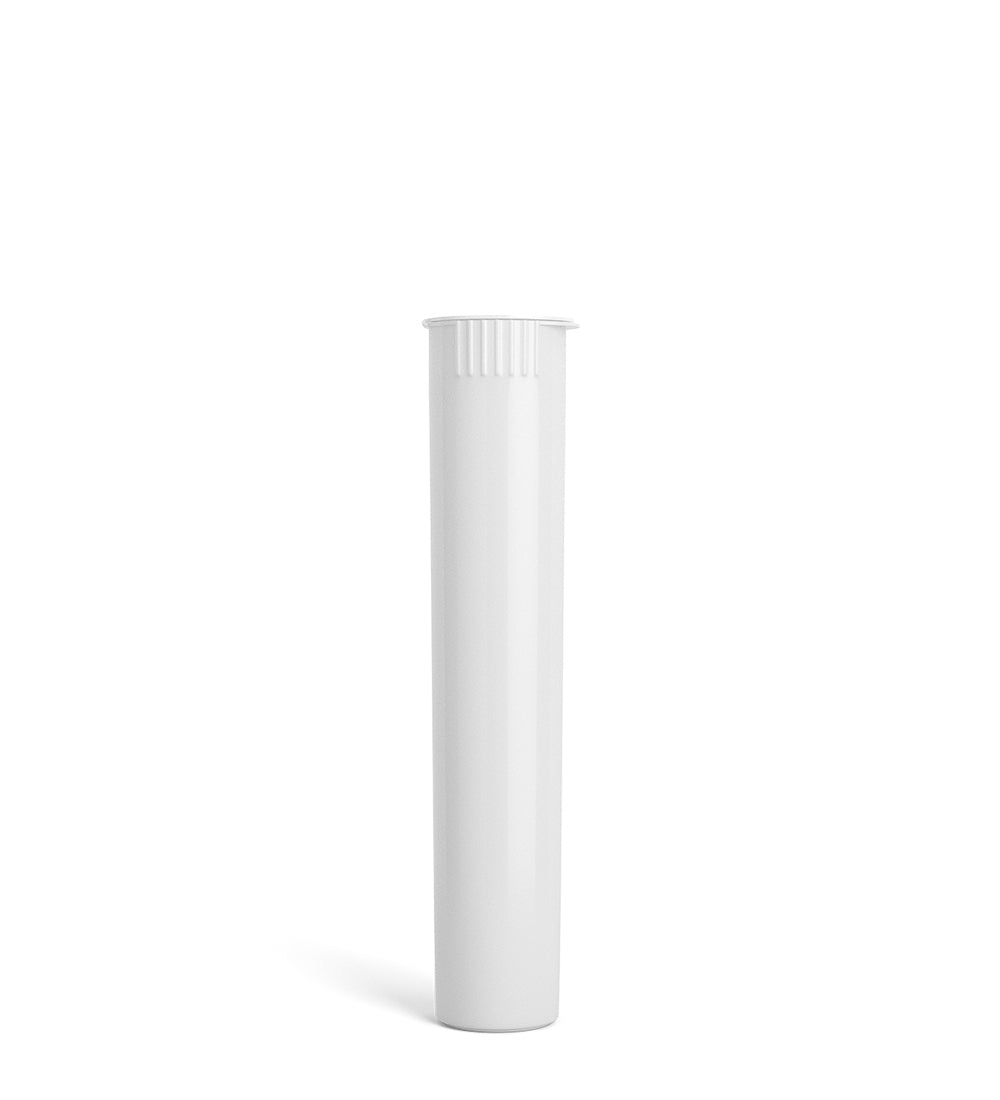


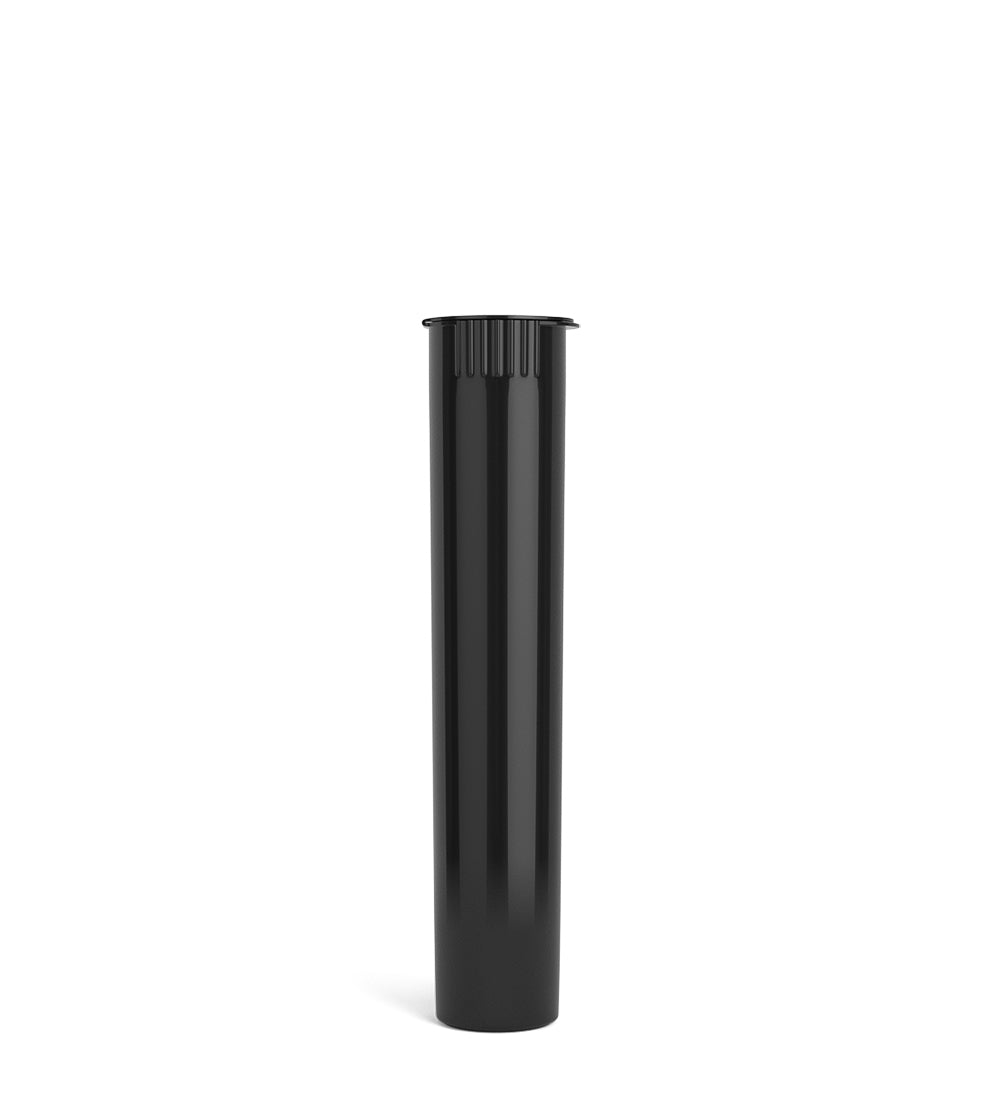
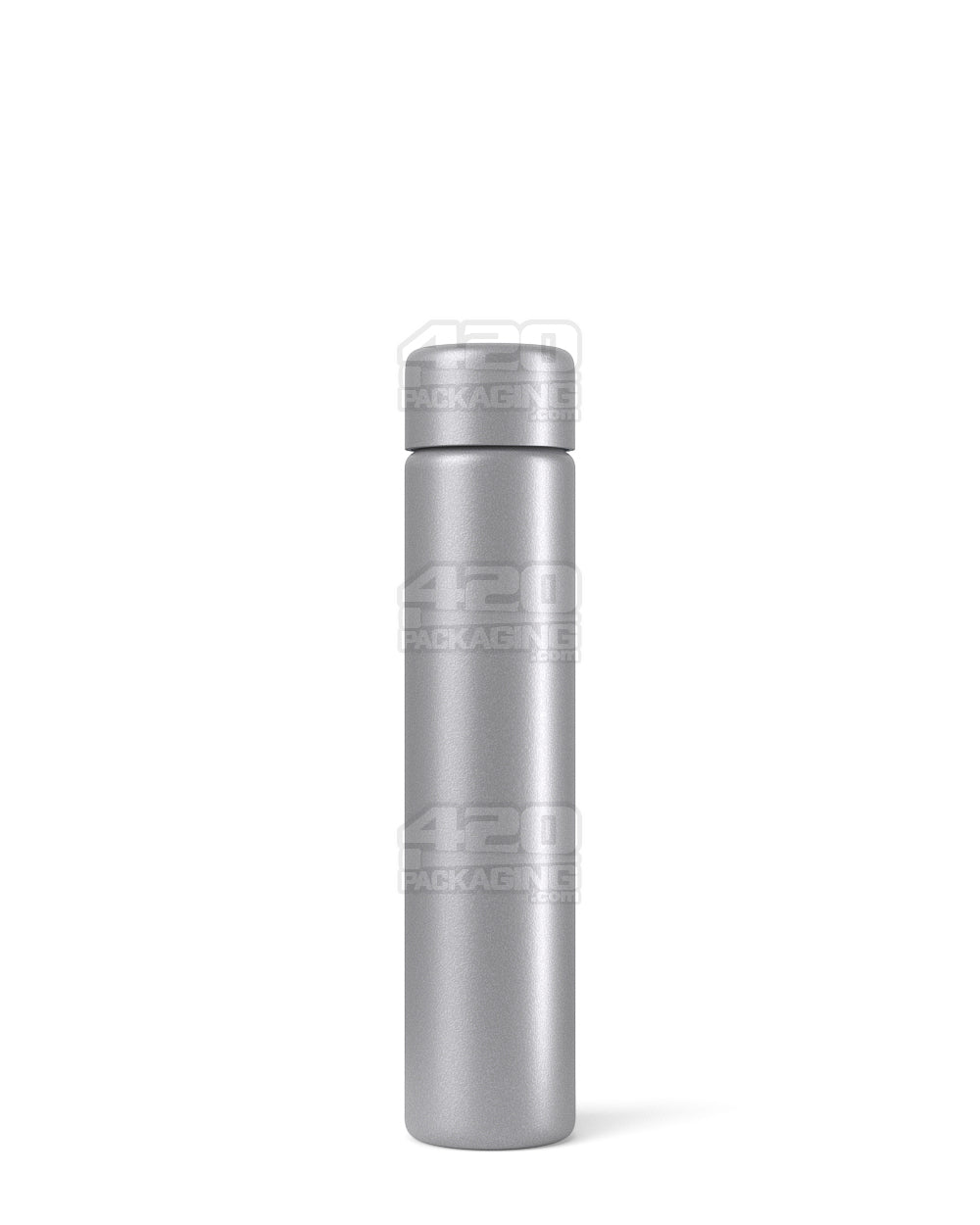


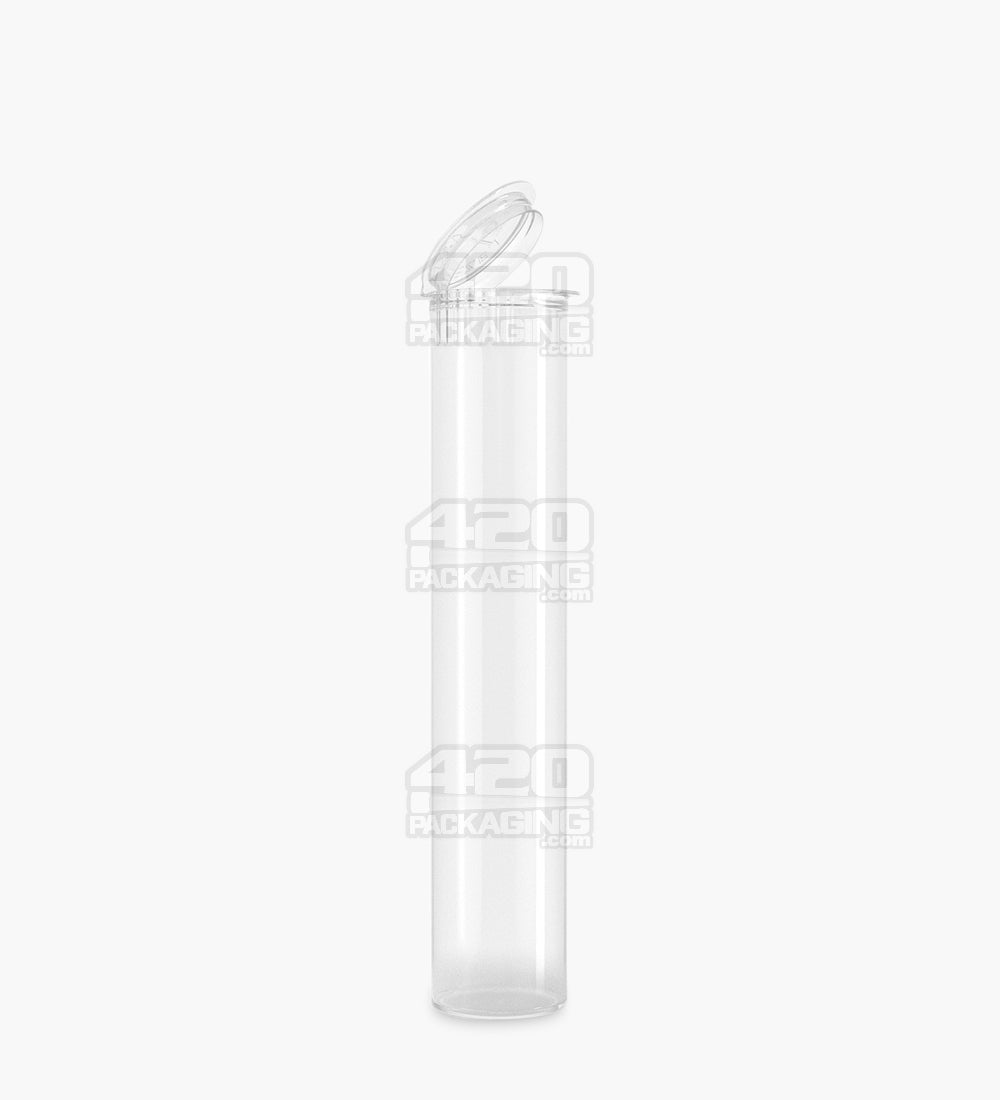


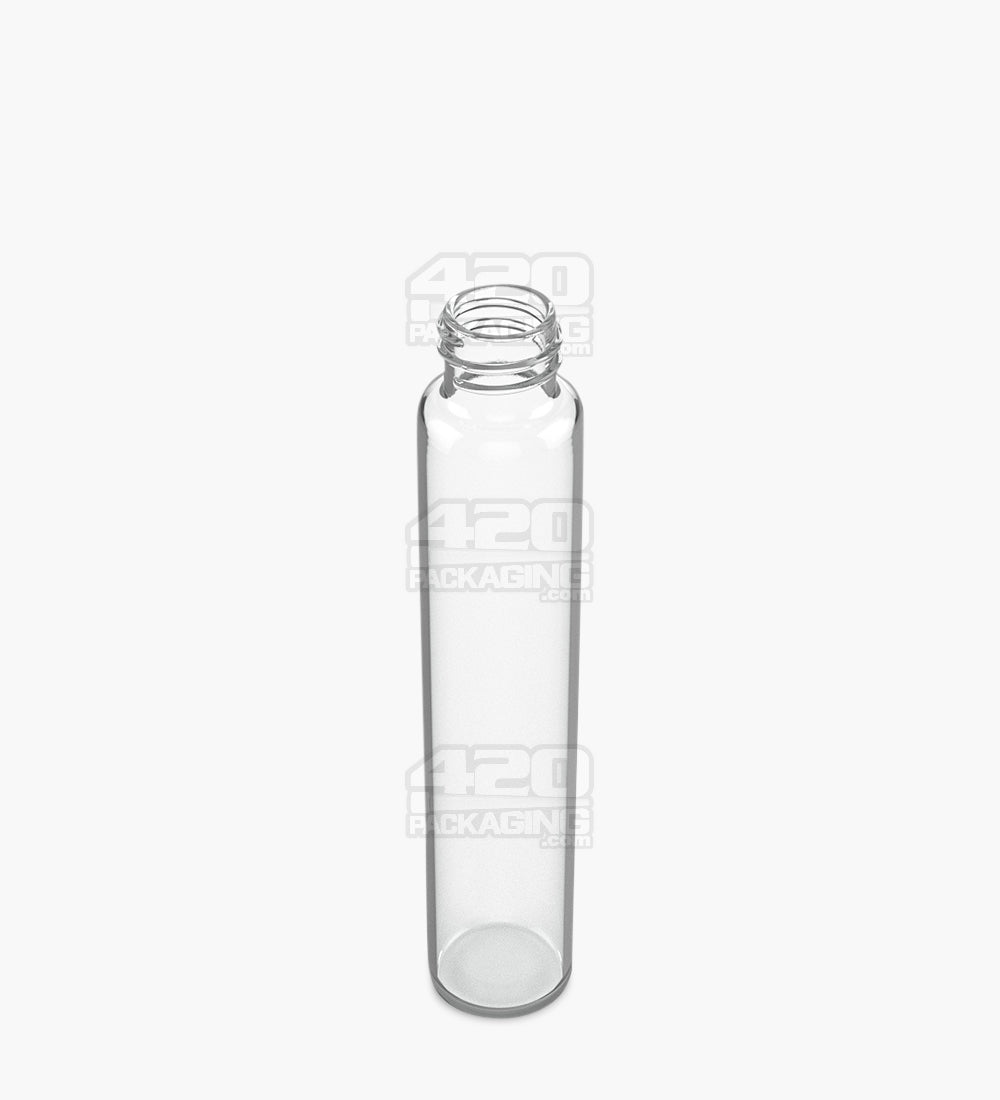
Wholesale Pre-Roll Tubes for Cannabis Brands and Manufacturers
Pre-roll tubes are rigid containers designed to hold and protect finished cannabis joints, pre-rolled cones and other rolled products during storage, distribution and retail sale. Marijuana Packaging supplies wholesale pre-roll tubes for cultivators, processors, pre-roll manufacturers, co-packers, dispensaries and cannabis brands purchasing joint packaging in commercial quantities.
Often searched for as joint tubes, pre-roll joint tubes, wholesale pre-roll tubes, pre-roll tubes in bulk or joint tubes in bulk, these containers are available in different lengths, diameters, materials, colors and closure styles. Some tubes are designed for one standard pre-roll, while others provide enough internal space for long king-size joints, short dogwalker pre-rolls, larger-diameter products or multiple pre-rolls in one package.
The correct tube should be selected around the dimensions of the finished pre-roll rather than the nominal size of the empty cone. An approximately 84 mm 1 1/4 cone, a short dogwalker product and a 116 mm king-size cone create different requirements for internal tube length, diameter and closure clearance after filling and final tip closure.
Key Consideration
Match pre-roll tubes using usable internal dimensions, not the exterior measurements printed in a product name. Caps, pop-top lids, rounded bases and other structural features can reduce the space available inside the tube. Measure the fully finished joint from the end of the crutch to the closed tip, measure its widest diameter, then verify that the tube provides enough clearance without allowing excessive movement. Sample testing the actual finished pre-roll inside the exact tube is the most reliable way to confirm fit before ordering in bulk.
What Are Pre-Roll Tubes?
Pre-roll tubes are narrow rigid containers sized around cannabis joints and pre-rolled cones. They are commonly manufactured from plastic, glass or other rigid materials and can use pop-top, squeeze-to-open, screw-top, push-and-turn or other closure systems depending on the package.
Unlike flexible pouches, tubes maintain a defined shape around the joint. This rigid construction can help protect the paper, cone tip and cannabis fill from external pressure while limiting how much the finished pre-roll bends during handling.
- Single pre-roll tubes for individual joints and cones
- Short tubes for dogwalker and mini pre-roll formats
- Tubes for approximately 84 mm 1 1/4 pre-rolls
- Long tubes for king-size and extended pre-rolls
- Wider tubes for larger-diameter joints and blunt-style products
- Multipack tubes designed to hold several pre-rolls
- Plastic pop-top tubes
- Squeeze-to-open child resistant tubes
- Screw-top and threaded pre-roll tubes
- Glass joint tubes for premium retail presentation
- Clear, opaque and colored tubes
- Stock and custom branded pre-roll tubes
Pre-Roll Tube Sizes and Joint Compatibility
Pre-roll tubes are available in multiple length classes because finished joints can vary substantially in size. The dimensions of the empty cone provide a starting point, but the filled and closed pre-roll should determine the final tube selection.
| Pre-Roll Format | Approximate Product Length | Tube Selection Consideration |
|---|---|---|
| Dogwalker / Mini Pre-Roll | Often around 70 mm, depending on product | Use a compact tube with sufficient internal clearance for the finished tip and closure |
| 1 1/4 Pre-Roll | Approximately 84 mm | Typically requires usable tube length greater than the finished 84 mm joint |
| Intermediate Pre-Roll | Approximately 90 mm to 100 mm depending on product | Verify finished length and cap intrusion before selecting the tube |
| King Size / Extended Pre-Roll | Approximately 109 mm to 116 mm or longer | Requires a longer tube with internal length greater than the completed joint |
| Blunt or Large-Diameter Pre-Roll | Varies by product | Internal diameter can be as important as tube length |
These dimensions should be treated as general product classes rather than universal fit guarantees. Cone manufacturers and pre-roll producers can use different crutch lengths, tapers, fill levels and final closure methods, all of which affect finished joint dimensions.
Pre-Roll Tubes for 84 mm 1 1/4 Joints
An approximately 84 mm 1 1/4 cone is a common basis for standard cannabis pre-rolls. Once the cone is filled and the open end is twisted, folded or otherwise closed, the finished joint needs additional clearance inside the tube.
For that reason, a tube with exactly 84 mm of exterior length should not be assumed to fit an 84 mm pre-roll. Packaging teams commonly evaluate tube classes with greater usable internal length, often around the 90 mm to 100 mm range depending on the cap design and finished joint.
Pre-Roll Tubes for Dogwalker and Mini Joints
Dogwalker and short pre-rolls use less internal tube length and can be packaged more efficiently in compact containers. Because "dogwalker" describes a general short-format joint rather than one standardized dimension, the actual finished product should still be measured.
A shorter tube can reduce unnecessary headspace and product movement while creating a more proportional retail presentation for mini pre-rolls.
Pre-Roll Tubes for 116 mm King-Size Joints
Long pre-rolls made from approximately 109 mm to 116 mm cones require correspondingly longer tubes. A finished 116 mm joint generally needs usable interior length beyond 116 mm so the closed tip does not press against the cap.
Do not assume that a tube marketed with a 116 mm exterior dimension provides 116 mm of usable interior space. Measure the package interior or review the technical drawing before committing to production.
Tubes for Blunts and Larger-Diameter Pre-Rolls
Blunts, infused pre-rolls and specialty joints can have wider finished diameters than a standard cone. In these applications, a tube can be long enough but still fail to fit because the internal diameter is too narrow.
Measure the widest point of the finished product and allow enough clearance for easy loading and removal without compressing the wrapper.
Internal Length, Diameter and Usable Space
Pre-roll tube sizing depends on more than total exterior height. Buyers should distinguish among overall package length, body length, usable internal length and the portion of the tube occupied by the closure.
Usable Internal Length
Usable internal length is the maximum practical space available to the finished joint after accounting for the bottom of the tube and any portion of the cap or closure that enters the container.
This is the most useful length measurement when matching a tube to a pre-roll.
Internal Diameter
Internal diameter determines whether the widest part of the joint can enter and exit the tube without friction or compression. Tapered pre-rolled cones are wider near the open end, so the crutch diameter alone should not be used to determine tube fit.
Closure Intrusion
Some caps extend downward into the tube when closed. This can reduce usable length even when the tube appears sufficiently long from the outside.
Bottom Geometry
Rounded, tapered or thick container bases can also reduce usable space. Technical drawings are especially useful when a pre-roll is close to the maximum length a tube can accommodate.
Headspace and End Clearance
A small amount of clearance can prevent the tip from being compressed against the closure, but excessive headspace may allow the pre-roll to slide back and forth during transportation. The goal is a tube that protects the joint without creating unnecessary movement.
Types of Pre-Roll Tubes
Pre-roll joint tubes are available in multiple package constructions. The best type depends on the desired closure system, product dimensions, child-resistant requirements, branding program and retail positioning.
Plastic Pre-Roll Tubes
Plastic tubes are widely used for cannabis joints because they are lightweight, rigid and resistant to breakage. They can support pop-top, squeeze-to-open, threaded and other closure systems and are available in clear, translucent and opaque colors.
Glass Pre-Roll Tubes
Glass tubes are frequently selected for premium pre-roll programs where the brand wants a substantial package and direct product visibility. Glass provides rigid protection but adds weight and breakage considerations during filling, transportation and retail handling.
Pop-Top Tubes
Pop-top tubes use an integrated lid or cap designed to release when pressure is applied in the intended manner. Depending on the exact package and tested configuration, certain pop-top tubes can provide child-resistant functionality.
Squeeze-to-Open Tubes
Squeeze-to-open joint tubes require the user to apply pressure to designated areas of the package before the closure can release. This mechanism can combine rigid protection with a child-resistant opening sequence when supported by the appropriate testing.
Screw-Top Tubes
Threaded pre-roll tubes use a separate or integrated screw cap and can be paired with standard or child-resistant closure systems depending on the package. They can provide a different opening experience and may offer additional closure-branding options.
Wide-Diameter Pre-Roll Tubes
Wide tubes are useful for large cones, blunt-style products, infused pre-rolls or multipacks that require more internal width than a standard single-joint package.
Pre-Roll Tube Closures and Opening Mechanisms
The closure determines how the pre-roll is accessed and can affect child resistance, odor containment, product movement and repeated usability. The correct closure should be selected as part of the complete tube rather than as an independent component.
Pop-Top Closures
Pop-top closures are common on plastic joint tubes. The consumer typically applies pressure to the container or closure in the intended location to release the lid.
Squeeze-to-Open Closures
Squeeze-to-open tubes rely on controlled deformation of the container wall or closure area. Package stiffness and opening force should remain consistent enough for adults to operate the container correctly.
Push-Down-and-Turn Closures
Certain threaded tubes can use push-down-and-turn child-resistant caps. These systems require downward pressure while rotating the closure.
Standard Screw Closures
Standard threaded caps can be appropriate where the intended package does not require a child-resistant closure or when child resistance is provided elsewhere in the finished packaging system.
Plug, Cork and Specialty Closures
Certain glass or specialty pre-roll tubes may use plugs, cork-style closures or other closure designs. These options should be evaluated for retention, package fit, aroma containment and the regulatory requirements that apply to the finished product.
Child Resistant Pre-Roll Tubes
Child resistant pre-roll tubes are designed to make access more difficult for young children while remaining usable by adults. CR functionality can be created through pop-top, squeeze-to-open, push-and-turn or other multi-action mechanisms depending on the tube.
Child resistance should be evaluated for the exact packaging system being purchased. A tube should not be considered CR simply because it resembles another child-resistant container or uses a difficult opening motion.
CRC Tube and Closure Systems
Child-resistant closures, often abbreviated as CRCs, work together with the tube body to create the complete opening mechanism. The closure geometry, package material and container dimensions can all affect the tested configuration.
Third-Party Child-Resistance Testing
For qualifying packages, review available child-resistance test documentation associated with the exact tube or tube-and-closure combination. Reports may reference testing procedures under 16 CFR 1700.20 or other applicable documentation.
Senior-Friendly Usability
Child-resistant packaging should also remain usable by adults. Buyers evaluating CR tubes should consider required grip strength, squeeze force, hand positioning and opening instructions in addition to the child-resistant mechanism itself.
For broader information about CR mechanisms, PPPA concepts, third-party testing and package documentation, browse child resistant packaging.
Single and Multipack Pre-Roll Tubes
Most joint tubes are associated with individual pre-rolls, but wider or larger containers can also support multipack products. Pack count changes the internal dimensions, product arrangement and level of protection required.
Single Pre-Roll Tubes
Single tubes provide one rigid compartment around an individual joint. They are particularly useful when strains, infused products or premium pre-rolls are sold separately.
Two-Pack and Three-Pack Tubes
Wider tubes can accommodate two or three pre-rolls when the internal diameter provides enough clearance for the products to sit together without excessive compression.
Evaluate whether joints will remain parallel or whether they can overlap, rotate or wedge against one another during transportation.
Five-Pack Pre-Roll Tubes
Larger cylindrical containers can be used for five-count products when their diameter and length accommodate the intended cone size. Short dogwalker pre-rolls can be particularly well suited to compact tube-based multipacks.
Dogwalker Multipacks
Short dogwalker products can allow several joints to fit within a relatively compact tube. Internal diameter and pack arrangement should be tested using fully finished pre-rolls rather than empty cones.
King-Size Multipacks
Multiple king-size or 116 mm-class pre-rolls require both greater tube length and greater internal width. The resulting package can become substantially larger than a single-joint tube, so retail footprint, labeling area and case packing should be considered before selecting this configuration.
Product Movement in Multipack Tubes
Several joints inside one open cavity can contact each other during handling. If maintaining precise product orientation is important, a box, tin or package with an insert may offer more organization than a simple cylindrical tube.
Pre-Roll Tube Materials
Tube material affects package weight, impact resistance, product visibility, opacity, branding and the overall retail presentation.
Polypropylene Pre-Roll Tubes
Polypropylene is commonly used in rigid packaging and can support flexible lid or squeeze-opening constructions depending on the tube design. Buyers should review the exact resin specification rather than assuming all plastic joint tubes use the same material.
PET and Other Plastic Tubes
PET and other plastics may be used when clarity, rigidity or a different package feel is desired. Material selection should be confirmed at the individual SKU level.
Glass Joint Tubes
Glass provides a rigid and often premium presentation while allowing the cannabis pre-roll to remain visible in clear versions. Commercial buyers should account for shipping weight, breakage and how glass units are separated inside cases.
Specialty Tube Materials
Certain pre-roll packages may use composite, paper-based or other specialty constructions. Evaluate structural protection, closure compatibility and product protection for the exact design rather than treating every tube-like package as functionally identical.
Protecting Pre-Rolls Inside Tubes
A major function of joint tubes is protecting the physical shape of the finished pre-roll. Paper cones and joints can bend, crush, split or lose material when exposed to external pressure or repeated movement.
Crush Protection
A rigid tube surrounds the pre-roll with a defined container wall that helps prevent direct pressure from reaching the paper. The level of protection depends on material thickness, stiffness and the forces encountered during shipping and handling.
Product Movement
A tube that is much longer or wider than the joint can allow repeated movement between the package walls and closure. Appropriate internal dimensions help reduce unnecessary sliding and impact.
Tip Protection
The twisted or folded tip can be one of the more vulnerable parts of a finished pre-roll. Sufficient end clearance helps prevent the tip from being compressed against the cap.
Moisture Management
Changes in moisture can affect both cannabis flower and rolling paper. Tube material and closure fit contribute to the package environment, but buyers should evaluate the actual package system rather than assuming that every rigid tube creates the same moisture barrier.
Odor and Aroma Containment
Pre-roll tubes can help contain cannabis aroma, but odor control depends on the container material and closure interface. Marketing terms such as "smell proof joint tube" should not replace evaluation of the actual package construction and available performance information.
Light Protection
Clear tubes display the pre-roll but expose the product to more ambient light. Opaque tubes can provide greater light shielding depending on the material and wall construction.
Clear, Opaque and Colored Pre-Roll Tubes
Tube color affects product visibility, light exposure and branding. The right choice depends on whether displaying the joint or controlling the package presentation is more important to the brand.
Clear Pre-Roll Tubes
Clear tubes allow consumers and retail staff to view the pre-roll without opening the package. This can help showcase paper color, cone shape, tip design and overall product presentation.
Opaque Pre-Roll Tubes
Black, white and other opaque tubes conceal the joint and can provide greater light shielding. They also give brands more control over the visual presentation by making labels and package color the primary retail elements.
Colored and Translucent Tubes
Colored or translucent tubes can create visual SKU differentiation while retaining some degree of product visibility depending on the resin and opacity.
Brands managing several strains or product tiers can use tube color alongside labels to distinguish product families while standardizing the underlying tube size.
Tamper-Evident Pre-Roll Tubes
Tamper evidence and child resistance are separate packaging functions. A CR tube may not show visible evidence of previous opening, while a tamper-evident seal does not automatically make a joint tube child resistant.
Shrink Bands
Certain rigid pre-roll tubes can use shrink bands around the lid or closure. The band should visibly change when first opened and must be sized and applied appropriately for the tube material.
Tamper-Evident Labels
A label can span the closure and tube body so opening the package tears or disturbs the label. Placement should not prevent the intended child-resistant mechanism from functioning.
Sealed Outer Packaging
A joint tube may also be placed inside a sealed pouch or secondary carton depending on the finished packaging system. Commercial operators should evaluate which package component provides child resistance, tamper evidence and required labeling rather than assuming one feature performs every function.
Labeling and Branding Pre-Roll Tubes
Pre-roll tubes provide a narrow cylindrical labeling surface, so artwork should be designed around circumference, straight-wall height, cap overlap and the opening mechanism.
Packaging teams should plan for:
- Brand and product name
- Strain or cultivar identification
- Pre-roll count
- Net quantity or weight information
- Product type, including standard, infused or specialty pre-roll where applicable
- Applicable cannabis warning statements
- Batch, lot or tracking information
- Barcode or retail scanning area
- Child-resistant opening instructions where applicable
- Variable production information
- Usable tube circumference
- Cap and closure clearance
Wraparound Tube Labels
Wraparound labels can use much of the tube circumference but should remain within the straight section of the container. Labels that extend across tapered shoulders, lid interfaces or squeeze points may wrinkle or interfere with package operation.
Vertical Labels
Narrow vertical labels can provide a simpler application on certain tubes while leaving more of a clear package visible. Available space depends on the tube height and exterior geometry.
Cap Labels
Some closures provide additional space for a top label or branded element. The decoration should not interfere with squeeze points, opening instructions or child-resistant operation.
Custom Pre-Roll Tubes
Custom pre-roll tubes allow cannabis brands to combine rigid product protection with a differentiated retail presentation. Depending on the tube and customization program, available options may include custom labels, printed graphics, colors, decorated closures and other branded treatments.
Custom Labels for Joint Tubes
Pressure-sensitive labels provide a flexible way to brand stock pre-roll tubes while allowing the same tube to support multiple strains or product SKUs. Label dimensions should be finalized from the actual tube specifications before artwork is approved.
Custom Printed Pre-Roll Tubes
Eligible tube programs may support direct printing or other decoration on the package body. Print area depends on tube material, shape, closure and production process.
Custom Tube Colors
Custom or coordinated tube colors can support product families, strain categories or brand-specific presentation when available at the required production quantity.
Custom Closures
Caps and lids can create an additional branding surface through available color or decoration options. Any customization to a child-resistant package should preserve the tested package configuration and opening function.
Marijuana Packaging offers domestic in-house customization capabilities for eligible packaging products, helping cannabis brands coordinate stock tubes, labels and finished presentation through one packaging source.
Pre-Roll Tube Specifications and Product Documentation
Technical dimensions are especially important for pre-roll tubes because a difference of only a few millimeters can determine whether a finished joint fits correctly. Review package specifications before standardizing a tube for production.
Depending on the product, useful specifications and documentation may include:
- Overall exterior tube length
- Usable internal length
- Internal diameter
- External diameter
- Cap depth and closure intrusion
- Container wall thickness
- Tube material or resin
- Closure type
- Child-resistant test reports for qualifying packages
- Technical drawings
- Material composition information
- Product-contact documentation where applicable
- Case quantity and shipping dimensions
For qualifying products, review available certifications and product documentation. Child-resistant documentation and dimensional specifications should be matched to the exact tube and closure configuration being purchased.
Bulk Pre-Roll Tubes for Commercial Cannabis Operations
Pre-roll manufacturers purchasing joint tubes in bulk should evaluate how the package performs across loading, closing, labeling, storage and final case packing. A tube that fits the product but slows production or creates unnecessary warehouse volume may not be the most efficient choice for a large operation.
Marijuana Packaging supplies wholesale pre-roll tubes in commercial case quantities across multiple lengths, diameters, materials, colors and closure systems. Tiered pricing may be available on qualifying products, allowing cannabis businesses to compare packaging cost across different order volumes.
Order Tube Samples Before Production
Sample testing should use fully filled and closed pre-rolls. Empty cone dimensions do not account for flower density, packing, tip closure or final product variation.
Sample testing can help confirm:
- Finished joint length
- Maximum joint diameter
- Usable internal tube length
- Clearance beneath the closure
- Ease of loading
- Ease of consumer removal
- Product movement inside the tube
- Crush protection
- Closure engagement
- Child-resistant operation where applicable
- Label dimensions and placement
- Multipack fit where applicable
- Retail presentation
- Case packing and warehouse requirements
Test More Than One Pre-Roll SKU
A brand may use the same nominal 84 mm cone across several strains or product lines, but differences in fill level and closing technique can create small dimensional changes. Test representative finished joints before deciding that one tube fits every SKU.
Standardize Tube Families Where Practical
Pre-roll brands can often reduce packaging complexity by standardizing around a limited number of tube lengths and diameters. For example, a program might use one compact tube for dogwalkers, another for standard 84 mm-class joints and a longer format for king-size pre-rolls.
SKU differentiation can then be handled through tube color, labels and artwork rather than maintaining a unique container for every strain.
Coordinate Tubes With Cone Selection
Empty cones and joint tubes should be planned as part of the same packaging system. A change from an 84 mm cone to a 116 mm king-size cone can require a corresponding change in tube length, case dimensions, labels and warehouse inventory.
Plan Tube and Label Inventory Together
Large cannabis operations should coordinate packaging inventory so that tubes, labels and any required secondary components remain available in compatible quantities. Excess inventory of one component provides little value when another required packaging component is unavailable.
What to Compare Before Ordering Pre-Roll Tubes
The best pre-roll tube is the one that fits the completed joint, protects it during distribution and works efficiently with the closure, labeling process and production workflow. Compare the exact tube specifications before committing to bulk quantities rather than selecting joint tubes based only on nominal length, appearance or unit price.
- Finished pre-roll, joint or blunt length
- Dogwalker, 1 1/4, approximately 84 mm, intermediate, king-size, approximately 116 mm or other pre-roll format
- Maximum finished joint diameter
- Crutch or filter-tip dimensions
- Final twist, fold or tip-closure length
- Overall exterior tube length
- Usable internal tube length
- Internal tube diameter
- Cap or closure intrusion
- Required end clearance
- Amount of product movement inside the tube
- Single-joint or multipack configuration
- Number of joints in a multipack
- Plastic, glass or other tube material
- Pop-top, squeeze-to-open, screw-top, push-and-turn or other closure
- Standard or child-resistant package
- Adult and senior-friendly usability
- Available child-resistant test documentation
- Clear, translucent, colored or opaque appearance
- Crush protection
- Moisture-management requirements
- Odor and aroma containment
- Light protection
- Tamper-evident requirements
- Label panel and usable circumference
- Child-resistant opening-instruction area
- Custom labeling, printing or color requirements
- Available technical drawings
- Sample availability
- Case quantity and wholesale pricing
- Loading and labeling workflow
- Case-packing efficiency
- Warehouse storage requirements
- Compatibility with current cone sizes
- Repeat-order availability
For pre-roll manufacturers, cultivators and cannabis brands purchasing joint tubes in bulk, dimensional fit should drive the packaging decision. A short dogwalker, an approximately 84 mm 1 1/4 pre-roll, a 116 mm king-size joint and a wide blunt are different packaging applications even when they are all sold as pre-rolls. Matching usable tube length, internal diameter, closure and protection requirements to the finished product creates a more reliable packaging program at wholesale scale.
Frequently Asked Questions About Pre-Roll Joint Tubes
Pre-roll tubes are a specialized packaging option that is designed specifically to hold pre-rolled joints. To keep your product fresh and aligned with state regulations, these tubes are airtight, odor-proof, and child resistant. Marijuana Packaging offers pre-roll tubes in a wide variety of sizes and materials to ensure the perfect match for your regulated product. Create a tamper evident seal by adding a custom label!
Most pre-roll tubes are odor proof! Recent regulations in most states include requiring child resistant and tamper evident closures, which increase the odor blocking capabilities. There are also some pre-roll tubes that are purposefully manufactured to be odor proof.
Marijuana Packaging offers custom labeling options that create a tamper evident seal that shows if the pre-roll tube has been opened.
Pre-roll tubes, sometimes referred to as doob tubes, are highly regulated by your state’s laws. Legal requirements often include child resistance and tamper evidence, which require standardized testing for compliance. The best way to ensure your pre-roll tubes meet your state’s packaging requirements is to work with Marijuana Packaging to choose the tube style that works best for your brand while meeting state standards.
Marijuana Packaging offers a range of customization options for pre-roll tubes! Whether you’d like to choose your custom color or work with our team to design and apply a tamper-evident label, your pre-roll tubes are sure to stand out on a shelf when you shop with Marijuana Packaging.