

Pre-Roll Packaging
Pre-roll packaging protects cannabis products while enhancing presentation, preserving freshness, and supporting regulatory compliance. Available in formats including tubes, boxes, mylar bags, jars, and tins, pre-roll packaging helps prevent damage, control odor, and maintain product quality from production through purchase. With child-resistant, tamper-evident, and customizable options available, wholesale pre-roll packaging allows cannabis brands to create a consistent retail presence while meeting legal requirements and delivering a premium customer experience.
Filters
98 products
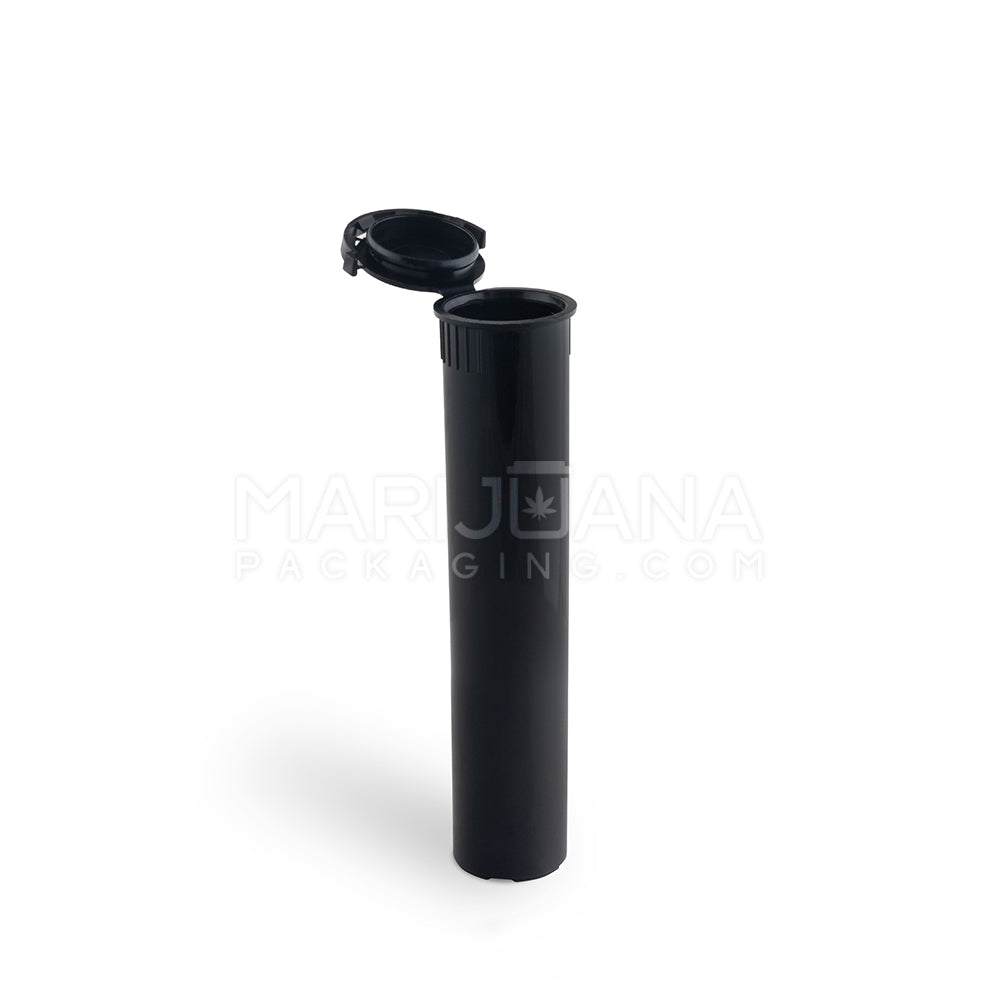
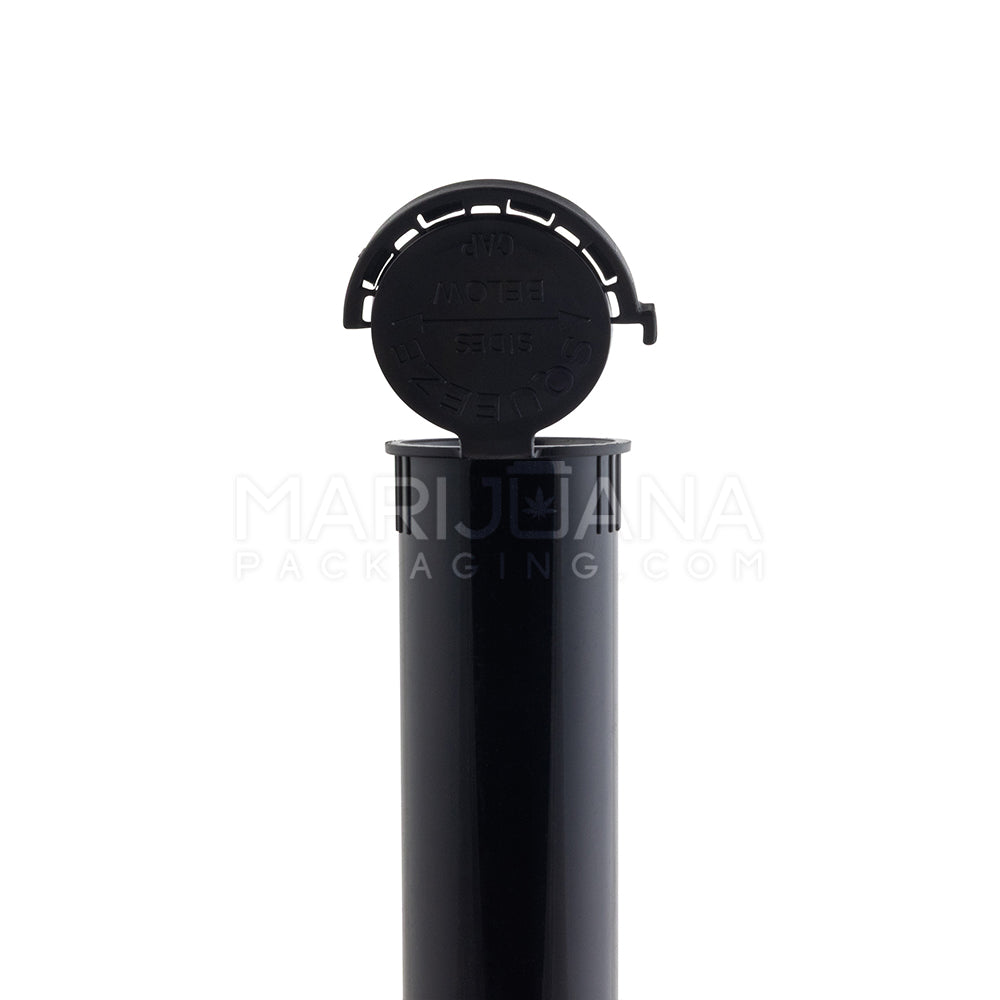
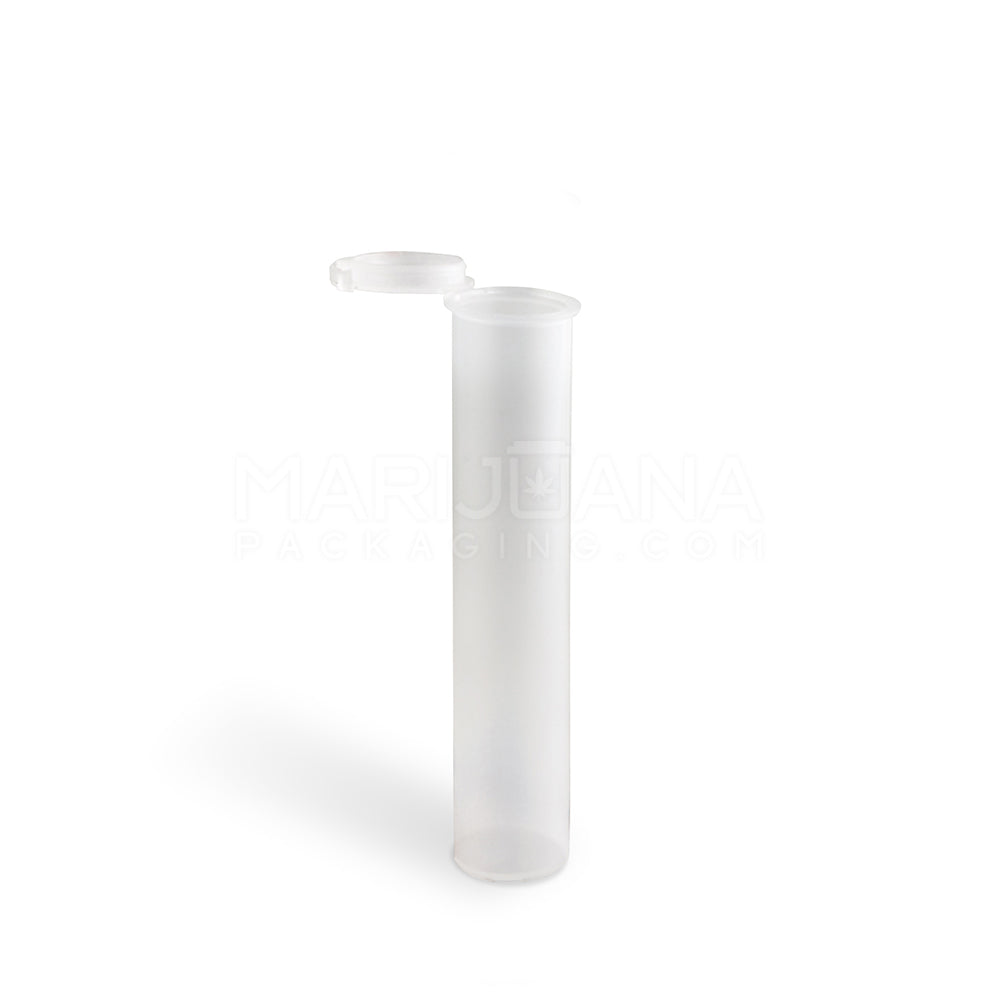
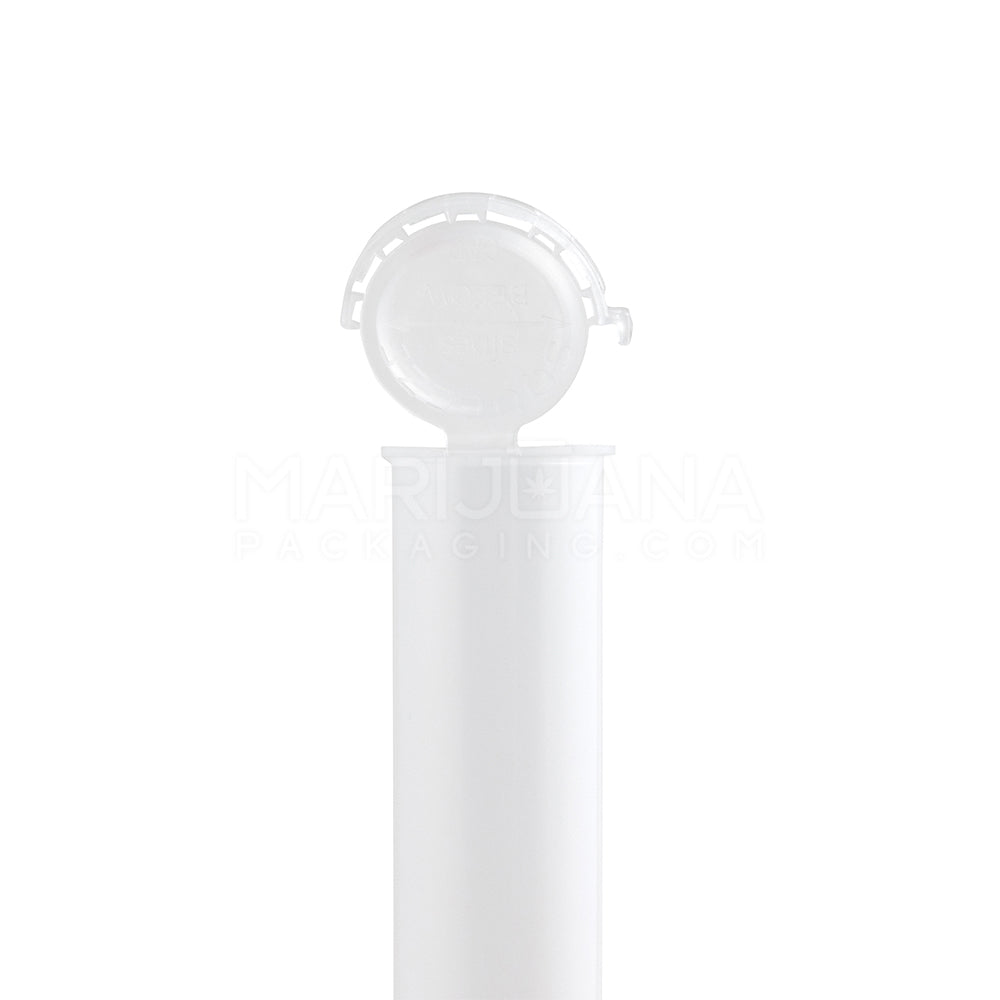


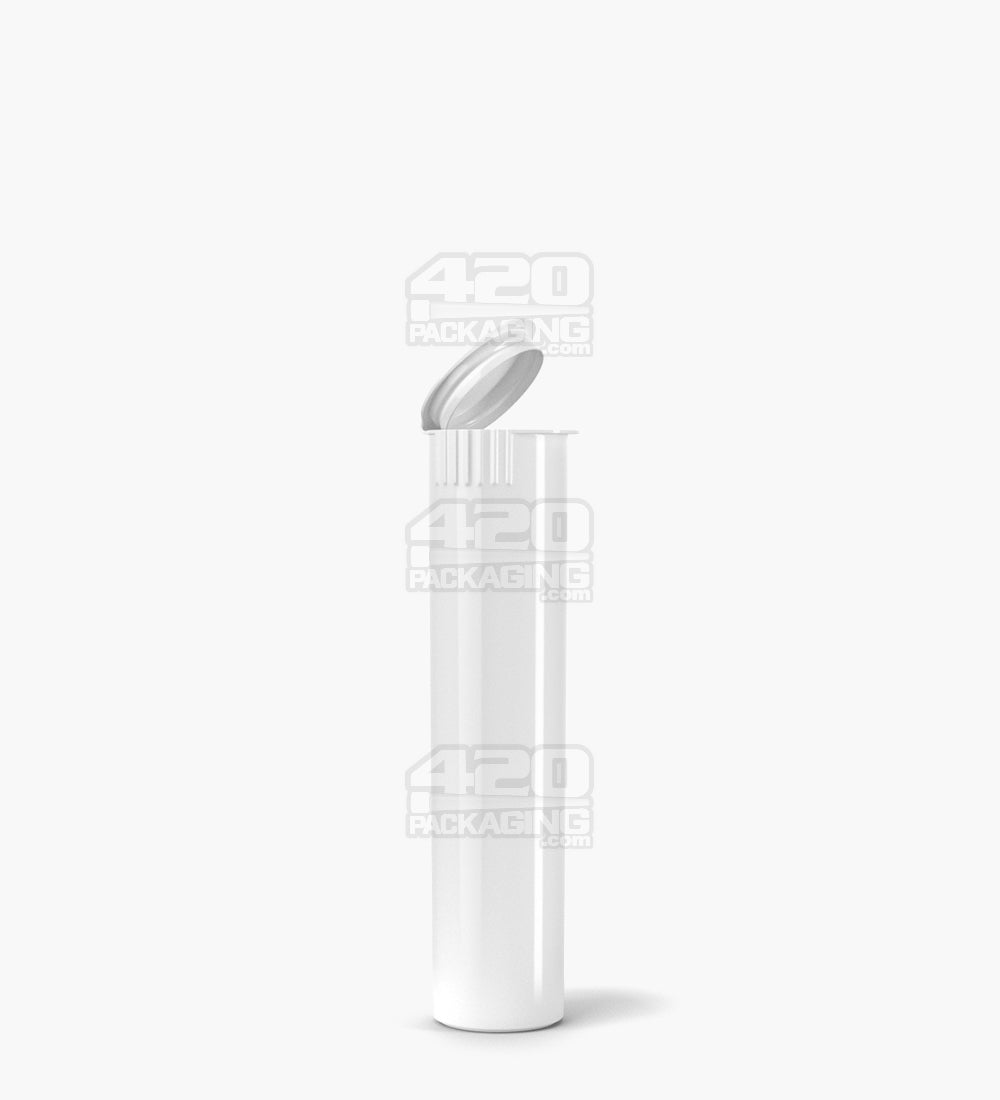
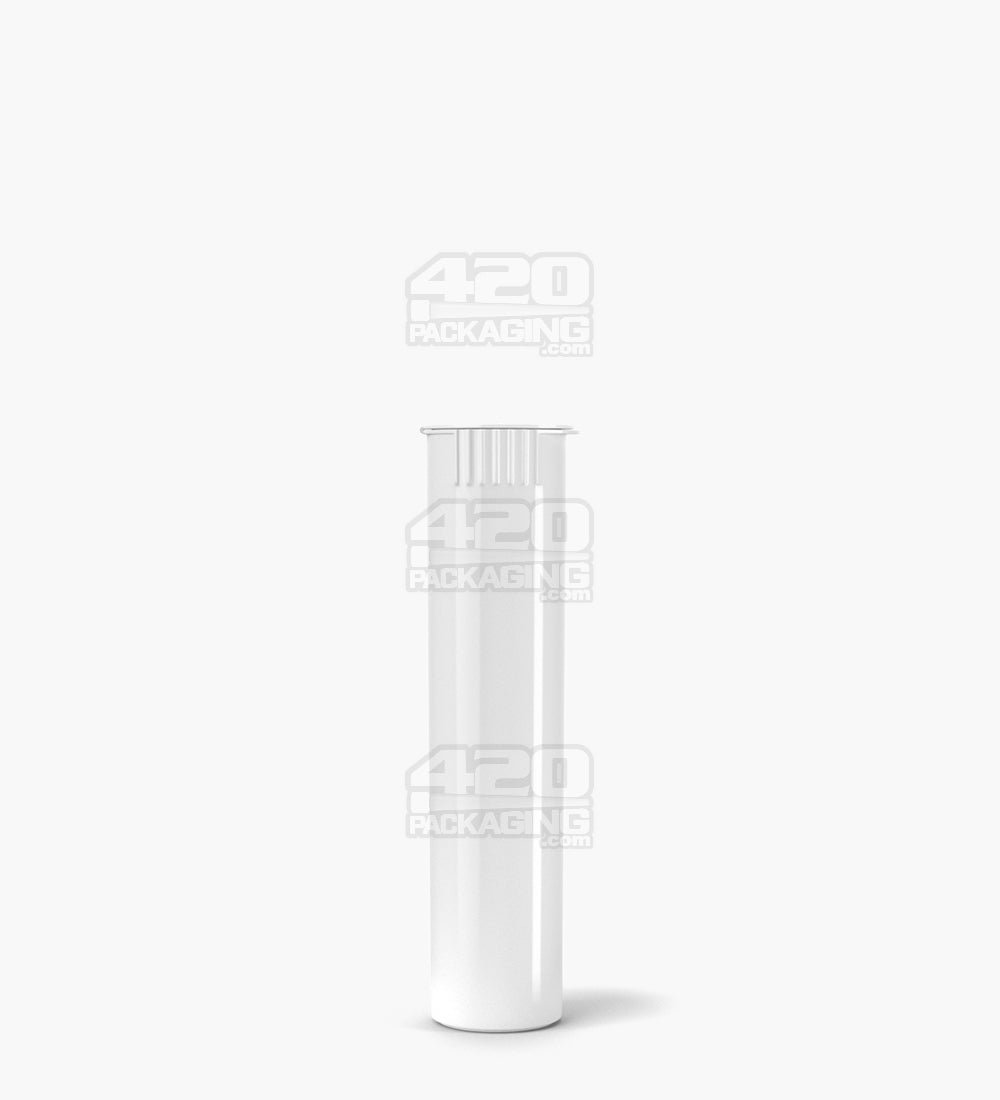

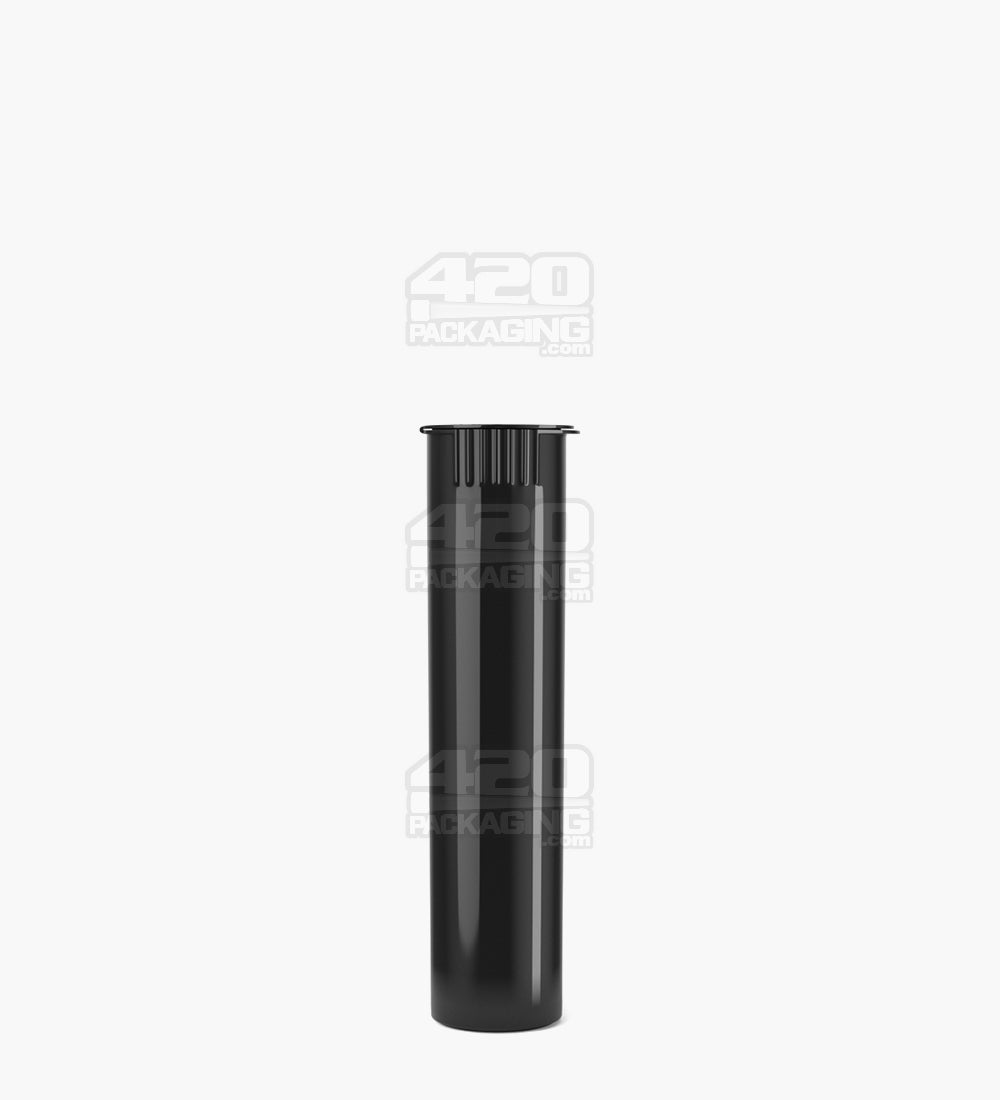


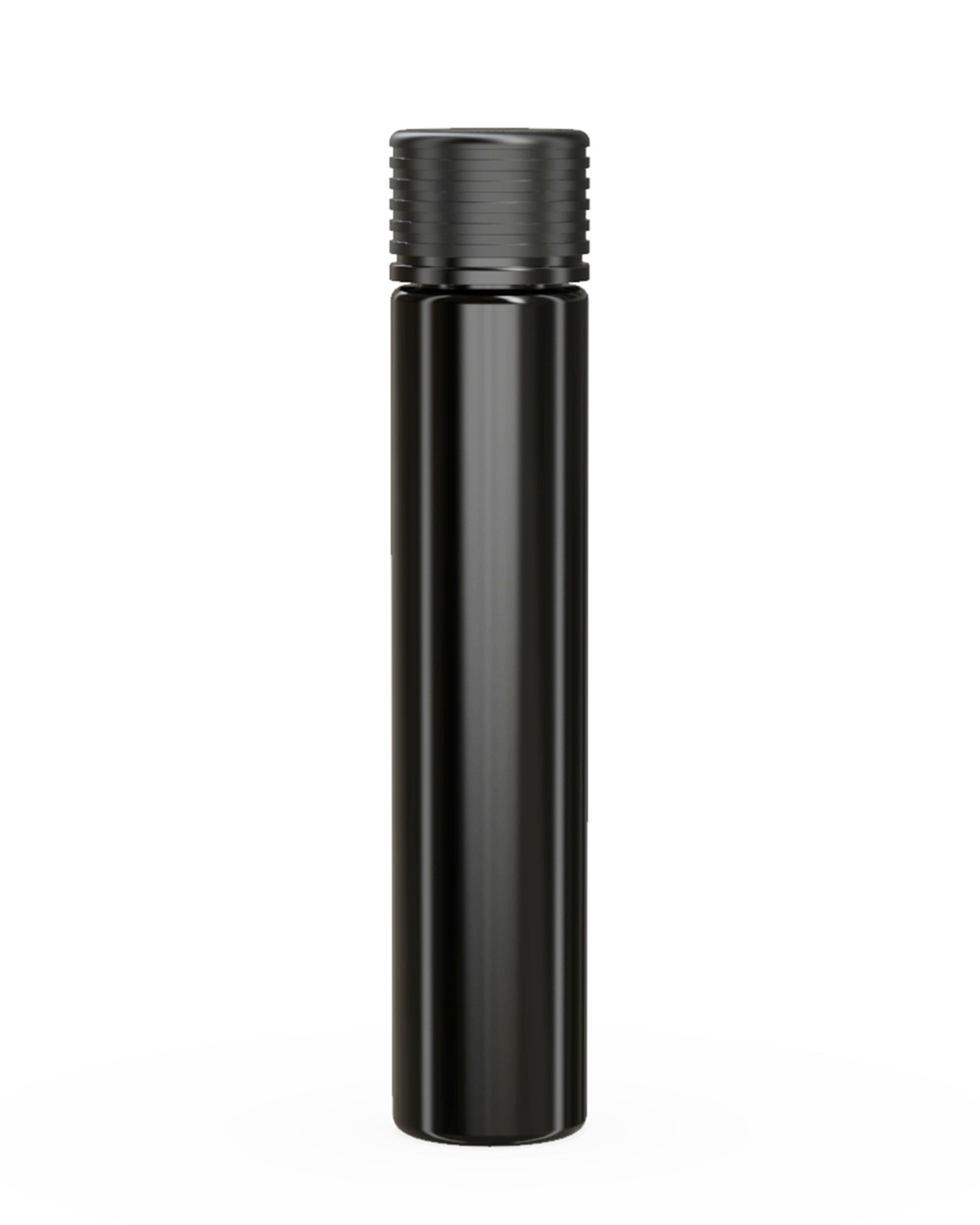





Wholesale Pre-Roll Packaging for Cannabis Brands and Manufacturers
Pre-roll packaging is designed to protect finished cannabis joints, pre-rolled cones and blunts from crushing, handling, environmental exposure and unwanted product movement during storage, distribution and retail sale. Marijuana Packaging supplies wholesale packaging for cannabis pre-rolls across tubes, boxes, tins, bags, pouches and other rigid and flexible formats for cultivators, manufacturers, processors, co-packers, dispensaries and cannabis brands operating at commercial scale.
Often searched for as joint packaging, packaging for pre-rolls, pre-rolled cone packaging, packaging for pre-rolled cones, blunt packaging or wholesale pre-roll packaging, this category covers products with very different dimensions and pack counts. A package for a single 84 mm pre-roll has different internal-length and crush-protection requirements than packaging for a 116 mm king-size pre-roll, a five-pack of cones or a larger blunt.
Buyers should select pre-roll packaging around the finished product rather than around a generic package label. Pre-roll length, maximum diameter, filter or crutch size, pack count, cone shape, required headspace, child-resistant functionality, odor containment, labeling area and retail presentation can all determine which package fits correctly.
Key Consideration
The most important pre-roll packaging measurement is usable internal space, not the advertised exterior length of the tube, box or container. Caps, closures, inserts, rounded ends and internal features can reduce the amount of space available to the finished joint. Measure the completed pre-roll from the end of the filter or crutch to the tip, identify its widest diameter, then verify that the package provides enough internal length and clearance without allowing excessive movement. Always test the finished pre-roll inside the exact package before committing to a large wholesale order.
What Is Pre-Roll Packaging?
Pre-roll packaging is primary or secondary packaging used to contain finished cannabis pre-rolls, joints, cones and blunts after filling and closing. The package may hold one pre-roll or multiple units and can range from a simple rigid tube to a custom multipack box with an internal tray.
Unlike loose flower packaging, pre-roll packaging needs to account for a long, relatively narrow product that can bend, flatten, crack or shed material when exposed to pressure. Package dimensions therefore need to match not only product weight but also the finished length, diameter and shape of the rolled product.
- Single pre-roll tubes for individual joints and cones
- Multipack tubes for several pre-rolls in one container
- Pre-roll boxes with trays or inserts
- Metal tins for rigid multipack presentation
- Glass tubes for premium single pre-roll packaging
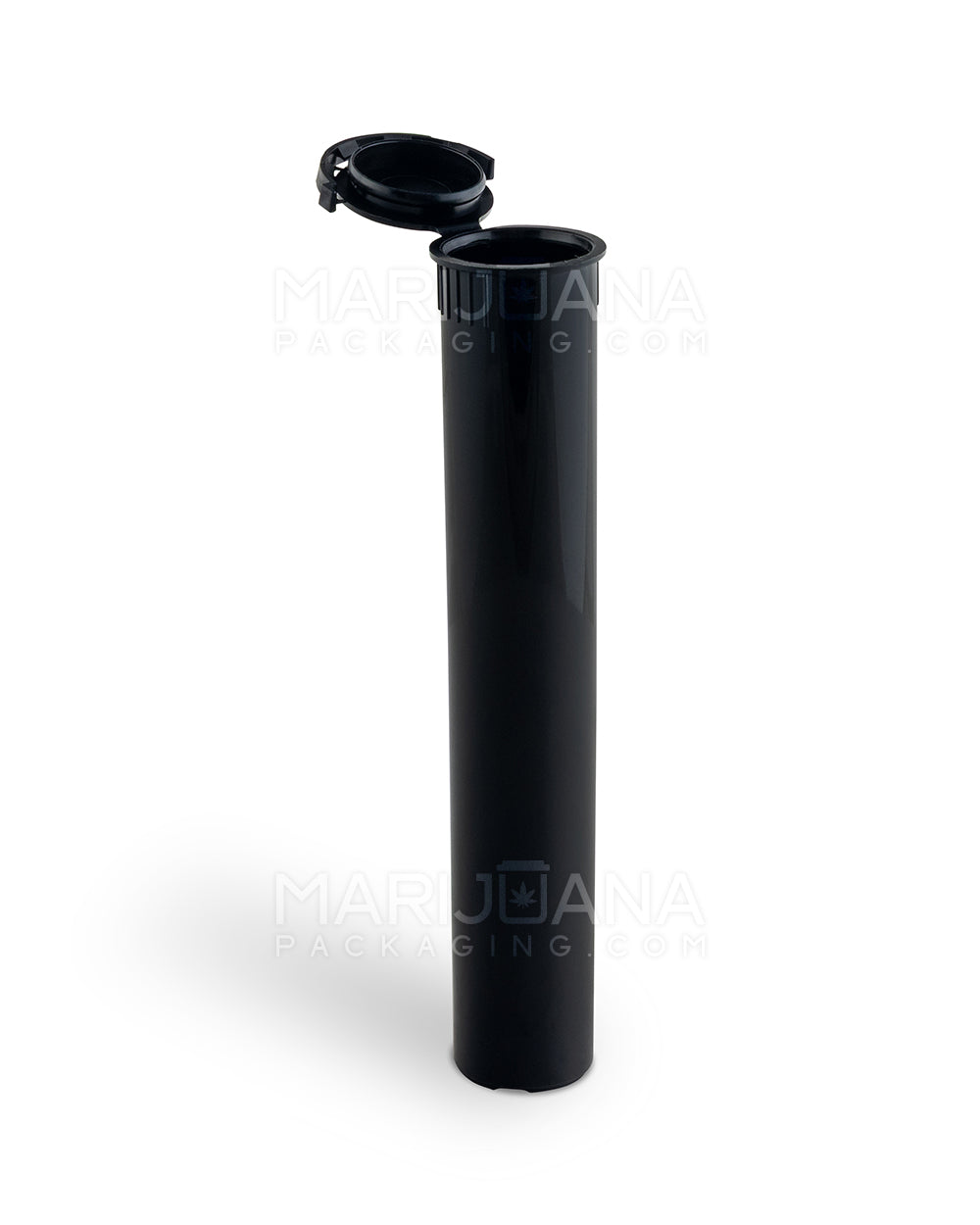
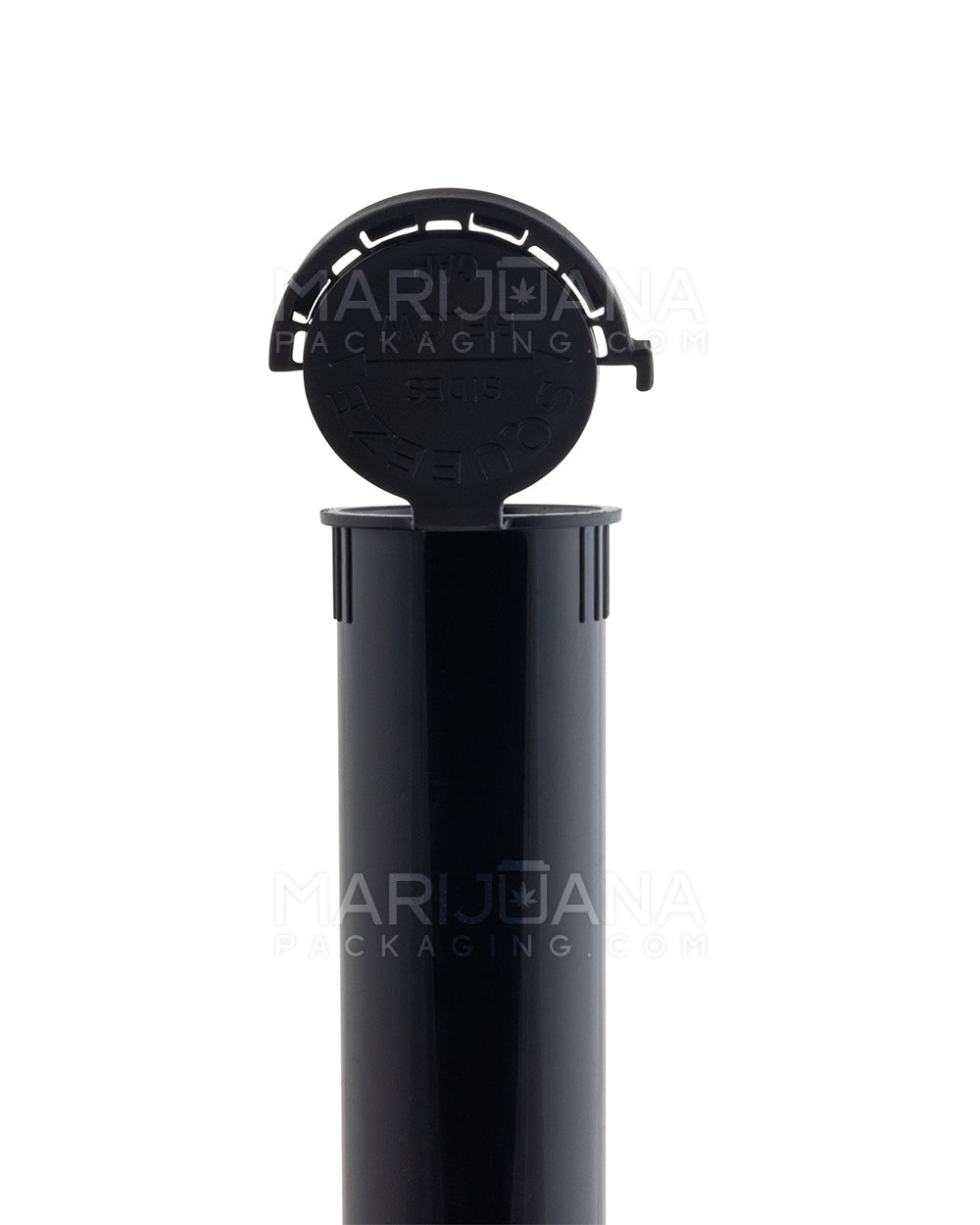
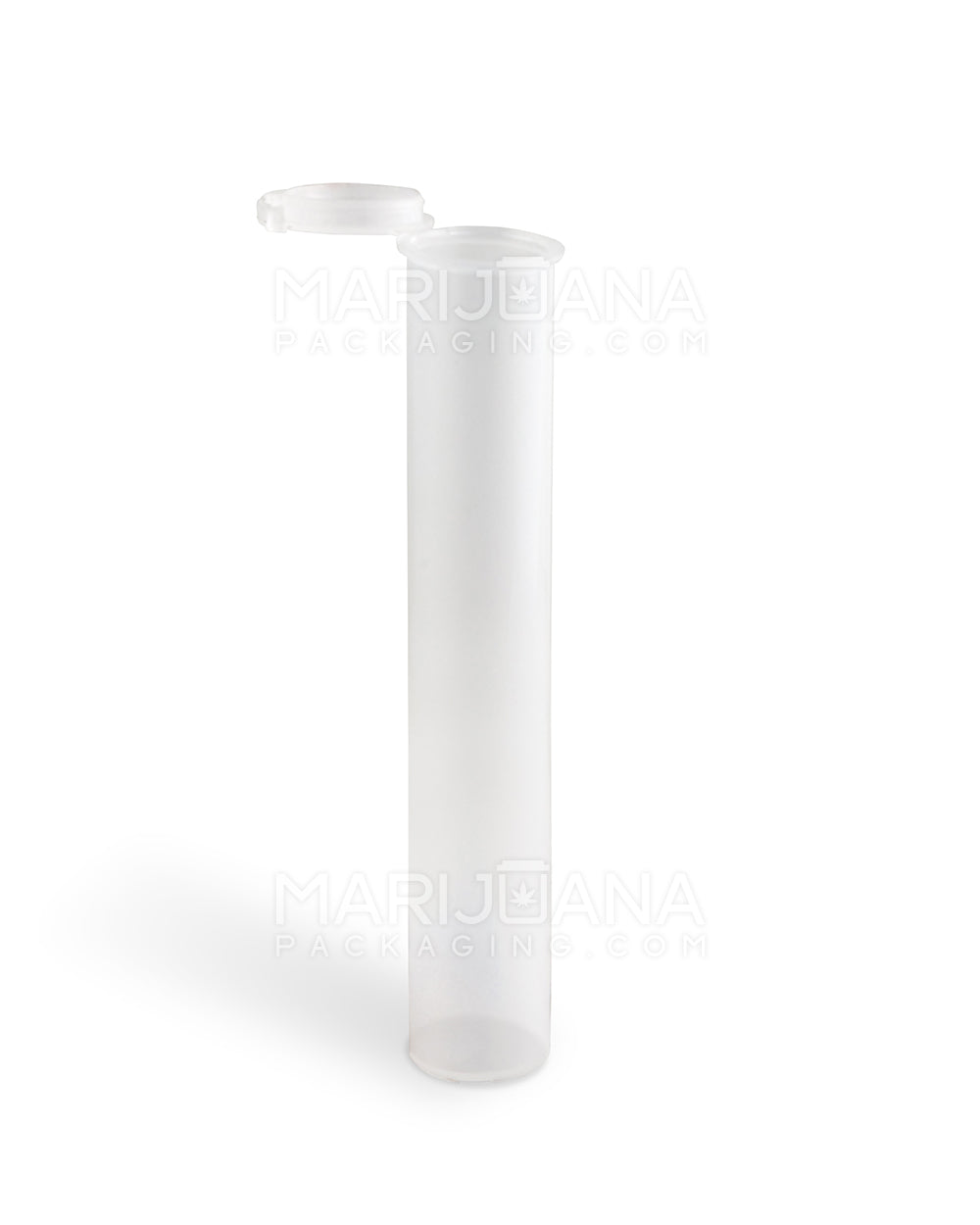
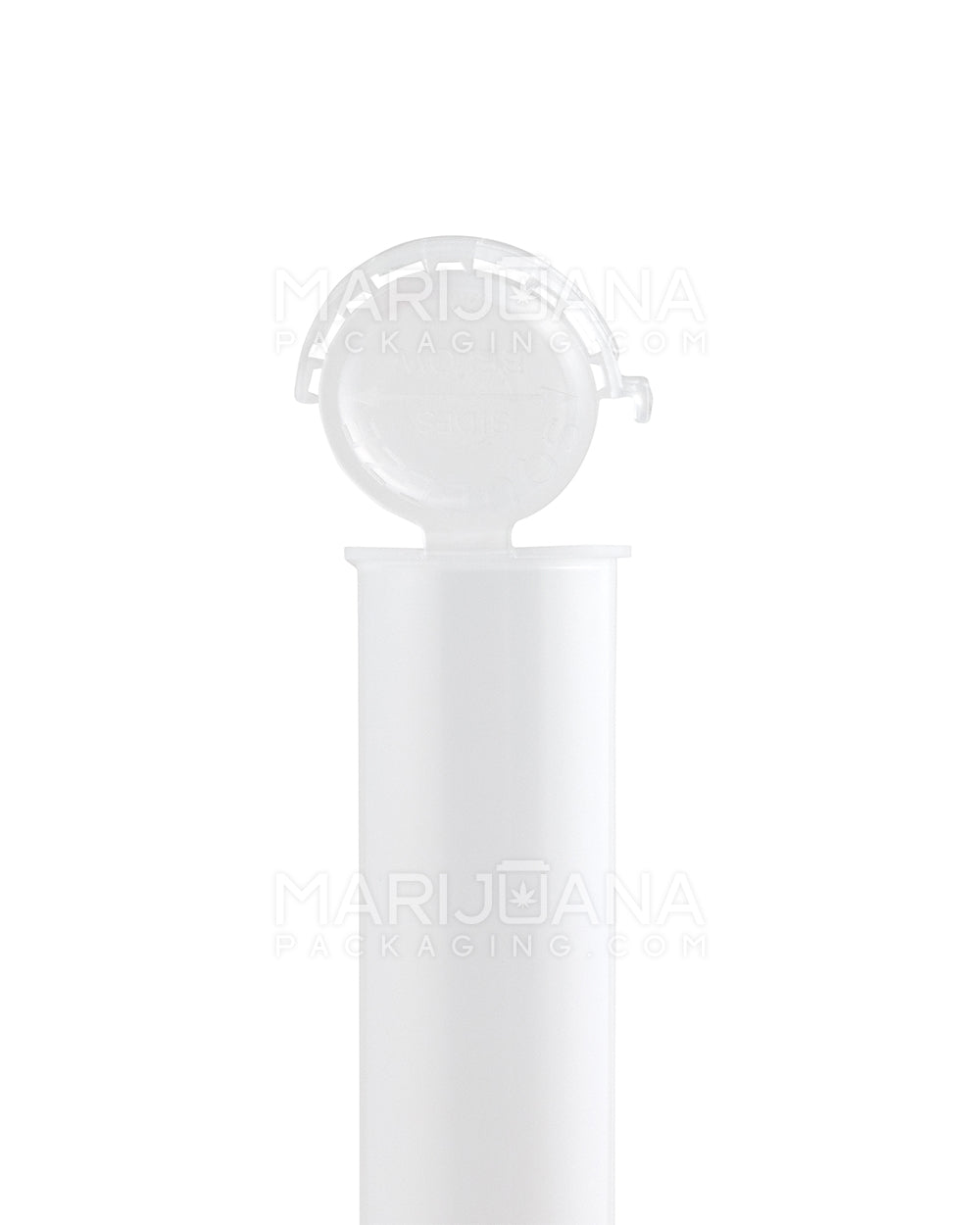
- Plastic pop-top and squeeze-to-open tubes
- Mylar bags and flexible pouches for individual or multiple pre-rolls
- Child resistant pre-roll packaging
- Blunt tubes and larger rigid containers
- Custom branded pre-roll packaging for retail programs
Types of Packaging for Pre-Rolls
Packaging for pre-rolls is available across rigid and flexible formats. The best packaging type depends on pre-roll dimensions, pack count, desired level of crush protection, retail presentation and production workflow.
| Packaging Type | Common Use | Primary Considerations |
|---|---|---|
| Plastic Pre-Roll Tubes | Single pre-rolls and compact multipacks | Internal length, diameter, cap type, child resistance and crush protection |
| Glass Pre-Roll Tubes | Premium single pre-rolls and specialty products | Internal length, closure compatibility, breakage, visibility and presentation |
| Pre-Roll Boxes | Multipacks and branded retail sets | Tray dimensions, product spacing, closure system and branding area |
| Metal Tins | Rigid multipacks and premium programs | Internal dimensions, inserts, closure, opacity and child-resistant functionality |
| Mylar Bags and Pouches | Single or multiple pre-rolls | Usable internal length, puncture resistance, barrier properties and zipper design |
| Blunt Tubes and Containers | Larger-diameter or longer rolled products | Length, diameter, structural clearance, closure and product movement |
Pre-Roll Sizes and Packaging Fit
Pre-rolls are produced in many lengths, diameters and fill weights. Cone size, paper style, crutch length and how the tip is closed can all change the final dimensions of the finished product. Packaging should therefore be chosen using the actual finished pre-roll rather than the dimensions of the empty cone alone.
1 1/4 Size Pre-Rolls and 84 mm Cones
The 1 1/4 cone format is commonly associated with an approximately 84 mm paper or cone length. Once filled, packed and closed, the finished pre-roll needs a package with enough usable internal length to prevent the twisted or folded tip from pressing against the cap.
For an approximately 84 mm pre-roll, buyers commonly evaluate tube classes that provide additional length beyond the finished product. A tube in the general 90 mm to 100 mm range may be appropriate depending on its actual internal dimensions, cap intrusion and the finished cone length. Do not assume that a tube advertised by its exterior length provides that full measurement internally.
King Size Pre-Rolls and Longer Cones
King-size and extended pre-rolls require longer packaging. Depending on the cone or paper format, these products may approach approximately 109 mm, 116 mm or another extended finished length.
For a pre-roll near 116 mm, the packaging must provide usable internal length greater than the finished joint itself. A nominal 116 mm exterior tube may not provide enough internal clearance if the cap or base occupies part of that measurement. Longer tube formats should be evaluated whenever the finished product approaches the stated tube length.
Short Pre-Rolls and Mini Joints
Mini pre-rolls and smaller joints use less internal length and are frequently packaged as multipacks rather than individual units. Shorter products can be arranged side by side, stacked or placed into internal trays depending on the package design.
For minis, pack count, product diameter and internal arrangement can matter more than total package length. Brands should verify that the products remain separated and do not move excessively inside the package.
Pre-Roll Diameter and Cone Width
Length alone does not determine package fit. The widest point of a finished cone may be substantially larger than the filter end, particularly with tapered pre-rolled cones. Blunts and infused pre-rolls can also have larger diameters than standard joints.
A tube should provide enough internal diameter for the widest portion of the finished product without forcing the pre-roll against the sidewalls. Excessive clearance, however, can allow the product to rattle or experience repeated impact during transportation.
Pre-Roll Tube Sizes and Internal Length
Pre-roll tubes are often described by nominal length, but the number used in a product name should not replace measurement of the usable interior. Tube wall thickness, bottom geometry and cap design can all reduce the actual space available to the joint.
Matching an 84 mm Pre-Roll to a Tube
A finished 84 mm pre-roll requires more than 84 mm of usable internal tube length. Additional clearance allows room for the closed cone tip, manufacturing variation and the portion of the closure that may extend into the tube.
For this reason, packaging teams may evaluate approximately 90 mm, 98 mm or similar tube classes for 84 mm pre-rolls, depending on the exact internal specification. The correct size should be confirmed by sample testing.
Matching King-Size Pre-Rolls to Longer Tubes
King-size pre-rolls and long cones require correspondingly longer tubes. Products approaching 109 mm to 116 mm should be measured after filling and closing, then matched to a tube with sufficient internal clearance.
A tube marketed as 116 mm should not automatically be assumed to fit a finished 116 mm pre-roll. If 116 mm describes the exterior package length, the internal dimension may be shorter. A longer tube may be necessary to prevent the cone tip from being compressed.
Nominal Tube Length vs. Usable Internal Length
When comparing pre-roll tubes, identify whether the published length refers to overall exterior height, tube body height or internal usable length. These measurements are not interchangeable.
Other measurements that should be verified include:
- Usable internal tube length
- Internal diameter
- Exterior diameter
- Cap depth or closure intrusion
- Wall thickness
- Bottom shape
- Maximum finished pre-roll diameter
- Recommended product length where provided
Single Pre-Roll vs. Multipack Packaging
Pre-roll packaging can be built around one joint or an entire group of pre-rolls. Pack count changes the package dimensions, product arrangement, branding area and level of structural protection required.
Single Pre-Roll Packaging
Individual pre-rolls are commonly packaged in plastic tubes, glass tubes, small pouches or compact cartons. Single-unit packaging is useful when each pre-roll is sold independently, when different strains must remain separated or when a product line emphasizes individual premium presentation.
For single pre-roll packages, length and diameter compatibility are especially important because there may be little extra space between the product and the package walls.
Two-Pack and Three-Pack Pre-Roll Packaging
Small multipacks can use wider tubes, tins, pouches or boxes with internal trays. Packaging should prevent products from becoming tightly compressed together while minimizing unnecessary movement during shipping.
Five-Pack Pre-Roll Packaging
Five-pack pre-roll products are common in branded retail programs because they provide enough units to create a meaningful multipack without requiring an oversized package. Boxes, tins and wider flexible pouches can all support five-count configurations.
Brands should evaluate whether the pre-rolls will lie flat, stand vertically or fit into dedicated tray positions. The arrangement affects package width, depth and internal protection.
Ten-Pack and Larger Multipacks
Larger multipacks require greater attention to product organization and package rigidity. Without internal structure, pre-rolls can move, overlap or experience pressure from neighboring units.
Boxes or tins with trays, dividers or fitted inserts can help keep larger quantities organized while creating additional exterior space for branding and product information.
Multipack Inserts and Trays
Inserts can separate individual joints and reduce movement inside rigid packaging. Depending on the package design, trays may be manufactured from paperboard, molded materials or other structures sized around the finished pre-roll.
Insert dimensions should be based on the widest part of the finished product and should not grip the paper so tightly that removing a joint damages the wrapper or cone.
Pre-Roll Tubes
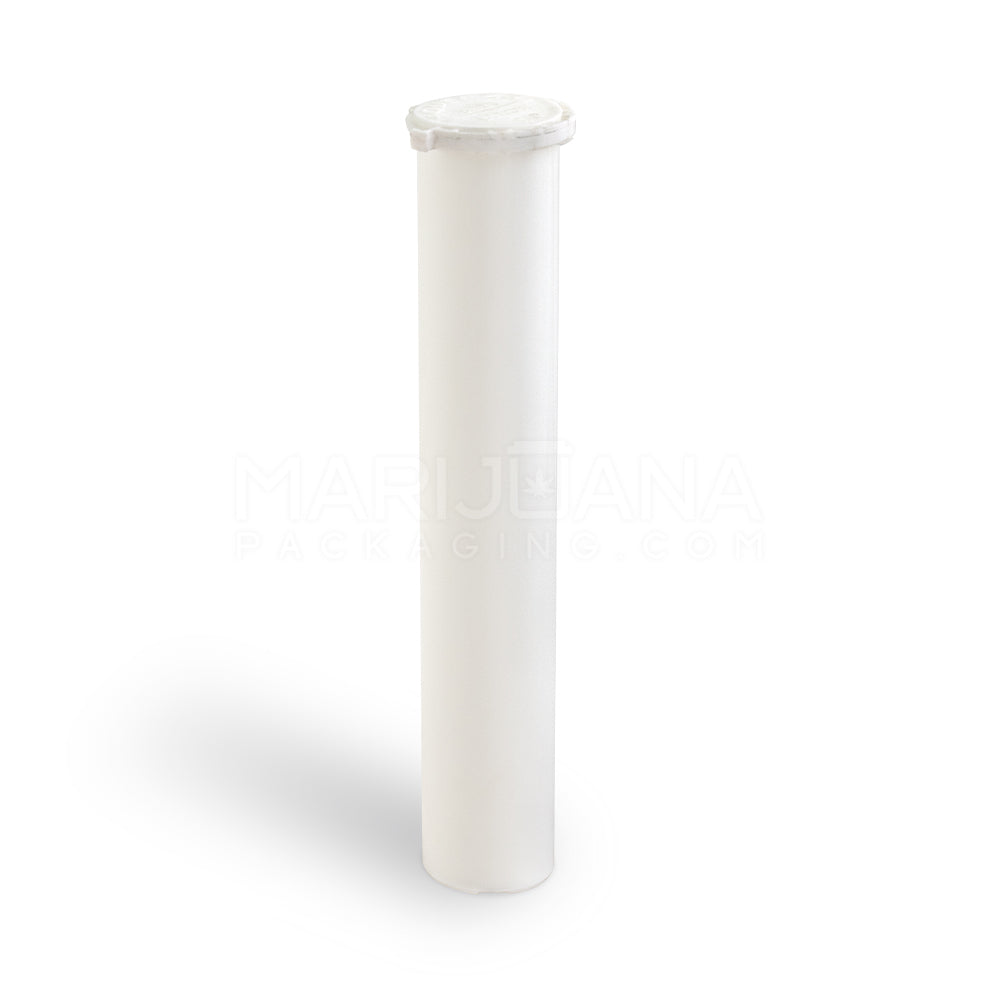
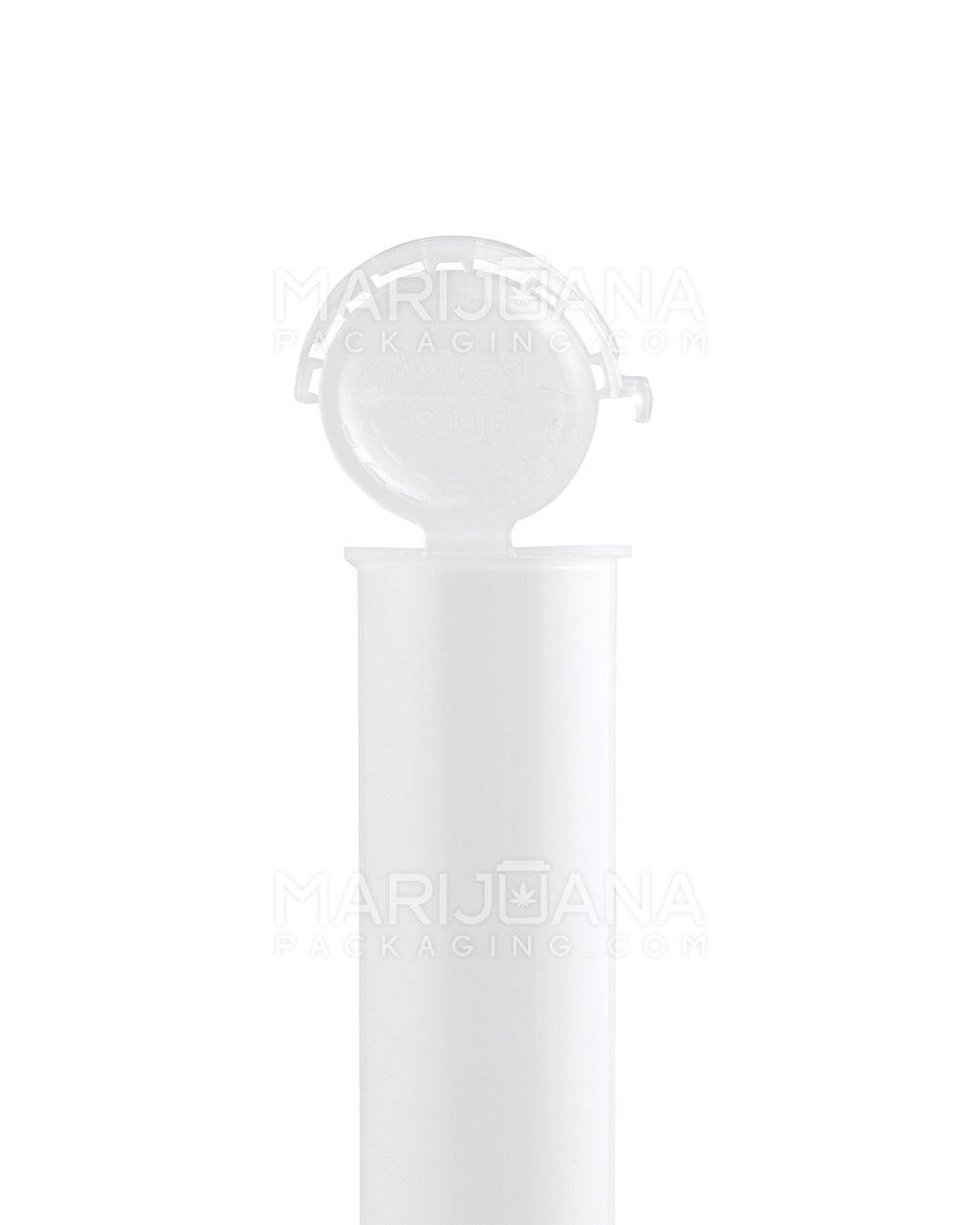
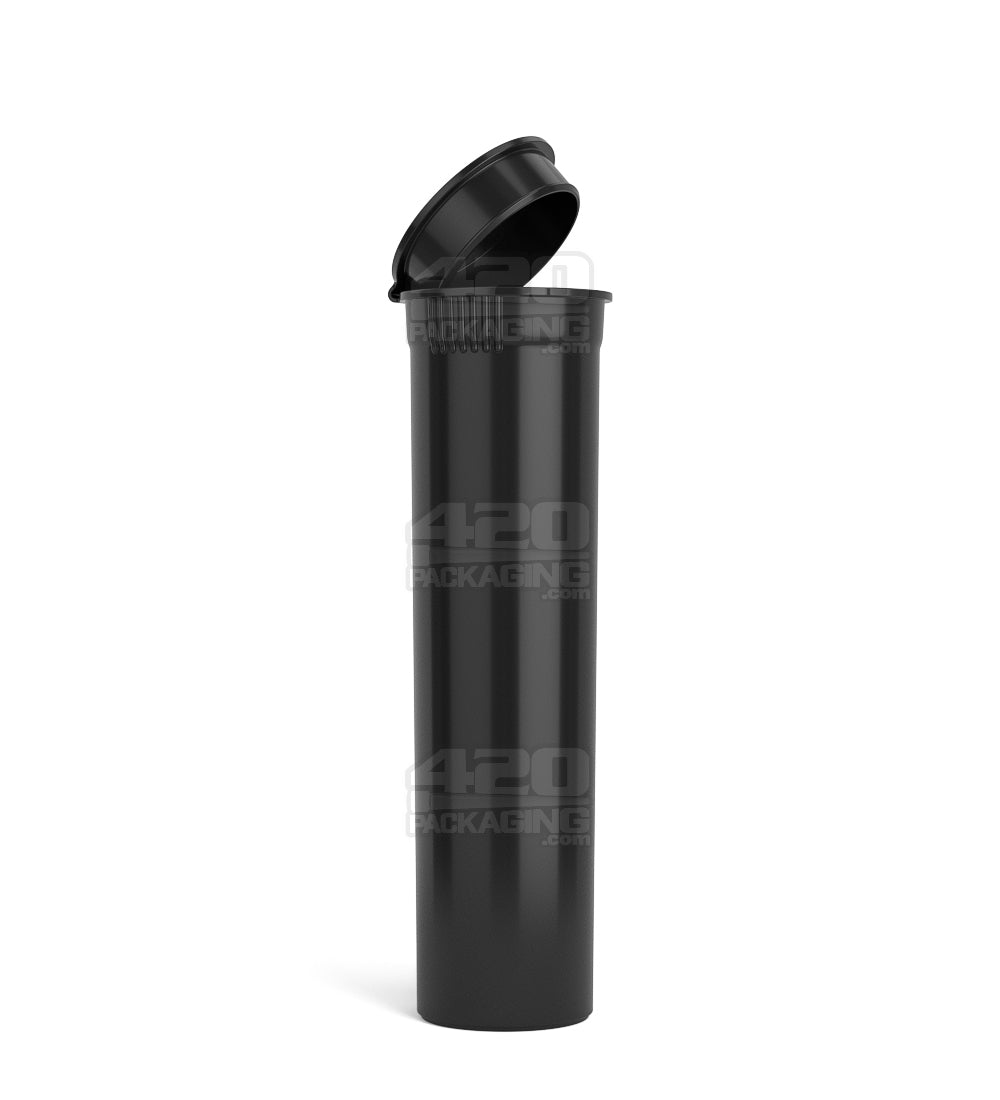
Pre-roll tubes are one of the most common forms of joint packaging because they provide rigid protection in a compact format. Tubes can be produced from several plastics, glass and other materials and are available with standard, pop-top, squeeze-to-open and other closure styles.
Pop-Top Pre-Roll Tubes
Pop-top tubes use a lid or upper section that opens when pressure is applied in the intended manner. Depending on the exact configuration, these tubes may provide child-resistant functionality and are commonly used for individual pre-rolls.
Buyers should compare tube length, diameter, material, closure operation, opacity and available child-resistance documentation.
Squeeze-to-Open Tubes
Squeeze-to-open packaging requires pressure on designated areas of the container before the closure can release. This mechanism can create child-resistant functionality while retaining the simple cylindrical geometry of a standard pre-roll tube.
Screw-Top Pre-Roll Tubes
Screw-top tubes use threaded closures and may be paired with standard or child-resistant cap designs depending on the package. These tubes can provide a different visual and tactile experience from pop-top packaging and may support additional closure customization.
Opaque and Clear Pre-Roll Tubes
Clear tubes display the product directly, while opaque tubes conceal the contents and may provide greater light protection depending on the material. Brands should determine whether product visibility or protection should take priority for the intended pre-roll.
Pre-Roll Boxes and Tins
Boxes and tins provide more exterior branding area than most cylindrical tubes and are particularly useful for multipack pre-roll programs. They can also accommodate internal trays, dividers and specialty opening mechanisms.
Pre-Roll Boxes
Paperboard and rigid boxes can be configured for individual joints or multipacks and may use sleeves, drawers, hinged constructions or other designs. Boxes provide broad flat surfaces for printing, regulatory information and strain differentiation.
For direct product protection, the box may need an internal tray, primary pouch or other component depending on its construction and the requirements of the finished package.
Pre-Roll Tins
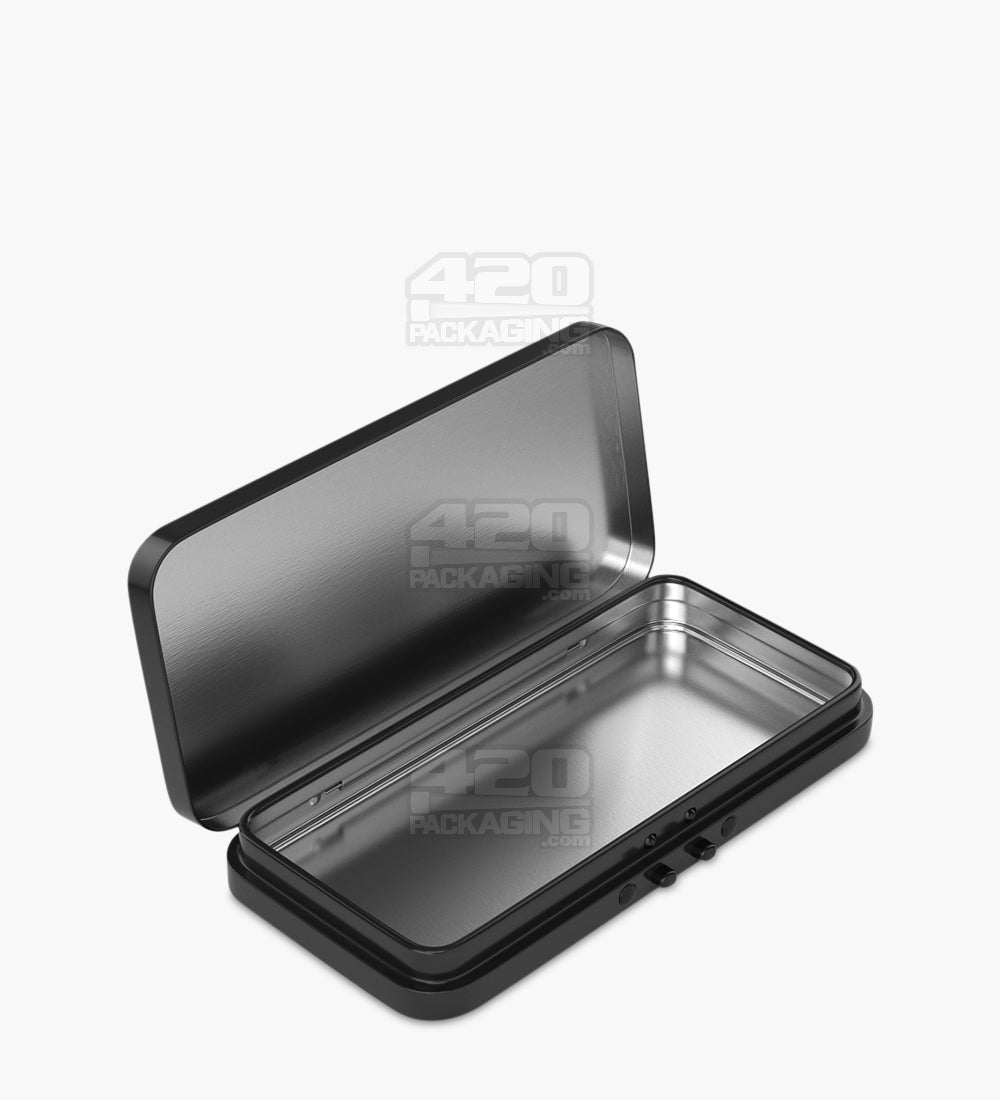
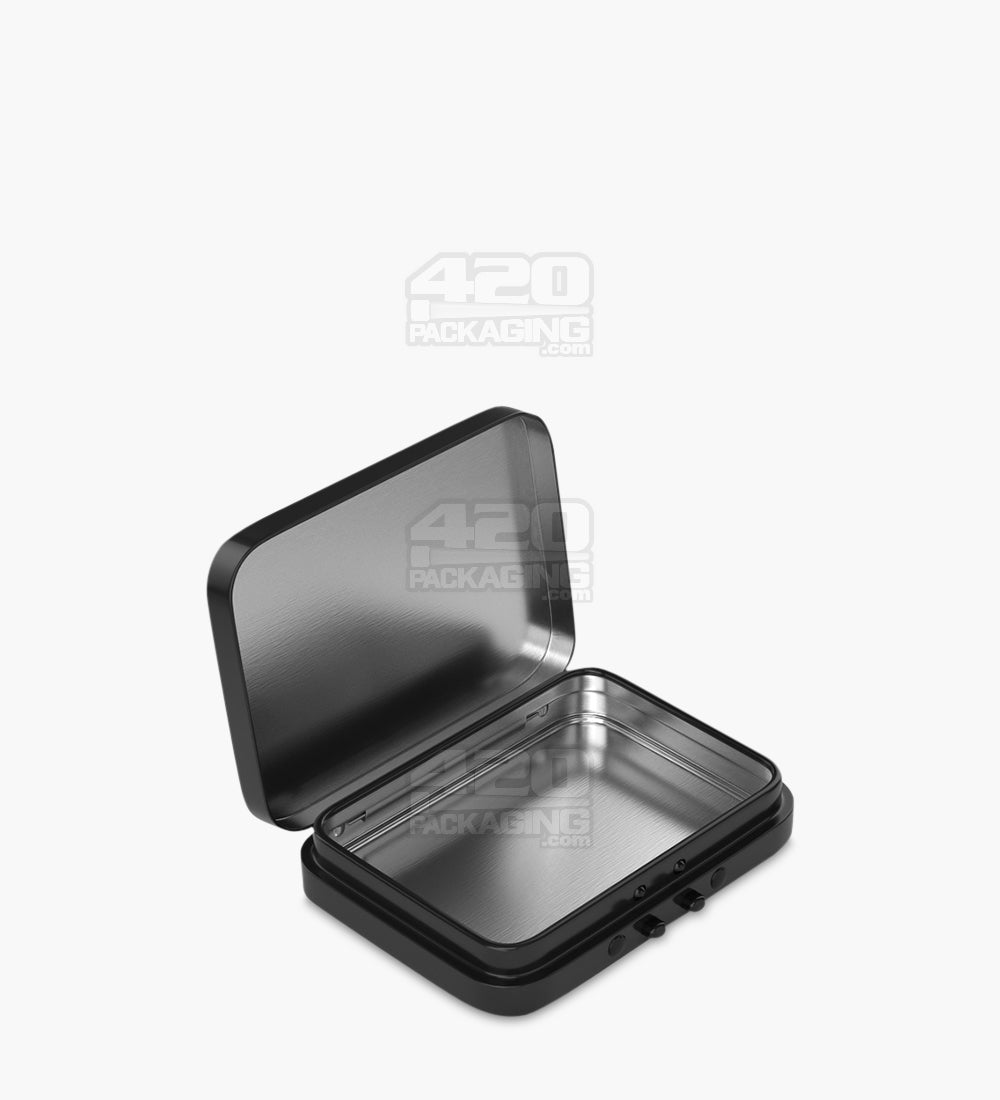
Metal tins provide structural protection, opacity and a reusable package format. They can be designed for several pre-rolls and may include inserts or internal organization features that prevent products from moving freely inside the container.
Slide Boxes and Drawer Packages
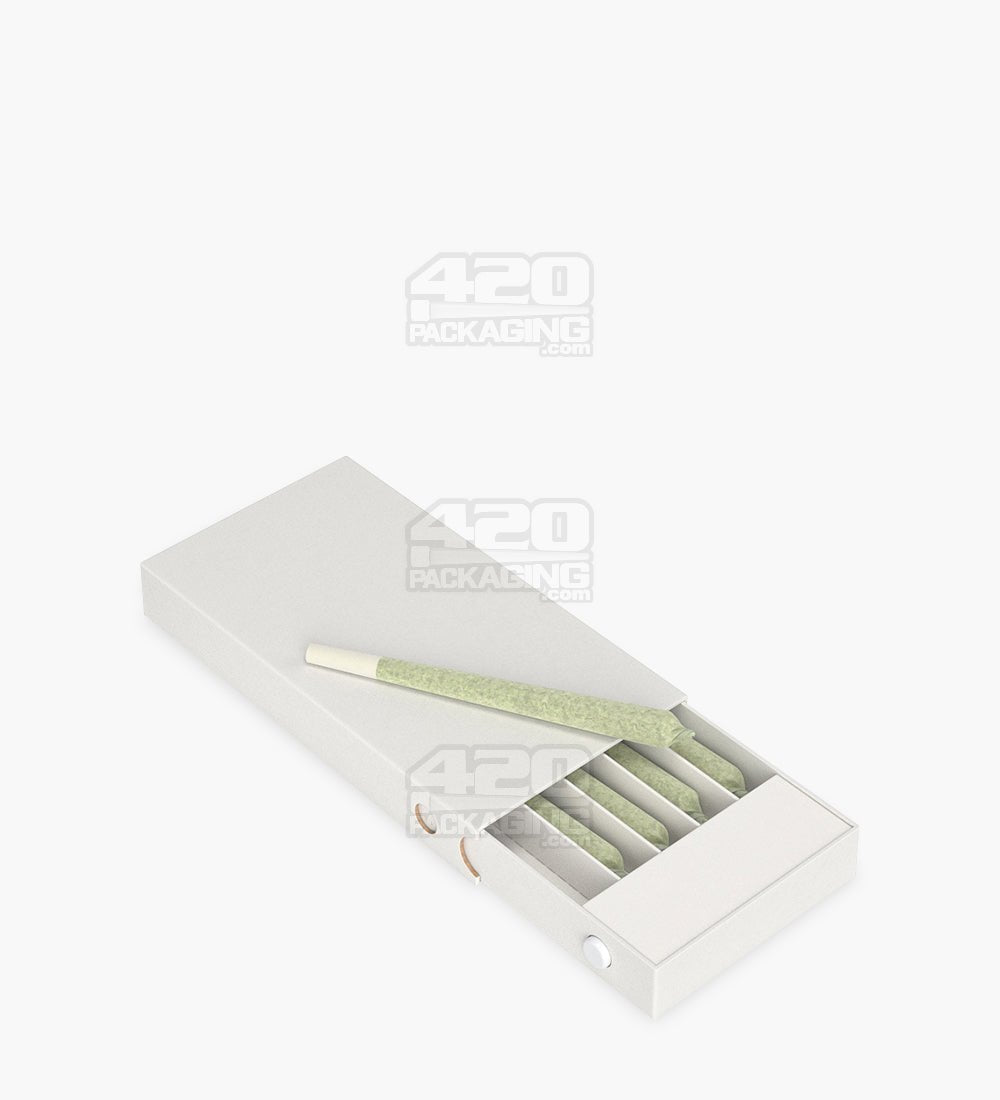
Slide and drawer-style pre-roll boxes use an inner tray that moves through an outer sleeve. When child-resistant functionality is required, the design may incorporate buttons, locking tabs or other mechanisms that must be disengaged before the tray can open.
Pre-Roll Bags and Pouches
Flexible bags and mylar pouches can provide lightweight packaging for individual pre-rolls and multipacks. They offer large printable surfaces and can be produced in numerous dimensions, finishes and closure types.
Mylar Bags for Pre-Rolls
Mylar-style barrier pouches can help manage aroma, moisture and environmental exposure while keeping package weight low. The bag must provide sufficient usable internal height for the pre-roll beneath the zipper and heat-seal area.
For long joints or king-size pre-rolls, verify the usable height rather than assuming that the overall exterior bag length is available for product.
Child Resistant Pre-Roll Pouches
Child-resistant bags may use pinch-and-pull, pinch-and-slide or specialized locking zipper mechanisms. These pouches can support individual joints or multipacks depending on their dimensions.
Pre-Roll Pouch Puncture Resistance
Finished cones can create concentrated pressure at the twisted or folded tip. Film construction and product orientation should therefore be evaluated for puncture resistance, particularly when multiple pre-rolls are packed together.
Glass Pre-Roll Tubes
Glass pre-roll tubes are often selected for premium joints, infused pre-rolls and branded product lines where presentation is a major consideration. Clear glass can showcase the product, while colored or opaque options can provide a different visual treatment.
Glass provides rigid protection but adds shipping weight and breakage considerations compared with plastic. Commercial buyers should evaluate both the individual tube and the case-packing system used to protect glass containers during transportation.
Glass Tube Closures
Glass joint tubes may use corks, screw caps, plastic closures or child-resistant closure systems depending on the design. The closure should be selected as part of the complete tube configuration and evaluated for fit, retention, product protection and regulatory needs.
Internal Diameter for Cones
Because glass does not flex, internal diameter is particularly important. Measure the widest section of the finished cone and confirm that it can be inserted and removed without scraping or compressing the wrapper.
Blunt Packaging and Packages for Larger Rolled Products
Blunts can be longer, wider or heavier than standard cannabis pre-rolls, which means packaging designed for a typical joint may not provide sufficient diameter or internal length.
Blunt packaging can include longer tubes, wider cylindrical containers, pouches, boxes and tins. The package should accommodate the finished blunt without compressing the wrapper or forcing the product against the closure.
Diameter Requirements for Blunts
The larger diameter of some blunts can make internal width more important than overall package length. Tubes should provide clearance at the widest point, while boxes and pouches should allow enough depth for the product to rest naturally.
Long Blunts and Extended Pre-Rolls
Longer products require packaging with additional internal clearance beyond the measured joint length. Verify the completed blunt or pre-roll after the tip has been closed because that final step can add measurable length.
Blunt Multipacks
Multipacks of larger rolled products require additional space between units and may benefit from inserts or rigid containers that prevent the blunts from pressing against one another during shipping.
Protecting Pre-Rolls From Crushing, Moisture and Odor
Finished pre-rolls are relatively delicate products. Paper can crease, cones can flatten and product can shift toward one end if the package allows excessive movement. Packaging therefore needs to protect both the shape of the roll and the cannabis inside it.
Crush Protection
Rigid tubes, boxes and tins provide direct structural protection against external pressure. Flexible pouches provide less inherent crush resistance and may rely more heavily on case packing, inserts or secondary packaging.
Moisture Management
Changes in moisture can affect both the cannabis fill and the paper surrounding it. Packaging should help limit uncontrolled moisture exchange based on the expected storage and distribution conditions.
Some brands incorporate humidity-control products into larger pre-roll packages. If an insert will be included, verify that it does not press directly against the joints or interfere with closure operation.
Odor and Aroma Containment
Pre-rolls can release noticeable cannabis aroma during storage and transportation. Aroma containment depends on the package material, seams, zipper, cap or other closure components.
Terms such as "smell proof joint packaging" should not be treated as a substitute for evaluating the complete package system and available performance information.
Product Movement
Too much unused space can allow a pre-roll to strike the walls or ends of the package repeatedly. A properly sized tube, fitted insert or organized multipack can reduce movement while avoiding excessive compression.
Child Resistant Pre-Roll Packaging
Child-resistant requirements can apply to pre-roll packaging depending on the product, jurisdiction and package configuration. CR options are available across tubes, pouches, boxes, tins and other formats.
Child Resistant Pre-Roll Tubes
CR tubes may use pop-top, squeeze-to-open, push-and-turn or other mechanisms designed to make opening more difficult for young children while remaining usable by adults.
Child Resistant Pre-Roll Bags
Flexible CR packaging can use specialized zipper mechanisms such as pinch-and-pull or pinch-and-slide systems. When the package is intended to be reclosable, the user should be able to re-engage the child-resistant mechanism after each opening.
Child Resistant Pre-Roll Boxes
Rigid multipack boxes may incorporate locking buttons, tabs or dual-action mechanisms that control access to an internal tray or compartment.
Verify the Exact Package Configuration
Child resistance should be evaluated for the exact packaging configuration being purchased. A tube, pouch or box should not be treated as child resistant merely because a visually similar package has been tested.
Review available documentation for the precise package and closure combination. For broader information about CR mechanisms, PPPA concepts and 16 CFR 1700.20 testing, browse child resistant packaging.
Tamper-Evident Packaging for Pre-Rolls
Tamper evidence and child resistance are separate packaging functions. A package can provide one without providing the other, so commercial cannabis operations should evaluate each requirement independently.
Heat-Sealed Pre-Roll Pouches
Flexible pre-roll bags may include a heat-sealable area above the zipper. Sealing this area after filling can create a first-open barrier before the consumer accesses the reusable closure.
Labels and Seals
Some tubes, boxes and tins can use tamper-evident labels, bands or other seals positioned across an opening point. The component should visibly change when the package is first opened.
Shrink Bands
Certain rigid tubes and containers may support shrink bands around the cap or opening. Brands should verify band dimensions, application temperature and compatibility with the package material.
Pre-Roll Packaging Materials
Material selection affects rigidity, weight, breakage risk, opacity, barrier performance, customization and retail presentation. Pre-roll packages can use plastic, glass, metal, paperboard and flexible multilayer films.
Plastic
Plastic is widely used for pre-roll tubes because it can provide lightweight rigid protection and support several closure styles. Clear and opaque resins are available depending on the package.
Glass
Glass provides rigid structure and a premium feel but carries additional weight and breakage considerations. It is frequently selected when displaying the joint itself is part of the retail presentation.
Metal
Metal tins provide rigidity, opacity and a reusable format that can work well for multipack products. Internal trays or inserts may be added to organize individual pre-rolls.
Paperboard
Paperboard boxes offer large printable surfaces and can be engineered around trays, sleeves and multipack arrangements. They may function as primary or secondary components depending on the finished packaging system.
Flexible Barrier Films
Mylar-style pouches and other flexible films can combine low package weight with moisture, oxygen, light and aroma barrier properties depending on their laminate construction.
Labeling and Branding Pre-Roll Packaging
Pre-roll packaging must provide sufficient space for branding, product identification and applicable regulatory information. The available labeling area can vary substantially between cylindrical tubes, flat pouches, boxes and tins.
Packaging teams should account for:
- Pre-roll or joint product name
- Strain or cultivar identification
- Number of pre-rolls in the package
- Net quantity or weight information
- Applicable warning statements
- Batch, lot or production information
- Barcode or retail scanning area
- Brand logo and visual hierarchy
- Closure instructions where appropriate
- Child-resistant opening instructions where applicable
- Tube circumference or flat label-panel dimensions
- Variable information applied during production
Labels for Cylindrical Pre-Roll Tubes
Tube labels need to account for circumference, taper, cap overlap and the usable straight-wall area. Oversized labels can wrinkle or interfere with the closure if they extend onto changing surface geometry.
Labels and Printing for Multipacks
Boxes, tins and pouches generally provide more uninterrupted branding area than individual tubes, making them well suited to multipack programs and products requiring larger amounts of regulatory information.
Custom Pre-Roll Packaging
Custom pre-roll packaging allows cannabis brands to coordinate product protection with a differentiated retail identity. Customization can be applied to individual joint tubes, multipack boxes, tins, pouches, labels and closures depending on the packaging program.
Custom Pre-Roll Tubes
Eligible tubes may support printed graphics, labels, custom colors or other available decoration methods. The tube dimensions and closure should be selected before final artwork is created.
Custom Pre-Roll Boxes
Custom boxes provide large printable surfaces and can be designed around single units, multipacks, trays and inserts. Box dimensions should be based on the finished joint rather than the empty cone dimensions.
Custom Printed Pre-Roll Bags
Flexible pre-roll pouches can support full-surface graphics across the front and back of the package. Artwork should account for zippers, heat-seal areas, tear notches, gussets and child-resistant opening features.
Custom Multipack Packaging
Custom multipacks can combine exterior branding with internal organization. Trays, dividers and fitted inserts can establish consistent positioning for two-packs, three-packs, five-packs, ten-packs and other configurations.
Marijuana Packaging offers domestic in-house customization capabilities for eligible packaging products, helping cannabis brands coordinate packaging selection, artwork and finished presentation through one packaging source.
Pre-Roll Packaging Specifications and Product Documentation
Technical specifications are particularly important for pre-roll packaging because small dimensional differences can determine whether a finished joint fits correctly. Buyers should review product measurements and available documentation before standardizing packaging for production.
Depending on the package, useful specifications and records may include:
- Overall exterior package length
- Usable internal length
- Internal and external diameter
- Package width and depth
- Recommended pre-roll length where provided
- Closure dimensions
- Material composition
- Technical drawings
- Child-resistant test reports for qualifying packages
- Internal tray or insert dimensions
- Flexible-film construction where applicable
- Heat-seal specifications where applicable
- Food-contact documentation where applicable
- Case quantity and shipping specifications
For qualifying products, review available certifications and product documentation. Child-resistant or dimensional documentation should be matched to the exact tube, box, pouch, closure or package configuration being purchased.
Wholesale Pre-Roll Packaging for Commercial Operations
Pre-roll manufacturers purchasing packaging at wholesale scale should evaluate how the package performs throughout filling, closing, labeling, warehousing and distribution. A package that fits the joint but slows production or creates unnecessary case volume may not be the best solution for a high-throughput operation.
Marijuana Packaging supplies pre-roll packaging in wholesale case quantities across multiple dimensions, materials and closure systems. Tiered pricing may be available on qualifying products, allowing commercial buyers to compare packaging cost at different production volumes.
Test Packaging With Finished Pre-Rolls
Sample testing should use fully finished joints rather than empty cones. Filling, packing, filter placement and tip closure can change the final product dimensions.
Sample testing can help confirm:
- Finished pre-roll length
- Maximum cone or blunt diameter
- Usable internal package length
- Clearance beneath the cap or closure
- Product movement inside the package
- Crush protection
- Ease of loading during production
- Ease of consumer removal
- Child-resistant closure function where applicable
- Label dimensions and placement
- Multipack spacing
- Retail shelf presentation
- Case packing and warehouse requirements
Standardize Pre-Roll Packaging Across SKUs
Brands producing many strains or infused varieties can often reduce packaging complexity by standardizing around a smaller group of tube lengths, multipack boxes or pouch sizes. SKU differentiation can then be handled through labels, colors and printed artwork.
Standardizing compatible package families can simplify inventory management, artwork templates, labeling procedures and repeat ordering while reducing the number of packaging components stored at the production facility.
Plan Around Production Throughput
High-volume pre-roll operations should consider how quickly employees or automation can load, close and label each package. Closure force, tube orientation, tray loading and label placement can materially affect throughput when repeated across thousands of units.
What to Compare Before Ordering Pre-Roll Packaging
The best pre-roll packaging fits the finished joint, protects it from physical damage and supports the required closure, branding and production workflow. Compare the full package system before committing to wholesale quantities rather than choosing joint packaging based only on exterior size or unit price.
- Finished pre-roll, cone or blunt length
- Maximum finished product diameter
- Filter or crutch dimensions
- Tip closure method and added finished length
- 1 1/4 size, approximately 84 mm, king size, extended or specialty format
- Single pre-roll or multipack configuration
- Two-pack, three-pack, five-pack, ten-pack or other pack count
- Usable internal package length
- Internal diameter, width and depth
- Required headspace and end clearance
- Tube, box, tin, glass tube, bag or pouch format
- Crush protection
- Product movement inside the package
- Puncture resistance for flexible packaging
- Moisture barrier requirements
- Odor and aroma containment
- Light protection
- Clear or opaque construction
- Standard or child-resistant closure
- Reclosable functionality
- Tamper-evident features
- Tray, insert or divider requirements
- Available technical drawings and dimensions
- Available child-resistant testing and documentation
- Labeling and regulatory-information area
- Custom printing or branding requirements
- Sample availability
- Case quantity and wholesale pricing
- Filling and packaging-line compatibility
- Warehouse and case-packing efficiency
- Repeat-order availability
For cannabis cultivators, pre-roll manufacturers, processors and brands purchasing packaging at commercial scale, the strongest packaging decision comes from measuring the finished joint first and selecting the package around its real dimensions, pack count and protection requirements. An 84 mm 1 1/4 pre-roll, a 116 mm king-size joint, a multipack of mini pre-rolls and a large blunt should not be treated as interchangeable packaging applications.
Frequently Asked Questions About Pre-Roll Packaging
How many rolled papers you can fit in a case depends on the rolled products’ size and the box’s capacity. We make all types of packaging cases/boxes that have all sorts of capacities. A classic case of multiple 1 ¼ (84mm long) pre rolls from a dispensary typically comes with 3 - 5 rolled papers, and we have plenty of options for those numbers. But if you’re looking to get wild, we have packaging boxes that can fit up to 12 84mm pre rolls.
It can be if you want! We make tons of smell proof pre roll packaging that will keep your kush’s dankness locked inside. From glass vials to mylar bags to plastic and tin containers, we have everything you need to secure your precious pre rolls. Plus, most of it is customizable!
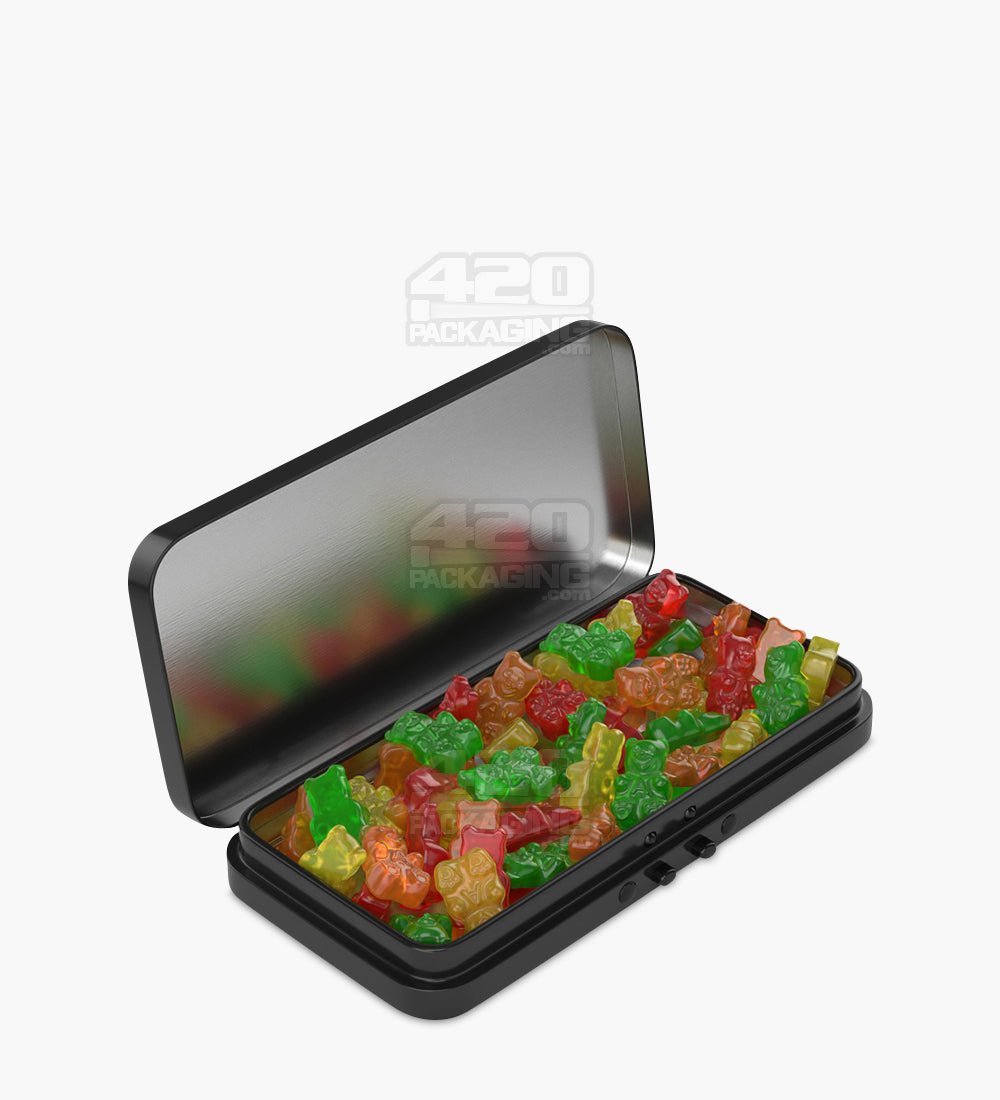
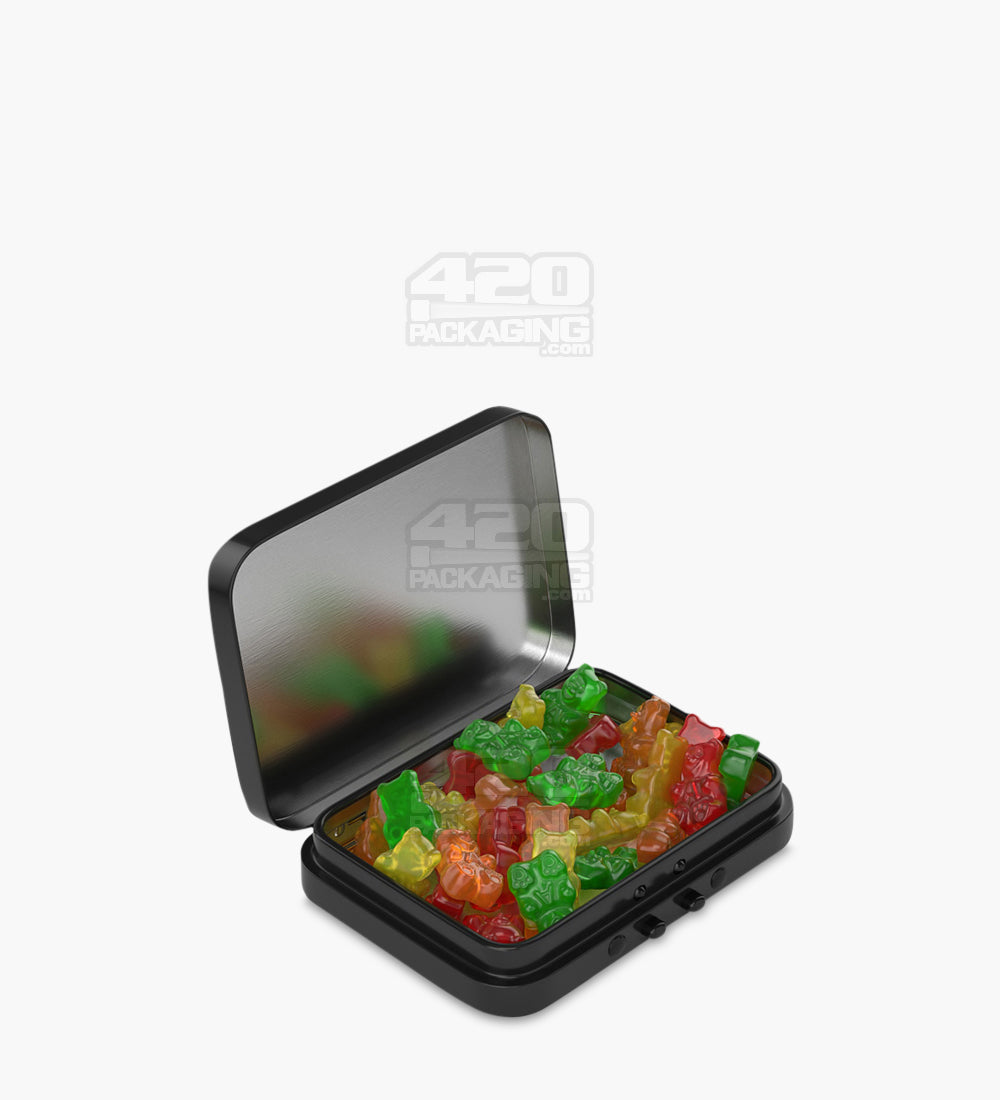
You can put some kinds of consumable edible products into some kinds of pre-roll packaging, yes. For instance, this container was designed to work for rolled papers or small consumables like gummies - it’s even advertised as being suitable for both. This container is mainly designed and advertised for consumables, but it’s specifically listed in our “packaging boxes” collection since it can also work for pre rolls. You can check out all of our pre-roll and edible packaging options (some of which overlap) here and here.
If the packaging tube is the right size, yes, you can fit a rolled wrap into it. We make a wide array of packaging tubes, many of which can be used for 1 ¼ herbal wraps (84mm long). But we also make much larger packaging tubes, such as this 115mm tall one, that can fit King size (109mm) herbal wraps. Whatever size pre-roll or herbal wrap you’re looking to package, we (most likely) have some sort of casing option for them.
The very best pre roll packaging is right here at Gamut Packaging. As our name suggests, we’re 100% focused on creatively and innovatively making useful, compliant, aesthetic, customizable compliant packaging, and our line of pre roll packaging includes some of our favorite items. From luxurious glass vials to biodegradable pop tops to multi-pre-roll push tin containers, we make every kind of pre roll packaging imaginable.