

1 Lb Mylar Bags
Find Marijuana Packaging solutions for every product and every stage of your business. Our selection includes stock and custom packaging designed to protect your products, meet cannabis compliance requirements, and showcase your brand.
Filters
1 product
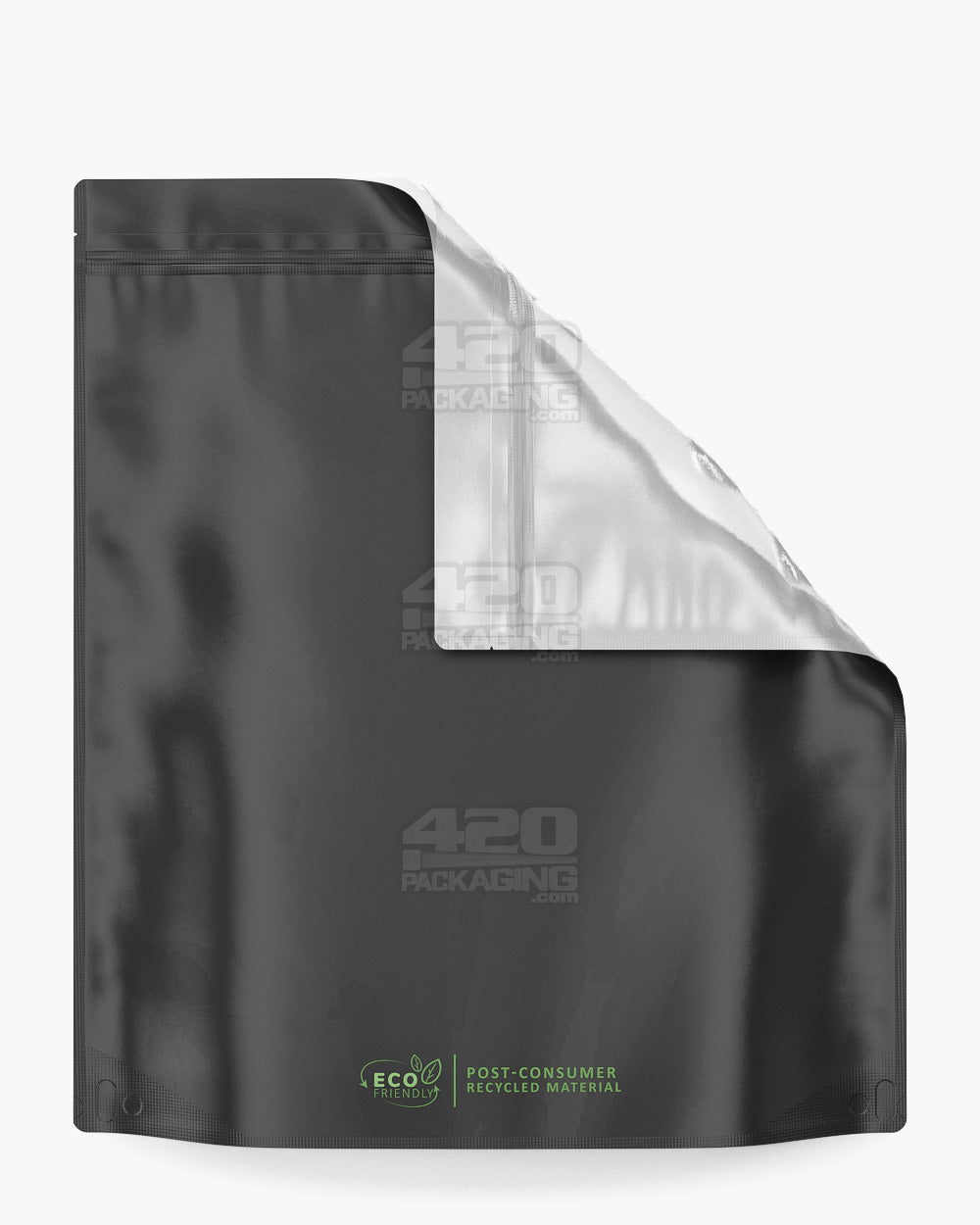
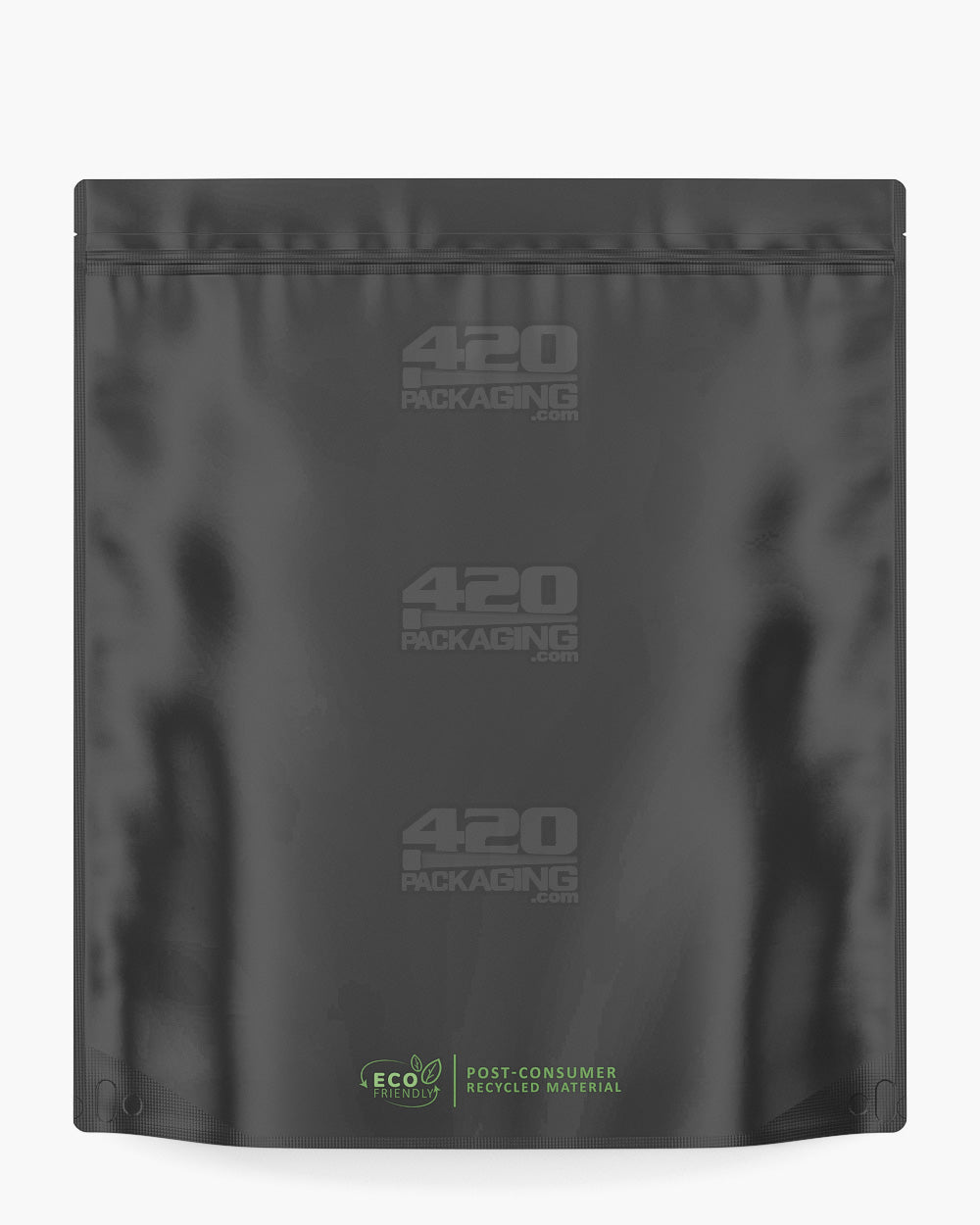
1 lb Mylar bags provide flexible, large-capacity packaging for cannabis flower handled in commercial quantities. Marijuana Packaging supplies wholesale pound weed bags for cultivators, processors, manufacturers, distributors, and cannabis businesses managing bulk flower inventory. The collection includes a matte black, gusseted post-consumer recycled (PCR) pouch with a transparent viewing area, conventional zipper closure, and tamper-evident designation.
Choosing 1 pound Mylar bags requires a different approach from selecting small retail weed pouches. At this scale, bud compression, accurate net-weight identification, bottom-gusset support, sealing consistency, and batch traceability become especially important. The package must protect the flower during storage and authorized transfers without introducing unnecessary product damage. Buyers should also distinguish bulk cannabis packaging from final-form consumer packaging, since a pouch suitable for commercial handling is not automatically child-resistant or approved for retail sale.
Wholesale 1 Lb Mylar Bags for Bulk Cannabis Flower
Pound bags are designed around the packaging needs of businesses handling substantially more flower than a typical small retail pouch contains. They can be useful when cannabis moves from cultivation and postharvest operations into processing, inventory storage, or further packaging.
In these settings, the immediate priority is often maintaining the identity, condition, and integrity of a bulk flower lot until it reaches the next authorized stage.
A large flexible pouch can accommodate irregularly shaped buds while occupying relatively little space before filling. Its film and closure can also contribute to protecting the contents from environmental exposure.
However, bulk packaging must be selected according to the actual product and business operation. A pound bag should not be assumed suitable for every transfer, storage period, or retail application simply because it is marketed for cannabis.
Who Uses Pound Weed Bags?
Potential commercial applications include:
- Cultivators: Holding appropriately prepared dried flower before an authorized transfer or packaging operation.
- Processors: Managing flower received for further preparation, sorting, or packaging.
- Manufacturers: Handling suitable bulk cannabis material used within an approved production workflow.
- Licensed distributors: Managing properly identified bulk packages where permitted by the applicable regulations.
- Packaging operations: Staging identified flower lots before subdividing them into smaller retail units.
- Wholesale procurement teams: Standardizing bulk packaging components across recurring production and transfer requirements.
The appropriate use depends on the jurisdiction, license type, product status, and intended next step.
What Makes Pound-Scale Packaging Different?
At a pound-scale fill, the bag must manage the weight and physical volume of an entire bulk flower portion rather than a small group of buds.
The expanded pouch shape, support beneath the contents, accessible opening, and risk of product compression become more consequential.
Repeated handling can also place greater demands on the seams and gusset than a lightly filled retail pouch experiences.
The broader cannabis Mylar bags assortment addresses multiple sizes and packaging applications. This collection focuses on the handling considerations associated with pound-scale flower quantities.
How Much Cannabis Fits in a 1 Pound Mylar Bag?
One pound is a unit of weight, not a measure of container volume.
A U.S. avoirdupois pound contains 16 ounces and is equal to exactly 453.59237 grams, or approximately 454 grams.
The National Institute of Standards and Technology's measurement tables establish this conversion.
For commercial cannabis packaging, this distinction matters because the declared net weight and the physical capacity of the pouch are separate characteristics.
A Pound of Flower Does Not Have a Fixed Volume
Cannabis flower varies in density, bud structure, trim condition, and the amount of space between individual pieces.
A pound consisting largely of dense, compact buds may occupy less volume than an equal weight of lighter, more open flower.
As a result, a pouch described as suitable for one pound should not be assumed to accommodate every flower lot identically.
The actual product must fit without excessive compression, distortion of the pouch, or interference with the intended closure.
Net Weight vs. Pouch Capacity
A bag's marketed weight category is an application guide, not a substitute for weighing the cannabis or testing its physical fit.
Packaging teams should establish the intended net flower weight using appropriate weighing equipment.
They should then verify that the selected bag has enough usable interior space for that specific flower.
If the portion does not fit comfortably, forcing the contents into the pouch does not make the package suitable for the declared weight.
Why Headspace Matters
Some clearance above the flower is necessary for the zipper and any additional sealing area to function correctly.
When the bag is filled too close to its opening, flower fragments may enter the closure or become trapped between sealing surfaces.
Overfilling can also place unnecessary tension on the pouch walls and seams.
At the other extreme, excessive unused space can allow the flower to shift during transportation.
The intended fill should leave adequate closure clearance while limiting unnecessary movement and maintaining the product's physical condition.
For pound-scale cannabis packaging, verify three things before ordering in bulk: actual net weight, usable filled-bag capacity, and the intended regulatory use. A bag marketed for one pound must be tested with the full intended flower portion, including appropriate headspace. Its tear-opening or tamper-evident feature does not make it child-resistant, and a pouch suitable for a licensed bulk transfer is not automatically suitable for consumer retail sale.
Testing Different Flower Lots
A useful capacity trial should include representative flower from the range of cultivars or batches the operation expects to package.
If the business handles both dense and comparatively open flower, evaluating only the densest material can create an inaccurate impression of capacity.
Inspect the filled pouch in its normal storage and handling orientation, then confirm that the opening and seams remain functional.
Matte Black Vista PCR Pound Bags
The current 1 lb bag collection is centered on a matte black Vista-style pouch made with post-consumer recycled material.
Its listed characteristics include a gusset, conventional zipper, tear-opening feature, tamper-evident designation, and a transparent viewing area.
The selected format is not designated child-resistant.
These characteristics give the pouch a more specific purpose than a generic opaque retail bag or a qualifying child-resistant consumer package.
Matte Black Exterior
The matte black exterior provides a dark background for labels, tracking information, and other approved markings.
It can also help differentiate bulk inventory packaging from other containers used within the same facility.
The finish should be evaluated for label adhesion and durability during storage, handling, and transfer.
Exterior color does not establish the film's oxygen barrier, water-vapor barrier, or child-resistant performance.
Vista Viewing Area
The Vista construction includes a transparent area through which the contents can be inspected without opening the bag.
For bulk flower operations, this may be useful when checking visible product condition, general fill arrangement, or whether the expected material is present.
However, visual inspection has limitations. It cannot establish exact net weight, cannabinoid content, microbial safety, or complete batch identity.
The window also means the finished pouch should not be treated as fully opaque.
For businesses choosing flexible packaging specifically to display flower, windowed Mylar bags address that optical feature across other capacities.
Post-Consumer Recycled Material
Post-consumer recycled material, commonly abbreviated PCR, comes from recovered plastic incorporated into new packaging.
PCR describes a sourcing characteristic rather than a particular film barrier, closure performance, or guaranteed end-of-life outcome.
A PCR pouch may still use multiple material layers, depending on its construction.
For procurement programs with recycled-content requirements, buyers should verify the relevant material documentation and any supported content claims.
The PCR Mylar bags category groups recycled-content options across different applications.
Why Recycled Content Is Not the Same as Recyclability
A pouch containing recycled material is not automatically recyclable through every collection system.
Flexible laminated packaging may contain materials and components that local recycling programs do not accept.
Businesses should distinguish between verified recycled content and separate claims about recyclability or environmental performance.
Gussets, Flower Compression, and Bulk Handling
The gusset is particularly relevant to pound-scale flower packaging because it influences how the bag expands and supports its contents.
Unlike a flat pouch, a gusseted bag contains folded material that opens as the package is filled.
How a Gusset Changes Usable Capacity
The expanded gusset provides additional space for flower and changes the filled pouch's overall shape.
This can help accommodate a larger bulk portion without concentrating all the contents against a flat front and back panel.
However, the gusset must be evaluated in the filled condition.
How the bag stands, settles, or rests in a shipping container depends on its construction and the distribution of the flower.
Protecting Bud Structure
Cannabis flower is susceptible to physical damage from compression and handling.
A pouch can contain the correct weight yet still be unsuitable if the flower must be tightly compressed to close it.
Commercial buyers should consider whether the bag permits the buds to settle naturally while maintaining enough room for the closure.
For businesses packaging flower intended to retain a particular visible structure, this is a significant quality consideration.
Why Vacuum Sealing Is Not Always Appropriate
Vacuum sealing may be used in some bulk packaging processes, but removing air can also cause flexible film to compress tightly around the contents.
That pressure may damage delicate flower structures.
It is therefore inappropriate to recommend vacuum sealing as a universal best practice for pound bags.
Any vacuum-assisted process should be evaluated according to the flower's physical characteristics, intended handling, and the validated packaging procedure.
Case Packing and Warehouse Handling
Even when a gusseted pouch fits the product correctly, the completed package may experience external pressure during stacking or transportation.
Overloaded shipping cases, unevenly distributed loads, and poorly supported bags can contribute to crushing or seam stress.
Packaging operations should evaluate how filled pound bags will be positioned and supported throughout warehouse storage and authorized transfers.
Protective outer packaging can be relevant when the distribution process introduces significant physical handling.
Moisture, Oxygen, Odor, and Light Protection
A pound of cannabis flower represents a substantial quantity of inventory within a single package.
Protecting that material requires attention to environmental exposure, film construction, sealing quality, and storage conditions.
No single attribute, including the word Mylar, establishes all the required barrier characteristics.
Film Barrier vs. Completed Package Barrier
Flexible cannabis pouches can use laminated films designed to reduce the movement of gases or moisture through the material.
However, a film's laboratory barrier performance differs from that of a completed pouch containing seams, a zipper, and an opening.
A damaged seam or incomplete closure can create pathways for environmental exchange regardless of the protective properties of the film itself.
Buyers with defined barrier requirements should evaluate the construction of the complete package.
Moisture Protection for Bulk Flower
Dried flower can exchange moisture with its storage environment.
Inadequate protection may contribute to undesirable changes in physical condition, while excessively wet flower introduces separate quality and safety concerns.
A suitable moisture barrier can help moderate exchange through the packaging, but it does not correct flower that was improperly dried or prepared.
Storage practices should be based on the initial product condition and the validated packaging system.
Odor Containment
Cannabis flower contains volatile aromatic compounds that can escape through inadequate packaging barriers.
Protective films may help limit movement through the pouch walls, while the zipper and seals remain important potential pathways.
A conventional zipper should not automatically be considered completely smell-proof.
For bulk flower handling, the intended odor-containment performance should be evaluated using a representative filled and closed package.
Light Exposure Through a Viewing Window
An opaque section of a pouch can limit visible light reaching the contents, but a transparent viewing area changes the overall light exposure.
This is particularly relevant when filled bags remain under warehouse or production lighting for extended periods.
The actual light-transmission characteristics depend on the film and window materials.
A matte black exterior should not be interpreted as a guarantee of complete ultraviolet protection when part of the package is transparent.
Zippers, Tear Notches, and Tamper-Evident Sealing
The current pound pouch uses a conventional zipper rather than a qualified child-resistant mechanism.
It is also listed as tamper-evident and includes a tear-opening feature.
These characteristics should be understood separately because they serve different functions.
Conventional Zipper Function
A zipper allows the pouch to be opened and reclosed.
For bulk cannabis operations, this may be useful when the package is accessed under an approved handling procedure.
However, repeated opening increases opportunities for environmental exchange and contamination.
A conventional zipper is not automatically child-resistant, airtight, or sufficient to provide visible evidence of first opening.
What Makes a Pound Bag Tamper-Evident?
Tamper evidence means the package provides a recognizable indication that it has been opened or interfered with.
A tear notch can support a controlled opening method, but the notch alone does not prove that the pouch was sealed before access.
The intended first-opening construction must be evaluated in the completed package.
If a separate sealing operation is required, it should be compatible with the selected film and pouch design.
Businesses prioritizing this specific function can evaluate tamper-evident Mylar bags according to the intended opening and sealing method.
When Heat Sealing Is Used
Some flexible packaging systems use heat and pressure to bond compatible inner-film surfaces at the opening.
The suitability of that process depends on the exact pouch construction.
Before heat sealing a pound bag, the packager should confirm that the particular product is intended for the process and follow the appropriate equipment and material instructions.
Suitable sealing conditions must avoid incomplete bonds, trapped flower fragments, and damage to the surrounding film.
Heat sealing should not be assumed appropriate solely because a pouch has a tear notch.
Do Pound Bags Need to Be Child-Resistant?
The answer depends on the role of the package and the jurisdiction.
The currently listed pound pouch is not designated child-resistant.
For bulk cannabis transferred between authorized businesses for further processing or packaging, the applicable requirements may differ from those imposed on finished consumer retail packages.
For consumer products, a conventional pound pouch should not be treated as compliant merely because it is tamper-evident.
Where a qualifying locking closure is required, buyers should select an appropriate child-resistant cannabis bag and verify the documentation for the intended configuration.
Bulk Cannabis Packaging vs. Retail-Ready Packaging
This distinction is essential for businesses purchasing 1 lb weed bags.
A bulk package moving between licensees for further processing serves a different purpose from a final-form package intended for a consumer.
Those two applications may be governed by different packaging and labeling requirements.
Bulk Cannabis Transfers Between Licensees
In California, the Department of Cannabis Control defines bulk cannabis and cannabis products as material transferred between licensees for further processing or packaging.
This definition does not include goods already in their final form for retail sale.
The California Department of Cannabis Control's bulk product labeling guidance requires bulk packages to protect the contents from contamination and harmful substances and to carry appropriate identifying information.
For authorized bulk transfers, the packaging decision should begin with those specific requirements rather than applying every consumer-retail packaging rule without distinction.
Final-Form Cannabis Retail Packaging
When cannabis is packaged for sale to consumers, a different set of requirements may apply.
California's final-form packaging guidance addresses child resistance, tamper evidence, resealability, and other relevant product-specific requirements.
A non-child-resistant pound pouch should not be marketed as a generally compliant final retail package.
Businesses should also verify whether the intended consumer quantity is permissible in their retail market.
The name of the package does not override applicable product-sale limitations.
Bulk vs. Retail: Key Differences
| Consideration | Bulk Packaging for Further Processing | Final Consumer Retail Packaging |
|---|---|---|
| Primary purpose | Protecting and identifying material moving through an authorized commercial operation | Providing the finished product to a consumer |
| Typical next step | Receiving, processing, or repackaging by another licensee | Retail purchase and consumer use |
| Labeling emphasis | Material identity, tracking identifier, net quantity, and other required bulk information | Consumer-facing product identity, warnings, symbols, and other final-form details |
| Child resistance | Depends on the applicable bulk handling and transfer requirements | Must satisfy the applicable consumer-packaging requirement |
| Tamper evidence | Evaluate the intended transfer and security requirements | Must satisfy the applicable final-form packaging requirement |
| Suitability of a conventional zipper | Depends on the complete authorized packaging configuration | Does not independently establish child-resistant compliance |
These distinctions are illustrated by California's rules. Other jurisdictions may define bulk packaging and final-form retail packaging differently, so the applicable requirements must be checked for each operating market.
Bulk Flower Labeling, Traceability, and Inventory Identification
A pound-scale package may represent an entire identifiable inventory unit or a portion of a larger cannabis lot.
Maintaining correct identification is necessary when flower moves between facilities or is later subdivided into smaller packages.
Information Required on Bulk Cannabis Labels
California's bulk cannabis guidance identifies specific information that must appear on packages transferred between licensees for further processing or packaging.
That information includes:
- The type or common name of the cannabis or cannabis product.
- The applicable unique identifier used for track-and-trace purposes.
- Ingredients and allergens where required for the product.
- The actual net weight, identified in metric and U.S. customary units under the Department's bulk labeling guidance.
For dried flower, the material description should accurately identify what is inside the pouch.
Businesses should review the applicable current regulations before establishing their final label format.
Batch and Lot Identity
When multiple batches or cultivars are packaged in similar pound bags, exterior identification helps receiving and processing teams distinguish the contents.
Inventory procedures should preserve the relationship between the material, its required tracking information, and its recorded quantity.
A transparent window may show that the package contains flower, but it cannot reliably establish the strain, batch, source, or testing status.
Those characteristics must be supported by the appropriate records.
Keeping Labels Readable During Handling
Large flexible bags can bend, fold, or expand during filling and storage.
Labels should be positioned so essential information remains accessible and legible when the bag is in its expected filled configuration.
Placing important tracking text across a heavily folded gusset or a sealing area may make inspection unnecessarily difficult.
Where adhesive labels are used, compatibility with the actual matte film should be verified.
Receiving and Reconciliation
At the receiving stage, the package's identity and condition should be checked against the authorized transfer documentation.
Depending on the operating procedure, this may include checking the required identifiers, inspecting the opening and seams, verifying the contents, and reconciling the recorded quantity.
Any discrepancy should be handled according to the business's applicable inventory-control and compliance procedures.
Clear identification at the pound-bag stage can reduce confusion when the same flower is later divided into multiple smaller packages.
Storage Conditions and Moisture Management
A pound bag can help define an enclosed environment for bulk cannabis flower, but it cannot independently control every variable affecting product condition.
Temperature, light, oxygen exposure, initial flower moisture, package integrity, and storage duration all remain relevant.
Start With Properly Prepared Flower
The flower should meet the operation's applicable moisture, quality, and safety specifications before being enclosed for storage or transfer.
A protective pouch cannot correct improperly dried material or remove microbial contamination.
Bulk packaging procedures should therefore follow, rather than replace, the required postharvest quality checks.
Temperature and Storage Environment
Temperature can affect the physical condition of stored cannabis and the behavior of some packaging materials.
High or fluctuating temperatures may also affect the moisture conditions inside an enclosed package.
Businesses should establish suitable storage conditions for their specific product and container rather than assume that a flexible barrier pouch guarantees stability under all warehouse conditions.
Humidity-Control Accessories
Some packaging operations use two-way humidity-control packs to moderate water-vapor conditions in suitably enclosed flower packaging.
Whether this approach is appropriate for pound-scale storage depends on the flower's initial condition, the desired relative humidity, the humidity pack's working capacity, and the completed package's barrier performance.
A humidity pack must not be used as a substitute for proper drying or as a method of making unsuitable flower safe.
Where these accessories are included, the business should verify material suitability, pack positioning, and the relevant manufacturer guidance.
Repeated Access to Bulk Flower
Opening a pound pouch repeatedly can introduce ambient air and create opportunities for moisture exchange or contamination.
For inventory that will be used over several production sessions, businesses should consider whether the repeated-opening procedure is appropriate for the intended product and storage conditions.
Separating material into approved smaller staging quantities may be useful in some operations, provided inventory identity and tracking remain accurate.
Filling and Quality Control for Pound Bags
Consistent pound-bag filling requires a process that accounts for flower weight, physical handling, closure condition, labeling, and movement into storage or transport.
At this scale, avoidable handling errors can affect a substantial quantity of material inside a single package.
1. Verify the Bag Before Filling
Inspect the empty pouch for visible damage, contamination, and defects affecting its seams, gusset, zipper, or intended first-opening feature.
Confirm that the bag matches the approved material and packaging configuration.
Any unacceptable defects should be addressed before flower is introduced.
2. Weigh the Product Independently of the Bag
Use an appropriate weighing procedure to establish the intended net cannabis weight.
If the filled package is weighed, the tare weight of the bag and any other non-product components must be accounted for.
Do not substitute the pouch's nominal pound designation for an actual weight measurement.
Accurate quantity records are important for both packaging operations and authorized inventory transfers.
3. Transfer Flower Without Excessive Compression
Use a filling method that accommodates the shape of the buds while limiting unnecessary pressure and fragmentation.
Allow the flower to settle within the expanded pouch rather than forcing it into the gusset.
Confirm that the opening remains clear enough for the intended closure procedure.
4. Close or Seal the Approved Package
Inspect the zipper for trapped plant material and confirm proper engagement.
Where the selected configuration requires a separate first-opening sealing process, apply it according to the appropriate material and equipment instructions.
Do not assume that a zipper, tear notch, or visually sealed top establishes all required protective functions.
5. Apply the Required Identification
Place the relevant product and tracking information on the appropriate packaging surface.
The completed label should accurately reflect the contents and remain readable during normal handling.
Where a package is part of an authorized bulk transfer, the applicable bulk labeling requirements should be addressed before shipment.
6. Inspect the Finished Bag
Quality checks should focus on the condition of the actual filled package.
| Inspection Point | What to Check |
|---|---|
| Product quantity | Recorded net weight matches the intended contents and applicable requirements. |
| Flower condition | No unacceptable compression or handling damage is evident. |
| Gusset and seams | Bag has expanded without unacceptable strain, damage, or visible defects. |
| Closure | Zipper and any additional seals are correctly applied. |
| Tamper evidence | The completed package has the intended first-opening feature where required. |
| Label | Identity, tracking information, and net quantity are accurate and legible. |
| Storage readiness | Package is suitable for the planned case packing and storage conditions. |
These are operational quality checks, not substitutes for regulatory testing or verification of any specialized performance claims.
Pound Bags vs. Smaller Retail Mylar Bags
A pound bag is intended for a different stage of commercial cannabis handling than an eighth-ounce or ounce retail pouch.
Businesses that purchase pound bags frequently also need smaller packaging formats for subsequent processing or authorized consumer sales.
Keeping Bulk and Retail Functions Separate
Bulk packaging primarily supports material protection, identification, and authorized movement through the production process.
Retail packaging must also satisfy the presentation, labeling, opening, and consumer-protection requirements that apply to the final product.
This distinction should remain clear when creating packaging specifications and purchase orders.
A pound bag without child resistance should not be treated as equivalent to a retail pouch with a tested locking zipper.
Repackaging Into Ounce Bags
When an authorized processor divides a larger flower lot into individual retail portions, the packaging requirements change with the intended final product.
The receiving and repackaging procedures should maintain the required inventory traceability and correct net weights.
For businesses preparing ounce-sized retail packages, 1 oz Mylar bags provide a dedicated category with packaging configurations organized for that smaller weight.
The selected retail pouch must be evaluated for the intended jurisdiction, including any required child resistance and tamper evidence.
Repackaging Into Eighth-Ounce Bags
Eighth-ounce packaging places greater emphasis on compact fill presentation, consumer labeling space, and closure functionality.
Those considerations differ considerably from the handling of a bulk pound bag.
The 3.5 gram Mylar bags collection addresses this smaller retail format.
Where flower moves from pound bags into multiple retail units, each finished package should be weighed and labeled according to the applicable procedures.
When Smaller Bulk Subdivisions May Help
Not every operation benefits from repeatedly opening a single pound pouch.
In some workflows, subdividing material into appropriate staging quantities can reduce the number of times a large inventory package must be opened.
However, the decision should reflect the business's authorized operations, product requirements, and inventory-control procedures.
Any subdivision must preserve the required relationship between the flower, its source lot, and associated records.
Buying Wholesale 1 Lb Mylar Bags
Wholesale pound-bag purchasing should evaluate the complete handling process, not just the price of an empty pouch.
For cannabis businesses dealing with bulk flower, package fit, seal consistency, material suitability, receiving procedures, and product loss can all affect the total economics.
Wholesale Purchasing Checklist
Before approving a bulk order, confirm:
- Intended use: The bag will serve an appropriate bulk storage, transfer, processing, or other permitted function.
- True net quantity: The intended flower weight is established independently of the pouch's marketed capacity.
- Physical fit: The full flower portion fits without excessive compression.
- Gusset construction: The expanded pouch supports the product under intended handling conditions.
- Film material: The construction is suitable for the intended product and required barrier characteristics.
- Window: The transparent area is compatible with the required opacity and light-management needs.
- Closure: The zipper and any first-opening sealing requirements have been evaluated.
- Child resistance: The package's non-child-resistant status is appropriate for the intended use.
- Tamper evidence: Any required opening indication is provided by the completed package.
- Recycled content: PCR claims are supported where material sourcing is part of procurement criteria.
- Identification: Required bulk labeling and tracking information can remain attached and legible.
- Distribution: Filled bags can be stored and transferred without unacceptable compression or damage.
- Repeat sourcing: The approved packaging construction can be maintained for recurring operations.
Calculating Total Bulk Packaging Cost
Commercial costs can include:
- The wholesale purchase price of the pound pouch.
- Material inspection and handling.
- Weighing and filling labor.
- Any compatible first-opening sealing procedure.
- Inventory identification and tracking labels.
- Case packing, freight, and storage.
- Allowances for damaged bags or rejected finished packages.
- Additional protection required for the intended distribution environment.
- Labor associated with later repackaging into smaller formats.
A lower empty-bag cost does not necessarily mean a lower total cost if the package creates handling difficulties, does not fit the flower comfortably, or is unsuitable for the intended regulatory role.
Custom Branding for Pound Weed Bags
Bulk cannabis bags may require practical inventory markings rather than elaborate consumer-facing artwork.
However, some businesses use consistent exterior branding or printed information to distinguish approved packaging programs.
Depending on the available customization service and the selected pouch construction, labels or other compatible decoration may be considered.
Marijuana Packaging's custom printed cannabis bags service addresses branded flexible packaging programs.
For pound-scale operations, functional areas such as the zipper, viewing window, gusset, and required identification should take priority over decorative coverage.
Confirming the Current Assortment
The collection currently emphasizes a matte black Vista PCR pouch with a gusset, conventional zipper, tear-opening feature, and tamper-evident designation.
Because it is not designated child-resistant, buyers should verify that this configuration is appropriate for the intended bulk handling or other authorized application.
They should also confirm usable capacity with their actual flower rather than relying on the nominal pound category alone.
Wholesale Pound Bags for Cannabis Operations
1 lb Mylar bags can provide a flexible packaging option for cannabis businesses managing substantial quantities of flower before further processing, repackaging, or authorized transfer.
Marijuana Packaging supplies wholesale pound weed bags for cultivators, processors, manufacturers, distributors, and other cannabis businesses requiring suitable bulk packaging components.
By verifying the actual flower weight, usable capacity, gusset performance, closure construction, labeling requirements, and intended commercial use, buyers can select pound bags that support accurate inventory handling and consistent bulk packaging operations.
Frequently Asked Questions About 1 Lb Mylar Bags
One U.S. pound equals exactly 453.59237 grams, or approximately 454 grams. However, a bag marketed as one-pound capacity should be tested with the actual flower rather than assumed to fit every pound-sized portion. Bud density and structure affect how much space the product occupies. The filled bag must also leave adequate room for the zipper and any required sealing area. Always weigh the flower independently of the bag's nominal capacity.
The currently listed pound bag is designated tamper-evident but is not child-resistant. It has a conventional zipper and tear-opening feature. Tamper evidence and child resistance serve different functions, so one does not establish the other. Whether the package is appropriate depends on its intended use and the applicable regulations. A non-child-resistant bulk bag should not automatically be used as a final consumer retail package.
They may be suitable for authorized bulk cannabis transfers when the complete package meets the relevant requirements. In California, bulk cannabis transferred between licensees for further processing or packaging must be protected from contamination and accompanied by required identifying information, including product type, tracking identifier, and net quantity. This is distinct from final-form consumer retail packaging. Businesses should verify the rules for the jurisdiction and transaction involved.
A suitably constructed Mylar pouch can help limit environmental exposure, but protection depends on the actual film, seams, zipper, and any additional seal. The current pound bag includes a transparent viewing area, so it should not be treated as completely opaque or universally UV-blocking. Likewise, a conventional zipper does not guarantee airtight or smell-proof performance. Appropriate storage and careful handling remain important.
A gusset can provide additional usable volume by allowing the pouch to expand as it is filled. This is useful for accommodating a large quantity of irregularly shaped cannabis buds. However, a gusset does not automatically prevent flower compression or make a bag suitable for every cultivar. Buyers should test the full intended flower portion and evaluate closure clearance, seam condition, case packing, and the filled bag's handling characteristics before purchasing wholesale quantities.