

2 Oz Jars
These 2 oz weed jars provide a premium storage solution for cannabis flower, helping preserve freshness, aroma, and potency with an airtight seal. Available in a variety of styles, including straight-sided, wide-mouth, child-resistant, and customizable options, these glass jars are ideal for storing up to approximately 56 grams of flower. Their durable, non-porous construction helps protect trichomes and prevents unwanted odors or flavors from affecting your product. Perfect for dispensaries, cultivators, and cannabis brands, wholesale 2 oz cannabis jars deliver secure, compliant, and retail-ready packaging with a professional presentation.
Filters
5 products
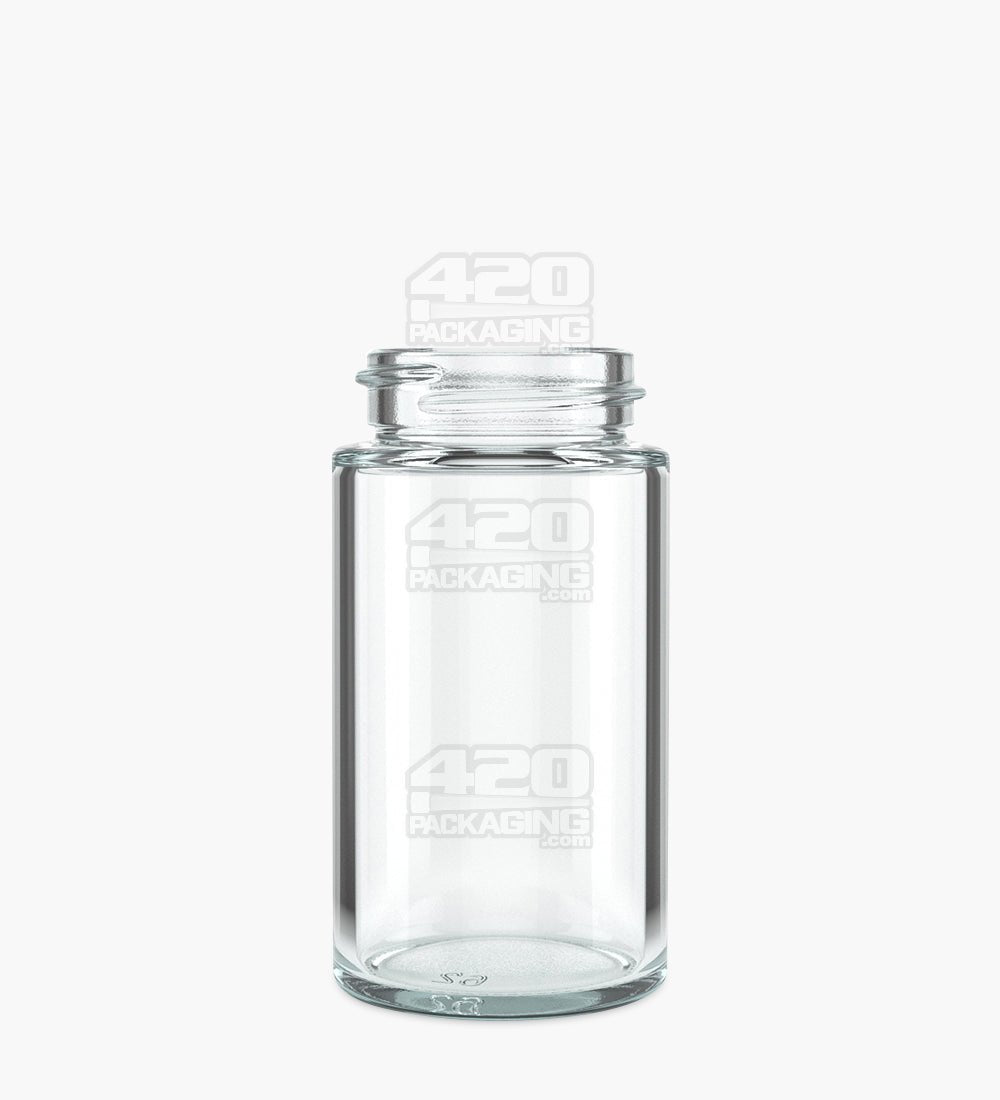
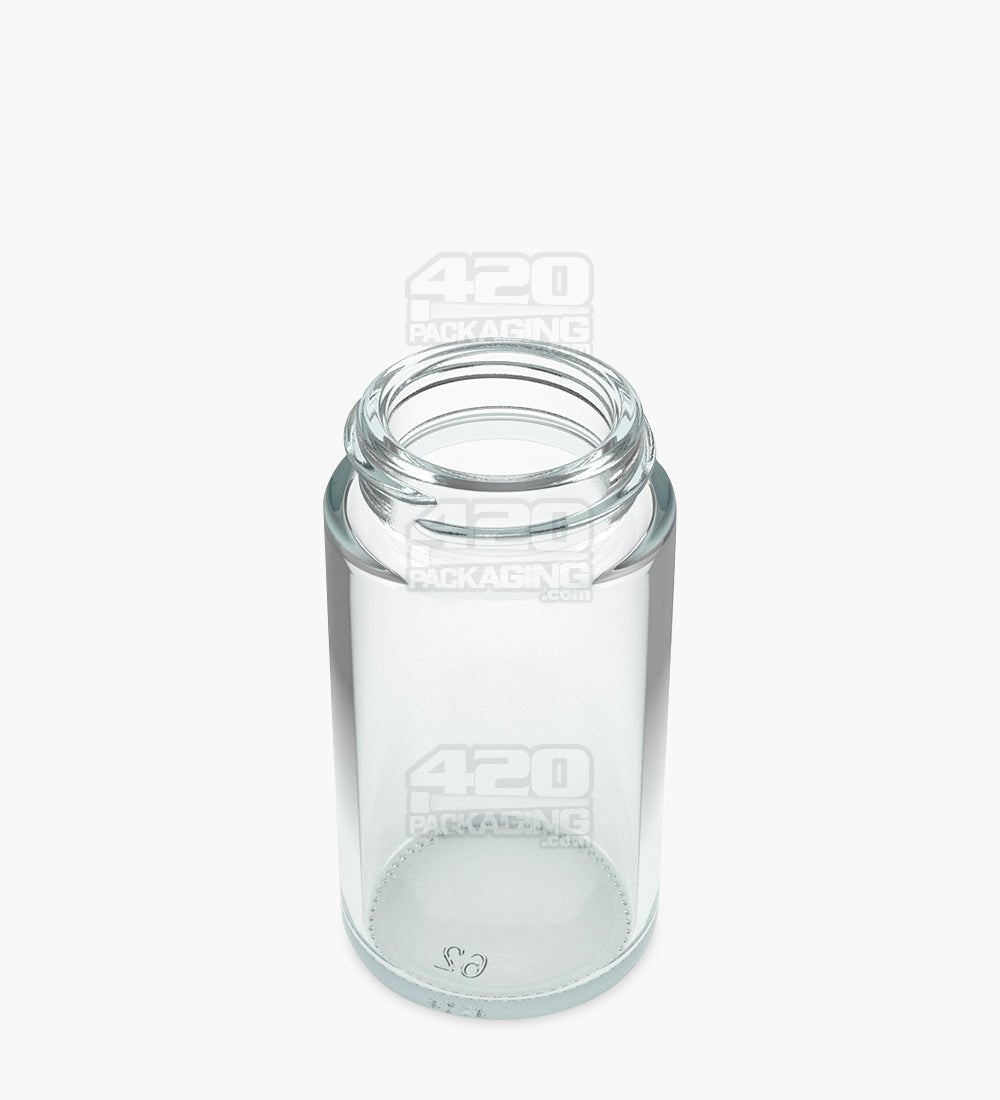
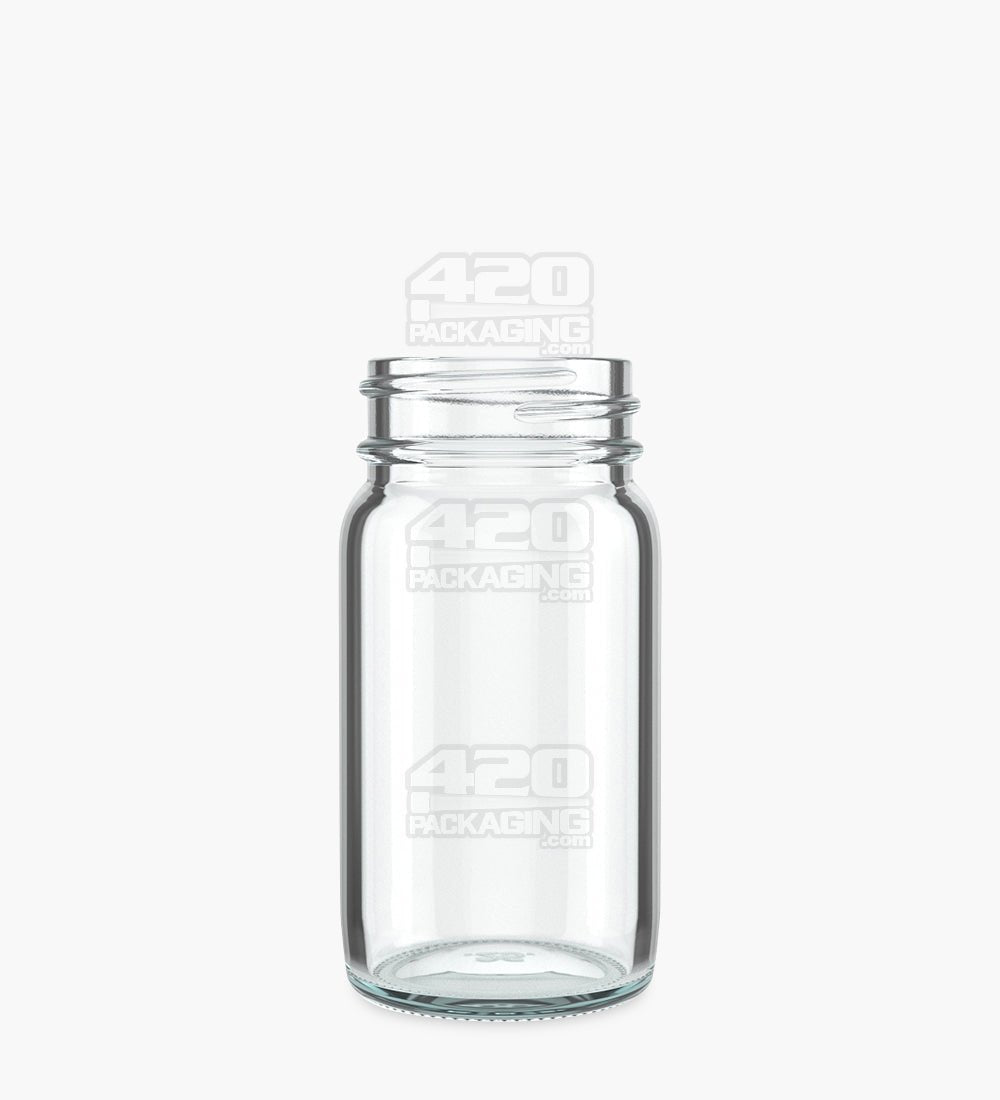
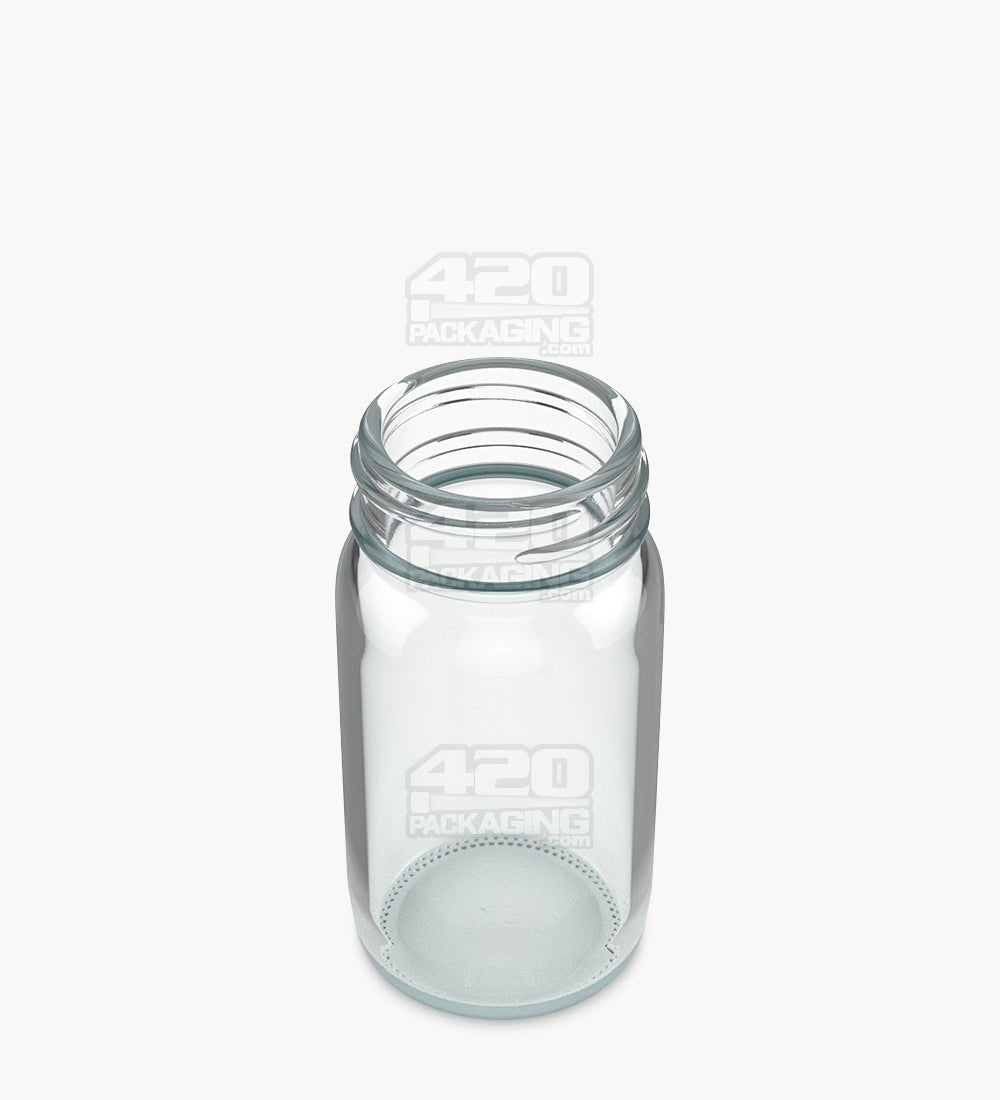
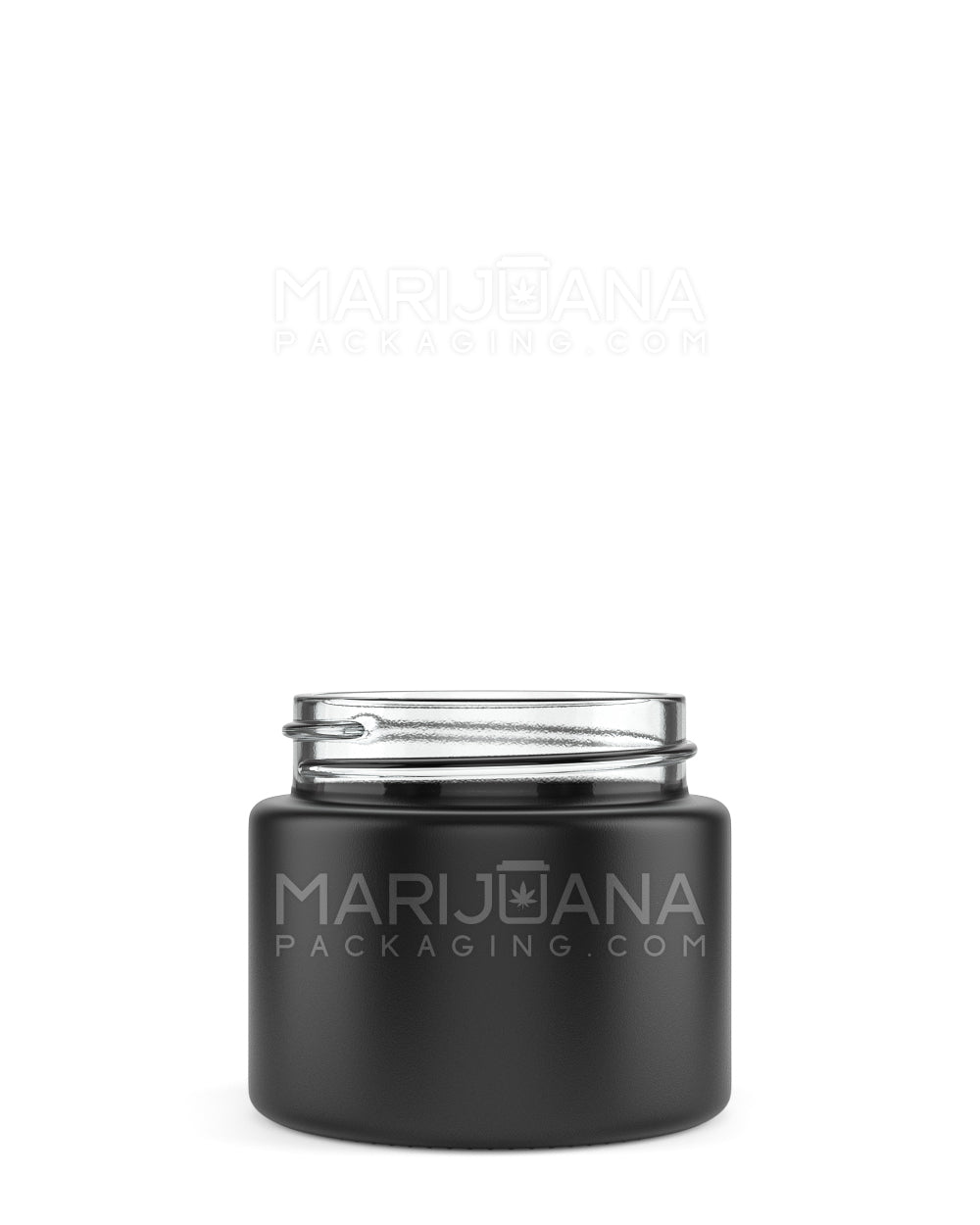
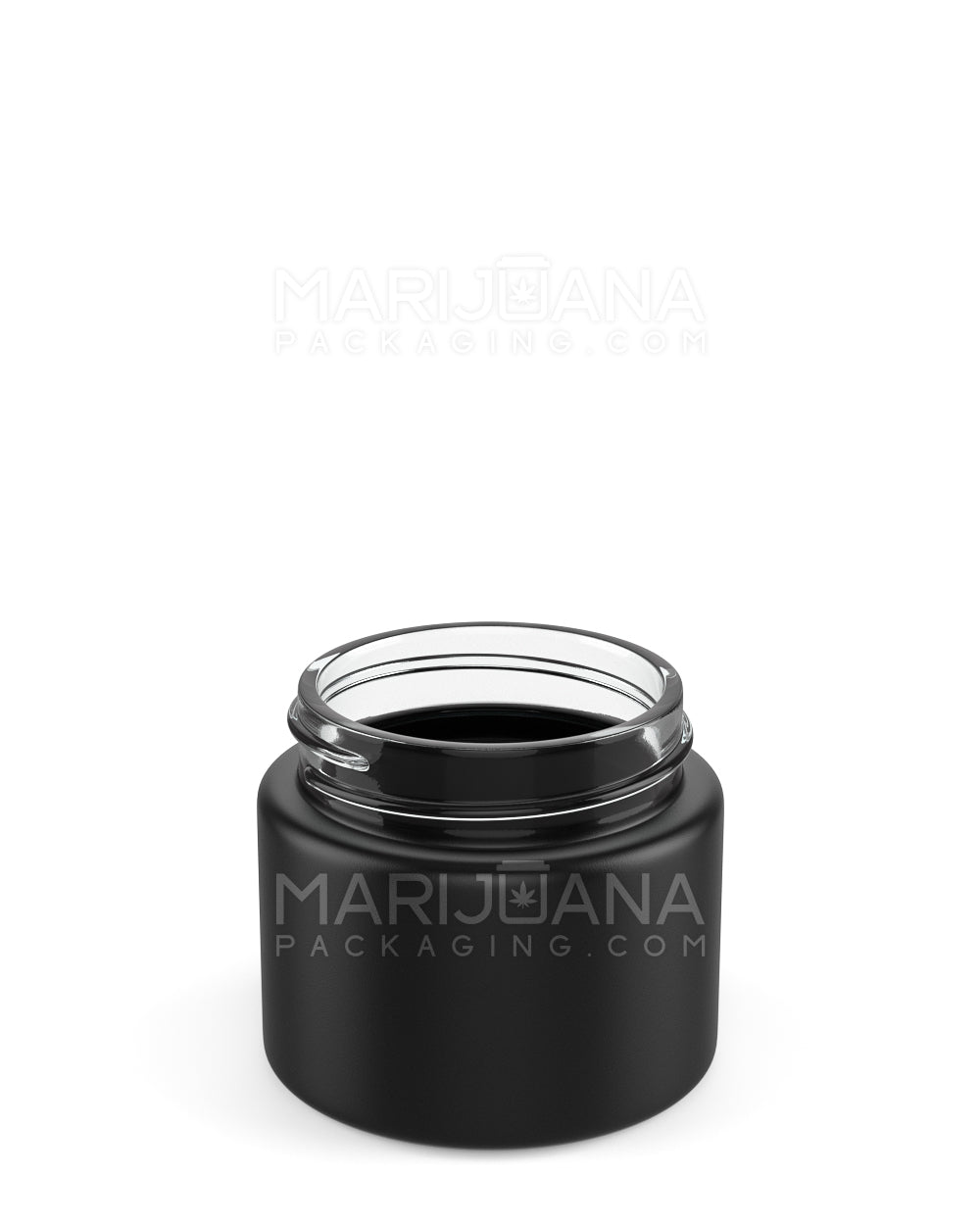


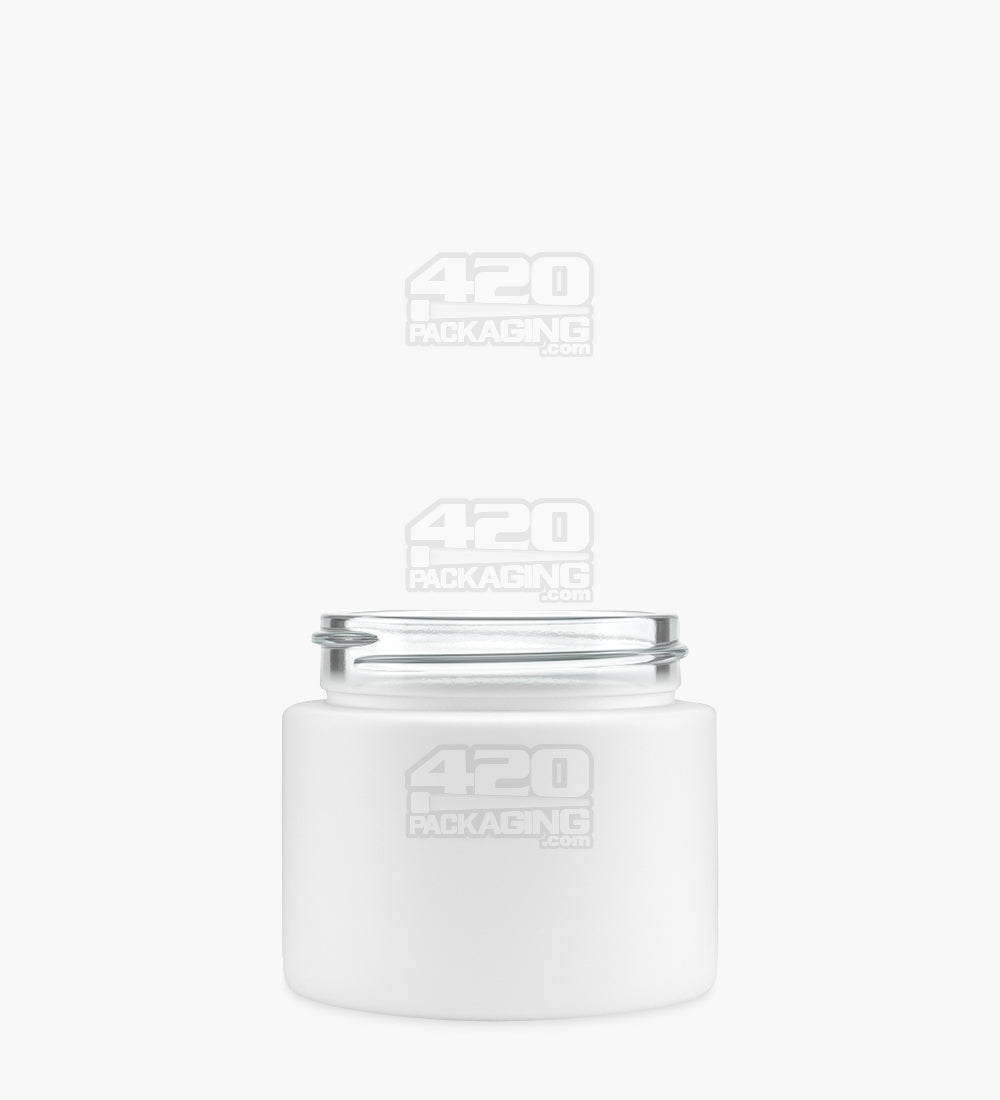
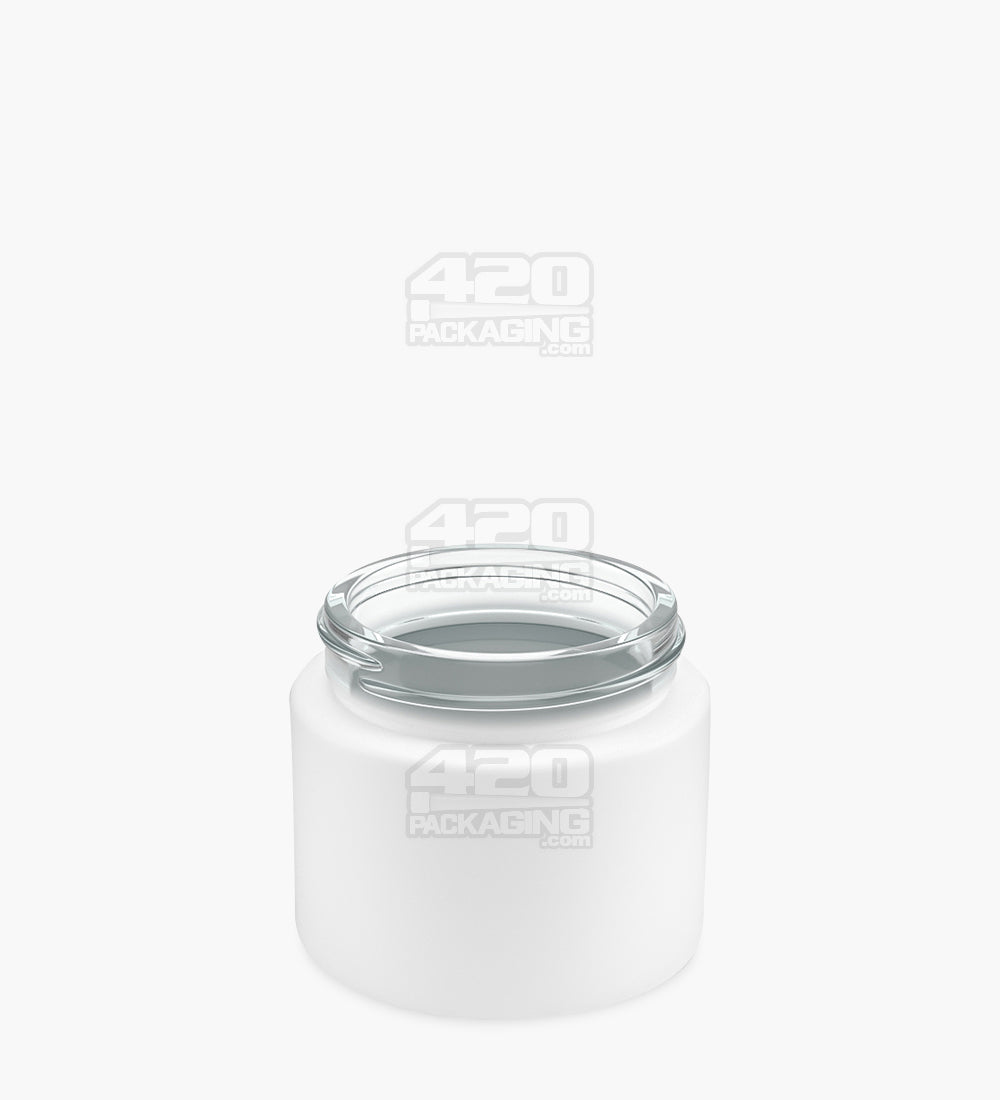
2 oz cannabis jars provide compact, rigid packaging for cannabis flower, pre-rolls, and other products suited to a two-fluid-ounce container. Marijuana Packaging supplies wholesale 2 oz glass jars in clear and opaque finishes, with different opening and closure configurations for cultivators, processors, manufacturers, cannabis brands, and dispensaries. These containers are suitable for commercial packaging programs that require practical product access, consistent labeling, and a defined retail presentation.
Choosing the right 2 ounce weed jars involves more than selecting a nominal capacity. Flower density, bud structure, container shape, opening clearance, and headspace all influence how a product fits. For pre-rolls, the length and arrangement of the finished joints can be more important than the jar's stated volume. Commercial buyers must also evaluate compatible lids, sealing requirements, child resistance, and the total cost of the completed package before ordering two-ounce jars in bulk.
Wholesale 2 Oz Cannabis Jars for Commercial Packaging
Two-ounce jars are rigid containers identified by their nominal fluid-volume capacity. For cannabis businesses, they offer a relatively compact packaging format that can accommodate certain smaller flower portions and other appropriately sized products.
Glass construction provides a defined interior that helps protect the contents against external compression. It also creates a consistent exterior surface for product identification, labeling, and branding.
These containers occupy a specific position within the broader cannabis jars category. Rather than targeting a particular flower weight or closure mechanism, the 2 oz collection serves businesses selecting packaging by nominal container capacity.
Why Cannabis Brands Use 2 Oz Jars
The two-ounce format can be useful when a smaller container does not provide adequate room for the finished product, but a larger jar would introduce unnecessary internal space.
For commercial packaging operations, the principal benefits include:
- Compact rigid construction: A defined container that helps protect contents from external pressure during normal handling.
- Versatile product fit: A nominal capacity that can be evaluated for smaller flower portions and suitable pre-roll configurations.
- Accessible openings: Available jar designs that can support practical filling and removal of the intended contents.
- Consistent presentation: A repeatable container format for retail products, labels, and coordinated branding.
- Clear and opaque finishes: Different options for product visibility, concealment, and appearance.
- Closure selection: The ability to evaluate compatible caps and appropriate sealing components.
- Wholesale purchasing: Packaging that can be incorporated into recurring production and inventory programs.
These characteristics depend on the particular packaging configuration. A jar with an appropriate nominal capacity may still be unsuitable if the product does not fit through its opening or the required closure cannot be installed correctly.
The Role of Two-Ounce Jars in a Packaging Line
For cultivators and processors preparing finished flower, the container must support accurate filling without unnecessary bud handling. For pre-roll manufacturers, the interior must accommodate the intended product arrangement while allowing reliable closure engagement.
In both cases, the jar is one part of a larger packaging process involving weighing or counting, filling, capping, inspection, labeling, and final shipment preparation.
Choosing a suitable two-ounce container can help make those steps more consistent, provided its design works with the actual product and intended production equipment.
What Does 2 Oz Mean on a Cannabis Jar?
The most important distinction when purchasing 2 oz jars is the difference between the jar's nominal fluid capacity and the weight of the cannabis inside.
Cannabis flower is typically measured and sold by weight. Jar capacities, however, are commonly specified in fluid ounces or milliliters. These units describe different physical quantities and should not be converted directly into one another.
Important: A 2 oz cannabis jar does not hold two ounces of cannabis flower by weight. The 2 oz designation refers to nominal container volume, while two ounces of flower by weight is approximately 56.7 grams. A two-fluid-ounce jar cannot be assumed to accommodate that quantity. Its actual flower capacity depends on bud density, internal geometry, opening clearance, and headspace. Verify the intended fill with representative flower and the selected closure before purchasing jars wholesale.
Fluid Ounces vs. Cannabis Flower Weight
A fluid ounce measures volume, while a gram or weight ounce measures mass.
When packaging dried cannabis flower, the relationship between mass and volume varies because buds differ in density, shape, and size. Empty spaces between individual pieces also contribute to the amount of room a measured portion requires.
Consequently, a two-ounce container capacity does not indicate a fixed number of grams of flower.
Commercial buyers should select the jar according to the actual product rather than assuming that an ounce-based container label identifies the weight it can hold.
Nominal Volume vs. Usable Internal Space
Nominal capacity identifies the general volume category of the container. Usable internal space describes the room available for the product when practical filling and closure requirements are considered.
Two jars with the same nominal capacity may have different internal proportions. One may provide a wider body, while another offers greater internal depth.
These differences can influence how flower settles, how pre-rolls are arranged, and how much clearance remains beneath the installed cap.
Any liner, closure component, or internal accessory should also be considered when evaluating usable capacity.
Does a 2 Oz Jar Hold an Eighth of Flower?
Some two-fluid-ounce jars may be suitable for a 3.5-gram eighth-ounce flower portion, depending on the density and structure of the buds.
However, a nominal two-ounce capacity does not guarantee that every eighth will fit comfortably.
Dense, compact flower can occupy less space than larger, loosely structured buds of the same weight. The jar's opening and internal shape also affect whether the portion can be inserted without compression.
For brands packaging that specific retail weight, 3.5 gram eighth jars address the flower-weight requirement directly. The two-ounce category remains focused on container volume, which can be relevant to several product applications.
Choosing 2 Oz Jars for Cannabis Flower
Flower packaging is an important application for compact glass jars. Their rigid walls help protect the buds during normal handling, while a properly selected closure can contribute to the intended storage environment.
For two-ounce jars, successful flower packaging depends on selecting a container that balances the physical volume of the contents with suitable headspace and opening clearance.
Bud Density and Flower Structure
Cannabis flower varies substantially in density and structure between cultivars and production batches.
Some buds are compact, while others have larger or more irregular shapes. These differences affect how a measured quantity occupies the interior of a jar.
For commercial packaging, buyers should evaluate:
- Density: Whether the intended flower is compact or occupies a relatively large amount of space.
- Bud size: Whether individual pieces pass through the opening without unnecessary compression.
- Bud arrangement: How the flower settles inside the container during filling.
- Fill level: Whether the contents occupy an appropriate proportion of the jar.
- Batch variation: Whether the selected jar works across different strains and production runs.
The goal is not to pack the flower as tightly as possible. It is to accommodate the intended portion while protecting the product and allowing the container to close correctly.
Headspace and Closure Clearance
Headspace is the unfilled area between the packaged flower and the underside of the closure.
Some clearance is necessary so the lid and any sealing components can engage without pressing against the contents.
Too little headspace may result in compressed buds or improper cap installation. Excessive headspace can produce an undesirable retail appearance and allow unnecessary product movement during handling.
For two-ounce flower jars, the appropriate fill should be verified with the actual closure installed rather than assessed only while the container is open.
Opening Width and Flower Handling
The opening must accommodate the intended buds as well as the volume of flower inside the jar.
A container can have enough internal capacity yet still be inconvenient to fill if the opening is too narrow for larger pieces.
Wide-mouth configurations may make filling and product removal easier, particularly when brands want to preserve the structure of larger buds.
However, a wider opening also affects closure selection and may influence the jar's overall presentation.
Testing Flower Fit Across Multiple Strains
For brands packaging several cultivars in the same two-ounce container, testing one flower sample may not be sufficient.
Representative fill trials should include the types of bud structures normally encountered in production.
The test should confirm that the product can be inserted without excessive handling, settles appropriately, leaves suitable headspace, and remains accessible after opening.
If the same jar is intended for multiple product lines, the selected configuration should work with the expected range of flower characteristics rather than only the most compact strain.
Glass Jar Shapes, Finishes, and Opening Styles
The 2 oz jar selection emphasizes glass containers, making glass construction and container geometry particularly relevant to this collection.
Although the nominal capacity is the same, jar shape and opening design can affect filling, product access, labeling, and the appearance of the finished package.
Straight-Sided Glass Jars
Straight-sided glass jars have relatively uniform exterior walls, providing a familiar cylindrical presentation and a practical surface for many labeling applications.
This design can be useful for cannabis brands that want consistent container geometry across multiple products.
Uniform walls may also simplify certain filling and labeling procedures when the jar is compatible with the selected equipment.
However, two straight-sided jars may still have different openings, usable interiors, and closure requirements.
Wide-Mouth Glass Jars
Wide-mouth glass jars provide greater opening access relative to the container body.
This characteristic can be useful for flower packaging when buds need to be inserted without excessive compression. It can also support certain pre-roll arrangements where multiple finished products must pass through the opening.
The appropriate opening should be determined by the intended contents and closure configuration.
Wider openings may require different lids or sealing components, so cap compatibility must be evaluated alongside filling convenience.
Clear and Opaque Glass Finishes
Clear glass allows consumers and retail staff to see the packaged contents without opening the container.
This can be useful when a brand wants the appearance of the flower to remain part of the retail presentation.
Matte black, matte white, and other opaque finishes conceal the contents and provide different backgrounds for branded labels and product information.
Opacity can also affect light exposure, although a decorative finish should not automatically be treated as providing verified ultraviolet protection.
Why Glass Is Used for This Format
Glass provides rigid construction, a nonporous container wall, and strong resistance to gas and moisture transmission through the material itself.
These characteristics can support cannabis flower packaging when the intended product and closure are appropriate.
However, a glass jar is not inherently airtight or smell-proof. Those functions depend significantly on the cap, liner, and sealing interface.
Glass also requires suitable handling to reduce breakage during transportation and production.
For packaging programs prioritizing the broader material characteristics of glass, glass cannabis jars are available across other capacities and container formats.
2 Oz Jars for Pre-Rolls and Other Cannabis Products
Two-ounce glass jars can also be relevant to pre-roll packaging. However, selecting a container for finished joints requires different measurements and practical considerations than selecting one for loose flower.
For pre-rolls, the product's physical length, arrangement, and opening clearance are more informative than nominal jar volume alone.
Pre-Roll Length and Internal Clearance
A jar intended for pre-rolls must accommodate the finished joints without bending or crushing them.
The usable internal space must account for the full pre-roll, including any filter or tip, as well as clearance beneath the installed lid.
A container may have enough total volume for several pre-rolls but insufficient usable height for their intended orientation.
Brands should test the finished pre-rolls in the actual jar rather than assuming that a nominal two-ounce capacity establishes how many joints will fit.
Pre-Roll Count and Arrangement
The number of pre-rolls a jar can hold depends on their size, shape, and arrangement.
Multiple joints may be positioned differently depending on the container geometry. Their arrangement should allow practical filling and removal without unnecessary pressure on the paper or tips.
The jar opening must also be wide enough for the intended pack configuration.
For businesses selecting containers specifically around joint length, pack count, and accessibility, glass pre-roll jars address that application more directly.
Differences Between Flower and Pre-Roll Jar Selection
| Selection Factor | Loose Cannabis Flower | Finished Pre-Rolls |
|---|---|---|
| Primary fit consideration | Physical volume of the measured flower portion | Length and arrangement of the finished joints |
| Opening access | Clearance for individual buds | Clearance for the intended pre-roll configuration |
| Product protection | Avoiding excessive compression and bud damage | Avoiding bending, crushed tips, and paper damage |
| Headspace | Room above the settled flower | Clearance above the finished pre-rolls |
| Fill verification | Representative flower weights and bud structures | Actual joint length, count, and arrangement |
The same nominal jar capacity can produce different results for these applications because their physical requirements are fundamentally different.
Other Potential Packaging Applications
Two-ounce containers may also be considered for other appropriately sized products, provided the material, geometry, and closure are suitable.
For edibles, the evaluation should include food-contact suitability, product dimensions, serving count, opacity, and applicable child-resistant requirements.
For concentrates, compatibility with the formulation, product accessibility, and sealing materials are especially important.
A jar suitable for cannabis flower or pre-rolls should not automatically be used for another product category without verifying the specific packaging requirements.
Jar Lids, Child-Resistant Closures, and Compatibility
Closure selection is essential to the performance of a two-ounce cannabis jar.
Some jars are sold without lids, while others may be supplied with matching caps. The included components should be confirmed before the packaging configuration is approved or its total cost calculated.
Choosing a Compatible Jar Cap
The cap must match the jar's exact neck finish, threading, and sealing interface.
Closures that appear similar are not necessarily interchangeable. Differences in thread configuration, cap construction, and liner contact can affect how the completed package performs.
When purchasing cannabis jar lids separately, buyers should confirm compatibility with the intended two-ounce container rather than selecting a closure solely by its apparent diameter.
The cap should also be appropriate for the product and intended filling process.
Jars Sold With Matching Lids
Purchasing a jar with its matching lid may simplify component sourcing, particularly when a business needs both parts for a new packaging program.
A matched configuration identifies the intended closure pairing and can reduce the need to select components independently.
However, an included lid does not automatically establish child-resistant, airtight, or tamper-evident performance.
Those characteristics depend on the complete assembled system and any applicable supporting documentation.
Child-Resistant Two-Ounce Jar Packaging
Child-resistant closures use engineered mechanisms intended to make opening significantly difficult for young children while remaining usable by adults.
Common mechanisms include push-down-and-turn designs and other coordinated opening actions.
For cannabis packaging, the qualifying child-resistant function depends on the specific jar-and-cap combination, not merely the appearance of the empty container.
The U.S. Consumer Product Safety Commission's guidance on special packaging explains the child-resistant and senior-friendly performance framework established under the Poison Prevention Packaging Act and 16 CFR Part 1700.
The CPSC does not pre-approve or endorse individual child-resistant packaging designs. Any applicable qualification must be supported by documentation for the intended system.
Initial vs. Multiple-Use Child Resistance
Some cannabis regulations distinguish between packaging that is child-resistant before its first opening and packaging that must remain child-resistant after repeated opening and closing.
For example, California's Department of Cannabis Control identifies qualifying initial-use child-resistant packaging for cannabis flower and pre-rolls, while certain other cannabis products generally require multiple-use child resistance.
The applicable requirement depends on the finished product and jurisdiction.
A decorative or conventional lid should not automatically be considered child-resistant. Likewise, a cap that can be reclosed is not necessarily qualified for multiple-use child resistance.
Sealing, Odor Control, and Flower Protection
A two-ounce glass jar provides rigid protection, but its ability to limit air, moisture, and odor exchange depends on the complete packaging system.
For cannabis flower, the closure is particularly important because the glass walls already provide strong resistance to gas and moisture transmission through the container material.
Are 2 Oz Glass Jars Airtight?
Not every two-ounce glass jar is airtight.
A screw-on lid may keep the contents enclosed without establishing a completely airtight barrier.
The effectiveness of the seal depends on the cap, liner, condition of the jar rim, and proper closure application.
When airtightness is a requirement, businesses should evaluate the performance of the assembled jar-and-closure configuration rather than assuming it from the container's material or size.
Foam Liners and Inner Seals
Some jar closures incorporate foam liners that can help establish contact between the cap and the container rim.
Other applications may use compatible pressure-sensitive seals, induction-sealing systems, or additional protective components.
Each sealing method has different requirements. Not every liner or sealing process is appropriate for every glass jar, cap, or cannabis product.
The intended liner should be selected according to the complete configuration, and its performance should be evaluated before commercial production.
Odor Containment
Cannabis flower contains volatile aromatic compounds that contribute to its distinctive scent.
Glass provides strong material barrier properties, but aromas may still escape through an unsuitable closure or incomplete seal.
A two-ounce jar should not automatically be described as smell-proof simply because it is made from glass.
For businesses where odor containment is important, the complete container, cap, and sealing system should be evaluated under relevant storage and handling conditions.
Moisture Management and Humidity-Control Accessories
Moisture conditions influence the physical characteristics of packaged cannabis flower.
The condition of the flower at filling, closure integrity, internal headspace, and storage environment can all affect the finished package.
Some commercial flower packaging programs incorporate humidity-control accessories when appropriate for the product.
For a compact two-ounce jar, any internal accessory should be included in fill testing because it occupies space and may affect closure clearance.
Humidity-control products should not be considered substitutes for an appropriately selected container and cap.
Handling and Breakage Prevention
Glass jars provide rigid construction but can fracture under impact.
During commercial production, empty containers should be inspected for cracks, chips, damaged rims, or foreign material before filling.
Damage around the opening can be particularly important because it may interfere with liner contact or closure integrity.
Suitable case packing, warehouse handling, and transportation procedures help reduce the likelihood of damage before and after the jars are filled.
Labeling, Colors, and Retail Presentation
Two-ounce jars provide a compact retail format with enough visual presence to support coordinated branding, provided the selected container offers suitable labeling space.
The relationship between the jar body, cap, finish, and label determines the finished package's appearance.
Clear Glass and Product Visibility
Clear glass allows the flower or other contents to remain visible without opening the container.
This may be useful for brands that want to emphasize the appearance of their flower products.
However, a visible fill level also makes inconsistent product volume more noticeable, particularly when different flower strains use the same jar.
Transparent packaging also allows light to reach the contents. Storage and display conditions should be considered when choosing a clear finish.
Black, White, and Opaque Glass Jars
Opaque finishes conceal the contents and provide alternative backgrounds for product labels and decorative treatments.
Black and white containers can support a consistent appearance across multiple cannabis products while allowing strains or product lines to be differentiated through labeling.
The finish can also influence label adhesion, scuff resistance, and the appearance of printed graphics.
These characteristics should be evaluated using the actual container and intended label materials.
Labeling Requirements for Flower and Pre-Rolls
Commercial cannabis packaging must accommodate the information required by the intended market.
For nonmanufactured cannabis products such as flower and certain pre-rolls, labeling may include:
- Product and brand identification.
- The actual net weight of cannabis in the package.
- Required cannabis symbols and warnings.
- Applicable cannabinoid and testing information.
- Batch, lot, or tracking identifiers.
- Responsible licensee information.
- Packaging dates or other required statements.
The net weight declaration describes the cannabis contents, not the nominal two-fluid-ounce capacity of the jar.
The California Department of Cannabis Control's labeling guidance for nonmanufactured cannabis products identifies requirements for primary and informational panels, product identity, net weight, tracking information, and other mandatory details.
California's requirements are specific to that jurisdiction. Businesses should confirm the labeling rules applicable to their own products and retail markets.
Label Placement on Compact Glass Jars
The usable labeling surface depends on the jar's exterior geometry.
Curved shoulders, changes in diameter, decorative features, and the position of the cap can reduce the space available for adhesive labels.
For smaller jars, brands should prioritize legibility and accurate placement rather than attempting to occupy every available surface with decoration.
Labels should also be positioned so they do not obstruct closure operation or required opening instructions.
Choosing Between 1 Oz, 2 Oz, and 3 Oz Jars
Adjacent jar capacities serve different packaging needs. A container should provide enough usable space for the intended product without introducing unnecessary bulk or interfering with the finished retail presentation.
The correct nominal size depends on the physical product and the geometry of the selected jar.
When a 1 Oz Jar May Be More Appropriate
A smaller container may be preferable when the product occupies relatively little space and would appear disproportionately small inside a two-ounce jar.
However, moving to a smaller jar is only appropriate if the contents fit comfortably and the closure can still be installed correctly.
The 1 oz jars category represents a lower nominal-volume option for commercial packaging programs where the smaller capacity is suitable.
When the 2 Oz Format Is the Better Fit
A two-ounce container may be suitable when the intended product requires more usable space than a smaller jar provides, but does not require a larger packaging format.
This can be relevant to certain flower portions, larger buds, or products requiring greater opening clearance.
For pre-roll applications, however, the decision should still be based on actual joint length and arrangement rather than volume alone.
The two-ounce designation is a useful purchasing category, not a guarantee that the jar accommodates a particular product weight or quantity.
When a 3 Oz Jar May Be Necessary
A larger container may be appropriate when flower cannot be inserted without compression, an internal accessory occupies too much space, or the closure would otherwise interfere with the contents.
The 3 oz cannabis jars category offers an adjacent nominal-volume option for products that require additional room.
Increasing jar size should be based on a verified product-fit requirement rather than assuming that a larger container always provides better protection.
Capacity Selection Should Follow the Product
When selecting between nearby jar sizes, evaluate:
- The actual physical volume of the contents.
- The opening clearance required for filling.
- The headspace necessary beneath the lid.
- The intended consumer experience when removing the product.
- The appearance of the finished fill.
- The labeling surface required for regulatory information.
- Handling and equipment compatibility.
- Freight, storage, and total packaging cost.
The most appropriate jar is the one that satisfies the product's packaging requirements, not necessarily the smallest or largest available container.
Buying Wholesale 2 Oz Jars in Bulk
Wholesale purchasing requires coordination between the selected glass container, compatible closure, any sealing components, labels, and the production process.
For cannabis brands, cultivators, processors, and dispensaries, the relevant cost is the amount required to produce a complete finished package.
Calculating the Cost per Finished Package
The price of an empty two-ounce jar is only one element of the total packaging expense.
Commercial cost considerations include:
- Empty jar cost: The container's unit price at the intended wholesale quantity.
- Compatible caps: The closure required for the specific jar and finished product.
- Child-resistant requirements: Any qualifying closure configuration and associated documentation.
- Sealing components: Liners, inner seals, or other features needed for the intended protective function.
- Tamper-evident features: Additional components used to indicate first opening where required.
- Labeling and decoration: Printed labels, variable information, artwork, and application costs.
- Freight and storage: Transportation weight, protective packing, and warehouse requirements.
- Production labor: Filling, capping, sealing, labeling, and inspection.
- Inventory allowances: Additional components for samples, quality checks, damage, and production setup.
A low empty-jar price does not necessarily result in the lowest finished-package cost. The availability of compatible components and the reliability of the production process can be equally important.
Coordinating Jars and Closures
When jars and caps are purchased separately, procurement teams should ensure both components are available in the required quantities before production begins.
Approved jar and closure specifications should be retained for repeat orders.
This is particularly important where child-resistant or sealing performance depends on a particular combination of components.
Substituting a visually similar lid may introduce differences in thread engagement, liner contact, or the scope of available testing documentation.
Wholesale Sample Testing and Inspection
Before purchasing large quantities of two-ounce jars, businesses should evaluate the intended configuration using representative product samples.
For flower, this means testing the actual fill and bud structures. For pre-rolls, it means checking the intended count, arrangement, and clearance beneath the cap.
Samples should also be evaluated with the selected labels, closures, and sealing components.
Production testing should confirm that the jar can be filled, capped, inspected, and packed consistently using the intended procedures.
Pre-Production Checklist for 2 Oz Jars
Before approving the packaging configuration, confirm:
- The container has the intended nominal two-fluid-ounce capacity.
- The actual product fits comfortably within the usable interior.
- Flower density or pre-roll configuration has been evaluated as appropriate.
- The opening provides suitable filling and product-removal clearance.
- Adequate headspace remains beneath the intended cap.
- The closure is compatible with the jar's exact neck finish.
- Any required child-resistant qualification applies to the completed configuration.
- Any liner, seal, or tamper-evident feature is suitable for the package.
- The glass finish meets the intended product-presentation and storage requirements.
- Labeling space accommodates all applicable information.
- The container works with the filling, capping, and labeling process.
- Packaging and shipping procedures adequately address breakage risks.
- Approved components are available for repeat wholesale orders.
Documentation and Regulatory Verification
Where child resistance or another regulated packaging function is required, supporting documentation should correspond to the actual container-and-closure system.
A testing report for one jar and cap combination should not automatically be applied to another configuration.
Businesses should verify the applicable requirements for their finished cannabis product and the jurisdiction where it will be sold.
Wholesale 2 Oz Cannabis Jars for Your Packaging Operation
Two-ounce cannabis jars provide a compact rigid-container format for products that fit within their usable internal space. Glass construction offers structural protection and a versatile retail presentation, while different openings and closure configurations support different packaging needs.
Marijuana Packaging supplies wholesale 2 oz jars for cannabis cultivators, processors, manufacturers, brands, and dispensaries purchasing packaging for commercial production.
By evaluating nominal container capacity, actual product fit, opening design, closure compatibility, labeling, and total packaging costs together, businesses can select two-ounce jars that support consistent filling and an appropriate finished retail package.
Frequently Asked Questions About 2 Oz Jars
A 2 oz jar is identified by its nominal fluid-volume capacity, not a fixed flower weight. Some two-ounce jars may accommodate smaller flower portions, including certain eighth-ounce fills, depending on bud density, structure, and usable internal space. Commercial buyers should test the actual flower with the intended closure to confirm whether the jar is suitable.
No. A two-fluid-ounce jar should not be confused with a container intended to hold two ounces, or approximately 56.7 grams, of cannabis flower by weight. Fluid ounces measure volume, while weight ounces measure mass. The correct jar for a large flower quantity must be selected according to the product's actual volume and packaging requirements.
Yes, some 2 oz glass jar designs can accommodate suitable pre-roll configurations. However, fit depends on the length and arrangement of the finished joints, the opening, and available clearance beneath the lid. Nominal container volume alone cannot determine how many pre-rolls will fit. Manufacturers should test the actual pre-rolls and intended closure before ordering jars in bulk.
Not all two-ounce jars include caps, and an empty jar is not automatically child-resistant. Some configurations include matching lids, while other containers require separately purchased closures. Child-resistant performance must be verified for the qualifying jar-and-cap combination using documentation applicable to the finished packaging system.
Yes. Marijuana Packaging supplies wholesale 2 oz cannabis jars for cultivators, processors, manufacturers, dispensaries, and cannabis brands. Buyers should evaluate product fit, container material, compatible closures, labeling requirements, and total finished-package costs. Testing representative samples before a bulk order can help establish a reliable packaging configuration for recurring production.