

1 Oz Jars
Find Marijuana Packaging solutions for every product and every stage of your business. Our selection includes stock and custom packaging designed to protect your products, meet cannabis compliance requirements, and showcase your brand.
Filters
4 products

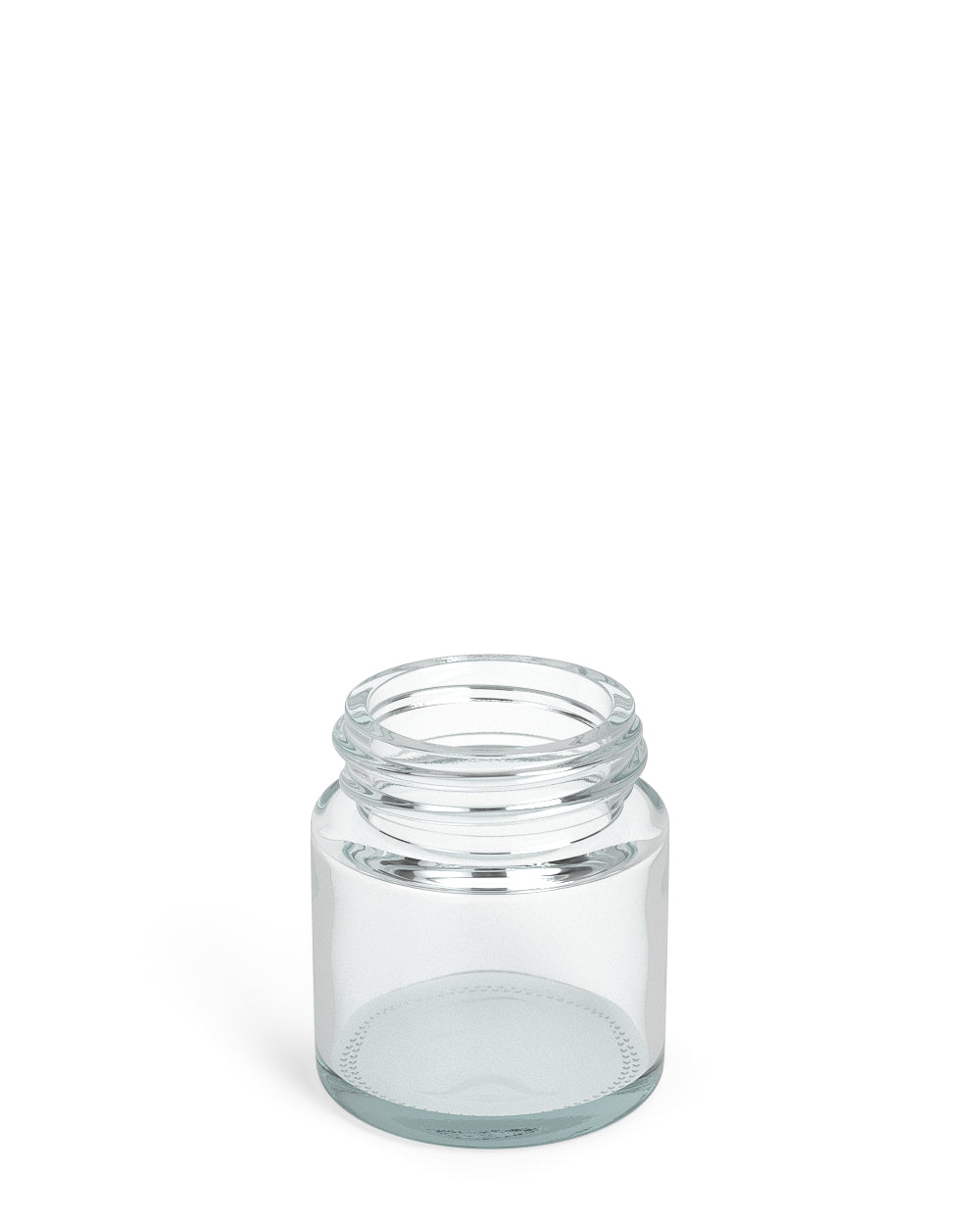
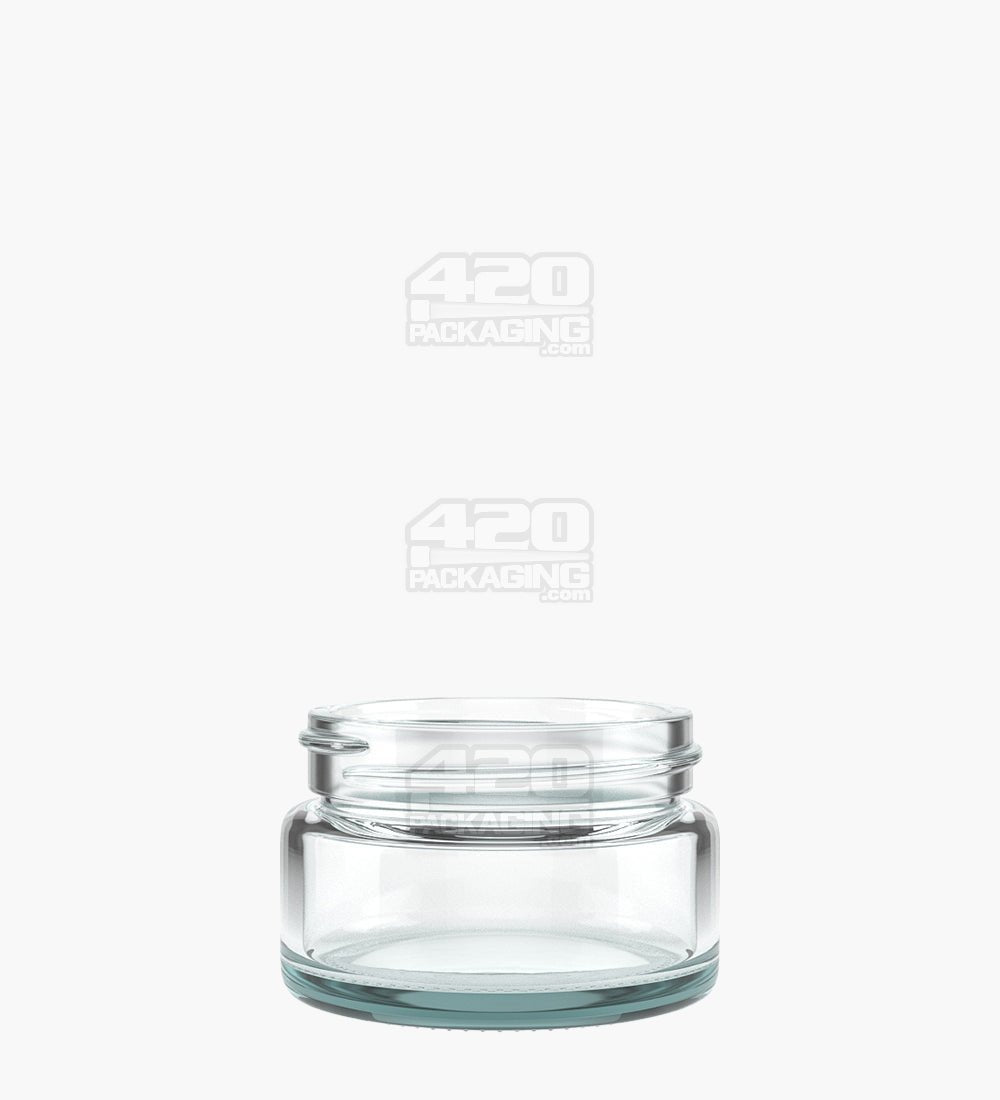
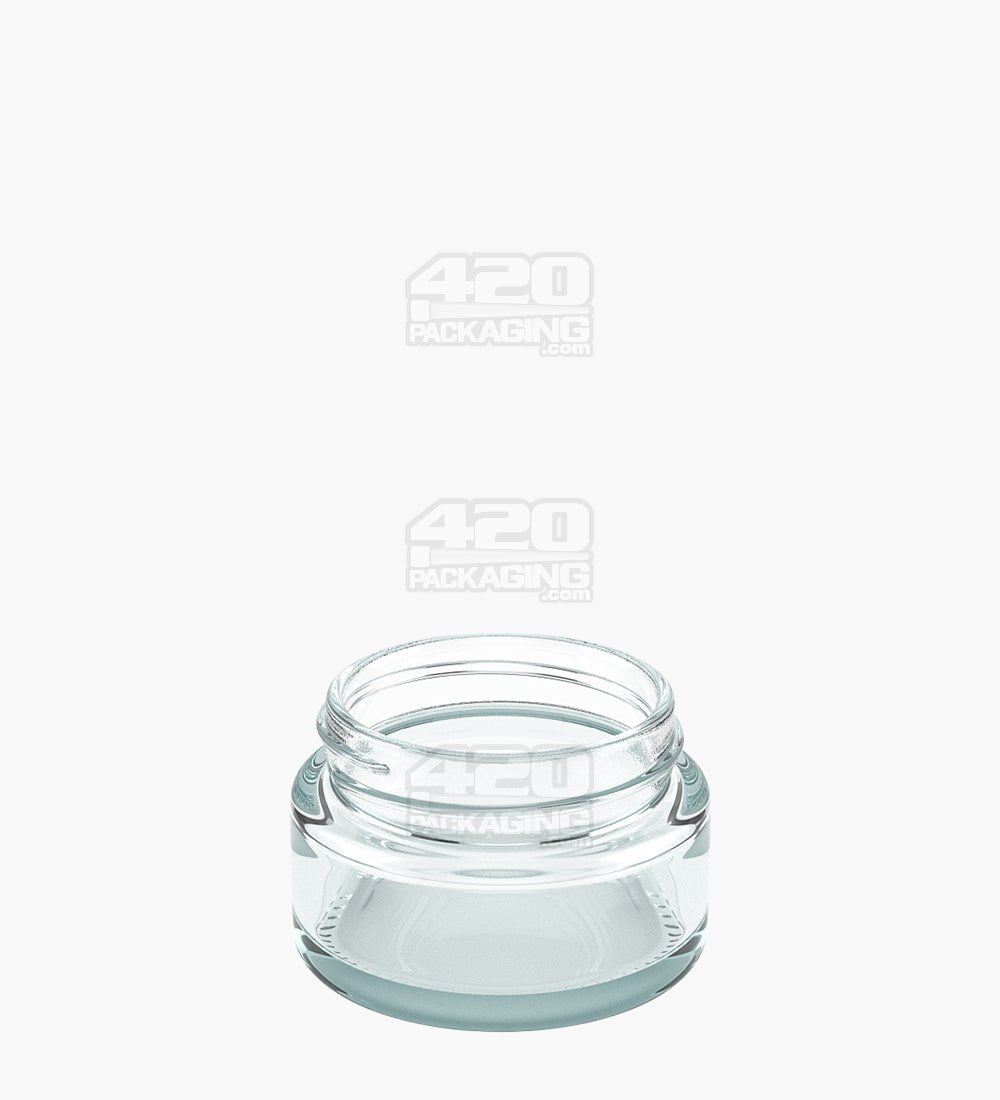
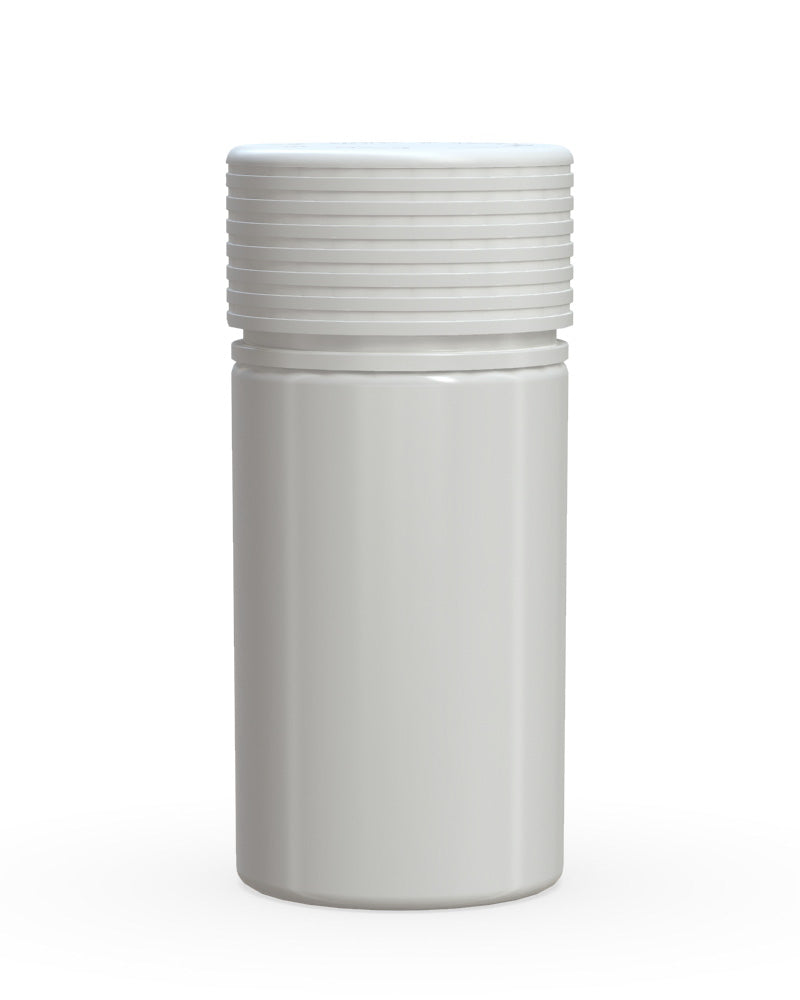
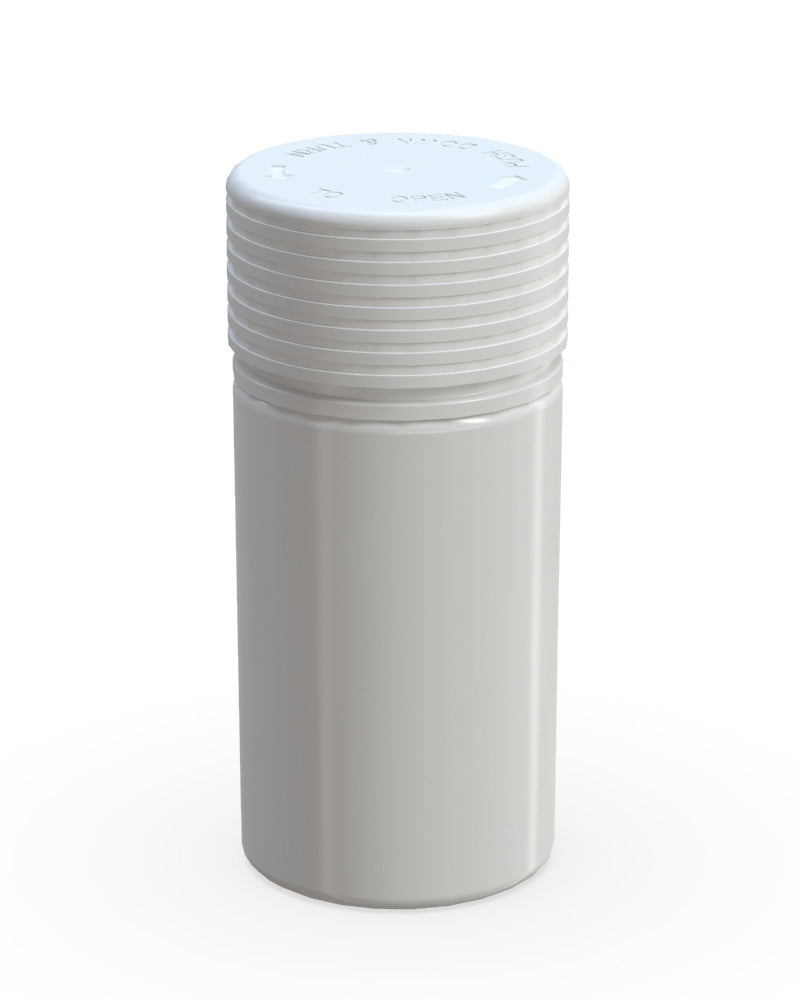
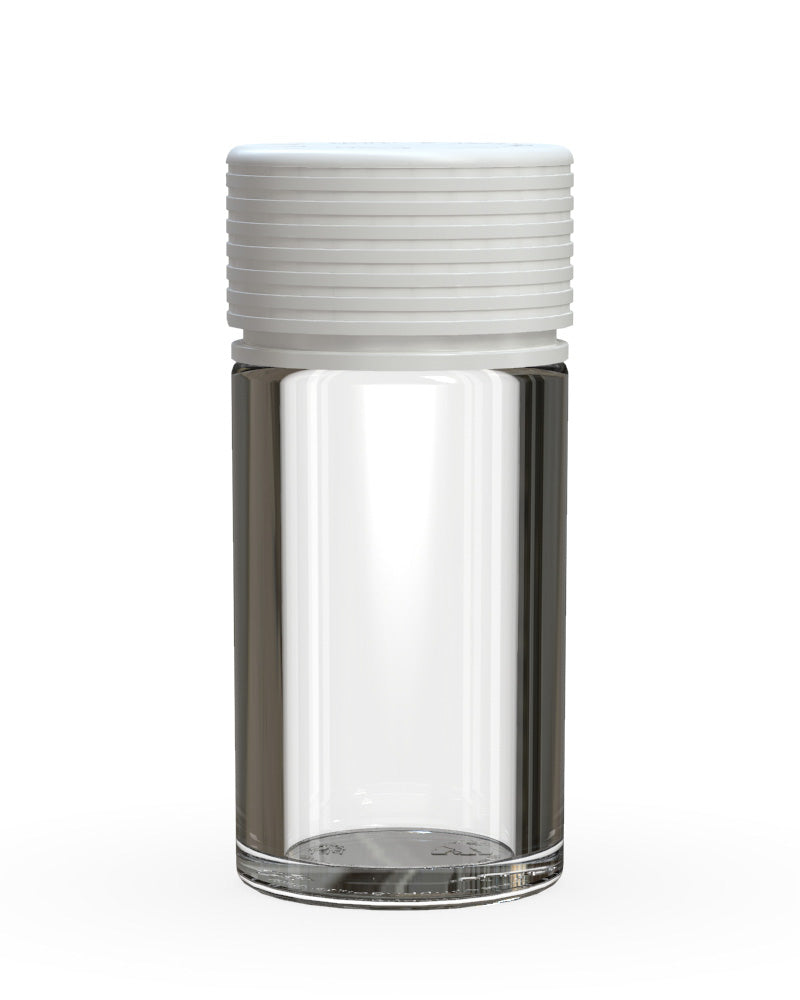
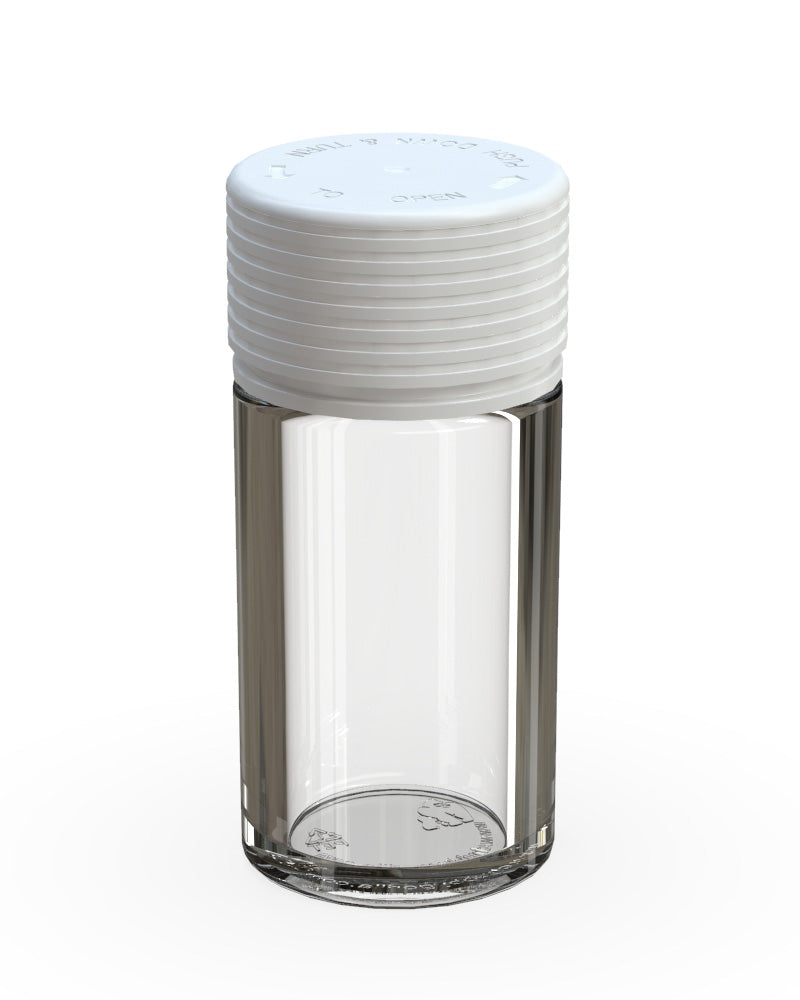
1 oz cannabis jars provide compact rigid packaging for smaller quantities of cannabis flower and other products suited to a one-fluid-ounce container. Marijuana Packaging supplies wholesale cannabis jars in glass and plastic, with clear and opaque finishes and compatible closure options for cultivators, processors, manufacturers, brands, and dispensaries. These containers can support commercial packaging programs that require a smaller retail footprint, reliable product access, and consistent presentation.
When choosing 1 ounce weed jars, the most important distinction is between container volume and cannabis weight. A jar labeled 1 oz has a nominal fluid-volume capacity; it is not designed to hold one ounce of dried flower by weight. Actual product fit depends on flower density, bud structure, internal jar geometry, opening clearance, and headspace. Commercial buyers should also evaluate the material, cap compatibility, sealing requirements, labeling area, and total packaging cost before ordering one-ounce jars in bulk.
Wholesale 1 Oz Cannabis Jars for Commercial Packaging
One-ounce jars are rigid containers identified by their nominal fluid capacity. Their compact format makes them relevant to cannabis businesses packaging smaller quantities of flower or other appropriately sized products.
Compared with larger containers, a 1 oz jar provides a smaller internal space and retail footprint. This can be advantageous when the finished contents do not require a larger package, provided the container offers enough room for proper filling and closure engagement.
Rigid construction also helps protect contents against external compression during normal handling. The finished jar provides a defined surface for product labels, brand identification, and required regulatory information.
Within the broader cannabis jars assortment, one-ounce jars serve a specific size-related purchasing need. They are selected according to nominal container volume, rather than a particular flower weight, material, or closure mechanism.
Why Cannabis Businesses Purchase 1 Oz Jars
For commercial cannabis operations, packaging size influences the amount of space required for inventory, how containers are filled, the appearance of the finished product, and the cost of distribution.
One-ounce jars offer several practical characteristics:
- Compact container format: Suitable for products that fit within a smaller nominal-volume package.
- Rigid construction: Helps protect delicate contents from external compression during routine handling.
- Material flexibility: Glass and plastic provide different weights, appearances, and handling characteristics.
- Product visibility: Clear containers can display the contents without requiring the jar to be opened.
- Opaque packaging options: Colored containers can conceal the product and support different branding approaches.
- Closure compatibility: Suitable containers can be evaluated with standard or child-resistant cap systems.
- Defined labeling surfaces: Allow product identification and required retail information to be applied to the package.
- Wholesale supply planning: Support repeatable purchasing and production when the intended configuration has been approved.
The suitability of a particular jar depends on the product and complete packaging system. A compact container is only useful when it provides adequate product access, closure clearance, and labeling space.
Small Retail Packaging and Brand Presentation
Smaller cannabis portions can benefit from appropriately proportioned containers. A jar that closely suits the contents may create a more intentional retail presentation than an oversized package with substantial unused space.
However, a smaller container is not automatically the most suitable choice. The packaging must accommodate the product's physical structure and provide sufficient clearance for the lid.
For brands developing a consistent line of smaller retail packages, one-ounce jars should be evaluated with the actual product and intended labeling rather than selected solely for their compact appearance.
What Does 1 Oz Mean on a Cannabis Jar?
The term 1 oz can refer to two different types of measurement in cannabis packaging: a unit of fluid volume or a unit of weight.
For this collection, 1 oz refers to the container's nominal fluid capacity. Cannabis flower, by contrast, is sold and labeled by weight.
Important: A 1 oz cannabis jar does not hold one ounce of cannabis flower by weight. The 1 oz designation describes the jar's nominal fluid-volume capacity. One ounce of flower by weight is approximately 28 grams and requires a substantially different packaging evaluation. The amount of flower that fits inside a one-fluid-ounce jar depends on bud density, internal space, opening clearance, and headspace. Always test the intended product in the actual jar before purchasing wholesale quantities.
One Fluid Ounce vs. One Ounce of Cannabis Flower
A fluid ounce measures volume, while a weight ounce measures mass. The measurements are not interchangeable.
For cannabis flower packaging, this distinction matters because dried buds are irregular in shape and contain spaces between individual pieces.
A jar's nominal volume therefore cannot be converted directly into an equivalent weight of cannabis flower without accounting for the physical characteristics of the product.
Commercial buyers should avoid treating a container labeled 1 oz as an appropriate package for a 28-gram flower portion.
Nominal Capacity vs. Usable Capacity
Nominal capacity identifies the general volume category of the container. Usable capacity describes the space available for the product under the intended filling and closure conditions.
These measurements may differ because of the jar's internal geometry, the position of the container opening, and the space required for the installed closure.
A cap or sealing component may occupy some of the space near the jar opening. The finished contents must remain clear of that area so the lid can engage correctly.
For commercial packaging, the actual usable capacity should be assessed with the intended product and closure rather than inferred from the nominal size alone.
Does a 1 Oz Jar Hold 1 Gram of Weed?
Some one-fluid-ounce containers may be suitable for approximately one gram of cannabis flower, depending on the jar design and the flower's density and structure.
However, this is not a universal conversion or guaranteed fill capacity.
A dense one-gram portion may occupy less space than a loosely structured portion of the same weight. Larger buds may also require more opening clearance than smaller pieces.
Businesses packaging that particular retail weight should evaluate 1 gram cannabis jars according to the finished flower fill rather than assuming all one-ounce containers have the same recommended flower capacity.
Why Containers With the Same Capacity Can Fit Differently
Two jars with the same nominal volume may have different internal proportions.
One may have a relatively wide body and shallow interior, while another has a narrower opening and greater internal depth. These differences can affect how flower, small solid products, or other contents fit.
The size and shape of the opening also matter. A jar may have enough overall volume but still be inconvenient to fill if larger pieces cannot pass through the neck comfortably.
For that reason, commercial packaging teams should evaluate the actual container design instead of treating all one-ounce jars as interchangeable.
Flower Density, Headspace, and Product Fit
When a one-ounce jar is used for cannabis flower, the ideal package should accommodate the entire intended portion without unnecessary compression or excessive empty space.
Flower density, bud shape, usable internal volume, and headspace determine whether the finished container provides an appropriate fit.
Dense Flower vs. Loosely Structured Buds
Cannabis flower does not have uniform density. Compact buds generally occupy less space at a given weight than larger, loosely structured buds.
Even when two flower portions have the same net weight, they may settle differently inside a small jar.
This is especially noticeable in compact containers, where modest differences in the size and arrangement of the flower can affect the visible fill level.
Packaging teams should evaluate:
- Bud density: How compactly the flower occupies the available space.
- Individual bud size: Whether larger pieces pass through the opening without being compressed.
- Flower structure: How irregular shapes create unused space between buds.
- Product arrangement: Whether the flower settles naturally during filling.
- Batch variation: Differences between cultivars or production runs.
- Finished presentation: Whether the jar looks proportionate to the enclosed flower.
Weight alone cannot determine whether a particular one-ounce container is suitable for every flower variety.
Headspace in Small Cannabis Jars
Headspace is the unfilled area between the packaged product and the underside of the cap.
Some headspace is necessary to allow the lid and any internal sealing components to function correctly.
Insufficient headspace can compress the contents or interfere with cap engagement. Excessive headspace can make a small portion appear disproportionately low inside its container and may allow unnecessary movement during handling.
For compact one-ounce jars, the desired fill should balance product protection, closure clearance, and the intended retail appearance.
Opening Clearance and Flower Handling
A jar must accommodate flower through its opening as well as inside the body.
Even when the internal volume is adequate, a narrow opening may require larger buds to be compressed or broken apart during filling.
A suitable opening should allow commercial packaging personnel to place the flower into the container using the intended procedure without unnecessary handling.
The finished product should also be accessible to the consumer after the cap has been removed.
Testing a One-Ounce Jar Before Production
Pre-production testing should use representative finished flower and the actual closure intended for commercial packaging.
A practical evaluation should confirm:
- The entire intended portion fits within the container.
- Larger buds can pass through the opening without unnecessary compression.
- The flower settles naturally inside the jar.
- Sufficient headspace remains beneath the installed lid.
- The closure can engage without contacting or damaging the contents.
- The finished fill has an acceptable retail appearance.
- The jar remains practical for opening and product removal.
- The same configuration performs consistently with representative product batches.
A jar approved using only one unusually dense flower batch may not produce the same result with larger or less compact buds. Testing a representative product range helps prevent unsuitable sizing decisions before wholesale purchasing.
1 Oz Glass Jars vs. Plastic Jars
One-ounce jars can use different container materials, each with distinct characteristics involving weight, rigidity, appearance, impact resistance, and barrier performance.
Glass and plastic can both provide useful rigid packaging, but the preferred option depends on the intended product, closure system, handling requirements, and overall packaging economics.
1 Oz Glass Cannabis Jars
One-ounce glass jars provide rigid walls, a substantial tactile presentation, and strong resistance to gas and moisture transmission through the container material.
Glass is also nonporous and relatively chemically stable under many ordinary packaging conditions, although suitability for a particular formulation should still be verified.
Clear glass allows the contents to remain visible, making it useful when a brand wants to display the appearance of cannabis flower.
However, glass is heavier than many plastic alternatives and can break under impact. Those characteristics affect transportation, case packing, warehouse handling, and production procedures.
Brands prioritizing the material characteristics of glass can evaluate the wider glass cannabis jars assortment when selecting containers for different capacities or product lines.
1 Oz Plastic Cannabis Jars
Plastic one-ounce jars generally weigh less than comparable glass containers and are more resistant to shattering during normal handling.
This may offer advantages when purchasing and distributing large quantities of compact retail packages.
Plastic jars can also be manufactured in different shapes, colors, and closure configurations. The actual polymer influences rigidity, transparency, barrier properties, and product-contact compatibility.
Some plastic containers incorporate recycled material, but recycled content should be distinguished from the underlying plastic resin.
Commercial buyers should confirm the material and intended use rather than assuming all one-ounce plastic jars provide equivalent protective characteristics.
Glass and Plastic Material Comparison
| Packaging Consideration | 1 Oz Glass Jars | 1 Oz Plastic Jars |
|---|---|---|
| Container weight | Generally heavier | Generally lighter |
| Resistance to breakage | Can fracture under impact | Generally more resistant to shattering |
| Container-wall barrier | Strong resistance to gas and moisture transmission | Varies according to resin and construction |
| Retail appearance | Substantial, rigid glass presentation | Lightweight, molded packaging presentation |
| Transparency | Clear and available decorated finishes | Clear and opaque material options |
| Product compatibility | Evaluate complete formulation and closure components | Verify specific resin and product-contact requirements |
| Closure performance | Depends on compatible cap and sealing system | Depends on compatible cap and sealing system |
Neither material is automatically child-resistant, airtight, smell-proof, or tamper-evident. Those functions depend on the assembled package and any applicable supporting documentation.
Choosing the Appropriate Material for Bulk Packaging
For small cannabis retail units, packaging weight can be an important commercial consideration.
Glass may support a particular brand presentation and provide strong container-wall barrier characteristics. Plastic may reduce freight weight and the risk of breakage during distribution.
The best material choice should be evaluated according to the product, expected handling conditions, sealing requirements, and finished cost per package.
Jar Shapes, Openings, and Container Design
Container shape influences how a one-ounce jar is filled, labeled, closed, and handled. Even within the same capacity category, different geometries can affect usable interior space and production compatibility.
Straight-Sided One-Ounce Jars
Straight-sided jars have relatively uniform exterior walls that provide a consistent surface for conventional labels.
This shape can be useful when a cannabis brand wants to maintain a coordinated packaging appearance across several small retail products.
The container's proportions still influence how the contents fit and how much room remains beneath the closure.
A straight-sided design does not establish that the jar has the same usable capacity or cap compatibility as another container with a similar exterior appearance.
Wide and Shallow Container Profiles
Some smaller jars have relatively wide bodies and shallower interiors. This can provide convenient access to the contents and a different retail presentation from a taller container.
Opening width can be particularly useful when the packaged product needs to be inserted without compression or removed without unnecessary handling.
However, a wide opening requires a corresponding closure. Cap size, liner contact, and the intended child-resistant mechanism should all be evaluated as part of the complete package.
Taller and Specialty Jar Profiles
Other containers may have narrower bodies or different exterior proportions while sharing the same nominal volume.
These formats can affect product orientation, access, labeling, and how finished units are packed into shipping cases.
Specialty exterior designs may offer branding opportunities, but they can also require different handling or labeling procedures.
For commercial operations, the preferred geometry should suit the product and packaging line rather than be selected solely for visual differentiation.
Neck Finishes and Cap Compatibility
The neck finish describes the opening and thread configuration used to attach a cap.
Two jars with the same nominal capacity may have different neck finishes and require different closures.
Similarly, two caps that appear to have the same diameter may not share the same thread configuration, sealing surfaces, or child-resistant mechanism.
The exact jar and closure pairing should be verified before the container is approved for production.
1 Oz Jars With Lids and Child-Resistant Closures
The cap is a functional part of any completed one-ounce jar package. It determines how the container opens and closes and may contribute to child resistance, sealing, and other protective characteristics.
Some one-ounce jars are purchased as empty containers, while others may be supplied with their corresponding caps. The included components should be confirmed before calculating packaging costs.
Jar-Only vs. Jar-With-Cap Configurations
Purchasing an empty jar allows the buyer to select a compatible closure separately. This may be useful when a cannabis operation already uses an approved cap or requires a specific liner or exterior finish.
However, cap compatibility must be verified independently.
For businesses that prefer matched components, cannabis jars with lids provide a purchasing arrangement in which the intended container and closure are supplied together.
An included cap can simplify procurement, but it does not automatically establish that the finished package is airtight, child-resistant, or tamper-evident.
Child-Resistant One-Ounce Jars
Child-resistant closures are designed to make opening significantly difficult for young children while remaining usable by adults.
Common designs use coordinated opening movements such as pushing down while turning the cap.
However, the child-resistant function depends on the qualifying jar-and-closure combination. An empty jar is not automatically child-resistant, and a child-resistant cap should not be assumed to provide the same performance with every container that appears to fit.
For regulated cannabis packaging, buyers should confirm that the intended system is appropriate for the product category and jurisdiction.
PPPA and Child-Resistant Testing
The Poison Prevention Packaging Act establishes a federal special-packaging framework for certain regulated products.
Under 16 CFR Part 1700, child-resistant packaging is evaluated according to standards intended to make opening significantly difficult for young children while preserving reasonable adult accessibility.
The U.S. Consumer Product Safety Commission's special packaging guidance explains the child-resistant and senior-friendly testing requirements.
The CPSC does not pre-approve or endorse individual package designs. Cannabis-specific packaging obligations also depend on the rules applicable to the intended market.
Documentation supporting child-resistant performance should correspond to the actual jar-and-cap system rather than an unrelated configuration.
Initial and Multiple-Use Child Resistance
Some cannabis regulations distinguish between initial child resistance and child resistance maintained after repeated opening and closing.
For example, the California Department of Cannabis Control's child-resistant packaging guidance identifies different requirements for cannabis flower and certain manufactured cannabis products.
In California, flower may use qualifying initial-use child-resistant packaging, while edibles and certain orally consumed products generally require multiple-use child resistance.
A reclosable one-ounce jar should not automatically be assumed to meet lifetime child-resistant requirements simply because its lid can be screwed back onto the container.
Adult Accessibility and Closure Operation
For compact jars, opening and reclosing the package must remain practical for the intended adult user.
Cap texture, grip area, required pressure, and opening instructions can influence usability.
Packaging teams should evaluate the closure according to its intended mechanism and applicable adult-accessibility requirements rather than assuming that greater opening difficulty means better child resistance.
Closure operation should also be considered during production because incorrect assembly can interfere with the intended locking function.
Cap Liners, Odor Control, and Moisture Protection
A one-ounce jar can provide rigid physical protection, but the completed package's resistance to air, moisture, and odor exchange depends on its material and sealing system.
For cannabis products, those characteristics should be evaluated independently of nominal capacity and child-resistant performance.
Are 1 Oz Cannabis Jars Airtight?
Not every one-ounce jar is airtight.
Glass provides strong resistance to gas transmission through its walls, while plastic materials have different permeability characteristics. In both cases, air can move through an unsuitable or poorly applied closure.
Sealing performance depends on the jar rim, cap, liner, and the manner in which the components are assembled.
A screw-on lid should not automatically be described as creating an airtight barrier without appropriate supporting evidence.
Foam Liners and Inner Seals
Some jar caps incorporate foam liners or other materials intended to establish contact with the container rim.
Additional sealing options may include pressure-sensitive liners or induction-compatible sealing components.
These materials have different functions and application requirements. Not every liner is suitable for every jar material, opening, or packaged product.
Where additional sealing is needed, cap liners and jar seals should be evaluated for compatibility with the intended one-ounce container and closure.
Sealing materials should not interfere with child-resistant operation or reduce the usable product space unexpectedly.
Odor Control for Small Flower Packages
Cannabis flower contains volatile aromatic compounds that contribute to its distinctive scent.
Limiting their escape requires appropriate container walls and a suitable sealing interface at the jar opening.
A one-ounce glass or plastic jar does not automatically provide smell-proof performance merely because it has a cap.
Odor control should be evaluated using the complete assembled packaging system under representative storage and handling conditions.
Moisture and Humidity Management
Moisture conditions can influence the physical characteristics of packaged cannabis flower.
Material barrier performance, closure integrity, product condition at filling, and storage environment all contribute to moisture management.
Some packaging programs use humidity-control accessories, but their suitability depends on the product and container.
Because one-ounce jars provide limited internal space, any added humidity-control component must be considered during fill testing. It should not crowd the product or interfere with closure engagement.
Humidity-control accessories are not substitutes for a properly selected jar and cap.
Tamper-Evident Packaging
Tamper-evident features provide visible evidence that a package has been opened or interfered with.
Depending on the container and closure, these may include compatible inner seals, shrink bands, or other first-opening components.
Child resistance, tamper evidence, airtightness, and odor control are separate packaging functions.
A one-ounce jar should only be represented as providing a particular protective feature when the completed packaging configuration supports that claim.
Cannabis Packaging Applications for 1 Oz Jars
One-fluid-ounce jars can be evaluated for several smaller cannabis product formats, provided the product's physical characteristics and the intended closure are appropriate.
However, the capacity designation alone does not establish suitability for every flower weight, edible formulation, pre-roll format, or concentrate product.
Small Cannabis Flower Portions
Small portions of dried cannabis flower are a primary application for compact jars.
For this use, the important considerations are the physical volume of the buds, the opening's accessibility, appropriate headspace, and the finished package's appearance.
A smaller jar may provide a more proportionate presentation than an oversized container when the contents fit comfortably.
However, buyers should not assume that a particular retail flower weight fits every one-ounce jar.
Concentrates and Other Small-Volume Products
Some one-ounce containers may be considered for suitable concentrates or other small-volume products, but these applications require separate evaluation.
Cannabis concentrates differ in texture, viscosity, chemical composition, and practical filling requirements. The selected container must be compatible with the formulation and provide suitable access and sealing.
For small concentrate portions, a conventional flower jar may be unnecessarily large or poorly shaped for removing the product.
Where formulation compatibility and ease of access are priorities, specialized concentrate packaging may provide a more appropriate solution than a general-purpose one-ounce jar.
Solid Edible Products
One-ounce jars may be considered for certain compact solid edible products when the materials and closure are appropriate for the finished formulation.
Edible packaging introduces requirements involving food-contact suitability, serving count, child resistance, and, in some jurisdictions, opacity.
For example, California generally requires cannabis edible retail packaging to be opaque, subject to specified exceptions. Its final-form packaging guidance also addresses tamper evidence, resealability, and child resistance.
The California Department of Cannabis Control's final-form packaging requirements provide a useful reference for these distinctions.
A clear one-ounce jar should not automatically be assumed suitable as the final retail package for an edible product.
Why One-Ounce Jars Are Not Suitable for Every Pre-Roll
Pre-roll packaging depends heavily on product length, orientation, and the clearance available beneath the cap.
Many compact one-ounce jar designs may not offer the usable internal height required for conventional finished pre-rolls.
Packaging teams should therefore evaluate the actual product rather than assume that every rigid cannabis jar is suitable for pre-roll packaging.
Where the finished pre-rolls require a taller or otherwise specialized container, a different packaging format should be selected.
Product Compatibility Comes Before Capacity
Even when a product physically fits inside a one-ounce jar, other characteristics can make the container unsuitable.
Material compatibility, closure sealing, product access, food-contact requirements, and applicable regulations must also be evaluated.
A jar should only be adopted for commercial use after confirming that it supports the finished product throughout filling, storage, distribution, and intended consumer use.
Labeling, Colors, and Branding Compact Jars
One-ounce jars provide less exterior space than many larger packaging formats. This makes label planning especially important for cannabis brands that must accommodate both promotional artwork and required regulatory information.
Container shape, surface finish, and the position of the cap all affect usable label placement.
Clear and Opaque One-Ounce Jars
Clear glass and plastic jars allow consumers and retail staff to see the contents without opening the package.
This can be useful for flower products where bud appearance contributes to the desired retail presentation.
However, clear containers may also expose the contents to ambient light. Storage conditions and applicable opacity requirements should be considered when selecting a transparent format.
Black, white, and other opaque finishes conceal the product and provide alternative backgrounds for branded graphics.
Actual light protection depends on the material and construction rather than color terminology alone.
Limited Labeling Space
The compact exterior of a one-ounce jar can create challenges when a cannabis product requires detailed labeling.
The usable label area may be further reduced by rounded shoulders, a relatively large cap, tapered walls, or other design features.
Commercial packaging may need to accommodate:
- Brand and product identification.
- The net weight or volume of the contents.
- Strain or product-variant information where appropriate.
- Required cannabinoid and laboratory information.
- Government warnings and cannabis identification symbols.
- Batch, lot, and traceability details.
- Responsible licensee or manufacturer identification.
- Other statements required by the intended market.
The content declaration should identify the actual amount of cannabis in the package. It should not be confused with the empty jar's one-fluid-ounce capacity.
Regulatory Labeling on Small Cannabis Containers
For example, the California Department of Cannabis Control's labeling guidance for nonmanufactured cannabis goods establishes requirements for primary and informational panels, net weight, warnings, the cannabis symbol, and additional product information.
The guidance also addresses labeling where the immediate container is placed inside removable outer packaging.
For one-ounce jars, businesses should determine whether the required information can be displayed legibly on the intended package and whether a permitted outer packaging format is needed.
These requirements vary by jurisdiction and product category. A package that meets one state's labeling rules should not automatically be treated as suitable for every market.
Branding and Jar Finish
A compact jar can support a recognizable brand identity through coordinated container finishes, lid colors, label graphics, and decorative treatments.
For brands with multiple smaller retail products, a consistent jar family may simplify artwork development and help create a unified presentation.
However, decorative treatments should not interfere with cap operation, required opening instructions, or mandatory labeling.
For specialized decoration, custom branded cannabis jars may provide additional options depending on the material and available program.
Artwork should be approved using the actual closed container rather than an isolated label layout.
Choosing Between 1 Oz and Larger Jar Sizes
Choosing a nominal jar size requires balancing the product's physical volume with closure clearance, retail presentation, and packaging cost.
A smaller jar may be appropriate when the contents fit comfortably, while a larger container may be necessary for bulkier flower, additional internal accessories, or different product configurations.
When a 1 Oz Jar Is Appropriate
A one-ounce jar may be suitable when the intended product occupies a relatively small amount of space and does not need the capacity of a larger rigid container.
For smaller flower portions, the compact package can reduce the appearance of excess empty space while still providing rigid protection.
The decision should be based on actual fill testing rather than assuming that every one-ounce jar accommodates the same weight.
When a 2 Oz Jar May Be Better
Some products require additional internal space because of bud structure, opening requirements, or the presence of internal packaging accessories.
A larger container may be appropriate when a one-ounce jar compresses the contents or prevents the intended closure from engaging properly.
The 2 oz cannabis jars category provides an adjacent nominal-capacity option for products requiring more space.
Moving to a larger jar should be justified by product fit and packaging function rather than treated as an automatic improvement.
Why Larger Flower Weights Need Separate Evaluation
One ounce of cannabis flower by weight is a substantially different purchasing requirement from a one-fluid-ounce jar.
Brands packaging larger flower portions should evaluate containers according to the actual product weight, bud density, and usable internal volume.
It is not appropriate to infer that a jar with a one-ounce fluid-capacity label will accommodate a 28-gram flower portion.
This distinction helps prevent capacity mistakes when procurement teams work with both fluid-ounce container specifications and weight-based cannabis retail formats.
Choosing the Smallest Suitable Container
The objective is not necessarily to choose the smallest container available. It is to select the smallest practical jar that accommodates the product without compromising filling, closure operation, protection, or labeling.
Before moving between jar capacities, consider:
- The actual product volume and physical structure.
- The opening clearance required for filling.
- The necessary headspace beneath the cap.
- Any internal accessories or sealing components.
- The desired appearance of the finished fill.
- Labeling and regulatory requirements.
- Production equipment compatibility.
- Freight, storage, and overall packaging costs.
Using representative product samples is more reliable than selecting capacity solely from nominal jar-size terminology.
Buying Wholesale 1 Oz Jars in Bulk
Wholesale one-ounce jar purchasing should account for the complete cost and performance of the finished package.
For cannabis cultivators, processors, manufacturers, brands, and dispensaries, an empty jar is only one component of a packaging system that may also require compatible caps, liners, tamper-evident features, labels, and other materials.
Calculating Cost per Finished Package
For compact retail products, packaging costs can represent a meaningful portion of the finished unit's cost.
When evaluating one-ounce jars wholesale, consider:
- Empty jar: The glass or plastic container cost at the intended purchasing quantity.
- Compatible closure: Any separately required cap and child-resistant mechanism.
- Sealing materials: Liners, inner seals, or other components required for the intended packaging performance.
- Tamper-evident features: Additional components required to indicate first opening.
- Labeling: Printed labels, variable product information, artwork, and application labor.
- Freight: Shipping weight, protective packing, and delivery costs.
- Warehouse handling: Storage needs and material-management procedures.
- Production operations: Filling, capping, inspection, labeling, and finished-case packing.
- Quality control: Component verification, samples, and finished-package testing.
- Inventory allowances: Materials needed for production setup, damaged components, and recurring orders.
The cheapest empty jar is not necessarily the most economical package. Closure costs, compatibility issues, production handling, and transportation can all affect the final cost per retail unit.
Coordinating Jar and Cap Inventory
When jars and caps are purchased separately, both components must be available in compatible quantities before production begins.
A shortage of approved closures can interrupt filling even when sufficient empty jars are in stock.
Procurement teams should maintain records of the approved jar-and-cap configuration to help prevent unexpected substitutions during future orders.
This is particularly important when child-resistant qualification or sealing performance depends on a particular combination of components.
Production Efficiency With Compact Jars
Small containers can require careful handling during filling, capping, and labeling.
The jar should remain stable during the intended process, and the opening must allow product insertion without unnecessary manipulation.
Caps should engage consistently using the operation's manual or automated procedure. Labels must be positioned accurately despite the container's limited exterior surface.
Packaging teams should evaluate these factors using representative production conditions rather than assuming a compact jar will automatically be easier to process.
Pre-Production 1 Oz Jar Checklist
Before approving a wholesale one-ounce jar configuration, confirm the following:
- The container has the intended nominal one-fluid-ounce capacity.
- The actual product fits within the usable internal space.
- Representative flower structures or other product variations have been evaluated.
- The opening allows practical filling and product removal.
- Appropriate headspace remains beneath the installed closure.
- The jar material is suitable for the intended product and storage conditions.
- The selected cap matches the container's exact neck finish.
- Any required child-resistant performance is supported by applicable documentation.
- Any sealing or tamper-evident components are compatible with the system.
- The selected finish provides the intended product visibility or opacity.
- The compact labeling surface accommodates all required information.
- The package works with the intended filling, capping, and labeling process.
- Freight and storage considerations are acceptable for the purchasing volume.
- Approved components can be sourced consistently for repeat production.
- Representative finished packages have been evaluated before a large wholesale order.
Packaging Documentation and Verification
Depending on the intended product and jurisdiction, technical documentation may be necessary to establish the characteristics of the container and closure system.
Where child resistance is required, applicable testing or qualification records should correspond to the actual assembled package rather than a different jar or lid.
Marijuana Packaging maintains a product certifications resource with available documentation for certain packaging products and configurations.
Commercial buyers should verify the scope of the relevant records and confirm the packaging requirements applicable to their finished cannabis product.
Wholesale 1 Oz Cannabis Jars for Your Packaging Operation
One-ounce cannabis jars provide a compact rigid-container format for smaller products that fit within their usable internal capacity. Their suitability depends on the actual contents, jar geometry, material, and installed closure.
Marijuana Packaging supplies wholesale cannabis jars and compatible packaging components for cultivators, processors, manufacturers, brands, and dispensaries developing small-format retail packaging.
By distinguishing nominal fluid capacity from cannabis weight and evaluating product fit, cap compatibility, labeling, and total packaging cost, businesses can select one-ounce jar configurations that support consistent commercial production and an appropriate finished retail presentation.
Frequently Asked Questions About 1 Oz Jars
A 1 oz jar is identified by its nominal fluid-volume capacity, not a fixed cannabis flower weight. The actual amount of flower it can hold depends on bud density, shape, usable internal space, and headspace. Some one-fluid-ounce jars may suit smaller flower portions, but commercial buyers should test the intended fill with the actual container and closure before ordering in bulk.
No. A one-fluid-ounce jar should not be confused with a container designed to hold one ounce, or approximately 28 grams, of cannabis flower by weight. Fluid ounces measure volume, while weight ounces measure mass. Packaging for a full ounce of flower requires a separate capacity evaluation based on the actual buds and the selected jar's internal space.
Yes. One-ounce cannabis jar formats are available in glass and plastic, with different container and closure configurations. Glass provides rigid construction and strong container-wall barrier properties, while plastic generally weighs less and offers greater resistance to shattering. The appropriate material depends on the packaged product, branding, handling requirements, and total wholesale packaging cost.
Not every one-ounce jar includes a lid, and an empty container is not automatically child-resistant. Some jars are sold separately from compatible closures, while others are offered as matched jar-and-cap systems. Businesses should verify the included components and ensure any required child-resistant performance is supported by documentation for the actual packaging configuration.
Yes. Marijuana Packaging supplies wholesale cannabis jars suitable for small-format packaging programs. Commercial buyers should evaluate nominal capacity, actual product fit, glass or plastic material, cap compatibility, labeling area, and total finished-package cost. Testing representative products and approved closures before a large order helps maintain consistency across production runs.