

Black Jars
Find Marijuana Packaging solutions for every product and every stage of your business. Our selection includes stock and custom packaging designed to protect your products, meet cannabis compliance requirements, and showcase your brand.
Filters
19 products
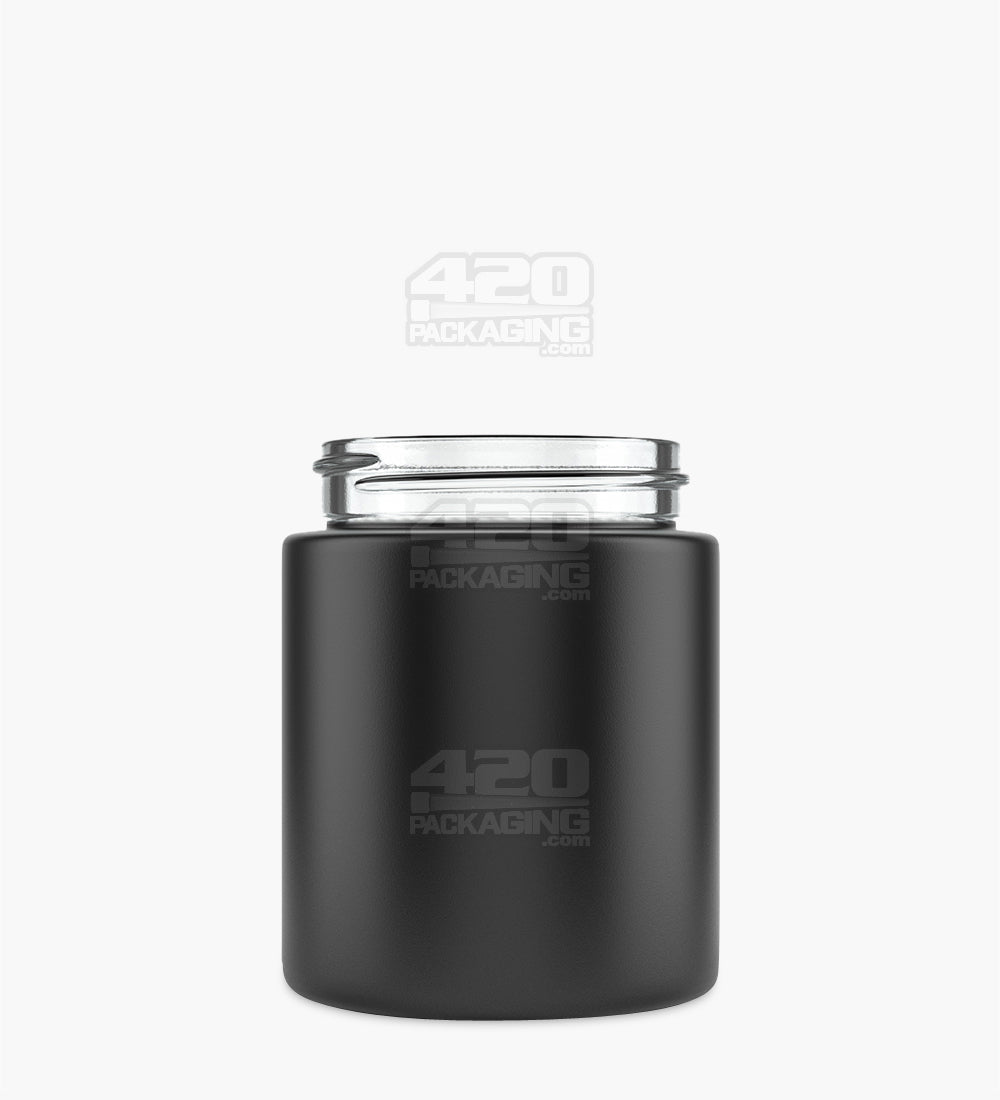
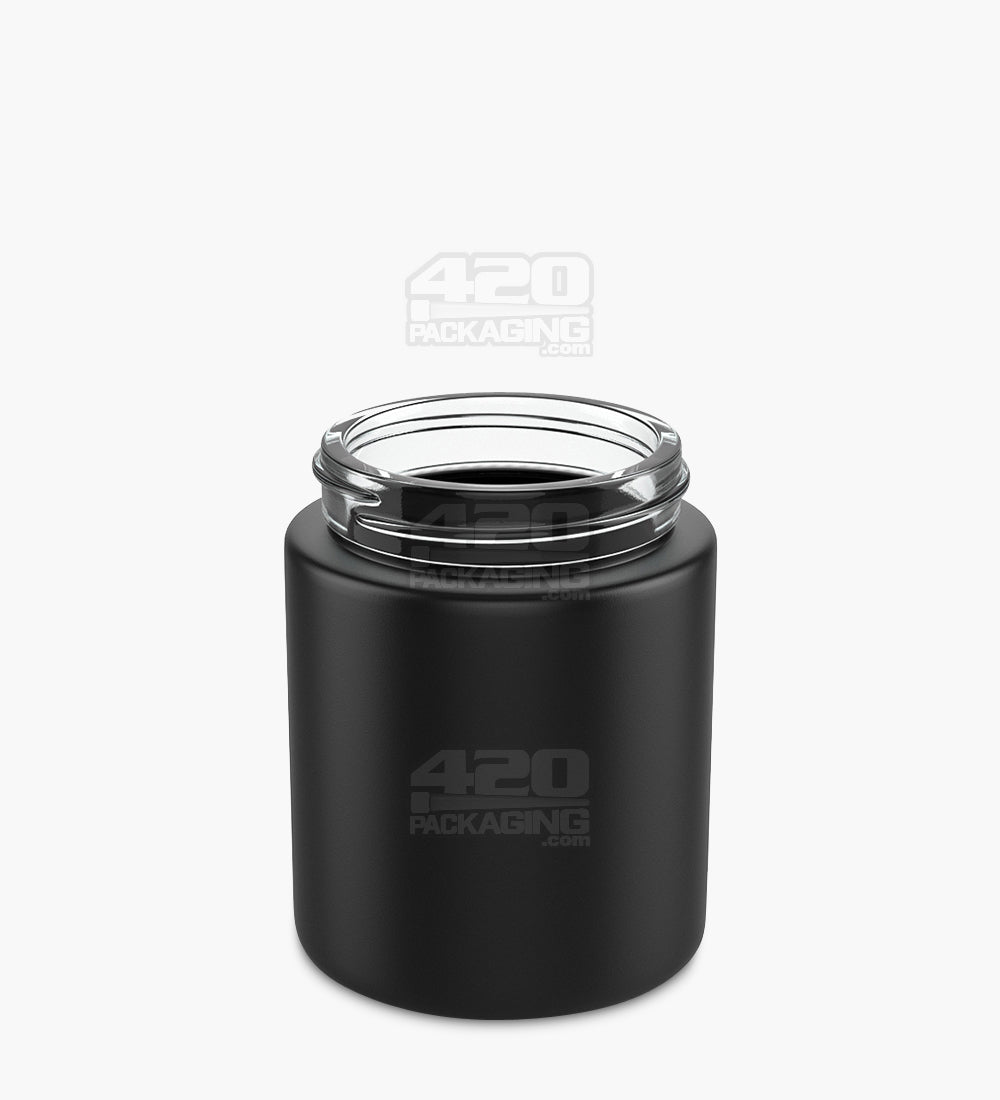


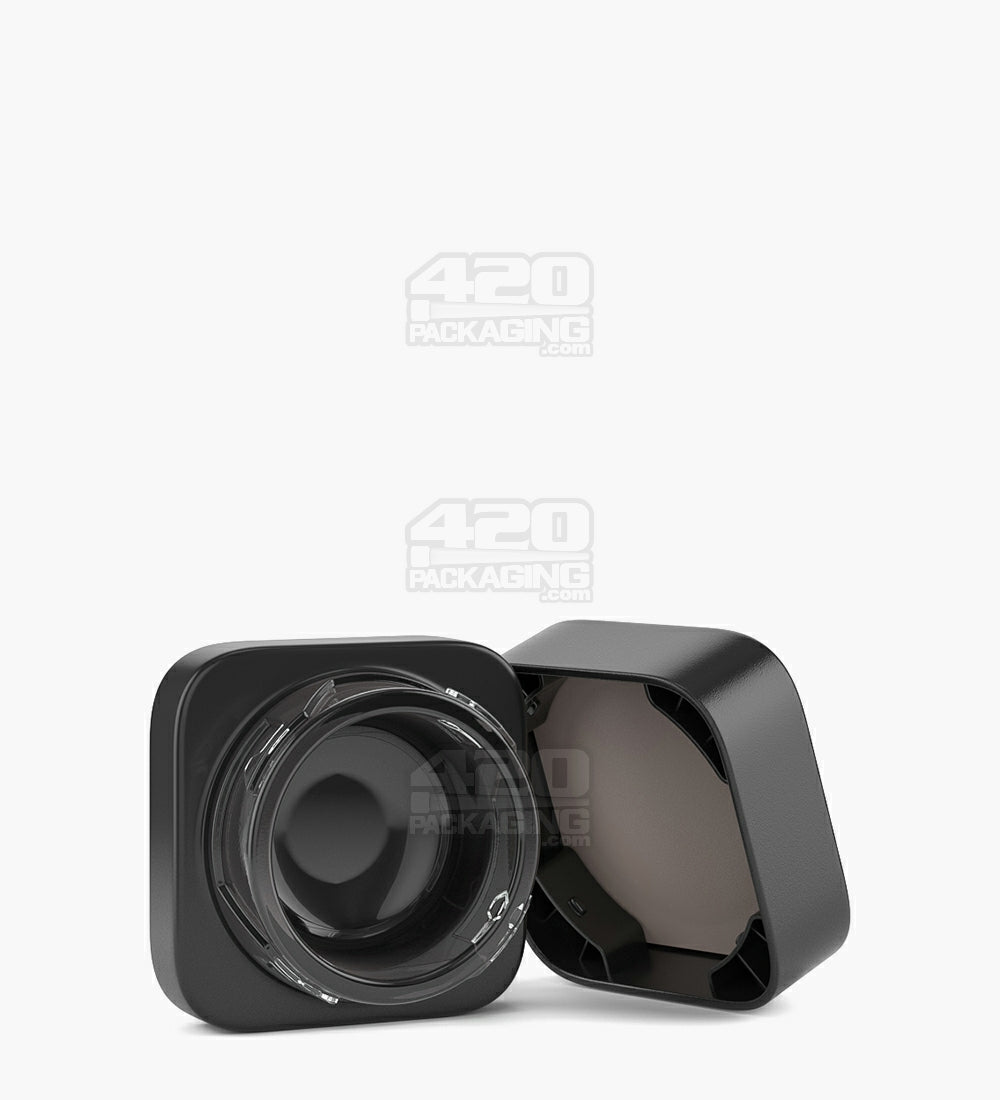
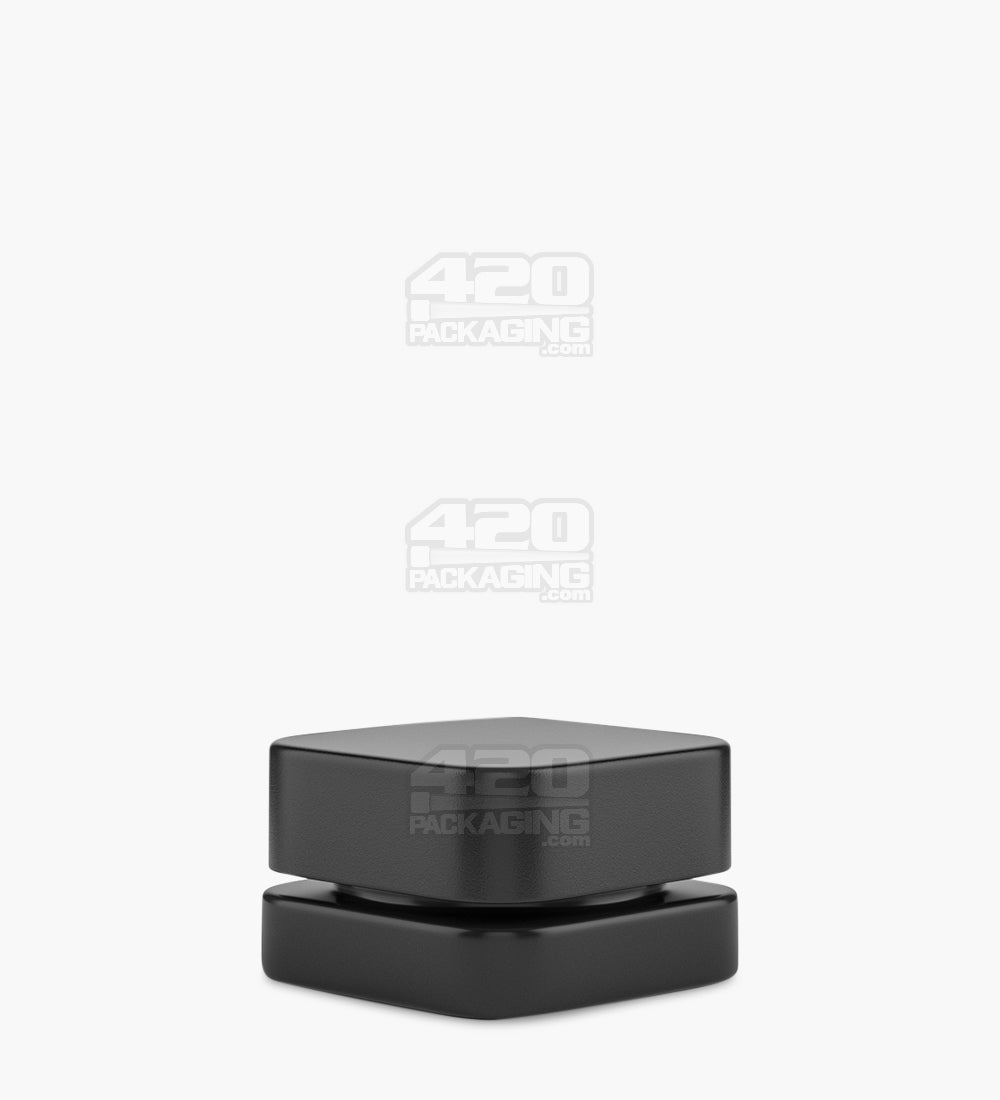
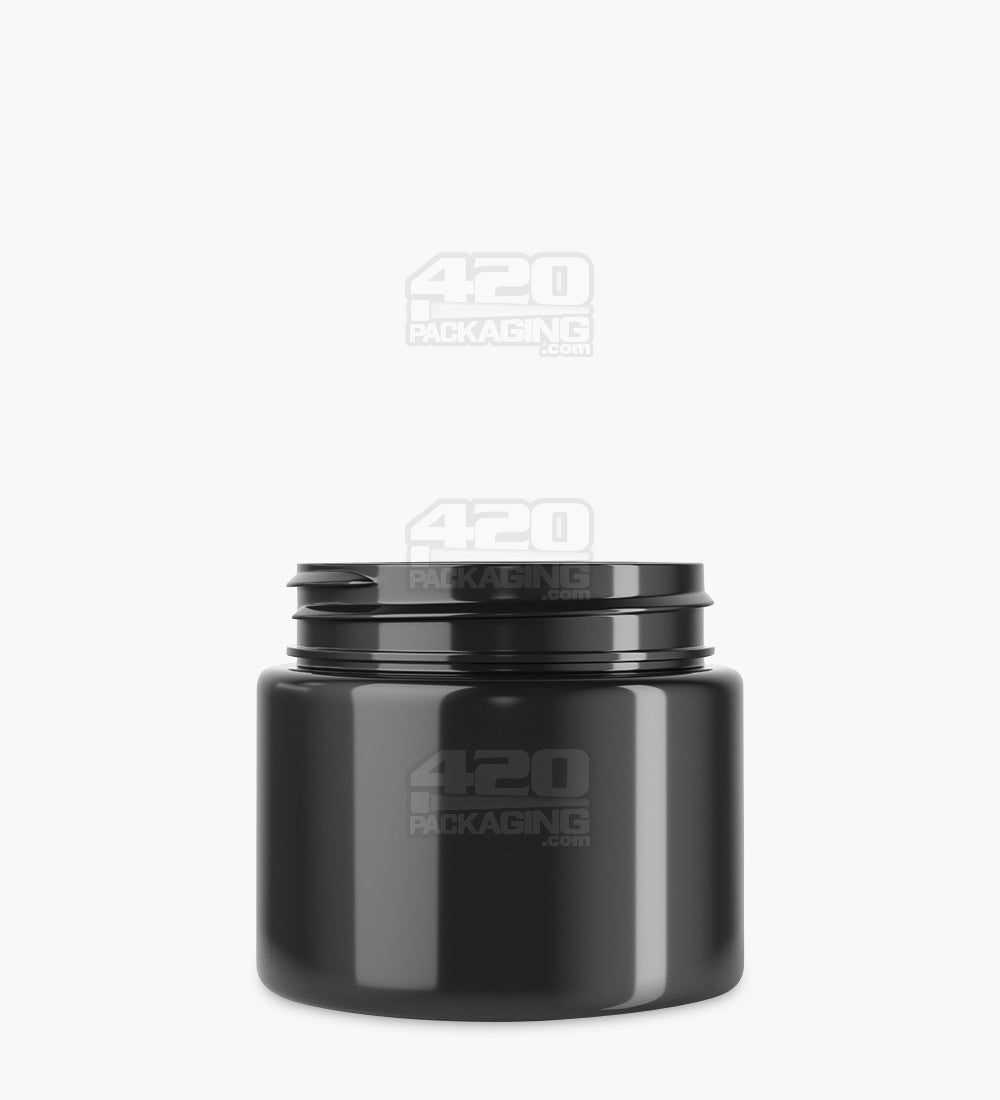

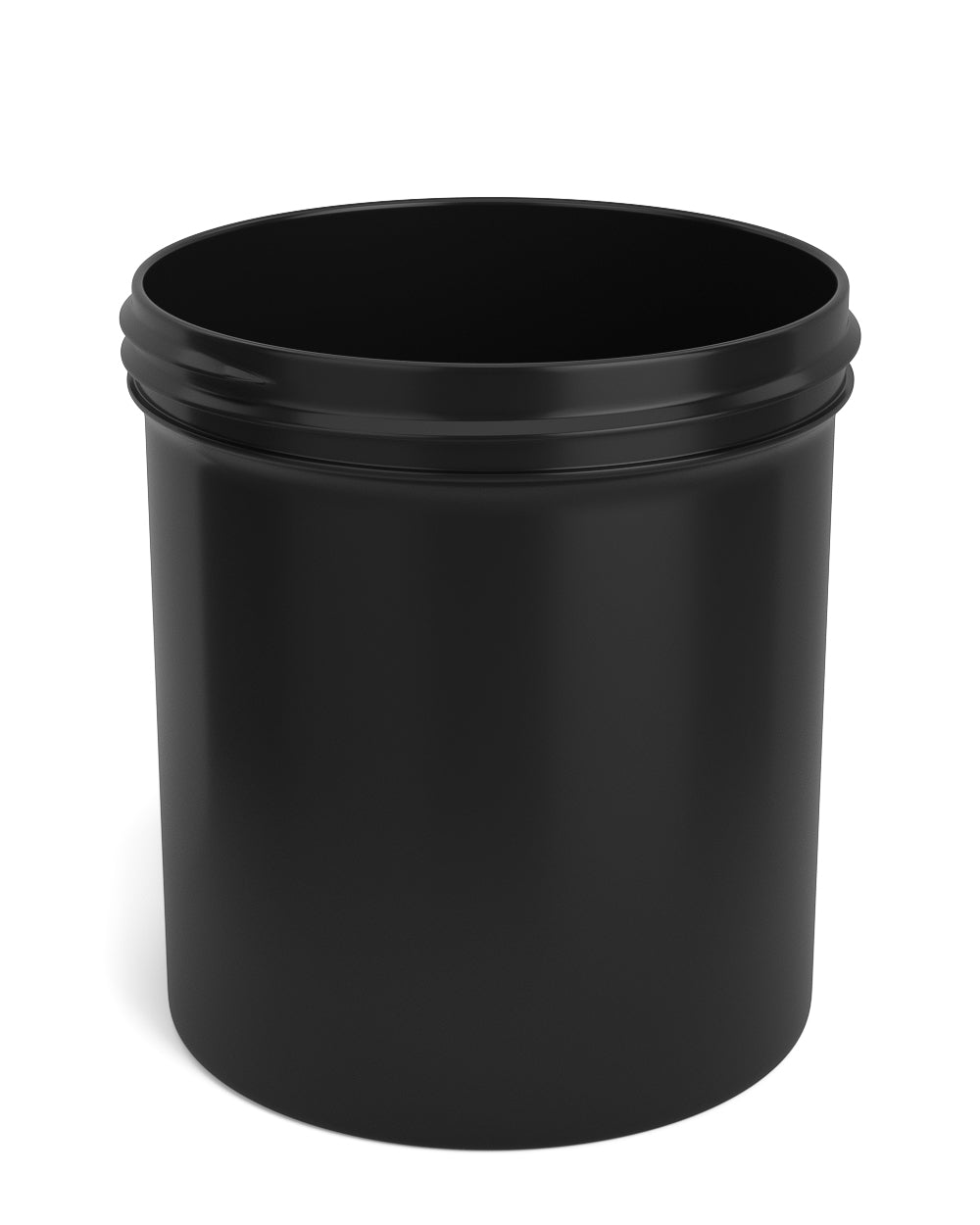
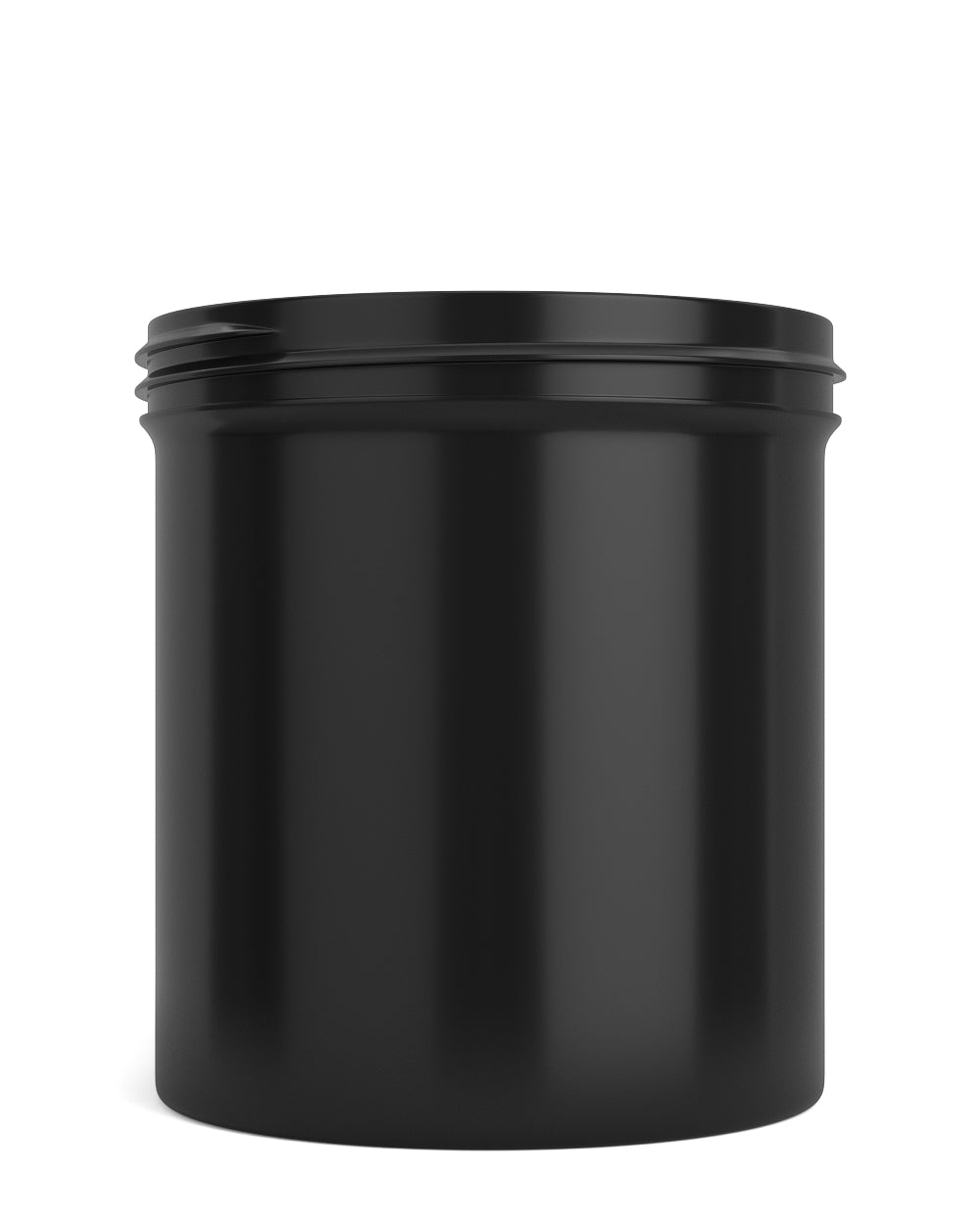
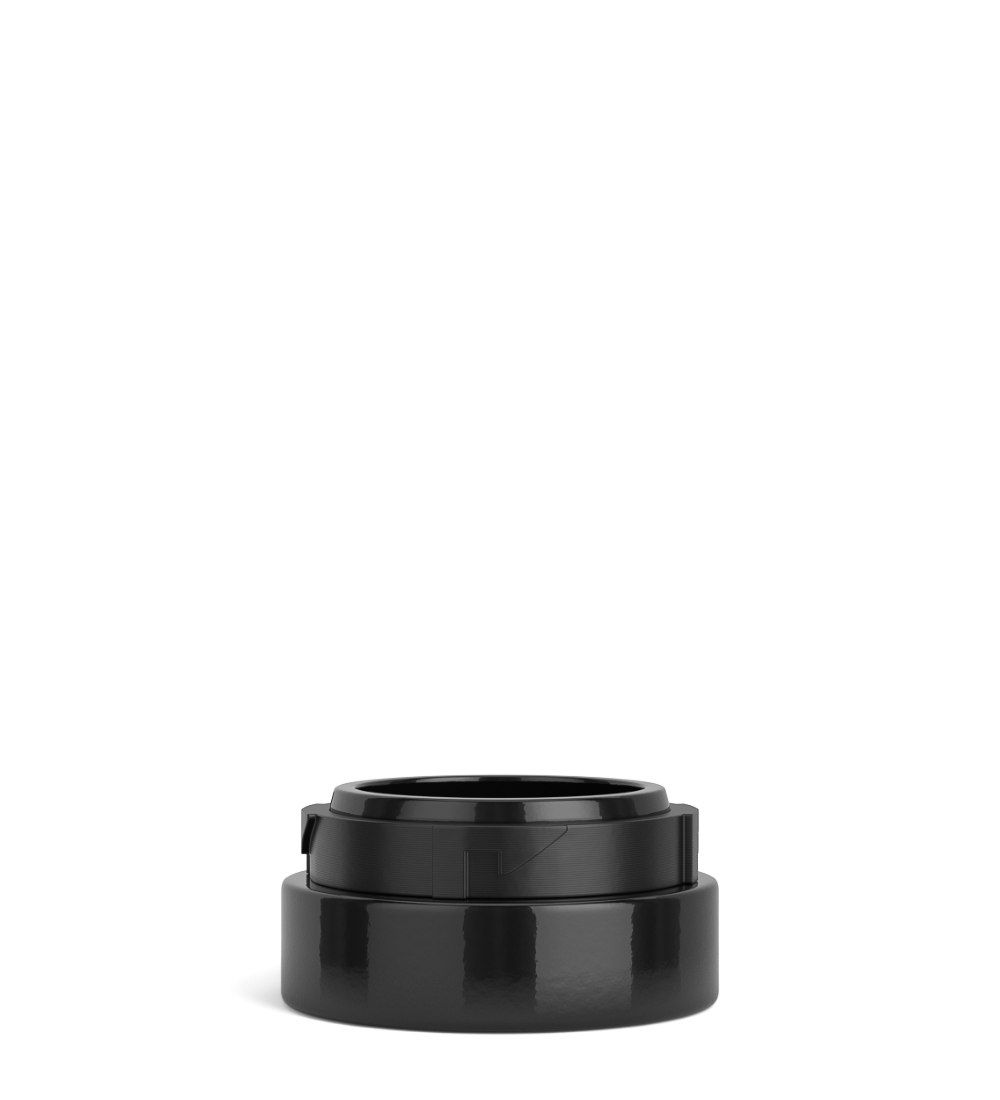
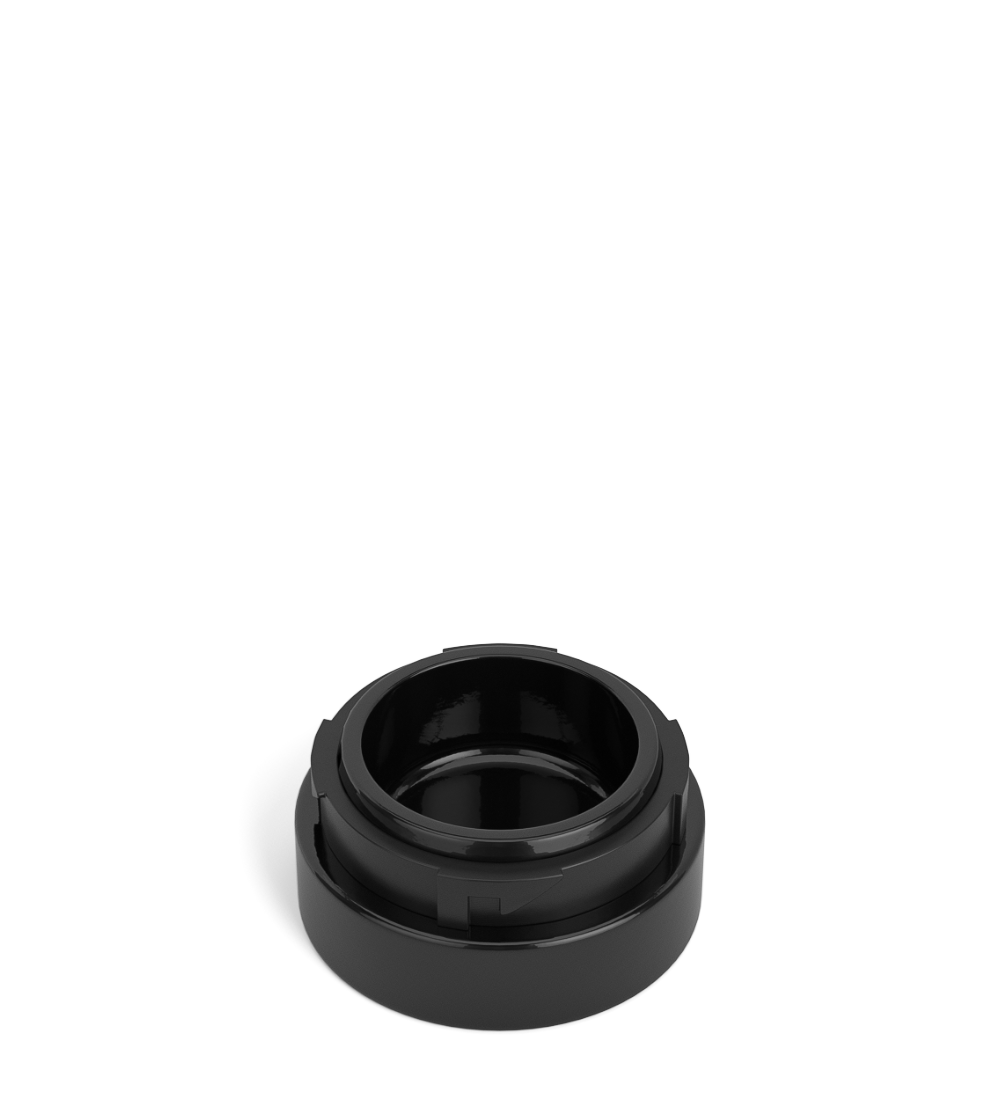
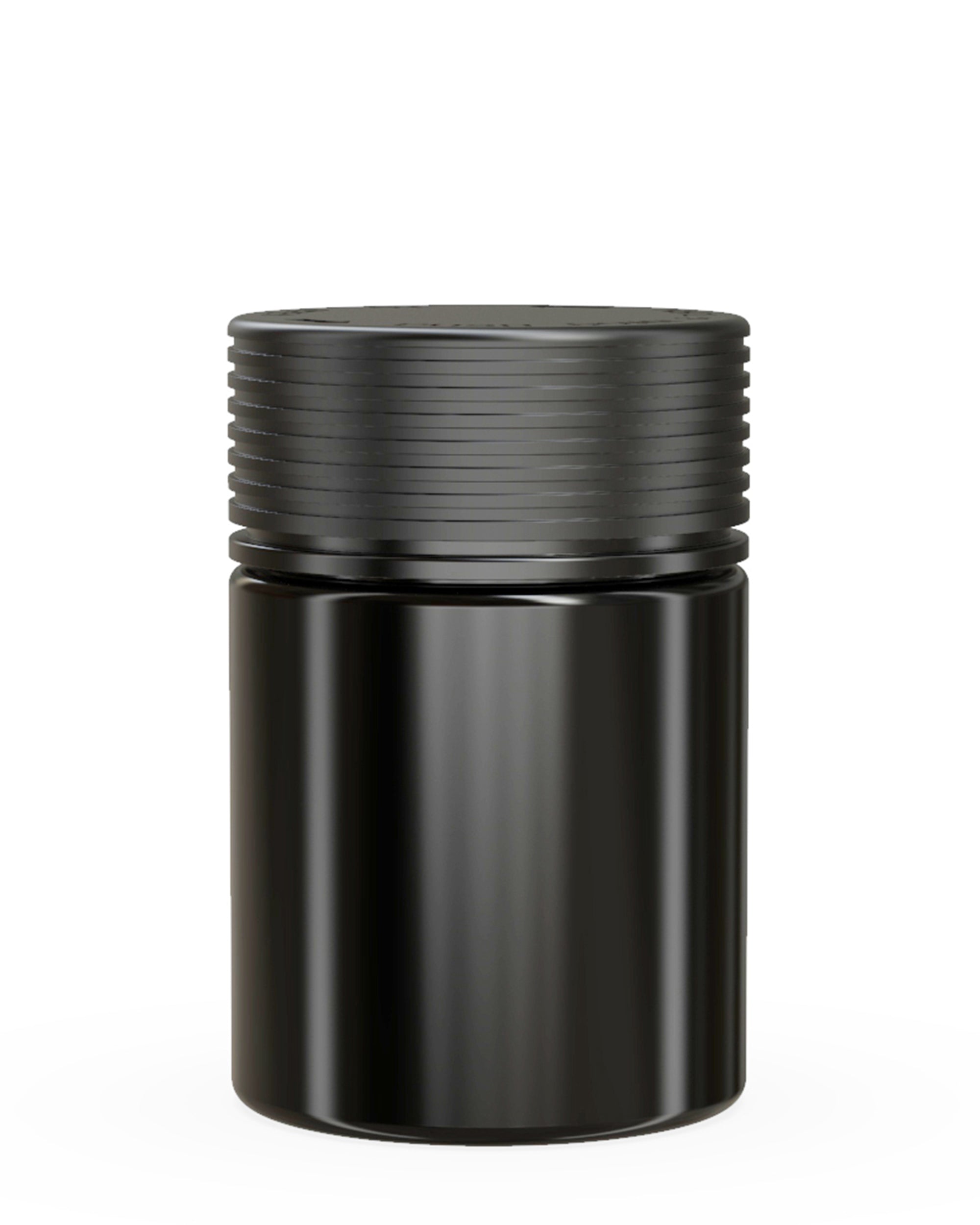
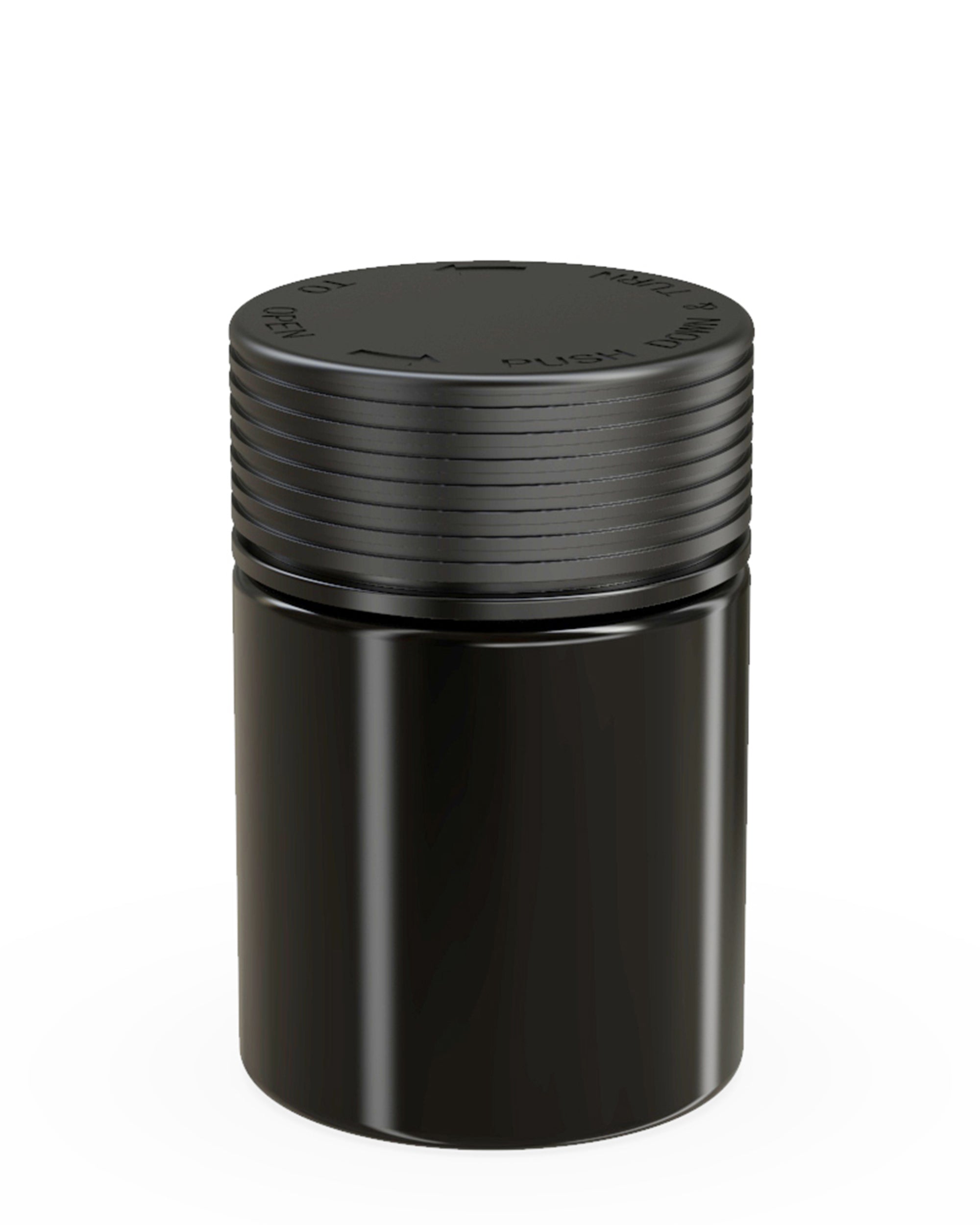
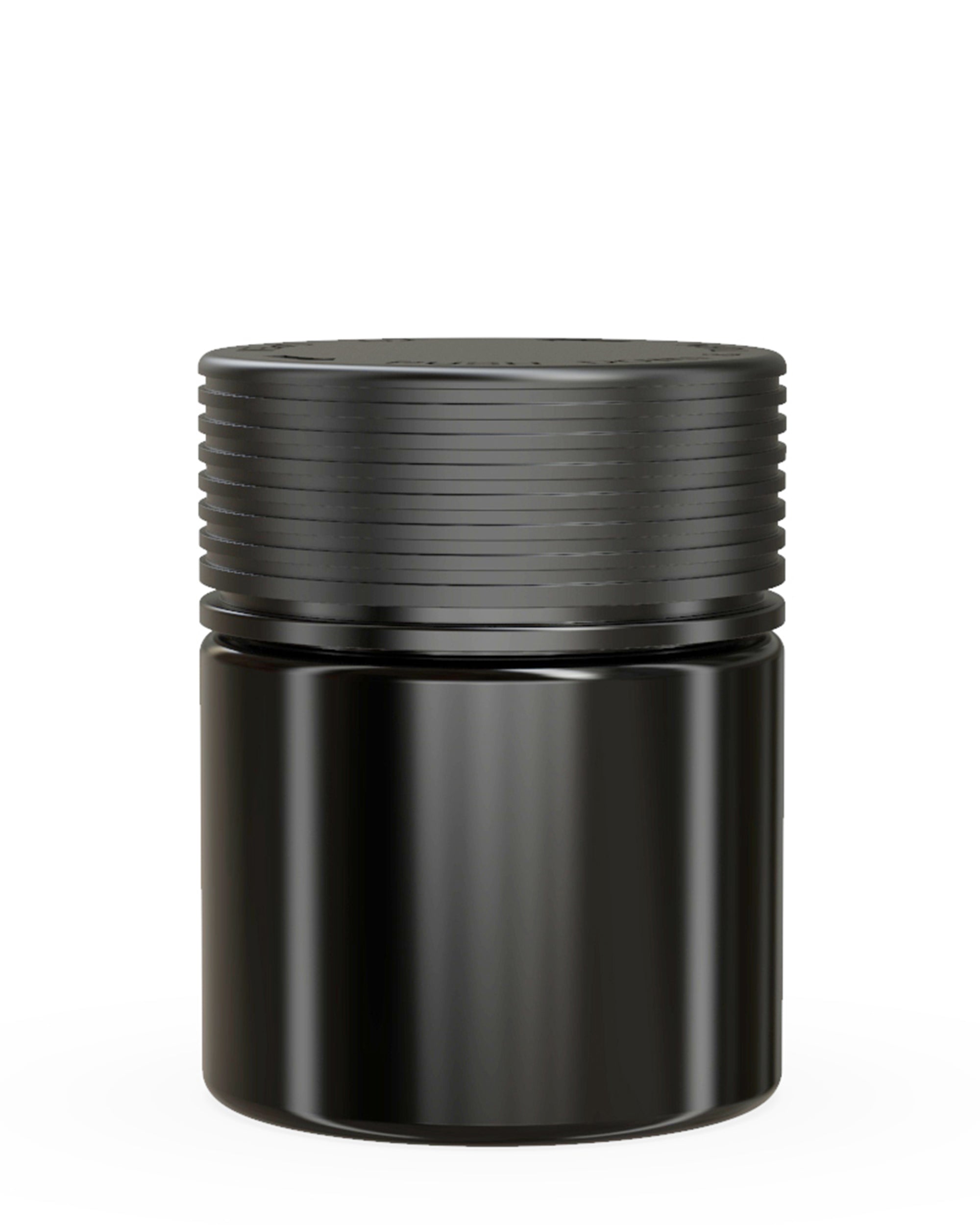
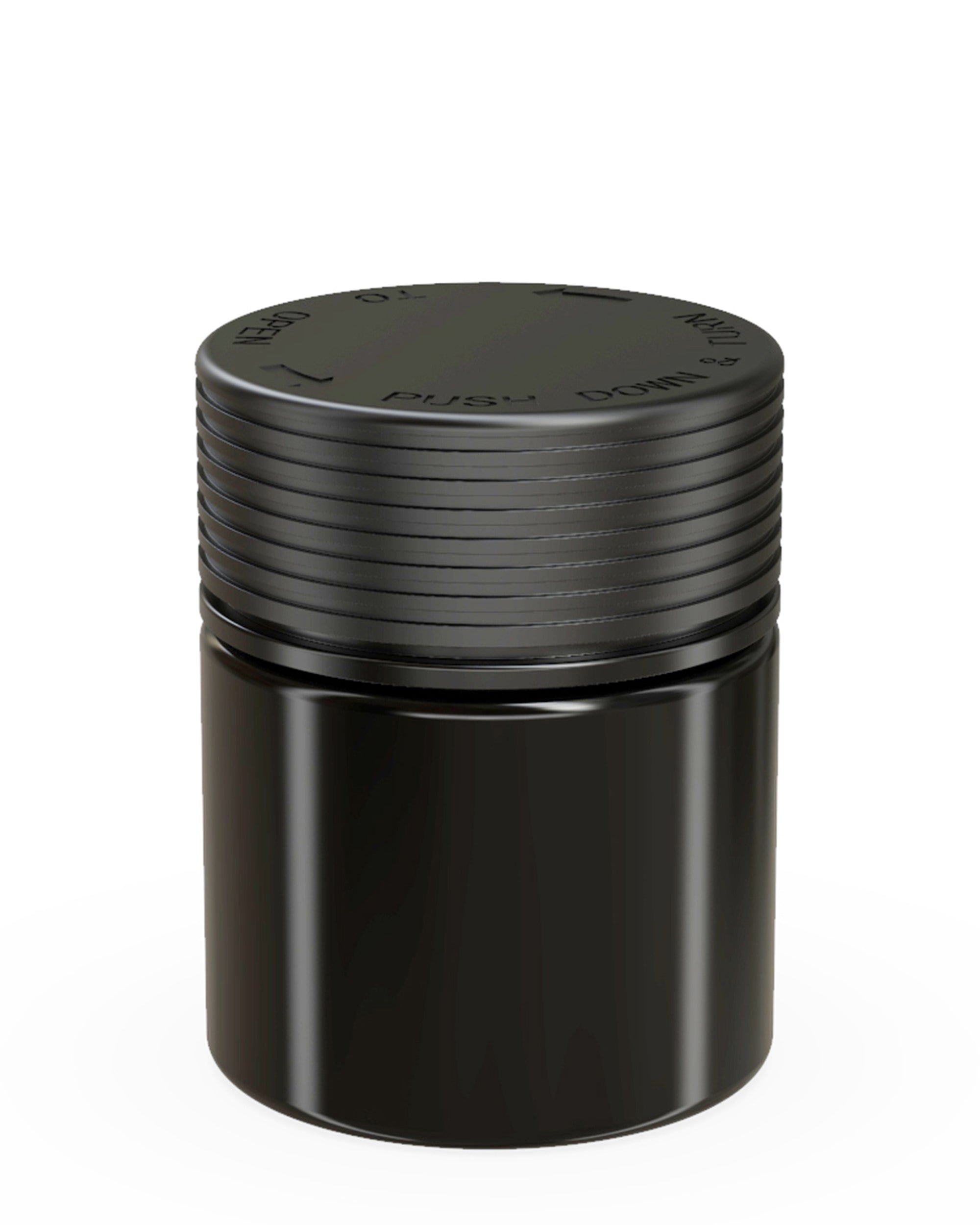
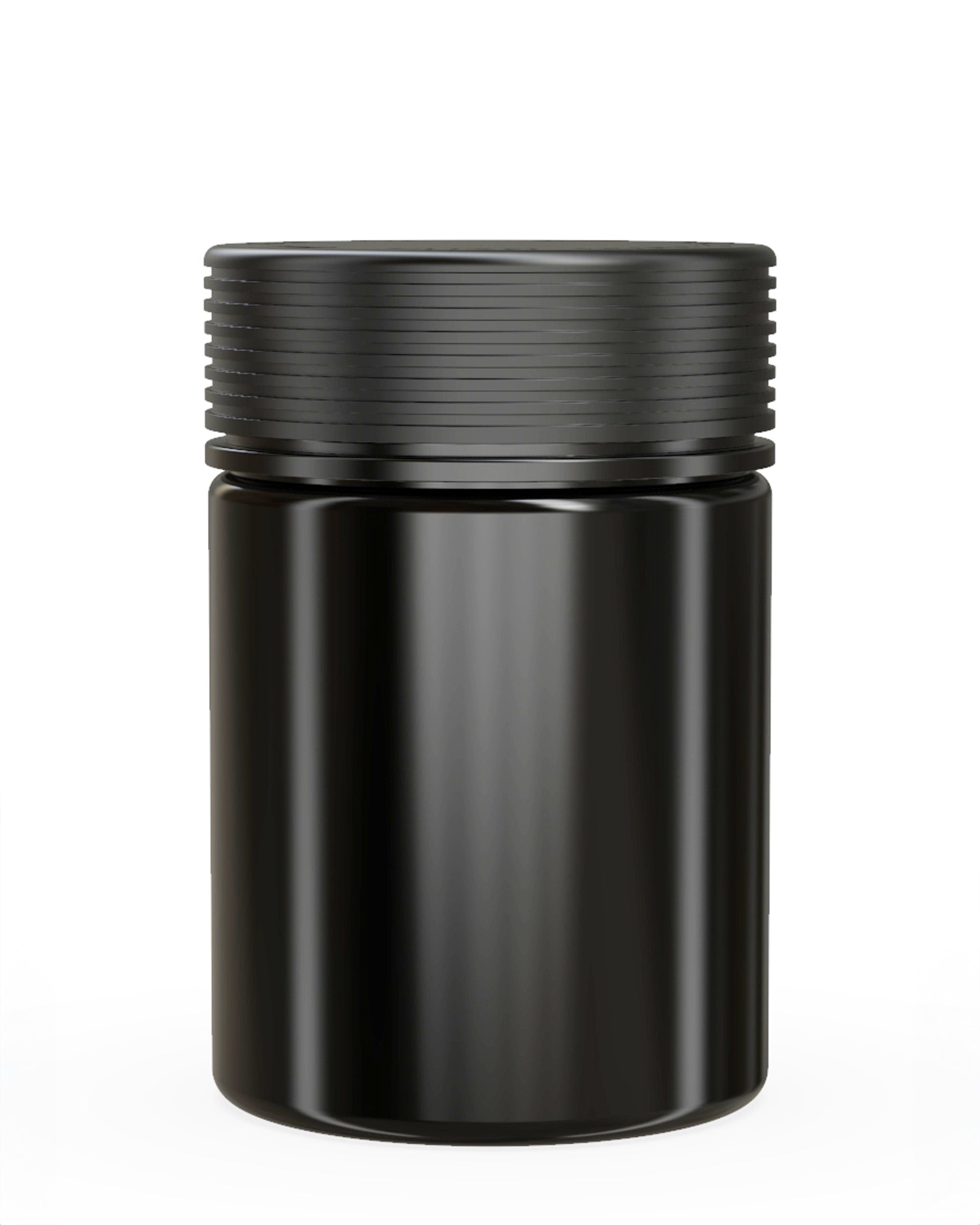
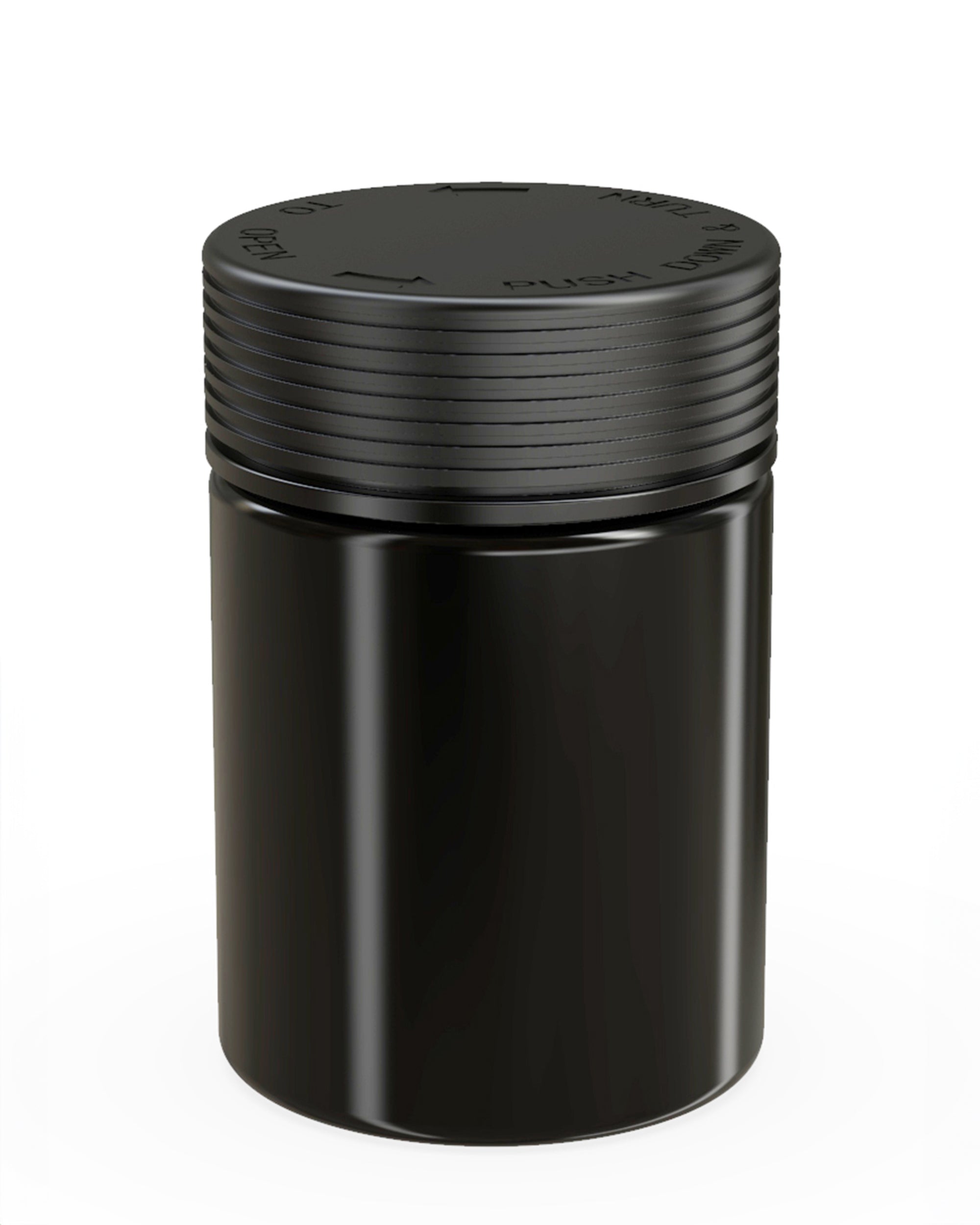
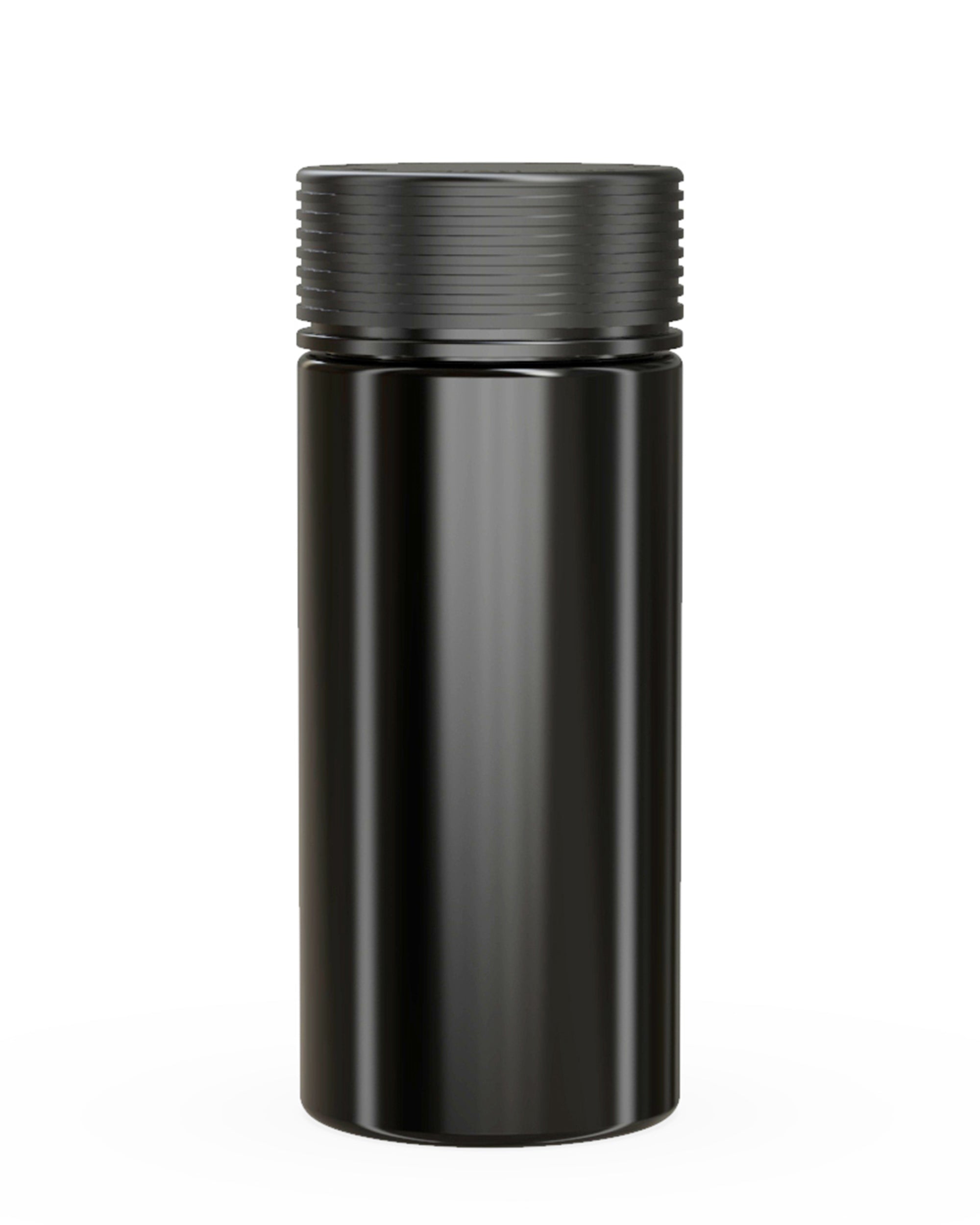
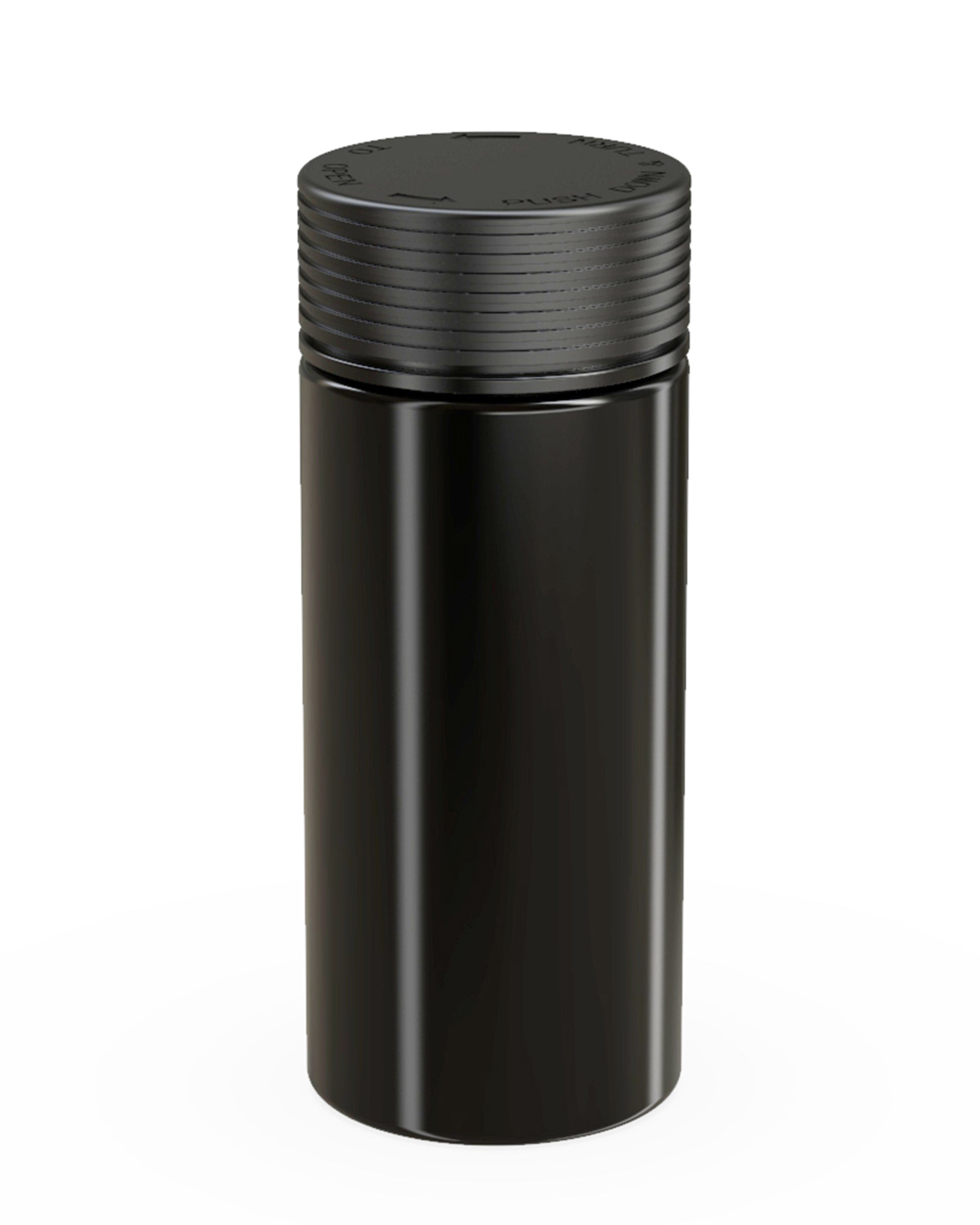
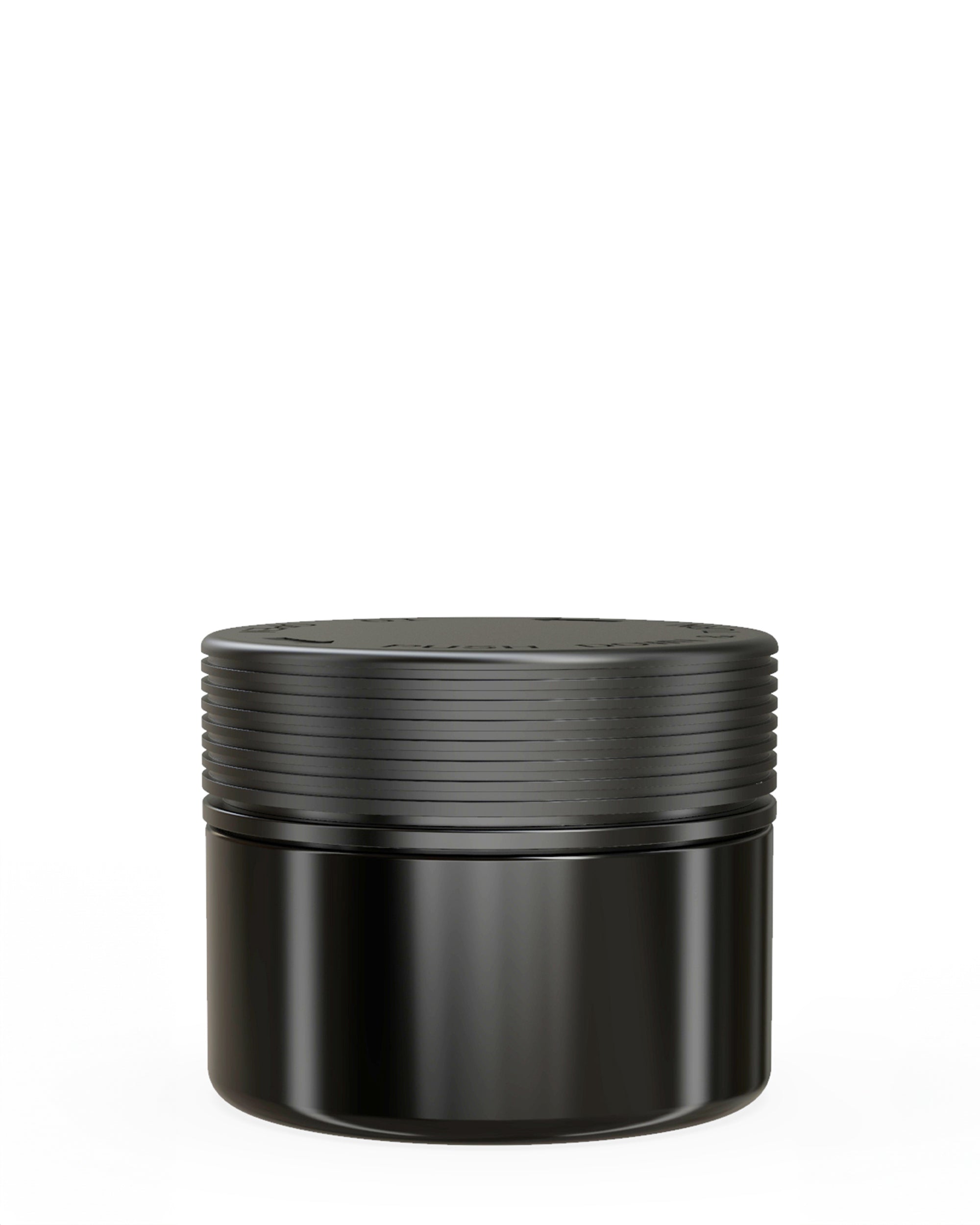
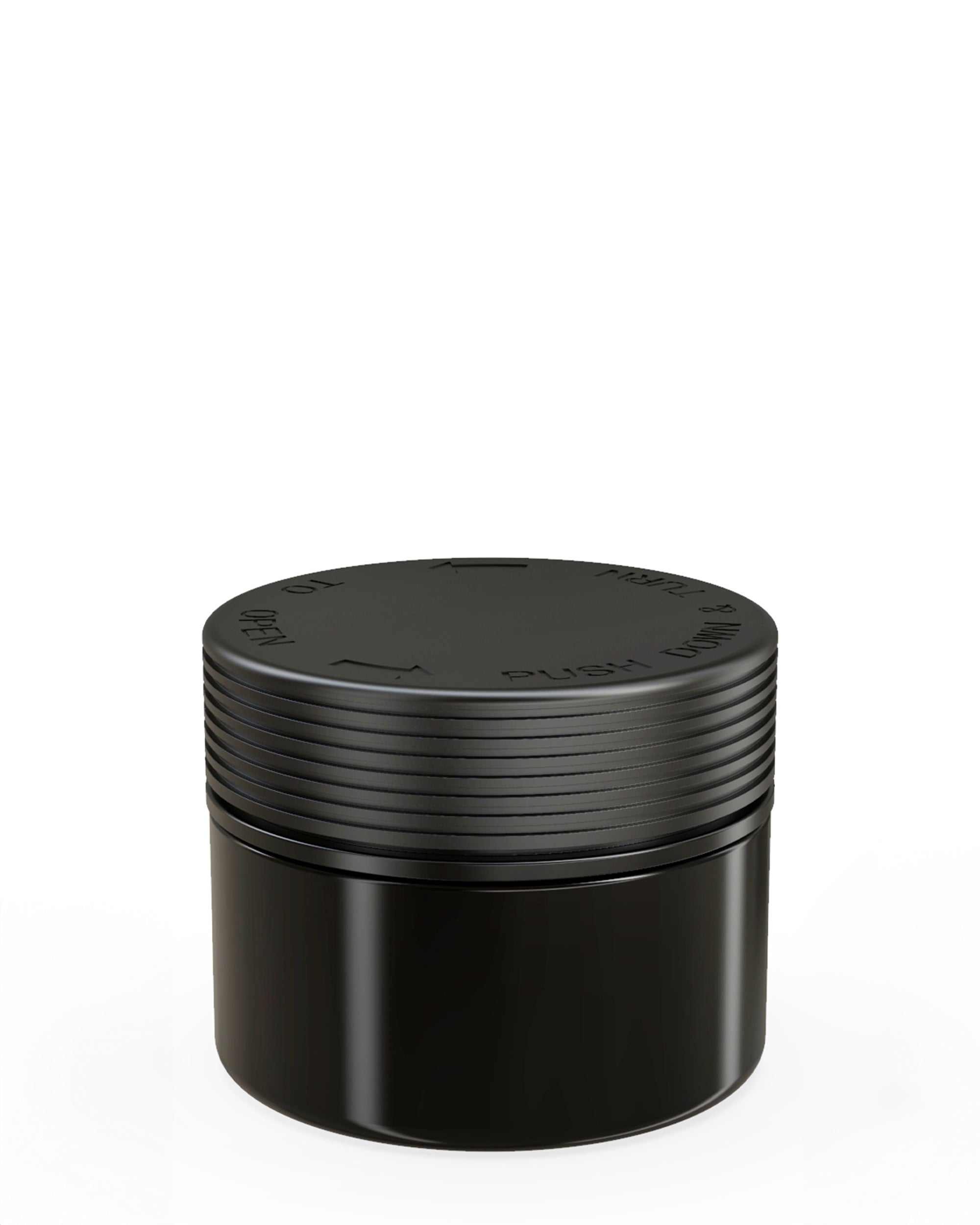
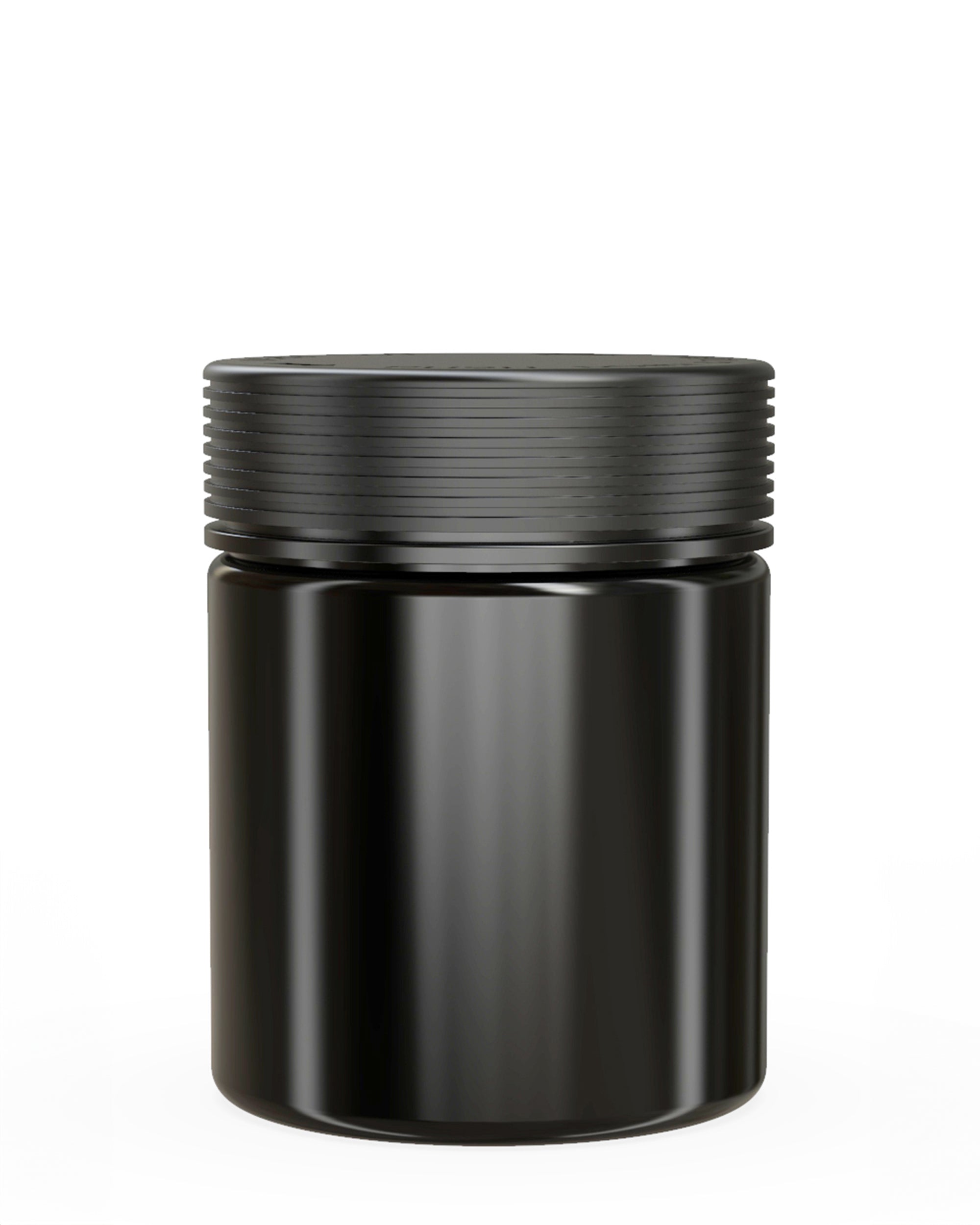
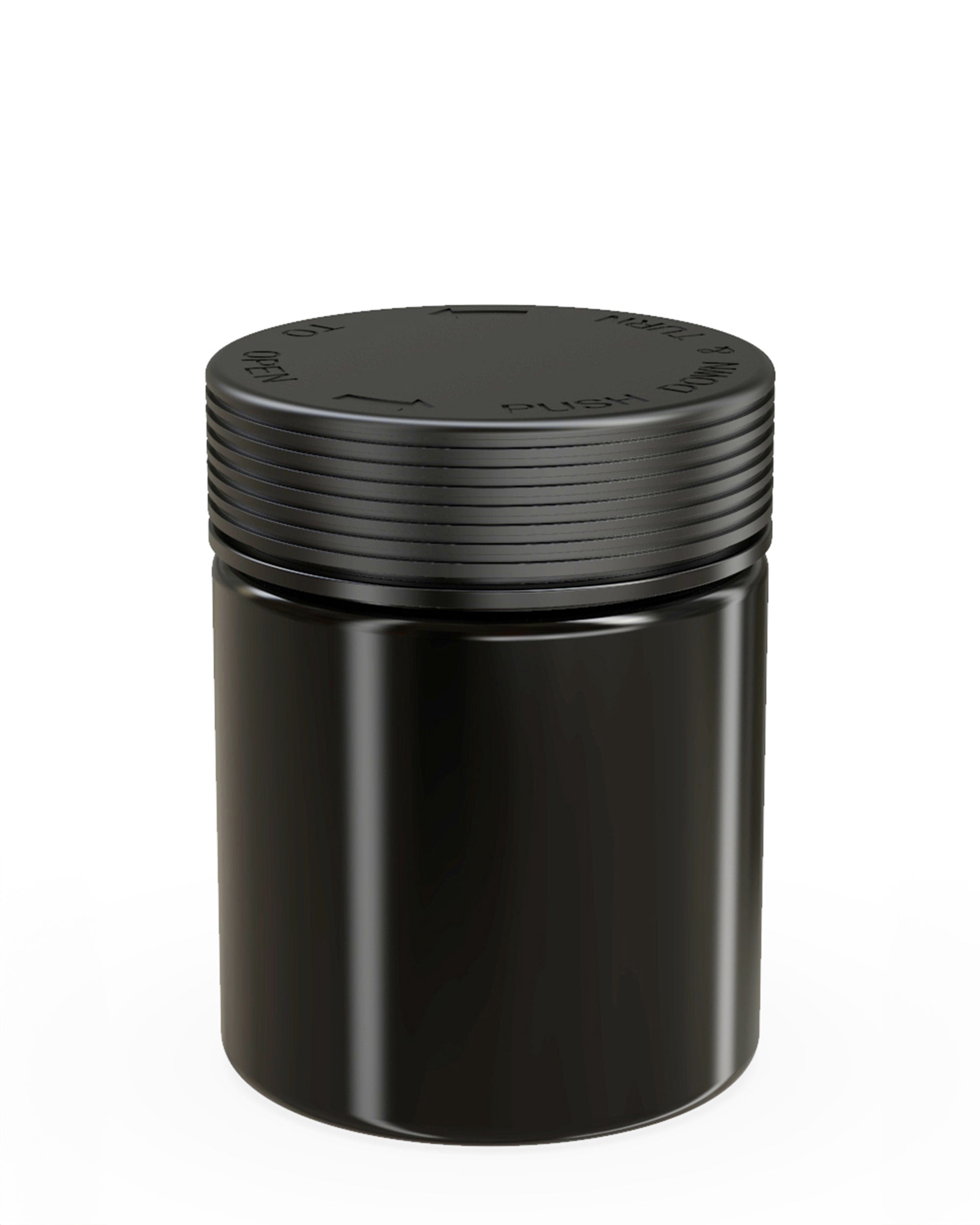
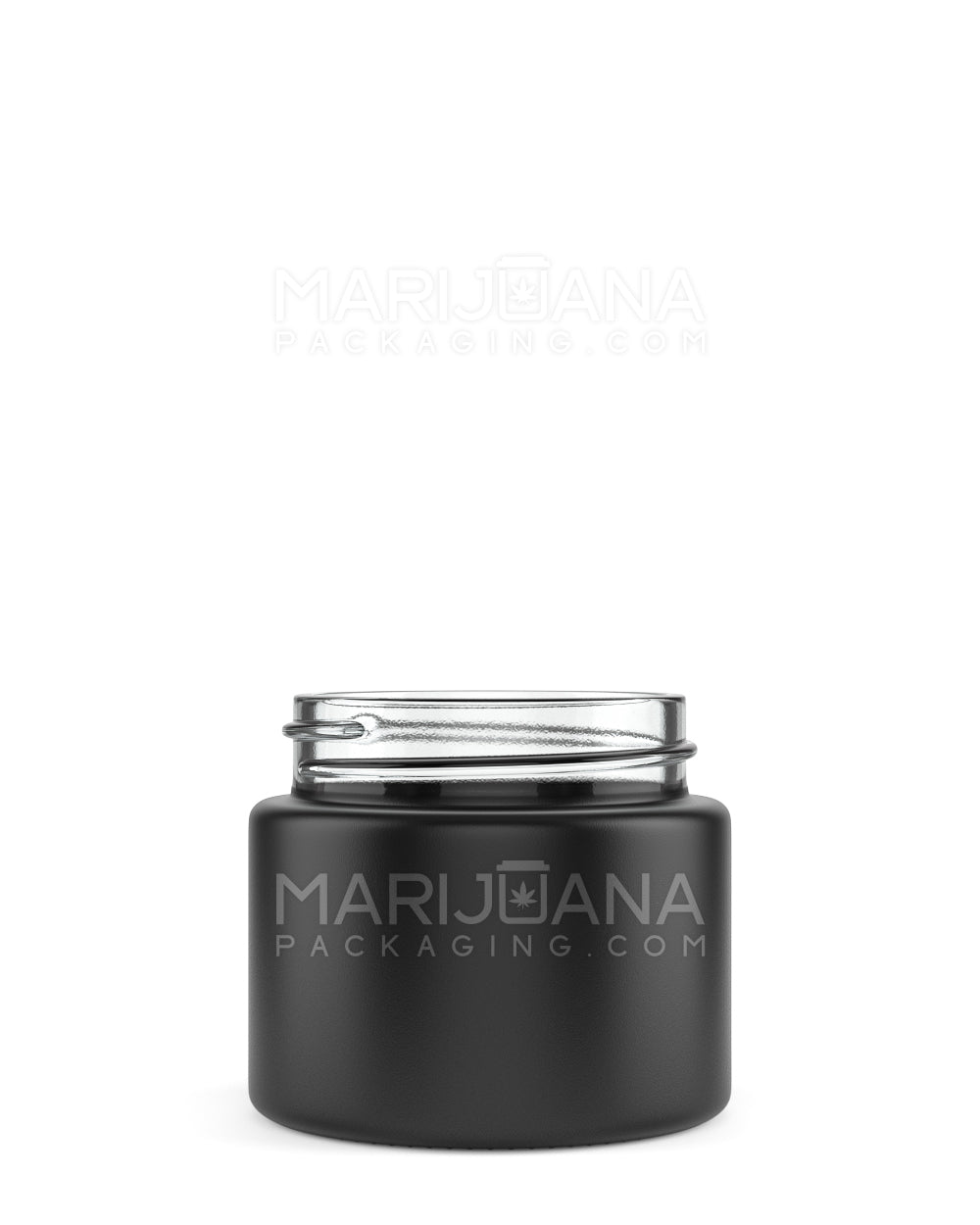
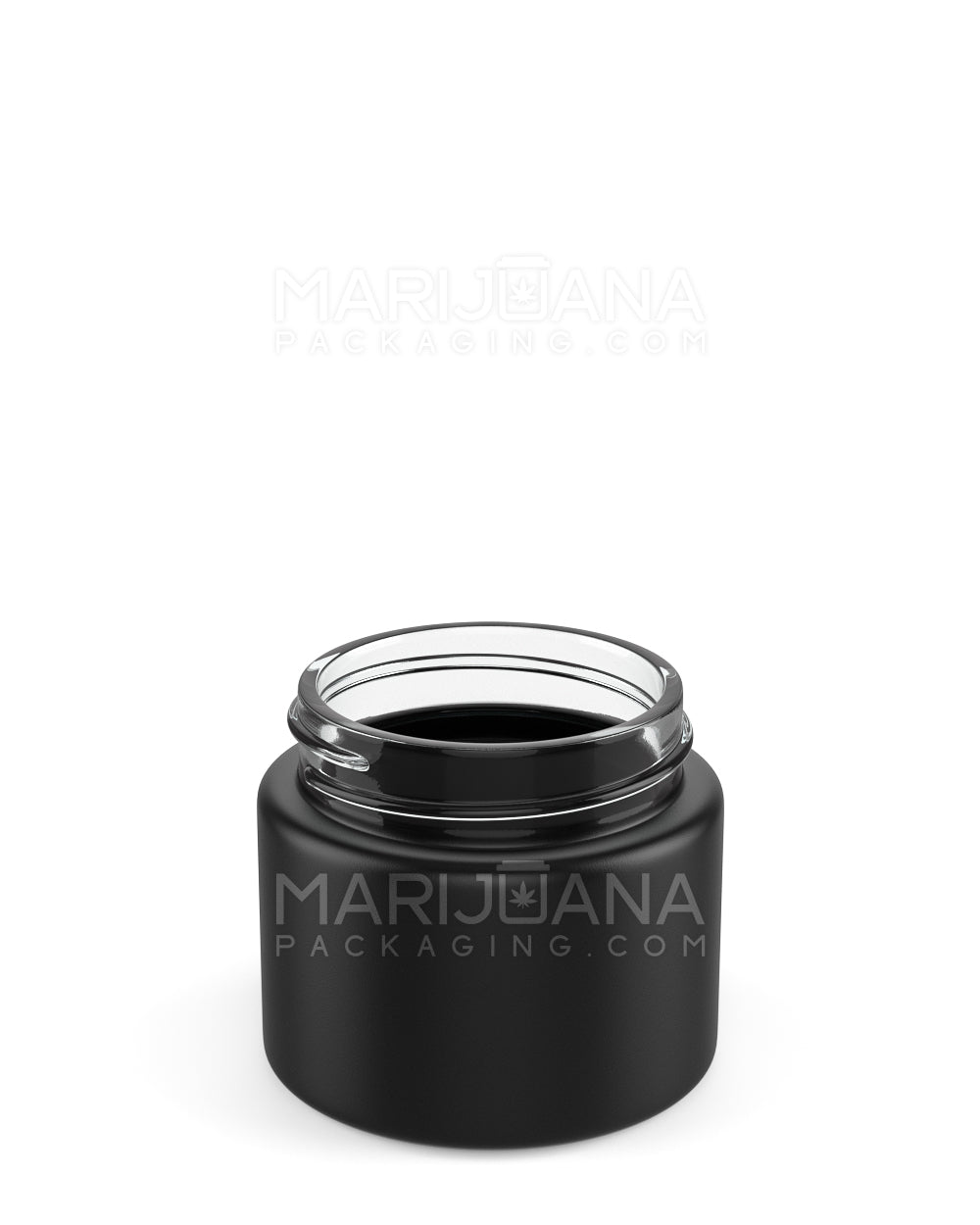
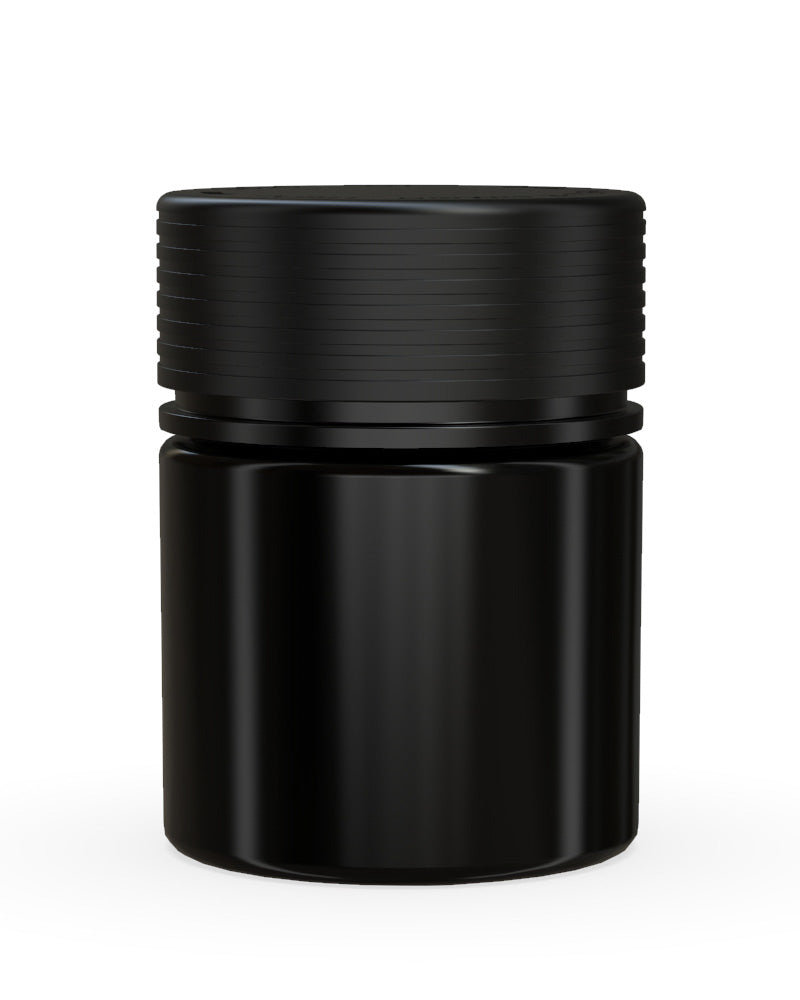
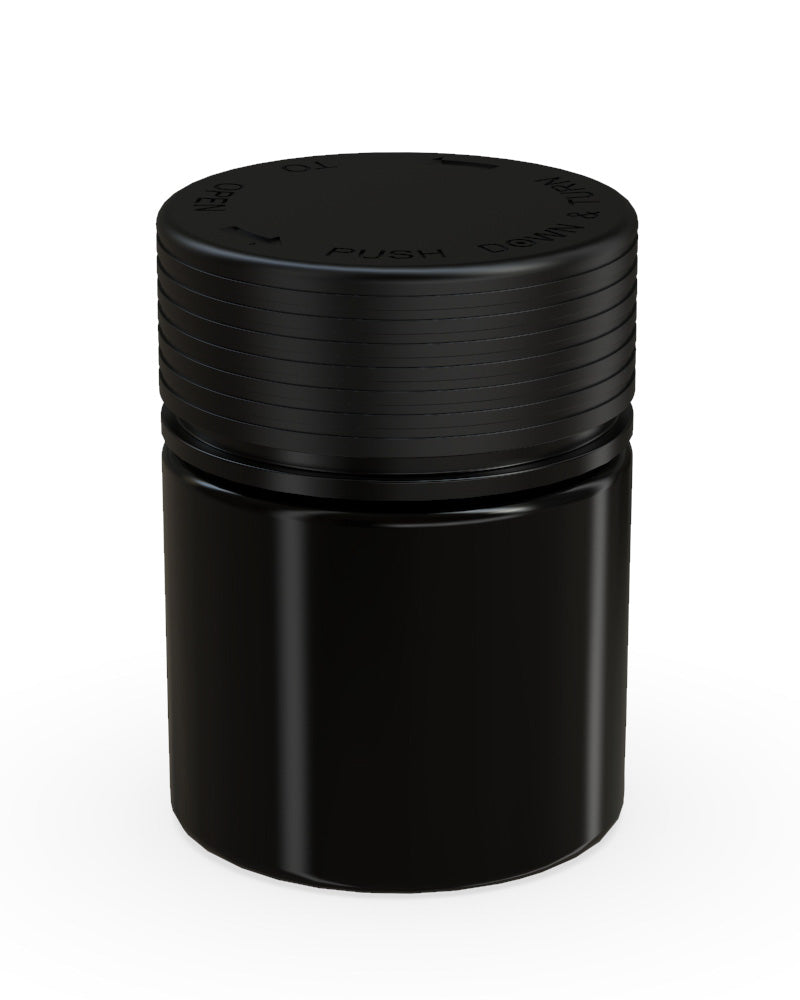
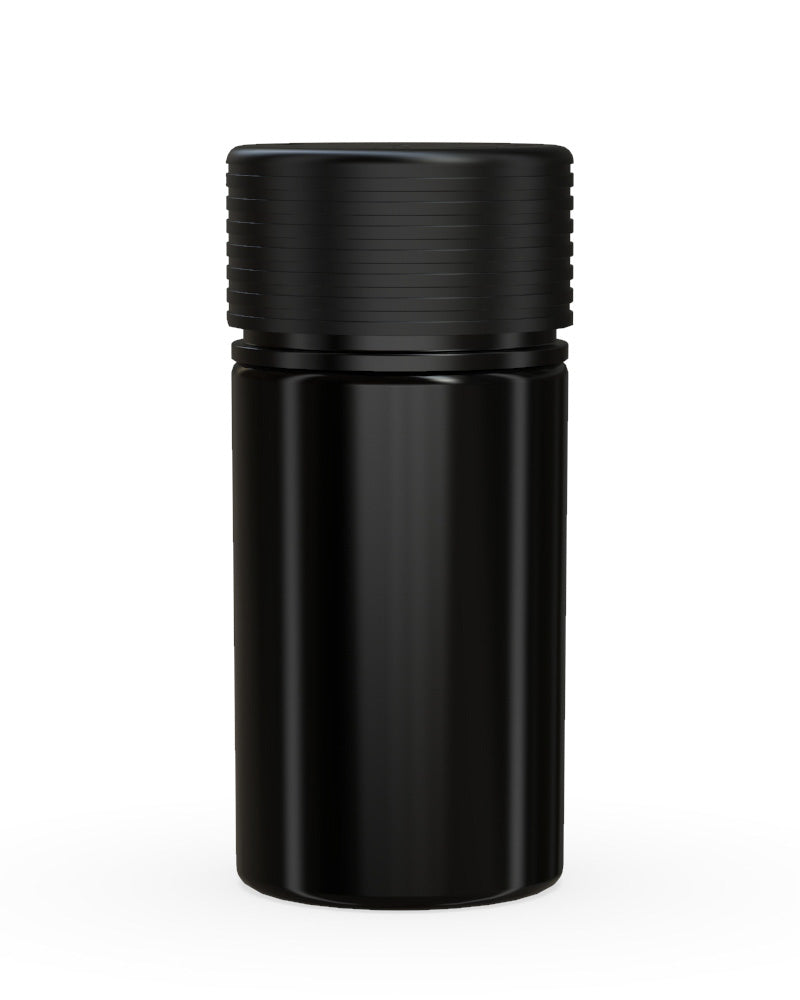
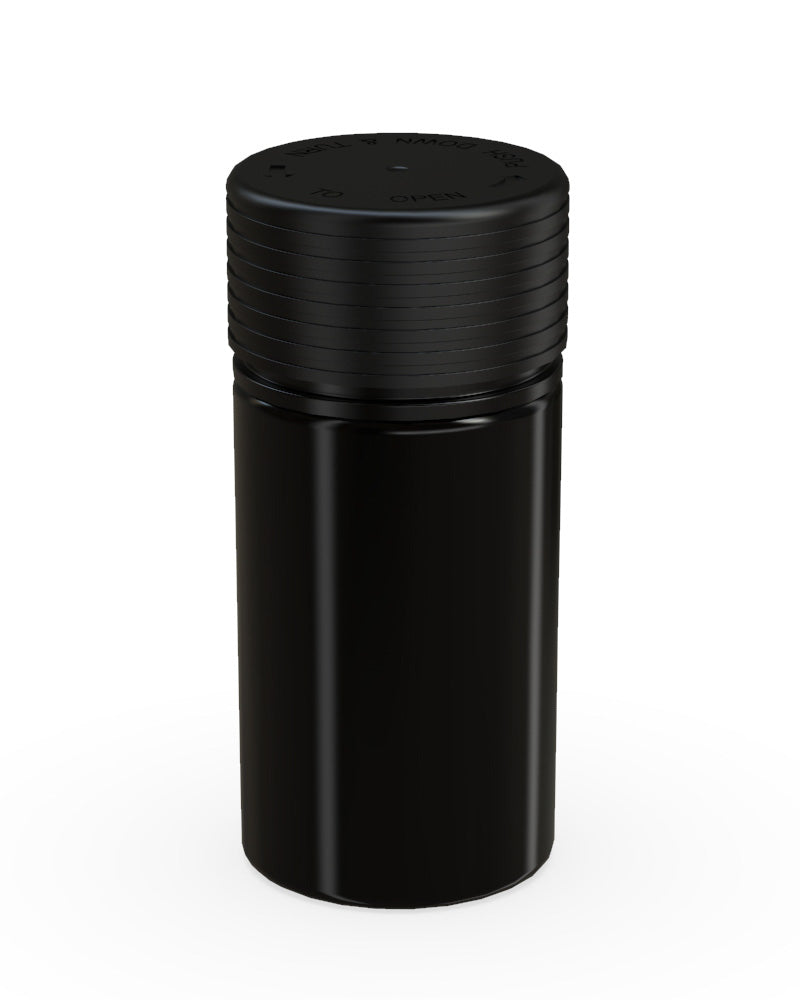
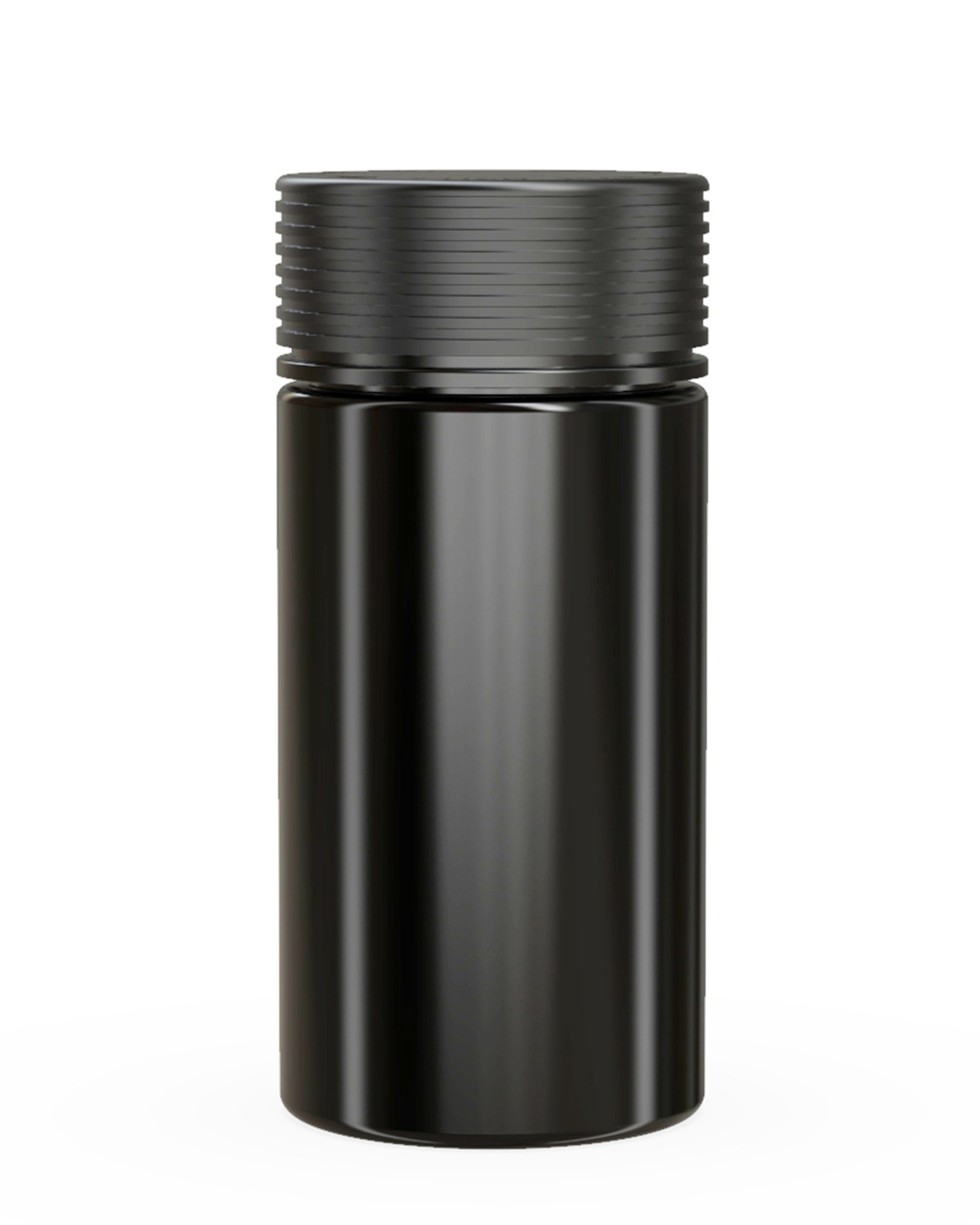
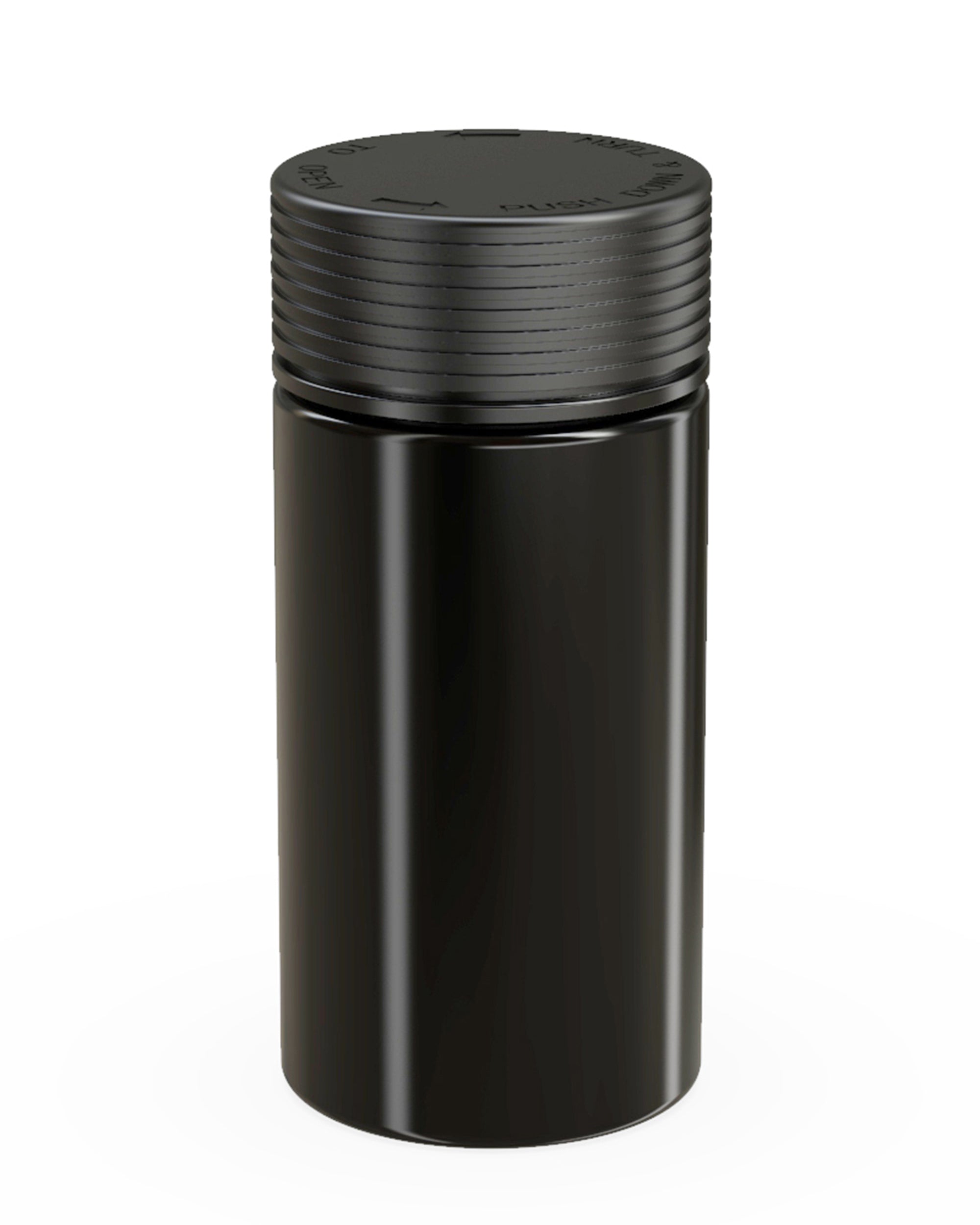
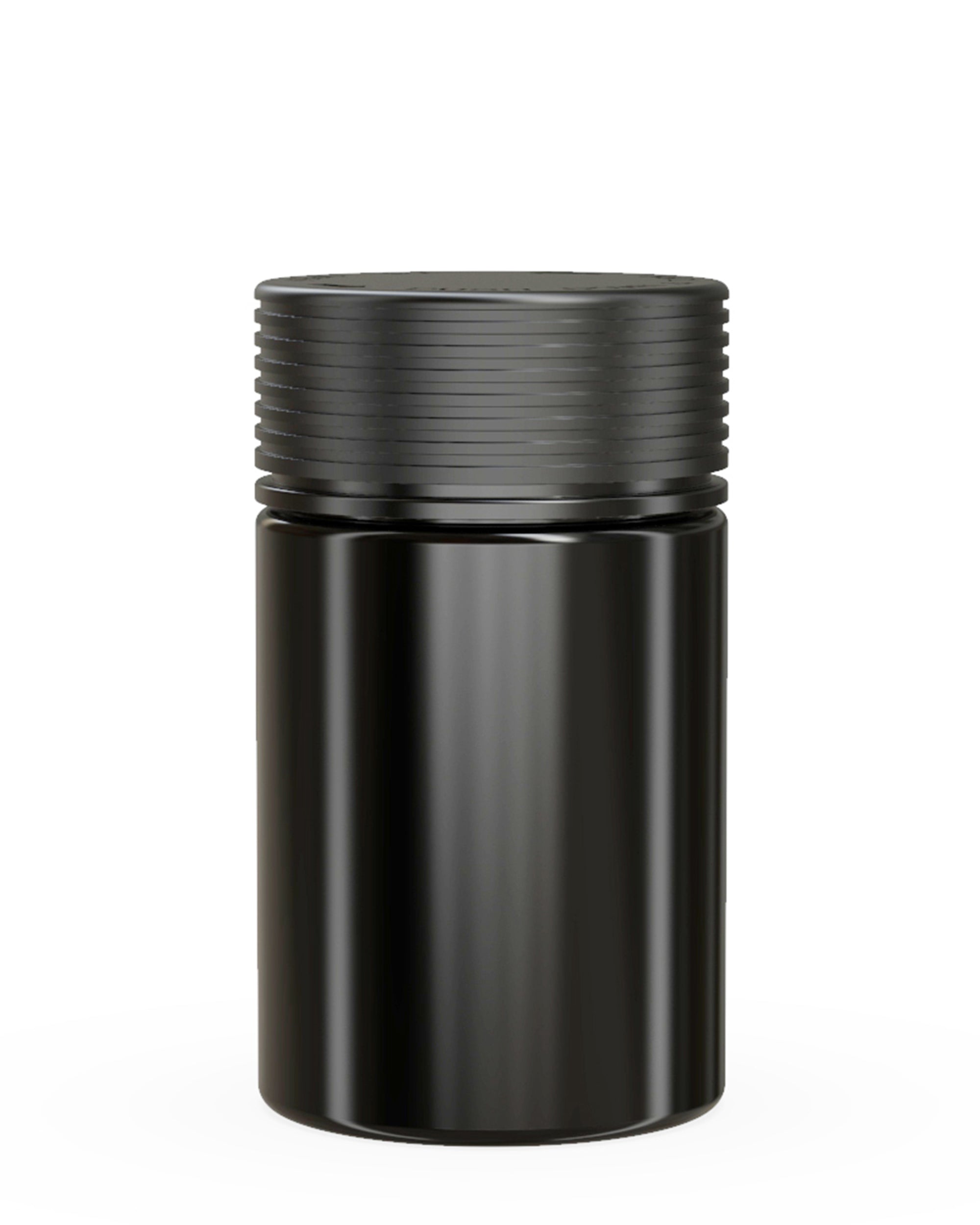
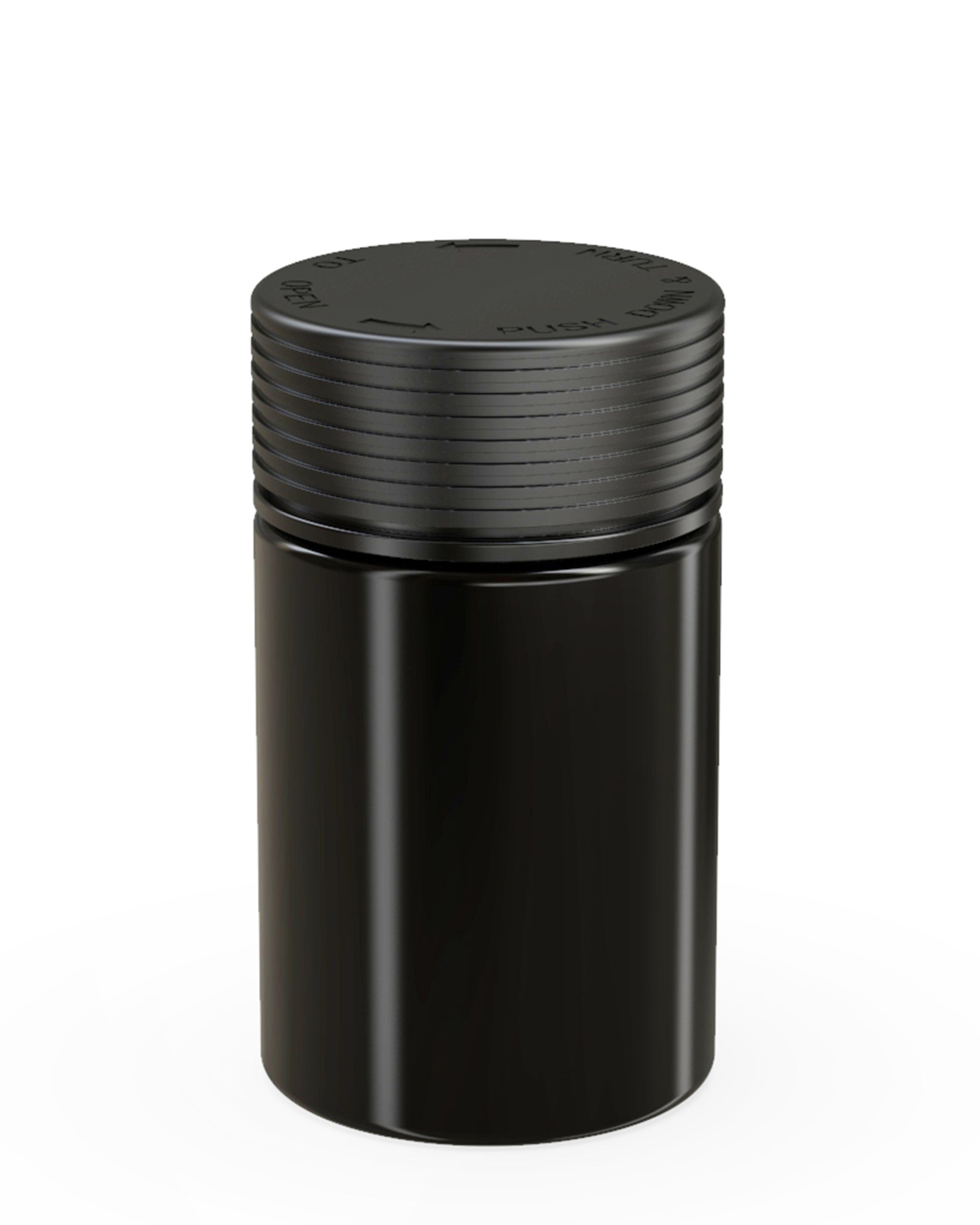
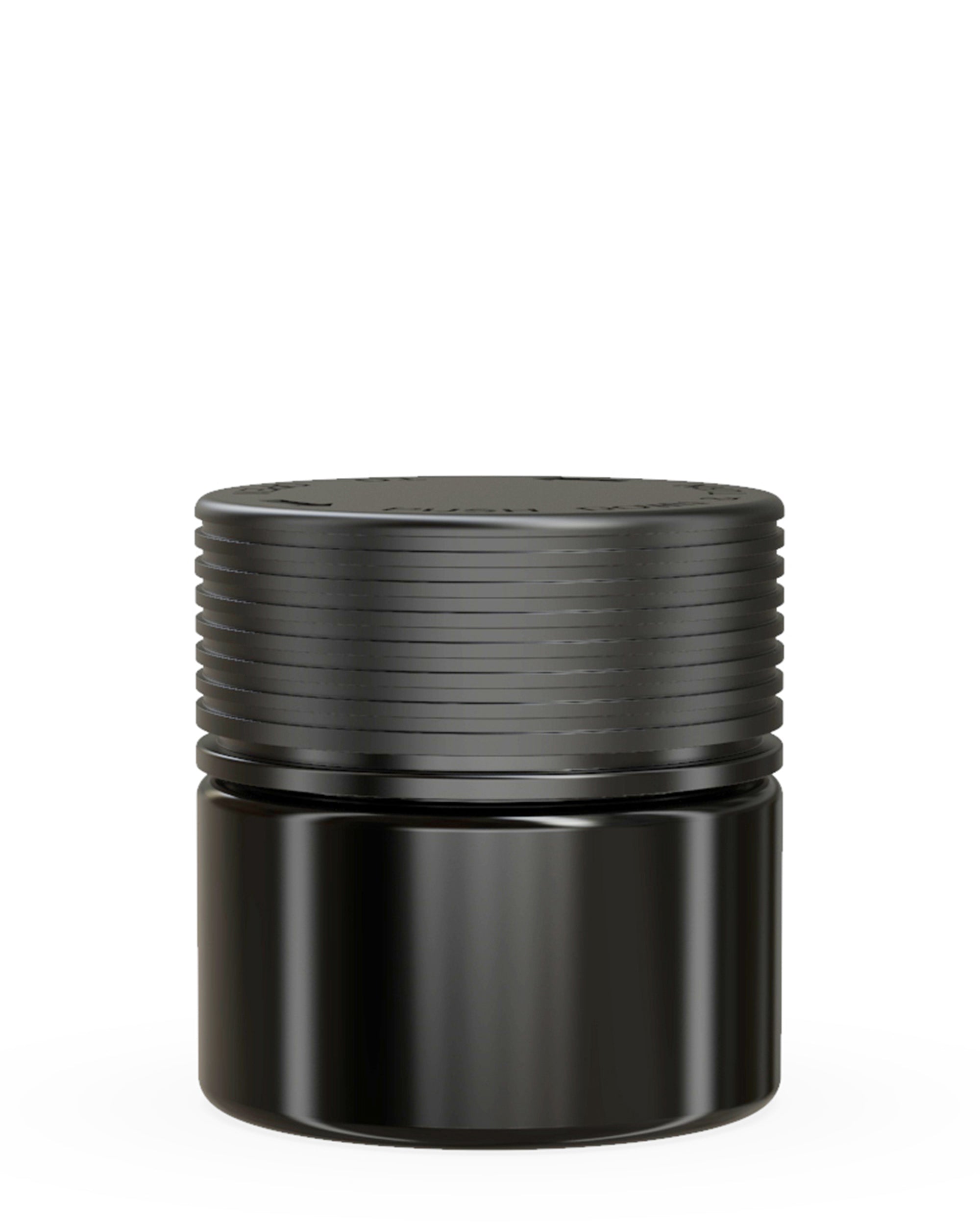
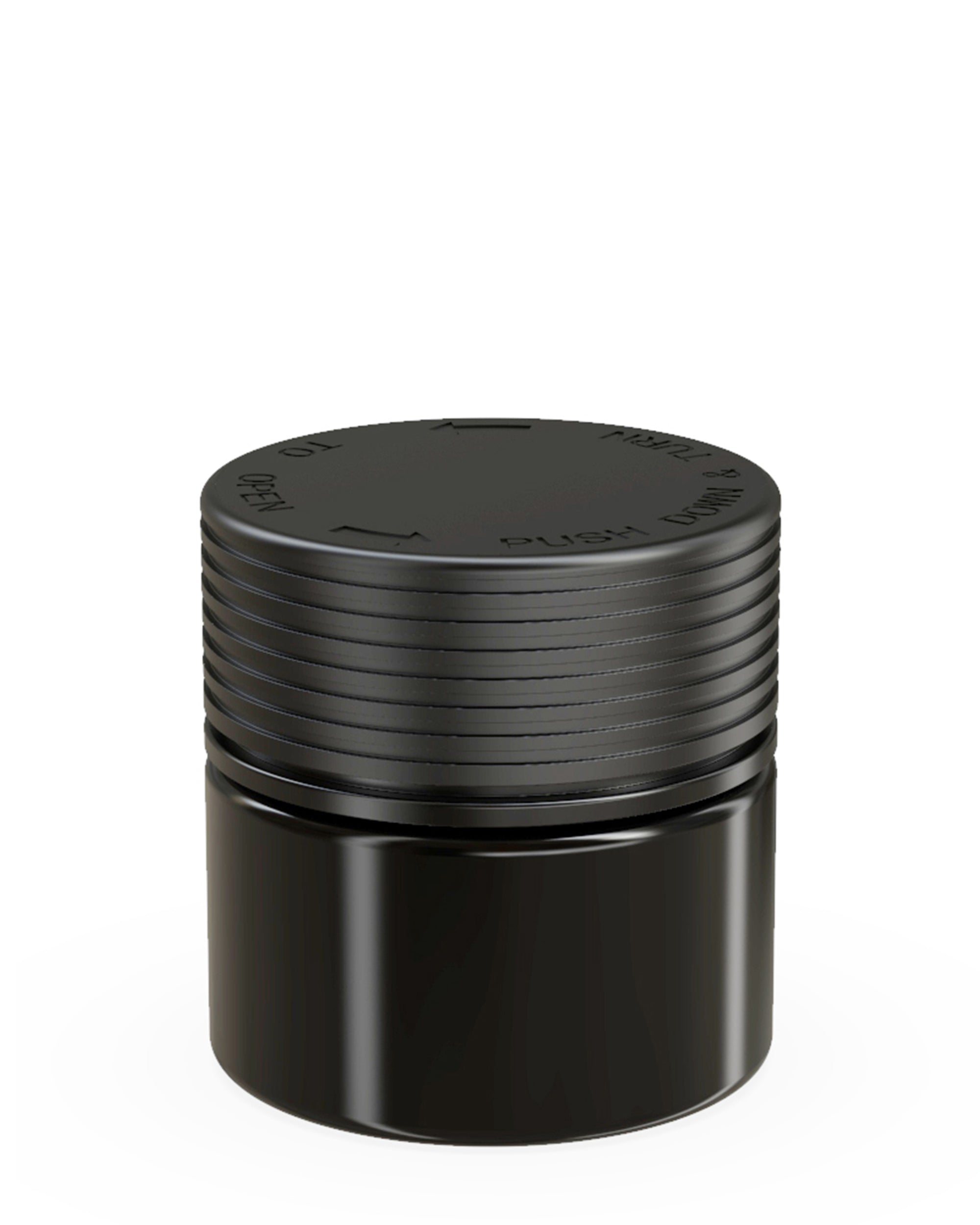
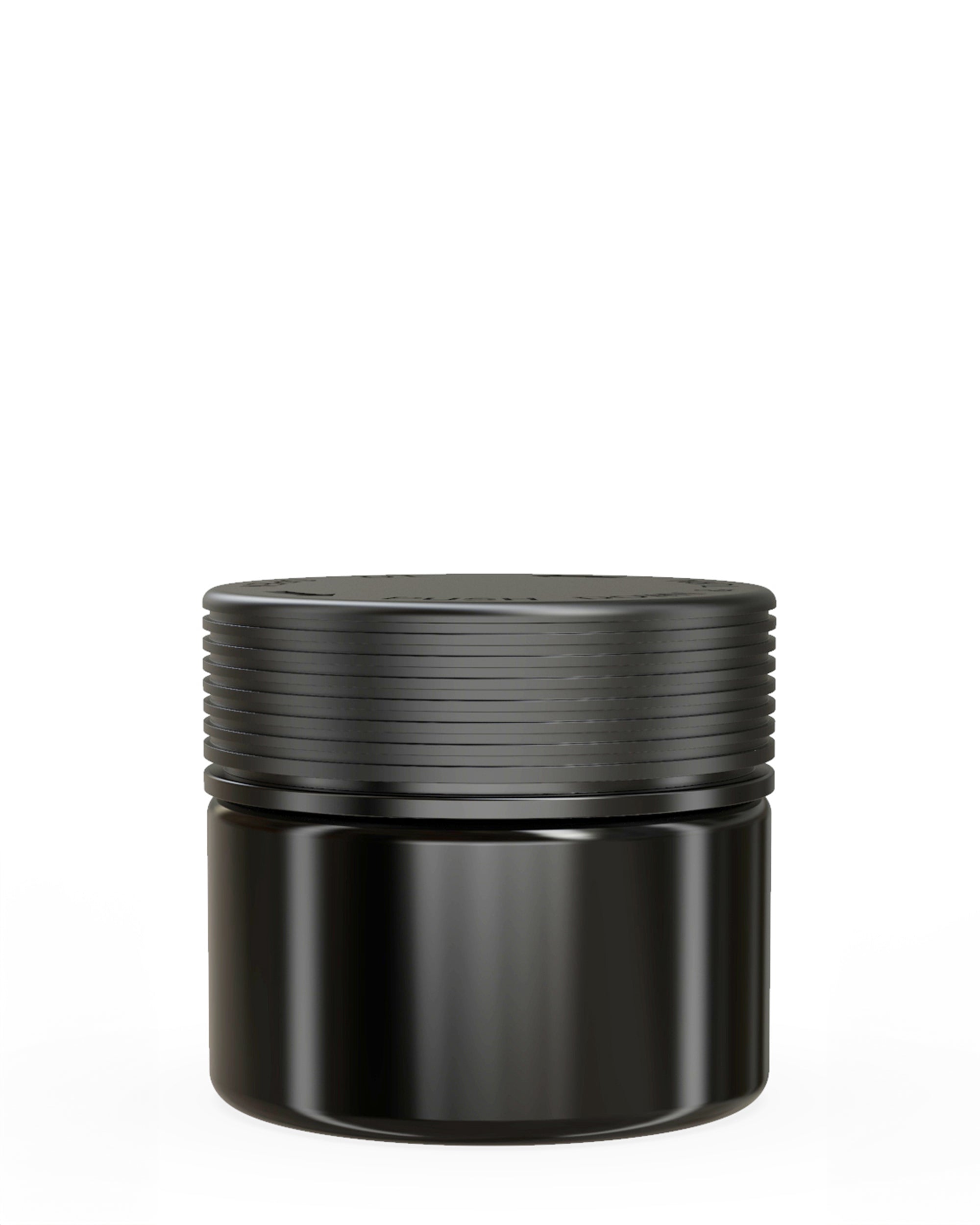
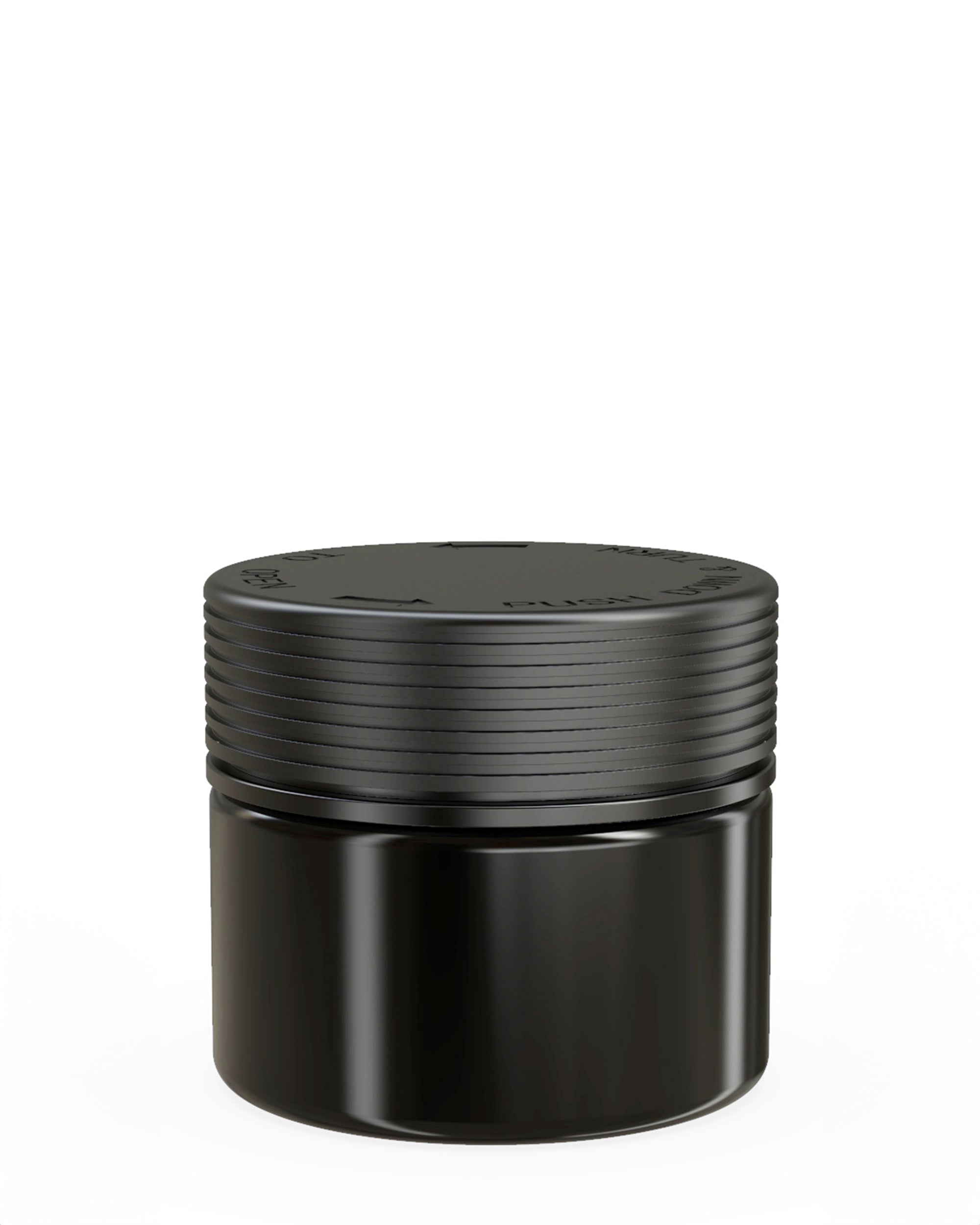
Black cannabis jars provide opaque and dark-finished packaging options for marijuana flower, concentrates, edibles, and other suitable cannabis products. Marijuana Packaging supplies wholesale black weed jars in glass and plastic, with available matte finishes, straight-sided containers, specialty designs, and compatible closure options. These containers allow cultivators, processors, manufacturers, dispensaries, and cannabis brands to create a coordinated retail appearance while selecting packaging materials suited to their products and production requirements.
Choosing the right black glass cannabis jars or black plastic cannabis jars involves more than appearance. The container's construction determines its weight, durability, barrier characteristics, and suitability for the packaged product. Its finish can influence light transmission, label adhesion, and retail presentation, while the selected cap determines opening and sealing performance. For businesses ordering black cannabis jars wholesale, material selection, opacity, usable capacity, closure compatibility, regulatory requirements, and finished packaging costs should all be evaluated together.
Wholesale Black Cannabis Jars for Commercial Packaging
Black cannabis jars are rigid containers distinguished by their dark exterior or body material. Depending on the construction, their black appearance may come from colored glass, pigmented plastic, an applied surface finish, or another decorative treatment.
Unlike transparent containers, opaque black jars conceal the product from view. This characteristic can create a consistent appearance across different strains and product categories while reducing dependence on the contents being visible at retail.
For cannabis businesses, the choice of a black container can support packaging design, product concealment, and certain light-management objectives. However, the finish must be evaluated independently from the material and closure characteristics.
Within the broader cannabis jars assortment, this collection addresses a color-specific purchasing requirement rather than a particular capacity, material, or child-resistant mechanism.
Why Cannabis Brands Choose Black Jars
Black jars can serve both functional and visual objectives in commercial cannabis packaging.
Reasons businesses may select black containers include:
- Opaque presentation: Suitable opaque constructions conceal flower, edibles, or other packaged products from direct view.
- Coordinated branding: Black containers provide a consistent visual foundation for different strains, formulations, and product lines.
- Label contrast: White, metallic, and other suitable label treatments can create distinct contrast against a dark surface.
- Light management: Appropriate opaque constructions can reduce the amount of light reaching the contents compared with transparent packaging.
- Material versatility: Black finishes are available in glass and plastic packaging formats.
- Retail consistency: A common container color can help unify products with different labels or closure finishes.
- Packaging differentiation: Matte, glossy, and other surface treatments can produce different appearances without changing the overall black color.
- Wholesale standardization: Businesses can establish a consistent packaging appearance across repeat production runs when approved components remain available.
These characteristics should be evaluated according to the selected jar. A black appearance does not automatically establish that the package meets an opacity standard, protects against every wavelength of light, or provides a particular sealing performance.
Black Containers vs. Black Lids
A black jar and a jar with a black cap are not necessarily the same packaging format.
Some configurations use a black container paired with a matching black closure. Others combine a transparent jar with a black lid to create a contrasting appearance.
This distinction matters when opacity or light protection is part of the purchasing requirement. A black cap does not prevent light from passing through otherwise transparent container walls.
Businesses requiring an opaque black weed jar should verify the container body itself rather than selecting a product based solely on the cap color.
Black Jars, Opacity, and Container Color
Opacity describes whether the contents of a container can be seen through its walls. Black is a color description, while opaque is a characteristic of the finished material or packaging construction.
Although black and opaque are frequently associated with one another, they should not be treated as interchangeable technical specifications.
What Makes a Black Jar Opaque?
An opaque container prevents the contents from being seen through the relevant packaging surfaces under the conditions used to assess opacity.
Opacity can be achieved using a sufficiently opaque material, pigmentation, a suitable coating, or another construction that limits visible light transmission.
However, the effectiveness of these approaches depends on the material and how the finish is manufactured.
A lightly tinted dark container may still transmit visible light. Likewise, a black exterior treatment may have different characteristics from a container manufactured with black pigment throughout its walls.
For commercial packaging, opacity should be verified according to the actual container and the relevant product requirements.
Black Pigment vs. Applied Surface Treatments
Black containers can obtain their appearance through different manufacturing approaches.
Plastic jars may incorporate black colorants into the resin during manufacturing. Glass containers may use a colored substrate or a compatible decorative treatment applied to the surface.
These methods can affect the finished appearance and introduce different considerations involving durability, surface contact, labeling, and light transmission.
For example, an exterior finish may need to be evaluated for scratching, scuffing, and adhesion during handling and labeling.
The manufacturing approach should not be inferred solely from how the container looks in a product photograph. Commercial buyers should verify the relevant material and finish specifications when those characteristics matter to the application.
Important: Black color, verified opacity, light protection, child resistance, and airtight sealing are separate packaging characteristics. A black jar may conceal its contents, but its actual light-blocking performance depends on the material and finish. The jar must also be paired with the correct closure to provide any required child-resistant or sealing function. Before ordering wholesale black cannabis jars, confirm the container material, opacity, finish durability, compatible cap, and applicable packaging documentation for the intended product.
Why Opacity Matters Beyond Appearance
For some cannabis products, opacity is primarily a presentation choice. For others, it may be relevant to applicable regulatory requirements.
Opacity can also affect packaging quality control. When the contents cannot be seen through the jar, filling personnel may need to rely more heavily on weighing procedures and direct product inspection rather than visual fill-level checks.
This makes accurate filling, container inspection, and documented production procedures important considerations when switching from clear jars to opaque black packaging.
Black Glass Jars vs. Black Plastic Jars
Black cannabis jars are available in different materials, each with distinct properties related to weight, impact resistance, barrier performance, and manufacturing versatility.
The color alone does not determine these characteristics. Material selection should remain a separate purchasing decision.
Black Glass Cannabis Jars
Black glass cannabis jars combine rigid glass construction with a dark exterior appearance. They can be useful for flower and other suitable products where the brand prefers glass material characteristics without displaying the contents through a clear container.
Glass provides strong resistance to gas and moisture transmission through its container walls. This can be advantageous for packaging applications where limiting exchange through the container material is important.
However, the completed jar's sealing performance still depends on the closure and any appropriate liner.
Matte black glass can provide a different retail presentation from transparent glass, but the surface finish should be assessed for durability, labeling compatibility, and actual opacity.
Businesses that require other finishes or container capacities can evaluate the broader glass cannabis jars category when selecting packaging materials.
Black Plastic Cannabis Jars
Black plastic cannabis jars generally offer lower weight and greater resistance to shattering than glass.
Plastic can be molded into different container shapes, opening styles, and closure configurations. Depending on the resin and construction, it can also incorporate black pigment directly into the material.
For wholesale operations, lower container weight and impact resistance can be useful during filling, shipping, warehouse storage, and retail handling.
However, not every plastic resin has the same barrier or product-contact characteristics. Suitability depends on the actual polymer, container construction, and intended contents.
The plastic cannabis jars assortment addresses these broader material considerations, while black jars emphasize the specific color and finished appearance.
Black Post-Consumer Recycled Plastic Jars
Some black plastic containers incorporate post-consumer recycled material, commonly called PCR plastic.
PCR describes recycled-content sourcing rather than a separate plastic resin. The underlying polymer still determines many of the container's mechanical and barrier properties.
A PCR designation does not automatically mean that the jar is manufactured entirely from recycled material, suitable for direct food contact, or recyclable in every local program.
For procurement programs incorporating recycled-content objectives, buyers should confirm the relevant material specifications and any supported recycled-content claims.
Comparing Black Glass and Plastic Packaging
| Packaging Factor | Black Glass Jars | Black Plastic Jars |
|---|---|---|
| Container weight | Generally heavier | Generally lighter |
| Breakage resistance | Can fracture under impact | Generally more resistant to shattering |
| Wall barrier properties | Strong resistance to gas and moisture transmission | Varies by polymer and construction |
| Black appearance | May involve colored glass or decorative finishes | May involve pigmented material or decorative finishes |
| Surface durability | Evaluate the glass finish and any applied treatment | Evaluate resin, finish, and resistance to handling damage |
| Light transmission | Depends on the glass and finish construction | Depends on pigmentation, wall construction, and resin |
| Child resistance | Depends on the qualifying jar-and-closure system | Depends on the qualifying jar-and-closure system |
The preferred material depends on the intended cannabis product, expected handling conditions, brand presentation, and finished packaging cost.
Matte Black, Glossy Black, and Surface Finishes
Black cannabis jars can produce different retail appearances depending on the finish applied to the container.
Matte, glossy, and other treatments influence how light reflects from the surface, how fingerprints or scuffs appear, and how printed labels or decoration integrate with the package.
Matte Black Jars
Matte black jars have a lower-sheen appearance than glossy finishes. Rather than producing strong reflections, they typically create a more subdued surface presentation.
This can be appropriate for brands seeking a restrained, uniform look across multiple products.
However, matte finishes should be evaluated for handling durability. Depending on the treatment, fingerprints, scuffs, scratches, or changes in surface appearance may become noticeable during production or distribution.
Label adhesion and compatibility with decorative printing should be verified on the actual finished surface.
Glossy Black Jars
Glossy black jars reflect more light from their exterior surfaces, producing a different visual effect from matte packaging.
The higher sheen can make reflections and highlights more noticeable under retail lighting.
Depending on the material and finish, fingerprints, scratches, and surface contamination may also be more visible.
These are practical considerations for brands selecting packaging that will be handled frequently during filling, shipping, and retail display.
Finish Consistency Across Production Runs
For wholesale packaging, the consistency of the black finish can be as important as the initial appearance.
Differences in color tone, sheen, or decorative application may become noticeable when containers from different production batches are displayed together.
Businesses developing a standardized black packaging line should verify that the approved material and finish are consistently specified for repeat orders.
When appearance is especially important, representative production samples should be evaluated under the lighting and handling conditions expected for the finished product.
How Finish Affects Label Adhesion
Not every adhesive behaves the same way on glass, molded plastic, or decorated surfaces.
Surface texture, material chemistry, coating composition, and storage conditions can affect how well a label adheres.
A label designed for smooth untreated glass may require additional testing before being used on a matte-coated container or a particular plastic resin.
Packaging teams should evaluate the label and jar together, including edge adhesion, wrinkle formation, and durability during the intended storage and distribution process.
Light Exposure and Product Protection
One potential advantage of opaque black packaging is its ability to limit light reaching the contents. However, the degree of protection depends on the actual material, pigmentation, coating, and construction.
Black color should not be treated as a universal guarantee of ultraviolet protection or long-term product stability.
How Opaque Packaging Limits Visible Light
When a container is genuinely opaque, less visible light reaches the contents through its walls than through comparable transparent packaging.
This can be relevant when a business wants to reduce product visibility or limit light exposure during storage and retail display.
However, visible opacity and ultraviolet transmission are not identical measurements.
A finish that appears dark or opaque to the eye may have different transmission characteristics across different wavelengths. Packaging teams requiring defined light protection should review the relevant material specifications rather than relying only on color.
Black Jars and Cannabis Flower Storage
Cannabis flower contains compounds that can change during storage. Packaging material, light exposure, oxygen, moisture, temperature, and the condition of the flower at filling may all influence the finished product over time.
An appropriate opaque container may help limit one source of environmental exposure, but it cannot independently control every factor affecting flower quality.
The closure remains important because air and moisture exchange may occur through the opening if the package is not adequately sealed.
For commercial packaging, the selected black jar should be evaluated as part of a complete storage system rather than treated as a guarantee of freshness or cannabinoid preservation.
Product Concealment vs. Barrier Performance
A jar can conceal its contents without necessarily providing a high-performance oxygen or moisture barrier.
For example, opaque plastic may prevent consumers from viewing the product while still allowing material-dependent gas or vapor transmission through the container walls.
Conversely, glass has strong container-wall barrier properties even when it is transparent.
The appropriate packaging decision requires evaluating opacity, material barrier properties, and closure performance separately.
Light Protection During Distribution
The value of light-resistant packaging depends partly on the conditions the finished product encounters.
Jars stored in cartons may receive less light exposure than containers displayed individually under retail lighting. Transportation, warehousing, and the duration of retail display can therefore affect the importance of the container's optical characteristics.
For light-sensitive products, the complete distribution and storage environment should be considered when deciding whether an opaque black jar is appropriate.
Black Jars for Flower, Concentrates, and Edibles
Black jars can be used across different cannabis product categories when their materials, geometry, capacity, and closures are suitable.
However, flower, concentrates, and edibles have different product-contact, filling, and regulatory requirements. The color of the container alone does not establish suitability for any of these applications.
Black Cannabis Jars for Flower
Black weed jars can provide a concealed, rigid packaging format for dried cannabis flower.
For this application, the container should accommodate the intended flower weight without excessive compression while leaving sufficient headspace for the selected lid.
The jar's material and closure also influence the storage environment. Glass provides strong container-wall barrier properties, while plastic performance depends on the resin and construction.
Because opaque black jars prevent visual inspection of the contents through the walls, accurate weighing and appropriate fill procedures become especially important during production.
Brands should test representative flower portions across their expected range of bud densities before approving a common black jar format.
Black Jars for Cannabis Concentrates
Black glass containers and other suitable jar constructions may be considered for cannabis concentrate packaging.
Concentrates vary in consistency, composition, and physical behavior, so material compatibility must be evaluated according to the actual formulation.
For these products, practical access to the interior, compatibility with sealing components, and possible contact between the concentrate and closure materials can be more important than the exterior color.
A black finish may help establish the desired retail appearance, but it should not be used as a substitute for verifying product-contact suitability.
A jar intended for dried flower should not automatically be considered appropriate for a concentrate simply because both applications use rigid containers.
Black Jars for Cannabis Edibles
Opaque black containers may be relevant to cannabis edible packaging where the applicable market requires the finished package to conceal the product.
For edibles, additional requirements may involve food-contact suitability, serving count, repeated opening, sealing, and child resistance.
Not every black jar is suitable for direct food contact, and not every dark-finished container satisfies an applicable opacity requirement.
Businesses packaging gummies, candies, capsules, or other suitable solid products should evaluate the jar material and complete closure alongside the intended edible formulation.
The cannabis edible jars category addresses this application-specific packaging need, including the distinction between an appropriate container material and a qualifying finished retail package.
Black Jars for Pre-Rolls
Some rigid black jars may be considered for pre-roll multipacks when their internal dimensions and openings accommodate the finished joints.
For this application, the usable interior must provide enough clearance for the full pre-roll, including its filter or tip, without bending or crushing the paper.
The container must also allow practical filling and removal.
Nominal capacity alone cannot establish how many pre-rolls will fit. A packaging trial using the actual finished joints is necessary before approving the jar for production.
Black Jar Lids and Child-Resistant Closures
The closure influences how a black jar opens, closes, seals, and functions as part of the finished package.
Some black jars are offered as empty containers without caps. Others are available in matched jar-and-lid configurations, including certain child-resistant systems.
Commercial buyers should verify which components are included with the selected packaging option.
Black Jars With Matching Black Caps
A matching black cap creates a coordinated appearance between the container and closure.
For brands maintaining a consistent visual identity across multiple products, using the same cap color can help establish continuity even when jars have different capacities or shapes.
However, appearance should follow mechanical compatibility.
The intended cap must match the exact jar neck finish and provide the required opening and sealing characteristics.
Separately Purchased Black Jar Lids
When a black jar is sold without a cap, the buyer must select a compatible closure separately.
Black caps can differ in thread design, liner material, child-resistant mechanism, and exterior finish.
The cannabis jar lids and closures assortment includes black caps with different functional and decorative characteristics.
Buyers should confirm the complete neck finish, thread engagement, and sealing interface before ordering closures in bulk.
A cap should not be assumed compatible simply because its appearance or approximate opening size resembles another closure.
Child-Resistant Black Cannabis Jars
Child-resistant closures are designed to make access significantly difficult for young children while remaining usable by adults.
Depending on the configuration, mechanisms may require coordinated actions such as pushing down and turning, squeezing, or performing another prescribed opening movement.
For qualifying systems, the jar and closure must operate together as intended.
The broader child-resistant cannabis jars category focuses on this particular functionality, which is independent of the container's color.
A black jar is not automatically child-resistant, and a black child-resistant cap does not necessarily qualify every container with a similar opening.
Initial and Multiple-Use Child Resistance
Some cannabis packaging regulations distinguish between child resistance before first opening and child resistance that must remain effective after repeated opening and closing.
For example, California permits qualifying initial-use child-resistant packaging for certain products, including flower, while edibles and some orally consumed products generally require multiple-use child resistance.
The packaging operation must verify the applicable requirement for its finished product.
A closure that can be reattached to a jar does not automatically establish multiple-use child-resistant performance.
Cap Liners, Airtight Sealing, and Odor Control
Black jar color does not determine whether the completed package provides an airtight seal or limits the escape of aromatic compounds.
These functions depend on the container material, closure, liner, sealing surfaces, and application process.
Are Black Cannabis Jars Airtight?
Not all black cannabis jars are airtight.
Glass provides strong resistance to gas transmission through its walls, while different plastics permit different levels of gas and vapor transmission.
In either case, an unsuitable or incorrectly installed closure can allow air exchange through the container opening.
An airtight claim should therefore be evaluated using the complete jar-and-cap system rather than based on black color or rigid construction.
Foam Liners and Pressure-Sensitive Seals
Some jar caps incorporate foam liners that provide compressible contact with the container rim.
Other configurations may use pressure-sensitive seals, induction-compatible materials, or specialty liner constructions.
These components are not universally interchangeable. Their suitability depends on the jar material, cap, packaged product, and application method.
When additional sealing is required, cap liners and jar seals should be selected for compatibility with the intended closure system.
Any modification to a qualifying child-resistant jar-and-cap configuration should also be evaluated for its effect on closure operation.
Odor Containment in Black Weed Jars
Cannabis flower contains volatile aromatic compounds that contribute to its characteristic scent.
Limiting the movement of these compounds outside a closed jar requires appropriate material barrier characteristics and a suitable seal at the container opening.
An opaque black jar is not automatically smell-proof. Its color may prevent visual inspection of the contents, but it does not establish the package's resistance to aroma transmission.
Commercial buyers with defined odor-control requirements should evaluate the completed container under representative storage and handling conditions.
Moisture Management and Flower Storage
The condition of packaged cannabis flower is affected by moisture, temperature, storage duration, and the performance of the packaging system.
A suitable closure can contribute to limiting unwanted moisture exchange, but the jar alone cannot correct flower that was improperly prepared before filling.
Where humidity-control accessories are used, they should be appropriate for the product and package and should not interfere with the available fill space or closure.
A black exterior finish does not establish any particular humidity-control capability.
Tamper Evidence and Resealability
Tamper-evident packaging provides visible evidence that a package has been opened or interfered with.
Depending on the system, this may require an inner seal, shrink band, or other suitable component.
Resealability allows the jar to be closed after opening, while child resistance describes a different protective function.
These characteristics must be considered independently. A black threaded cap does not automatically provide tamper evidence, child resistance, or an airtight seal.
Labeling, Printing, and Custom Branding
Black jars provide a distinctive background for branded cannabis labels and decoration.
However, the container's dark surface changes how colors, text, and graphics appear. Label contrast, surface finish, material compatibility, and required regulatory information should all be considered during artwork development.
Label Contrast on Black Packaging
Text that is legible on a white or transparent label may become difficult to read when printed directly against a black background.
High-contrast design can help required information remain clear and visually distinguishable.
Common design considerations include:
- White lettering: Can provide strong contrast against opaque black surfaces.
- Metallic decoration: May create a distinctive appearance when supported by the selected printing process.
- Colored labels: Can distinguish strains or product categories without changing the jar itself.
- Matte and glossy combinations: Can create contrast between the label and container finish.
- Readable warnings: Mandatory text and symbols should remain conspicuous and legible.
- Consistent artwork placement: Helps maintain a unified presentation across different packaging runs.
Design choices should be validated using actual printed samples on the selected container.
Adhesive Labels on Matte Black Glass
Matte black glass can provide a smooth visual foundation for product labels, but the label adhesive must be suitable for the actual finished surface.
Applied coatings or decorative treatments can influence adhesion differently from untreated glass.
Label testing should consider edge lifting, wrinkles, surface scuffing, and performance under the intended storage conditions.
The finished label should remain legible and properly attached throughout normal handling and distribution.
Printing and Decoration on Black Plastic
Plastic jars can present different printing and adhesion characteristics according to their resin and surface treatment.
Some plastic surfaces require additional consideration to achieve reliable ink or label adhesion.
For black plastic packaging, businesses should confirm that the intended printing or decoration method is compatible with the exact material and finish.
Appearance should also be evaluated after normal handling rather than solely immediately after decoration.
Custom Branded Black Cannabis Jars
Custom decoration can help cannabis brands establish a consistent retail presentation across multiple strains and product formats.
Depending on the available program and material, customization may involve printed labels, specialty finishes, coordinated caps, or other compatible treatments.
For more extensive decoration, custom branded cannabis jars can support packaging programs requiring a defined visual identity.
However, decoration should not interfere with child-resistant mechanisms, closure engagement, sealing surfaces, or required labeling.
The approved jar and cap configuration should be established before final artwork is released for commercial production.
Maintaining a Consistent Black Finish
When several products use the same black container family, differences in tone or sheen can affect the appearance of the overall packaging line.
Commercial packaging teams should evaluate color consistency across approved containers, caps, labels, and any decorative treatments.
This is especially important when glass and plastic packages are intended to look similar, because the underlying materials may produce different appearances even when both are described as black.
Opacity Requirements and Cannabis Packaging Compliance
Black jars are often associated with compliant cannabis packaging because an opaque container can help conceal the contents.
However, opacity is only one possible requirement. The completed package may also need to meet child-resistant, tamper-evident, resealable, labeling, and product-contact rules.
Opacity Requirements for Cannabis Edibles
Packaging requirements vary by jurisdiction and cannabis product category.
For example, the California Department of Cannabis Control's final-form packaging guidance generally requires cannabis edible packages to be opaque, with an exception for certain cannabis beverages packaged in glass.
In that context, opaque means the consumer cannot see the product through the required packaging layer.
A black jar may be useful for meeting this type of requirement when its actual construction satisfies the relevant opacity standard.
However, black color alone should not be treated as evidence of complete regulatory compliance.
Child-Resistant Standards and CPSC Testing
Child-resistant packaging is a separate requirement from opacity.
The Poison Prevention Packaging Act provides a federal special-packaging framework, with performance requirements established under 16 CFR Part 1700.
The U.S. Consumer Product Safety Commission's special packaging guidance explains child-resistant and senior-friendly performance requirements.
Under this framework, child-resistant packaging is designed to make opening significantly difficult for young children while remaining usable by adults.
The CPSC does not pre-approve or certify individual packaging designs. Applicable performance must be established for the qualifying packaging configuration.
Why Color Does Not Establish Compliance
A black container can conceal its contents while lacking a required child-resistant closure or tamper-evident feature.
Similarly, a black jar may be made from an unsuitable material for a particular product or fail to accommodate mandatory labeling.
For commercial cannabis packaging, the relevant questions include:
- Is the package sufficiently opaque where opacity is required?
- Does the complete jar-and-cap configuration provide the required child-resistant performance?
- Is the package tamper-evident where required?
- Can it be properly reclosed if resealability is required?
- Are the container, cap, and liner materials suitable for the intended product?
- Can all required warnings, symbols, and product information be displayed legibly?
- Does supporting documentation apply to the actual assembled packaging system?
These requirements should be evaluated according to the intended product and retail jurisdiction.
Product Certifications and Documentation
When a black jar is intended to provide child resistance or another tested packaging characteristic, the supporting documentation should correspond to the exact qualifying configuration.
A report covering a different jar, closure, or material should not automatically be treated as applicable.
Marijuana Packaging maintains a product certifications resource containing available documentation for qualifying packaging systems.
Commercial buyers should verify the relevant information before relying on a particular packaging claim.
Black Jars vs. Clear and White Jars
Black, clear, and white cannabis jars offer different retail presentations and may provide different levels of product visibility or light transmission depending on their actual construction.
Color preference should be evaluated separately from material choice and closure performance.
Black Jars vs. Clear Jars
Clear jars emphasize product visibility. This can be useful for cannabis flower brands that want buyers to see bud appearance without opening the container.
Opaque black jars conceal the contents and allow more of the retail presentation to be communicated through the label, container finish, and cap.
For products where visual inspection is important, clear packaging may be preferable. For products where concealment or a dark appearance is a priority, black packaging may be more appropriate.
Brands prioritizing transparent containers can evaluate the separate clear cannabis jars collection rather than choosing a black jar that does not match their presentation objectives.
Black Jars vs. White Jars
Both black and white packaging can provide opaque presentations when manufactured with suitable materials and finishes.
Black jars tend to provide a darker background for branding, while white containers create a lighter surface that may work differently with label colors and decoration.
The actual opacity and light-transmission characteristics must still be verified for either finish.
Neither color provides child resistance, tamper evidence, or airtightness by itself.
Choosing the Appropriate Jar Color
| Packaging Consideration | Black Jars | Clear Jars | White Jars |
|---|---|---|---|
| Product visibility | Contents concealed when the jar is opaque | Contents generally visible | Contents concealed when the jar is opaque |
| Branding background | Dark surface | Transparent surface showing the product | Light surface |
| Light transmission | Depends on black material and finish | Depends on transparent material and any treatment | Depends on white material and finish |
| Fill visibility | Limited through opaque walls | Visible through container walls | Limited through opaque walls |
| Closure compatibility | Depends on neck finish and cap | Depends on neck finish and cap | Depends on neck finish and cap |
| Child resistance | Requires a qualifying package configuration | Requires a qualifying package configuration | Requires a qualifying package configuration |
The most suitable container color is the one that supports the intended product presentation and regulatory requirements while remaining compatible with the chosen material and closure system.
Buying Wholesale Black Cannabis Jars in Bulk
Wholesale black cannabis jar purchasing requires coordination between container materials, finishes, compatible closures, labels, and production procedures.
For cannabis brands, cultivators, processors, and manufacturers, the purchasing decision should consider the complete finished package rather than the appearance or unit cost of an empty jar alone.
Selecting the Correct Black Jar
Before placing a bulk order, establish the intended product, container material, finish, usable capacity, and closure requirements.
The selection process should include:
- Product suitability: Confirm that the intended cannabis product is compatible with the container material.
- Opacity: Verify that the actual black construction provides the concealment or light-transmission characteristics required.
- Finish: Evaluate matte, glossy, or other available surface treatments for appearance and durability.
- Usable capacity: Confirm that the finished product fits without excessive compression or unwanted empty space.
- Opening access: Ensure that the contents can be filled and removed using the intended process.
- Closure compatibility: Select a cap matched to the exact neck finish.
- Child resistance: Verify the qualifying package and documentation where required.
- Sealing performance: Evaluate any required liner, inner seal, or additional barrier.
- Labeling: Confirm legibility, adhesion, and sufficient surface area for mandatory information.
- Production compatibility: Ensure that the package works with the intended filling, capping, and labeling workflow.
Calculating Wholesale Packaging Costs
The cost of a black jar depends on the selected material, construction, finish, purchasing quantity, and any additional packaging components.
For commercial evaluation, the complete cost may include:
- The empty jar or matched jar-and-cap configuration.
- Any separately required child-resistant cap.
- Compatible cap liners or inner seals.
- Tamper-evident components where required.
- Custom labels, printing, and decoration.
- Additional handling or inspection associated with the finish.
- Freight, protective packing, and warehouse storage.
- Filling, capping, labeling, and quality-control labor.
- Samples and allowances for production setup.
- Inventory planning and repeat-order requirements.
A lower empty-jar price may not produce the lowest finished-package cost if the container requires additional components or creates production difficulties.
Black Finish Quality-Control Checks
Because the exterior finish is an important reason for selecting this category, visual inspection should be part of the packaging quality-control process.
Depending on the material and finish, useful checks may include:
- Consistent black color and sheen across approved production samples.
- Absence of visible scratches, scuffs, coating defects, or unintended discoloration.
- Appropriate resistance to handling under expected production conditions.
- Consistent label adhesion and appearance.
- Correct container geometry and closure engagement.
- Undamaged jar openings and sealing surfaces.
- Legible printed warnings, symbols, and product information.
- Preservation of the intended opacity after decoration or handling.
Where the black appearance comes from an applied surface treatment, the package should be evaluated under representative filling, labeling, transportation, and storage conditions.
Jar and Cap Inventory Coordination
Black jars may be purchased as empty containers or as matched configurations with caps, depending on the selected packaging system.
When caps are purchased separately, procurement teams must maintain sufficient inventory of both approved components.
Substituting a visually similar black cap can affect threading, liner contact, opening behavior, or the scope of applicable child-resistant documentation.
Packaging teams should maintain records of approved jar and closure configurations to support consistent repeat purchasing.
Wholesale Black Cannabis Jars for Your Operation
Black cannabis jars offer an opaque or dark-finished packaging format for businesses seeking consistent branding, suitable product concealment, and material choices appropriate for commercial production.
Marijuana Packaging supplies wholesale black glass and plastic weed jar options for cultivators, processors, manufacturers, dispensaries, and cannabis brands.
By evaluating the actual black finish, material properties, opacity, product fit, closure compatibility, regulatory requirements, and total packaging cost, businesses can select black jars that support a consistent retail presentation and reliable wholesale packaging operations.
Frequently Asked Questions About Black Jars
Opaque black cannabis jars can reduce light reaching the contents compared with transparent containers. However, the actual protection depends on the jar's material, pigmentation, coating, and light-transmission characteristics. A black appearance does not automatically guarantee complete ultraviolet protection. Brands selecting jars for light-sensitive flower should evaluate the actual container specifications alongside closure performance and expected storage conditions.
Black glass jars offer rigid construction, a substantial feel, and strong resistance to gas and moisture transmission through their walls. Black plastic jars generally weigh less and provide greater resistance to shattering during normal handling. Both materials can support opaque retail presentations, depending on their construction. The better option depends on the packaged cannabis product, finish requirements, handling conditions, closure compatibility, and total wholesale cost.
Opaque black jars may be suitable for cannabis edible packaging when the complete package meets the applicable requirements. For example, California generally requires opaque edible packaging, subject to certain beverage exceptions. However, opacity alone does not establish compliance. Food-contact suitability, child resistance, tamper evidence, resealability, and labeling may also be required. Buyers should verify the actual jar material and finished packaging configuration.
Not all black cannabis jars include lids, and black color does not make a jar child-resistant. Some configurations provide matching child-resistant caps, while others are sold as empty containers requiring separately purchased closures. Child-resistant performance must be supported by documentation for the qualifying jar-and-cap combination. Buyers should confirm the included components and required opening mechanism before purchasing wholesale quantities.
Yes. Marijuana Packaging offers wholesale black cannabis jar options, including matte black glass and black plastic packaging suitable for different branding programs. Depending on the selected material and available customization options, businesses may use compatible labels, decoration, and coordinated cap finishes. Before bulk purchasing, brands should verify material and finish availability, label adhesion, print compatibility, closure requirements, and production lead times.