

Child-Resistant Jars
Child-resistant jars provide secure, compliant packaging designed to protect cannabis products while preserving freshness and product quality. Shop a wide selection of child-resistant glass and plastic jars available in multiple sizes, colors, and closure styles for flower, edibles, concentrates, and other cannabis products. Whether you need stock or custom packaging, our child-resistant jars combine reliable safety features, durable construction, and professional branding solutions for dispensaries and cannabis brands.
Filters
92 products
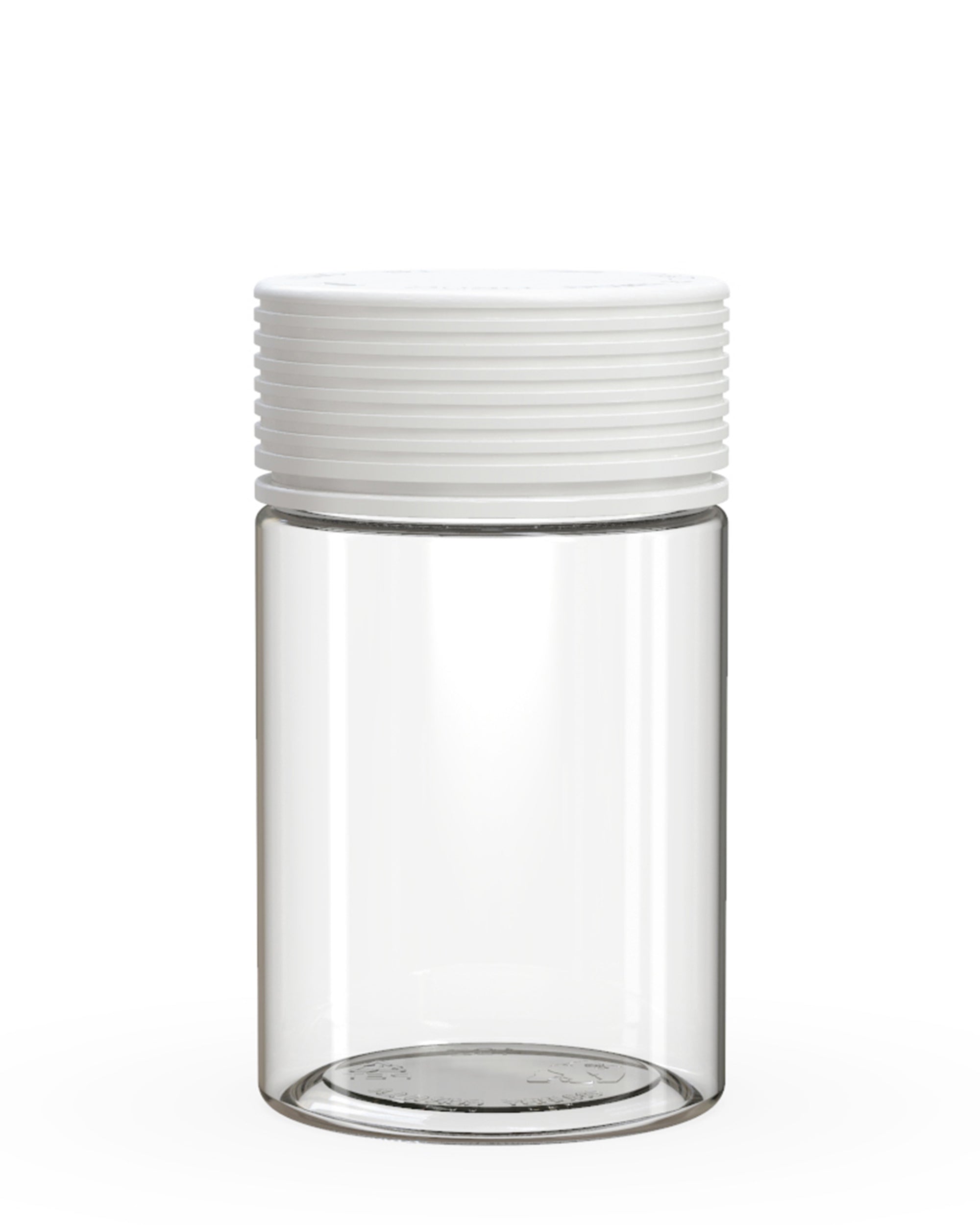
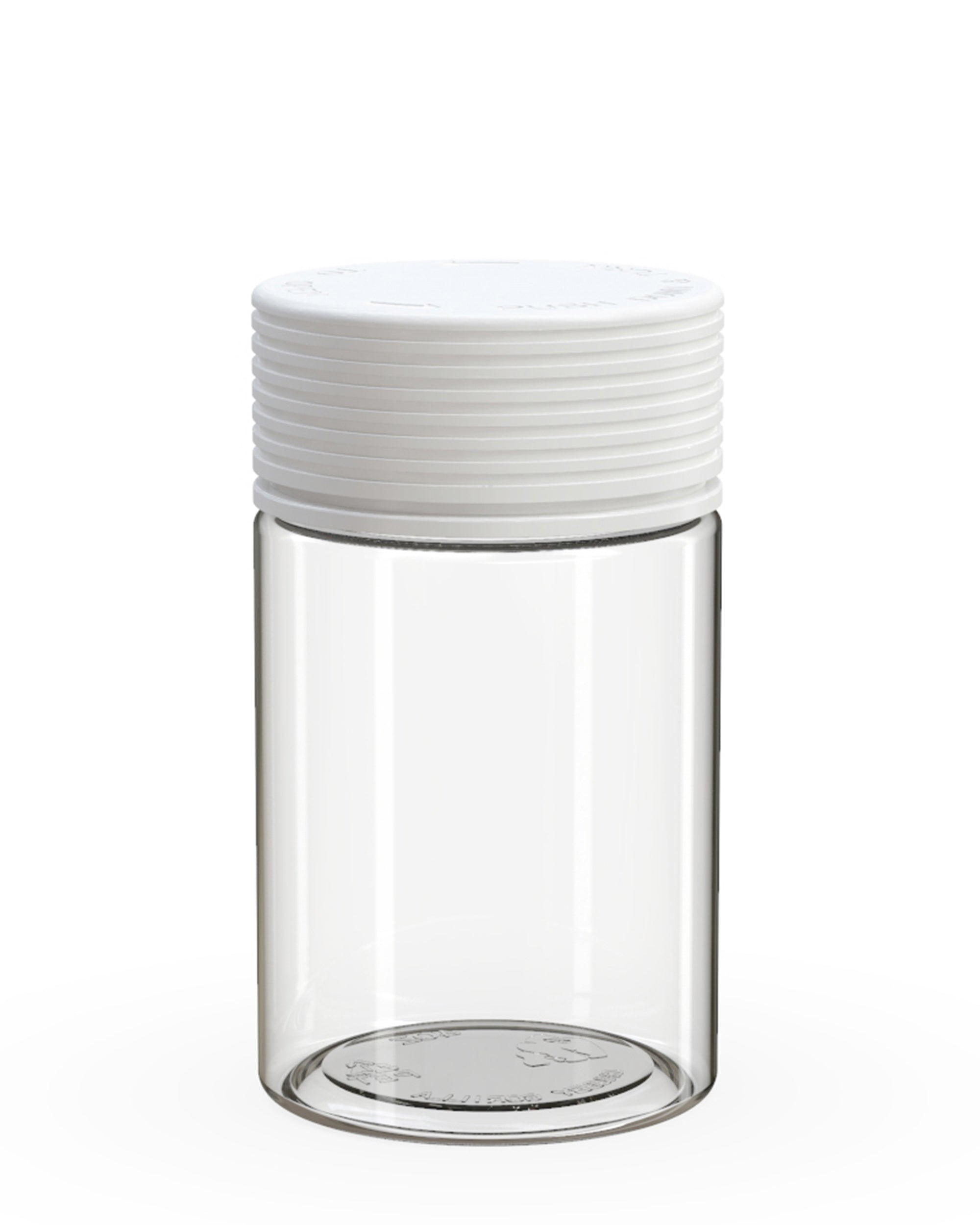
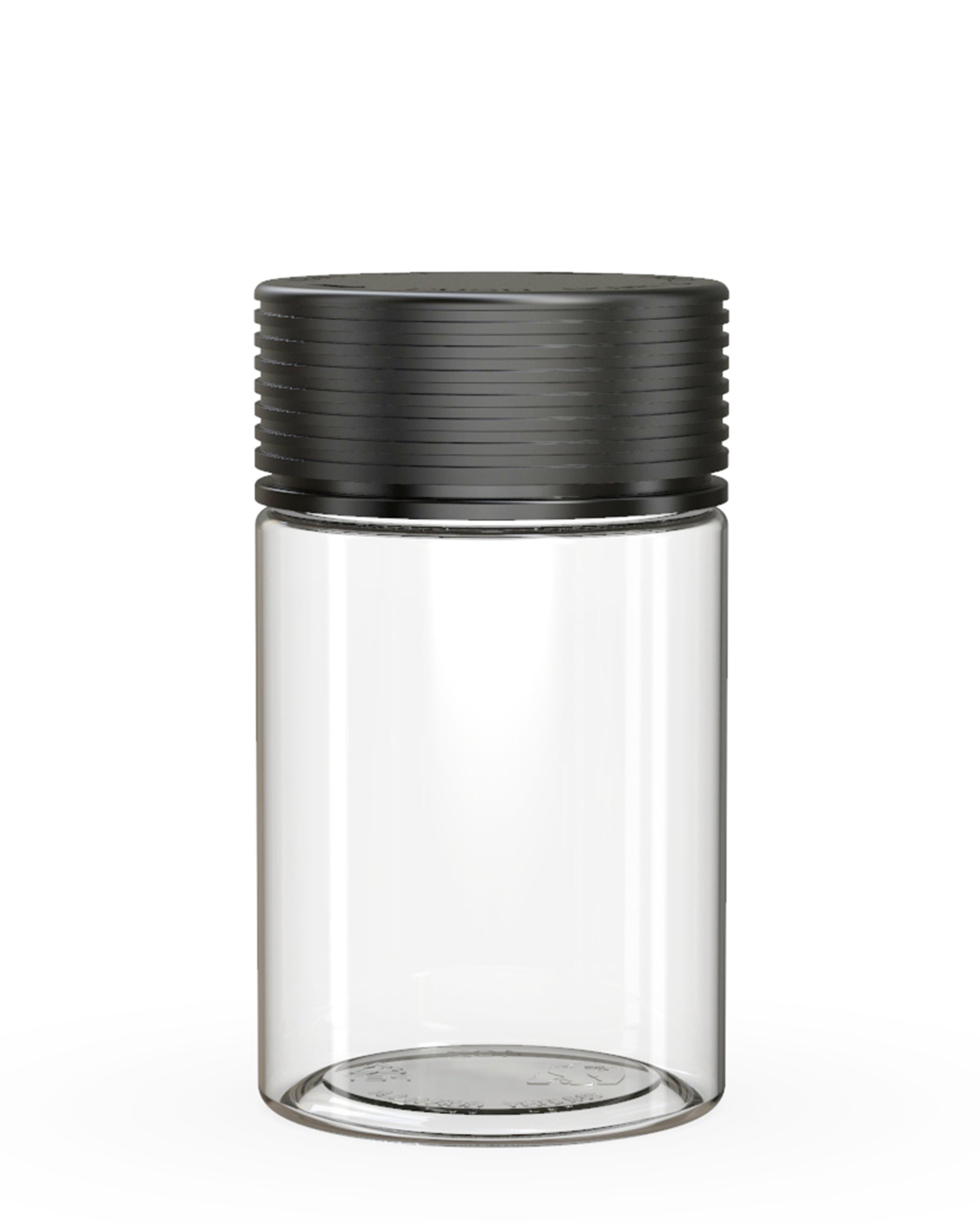
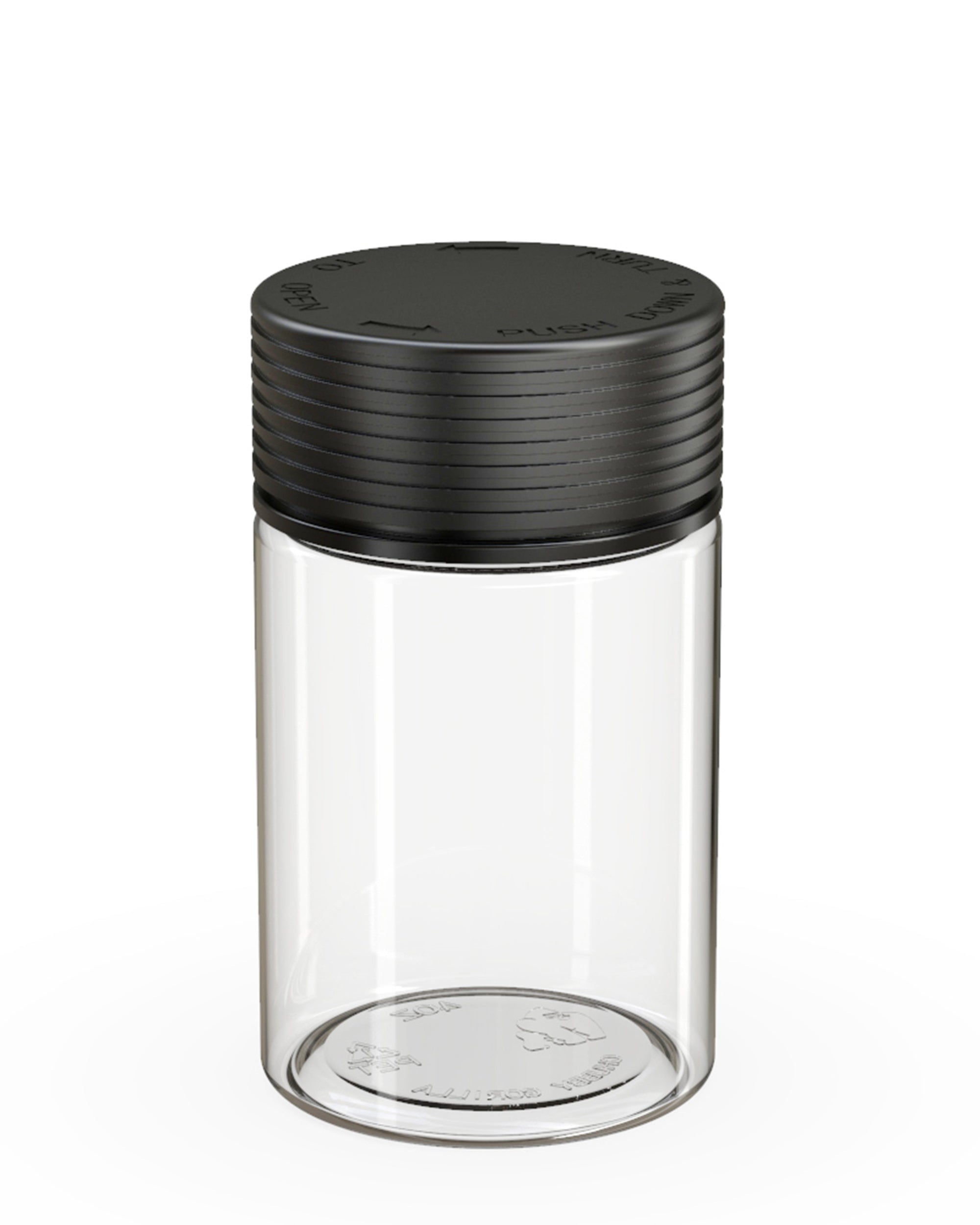
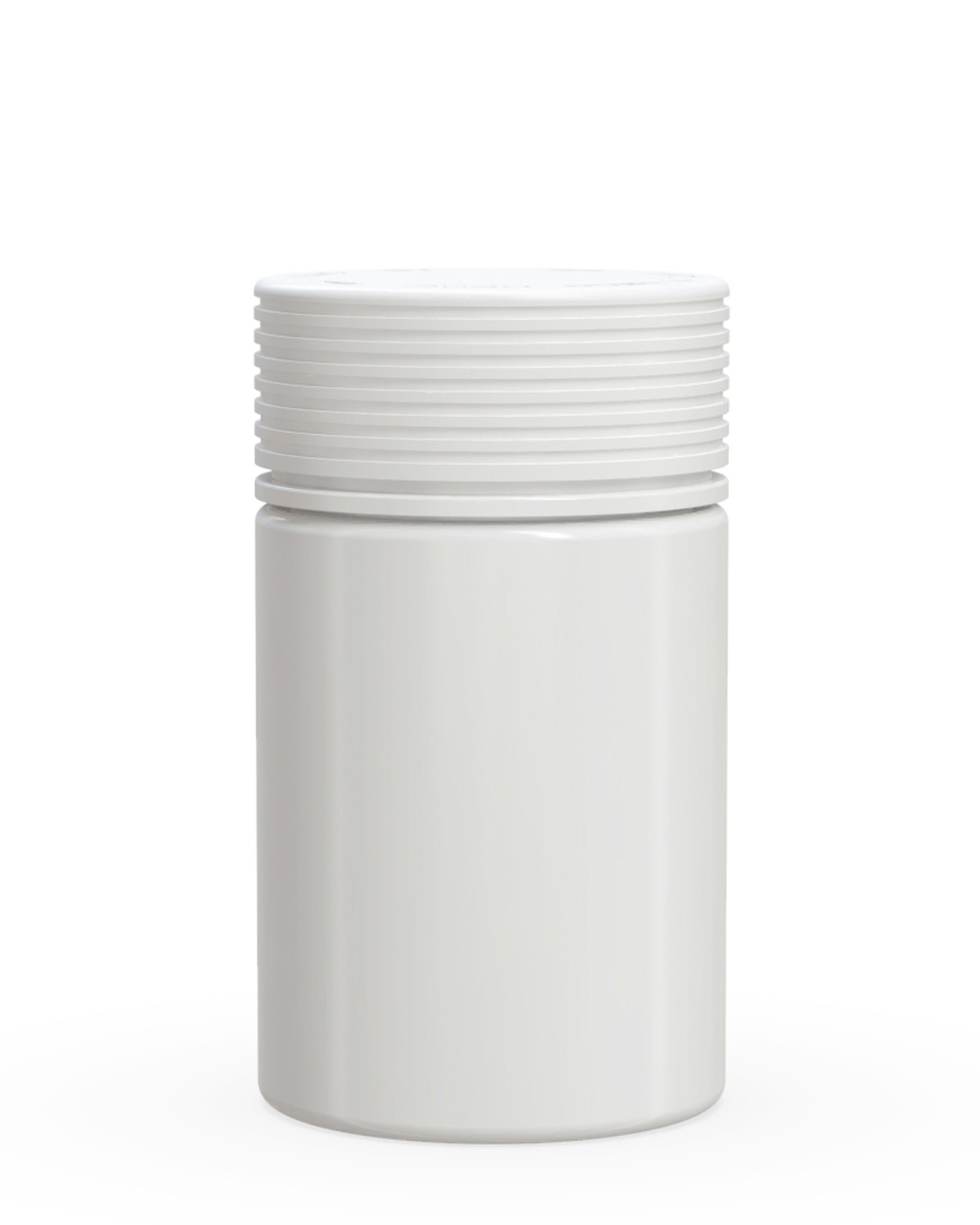
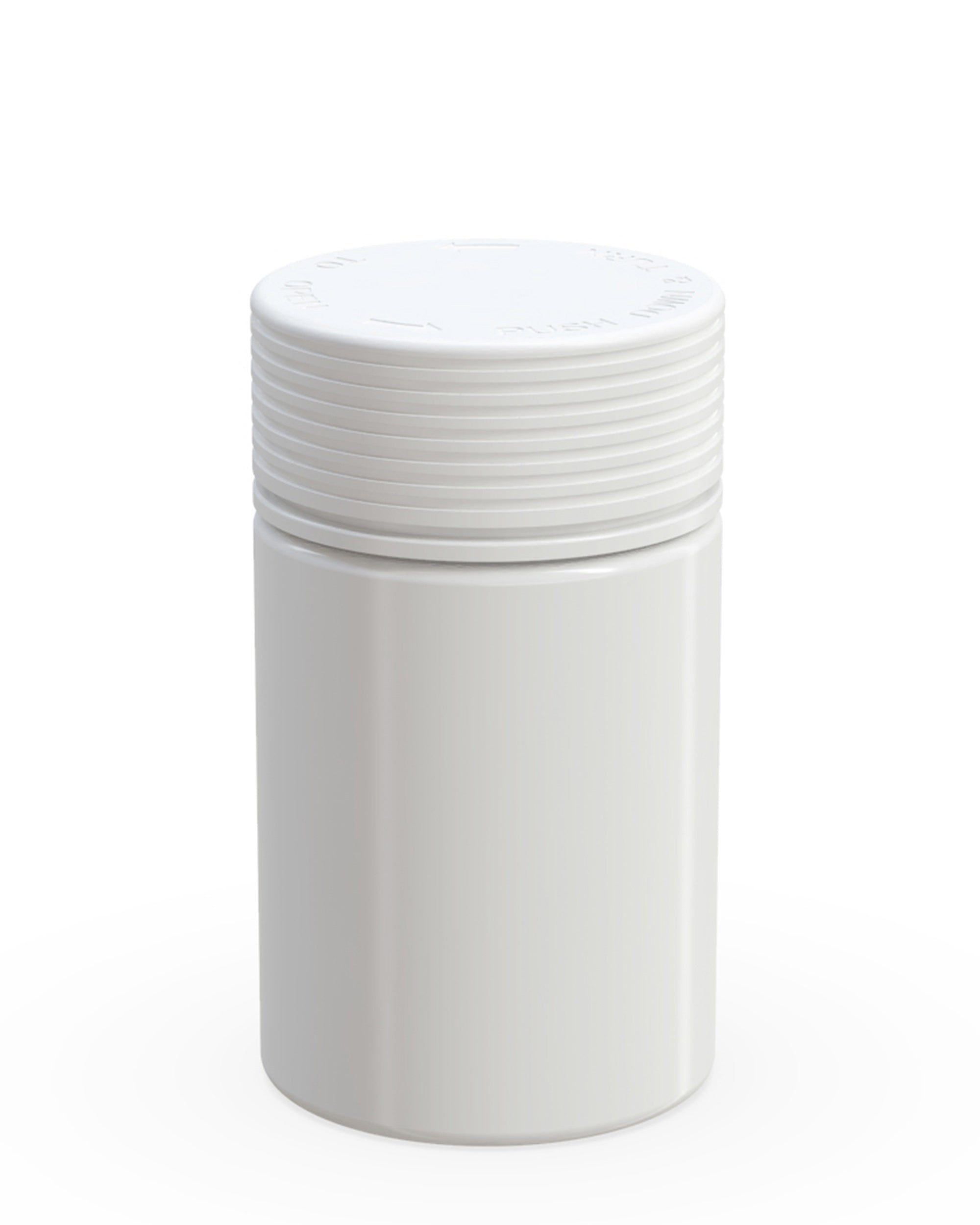
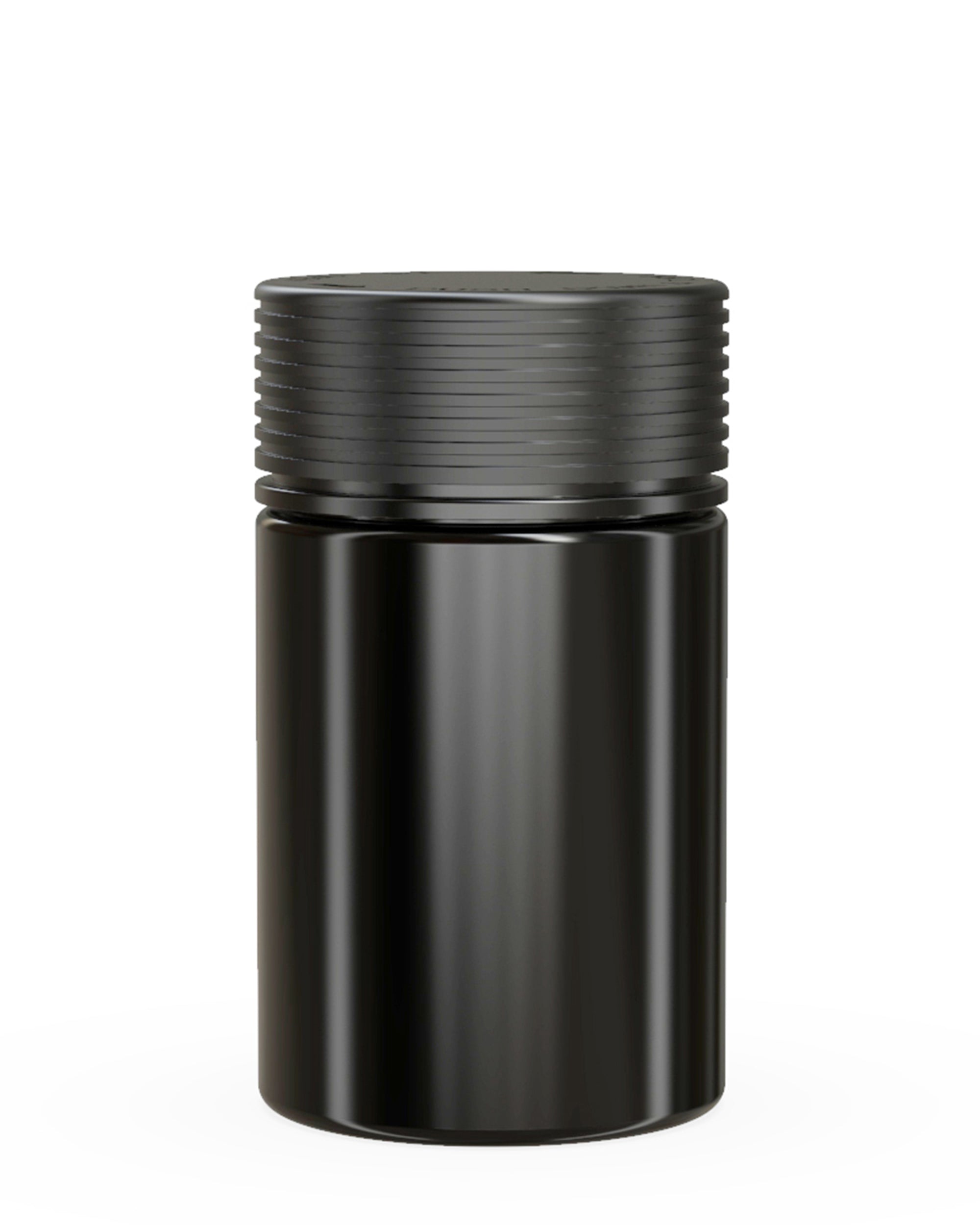
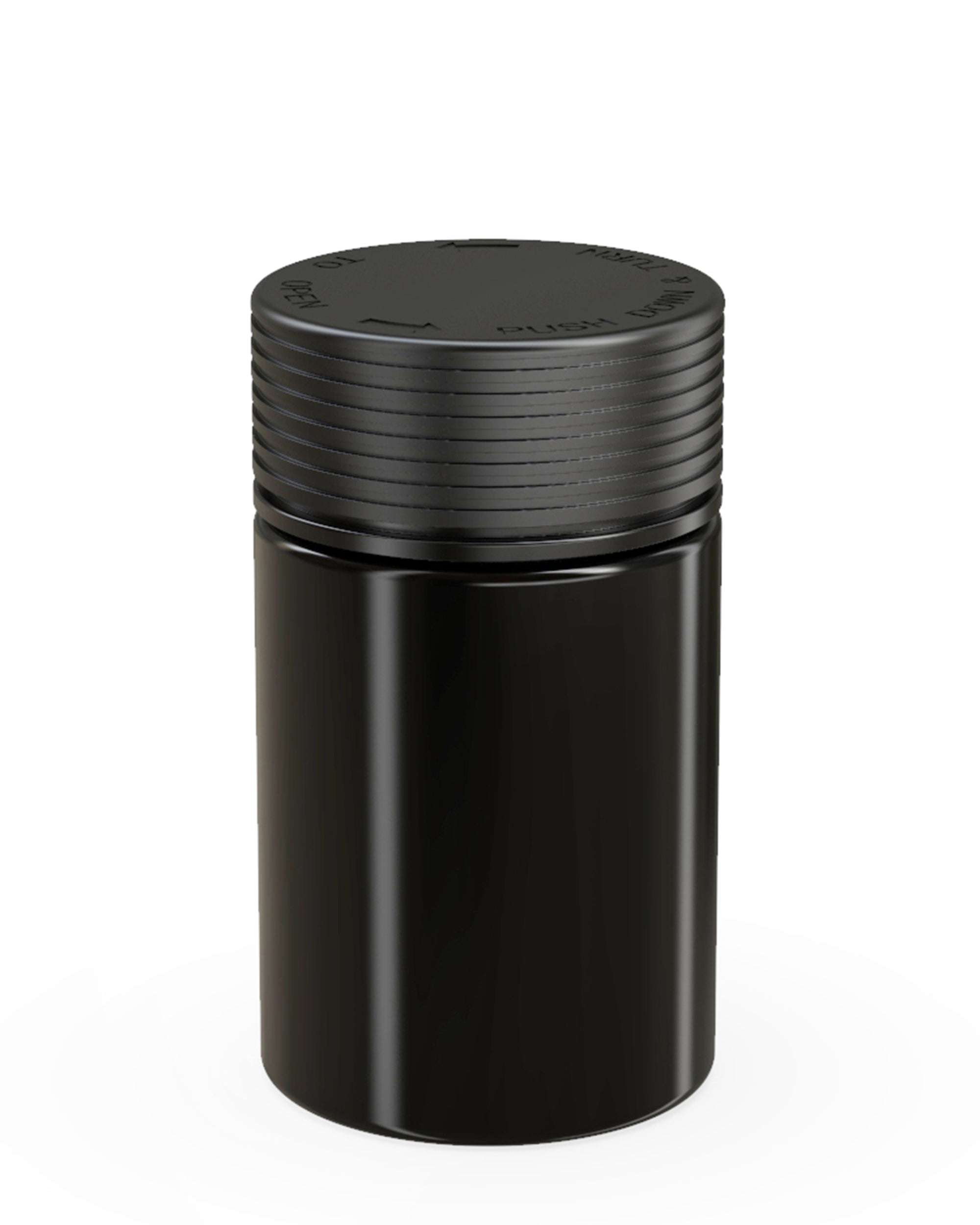
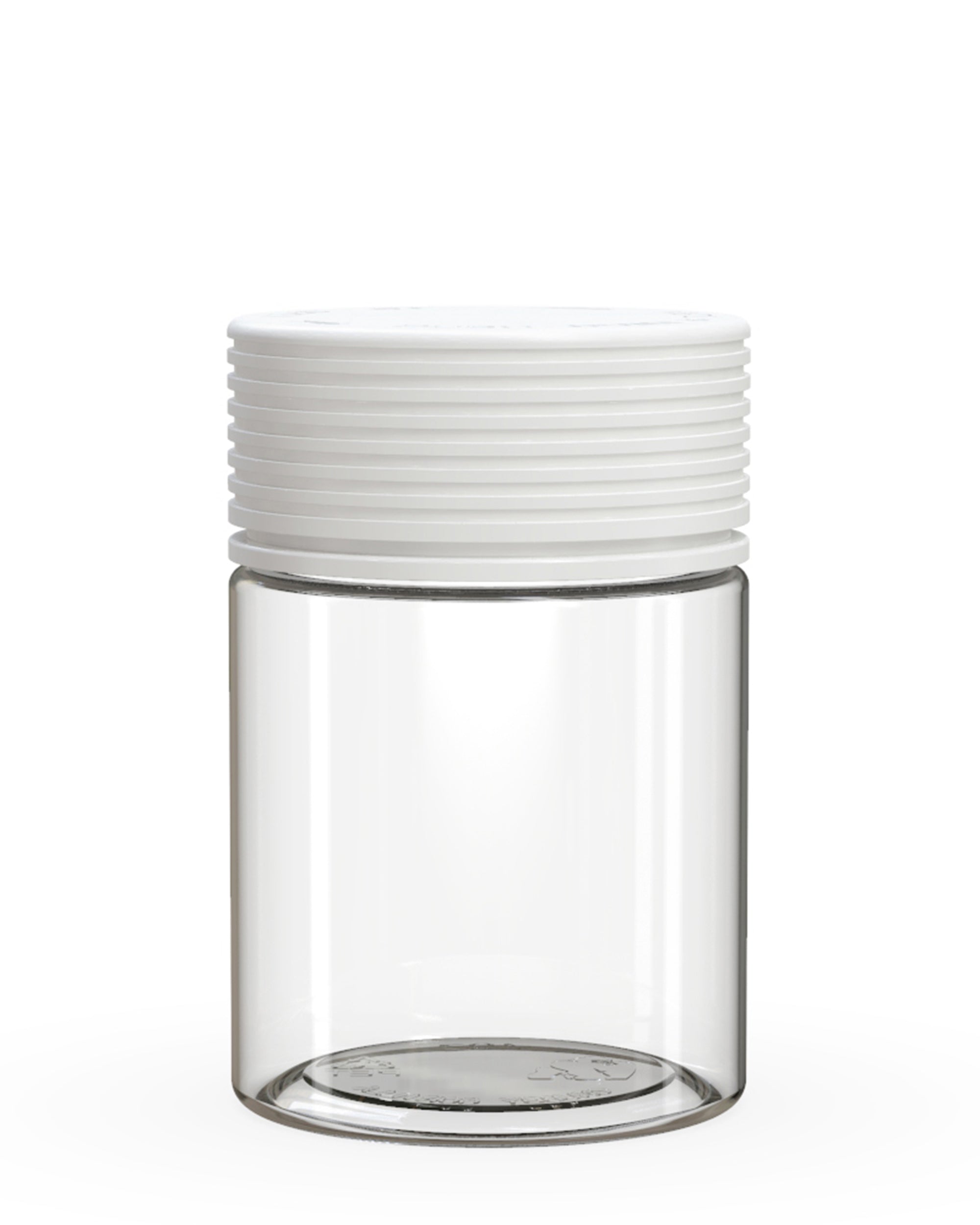
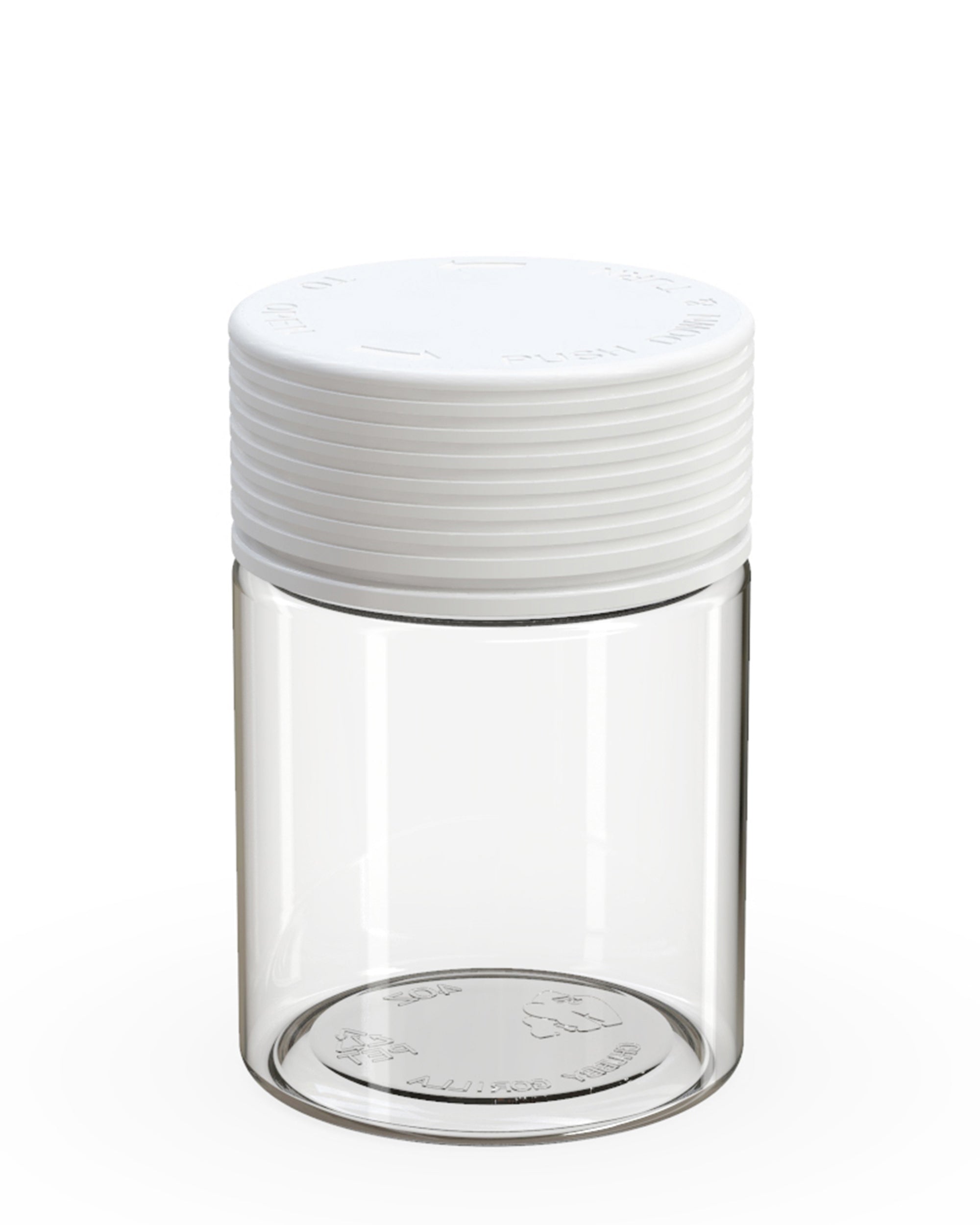
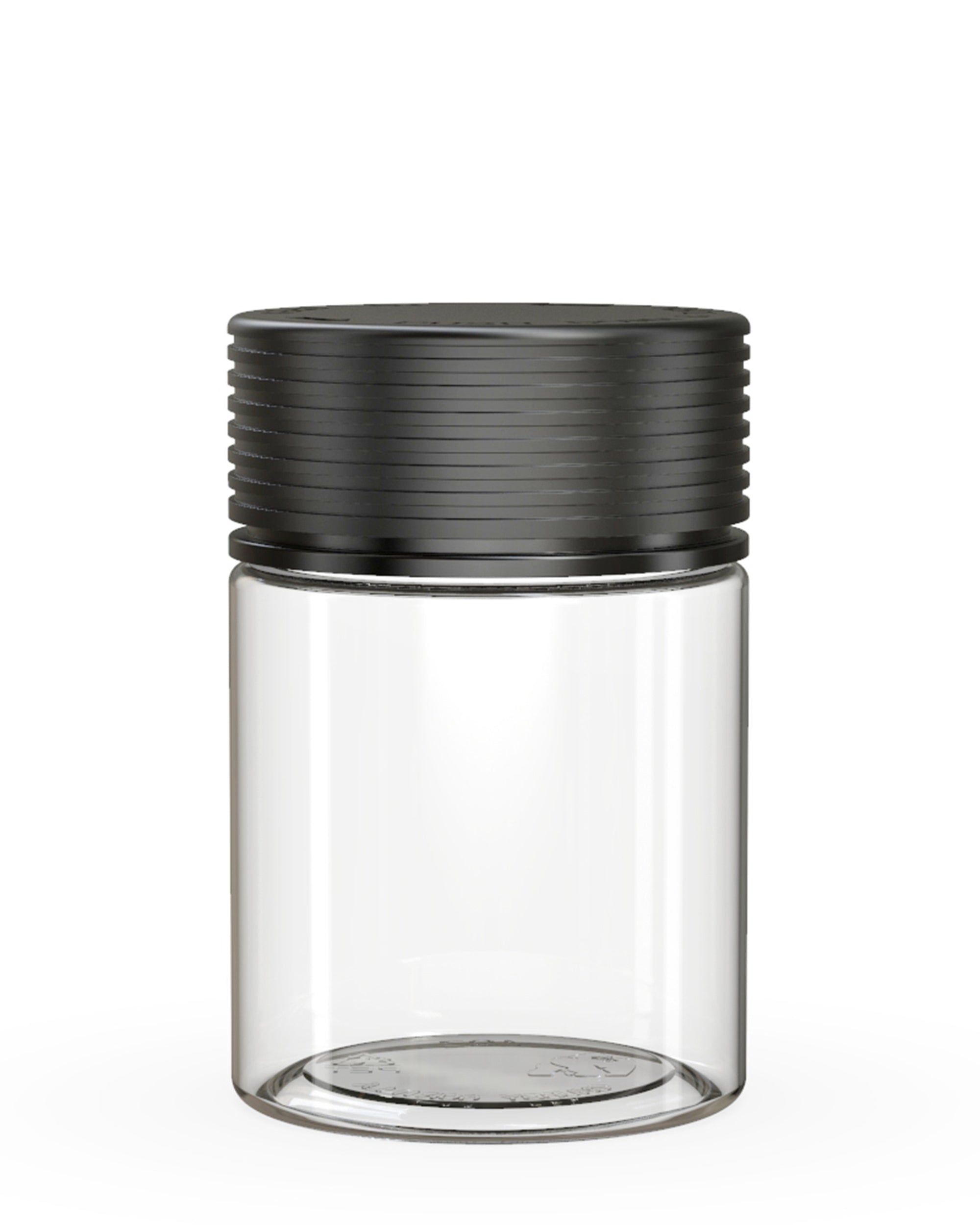
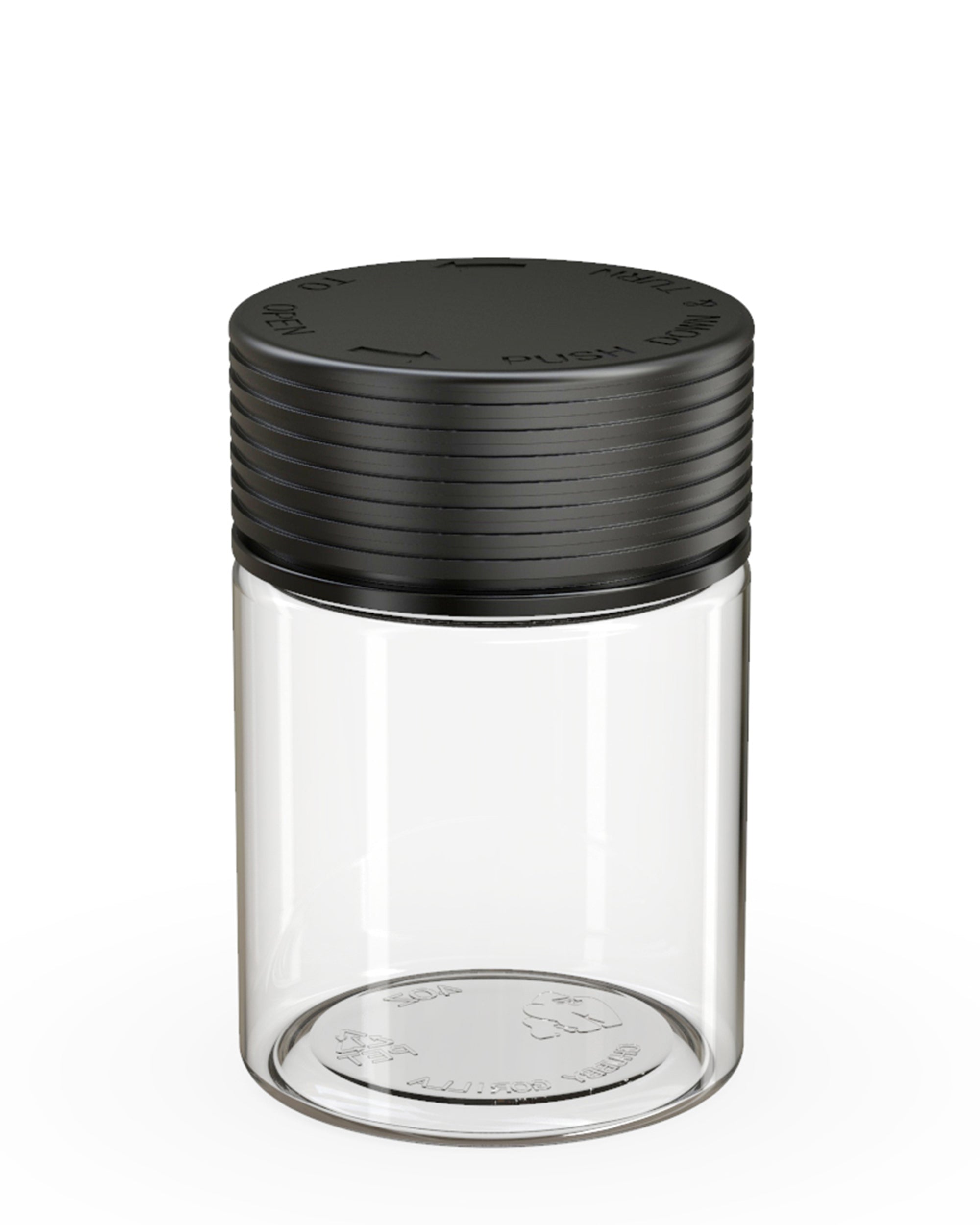
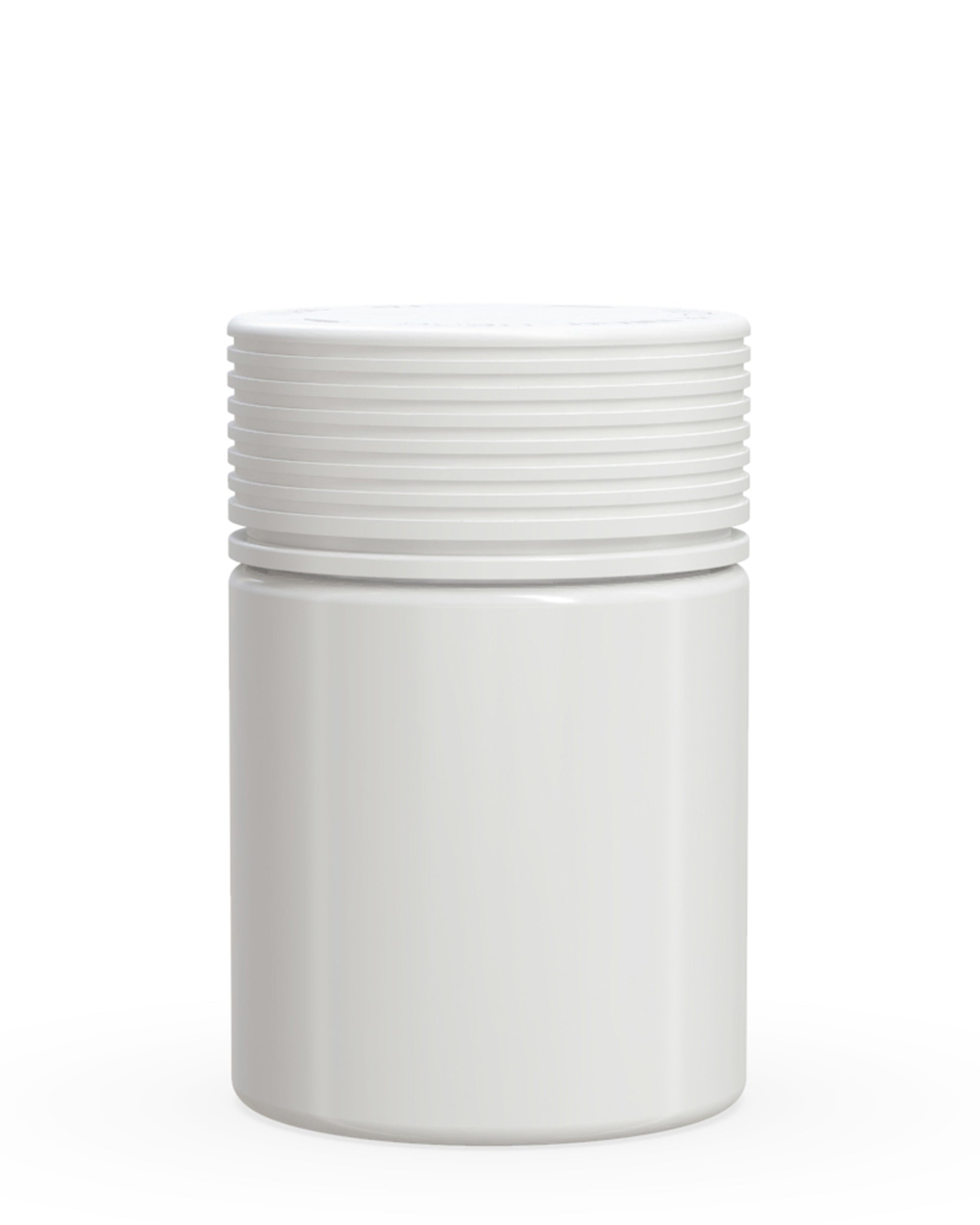
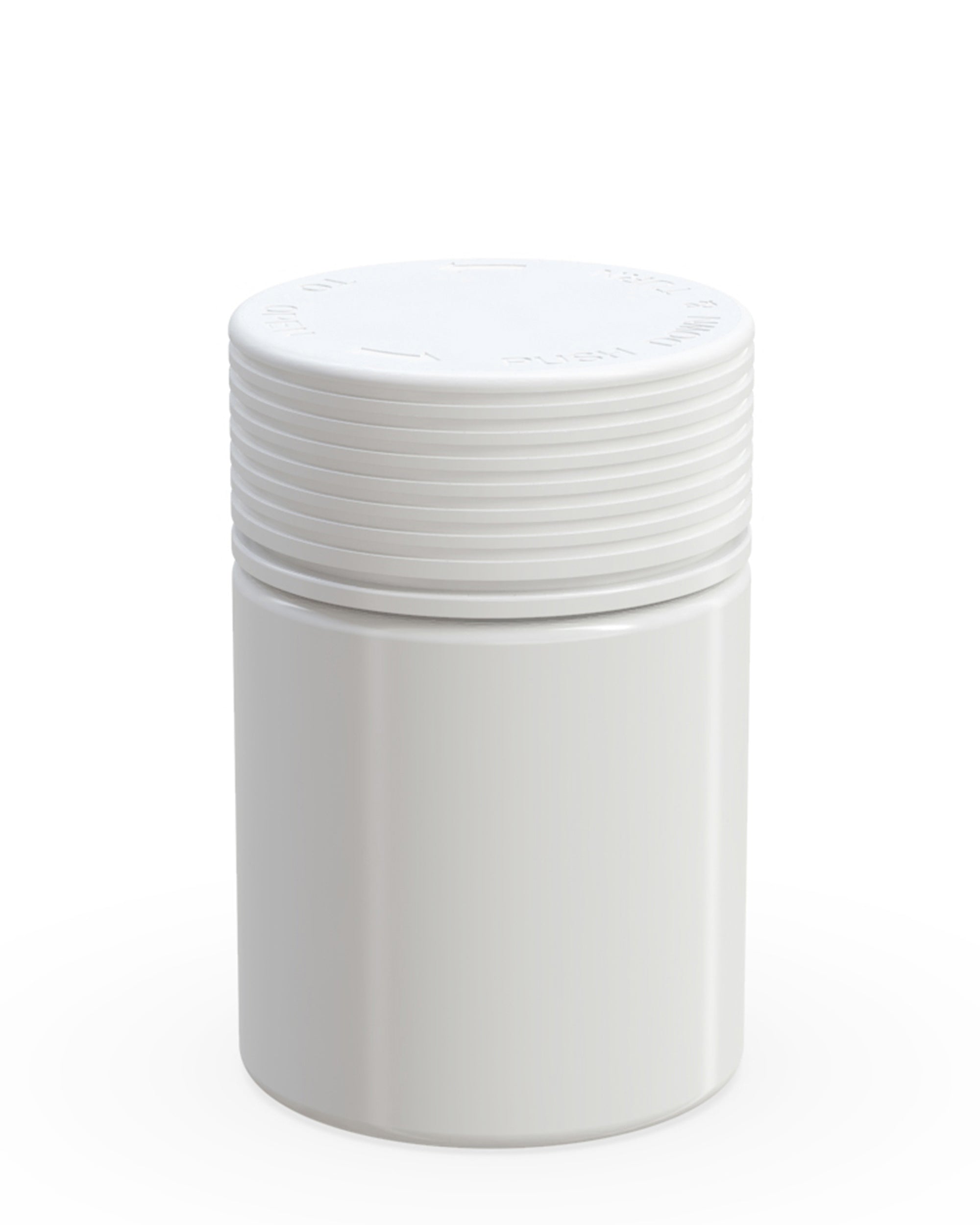
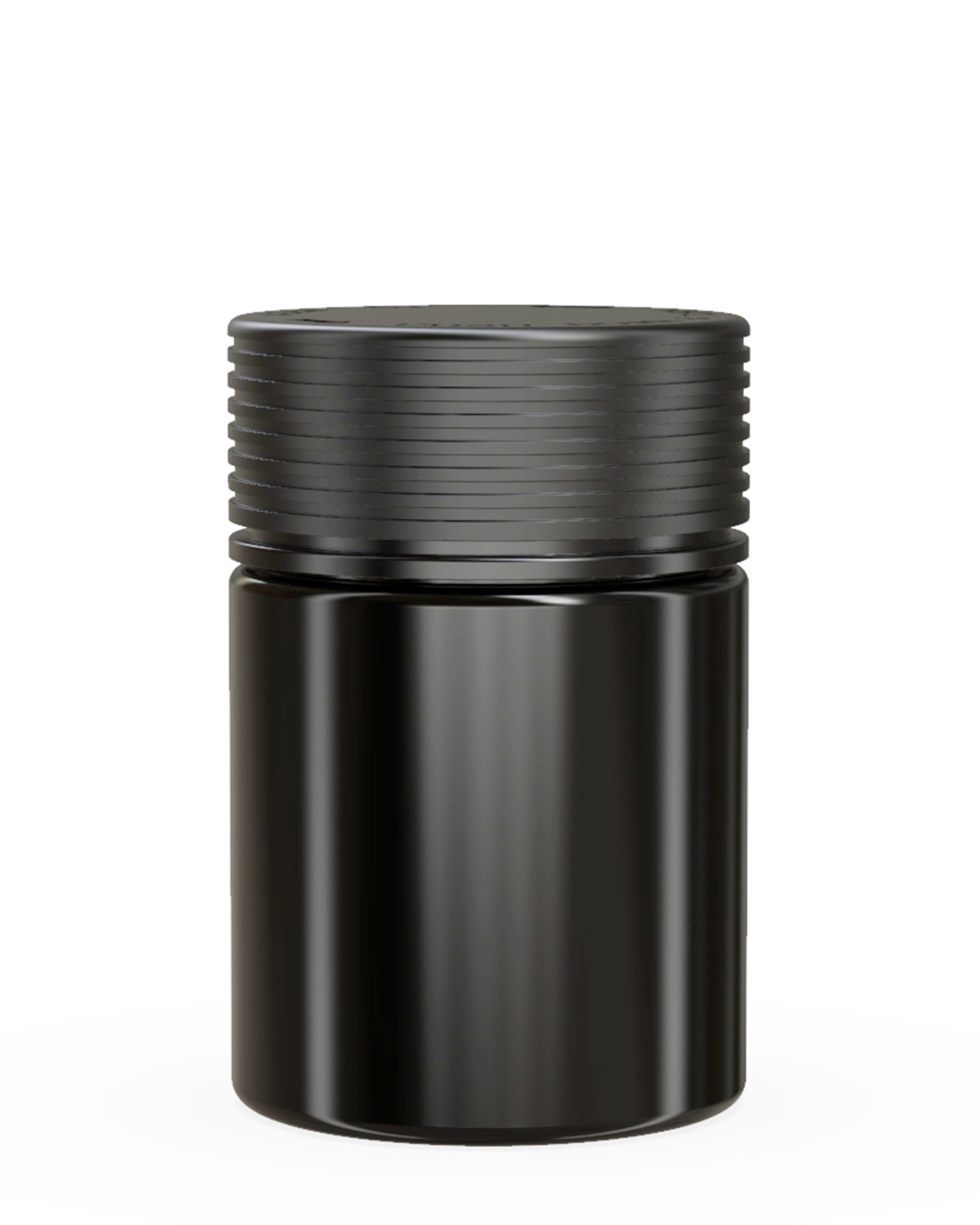
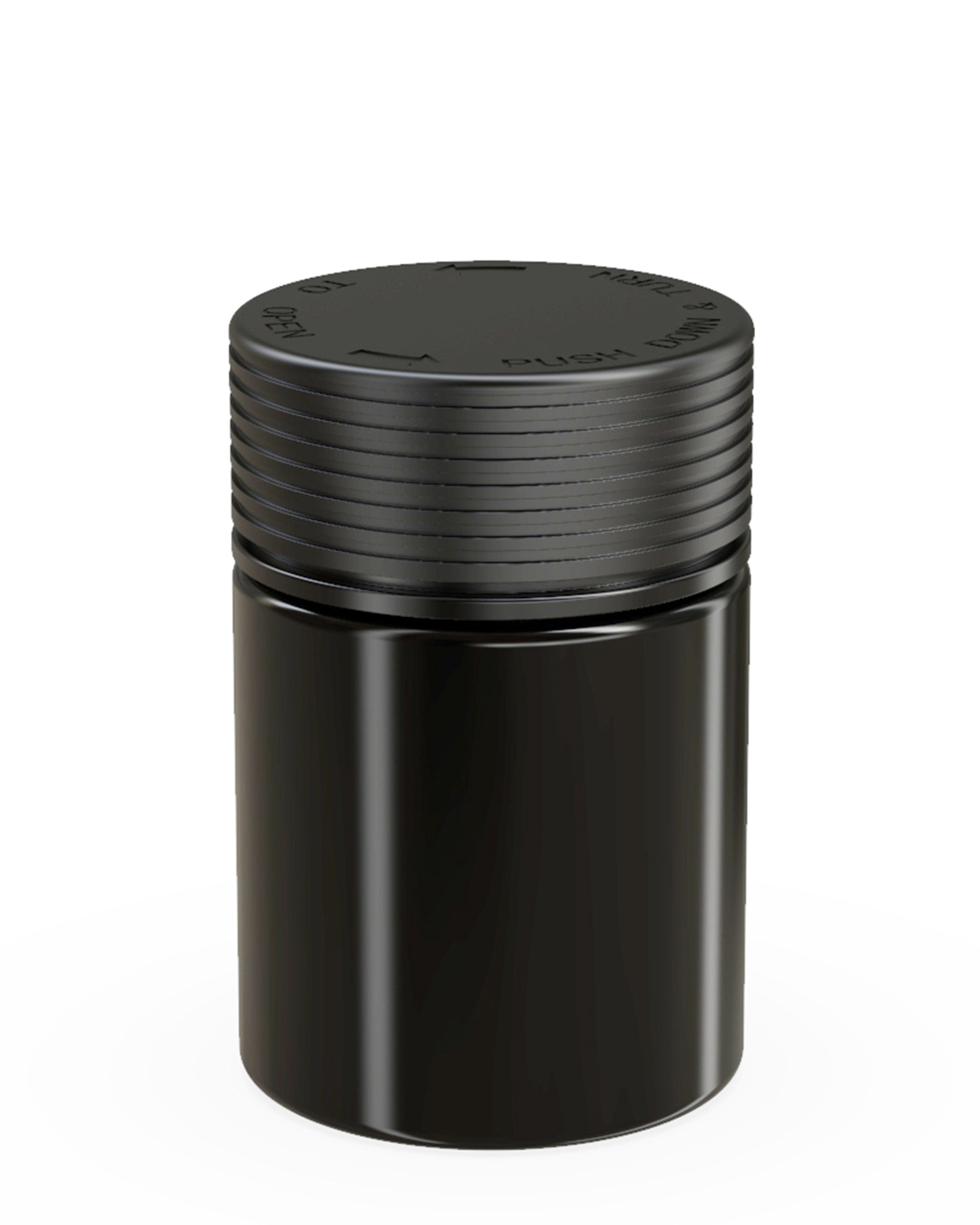
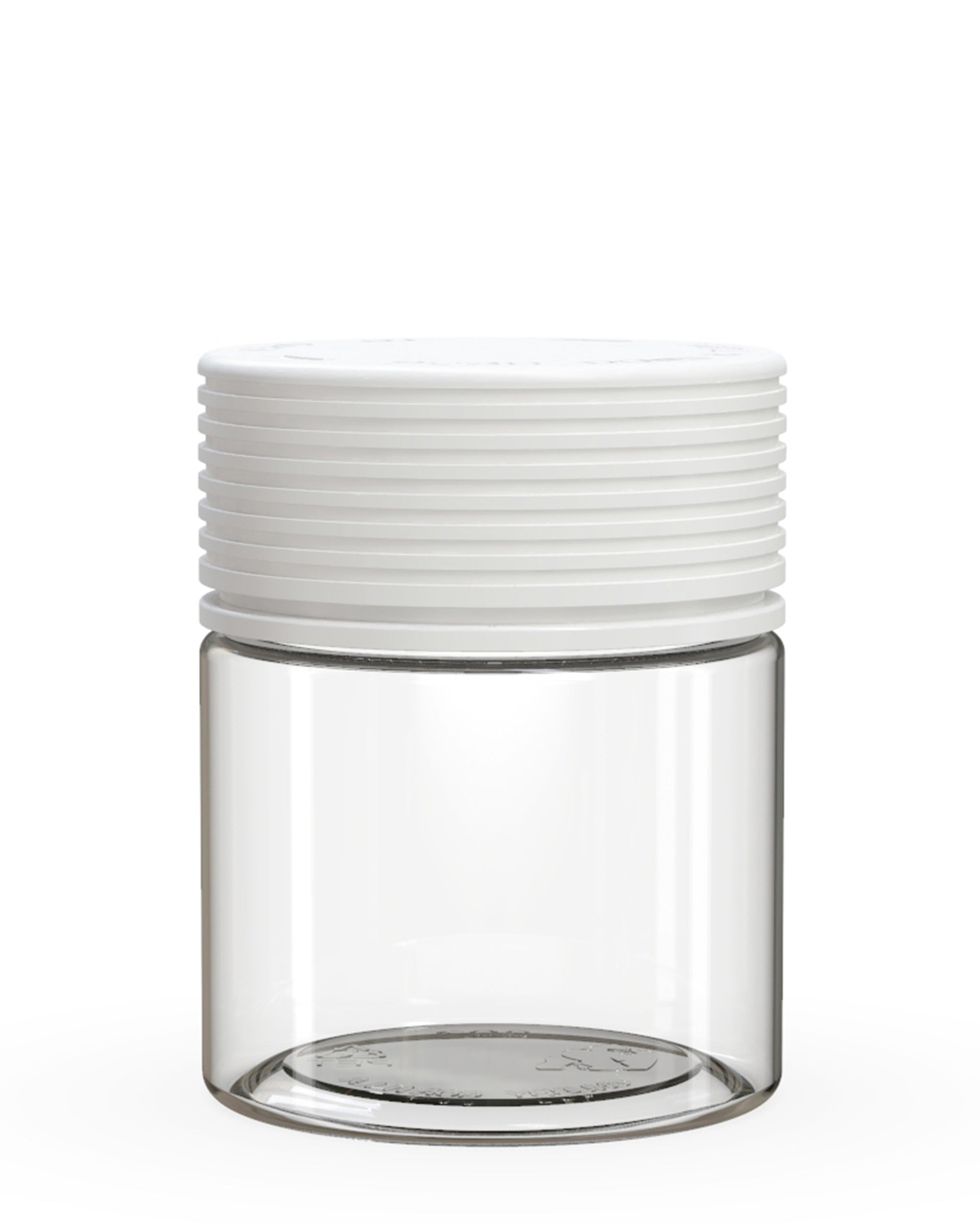
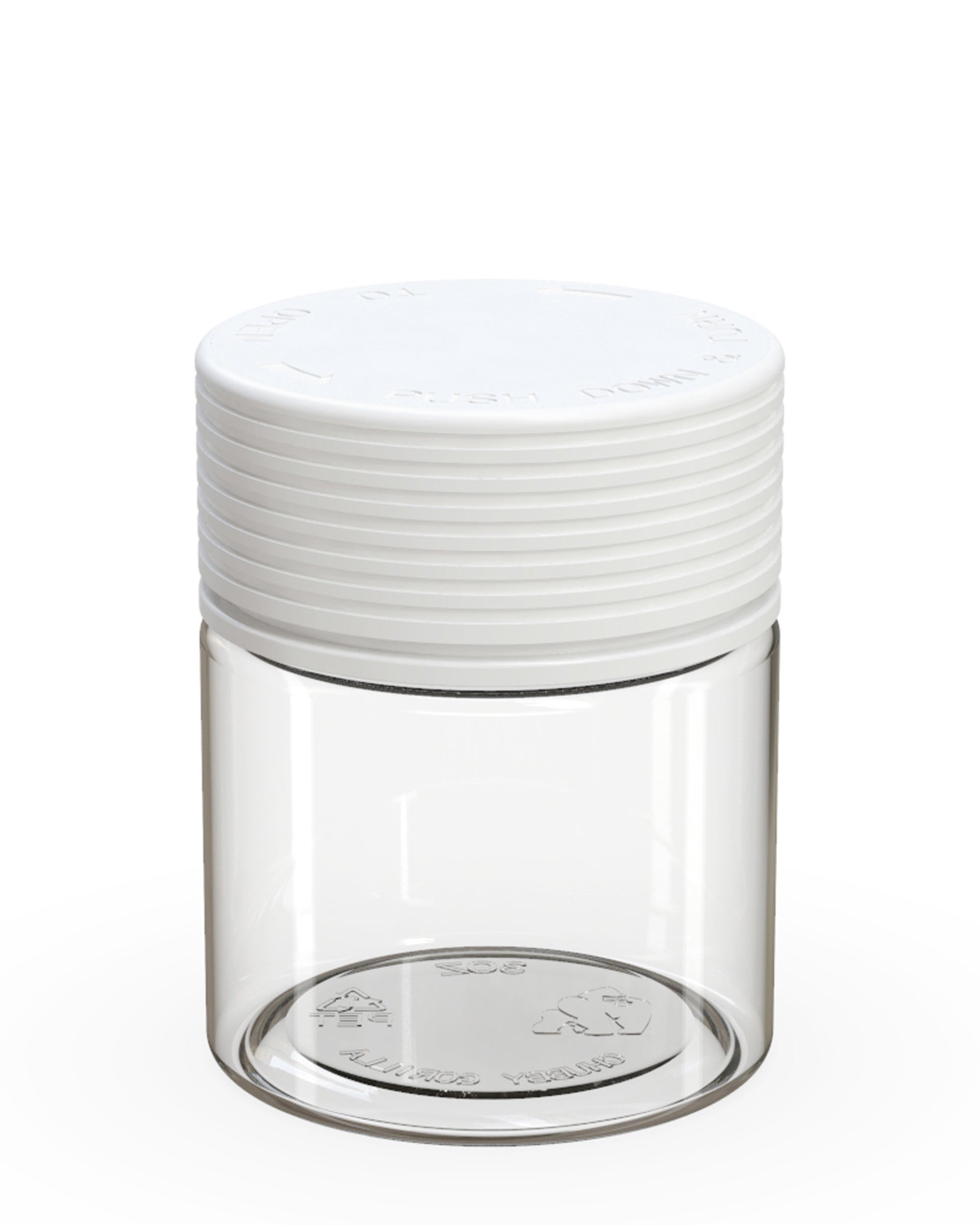


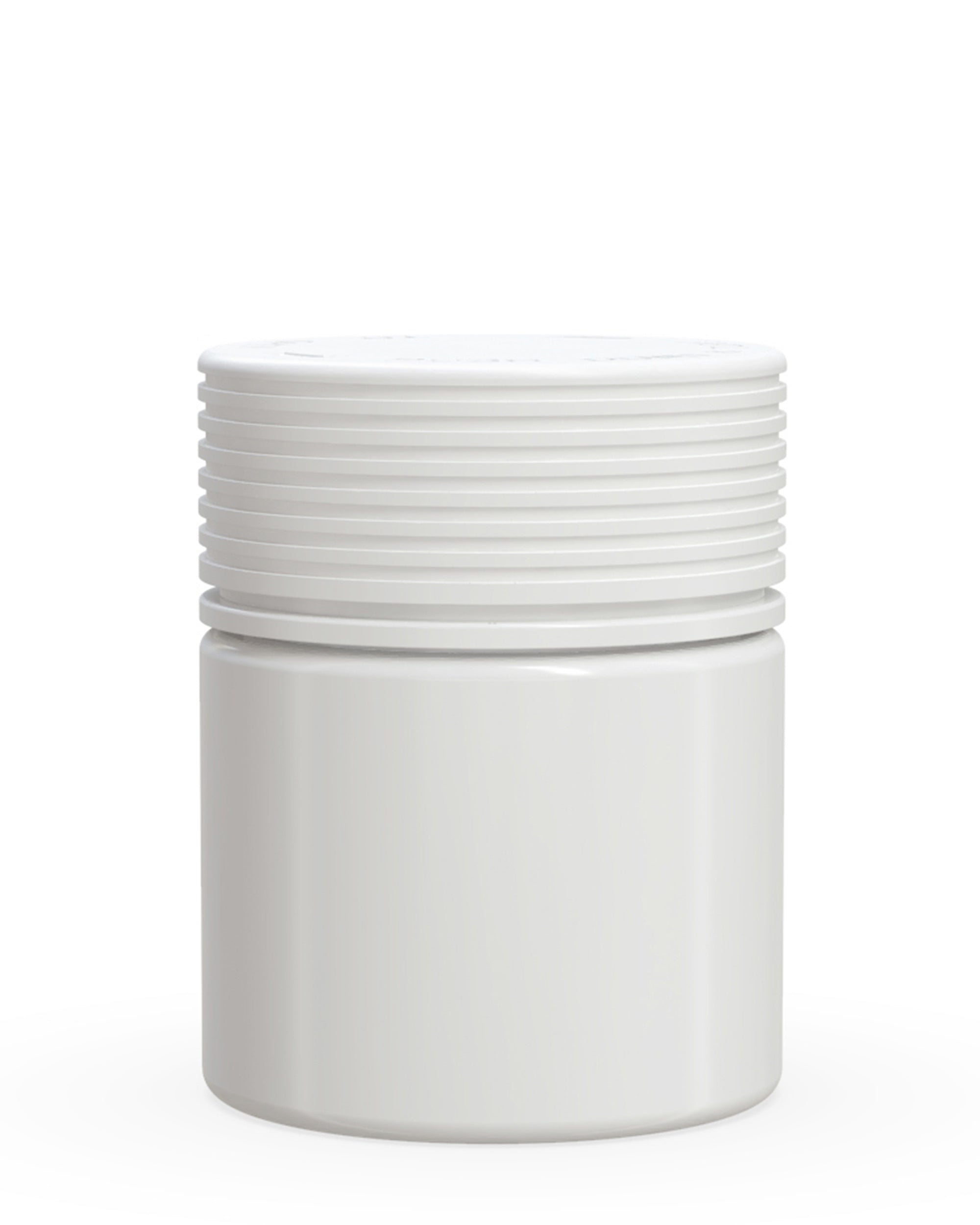
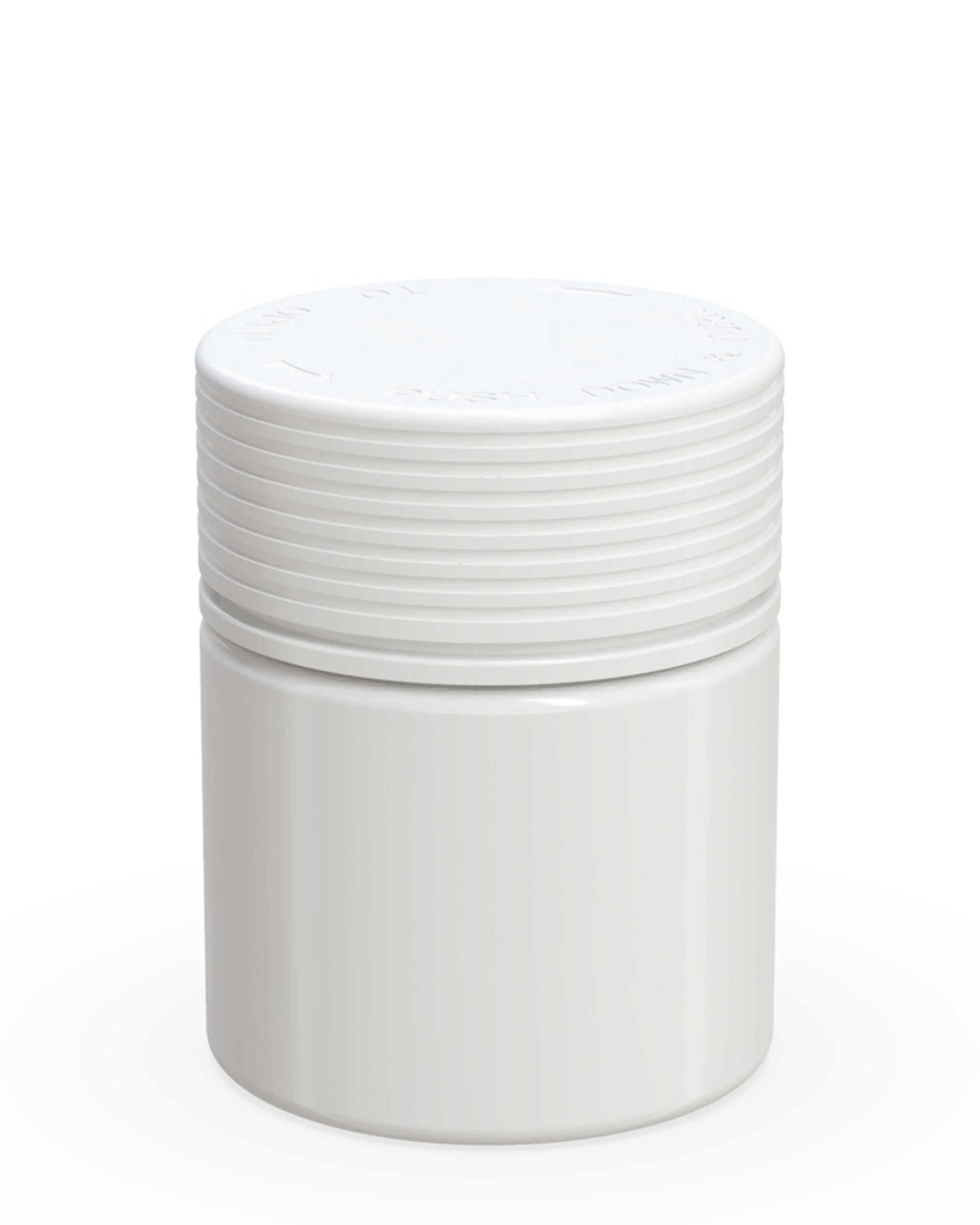
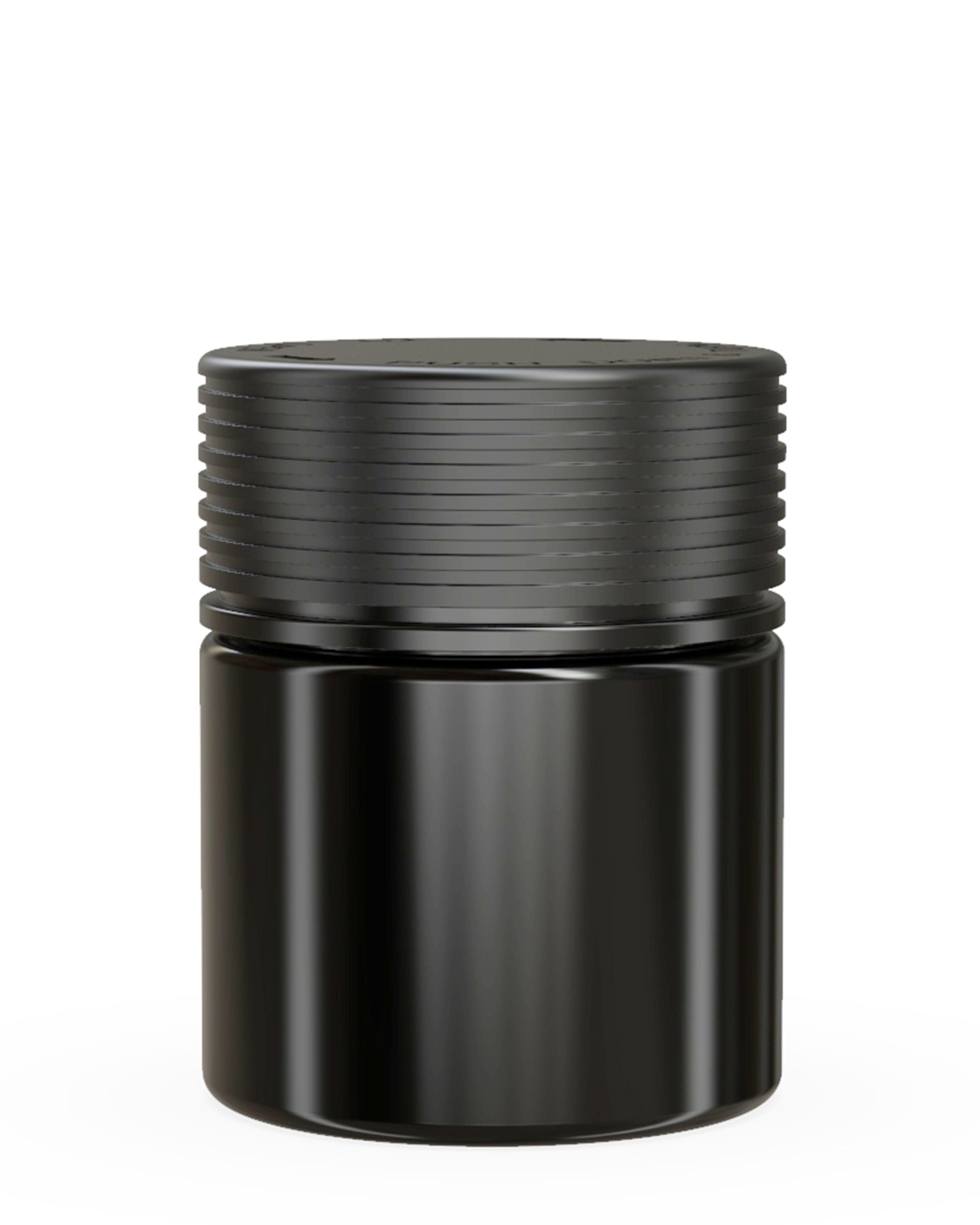
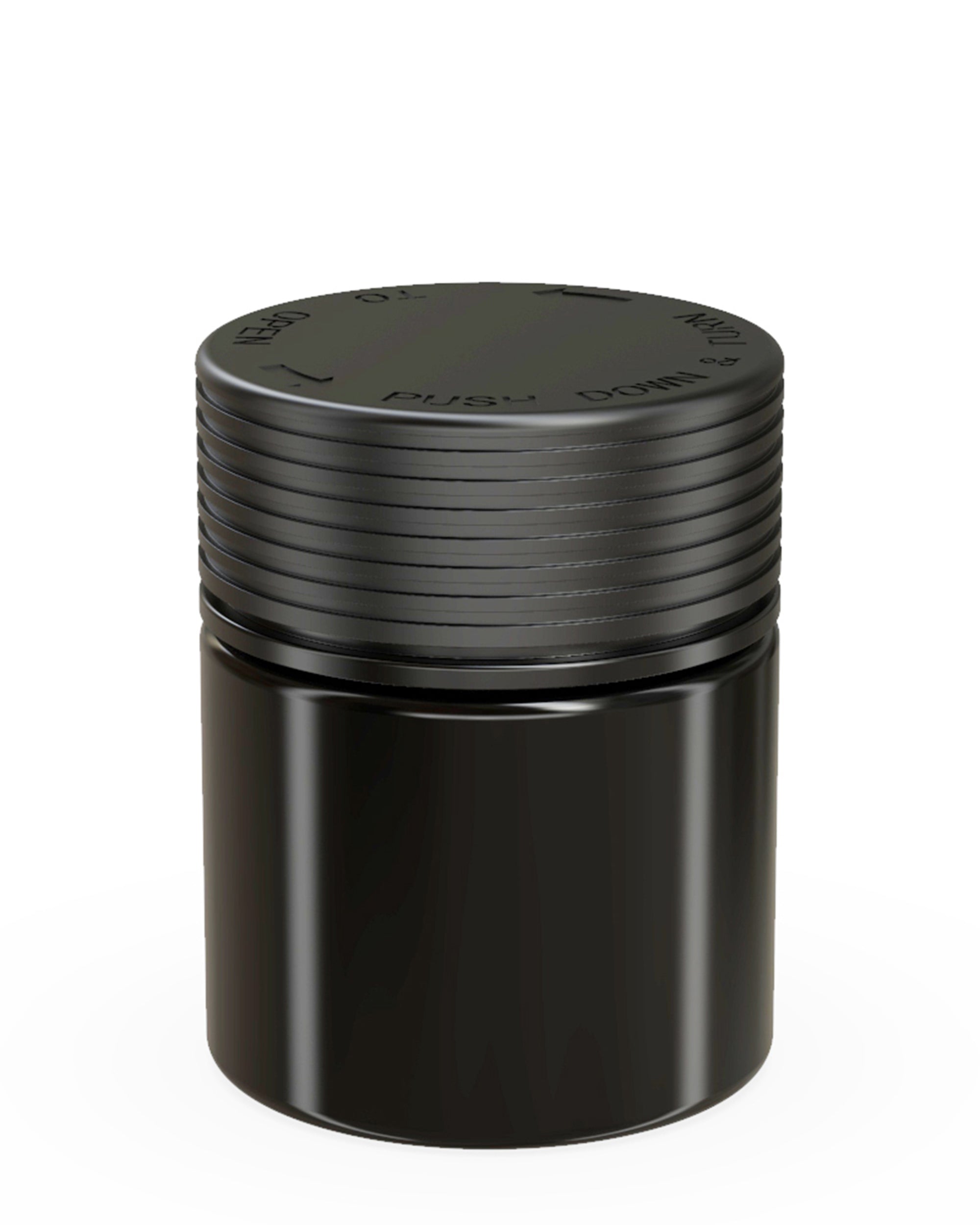
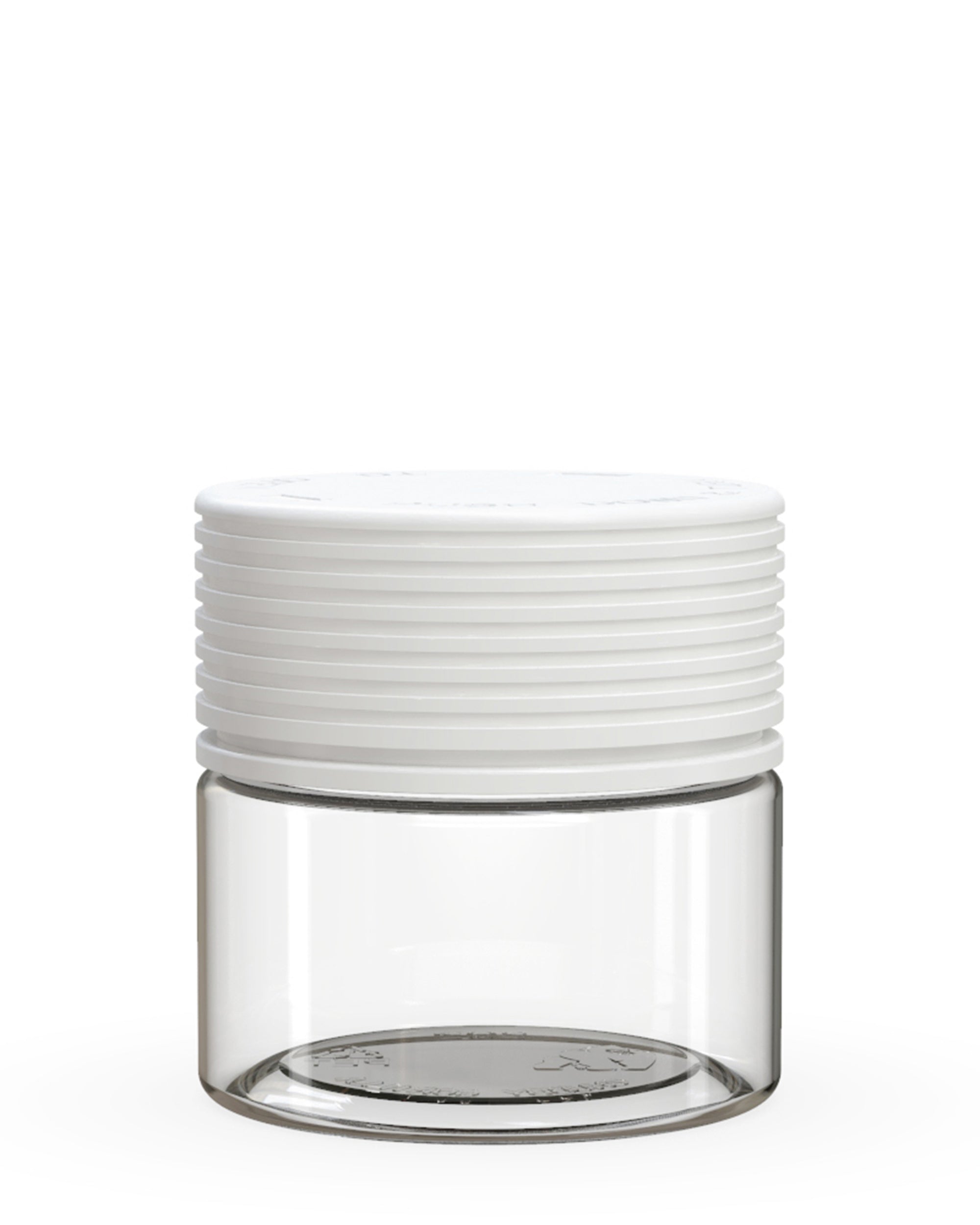
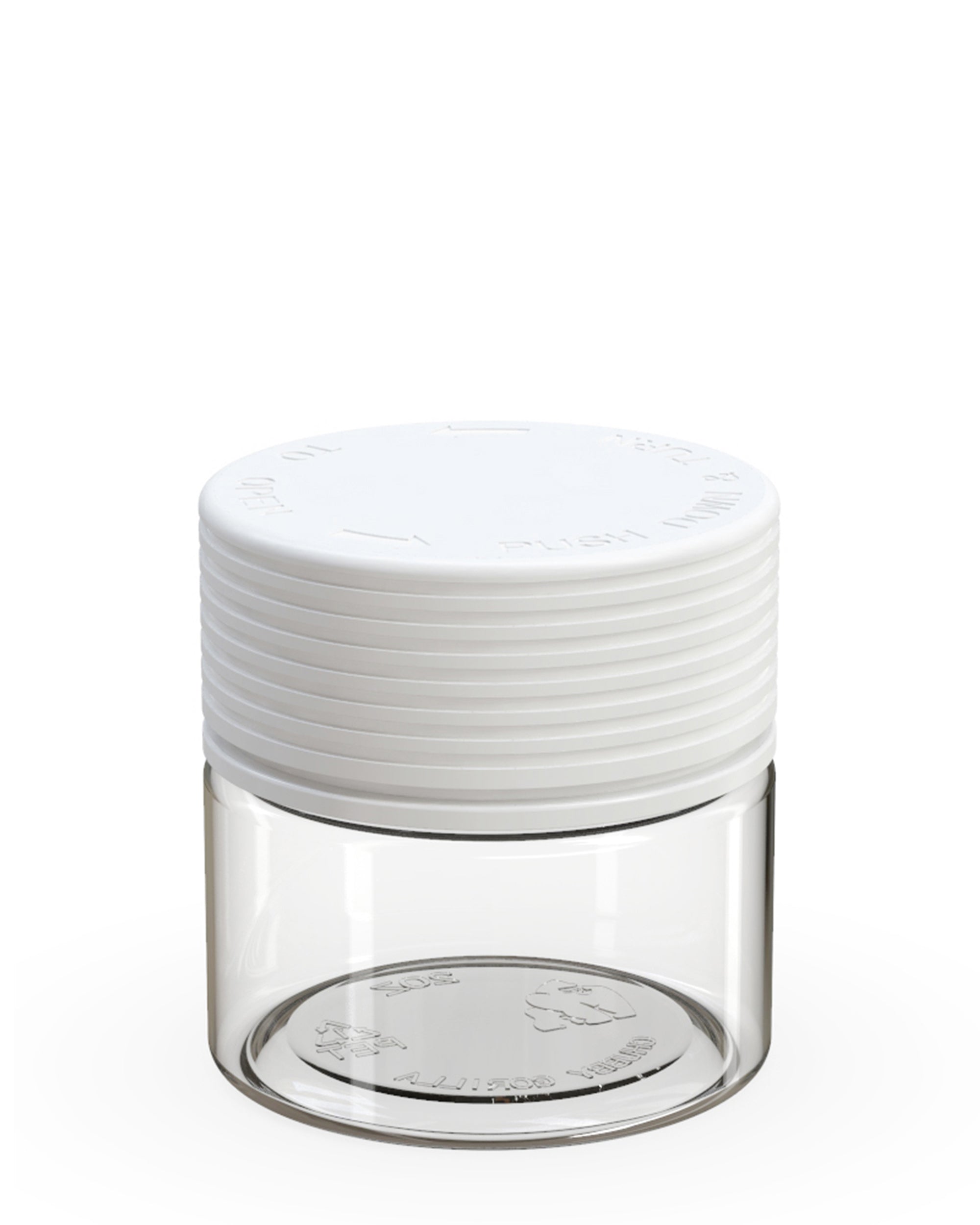


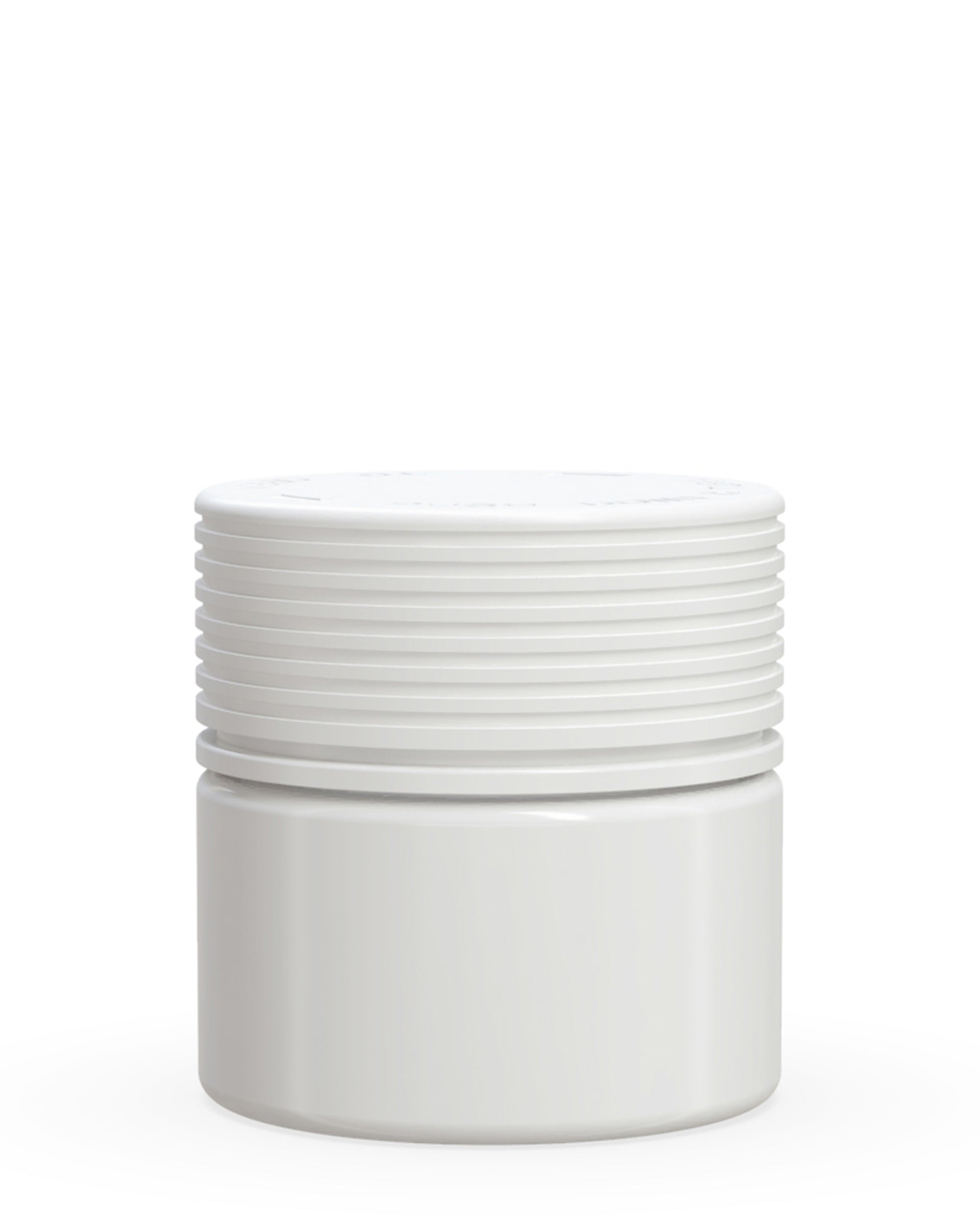
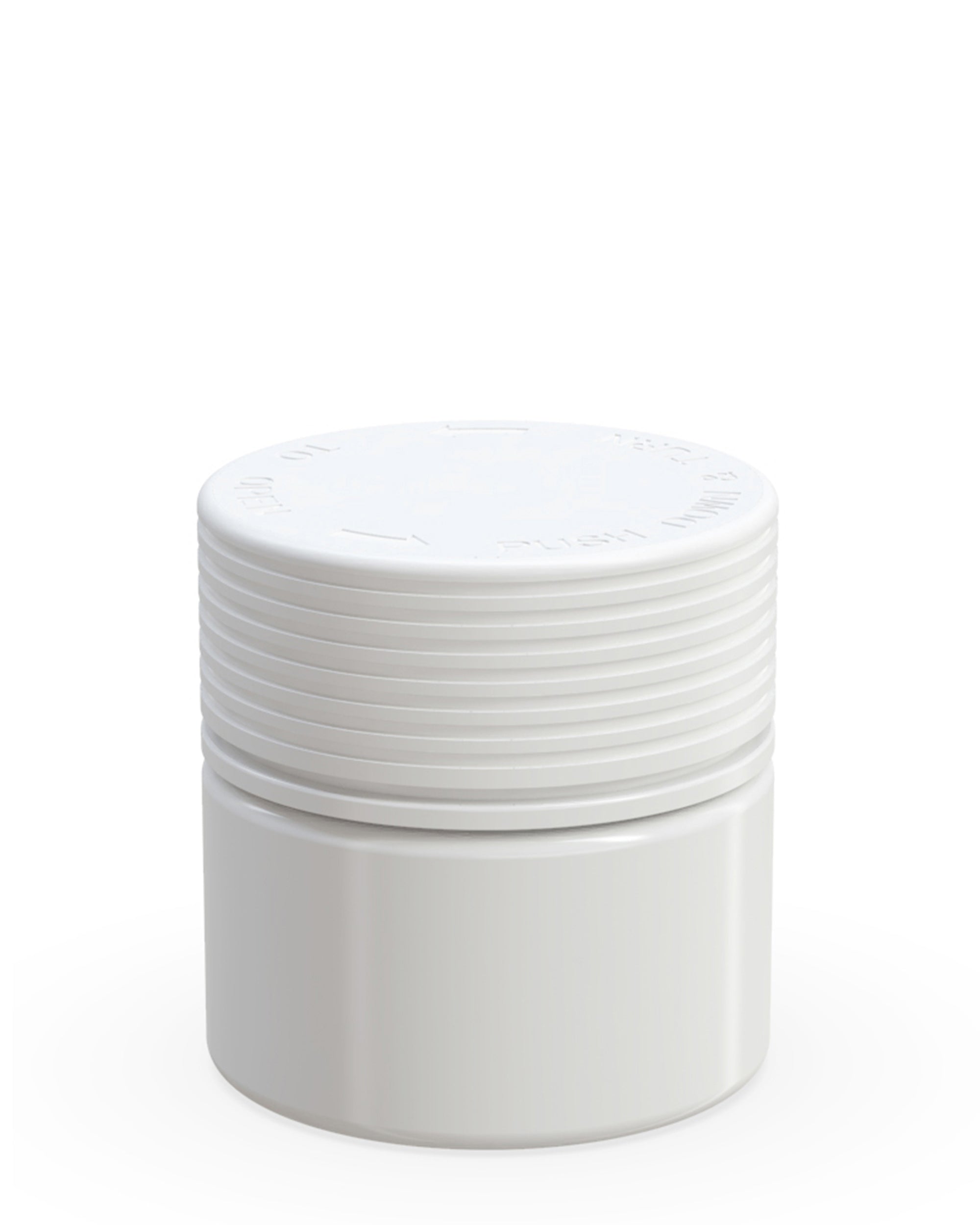
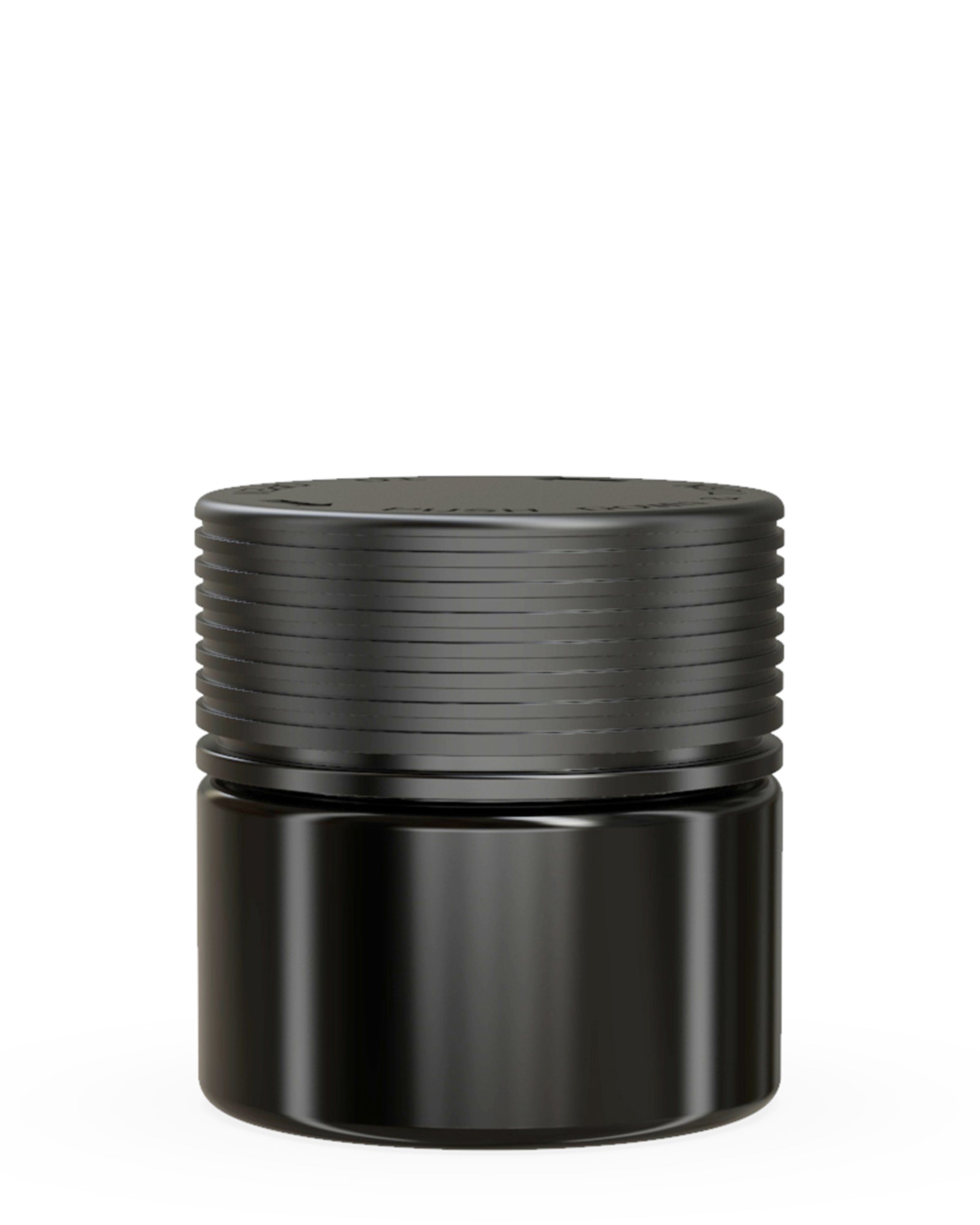
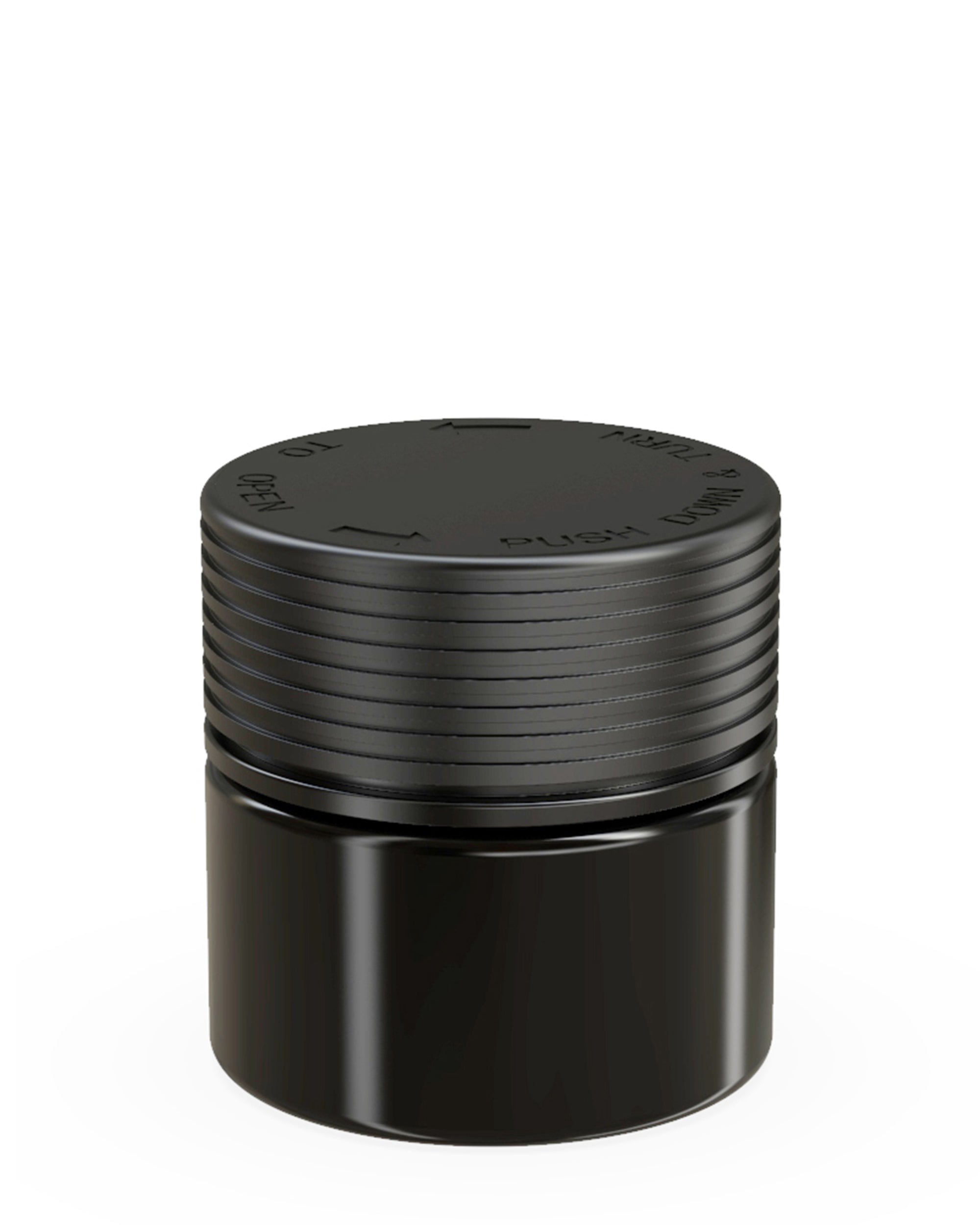


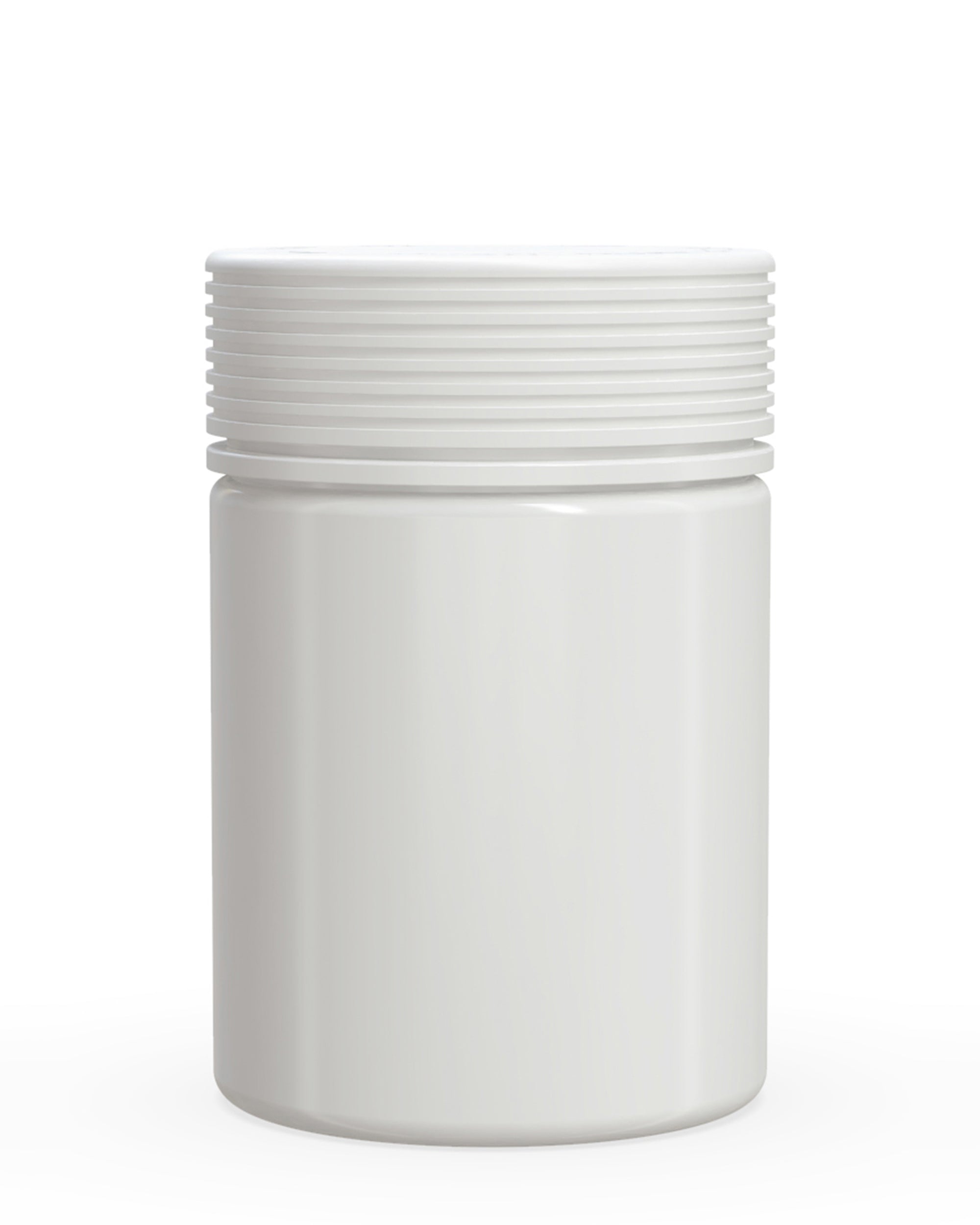
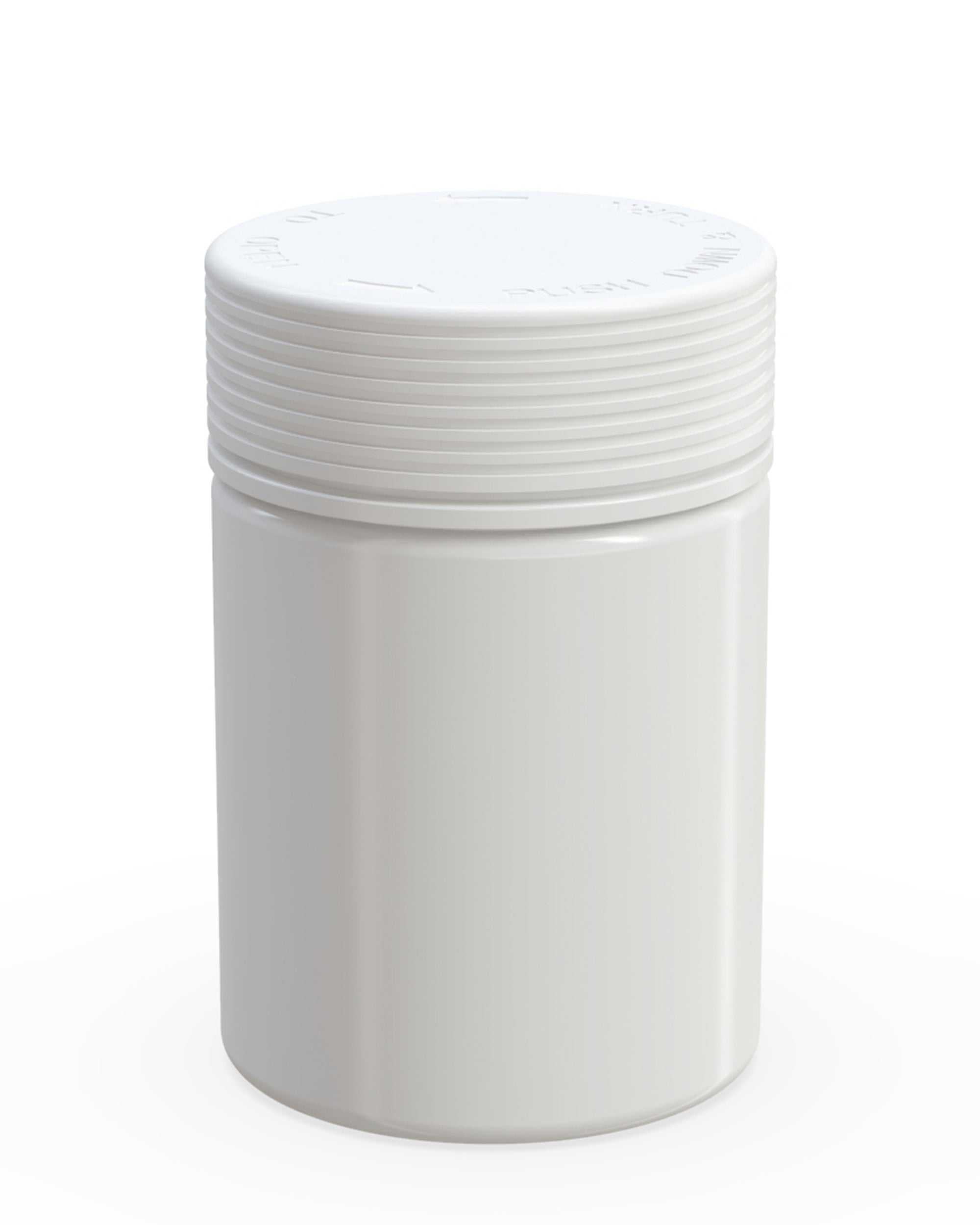
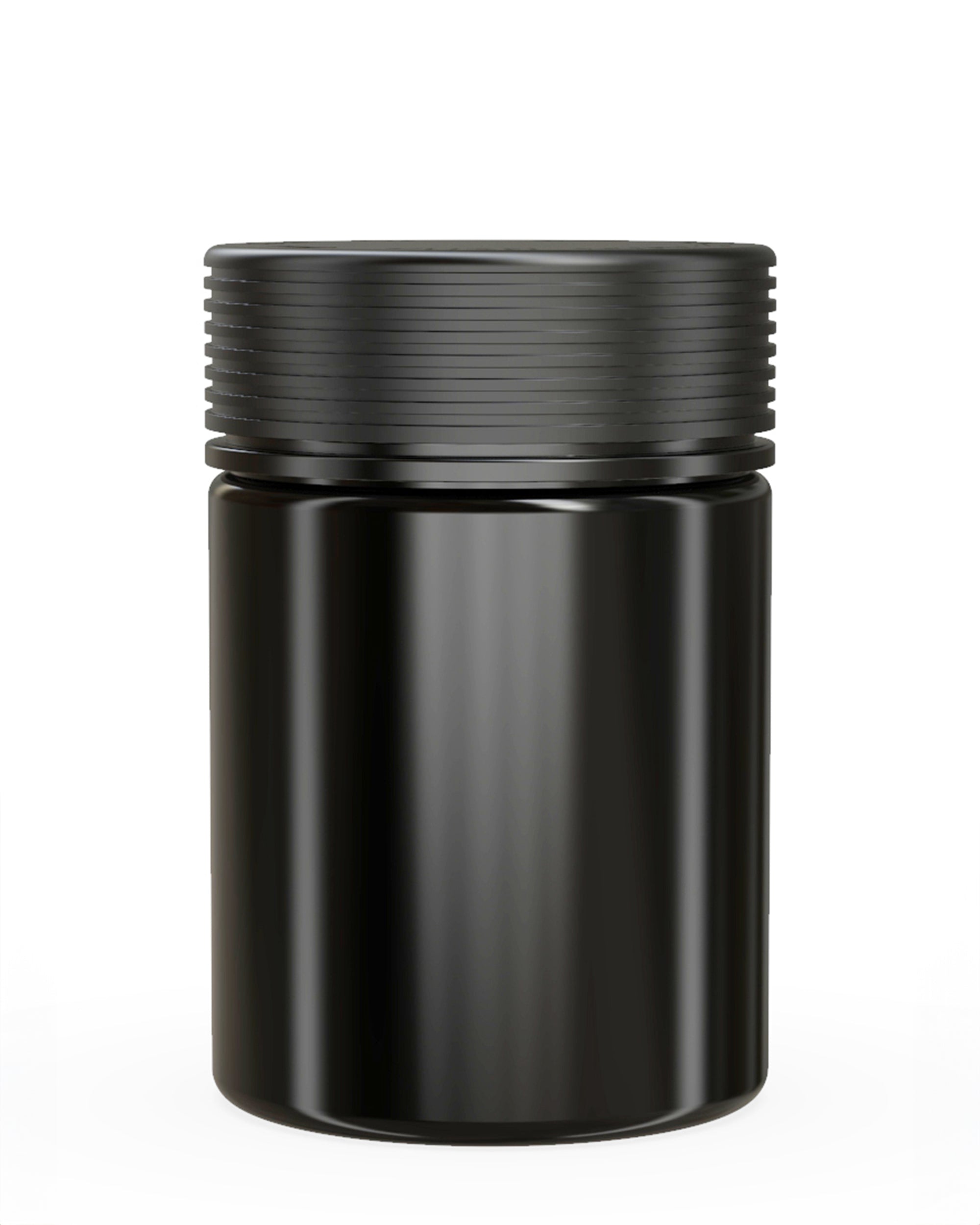
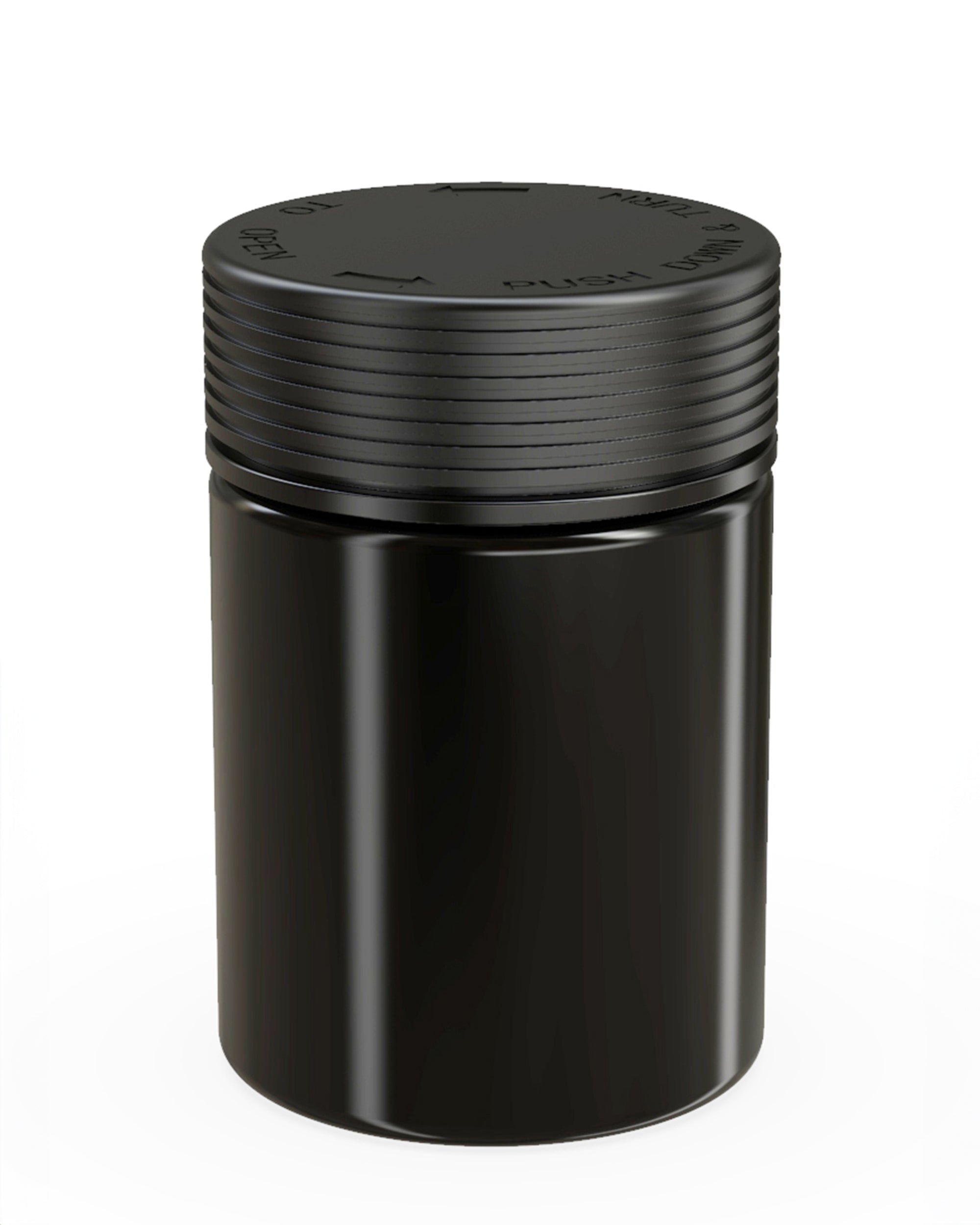
Child-resistant cannabis jars provide rigid packaging solutions for cannabis flower, edibles, concentrates, and other products that require controlled access through a qualifying closure system. Marijuana Packaging supplies wholesale child-resistant jars and compatible packaging components for cultivators, processors, manufacturers, dispensaries, and cannabis brands. Available options include glass and plastic containers, clear and opaque finishes, and jar-and-cap systems with engineered child-resistant opening mechanisms.
Choosing the right child-resistant weed jars involves more than selecting a container with a special lid. Child resistance depends on how the jar and closure function together, whether the intended combination is supported by applicable testing documentation, and how the completed package performs after filling and closing. For commercial cannabis operations, material, usable capacity, closure compatibility, adult accessibility, labeling, and wholesale purchasing requirements must all be considered before packaging is approved for production.
Wholesale Child-Resistant Cannabis Jars
Child-resistant jars are rigid containers used with specially designed closure systems intended to make access significantly difficult for young children while remaining usable by adults. These packaging systems are especially relevant to regulated cannabis products, where the finished retail package may need to satisfy child-resistant requirements alongside other packaging and labeling rules.
The defining feature of a child-resistant jar is its opening mechanism. An ordinary threaded lid may be opened by twisting alone, while a child-resistant closure requires an additional action or coordinated movement. The mechanism must function correctly when the intended cap is installed on the appropriate container.
These jars represent a specialized category within the broader cannabis jars assortment. Their principal purpose is not simply to hold cannabis products, but to support controlled access through a qualifying container-and-closure system.
What Makes a Cannabis Jar Child-Resistant?
A child-resistant cannabis jar incorporates or accommodates a closure mechanism designed to resist opening by young children. The intended performance is established through applicable package testing and supporting documentation.
Depending on the design, a child-resistant jar system may use:
- Push-down-and-turn closures: Caps that require downward pressure and rotation to disengage the locking mechanism.
- Squeeze-and-turn closures: Caps requiring pressure at designated points while being rotated.
- Coordinated-action mechanisms: Closure systems that require particular combinations of pressure, movement, or alignment.
- Integrated locking designs: Container-and-cap systems whose child-resistant function depends on interacting structural features.
- Reclosable child-resistant systems: Configurations designed to restore the intended locking function when properly resecured.
The presence of one of these mechanisms does not automatically establish that every jar using it meets a particular child-resistant standard. The complete package must be evaluated according to its applicable requirements.
Child-Resistant vs. Child-Proof Jars
The term child-proof weed jars is sometimes used when searching for packaging that restricts access by children. However, child-resistant is the more accurate technical description.
Child-resistant packaging is designed to make opening significantly difficult for young children under defined test conditions. It is not intended to guarantee that a child can never open the package.
This distinction is important for cannabis brands making packaging claims. A jar may meet an applicable child-resistance standard without being impossible for every child to open.
Commercial buyers should therefore evaluate the demonstrated child-resistant performance of the package rather than relying on absolute claims such as completely child-proof.
Why Child-Resistant Jars Matter to Cannabis Operations
For licensed cannabis businesses, the chosen packaging system can affect product safety, regulatory suitability, production efficiency, and consumer experience.
A qualifying child-resistant jar can provide controlled access while maintaining the advantages of a rigid container, including structural protection, defined labeling surfaces, and practical product storage.
However, child resistance introduces additional requirements involving closure selection, application, testing documentation, and adult usability. These considerations should be incorporated into packaging development before large-volume purchasing begins.
How Child-Resistant Jar Closures Work
Child-resistant closures use engineered mechanical features that require more than the ordinary twisting or lifting action associated with a conventional lid.
The opening movement must be performed correctly to disengage the locking system. The mechanism should also work consistently when the container is closed according to its intended instructions.
Push-Down-and-Turn Child-Resistant Caps
Push-down-and-turn caps require the user to press downward while rotating the closure. Applying these actions together allows the opening mechanism to engage as designed.
This is a familiar child-resistant closure concept because it is also used in certain pharmaceutical and household-product packaging systems.
For cannabis jars, the performance of a push-down-and-turn lid depends on the relationship between the cap and the corresponding container neck.
Incorrect threading, component incompatibility, or improper closure application may prevent the mechanism from operating as intended.
Manufacturers should verify that the closure engages reliably during capping and that adult users can open and resecure the finished package according to the designated procedure.
Squeeze-and-Turn Child-Resistant Caps
Squeeze-and-turn closures require pressure to be applied to designated areas of the cap while the closure is rotated.
The coordinated action is intended to make opening more difficult for young children who may not readily perform the required movements together.
The effectiveness of this design depends on cap construction, the intended force and location of pressure, and the interaction between the closure and container.
Buyers should verify that the selected squeeze-and-turn system is appropriate for the specific jar rather than assuming that any similarly shaped cap will provide equivalent child resistance.
Integrated and Specialty Jar Closure Systems
Some child-resistant jars use integrated container-and-cap designs rather than a conventional jar with an independently selected closure.
These systems may incorporate locking features into the cap skirt, threaded connection, or container geometry.
The entire design can influence how the package opens, closes, and resists unintended access.
For integrated systems, changing the jar or closure component may affect the intended mechanism even when the replacement appears visually similar.
Commercial manufacturers should maintain the approved components and assembly procedures specified for the packaging system.
Proper Closure Engagement and Resealing
A child-resistant mechanism must be correctly engaged to provide its intended function.
For reclosable packaging, this requires more than simply placing the lid back on the jar. The closure must be installed according to the intended operating procedure so that the locking features function as designed.
During production, packaging teams should evaluate:
- Whether the cap engages consistently with the intended jar.
- Whether cross-threading or incomplete closure installation can occur.
- Whether the locking mechanism functions after capping.
- Whether the package can be opened using the designated adult procedure.
- Whether the closure can be correctly resecured after opening.
- Whether labels or decorative components interfere with the mechanism.
- Whether normal handling affects closure retention.
The specific opening mechanism should determine how the package is assembled and evaluated, not merely how it is described in marketing materials.
Jar-Only Containers vs. Complete Child-Resistant Systems
One of the most important distinctions in the child-resistant jar category is whether the purchasing configuration includes a qualifying closure.
Some containers are sold without lids and are intended to be paired with separately available caps. Others are supplied as complete jar-and-closure systems.
Both purchasing arrangements can be useful, but they require different levels of component coordination.
Child-resistant performance belongs to the qualifying packaging system, not automatically to an empty jar or standalone cap. A jar without its required closure should not be treated as independently child-resistant. Likewise, a child-resistant cap should not be assumed to provide qualified performance with every jar that appears to fit. Before purchasing wholesale child-resistant cannabis jars, confirm the exact container-and-closure combination, its intended opening mechanism, and the documentation supporting the completed package.
Jar-Only Packaging With Separately Purchased Caps
Jar-only packaging may be useful for operations that already maintain an approved closure inventory or require a particular cap finish or sealing component.
However, the buyer must confirm compatibility between the chosen jar and closure.
The cannabis jar lids and child-resistant caps assortment includes closure options with different opening mechanisms, materials, finishes, and liner constructions.
When components are purchased separately, matching the nominal cap diameter is not sufficient by itself. The complete neck finish, thread configuration, sealing surfaces, and any applicable qualification requirements must be considered.
Complete Jars With Child-Resistant Lids
Complete jar-and-cap configurations identify the intended container and closure as a matched purchasing option.
For cannabis brands and manufacturers, this can simplify procurement and help reduce mistakes involving incompatible components.
Matched configurations may also support a coordinated retail presentation through consistent jar and cap colors or finishes.
However, an included lid does not automatically establish that the completed package meets every required child-resistant, sealing, or tamper-evident standard.
Within the jars with caps category, buyers should distinguish ordinary matched closures from configurations specifically intended and documented for child-resistant use.
Why Component Substitutions Matter
Changing a jar, cap, material, or closure mechanism can affect the performance of a previously evaluated packaging system.
A replacement cap may fit the same general opening while differing in locking behavior, thread engagement, or the way its internal components interact with the jar.
Even small changes in manufacturing or materials can be relevant when the package's performance depends on controlled mechanical interactions.
For commercial production, approved configurations should be documented so that purchasing or production teams do not unintentionally substitute components.
Glass and Plastic Child-Resistant Jars
Child-resistant cannabis jars may use glass, plastic, or combinations of different materials. The jar material influences product handling, weight, appearance, and barrier performance, while the qualifying closure supplies the child-resistant mechanism.
Material selection should therefore address both the product's packaging needs and the compatibility of the completed child-resistant system.
Child-Resistant Glass Jars
Glass jars provide rigid construction, a substantial retail presentation, and strong resistance to gas and moisture transmission through the container walls.
When appropriately paired with qualifying closures, glass cannabis jars can form part of child-resistant packaging systems for suitable cannabis products.
Glass is particularly relevant to flower packaging where rigid protection and container appearance are important considerations.
However, the glass material itself does not provide the child-resistant function. The correct closure must engage with the jar and meet the intended performance requirements.
Glass packaging also introduces considerations involving shipping weight, impact resistance, and handling during filling and distribution.
Child-Resistant Plastic Jars
Plastic jars generally offer lower weight and greater resistance to shattering than glass. Plastic construction also allows different closure mechanisms and integrated locking features to be incorporated into container designs.
For large-scale cannabis packaging operations, plastic cannabis jars may provide practical advantages in handling, transportation, and component production.
Plastic materials vary in their rigidity, flexibility, chemical compatibility, and barrier performance. These properties should be evaluated according to the finished product and packaging system.
A plastic jar should not be assumed child-resistant simply because it has a specialized appearance or a plastic threaded lid.
Post-Consumer Recycled Plastic
Some plastic jars or closures incorporate post-consumer recycled material, commonly referred to as PCR plastic.
PCR describes recycled content rather than a particular polymer. Its use does not automatically establish child-resistant performance, food-contact suitability, or the recyclability of the completed package.
For child-resistant applications, the material and manufacturing characteristics of the qualifying system remain relevant to its tested performance.
Buyers evaluating recycled-content packaging should obtain appropriate material information and confirm that the intended configuration is supported by the necessary child-resistance documentation.
Clear and Opaque Child-Resistant Jars
Clear glass and plastic jars allow the packaged product to remain visible, while black, white, and other opaque finishes conceal the contents.
These choices influence retail presentation, labeling contrast, and light exposure.
However, opacity is separate from child resistance. A transparent jar can form part of a qualifying child-resistant system, while an opaque jar may still require a different closure to meet child-resistant requirements.
Where the finished cannabis product must be sold in opaque packaging, material and color selection should be evaluated alongside the required closure system.
PPPA, CPSC Testing, ASTM, and Certification
Child-resistant cannabis jar selection frequently involves terminology such as PPPA compliant, CPSC tested, ASTM classified, certified child-resistant, and senior-friendly.
These terms refer to different aspects of packaging performance and documentation. Understanding the distinctions helps commercial buyers evaluate supplier claims and select packaging that supports their applicable requirements.
The Poison Prevention Packaging Act
The Poison Prevention Packaging Act of 1970, commonly called the PPPA, established a federal framework for special packaging intended to reduce the risk of young children accessing certain hazardous household substances.
The U.S. Consumer Product Safety Commission administers the relevant federal special-packaging requirements under 16 CFR Part 1700.
The PPPA is not a universal federal cannabis-packaging approval program. However, various state cannabis regulations use or reference its child-resistant performance framework when defining acceptable packaging.
For commercial cannabis operations, the relevant question is whether the selected jar-and-closure system meets the standard applicable to the product and the jurisdiction where it will be distributed.
16 CFR § 1700.15 and § 1700.20
Two frequently referenced federal provisions address child-resistant packaging performance:
- 16 CFR § 1700.15: Establishes special-packaging standards and associated performance requirements.
- 16 CFR § 1700.20: Specifies the child and adult testing procedures used to evaluate special-packaging performance.
These requirements concern demonstrated package performance, not merely the presence of a particular lid style.
Under the CPSC's stated performance framework, at least 85% of tested children must be unable to open a qualifying package during the first five minutes, and at least 80% must be unable to open it during the full ten-minute test.
Adult accessibility is also evaluated. The CPSC describes a requirement that at least 90% of tested adults successfully open the package and, where applicable, properly resecure a package within the prescribed testing periods.
The CPSC's official special-packaging guidance explains these thresholds and the testing procedures.
Child Resistance and Senior-Friendly Performance
Child-resistant packaging is intended to create a meaningful barrier to access by young children without making ordinary adult use impractical.
This is why senior-friendly performance is an important aspect of the federal testing framework.
A closure that is extremely difficult for adults to operate is not automatically a better child-resistant design. It may create accessibility problems or fail to satisfy applicable adult-use performance criteria.
For cannabis jars, adult usability should be considered in the context of the actual opening mechanism, grip requirements, and need to resecure the package after use.
ASTM D3475 and Closure Classification
ASTM D3475, Standard Classification of Child-Resistant Packages, provides a classification system for different child-resistant packaging mechanisms.
The classification describes the types of movements, skills, or actions required to open particular package designs.
However, ASTM D3475 is not itself the child-resistant performance test established under 16 CFR § 1700.20.
A closure's classification under ASTM D3475 does not automatically demonstrate that a particular jar-and-cap combination has passed the applicable child-resistant testing requirements.
The ASTM D3475 standard description distinguishes mechanism classification from actual performance qualification and explains that inclusion in the classification does not represent ASTM approval or certification of an individual package.
Third-Party Testing and Child-Resistance Documentation
Independent laboratory testing can provide useful evidence of a packaging system's child-resistant performance.
For commercial buyers, a supporting test report should identify the packaging system evaluated and the protocol used, along with the relevant results and scope of testing.
However, the CPSC does not pre-approve, certify, or endorse individual child-resistant package designs. Under the PPPA framework, the responsible end-product manufacturer bears responsibility for the applicable certification requirements.
Third-party laboratory testing may be used to establish performance, but it should not be described as a universal CPSC requirement for every special package. The CPSC states that testing can be performed by parties following the specified protocols, while the applicable manufacturer remains responsible for conformity.
For cannabis operations, supplier testing documentation should be evaluated alongside the separate requirements imposed by the relevant state or jurisdiction.
Initial vs. Multiple-Use Child Resistance
Not every cannabis product requires child resistance to function in the same way throughout use.
Some regulatory frameworks distinguish between packaging that is child-resistant before its first opening and packaging that maintains child resistance after repeated opening and closing.
This distinction is especially important when selecting jars because rigid containers are commonly designed to be reusable or reclosable.
Initial Child-Resistant Packaging
Initial child-resistant packaging is designed to resist access before the package is first opened.
After the consumer opens the original child-resistant barrier, the remaining packaging may no longer provide the same child-resistant function.
Depending on the applicable regulations, the initial barrier may be provided by the immediate container, an outer packaging layer, or another qualifying packaging system.
Commercial operators should verify whether the selected arrangement is permitted for their product and whether additional labeling is required.
Multiple-Use or Lifetime Child-Resistant Packaging
Multiple-use child-resistant packaging is intended to retain its child-resistant function after opening and properly reclosing the container.
This is particularly relevant to products intended to be accessed repeatedly over an extended period.
For jars, the closure must be capable of restoring the intended child-resistant mechanism when resecured.
A container with a screw-on lid is not automatically lifetime child-resistant. The reclosable configuration must meet the applicable requirements.
California Cannabis Packaging Requirements
California provides a useful example of how child-resistant packaging obligations can differ by product category.
The California Department of Cannabis Control's child-resistant packaging guidance distinguishes initial-use and multiple-use child-resistant packaging.
Under that guidance, cannabis flower, pre-rolls, topicals, certain inhalable concentrates, and vape cartridges may use qualifying initial child-resistant packaging.
Edibles, orally consumed concentrates, and suppositories generally require multiple-use child-resistant packaging, subject to the applicable regulations and exceptions.
California also requires the statement "This package is not child-resistant after opening" when the package relies on qualifying single-use child resistance.
These are California-specific examples. Packaging requirements in other jurisdictions may differ, and the responsible cannabis licensee should verify the rules governing the finished product.
Primary Packaging and Additional Protective Layers
Some cannabis packaging systems use more than one layer, such as a jar inside a carton or an additional qualifying outer package.
Where permitted by the relevant rules, different layers may perform different functions.
However, a child-resistant outer package should not automatically be assumed to make the inner jar child-resistant. Likewise, a child-resistant jar does not necessarily establish that the complete retail package satisfies every other applicable requirement.
The broader child-resistant cannabis packaging category addresses alternative formats beyond rigid jars, including other containers and packaging systems.
For this collection, the priority is determining whether the jar itself, together with its intended closure, provides the required child-resistant function.
Child-Resistant Jars for Cannabis Products
Child-resistant jars can support several cannabis packaging applications when their material, shape, capacity, and closure are suitable for the intended contents.
Each product category has different filling, storage, access, and regulatory considerations. The choice of a child-resistant mechanism should be evaluated together with those requirements.
Child-Resistant Jars for Cannabis Flower
For cannabis flower, a rigid jar helps protect buds from external compression while providing a reclosable container for the finished product.
The jar must accommodate the intended flower weight without excessive compression or headspace that compromises the package's presentation.
Because cannabis flower is generally sold by weight, the container's nominal fluid capacity cannot be directly equated with a particular number of grams.
The closure must also operate correctly without pressing against the contents or allowing flower fragments to interfere with the locking mechanism.
Child-Resistant Jars for Edibles
Child-resistant jars may be used for certain cannabis-infused edible products, including gummies, candies, tablets, and other solid formats, when the materials and completed package are appropriate for the intended application.
Edible packaging requires attention to serving count, food-contact suitability, product dimensions, moisture exposure, and repeated opening.
Some jurisdictions impose multiple-use child resistance and opacity requirements for edibles.
The cannabis edible jars category focuses on these application-specific needs, including the importance of selecting suitable materials and complete closure systems.
A clear child-resistant jar should not automatically be assumed suitable as the final retail package for every edible product, particularly where opacity is required.
Child-Resistant Jars for Concentrates
Cannabis concentrates can differ substantially in consistency, viscosity, and chemical composition.
Some concentrate applications require relatively small containers with accessible openings and materials appropriate for direct product contact.
When a child-resistant closure is required, the jar must accommodate both the concentrate and the intended locking mechanism.
Material compatibility is particularly important where the concentrate may contact the jar, cap, liner, or other internal components.
A child-resistant flower jar should not automatically be considered suitable for every concentrate formulation.
Child-Resistant Jars for Pre-Roll Multipacks
Rigid jars can provide packaging for multiple finished pre-rolls when their usable internal space accommodates the joints without bending or crushing them.
For this application, the opening must allow convenient filling and removal, while the installed child-resistant closure must engage without contacting or deforming the contents.
Pre-roll packaging also requires consideration of package quantity, product orientation, labeling, and any applicable initial-use or multiple-use child-resistance requirements.
The correct jar should be evaluated using the finished pre-rolls rather than nominal container capacity alone.
Jar Capacity, Flower Weight, and Headspace
Usable capacity remains an important consideration even when child resistance is the primary reason for selecting a jar.
For cannabis flower, differences in bud density and structure influence how much physical space a measured portion requires.
Headspace must also accommodate the underside of the intended closure and any liner or internal component.
A packaging configuration should provide sufficient room for the product without obstructing the mechanism that keeps the jar closed.
Commercial buyers should test the actual finished fill with the qualifying closure installed before approving a jar for repeated production.
Sealing, Liners, and Tamper-Evident Features
Child resistance concerns access to the contents. Other characteristics, including airtightness, odor containment, moisture protection, and tamper evidence, concern different aspects of packaging performance.
A child-resistant jar should not automatically be assumed to provide all of these functions.
Do Child-Resistant Caps Create Airtight Seals?
Not every child-resistant cap creates an airtight seal.
A child-resistant mechanism is designed to restrict opening by young children, while sealing performance depends on the interaction between the jar opening, cap, liner, and other sealing components.
A closure may operate correctly as a child-resistant mechanism while still requiring an additional sealing component for a particular packaging application.
For products with defined barrier requirements, child resistance and sealing performance should be evaluated independently.
Foam Liners and Inner Seals
Some jar caps incorporate foam liners, pressure-sensitive seals, induction-compatible sealing materials, or other liner constructions.
These components may contribute to closure contact, barrier performance, or evidence of first opening, depending on their design and application.
The available cap liners and sealing components serve different functions and should be selected according to the intended container and closure.
When an additional liner is introduced into a child-resistant jar system, its compatibility must be verified. A component that changes cap engagement or closure operation may affect the intended performance of the package.
Tamper Evidence and Child Resistance
Tamper-evident packaging is intended to provide visible evidence that a package has been opened or interfered with.
Depending on the container and closure, this may be accomplished through compatible inner seals, shrink bands, or other first-opening features.
Child resistance and tamper evidence should not be treated as equivalent:
- Child resistance: Restricts access by young children through the intended packaging mechanism.
- Tamper evidence: Provides visible evidence of opening or interference.
- Resealability: Allows the consumer to close the package again after opening.
- Airtightness: Concerns the package's ability to limit air exchange.
- Odor containment: Concerns the movement of aromatic compounds through the assembled package.
These functions may coexist within one packaging system, but each must be evaluated according to its own requirements.
Moisture and Odor Protection
For cannabis flower, closure integrity can influence how the completed jar limits moisture exchange and the escape of aromatic compounds.
Glass provides strong container-wall barrier properties, while plastic performance depends on the particular resin and construction.
However, the jar material does not determine whether a child-resistant closure produces the desired seal.
For brands requiring odor-resistant or moisture-protective packaging, the complete jar, cap, and liner combination should be evaluated under the intended storage conditions.
Adult Accessibility, Labeling, and Branding
Child-resistant cannabis jars must balance controlled access with practical use by adults. Their opening mechanism, exterior shape, surface texture, and labeling can influence whether the finished package is easy to understand and operate correctly.
For commercial brands, these considerations should be addressed alongside visual identity and retail presentation.
Senior-Friendly Closure Design
Child-resistant packaging should not be unnecessarily difficult for adults to use.
The CPSC's performance framework includes adult accessibility requirements, reflecting the importance of opening and, where applicable, correctly resecuring the package.
For jar closures, practical considerations include:
- Whether the opening instructions are understandable.
- Whether the mechanism provides an appropriate gripping surface.
- Whether adults can perform the necessary pressure and rotation actions.
- Whether the cap can be consistently resecured after opening.
- Whether the mechanism remains practical during repeated use.
- Whether labels or decorative components interfere with grip or movement.
A more complicated mechanism is not necessarily a better packaging solution. Demonstrated child resistance and usable adult access must be considered together.
Clear, Black, and White Child-Resistant Jars
Child-resistant jars can support different retail presentations through material, color, and finish.
Clear containers allow the contents to remain visible, while black, white, and other opaque finishes conceal the product and provide alternative branding surfaces.
These choices can be important for cannabis brands maintaining a coordinated packaging identity across several strains or product types.
However, changing the material or closure finish should not compromise the compatibility or qualification of the selected packaging system.
Labels and Opening Instructions
Labels should identify the finished product while accommodating the warnings, tracking information, and other statements required by the applicable market.
Depending on the product and jurisdiction, relevant details may include:
- Brand and product identification.
- Net weight or volume information.
- Required cannabinoid and laboratory information.
- Batch, lot, and traceability details.
- Required warnings and cannabis symbols.
- Responsible licensee or manufacturer identification.
- Child-resistant opening or reclosing instructions where appropriate.
- Any statement required for initial-use child-resistant packaging.
Labels should not obstruct the cap's locking features or prevent users from performing the intended opening action.
For packaging programs using automated labeling, the jar and cap should be evaluated together to confirm that label placement remains consistent and does not interfere with closure operation.
Custom Branded Child-Resistant Jars
Custom branding can include coordinated jar and cap colors, decorative finishes, printed graphics, or other compatible treatments.
However, customization must not alter the functional characteristics of the qualifying child-resistant system without appropriate evaluation.
Changes affecting the closure's structure, material, grip, or engagement may require additional review of the package's performance and supporting documentation.
Branding should be developed around an approved packaging configuration rather than selecting a closure solely for its appearance.
Testing Documentation and Production Verification
Child-resistant jar selection requires a clear distinction between supplier descriptions, test results, and the responsibility of the business packaging the finished cannabis product.
Documentation should support the intended system rather than a superficially similar container or closure.
What to Look for in Child-Resistance Documentation
When reviewing certificates or testing reports, packaging teams should confirm that the records identify the relevant package and performance requirements.
Important documentation considerations include:
- Tested configuration: The jar and closure combination covered by the report.
- Testing protocol: The standard or procedure used to evaluate child-resistant performance.
- Reported results: The child and adult performance findings relevant to the claimed qualification.
- Configuration scope: The materials, construction, or other variations covered by the supporting information.
- Report identification: Information sufficient to identify and retrieve the underlying records.
- Applicable use: Whether the documentation supports the intended initial-use or repeated-use packaging requirement.
- Component changes: Whether subsequent substitutions or manufacturing changes affect the supported configuration.
Marijuana Packaging maintains a product certifications resource with available child-resistance documentation for qualifying packaging systems.
The applicable records should be checked against the actual packaging configuration before a cannabis operation relies on them for a regulated product.
Why Similar Jars May Not Share the Same Qualification
Two jars can appear similar while having different materials, neck finishes, closure designs, or manufacturing characteristics.
These differences may affect the operation of the child-resistant mechanism.
The CPSC recommends reviewing the need for additional testing or recertification when changes are made to packaging materials, manufacturing methods, package-and-closure combinations, or other factors affecting performance.
Consequently, a child-resistance report should not automatically be assumed to cover an unrelated jar or replacement cap.
Verifying the Packaging System During Production
Even when a jar-and-closure configuration is supported by appropriate testing documentation, commercial production must consistently assemble it as intended.
Packaging teams should establish procedures for identifying the correct components, applying the closure, and checking that the completed package operates properly.
Routine production verification may include:
- Confirming the approved jar and cap combination before filling.
- Inspecting containers and closures for visible damage or defects.
- Checking that the jar opening is clean and suitable for closure installation.
- Applying the cap according to the intended process.
- Verifying proper locking engagement using the applicable inspection procedure.
- Checking that product fill does not interfere with the closure.
- Confirming that required sealing and tamper-evident components have been correctly installed.
- Keeping records of packaging changes, component substitutions, and relevant quality-control findings.
These checks do not replace the required child-resistant testing. They help ensure that production consistently uses the intended packaging configuration.
Buying Child-Resistant Jars Wholesale
Wholesale child-resistant jar purchasing requires coordination between packaging performance, component availability, production requirements, and cost.
For cannabis manufacturers and brands, the appropriate purchasing decision is based on the complete qualifying package rather than the price of an empty jar alone.
Calculating the Cost of a Child-Resistant Jar System
The finished-package cost can include multiple components and operational requirements:
- Empty jar: The glass or plastic container selected for the intended product.
- Child-resistant closure: The qualifying cap or locking system required for the package.
- Liner or inner seal: Any additional component needed for the intended sealing function.
- Tamper-evident feature: Any separately required first-opening component.
- Labels and branding: Required product information, artwork, and decoration.
- Production compatibility: Equipment and labor needed for proper filling and cap application.
- Shipping and storage: Freight, protective packing, and warehouse handling.
- Quality control: Component verification, closure checks, and documentation management.
- Inventory planning: Sourcing enough approved jars, caps, and accessories for repeat production runs.
The lowest empty-jar unit price may not produce the most economical completed package if additional closures or complex application procedures are required.
Commercial buyers should evaluate both the purchase price and the cost of consistently producing the intended child-resistant packaging system.
Jar-and-Cap Inventory Management
Where jars and closures are purchased separately, both components must be available in the approved configuration before production begins.
A shortage of compatible caps can prevent otherwise suitable jars from being used in the intended packaging process.
Maintaining consistent purchasing records can also help prevent unapproved substitutions during reordering.
When the same jar family is used across several cannabis products, buyers should verify which closures and qualifications apply to each intended use rather than assuming that one approval covers every configuration.
Child-Resistant Jar Pre-Production Checklist
Before approving wholesale child-resistant cannabis jars for commercial use, confirm the following:
- The jar material is suitable for the intended cannabis product.
- The finished product fits within the usable internal capacity.
- The opening provides practical access during filling and use.
- Appropriate headspace remains beneath the installed closure.
- The child-resistant cap is compatible with the exact jar configuration.
- The mechanism opens and resecures according to its intended procedure.
- Applicable child-resistant testing or qualification documentation covers the intended system.
- The package meets the required initial-use or multiple-use child-resistance standard.
- Adult accessibility has been considered alongside child-resistant performance.
- Any liner or sealing component is suitable for the container, closure, and contents.
- Any required tamper-evident feature has been evaluated separately.
- The package's transparency or opacity is appropriate for the product and intended market.
- Labels and decoration do not interfere with the locking mechanism.
- The completed jar works with the intended filling and capping procedures.
- Wholesale purchasing quantities and compatible component inventories support the production schedule.
- Representative finished packages have been evaluated before full-scale production.
Wholesale Child-Resistant Cannabis Jars for Your Operation
The right child-resistant cannabis jar combines suitable container materials, practical product fit, a qualifying closure mechanism, and the documentation required for its intended application.
Marijuana Packaging supplies wholesale child-resistant jar options and compatible packaging components for cultivators, processors, manufacturers, dispensaries, and cannabis brands.
By evaluating the jar and closure together, verifying the applicable child-resistant requirements, and establishing consistent filling and capping procedures, commercial buyers can select packaging that supports responsible product handling and repeatable wholesale production.
Frequently Asked Questions About Child-Resistant Jars
A cannabis jar is child-resistant when its qualifying packaging configuration uses a closure mechanism designed and demonstrated to make opening significantly difficult for young children while remaining usable by adults. Common mechanisms include push-down-and-turn and squeeze-and-turn closures. Child-resistant performance depends on the complete jar-and-cap system and its supporting testing documentation, not simply the appearance of the container.
No. Not every jar listed within a child-resistant category is independently qualified, and some containers are sold without caps. The CPSC establishes special-packaging performance procedures under 16 CFR Part 1700 but does not pre-approve or certify individual package designs. ASTM D3475 classifies child-resistant packaging mechanisms rather than serving as the federal performance test. Buyers should verify documentation for the exact completed packaging system.
Initial child-resistant packaging restricts access before its first opening but may not remain child-resistant afterward. Lifetime, or multiple-use, child-resistant packaging maintains its intended protective function when correctly opened and reclosed. The appropriate requirement depends on the cannabis product and jurisdiction. For example, California generally permits initial child resistance for flower while requiring multiple-use child resistance for edibles and certain orally consumed products, subject to applicable rules.
Yes. Both glass and plastic cannabis jars can form part of qualifying child-resistant packaging systems when paired with appropriate closures. Glass provides rigid construction and strong container-wall barrier properties, while plastic generally offers lower weight and greater resistance to shattering. Neither material is child-resistant on its own. The jar, cap, locking mechanism, and supporting documentation must be evaluated together.
Yes. Marijuana Packaging offers wholesale child-resistant jar options, including complete jar-and-cap configurations and containers intended for use with separately available closures. Buyers should confirm whether lids are included, verify the qualifying child-resistant configuration, and account for any required liners, tamper-evident components, and labeling. Testing representative finished packages before a large order helps ensure the selected system is suitable for commercial production.