

Mylar Bags
Mylar bags are a popular cannabis packaging solution designed to protect products while preserving freshness, reducing odors, and meeting industry compliance requirements. Shop a wide selection of smell-resistant mylar bags for flower, pre-rolls, edibles, concentrates, and more, available in a variety of sizes, colors, finishes, and child-resistant options. Whether you need stock packaging or custom printed mylar bags, you'll find durable, high-quality packaging designed to help your products stand out and your brand make a lasting impression.
Filters
48 products





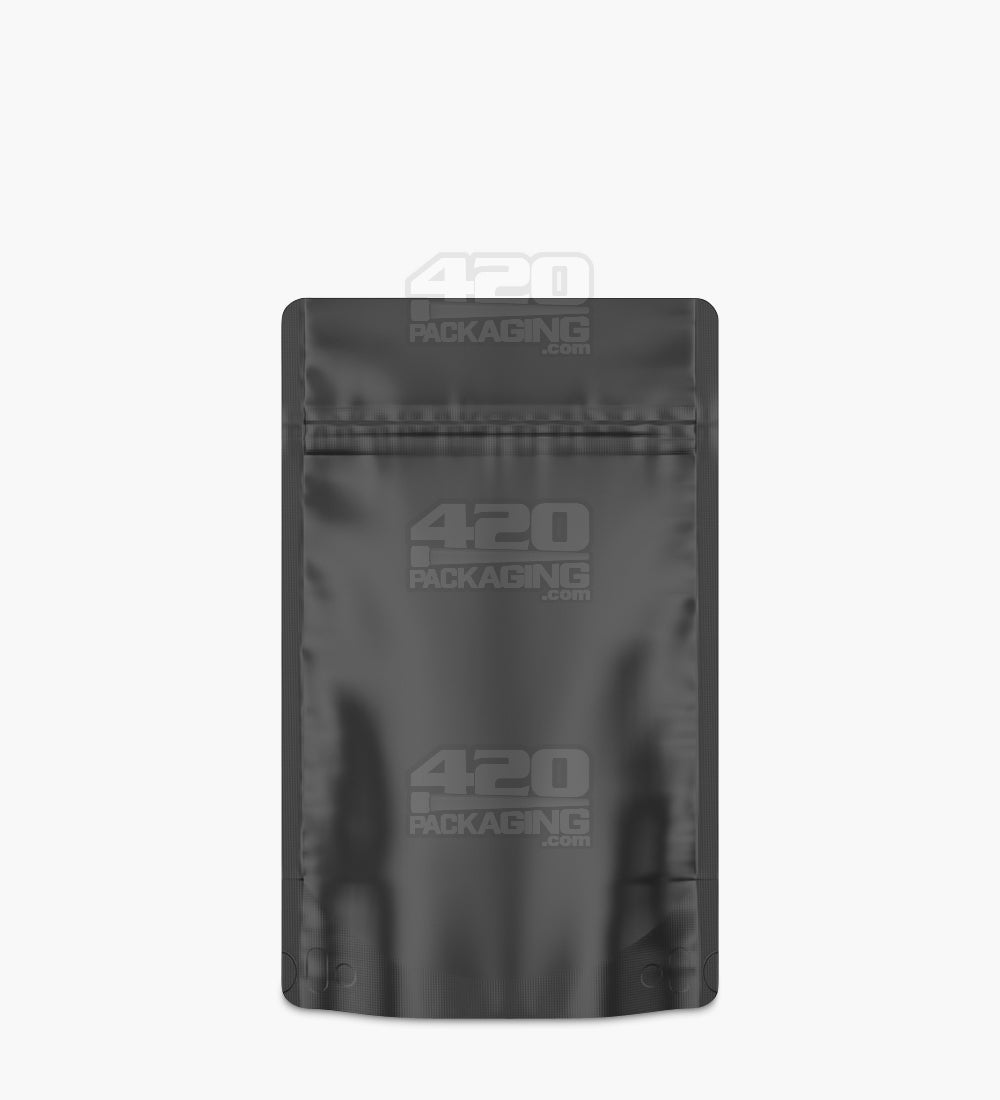
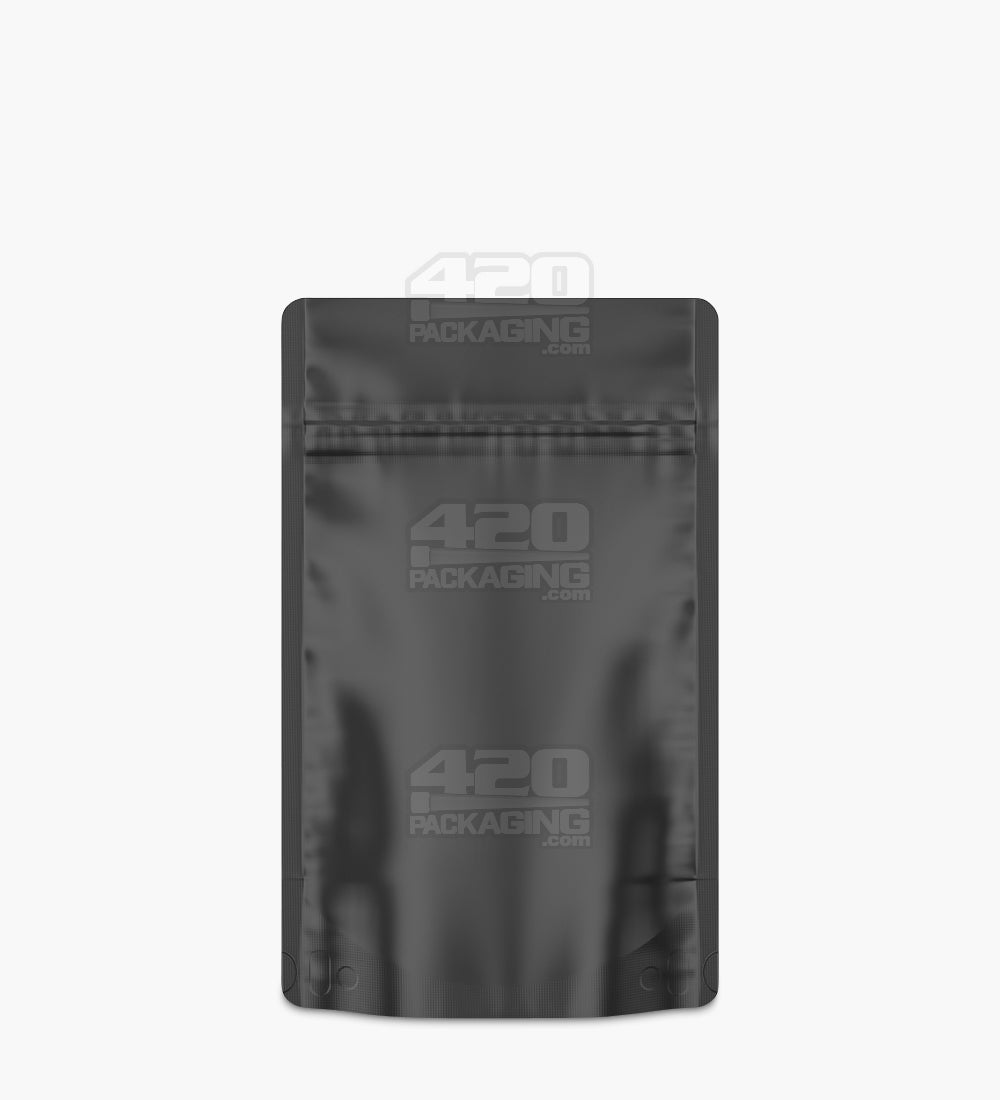



Wholesale Cannabis Bags and Mylar Pouches for Brands and Manufacturers
Cannabis bags are flexible packaging products used to protect, store and present flower, pre-rolls, edibles and other cannabis products. Marijuana Packaging supplies wholesale cannabis bags and pouches in multiple sizes, materials, finishes, closure styles and barrier constructions for cultivators, manufacturers, processors, producers, dispensaries, co-packers and cannabis brands purchasing packaging at commercial scale.
Often searched for as weed bags, mylar bags, mylar cannabis bags, mylar bags for weed, cannabis packaging bags, cannabis pouches, weed pouches or dispensary bags, these packages can serve very different functions depending on their film construction and closure system. A resealable flower pouch may prioritize odor and moisture protection, while an edible pouch may place greater emphasis on child resistance, serving capacity, tamper evidence and food-contact considerations.
Buyers should evaluate flexible cannabis packaging as a complete system rather than choosing a bag based only on size, color or appearance. Film structure, usable internal dimensions, zipper design, child-resistant mechanism, heat-seal area, gusset configuration, opacity, barrier performance, puncture resistance and labeling or printing requirements can all affect how a cannabis bag performs in production and distribution.
Key Consideration
"Mylar bag" does not describe one universal material construction or level of barrier protection. Cannabis pouches sold under the mylar bag category can use different laminated films, metallized layers, polyethylene sealant layers and other structures with different oxygen, moisture, light and odor barrier characteristics. Bag thickness alone does not establish barrier performance. When product preservation matters, evaluate the complete film structure, closure and seal rather than assuming that every mylar cannabis bag performs the same way.
What Are Cannabis Bags?
Cannabis bags are flexible packages made from single-layer or multilayer films that form a pouch around the product. Unlike rigid jars and containers, flexible packaging can collapse as product is removed, occupies relatively little storage space before filling and can provide a large printable surface relative to its package weight.
Cannabis packaging bags can be manufactured as flat pouches, stand-up pouches, gusseted bags, child-resistant zipper bags and other configurations. Depending on the package, they may include resealable zippers, heat-sealable tops, tear notches, hang holes, windows, rounded corners or other functional features.
- Mylar bags for cannabis flower and pre-rolls
- Child resistant cannabis bags and CR pouches
- Stand-up pouches for retail display
- Flat pouches for compact packaging applications
- Gusseted weed bags for greater usable internal volume
- Opaque barrier bags for products requiring light protection
- Window pouches for partial product visibility
- Resealable zipper bags for multi-use products
- Heat-sealable cannabis bags for tamper-evident package systems
- Stock and custom printed cannabis pouches for commercial packaging programs
Mylar Cannabis Bags and Barrier Pouches
Mylar bags are among the most common flexible packaging options used throughout the cannabis industry. The term "mylar" is widely used in cannabis packaging to describe flexible barrier pouches, but the actual package may use a multilayer laminate rather than a single film layer. The precise construction determines how the pouch responds to moisture, oxygen, light, puncture, heat sealing and repeated opening.
For cannabis operations, the useful question is not simply whether a package is called a mylar bag. Buyers should determine which barrier properties, closure features, dimensions and product-contact characteristics are required for the finished product and then compare pouch specifications accordingly.
Mylar Bags for Weed and Cannabis Flower
Mylar bags for weed are commonly used for dried cannabis flower because flexible barrier packaging can combine low package weight with resealability, odor control, moisture protection and a large branding surface. Flower bags are available across numerous dimensions intended to accommodate common retail fill weights and bulk quantities.
The correct bag should provide enough usable volume for the flower without excessive compression while also avoiding an oversized appearance. Bud density and structure vary, so a pouch marketed around a particular fill weight should still be tested with the actual flower before a large production order.
Barrier Bags for Cannabis Products
Barrier bags use film structures designed to reduce the transfer of environmental factors through the package. Depending on the construction, a barrier pouch may help limit exposure to moisture vapor, oxygen, external odors, product aroma or light.
Barrier performance should be evaluated based on the complete material specification rather than descriptive terms such as "premium," "heavy duty" or "smell proof." Where technical data is available, properties such as oxygen transmission rate and water vapor transmission rate can provide more useful information about film performance.
Cannabis Bag Materials and Film Construction
Flexible cannabis bags can use several layers of packaging film because one material does not necessarily provide every property required by the finished pouch. A laminate can combine an exterior printing surface, structural or barrier layers and an interior sealant layer into one package.
PET and Polyester Layers
Polyester films such as PET can contribute dimensional stability, printability, strength and barrier performance to laminated cannabis pouches. PET may be used as an outer layer or as part of a multilayer package structure depending on the pouch design.
Metallized Film
Metallized film incorporates a very thin metallic layer onto a polymer film. In cannabis packaging, metallized layers are commonly used to increase light shielding and improve certain barrier characteristics while maintaining the flexibility and relatively low weight of a pouch.
Metallized film should not automatically be treated as equivalent to a solid aluminum foil layer. The structures differ, and their performance should be evaluated according to the actual material specification.
Aluminum Foil Barrier Layers
Some high-barrier flexible packages use aluminum foil as part of a laminated structure. Foil can provide strong protection against light, oxygen and moisture transmission when the package and seals remain intact, but it also changes flexibility, cost, appearance and production requirements.
Polyethylene and Sealant Layers
Polyethylene and other sealant films may be used on the inside of flexible packaging because they can form heat seals and provide the interior surface that contacts the packaged product. The exact sealant material and structure should be verified for the intended product and filling process.
Kraft and Paper-Look Cannabis Pouches
Some cannabis bags use kraft paper or paper-look exterior layers to create a natural or specialty retail appearance. A paper exterior does not necessarily mean the package is made only from paper. Barrier pouches may combine a paper-facing layer with polymer, metallized or other internal films.
Buyers should review the complete structure rather than assuming visual appearance identifies the package material.
Barrier Protection for Cannabis Packaging Bags
Flexible cannabis packaging may need to control several forms of environmental exposure at the same time. The importance of each barrier property depends on what is being packaged, how long it will remain in distribution and the storage conditions the finished product may encounter.
Moisture Barrier
Moisture control is particularly important for cannabis flower. A pouch with appropriate moisture barrier properties can help limit uncontrolled moisture exchange between the product and its surrounding environment. Film structure, zipper closure and the final heat seal all contribute to package performance.
Brands using humidity-control inserts should also verify that the selected bag provides enough usable internal volume for both the intended flower fill and the insert without creating excessive compression.
Oxygen Barrier
Oxygen exposure can be relevant to the storage of cannabis products, making oxygen barrier performance an important consideration for some applications. Multilayer film structures, metallized layers and foil components can provide different levels of oxygen resistance.
When oxygen control is a critical requirement, buyers should review available material data rather than relying only on pouch thickness or marketing terminology.
Odor and Aroma Control
Weed bags are frequently marketed as smell proof bags because odor containment is a common purchasing concern. In practice, aroma control depends on the barrier film, zipper, seals and overall package construction.
A high-barrier film with an incomplete seal can still allow aroma to escape. Cannabis brands seeking odor-resistant packaging should evaluate the entire pouch system and avoid assuming that a single material description guarantees absolute odor containment.
Light Barrier
Light exposure can be reduced through opaque films, metallized layers, foil structures or other nontransparent packaging constructions. Clear windows and fully transparent pouches increase product visibility but allow more light to reach the contents.
Brands should balance merchandising goals with product-protection requirements when deciding how much of the finished package should remain transparent.
Puncture and Tear Resistance
Barrier performance is only useful while the pouch remains intact. Cannabis products with rigid edges, pre-rolls with concentrated pressure points or frequent handling during distribution can place mechanical stress on flexible packaging.
Film thickness, laminate structure, seal strength, corner design and product shape all contribute to puncture and tear resistance. A thicker bag is not automatically stronger in every direction, so the finished package should be tested under realistic handling conditions.
Cannabis Bag and Pouch Styles
Cannabis pouches are available in multiple physical configurations. Bag style affects usable capacity, how the package stands on a retail surface, how efficiently it packs into cases and how much exterior area is available for labels or custom printing.
Stand-Up Cannabis Pouches
Stand-up pouches use a bottom gusset that expands when filled, allowing the bag to stand upright on a shelf or countertop. This format is widely used for cannabis flower and edibles because it combines flexible barrier packaging with a prominent front and back branding area.
Flat Cannabis Pouches
Flat pouches lie relatively flat when empty and do not rely on a bottom gusset for shelf presentation. They can work well for smaller portions, compact products, pre-rolls and applications where minimizing packaging volume is more important than having the pouch stand independently.
Gusseted Cannabis Bags
Gussets add expandable material to the bottom or sides of a pouch, increasing usable internal volume without requiring the entire bag to become substantially wider. Gusset dimensions affect how the package expands around the product and should be included when comparing bag capacity.
Wide and Short Cannabis Bags
Shorter, wider pouches can provide easier hand access and a broad branding panel. They may be useful for flower, gummies and other products where package width contributes to product fit or presentation.
Tall and Narrow Cannabis Bags
Taller pouches can support pre-rolls, elongated products or branding layouts that benefit from a vertical profile. Internal height below the zipper and heat-seal area is more important than the overall exterior height when determining whether a product fits.
Flat-Bottom and Box-Style Pouches
Some flexible cannabis packaging uses a more structured bottom and multiple printable panels to create a box-like retail presentation. These packages can provide additional shelf stability and branding area while retaining the lower weight and flexible construction of a pouch.
Zippers, Heat Seals and Closure Systems
The closure system affects resealability, product protection, consumer access and the production workflow. Many cannabis bags combine a reusable zipper with a heat-sealable area above the zipper so the package can be sealed after filling and then reclosed by the consumer.
Resealable Zipper Closures
Zipper closures allow cannabis pouches to be opened and closed repeatedly. They are commonly used for flower and multi-serving edibles where the consumer may access the product over several occasions.
Zipper quality, alignment and sealing pressure influence usability. Brands should test how easily the zipper engages after filling and whether product debris is likely to interfere with complete closure.
Heat-Sealable Cannabis Bags
Many cannabis bags include a sealable area above the zipper that can be closed with appropriate heat-sealing equipment after filling. A properly produced top seal can provide an additional barrier before first opening and may support tamper-evident package design.
Sealing temperature, dwell time, pressure and film construction can affect seal quality. Production teams should determine appropriate sealing settings for the exact pouch rather than assuming that all flexible packaging requires the same process.
Single-Use Pouches
Some cannabis packaging applications use pouches without a reclosable zipper. These packages may be appropriate for products intended to be consumed or removed in a single opening event, depending on product requirements and applicable regulations.
Child Resistant Cannabis Bags and CR Pouches
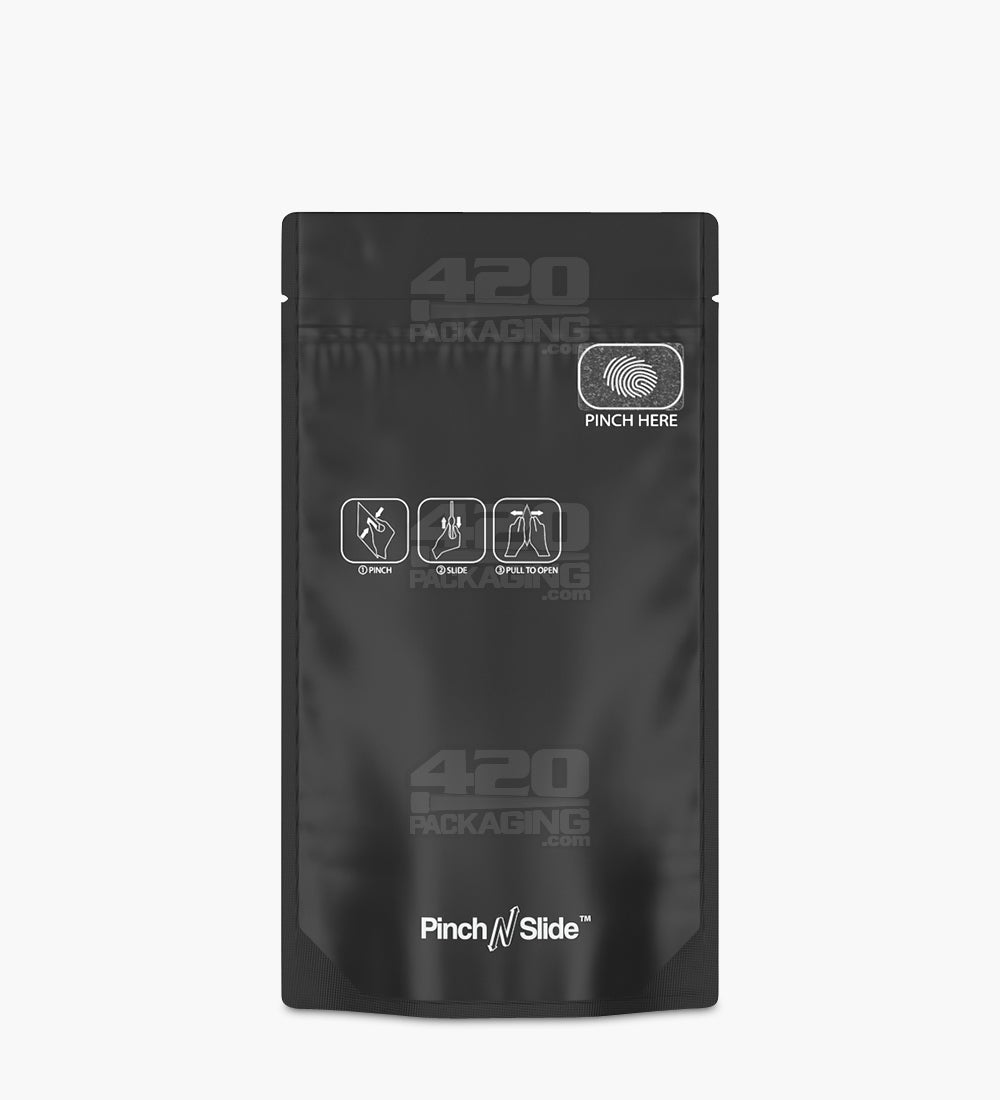
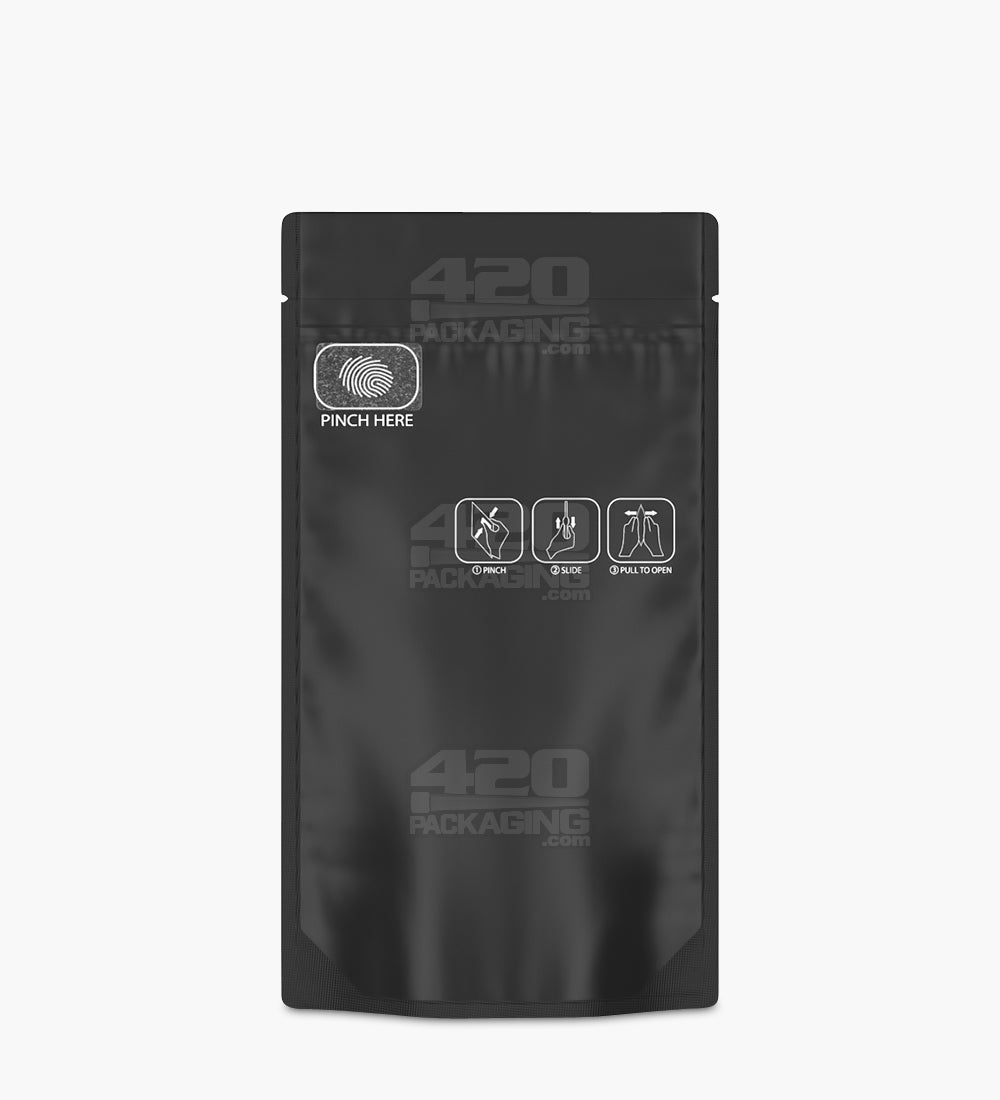
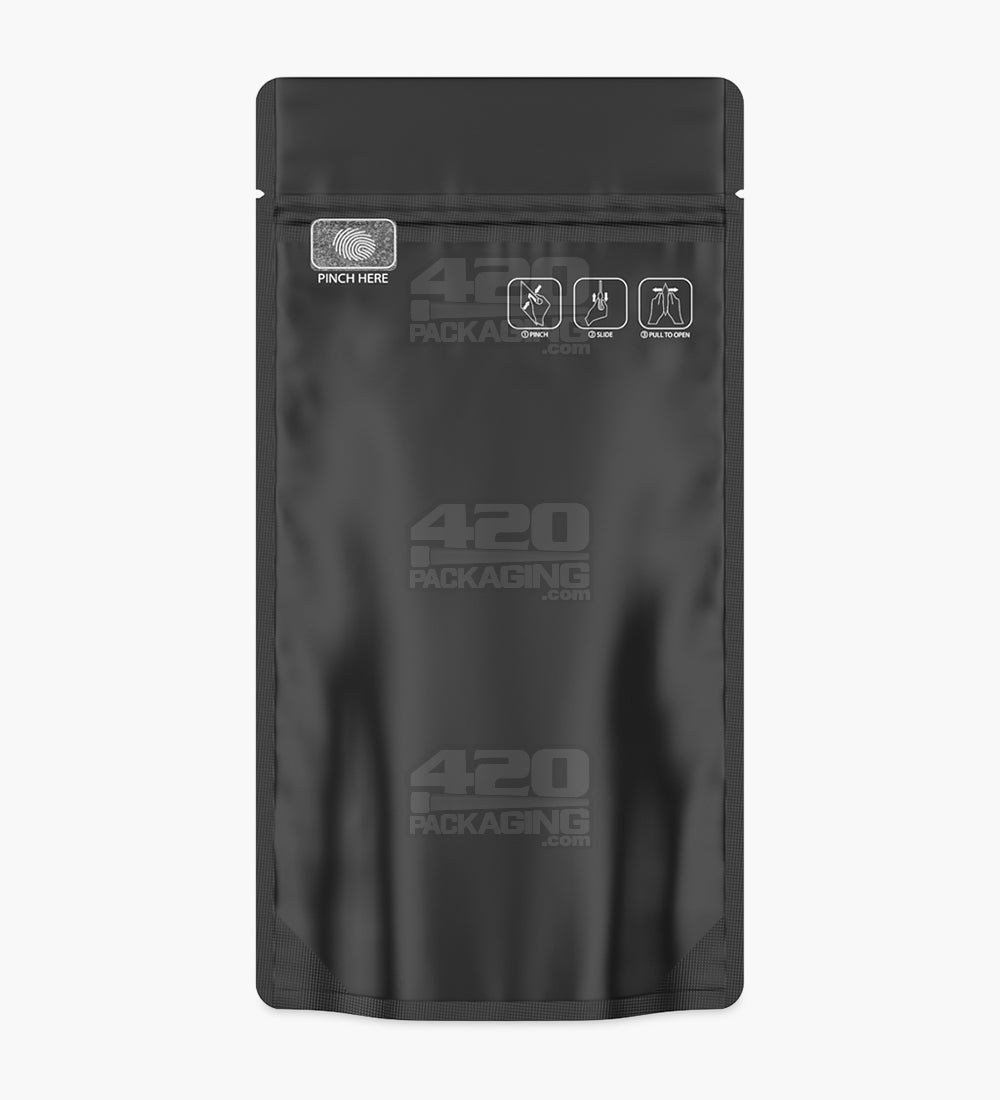
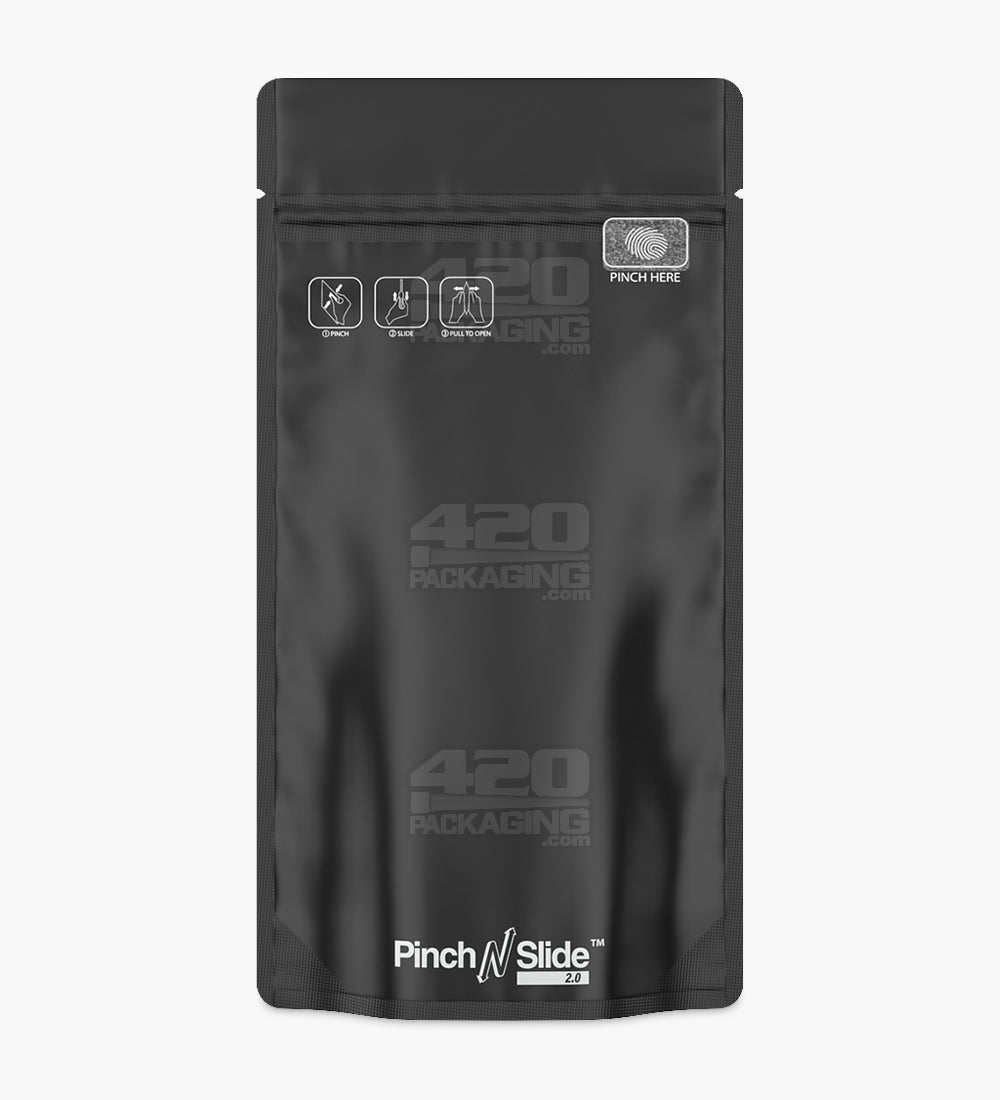
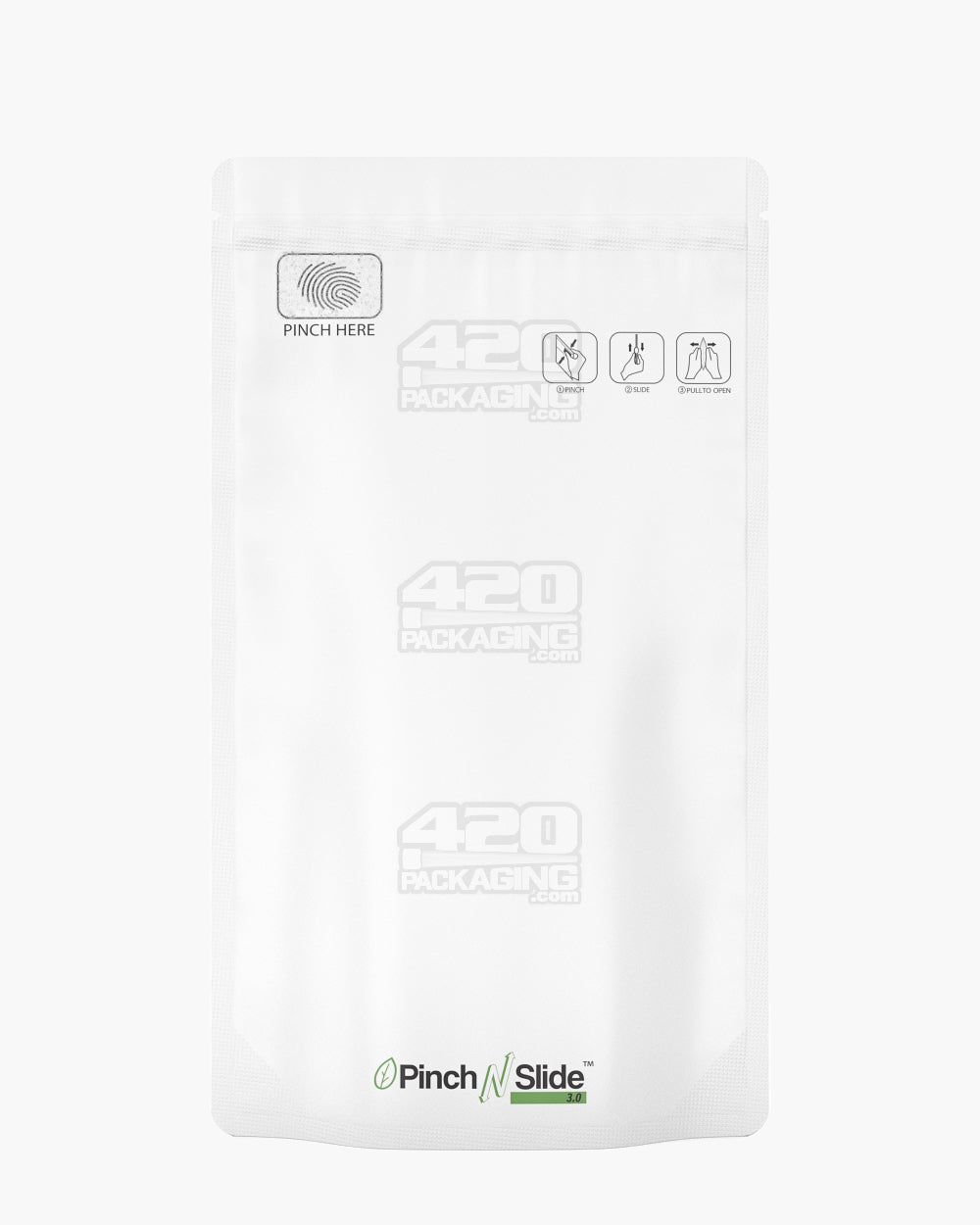
Child resistant cannabis bags use opening systems designed to make access more difficult for young children while remaining usable by adults. CR pouch designs may incorporate pinch-and-pull, pinch-and-slide, locking zipper or other multi-step mechanisms.
Child resistance should be evaluated for the specific package configuration being purchased. A pouch should not be treated as child resistant solely because it resembles another CR bag or uses a zipper that appears difficult to open.
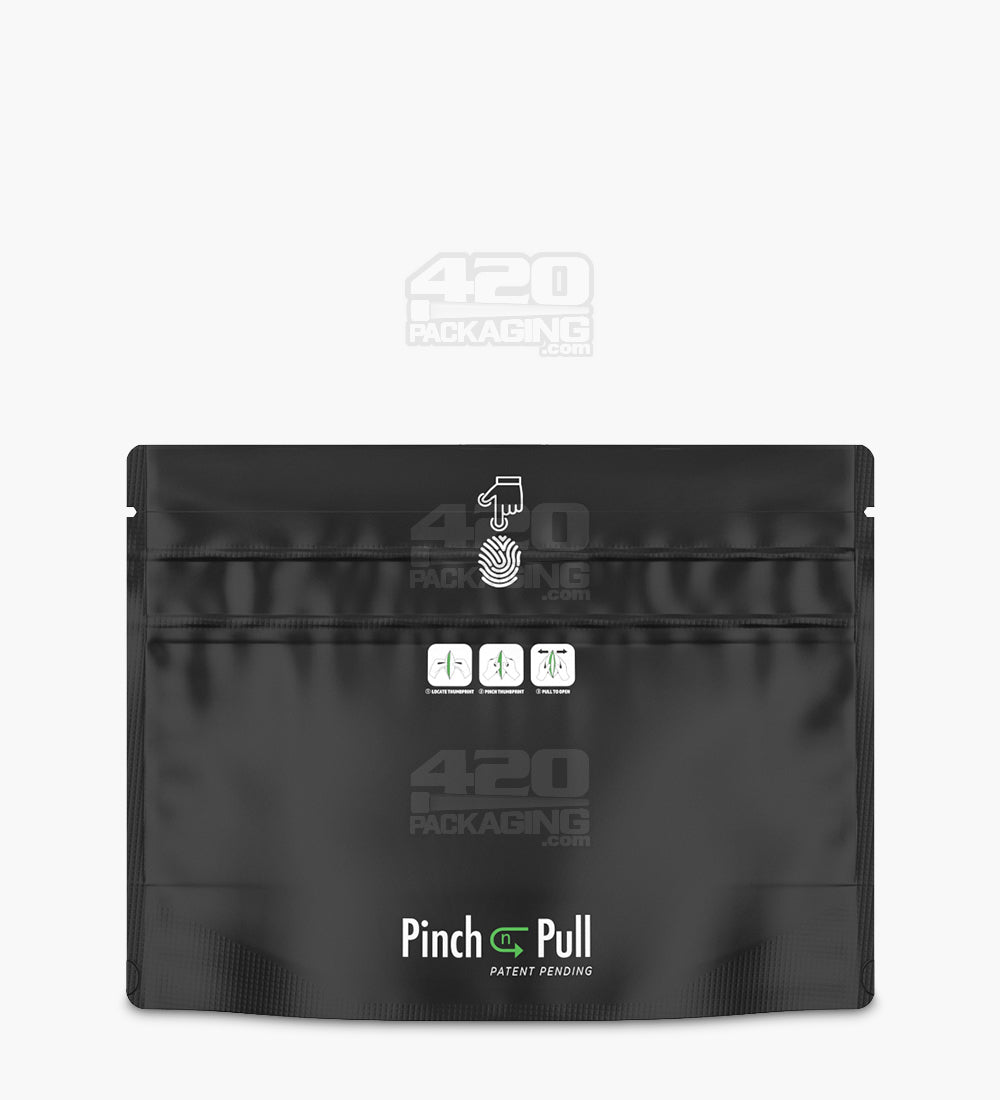
Pinch-and-Pull Child Resistant Bags
Pinch-and-pull mechanisms require the user to compress a designated portion of the package or closure while pulling the pouch open. The coordinated motion creates an additional opening step beyond a standard zipper.
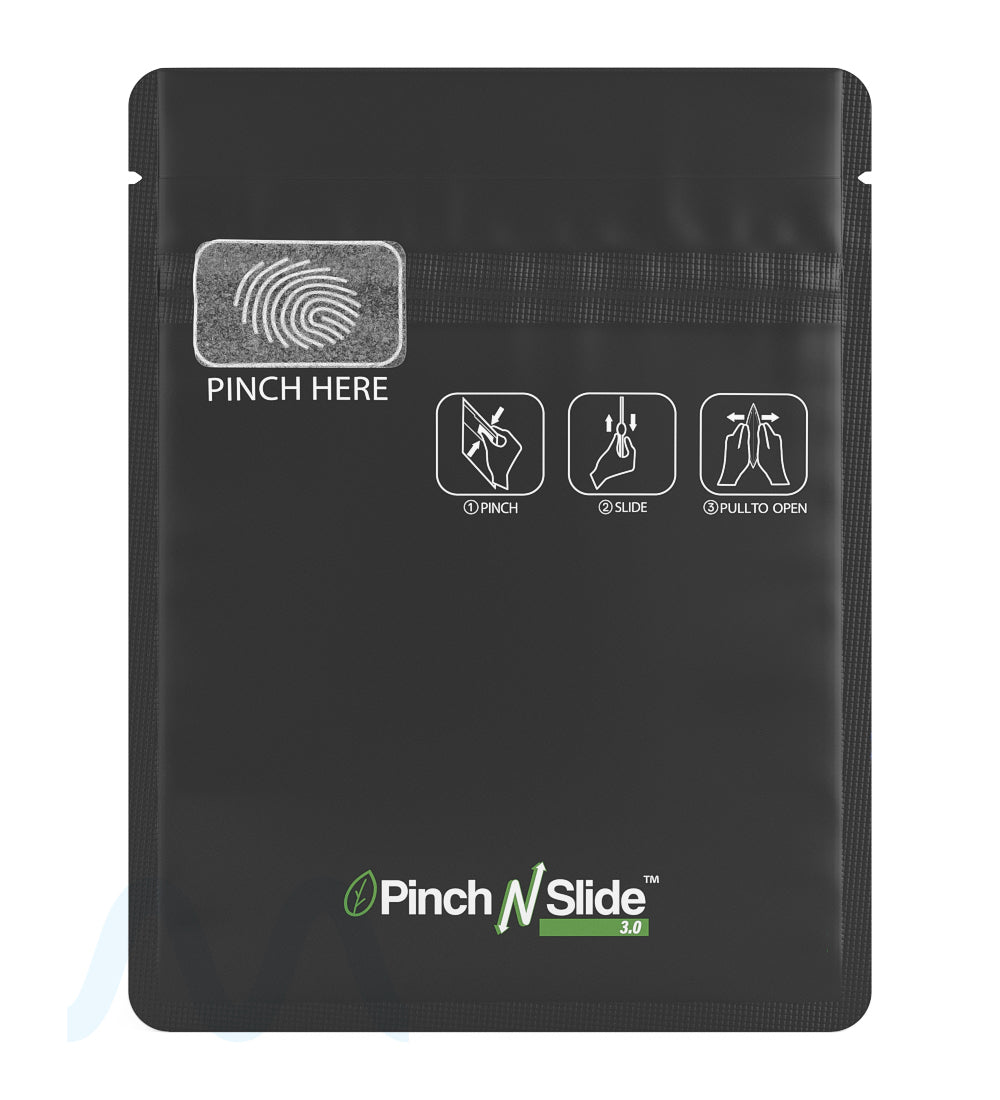
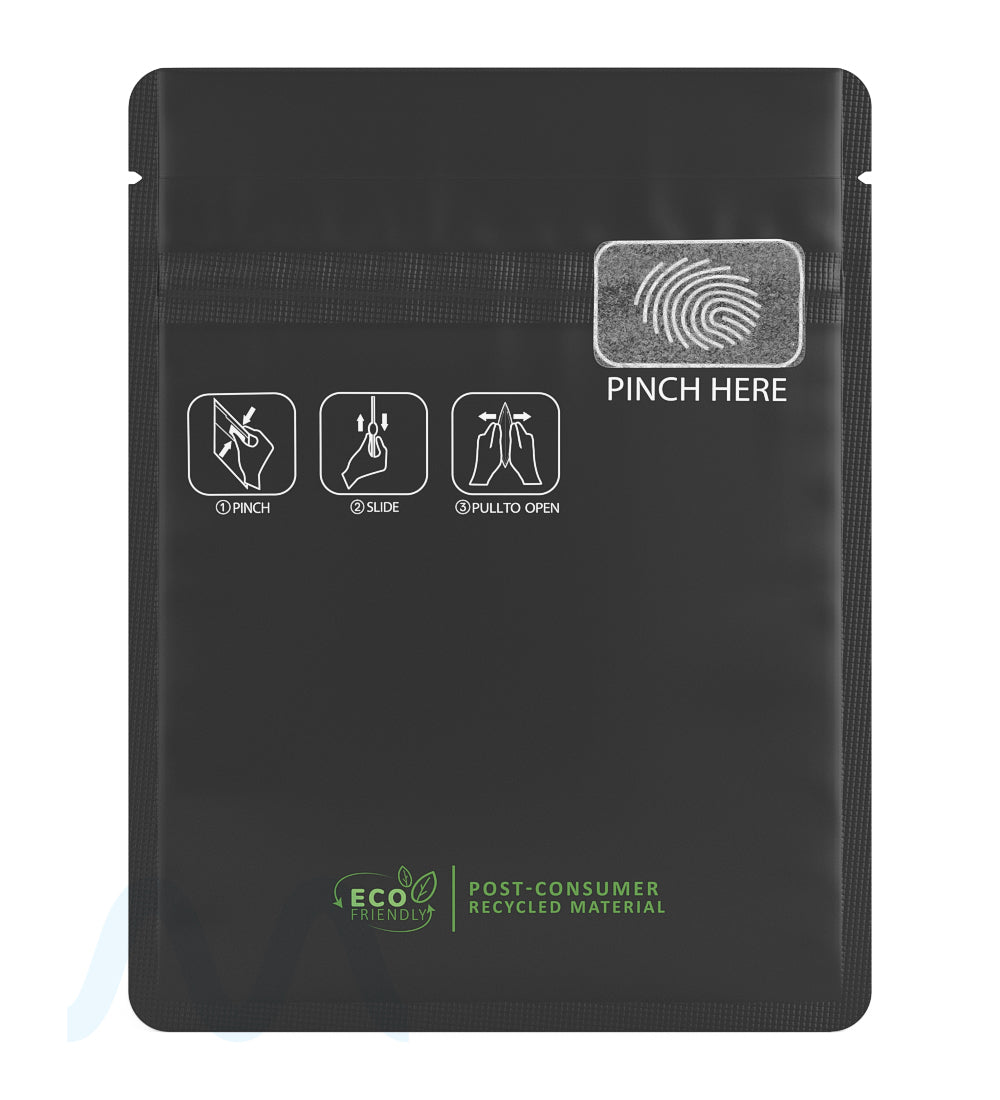
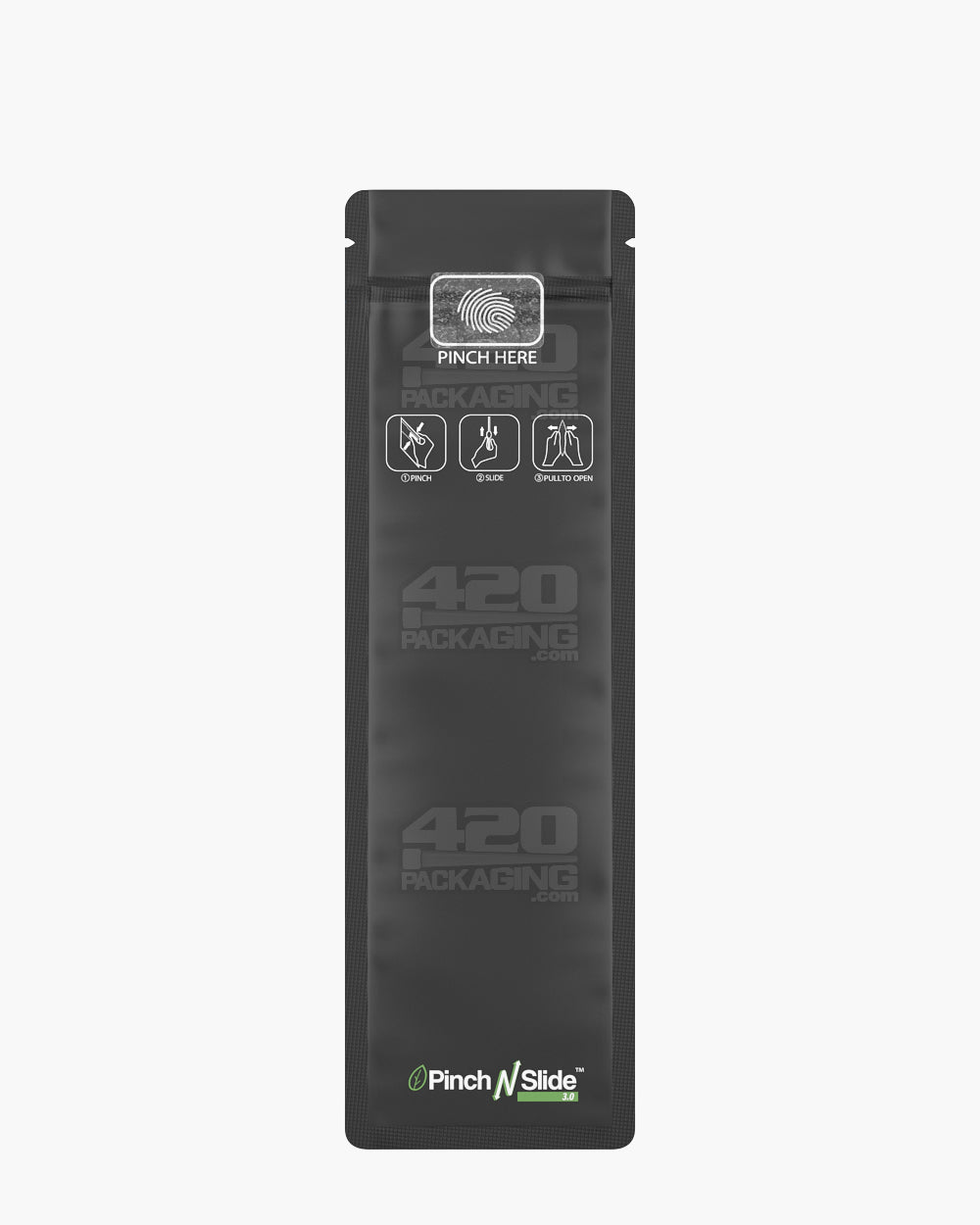
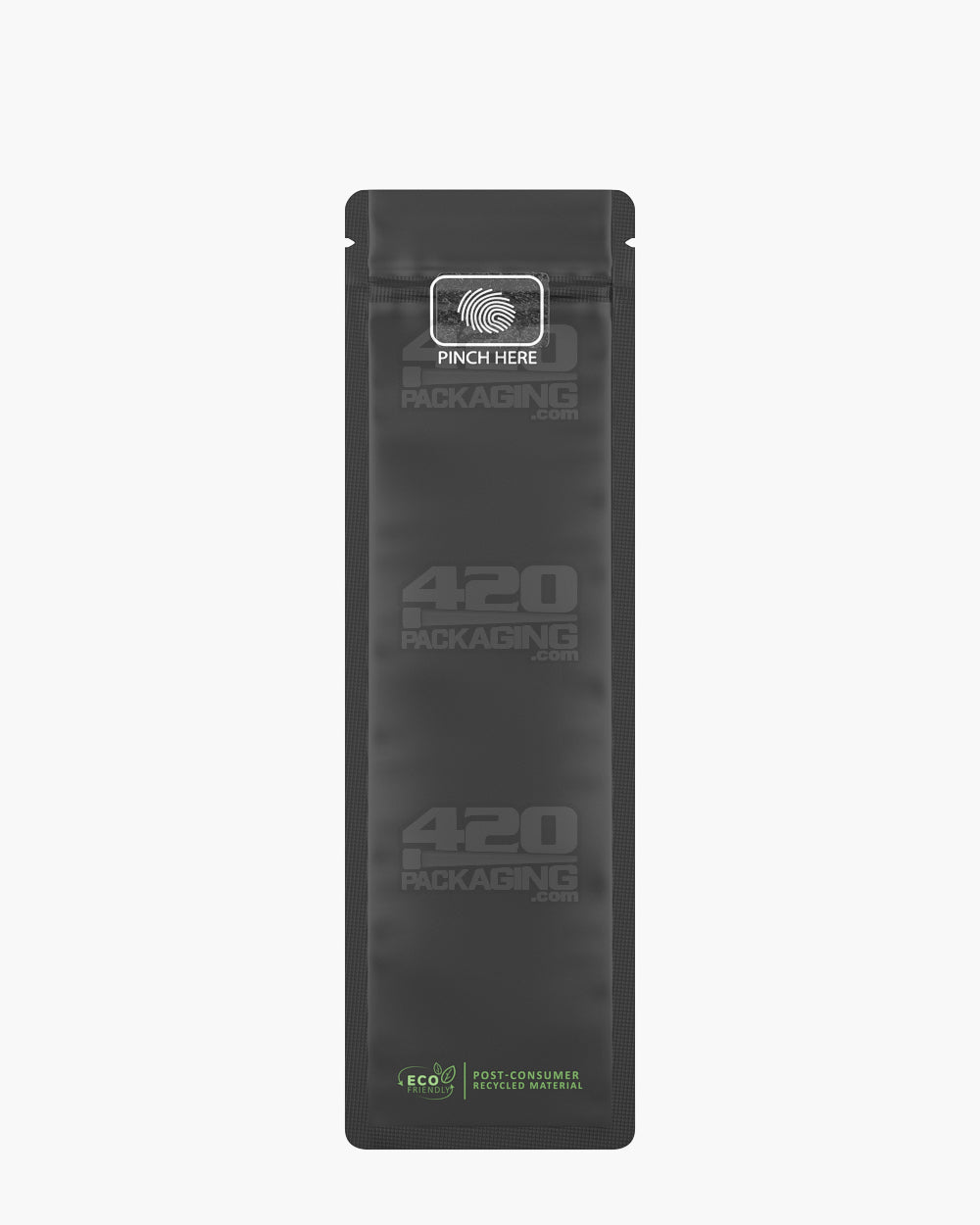
Pinch-and-Slide Child Resistant Bags
Pinch-and-slide systems require pressure at a designated point while another part of the closure is moved. These systems can provide a reclosable child-resistant function for flexible cannabis packaging.
Child Resistant Zipper Systems
Some CR weed bags use specialized zipper constructions that require a particular hand position, force pattern or sequence before the closure can be opened. When the pouch is intended to remain child resistant after first use, the consumer must also be able to re-engage the closure correctly.
Review available child-resistance test reports and package documentation for the exact pouch being considered. For broader information about CR mechanisms, PPPA concepts, 16 CFR 1700.20 testing and other child-resistant package types, browse child resistant packaging.
Cannabis Bag Sizes, Fill Weights and Usable Capacity
Cannabis bags are produced in a wide range of dimensions to accommodate different flower weights, serving counts, pre-roll configurations and product sizes. Flower packaging is often selected around common retail quantities such as 1 gram, 3.5 grams, 7 grams, 14 grams and 28 grams, but a bag's external dimensions do not guarantee that a specific weight of flower will fit correctly.
Cannabis flower varies in density and structure. Two strains with the same net weight can require different amounts of internal space, so businesses should evaluate the actual filled pouch before standardizing around a particular size.
Usable Dimensions vs. Overall Dimensions
The total height and width of a cannabis pouch are not the same as its usable internal dimensions. Space occupied by the zipper, top seal, bottom gusset, side seals and other construction features can reduce the area available for product.
When comparing weed bags, review the manufacturer's internal or usable dimensions where available rather than relying only on the exterior measurements.
Bag Width
Width influences product access, branding area and how flower or edibles distribute inside the package. A wider pouch may allow larger flower structures to be inserted with less compression and can provide a broader front panel for artwork.
Bag Height
Height affects capacity and is particularly important for pre-rolls or elongated products. Buyers should verify usable internal height beneath the zipper and seal area rather than comparing only total package height.
Gusset Depth
Bottom or side gussets expand as the pouch is filled and can substantially affect usable volume. Two bags with similar face dimensions may hold different amounts of product if their gusset constructions differ.
Choosing Cannabis Bags by Product Type
The right cannabis packaging bag depends on the product inside. Flower, pre-rolls and edibles place different demands on barrier performance, internal dimensions, closure design and puncture resistance.
Cannabis Flower Bags
Flower bags should provide enough usable volume for the intended fill weight while protecting the product from unnecessary compression and environmental exposure. Important considerations include moisture barrier, odor control, oxygen barrier, opacity, child-resistant requirements, zipper usability and heat-seal compatibility.
Brands packaging multiple flower strains should test representative high-density and low-density products rather than assuming that one pouch size will produce the same fill appearance across every SKU.
Pre-Roll Bags and Pouches
Flexible bags can be used for individual pre-rolls, multipacks and cones when the pouch provides sufficient internal length and appropriate protection. Buyers should compare usable height, width, pack count, puncture resistance, closure design and whether additional internal or secondary protection is needed to reduce crushing.
Edible Cannabis Pouches
Gummies, candies and other edibles are commonly packaged in resealable cannabis pouches because the format can accommodate multiple servings while providing a large exterior surface for branding and required product information.
For edible bags, consider serving count, internal volume, child-resistant requirements, moisture sensitivity, grease or oil interaction, product-contact suitability, tamper evidence and applicable food-contact documentation.
Concentrate and Specialty Product Bags
Flexible pouches can also function as primary or secondary packaging for concentrates, cartridges and other specialty cannabis products. In these applications, the bag may contain a separate jar, container or hardware component rather than directly contacting the cannabis product.
Dimensions, puncture resistance, child-resistant functionality and the shape of the packaged item become particularly important when a rigid component is placed inside a flexible pouch.
Opaque, Clear and Window Cannabis Bags
Visibility is an important packaging decision because transparent areas allow the product to be seen while opaque structures can provide greater light shielding and more uninterrupted space for branding.
Opaque Cannabis Bags
Opaque pouches prevent direct viewing of the contents and can provide greater light protection depending on the film construction. Black, white, colored and metallized weed bags are common choices when brands want the package design to control the entire visual presentation.
Clear Cannabis Bags
Clear flexible packaging provides maximum product visibility but generally allows more light to reach the contents. Fully transparent pouches should be evaluated against the product's protection needs and applicable packaging requirements.
Window Cannabis Pouches
Window bags combine opaque or printed areas with a transparent panel that allows part of the product to remain visible. The size and position of the window affect both product exposure and the amount of uninterrupted branding or labeling space.
A pouch containing a clear window should not be assumed to provide the same light barrier as an otherwise identical fully opaque package.
Gussets, Tear Notches and Other Cannabis Bag Features
Small structural features can materially affect how a cannabis pouch performs during filling, retail display and consumer use. Buyers should review these components alongside the primary bag dimensions and material construction.
Bottom Gussets
A bottom gusset expands to increase usable volume and can allow a filled pouch to stand upright. The depth and shape of the gusset affect package stability and how product distributes inside the bag.
Side Gussets
Side gussets expand outward as the bag is filled and can increase capacity while maintaining a narrower front-facing profile. They are more common in certain larger or specialty bag formats.
Tear Notches
Tear notches provide a designated starting point for opening the sealed area above a zipper or primary closure. They can improve first-open usability but should be positioned so they do not interfere with the functional zipper or other package features.
Hang Holes
Hang holes allow flexible packages to be displayed on retail hooks. If a hang hole is required, confirm its location relative to the zipper, top seal, artwork and any child-resistant opening instructions.
Rounded Corners
Rounded corners can change package handling and presentation by reducing sharp pouch corners. This can be useful where packages are frequently handled, packed tightly or placed against other products during shipping.
Matte and Gloss Finishes
Surface finish influences appearance, tactile feel and how printed graphics are presented. Matte finishes can create a softer, lower-reflectivity appearance, while gloss surfaces can produce greater shine and color contrast. Finish should be considered alongside print method, label adhesion and the desired brand presentation.
Dispensary Bags, Product Pouches and Exit Bags
"Dispensary bags" can refer to more than one type of cannabis packaging. Some buyers use the term for primary product pouches that contain flower, edibles or pre-rolls, while others use it for larger exit bags that carry one or more already packaged cannabis products at retail.
Primary Cannabis Product Bags
Primary cannabis bags directly contain the packaged product and therefore require careful evaluation of material compatibility, barrier performance, capacity, closure function and applicable child-resistant or tamper-evident requirements.
Dispensary Exit Bags
Exit bags are larger retail carryout packages used to hold one or more individual cannabis products after purchase. Depending on the market and package design, exit bags may use opaque materials, resealable closures or child-resistant mechanisms.
An exit bag does not automatically replace requirements that apply to the individual product package. Cannabis operators should determine which requirements apply to primary packaging, retail carryout packaging or both in the jurisdiction where the products will be sold.
Custom Cannabis Bags and Printed Mylar Pouches
Custom cannabis bags give brands a large printable surface for graphics, product identification and differentiated retail presentation. Flexible packaging can support branding across the front, back and, depending on the bag construction, gusset areas.
The package itself should be selected before artwork is finalized. Bag dimensions, zipper position, seal area, tear notches, hang holes, gussets, windows and child-resistant opening instructions can all affect the usable artwork area.
Custom Printed Mylar Bags
Custom printed mylar bags can integrate brand graphics directly into the pouch rather than applying a separate label to a stock package. Available printing methods, minimum order quantities, artwork requirements, finishes and production capabilities depend on the specific bag program.
Custom Labels for Stock Cannabis Bags
Pressure-sensitive labels can provide a flexible branding option for stock cannabis pouches, particularly for smaller production runs or brands managing multiple strains and product SKUs. Before designing labels, confirm the flat panel dimensions and avoid placing critical information across zippers, gusset folds, tear areas or curved transitions.
Matte, Gloss and Specialty Finishes
Depending on the packaging program, custom pouches may support matte, gloss, metallic or other visual treatments. Certain custom projects may also support specialty printing and finishing options. Availability should be confirmed for the exact pouch and production method before the artwork is built around a specific effect.
Marijuana Packaging offers domestic in-house customization capabilities for eligible packaging products, allowing cannabis brands to coordinate stock packaging selection, artwork and branded presentation through a single packaging source.
Cannabis Bag Specifications and Product Documentation
Flexible packaging should be evaluated using more than a product photograph. Technical specifications help manufacturers determine whether a pouch will work with the intended product, filling process, sealing equipment and labeling or printing program.
Depending on the cannabis bag, useful specifications and documentation may include:
- Overall pouch width and height
- Usable internal dimensions
- Bottom or side gusset dimensions
- Film or laminate construction
- Material thickness
- Barrier performance data where available
- Zipper or closure type
- Child-resistant test reports for qualifying packages
- Heat-seal area and sealing recommendations where available
- Tear notch and hang hole location
- Window dimensions where applicable
- Material composition or safety documentation where applicable
- Food-contact documentation where applicable
- Case quantity and shipping specifications
For qualifying products, review available certifications and product documentation before committing to production quantities. Child-resistant documentation should be matched to the exact pouch configuration being purchased.
Wholesale Cannabis Bag Ordering for Commercial Operations
Cannabis brands purchasing flexible packaging at wholesale scale should consider both unit-level performance and the operational effect of the package across filling, sealing, labeling, warehousing and distribution.
Marijuana Packaging supplies stock cannabis bags and mylar pouches in wholesale case quantities across numerous sizes, colors, materials and closure configurations. Tiered pricing may be available on qualifying products, allowing businesses to evaluate packaging cost across different order volumes.
Order Samples Before Full Production
Sampling is especially useful with cannabis pouches because exterior dimensions do not fully communicate internal capacity, zipper usability, film feel or how the finished package will look after filling. When samples are available, test the actual product rather than relying only on a nominal size recommendation.
Sample testing can help confirm:
- Actual product fit and fill appearance
- Usable internal volume
- Desired headspace
- Flower compression
- Zipper engagement
- Child-resistant opening function where applicable
- Heat-seal compatibility
- Film strength and puncture resistance
- Label size and placement
- Artwork positioning
- Retail shelf presentation
- Case packing and warehouse storage
Standardize Bag Families Across Multiple SKUs
Cannabis brands managing many strains, flavors or product variants can simplify packaging operations by standardizing around a controlled group of pouch sizes and constructions. The same base bag can sometimes support multiple SKUs through different labels or printed artwork while maintaining consistent filling, sealing and warehousing procedures.
Standardization can also reduce the number of packaging components that need to be purchased, stored, tested and reordered across a larger cannabis product portfolio.
What to Compare Before Ordering Cannabis Bags
The best cannabis bag is the one that matches the product, intended fill, barrier requirements, regulatory needs and production process. Compare the complete pouch system before committing to wholesale quantities rather than selecting weed bags based only on price, color or stated capacity.
- Intended product, including flower, pre-rolls, edibles or specialty cannabis products
- Target fill weight, serving count or product dimensions
- Overall bag dimensions
- Usable internal width and height
- Bottom or side gusset dimensions
- Required headspace
- Flat, stand-up, gusseted or specialty pouch construction
- Film and laminate structure
- Material thickness
- Moisture barrier requirements
- Oxygen barrier requirements
- Odor and aroma containment needs
- Light protection
- Puncture and tear resistance
- Clear, opaque, metallized or window construction
- Standard or child-resistant zipper
- Pinch-and-pull, pinch-and-slide or other CR mechanism where applicable
- Reclosable or single-use functionality
- Heat-seal capability
- Tear notches and first-open usability
- Hang hole requirements
- Tamper-evident package design
- Product-contact suitability
- Available child-resistance testing and technical documentation
- Labeling and branding area
- Stock or custom printed packaging requirements
- Sample availability
- Case quantity and wholesale pricing
- Filling, sealing and labeling equipment compatibility
- Repeat-order availability
For cannabis brands, manufacturers, processors and dispensaries purchasing at commercial scale, the bag should be evaluated as a combination of material, barrier system, closure, dimensions and production requirements. Choosing cannabis packaging bags this way creates a more reliable path from product filling through retail distribution than treating every mylar pouch as interchangeable.
Frequently Asked Questions About Mylar Bags
Mylar bags are durable, airtight, odor proof bags that are ideal for storing regulated products and consumables. Marijuana Packaging offers two patented child resistant designs, Pinch N Pull and Pinch N Slide, both of which meet state regulatory standards. Most Mylar bags are also tamper evident and resealable!
The best odor proof Mylar bags on the market are right here at Marijuana Packaging. We offer a variety of styles, including matte, gloss, vista, or fully opaque in sizes ranging from 1g to 56g. With two patented child resistant designs, Pinch N Pull and Pinch N Slide, Mylar bags from Marijuana Packaging are sure to meet state regulatory standards.
Heat is used to create a tamper evident seal for Mylar bags. Marijuana Packaging carries two heat sealing machines that can complete up to 30 bags a minute! You can also manually seal the bags in a more DIY fashion using a flat iron.
Mylar is not recyclable in most curbside recycling programs. However, there are commercial recycling centers that will accept Mylar, as well as send-out programs like TerraCycle that work to accept and repurpose all packaging materials. For more sustainable options, explore the range of PCR Mylar bags (made with post-consumer recycled materials) that Marijuana Packaging has to offer!
Mylar bags are the first choice for vacuum-sealing regulated products and consumables. Air-tight, lightweight, child-resistant, and most importantly – cost effective; Mylar keeps flower, edibles, and pre-rolls fresh while remaining compliant with state safety regulations.