

Cannabis Jars
Weed jars provide a secure and reliable storage solution for cannabis flower, concentrates, edibles, and other products while helping preserve freshness and product quality. Shop a wide selection of glass and plastic weed jars in multiple sizes, colors, and child-resistant options designed to meet industry compliance requirements. Whether you need stock or custom cannabis jars, our packaging solutions combine product protection, professional presentation, and customizable branding to help your products stand out on the shelf.
Filters
94 products
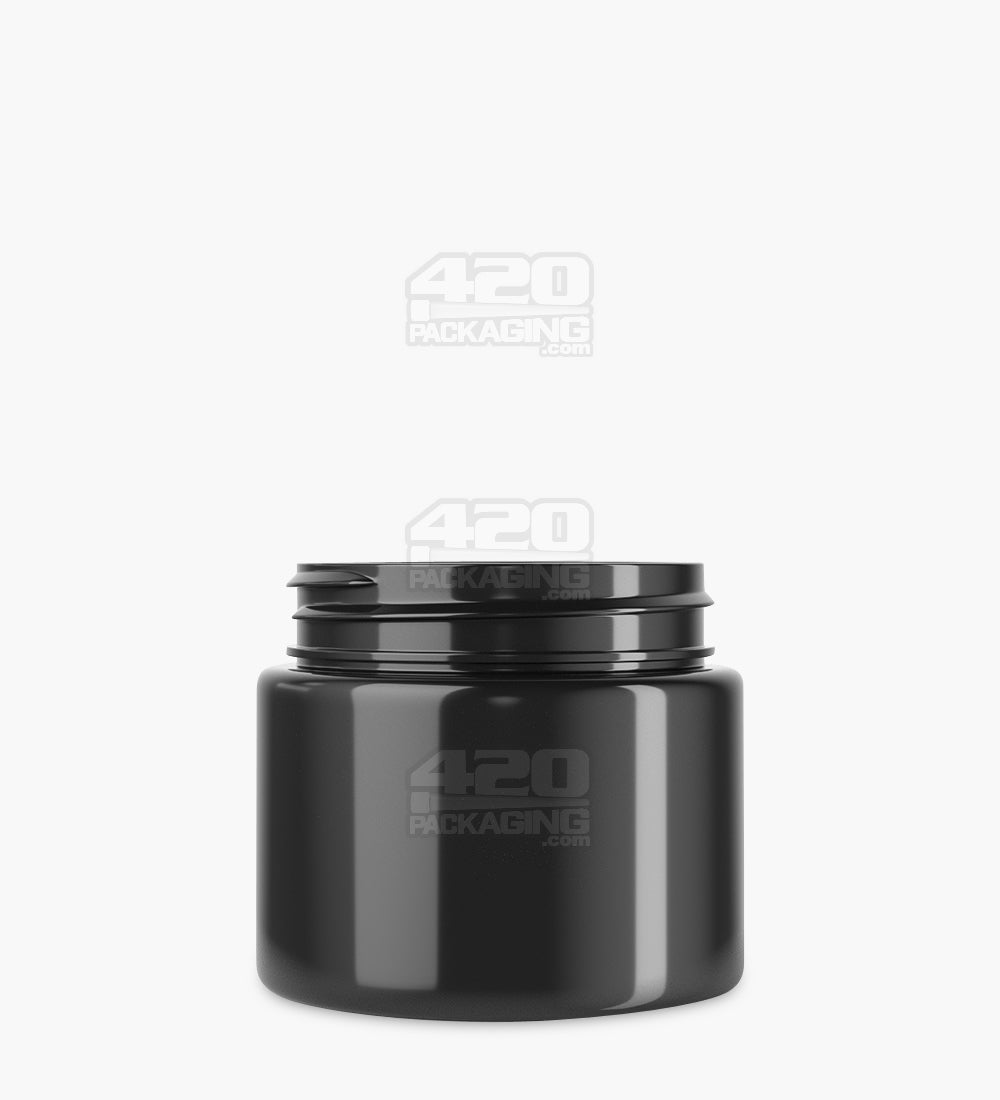

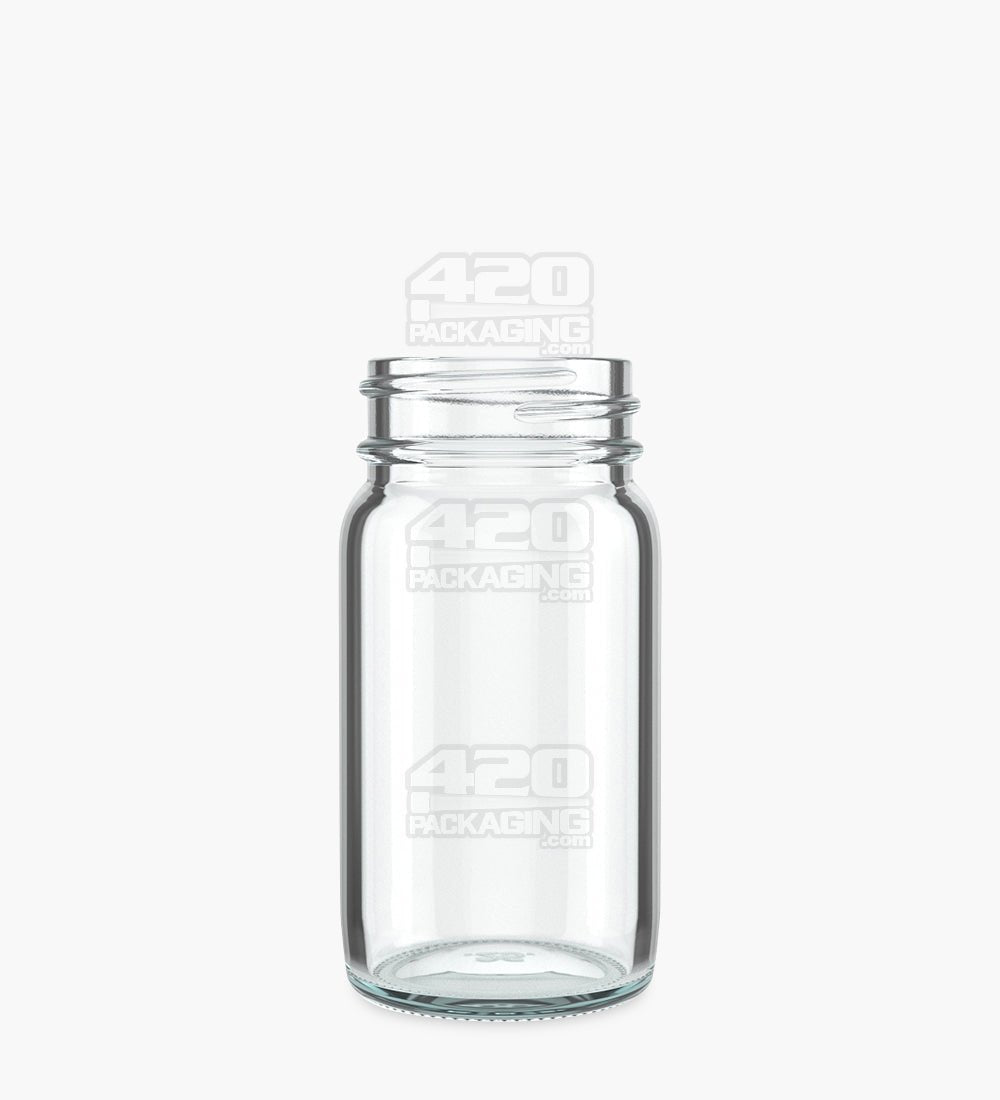
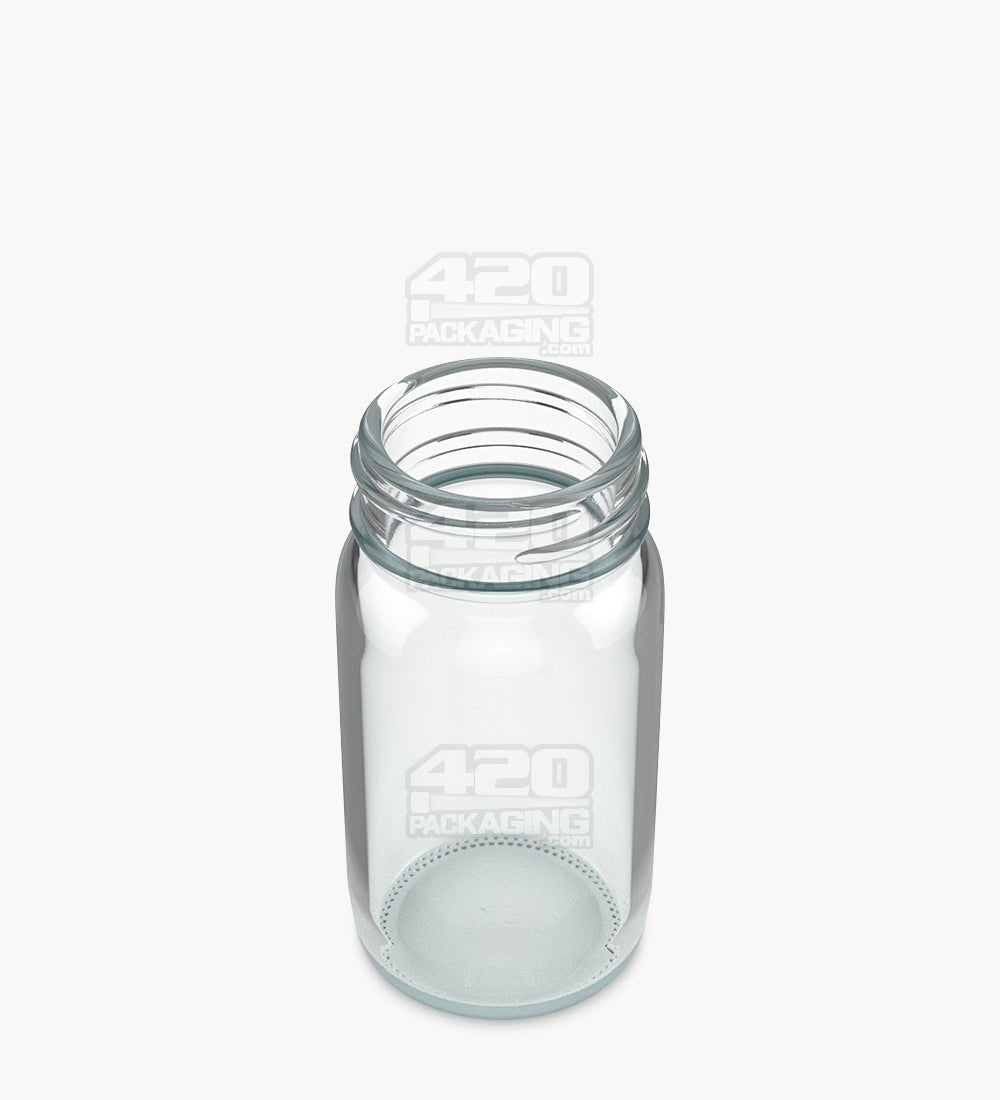
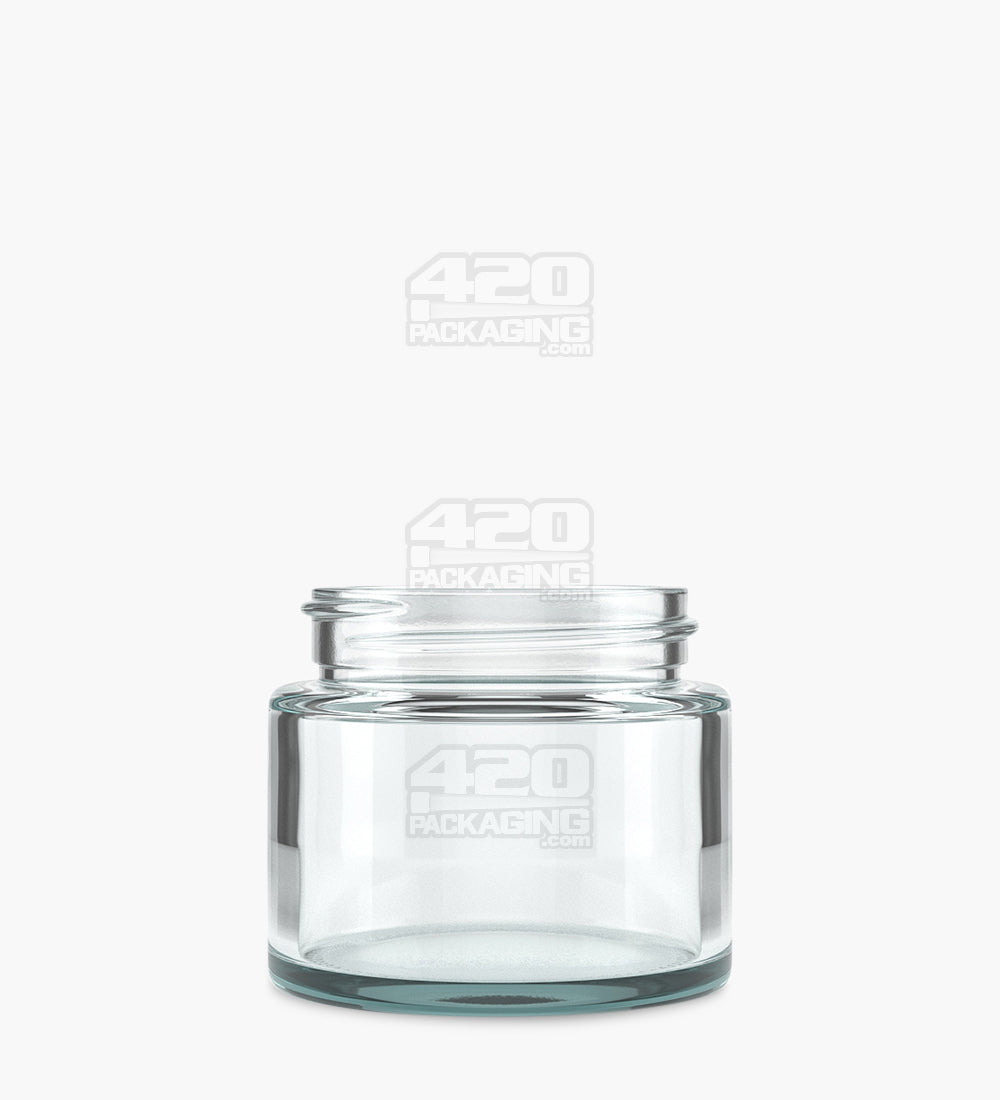
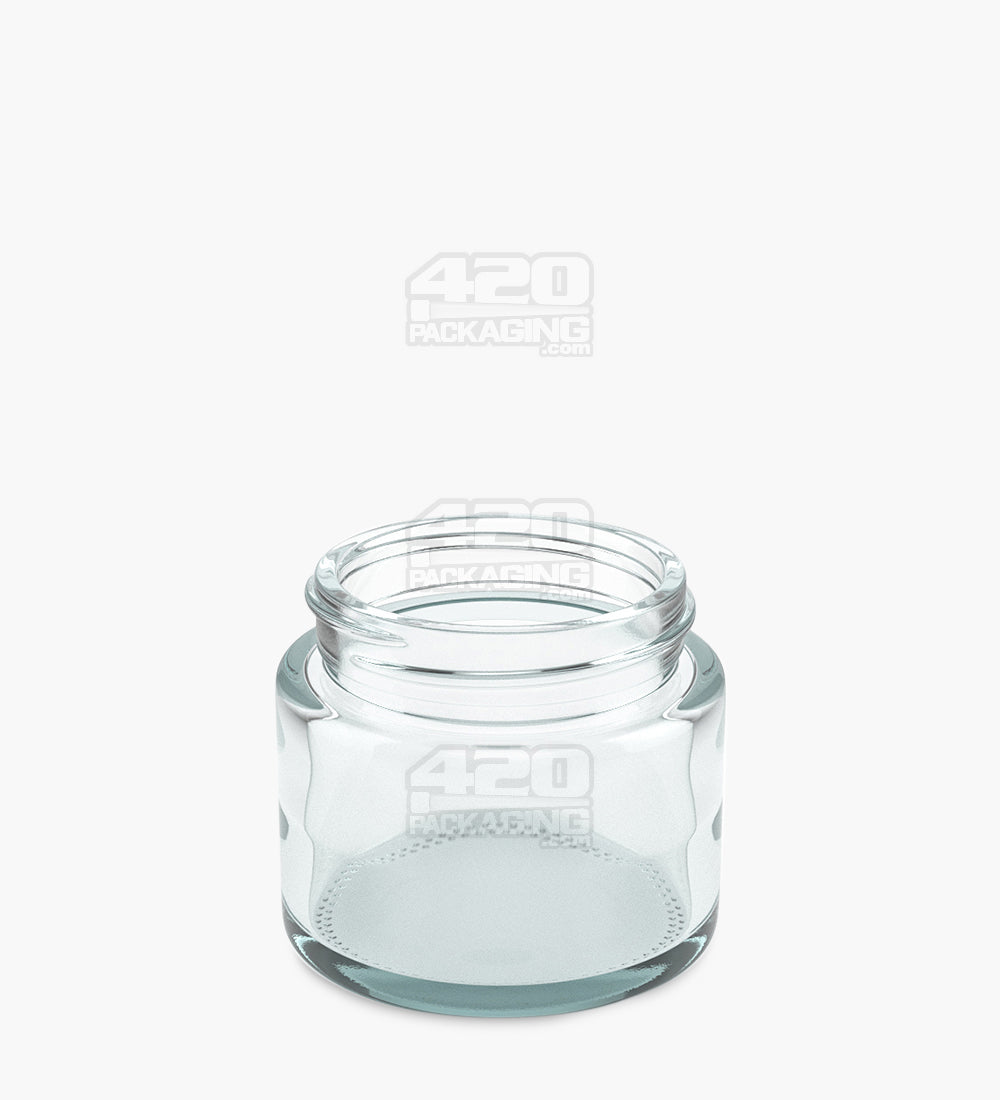
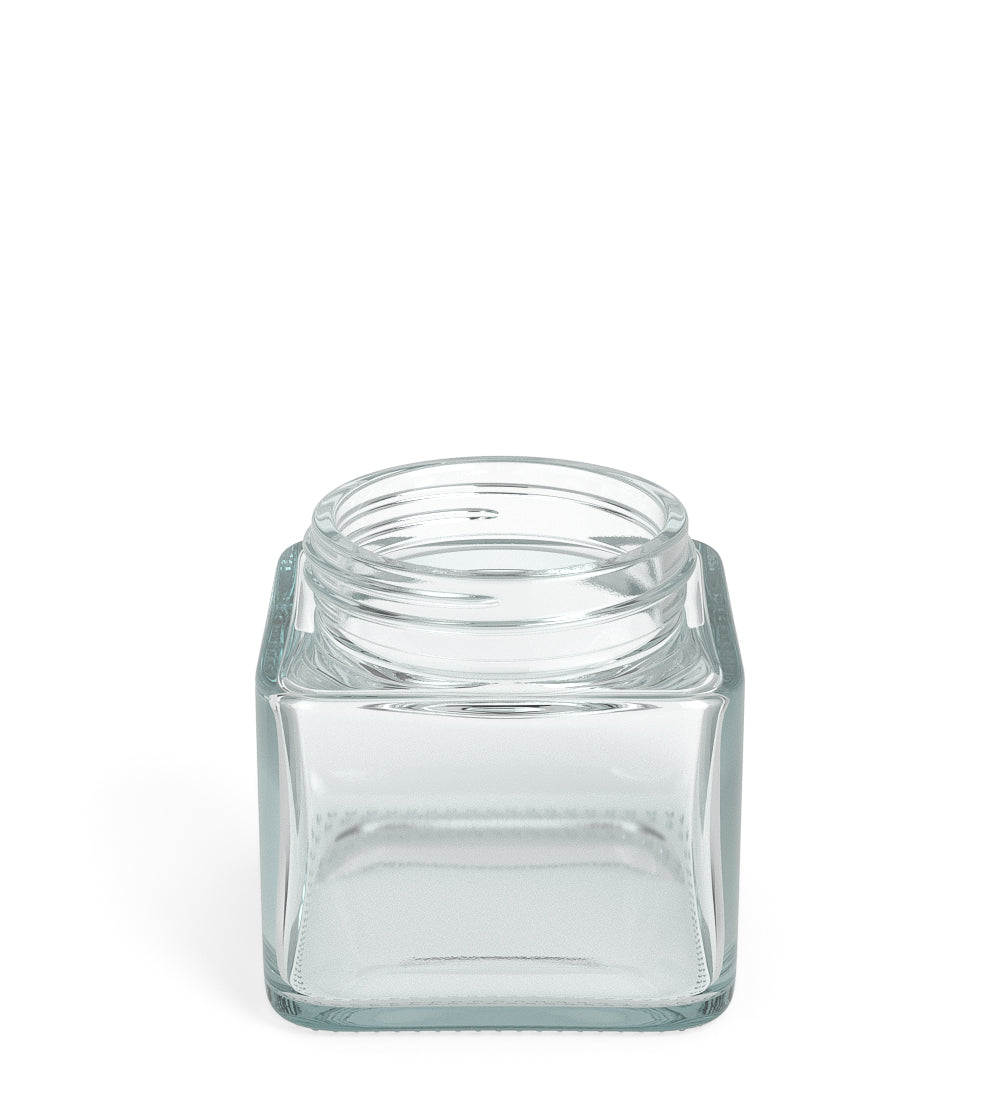
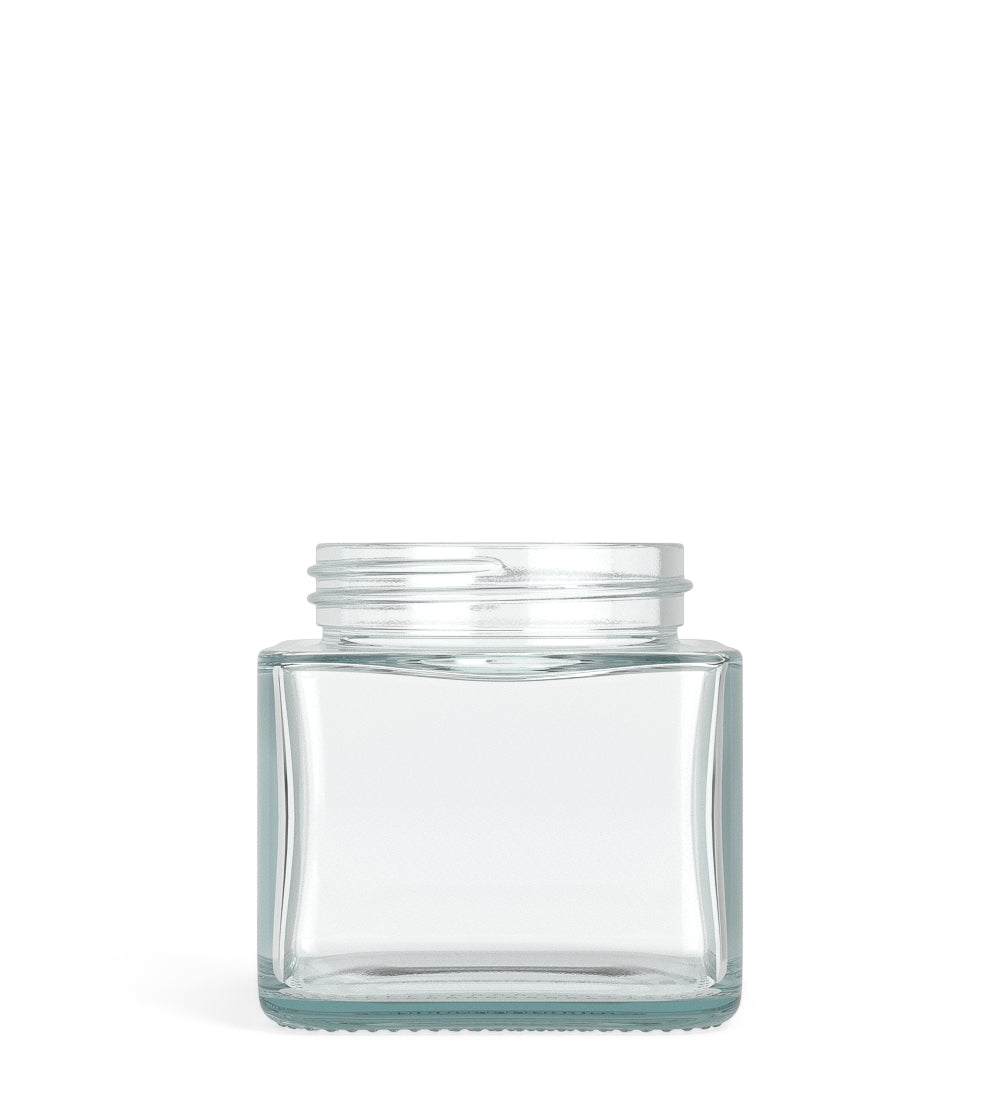


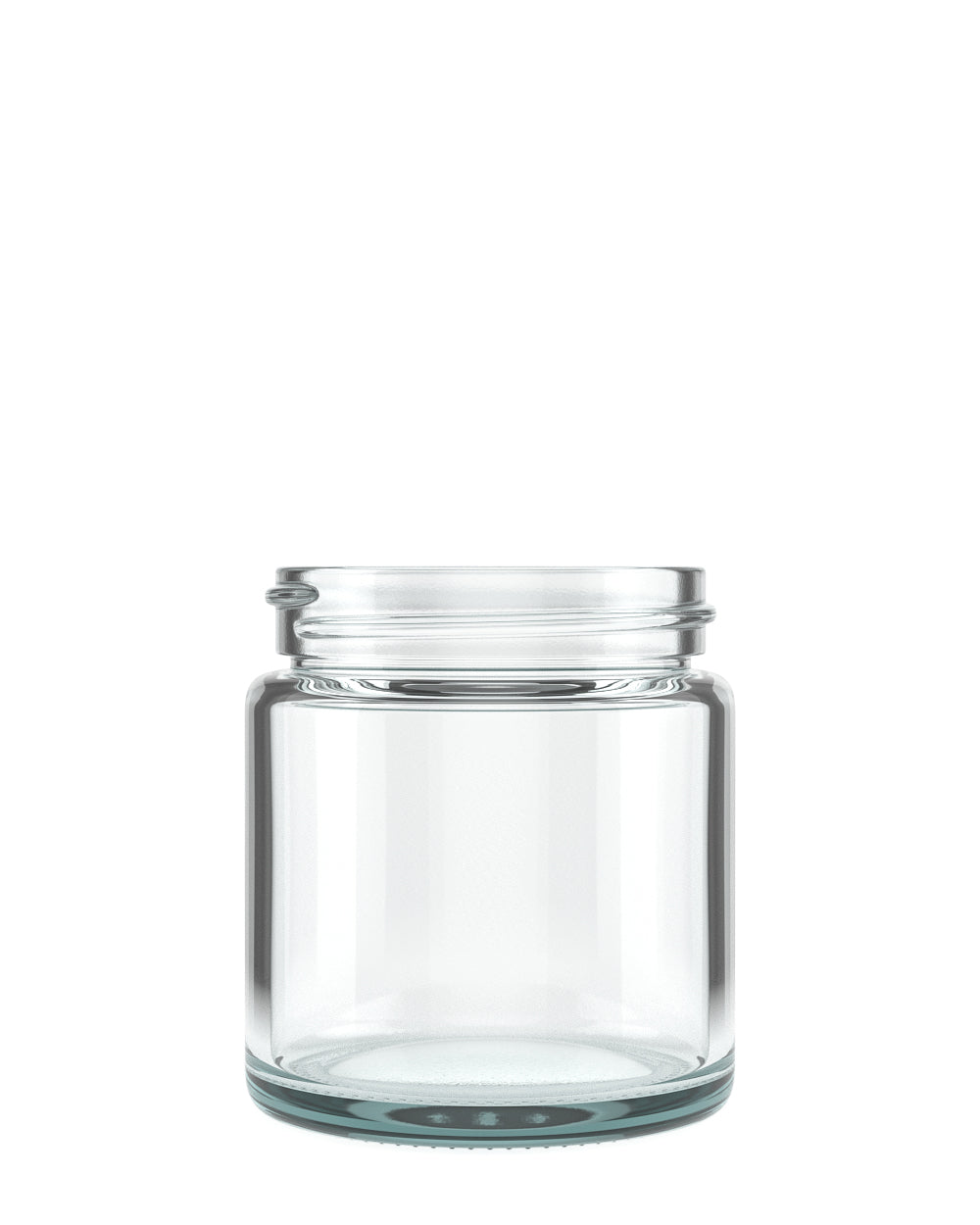
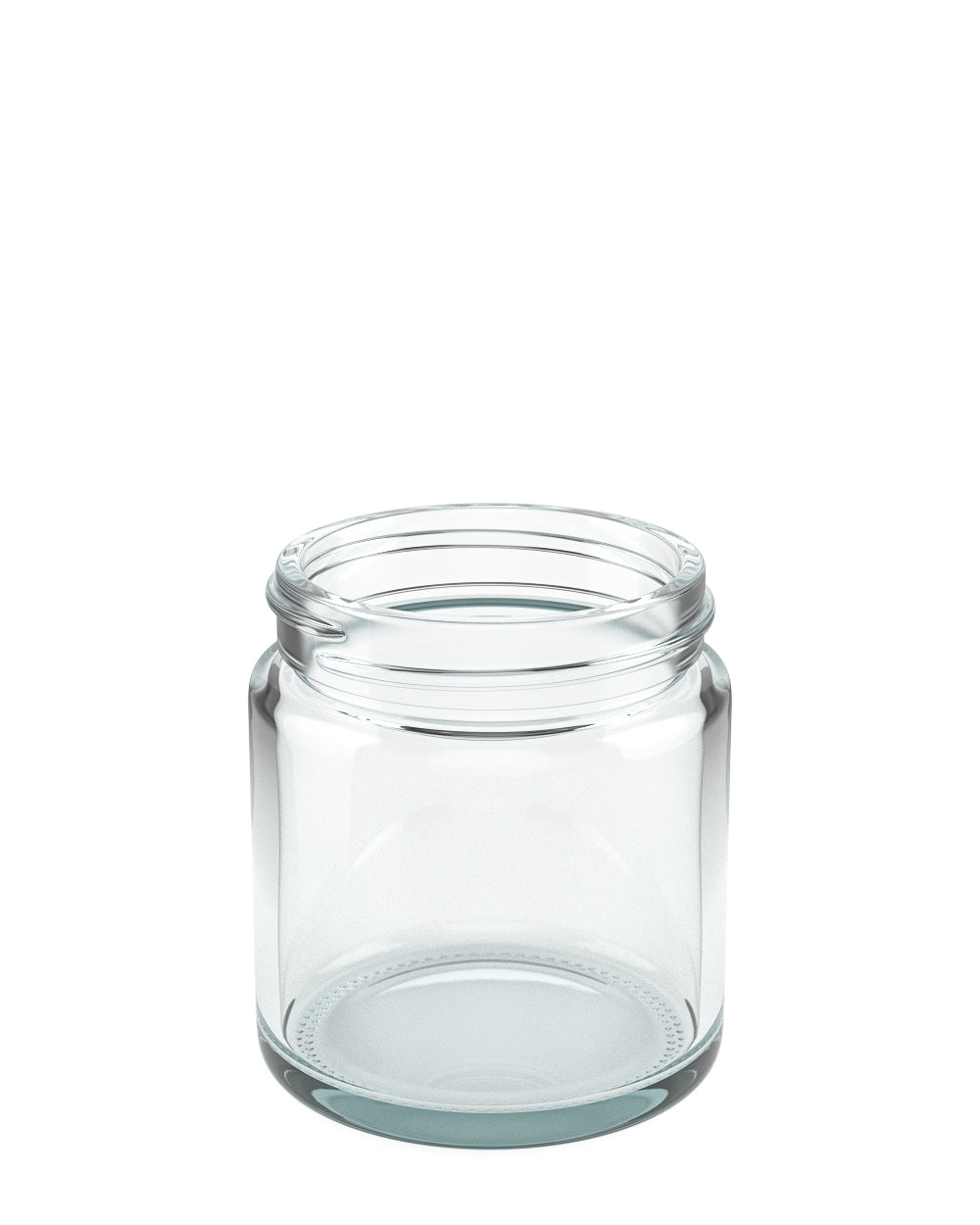
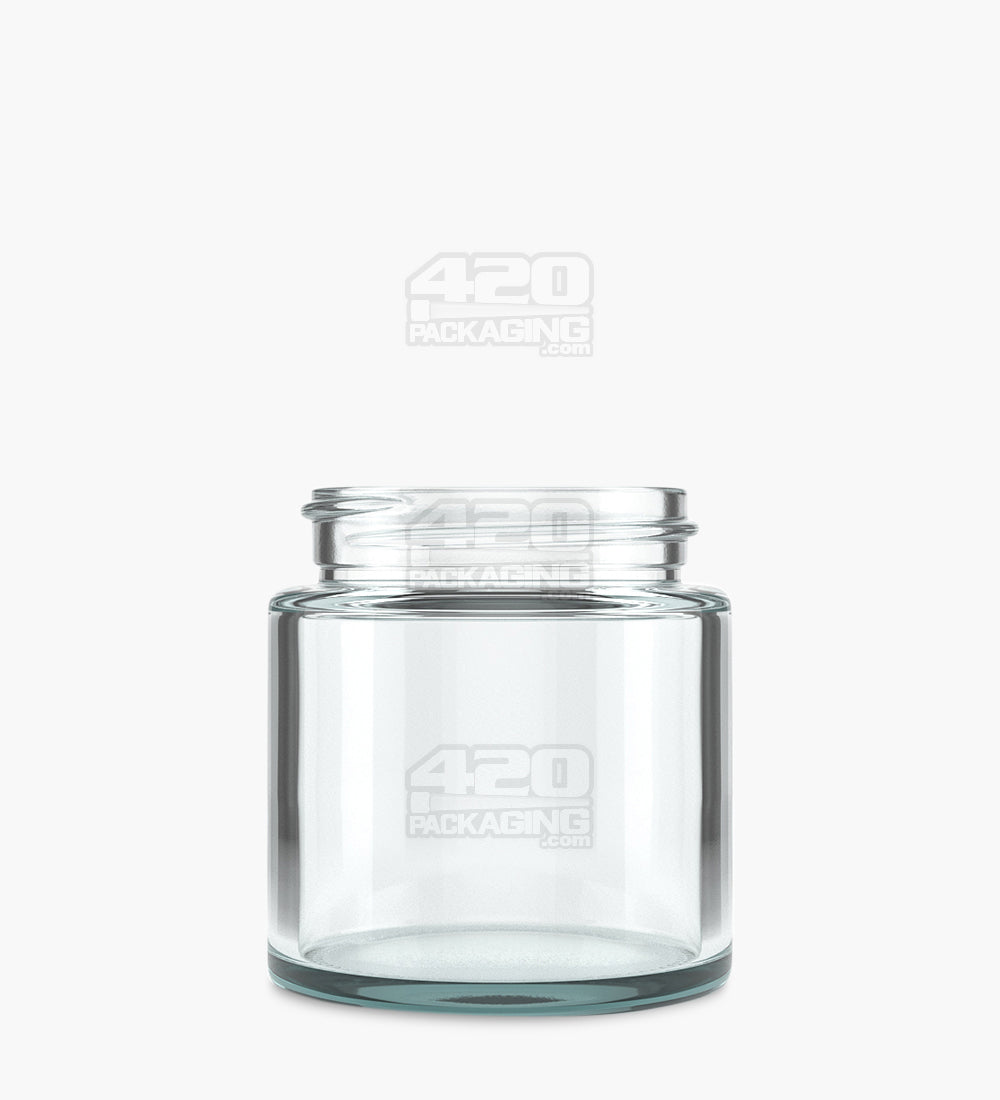


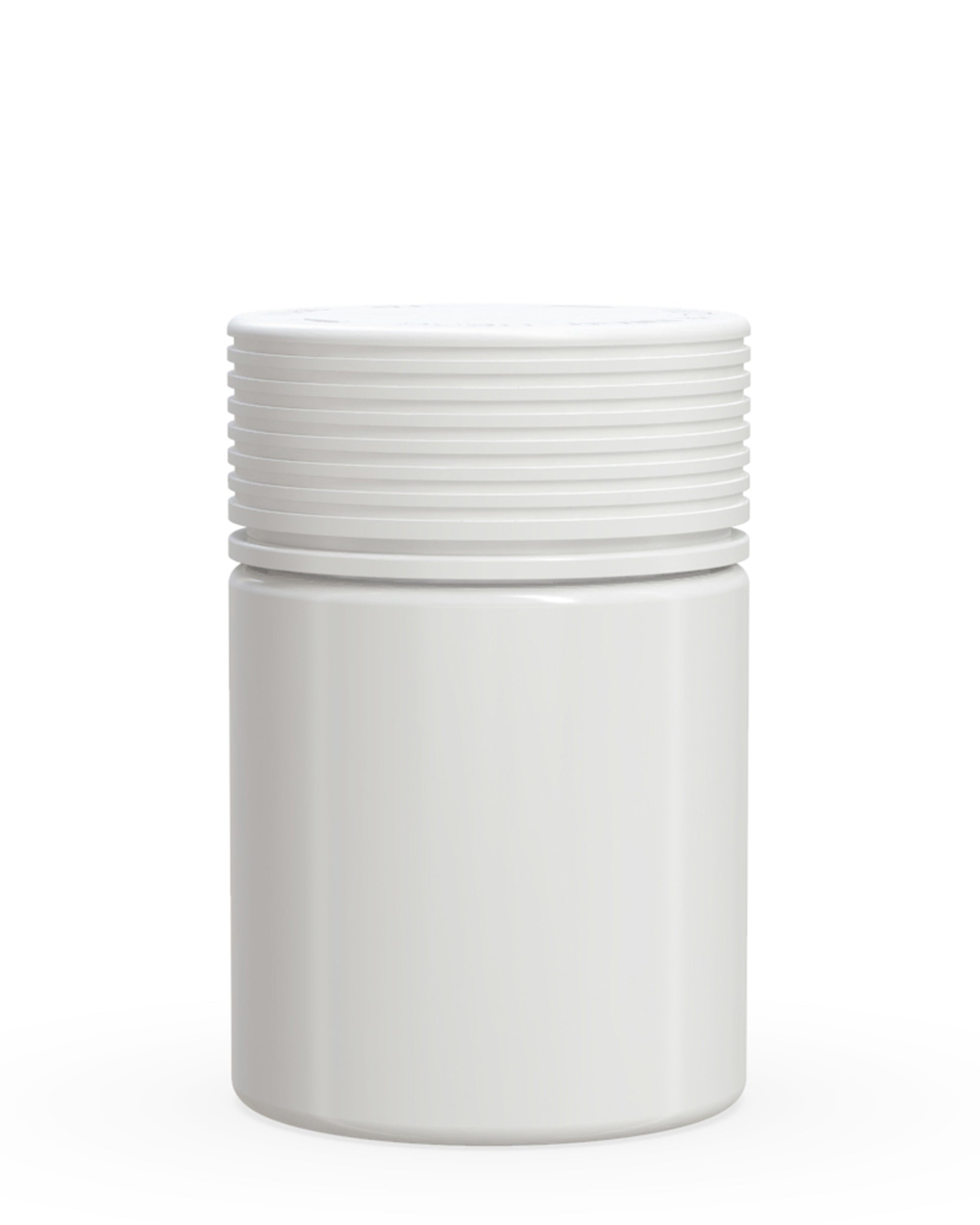
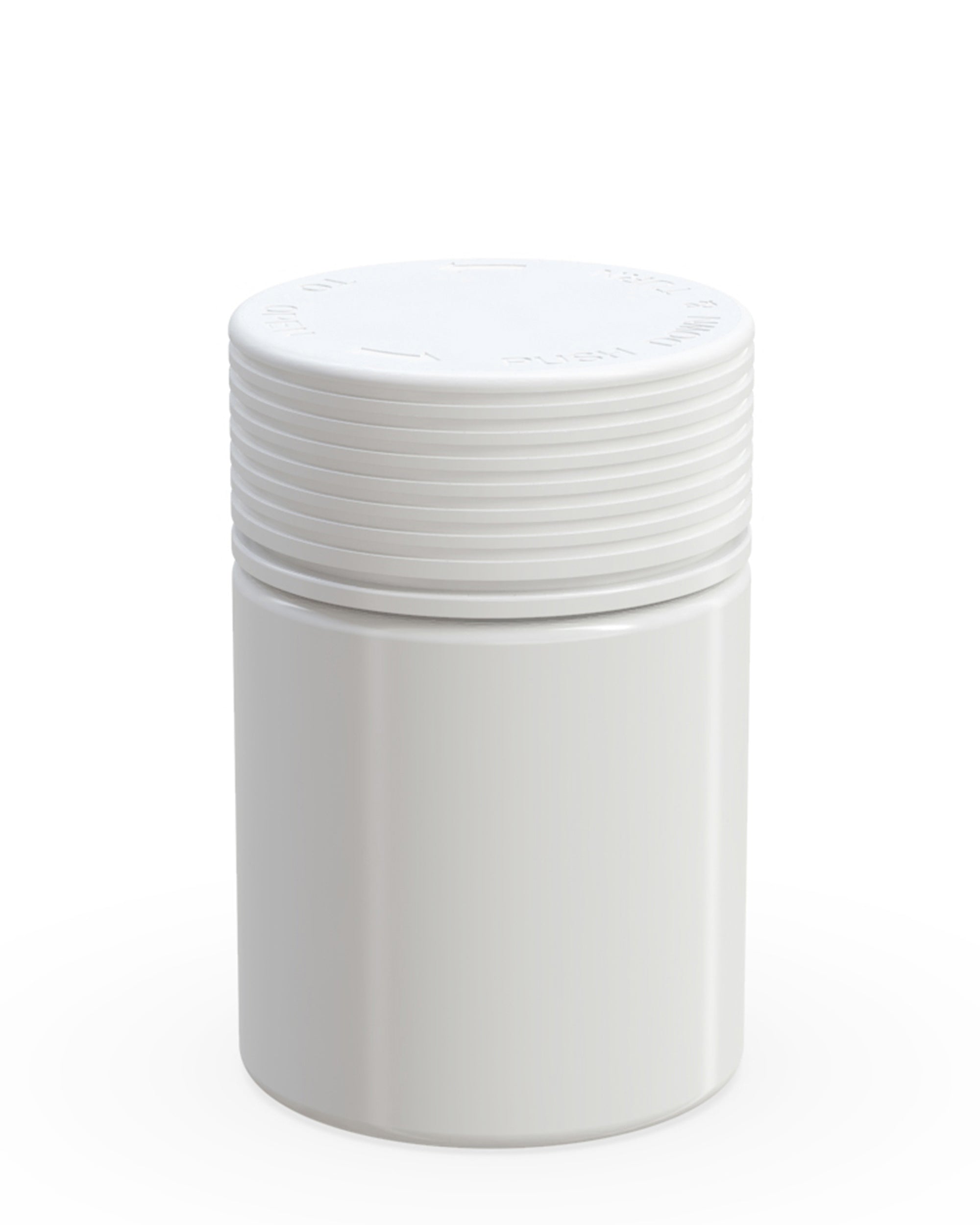
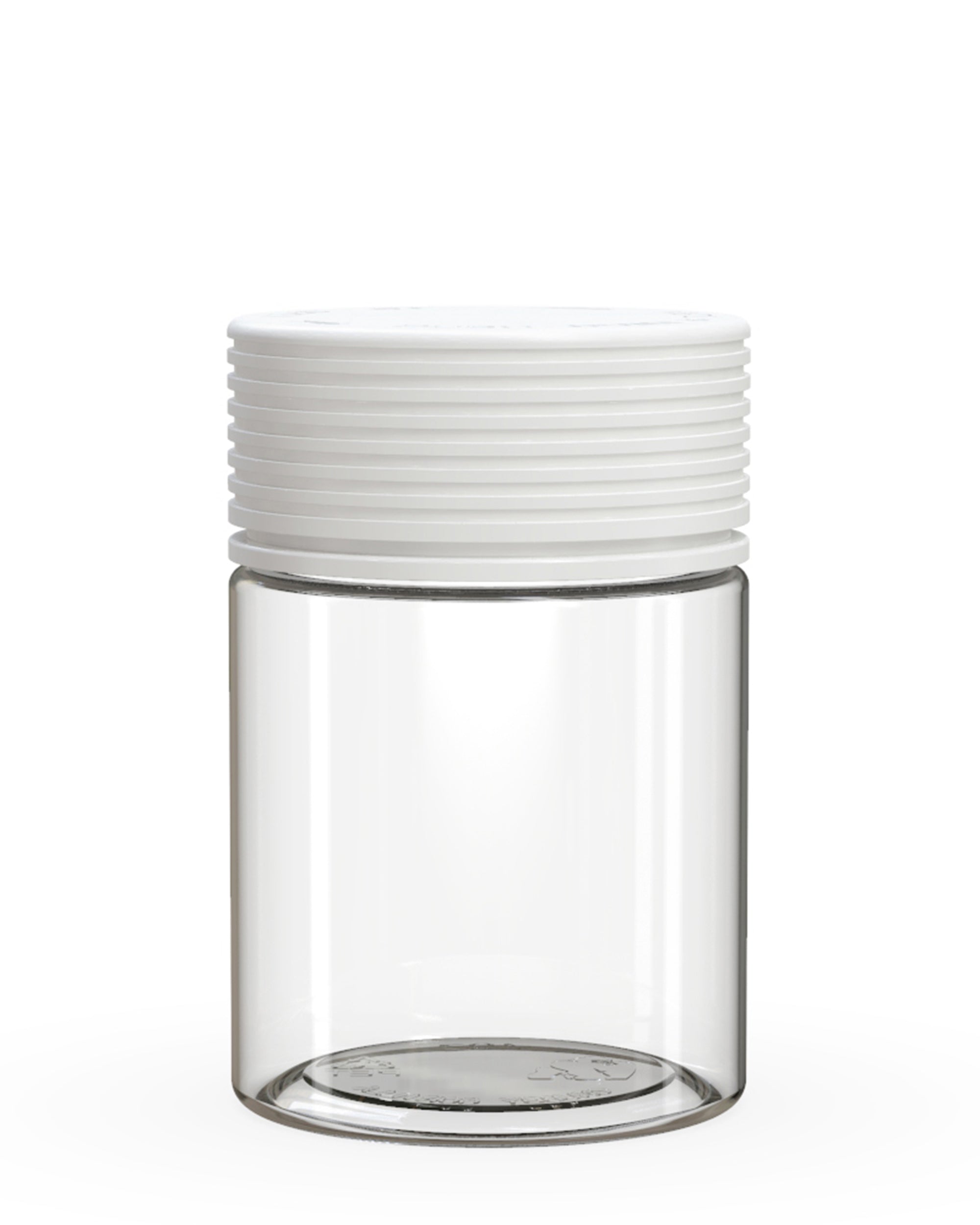
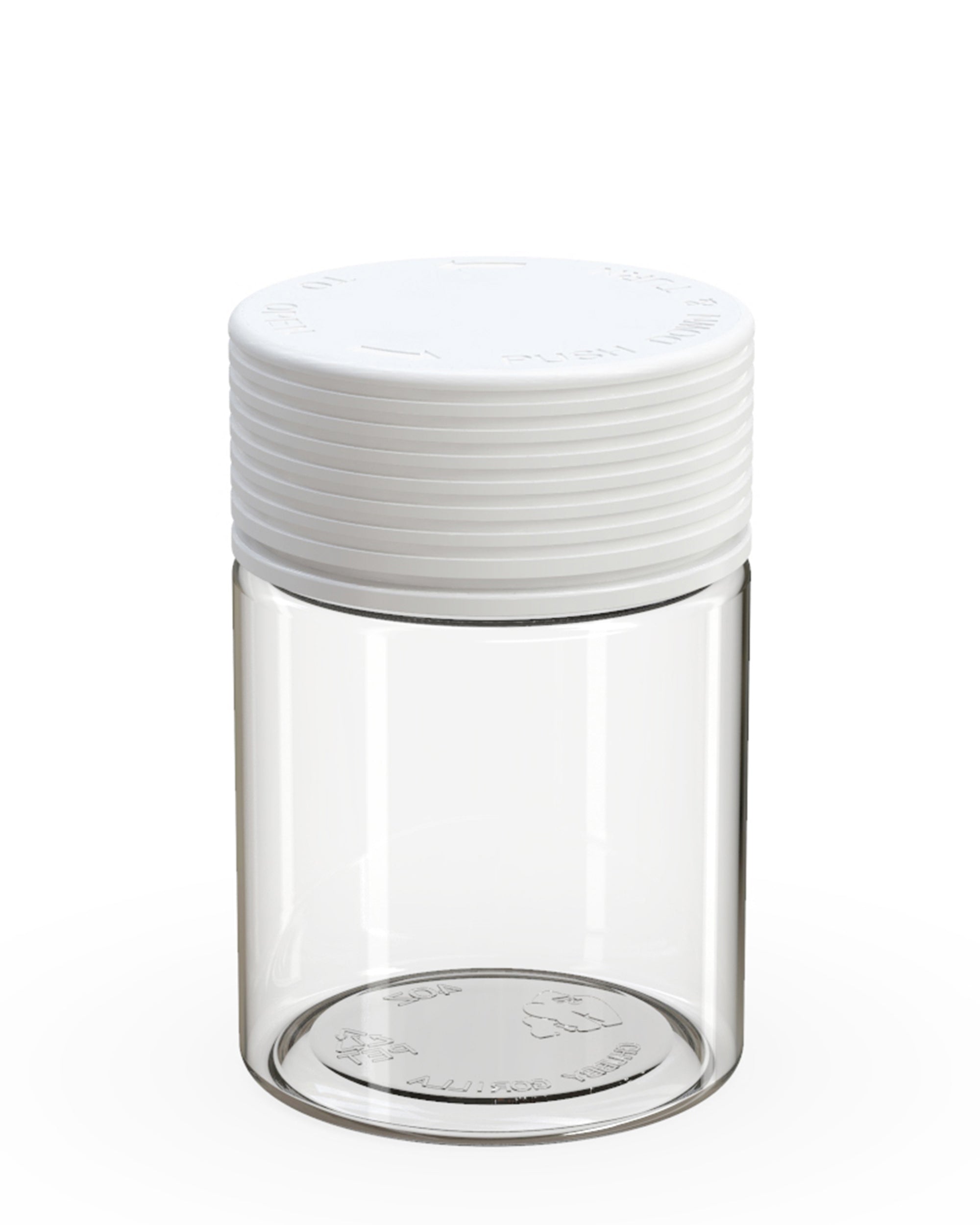
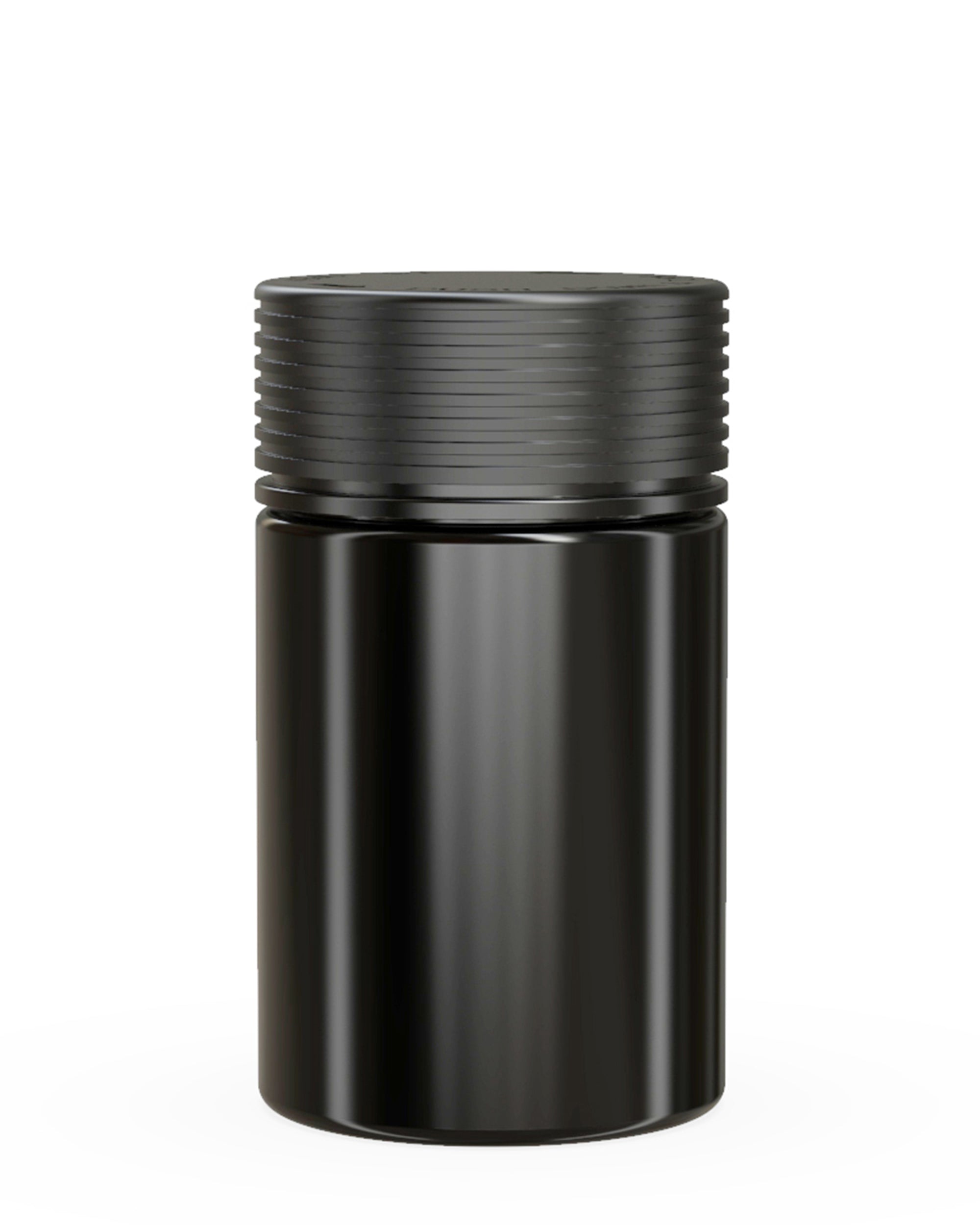
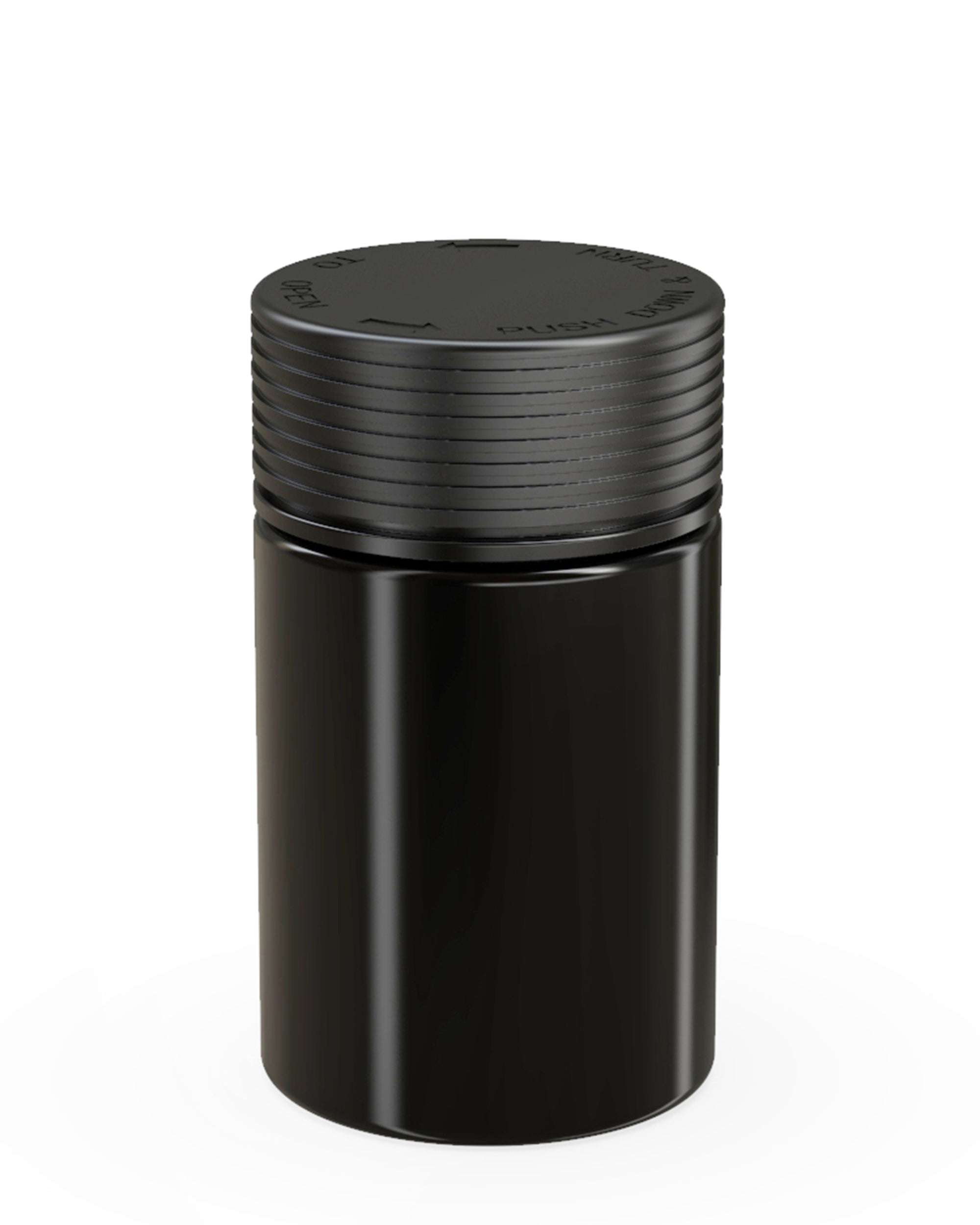
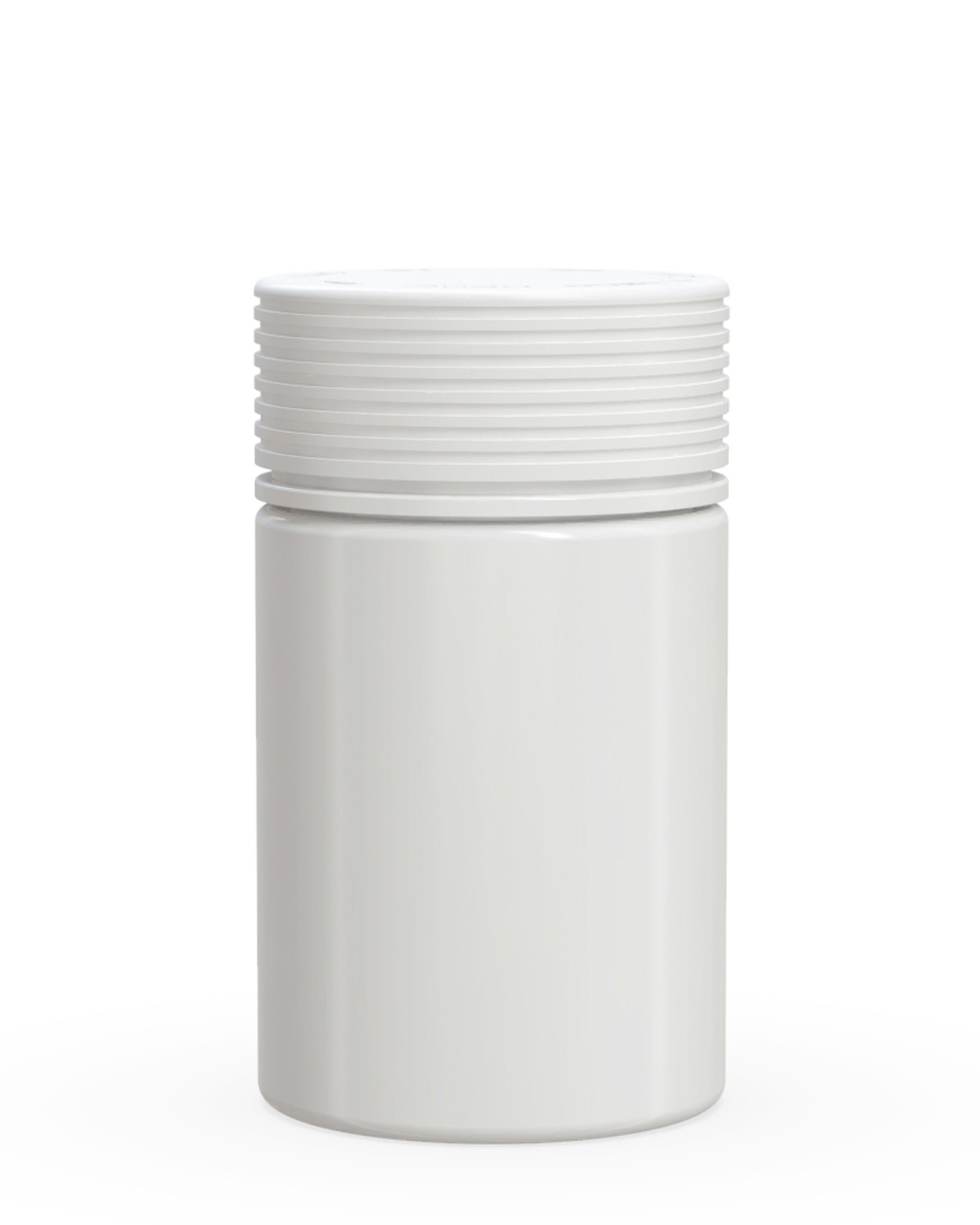
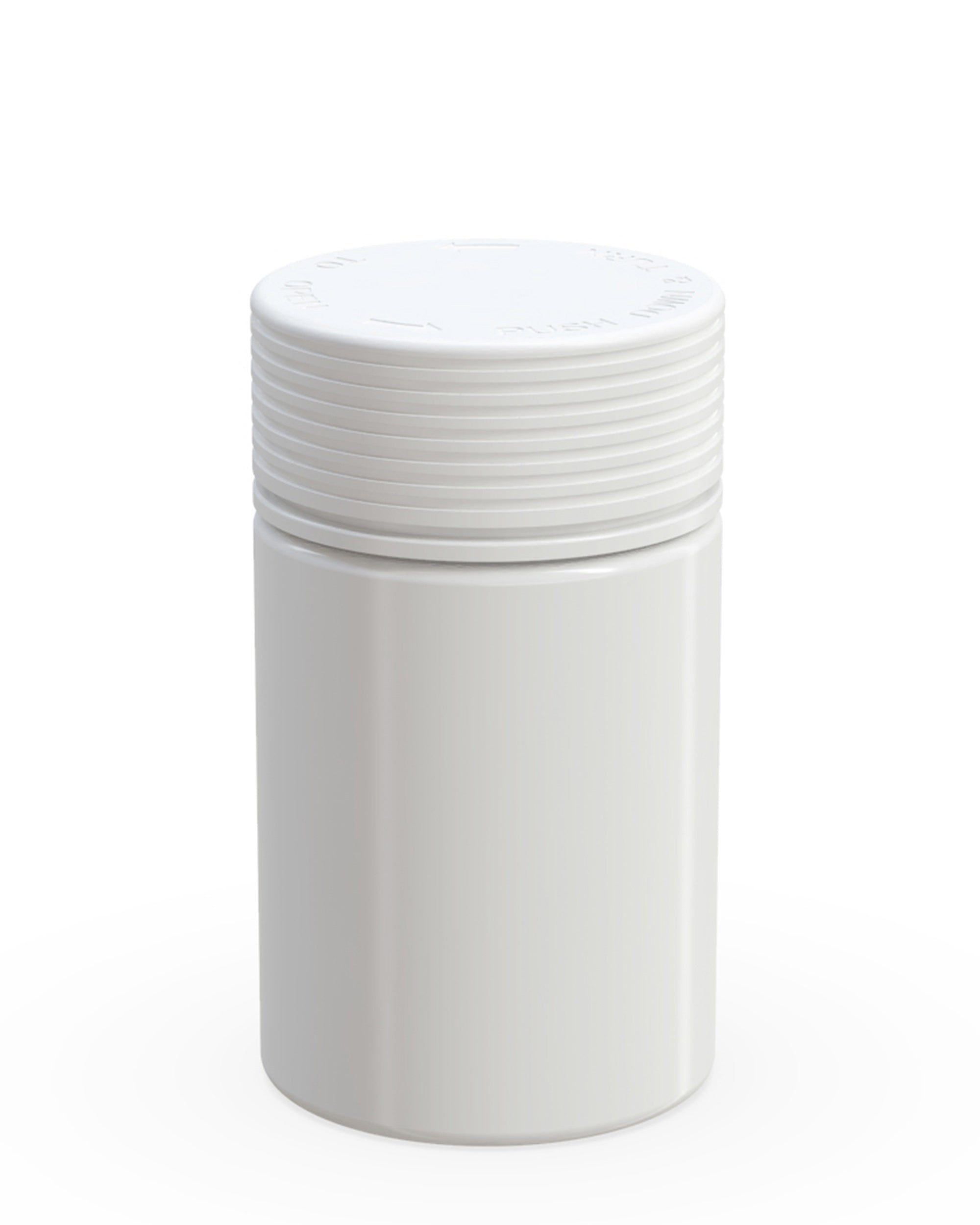
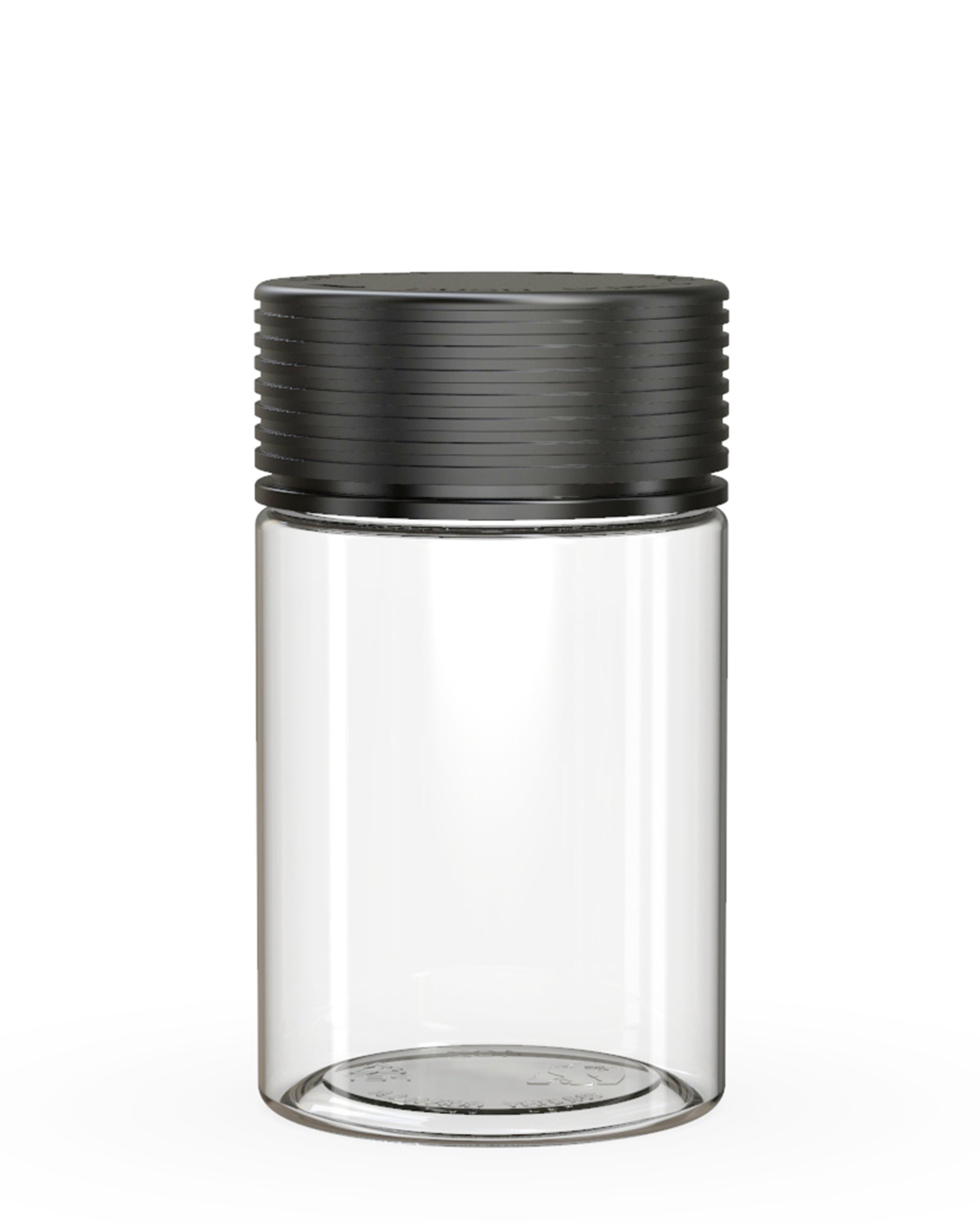
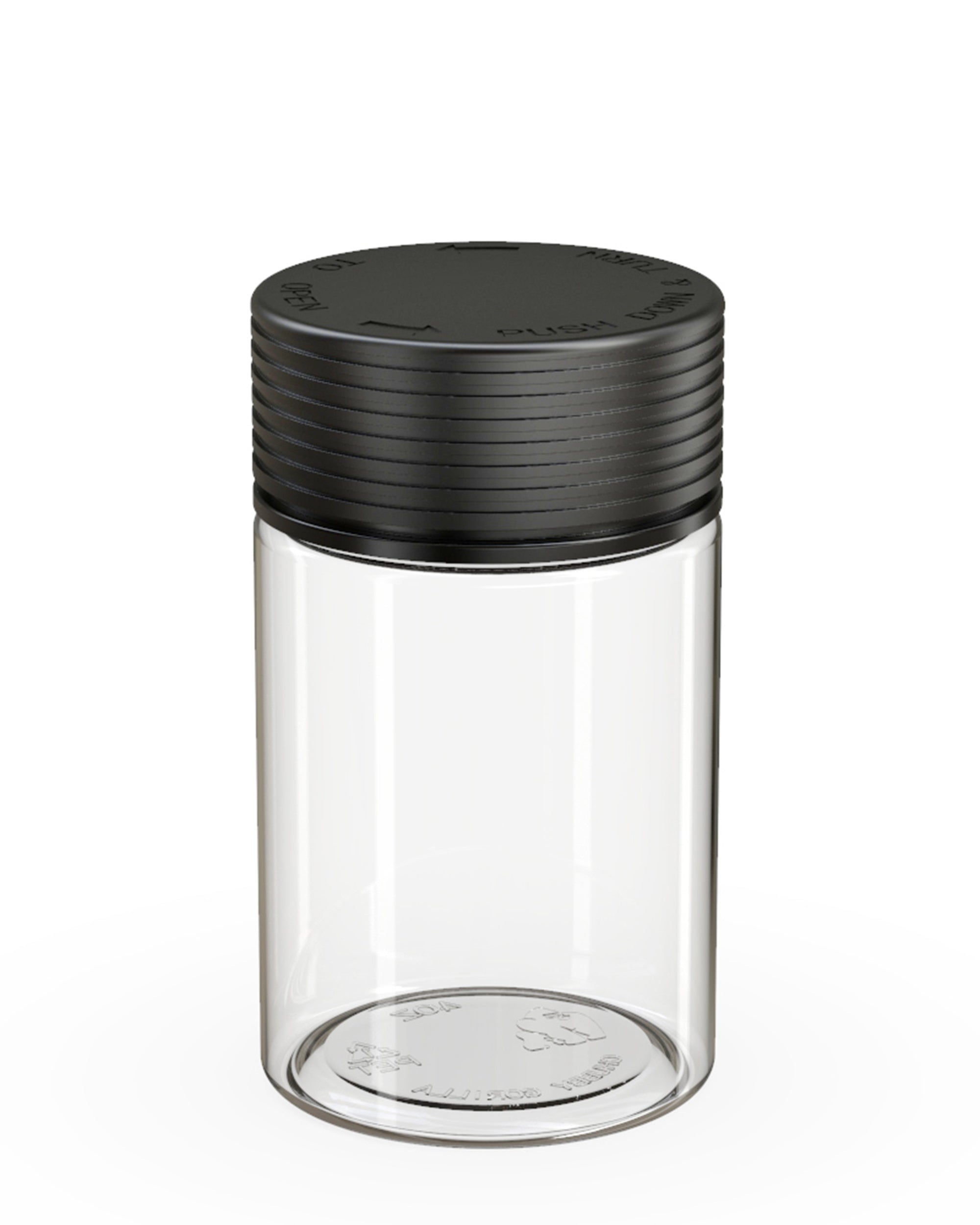
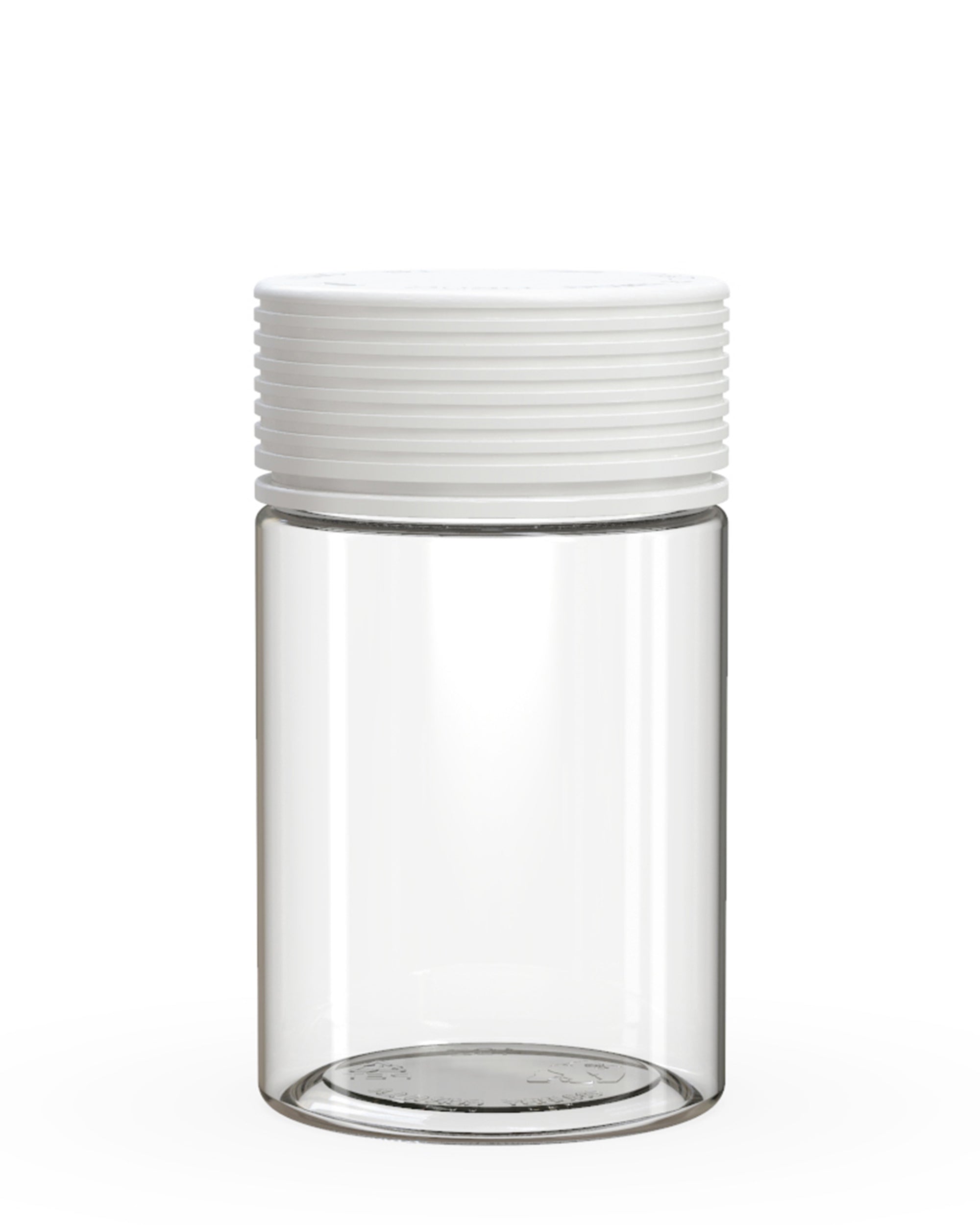
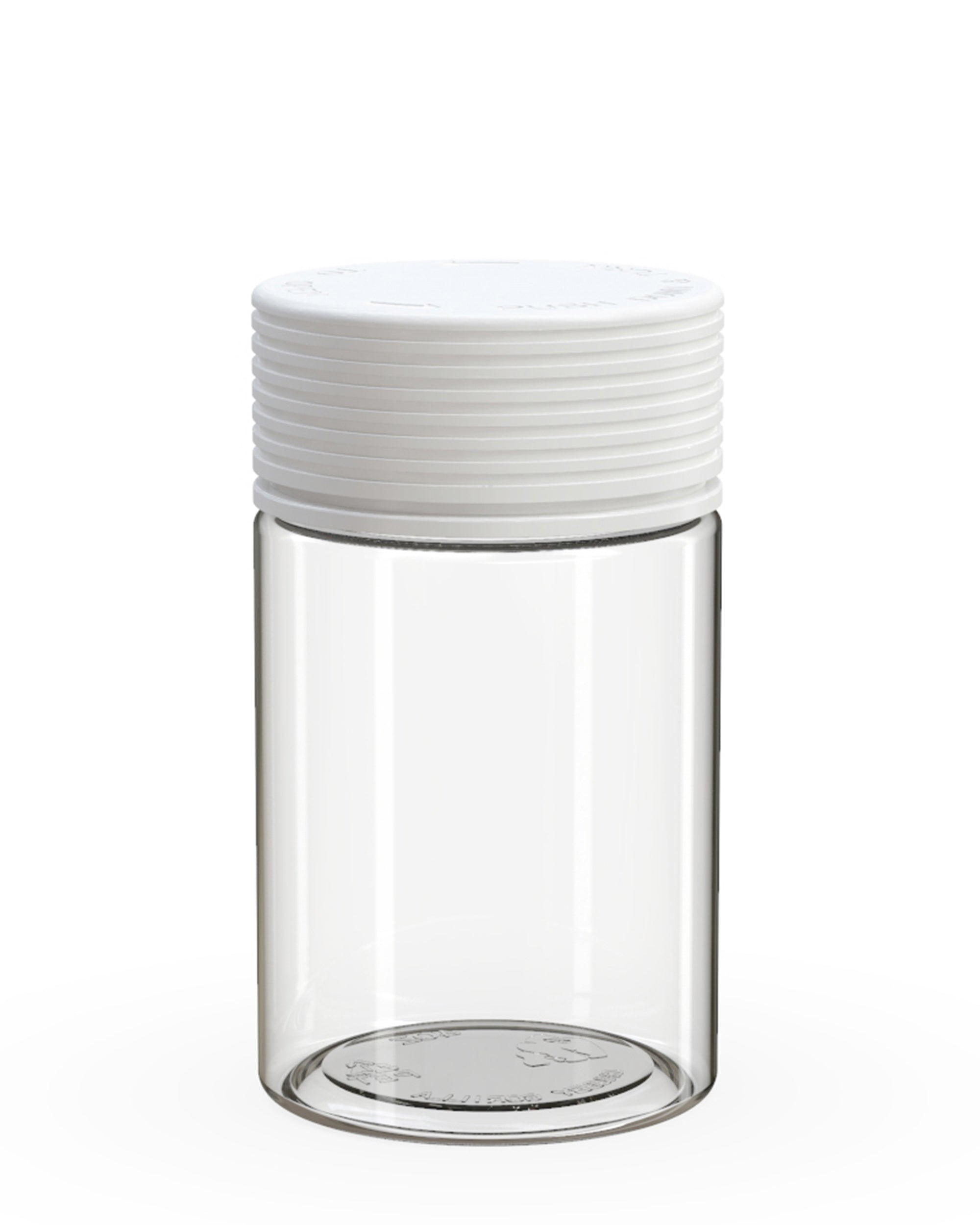
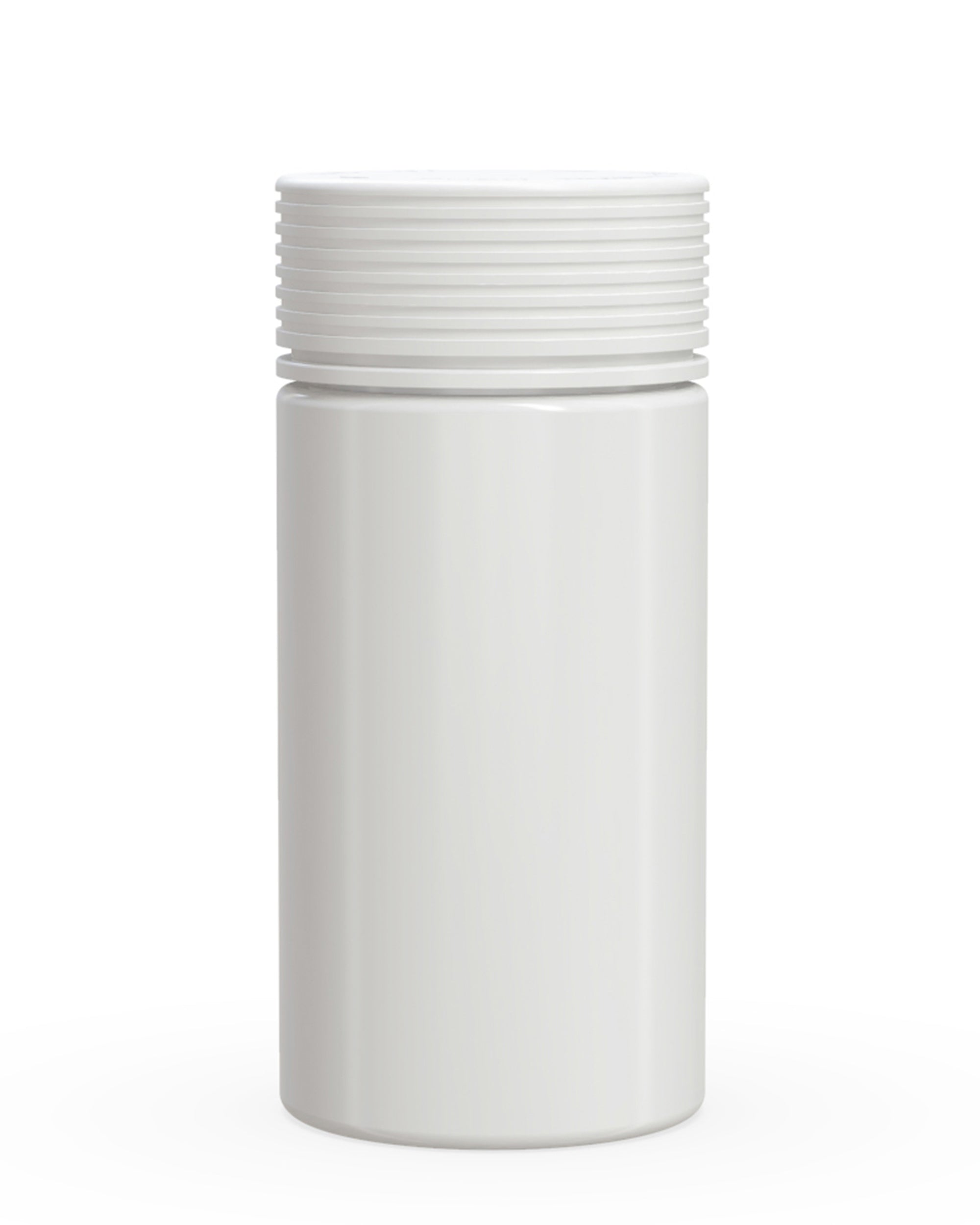
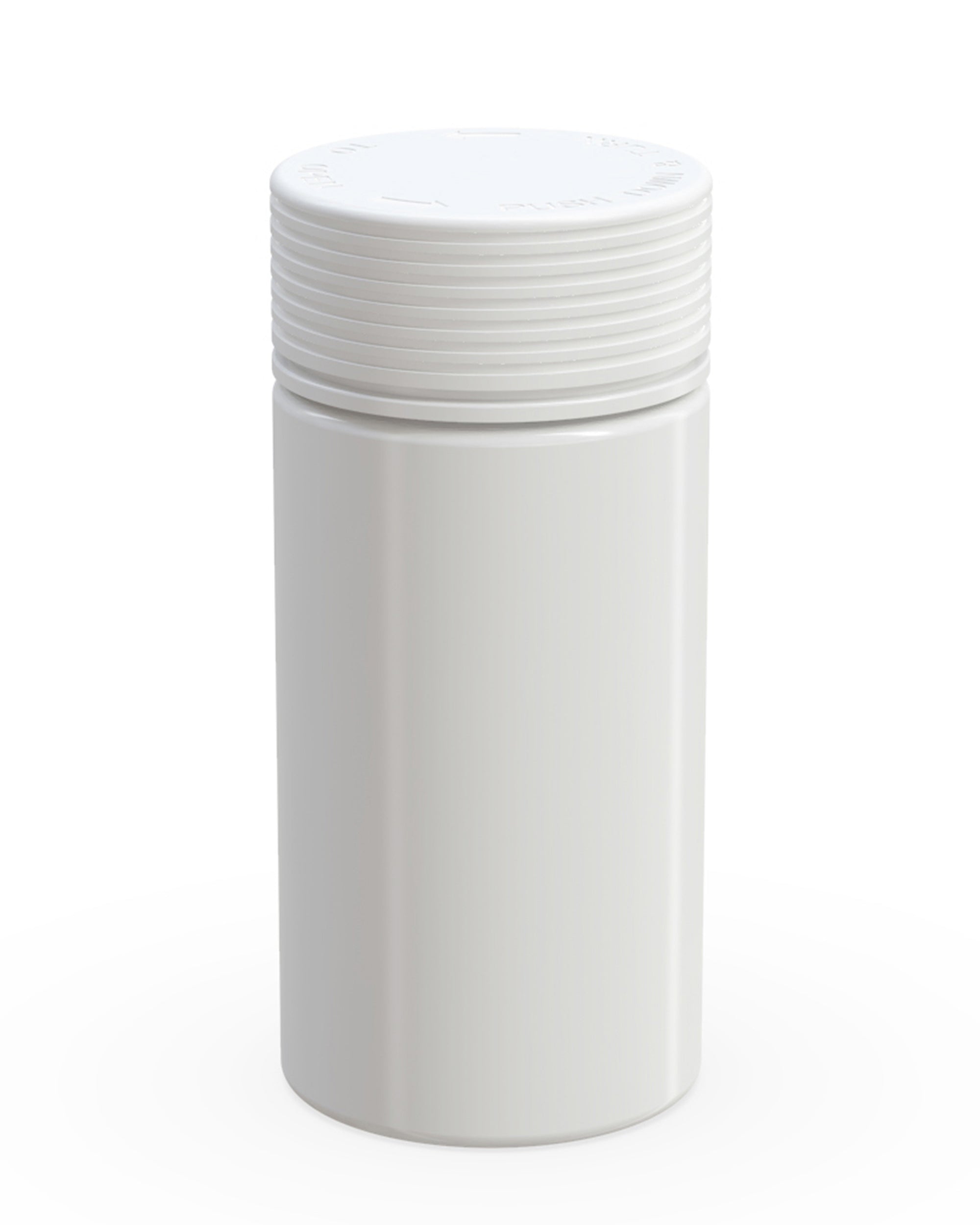
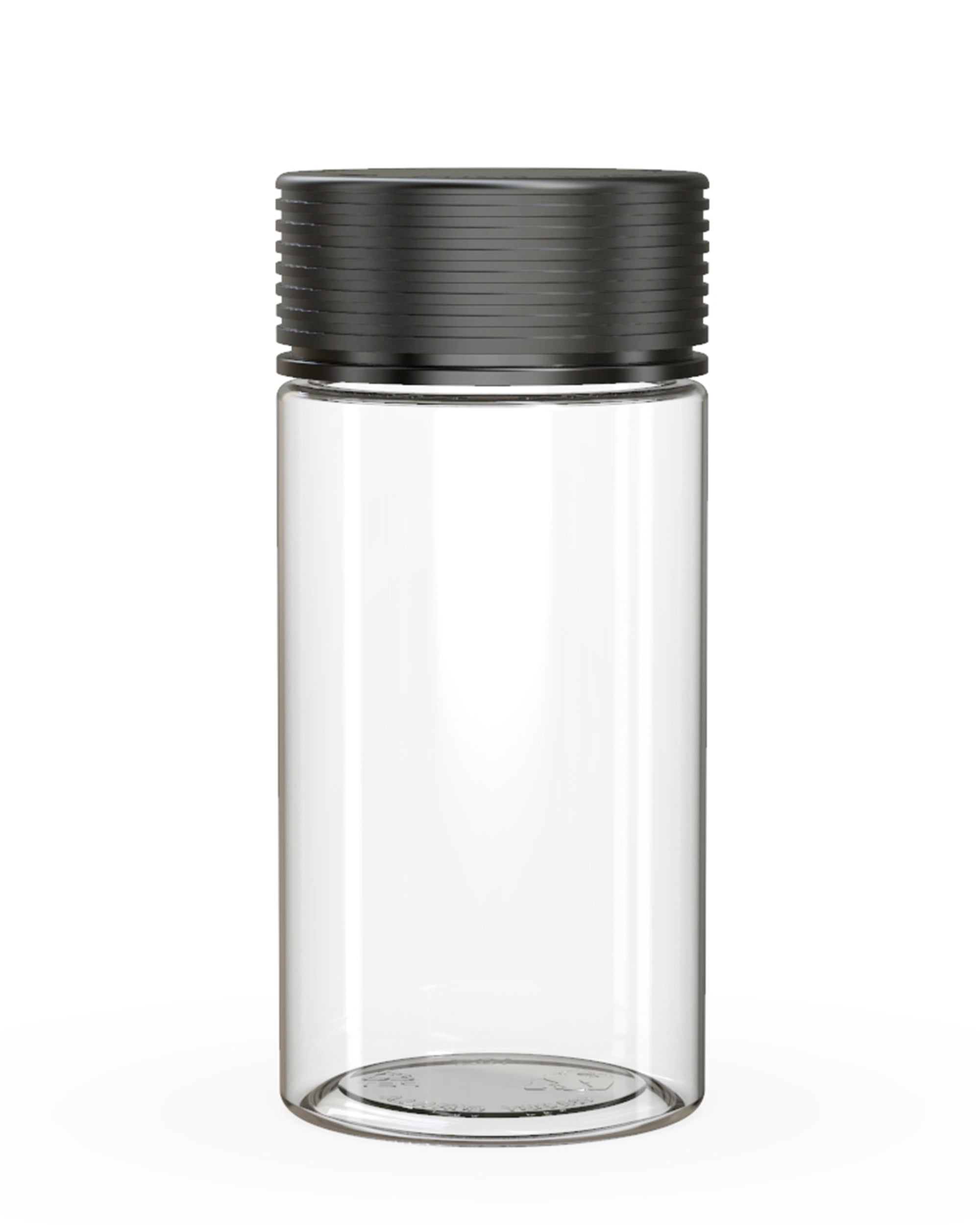
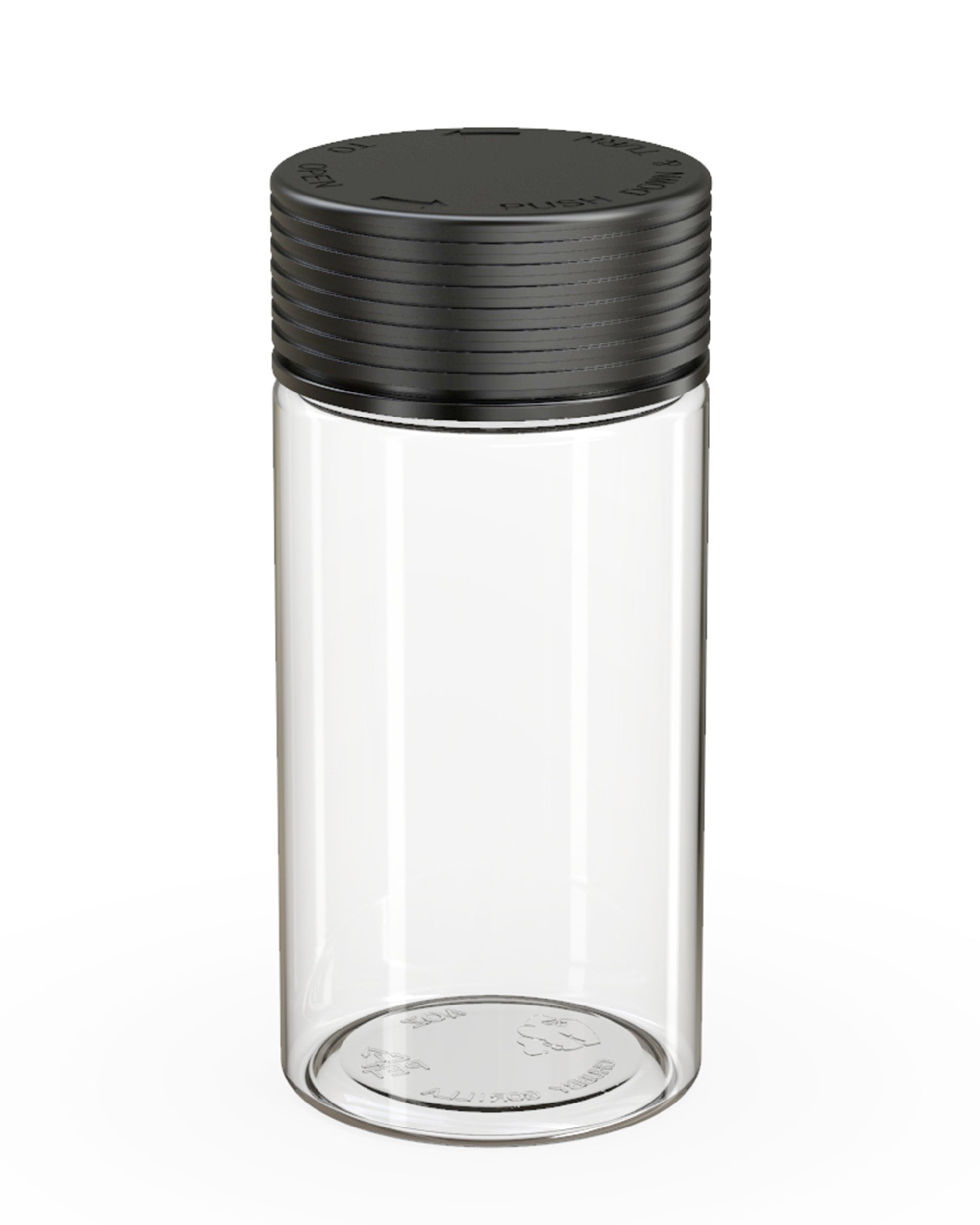
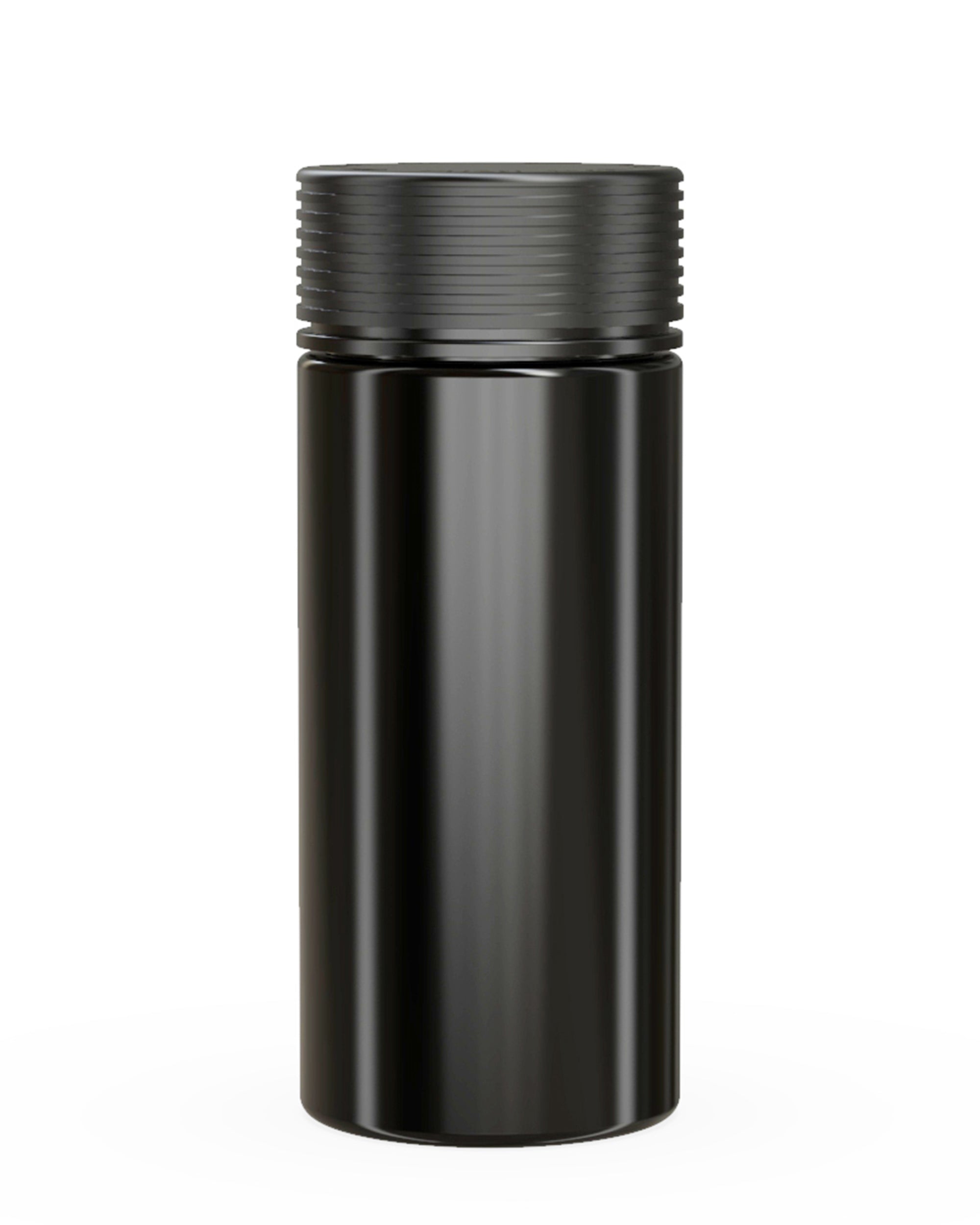
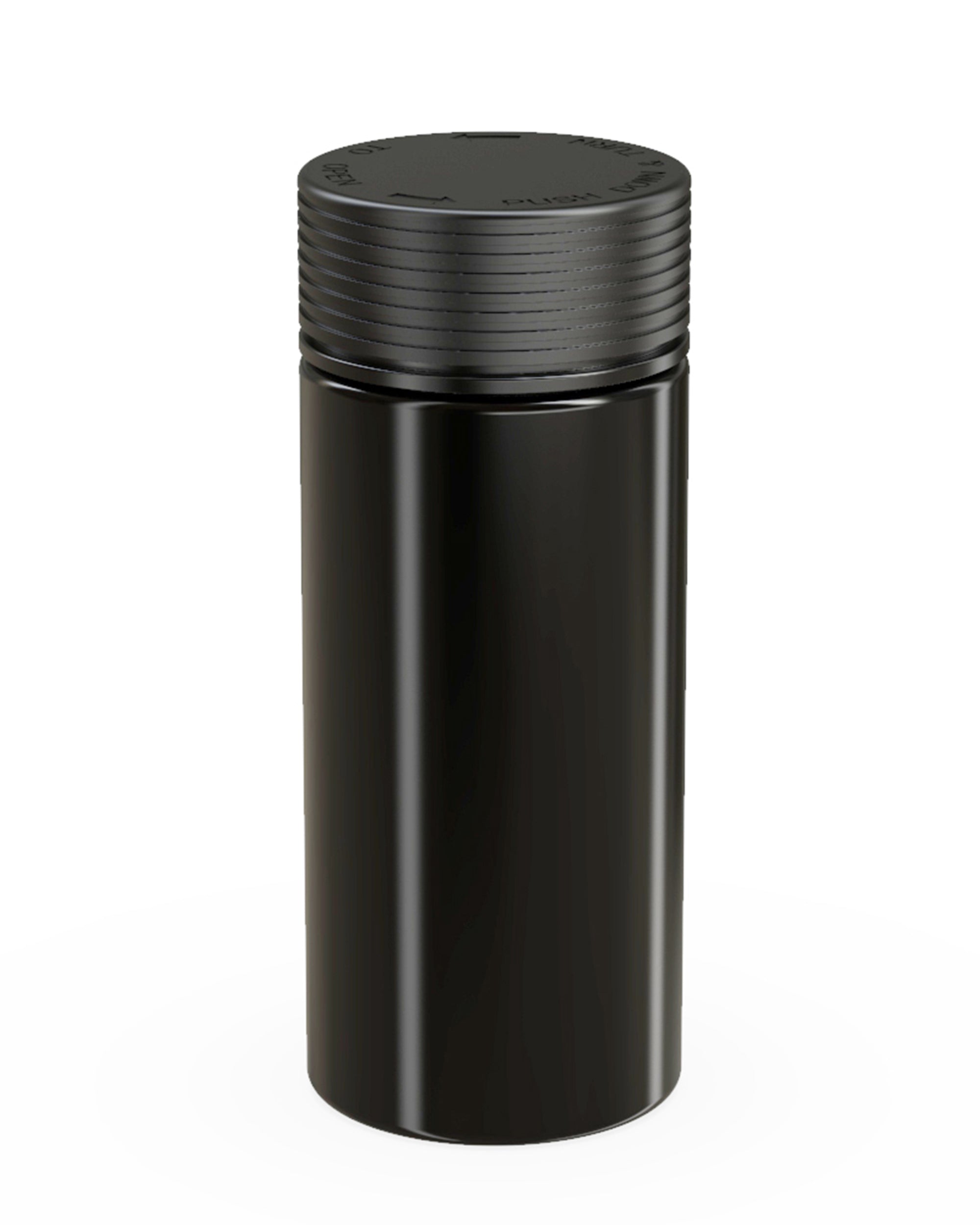
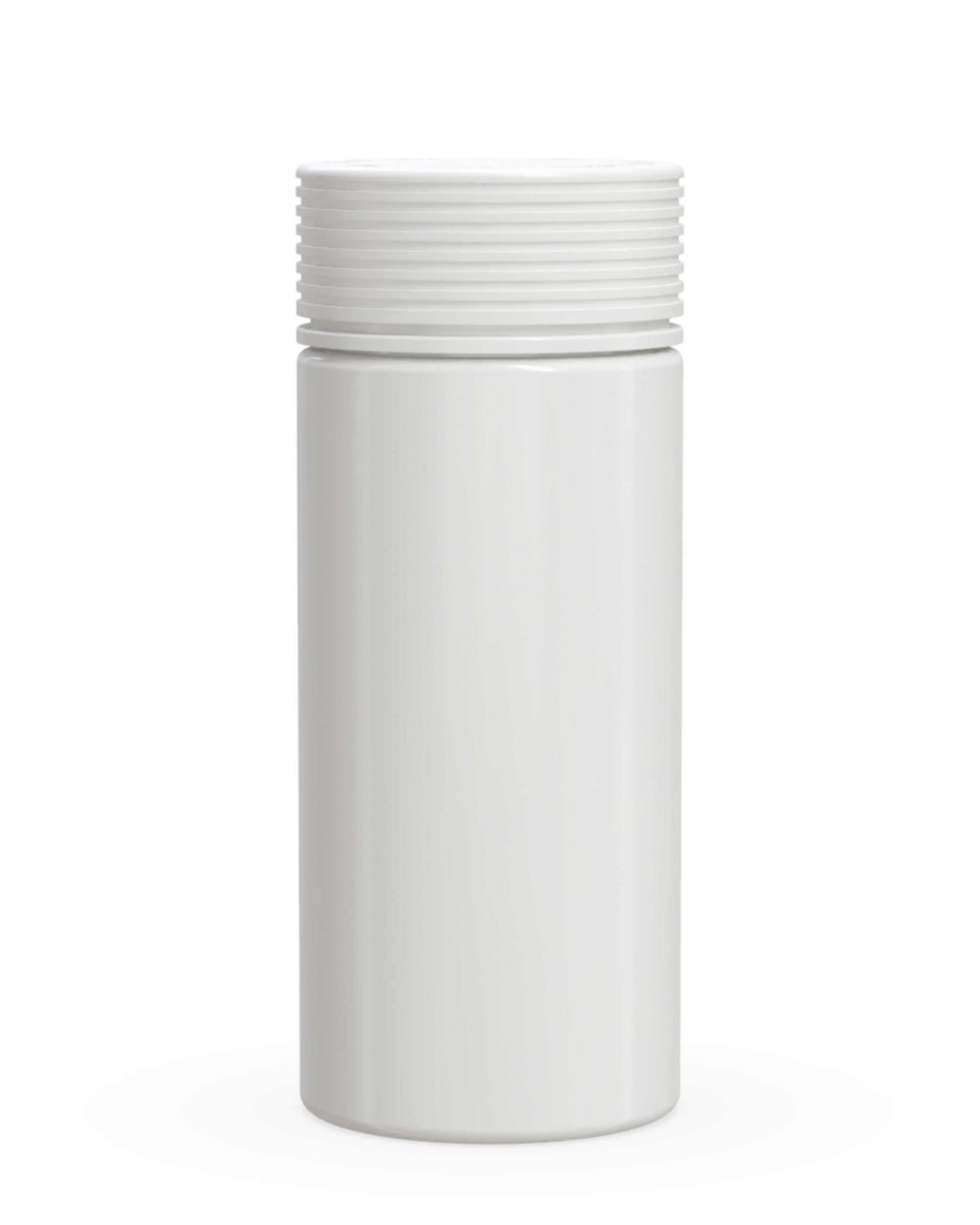
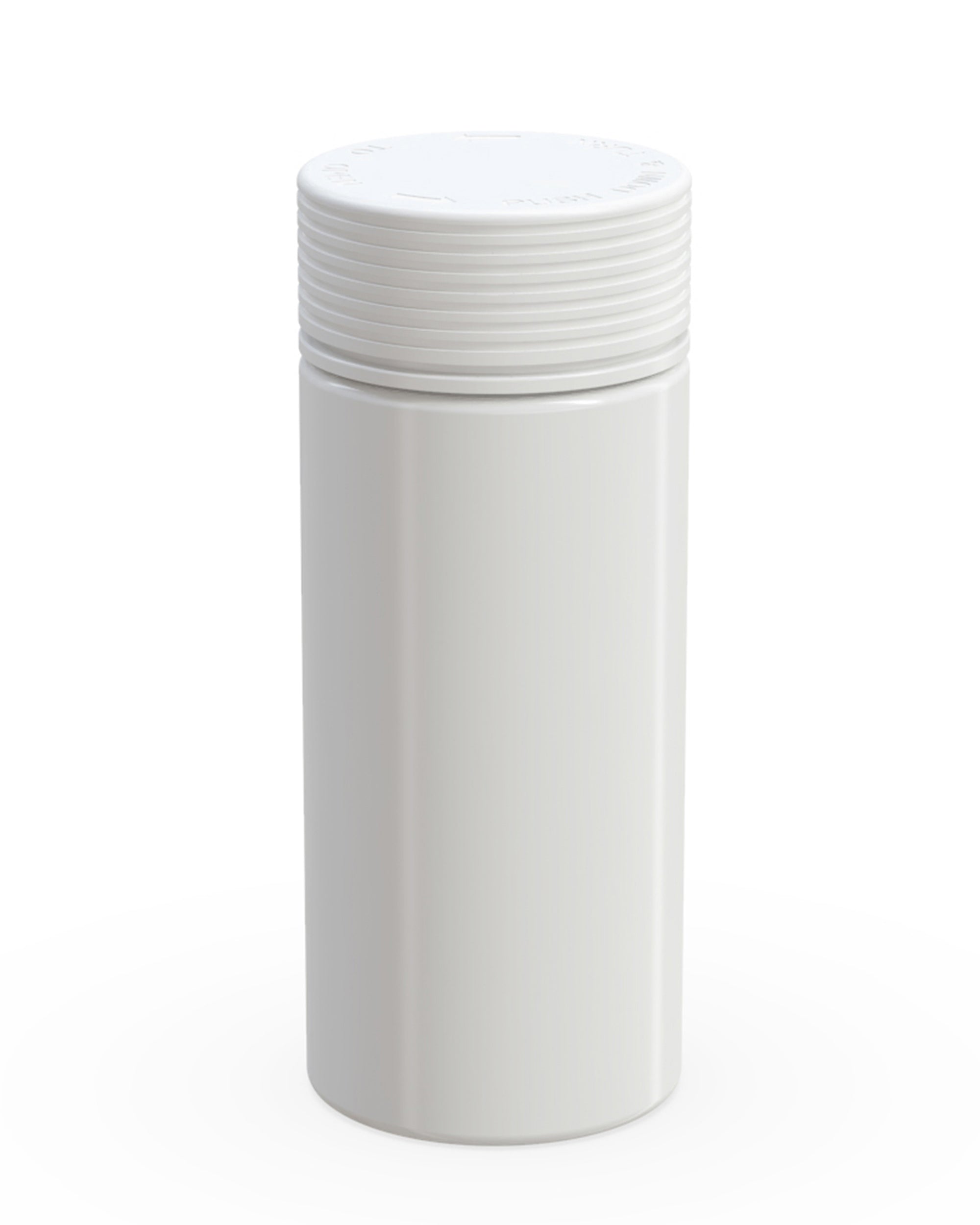
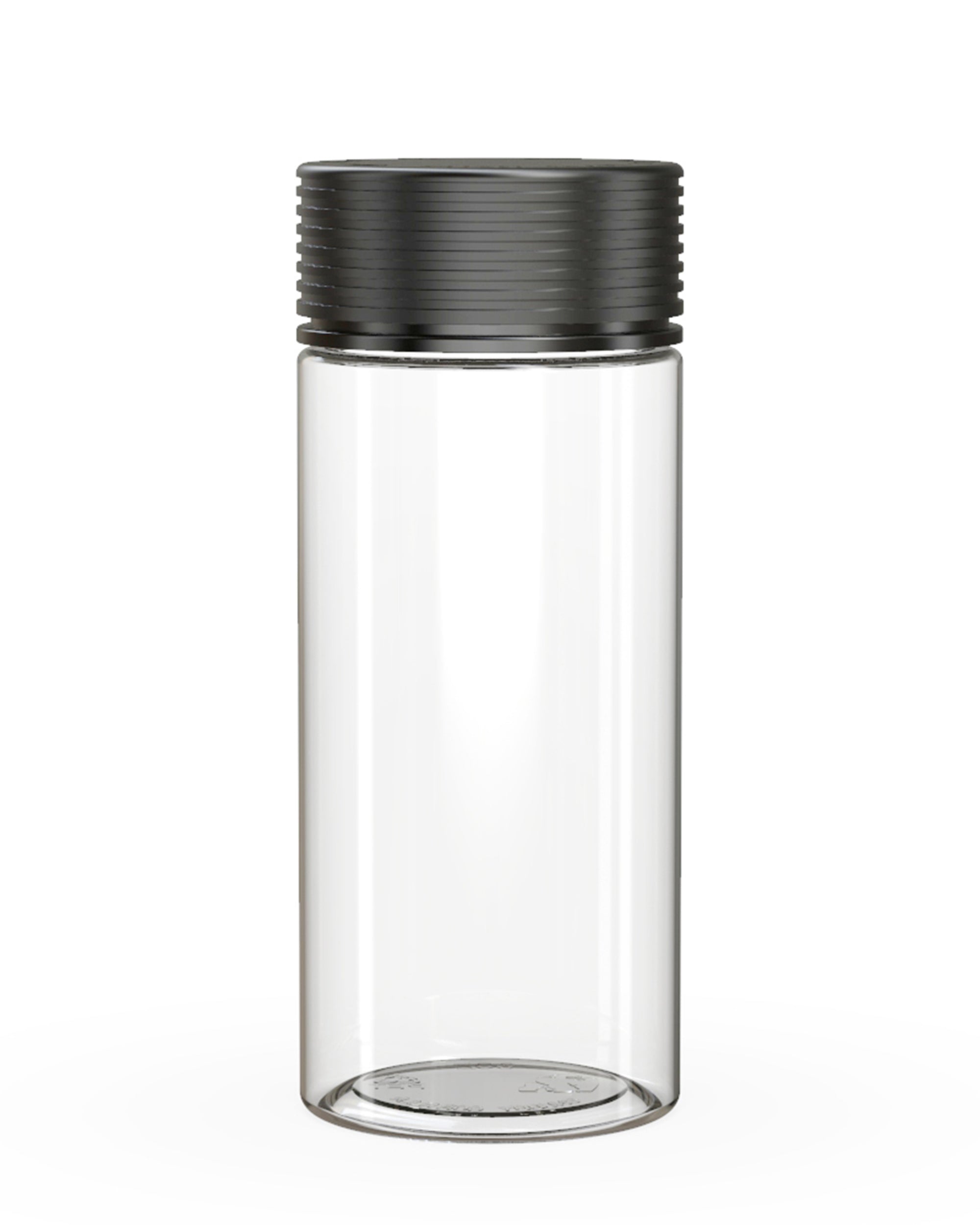
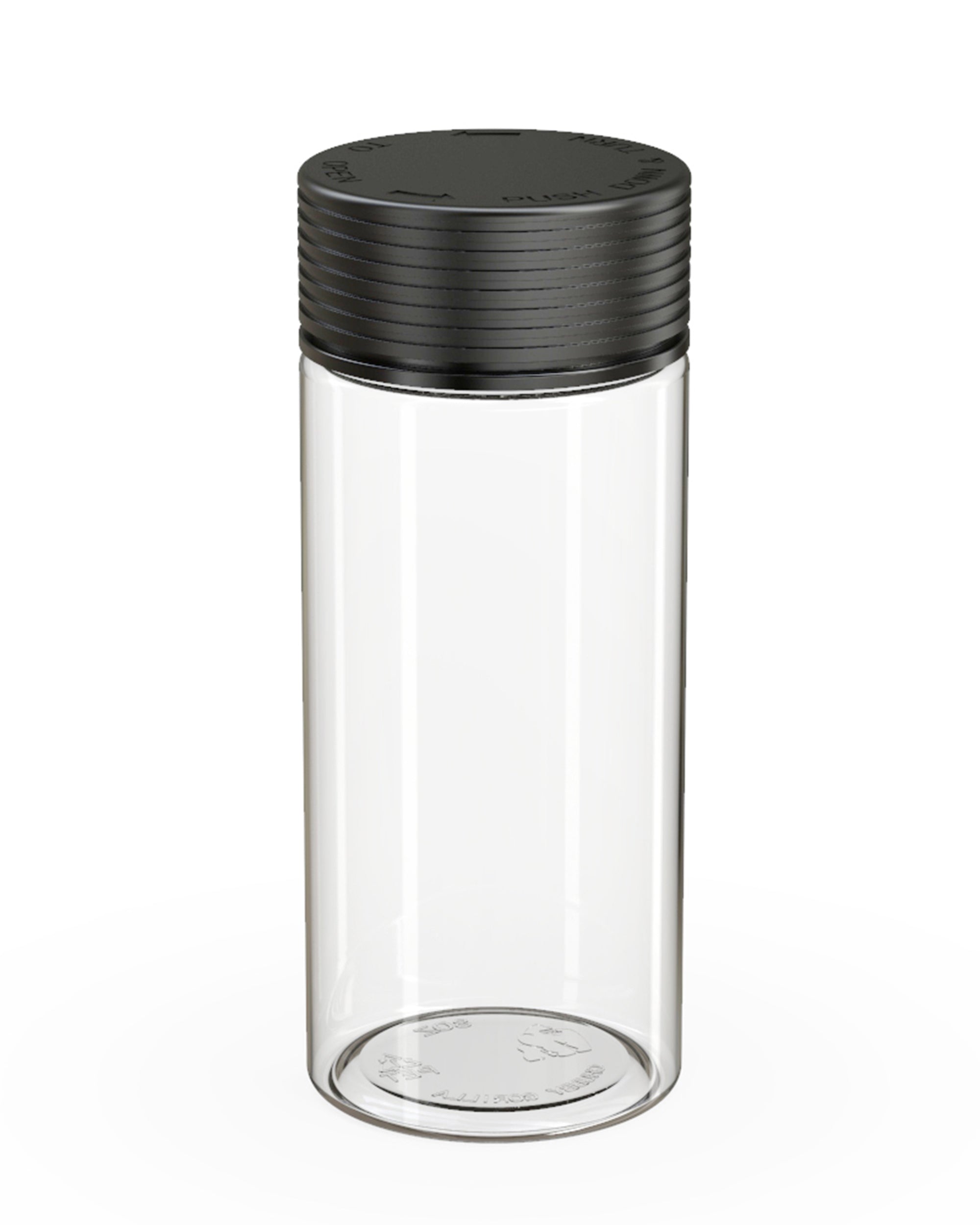
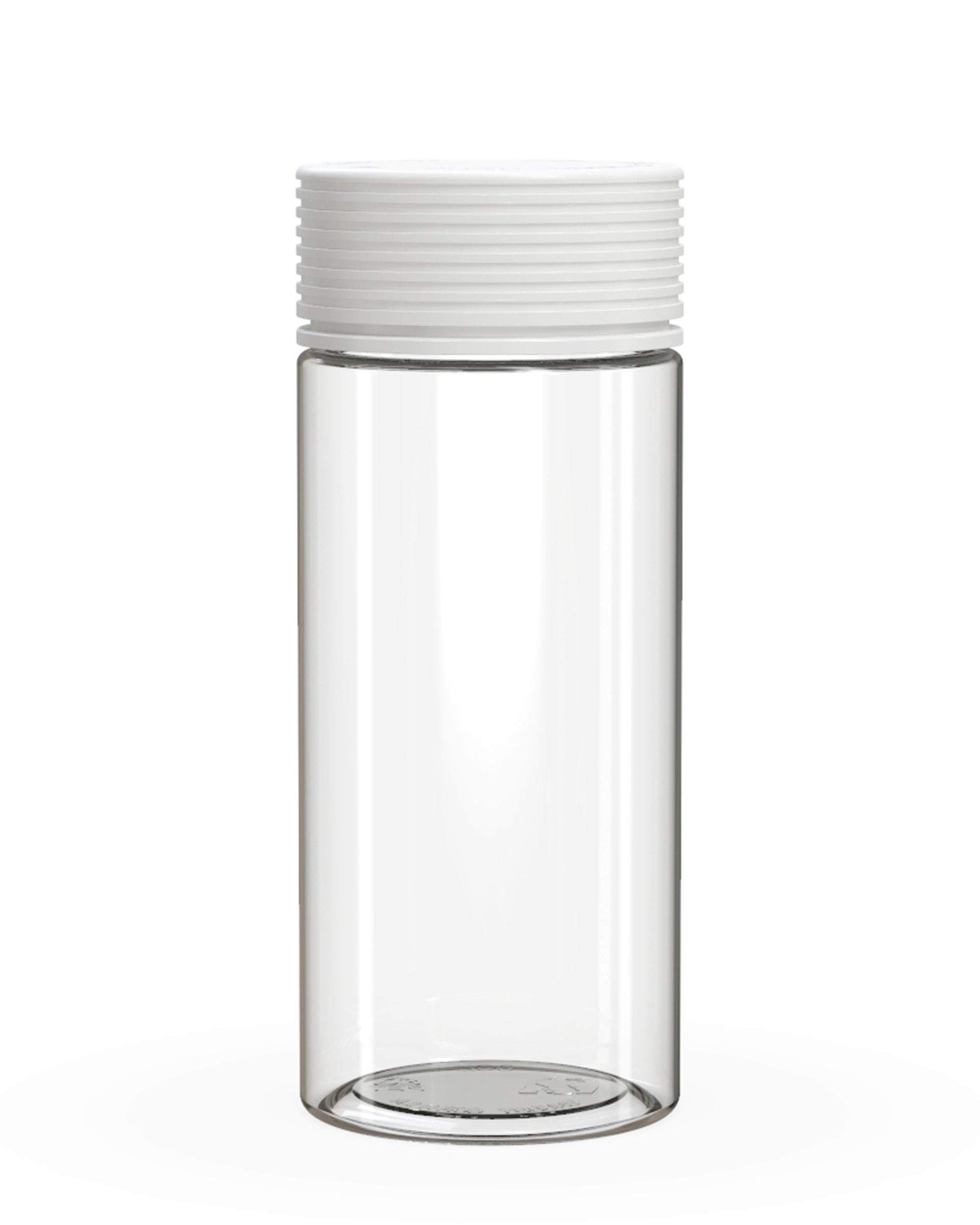
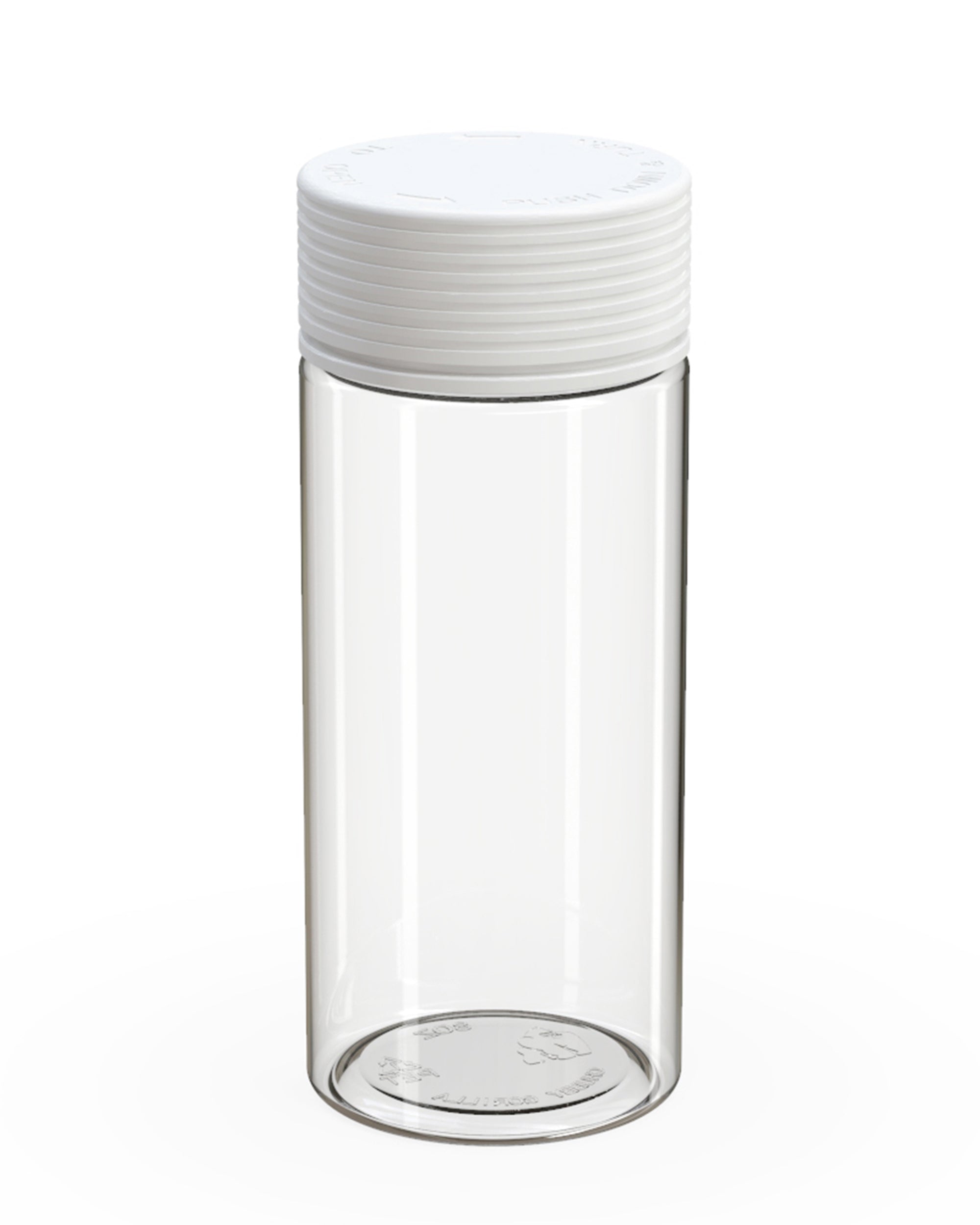
Cannabis jars provide rigid, reliable packaging for marijuana flower, pre-rolls, concentrates, edibles, and other finished cannabis products. At Marijuana Packaging, we supply wholesale glass and plastic weed jars in a range of capacities, colors, shapes, and closure configurations for cannabis brands, cultivators, processors, manufacturers, and dispensaries. Our assortment includes straight-sided glass jars, wide-mouth containers, lightweight plastic jars, opaque and transparent finishes, and select child-resistant jar systems.
Selecting the right marijuana jars involves more than matching a container to a product's weight. Internal dimensions, material, headspace, neck finish, closure compatibility, sealing performance, and labeling area all influence how the finished package performs. For commercial operations ordering cannabis jars in bulk, these details also affect filling efficiency, packaging consistency, transportation costs, and long-term inventory planning.
Wholesale Cannabis Jars for Commercial Operations
Cannabis jars are rigid packaging containers used to hold and protect finished cannabis products throughout filling, storage, distribution, and retail sale. Their fixed shape helps protect delicate flower from compression, provides a stable container for products such as concentrates or edibles, and offers a defined surface for labels, branding, and product information.
For cannabis manufacturers and dispensaries, jars serve both a functional and a commercial purpose. The container must accommodate the product, work with the intended closure, withstand normal handling, and present the finished goods consistently across production batches. Its size, appearance, and configuration also influence how the product is displayed and identified at retail.
Common Cannabis Jar Configurations
Different jar constructions support different production requirements. Common configurations include:
- Straight-sided glass jars: Cylindrical containers with relatively uniform sidewalls, commonly selected for flower packaging, labeling, and retail presentation.
- Wide-mouth cannabis jars: Containers with larger openings that simplify filling, product removal, and handling of bulky flower or multiple pre-rolls.
- Plastic cannabis jars: Lightweight, break-resistant containers available in clear, opaque, and specialty constructions.
- Thick-wall jars: Containers with a more substantial wall profile, selected for specific appearance, handling, and packaging requirements.
- Child-resistant jar systems: Compatible jar-and-closure combinations incorporating mechanisms intended to restrict access by young children.
- Colored and specialty jars: Black, white, clear, and other available finishes that support different branding, opacity, and product-presentation requirements.
- Jars with compatible caps: Complete packaging configurations that help buyers coordinate the container and closure as a single system.
The appropriate configuration depends on the intended cannabis product, its physical characteristics, the packaging process, and applicable market requirements. A premium flower brand may prioritize glass construction and product visibility, while a large-scale manufacturer may place greater emphasis on component consistency, unit cost, and automated capping compatibility.
Glass vs. Plastic Cannabis Jars
Material selection affects how a cannabis jar looks, feels, handles impact, and performs during transportation. Glass and plastic are both established options for commercial marijuana packaging, but they should be evaluated according to the specific application rather than treated as interchangeable.
Glass Cannabis Jars
Glass is frequently selected for cannabis flower packaging because of its rigid construction, substantial feel, and versatile retail presentation. The material itself provides a strong barrier against gas and moisture transmission, although the complete package's sealing performance still depends on the cap, liner, and closure interface.
Many glass cannabis jars feature straight-sided profiles that accommodate adhesive labels and other compatible decoration methods. Clear glass provides visibility of the contents, while opaque, frosted, and colored designs support alternative packaging presentations.
Glass also retains its shape during filling, which can be useful when applying labels or handling containers in production equipment. However, its weight and susceptibility to breakage must be considered when planning freight, warehouse storage, case packing, and transportation.
Plastic Cannabis Jars
Plastic jars offer a lighter alternative and generally withstand normal impact and handling without the same breakage concerns as glass. Depending on the product, they may be manufactured from PET, polypropylene, post-consumer recycled plastic, or other packaging resins with different physical characteristics.
For operations filling large quantities of finished products, plastic cannabis jars can help reduce container weight while providing rigid packaging and a variety of closure configurations. Clear plastic allows the product to remain visible, while opaque designs conceal the contents and limit light exposure according to the material's properties.
Buyers should review the actual resin specification, wall construction, product-contact suitability, and compatible closure before selecting a plastic container. Barrier performance, rigidity, and temperature tolerance can vary between materials and individual jar designs.
Glass and Plastic Jar Comparison
| Packaging Consideration | Glass Cannabis Jars | Plastic Cannabis Jars |
|---|---|---|
| Weight | Generally heavier | Generally lighter |
| Impact Resistance | Can chip or break under impact | Generally more resistant to breakage |
| Container Wall Barrier | Strong resistance to gas and moisture transmission | Varies by resin and container construction |
| Product Visibility | Clear and opaque options | Clear and opaque options |
| Retail Presentation | Substantial feel and rigid construction | Lightweight, versatile container designs |
| Shipping Considerations | Greater weight and breakage considerations | Lower weight and fewer breakage concerns |
| Closure Compatibility | Determined by neck finish and jar design | Determined by neck finish and jar design |
Neither material automatically creates an airtight, smell-proof, or child-resistant package. Those characteristics must be evaluated using the complete jar-and-closure configuration.
Cannabis Jar Sizes, Capacities, and Flower Fill Weights
Jar size is one of the most important specifications in commercial cannabis packaging. A container must provide sufficient usable space for the finished product without unnecessary compression, excessive movement, or interference with the closure.
For cannabis flower, common retail weights include 1 gram, 3.5 grams, 7 grams, 14 grams, and 28 grams. Jar manufacturers, however, frequently describe container capacity using ounces or milliliters. These measurements do not necessarily describe the amount of cannabis flower that will fit inside.
Jar capacity and cannabis flower weight are different measurements. A jar labeled 1 oz generally refers to its nominal container volume, not a guarantee that it holds 28 grams of flower. Actual usable fill weight depends on bud density, flower structure, internal jar geometry, and desired headspace. Commercial buyers should test representative product fills with the exact jar and closure before committing to bulk quantities.
Choosing a Jar for Common Flower Weights
Smaller flower portions require containers with enough room to preserve the buds while maintaining an appropriate fill appearance. For example, 3.5 gram cannabis jars are intended for the common eighth-ounce retail format, but their suitability still depends on the actual flower being packaged.
Two strains packaged at the same weight may occupy substantially different volumes. Large, loosely structured buds may require more space than compact flower. Moisture condition, trimming, and the way the product settles inside the jar can also influence the finished fill.
Ounce-based container collections, including 1 oz jars, identify nominal jar capacities. The equivalent fluid volume should not be confused with an ounce of cannabis flower by weight.
Headspace and Fill Presentation
Headspace is the unfilled area between the contents and the underside of the closure. It affects both the appearance and handling of the finished package.
- Insufficient headspace can compress larger buds or interfere with proper closure engagement.
- Excessive headspace can create an undesirable fill appearance and allow unnecessary movement during transportation.
- Appropriate headspace accommodates the product while allowing the cap and any liner or sealing component to function as intended.
Brands should assess fill appearance and product movement using actual finished flower, not an assumed conversion between container ounces and cannabis grams. A sizing trial across representative production batches can help identify the most suitable container volume.
Jar Dimensions Beyond Nominal Capacity
Height, internal diameter, opening width, and usable depth can be just as important as stated capacity. Two jars with similar nominal volumes may have different proportions, creating noticeably different fill levels and product access.
For instance, a short, wide-mouth jar may accommodate larger flower buds more comfortably than a tall, narrow container of similar volume. The same dimensional differences can affect pre-roll fit, filling-line handling, and labeling equipment.
Jar Shapes, Neck Finishes, and Closure Compatibility
A cannabis jar's shape and neck finish determine how it interacts with filling equipment, lids, liners, labeling systems, and the finished product. These specifications become particularly important when brands purchase jars and closures separately or operate automated packaging lines.
Straight-Sided and Wide-Mouth Jar Designs
Straight-sided jars are widely used because their cylindrical profile provides a consistent surface for labels and a familiar retail presentation. Depending on the design, the opening may be nearly as wide as the container body, making product placement and removal more convenient.
Wide-mouth configurations are useful when packaging bulky flower, edible assortments, or multiple pre-rolls. However, opening diameter should be considered alongside usable internal height and overall jar capacity.
Square, cube, and other specialty shapes can provide different shelf presentations but may require additional consideration for label application, case packing, and automated handling.
Understanding Neck Finishes and Cap Sizes
The neck finish describes the dimensions and threading configuration used to attach the closure. Specifications such as 38-400, 50-400, or 53-400 identify more than a general cap diameter. They describe particular neck-finish configurations that must be matched with compatible closures.
Two caps that appear visually similar are not necessarily interchangeable. Differences in thread pitch, neck geometry, sealing surface, or cap construction can affect engagement and sealing performance.
For packaging operations that prefer a matched container-and-closure configuration, jars with caps can reduce the need to source the components independently. The exact included closure, liner, and performance characteristics should still be verified at the SKU level.
Closure Compatibility Checklist
Before approving a jar-and-cap combination, confirm:
- The complete neck-finish specification matches the intended closure.
- The cap engages properly without cross-threading or excessive resistance.
- The liner, if present, contacts the appropriate sealing surface.
- The selected closure works with the proposed filling and capping equipment.
- Recommended application torque and operating procedures are available when required.
- The jar and cap combination meets any required packaging performance specifications.
- Replacement caps and other components can be sourced consistently for future production runs.
Closure compatibility should be established before volume purchasing. A container that fits the product but cannot be reliably sealed is not a suitable commercial packaging solution.
Child-Resistant Closures and Tamper-Evident Features
Many cannabis packaging programs require closure systems designed to restrict access by young children. The mechanism and required documentation depend on the product configuration and the regulations applicable to the intended market.
Child-Resistant Jar Mechanisms
Child-resistant closures may incorporate push-down-and-turn, squeeze-and-turn, or other locking mechanisms that require coordinated actions to open the container. These designs are intended to make access more difficult for young children while remaining reasonably usable by adults.
Some child-resistant cannabis jars are sold as complete jar-and-cap systems. Others may be offered as separate components that must be paired with an appropriate closure. The presence of a child-resistant cap design does not establish that every possible jar-and-cap combination has been tested or qualified.
For a production-ready configuration, confirm the exact jar model, closure, material, and size covered by the available supporting documentation.
Child-Resistance Testing and Packaging Standards
The Poison Prevention Packaging Act (PPPA) establishes federal requirements for special packaging used with certain regulated household substances. Under 16 CFR Part 1700, special packaging is designed to be significantly difficult for children under five to open while remaining usable by adults.
The U.S. Consumer Product Safety Commission's special packaging guidance explains the child-resistance and senior-adult testing requirements, including the procedures referenced in 16 CFR § 1700.20.
Cannabis packaging regulations vary by jurisdiction, product category, and packaging use. The CPSC does not pre-approve or endorse individual package designs, and compliance with one testing protocol should not automatically be represented as approval for every cannabis market.
Businesses should verify the rules applicable to their finished products and retain documentation supporting the specific packaging configuration they intend to use.
Liners, Inner Seals, and Tamper Evidence
Jar closures may use foam liners, pressure-sensitive liners, induction-compatible sealing components, or other designs depending on the application. These components perform different functions and should not be treated as interchangeable.
A suitable liner may help establish an effective seal between the cap and jar. An induction seal may provide an additional barrier when used with compatible materials and correctly applied equipment. Shrink bands and other first-opening features may supply visible evidence that the package has been opened.
Child resistance and tamper evidence are separate packaging functions. A child-resistant closure does not necessarily provide visible evidence of opening, and a tamper-evident seal does not automatically make the package child-resistant.
Odor Control, Moisture Protection, and Light Exposure
Preserving the physical condition of packaged cannabis requires attention to the container material, closure, sealing interface, and intended storage environment. No single jar feature determines the protective performance of the finished package.
Airtight and Odor-Resistant Cannabis Jars
A well-matched cap and sealing system can help reduce air exchange and the escape of aromatic compounds. This is particularly relevant to cannabis flower, where aroma and product condition are important aspects of the finished retail product.
Glass provides strong barrier properties through the container wall, but odor containment still depends on the closure. Plastic containers can also provide effective protection when their material properties and sealing components are suitable for the intended application.
The terms airtight cannabis jars and smell-proof weed jars should be evaluated against the performance of the complete packaging system. A screw cap alone does not guarantee an airtight or odor-tight seal.
Moisture Management and Flower Storage
Moisture conditions influence the physical quality of packaged cannabis flower. Excessive moisture loss can affect texture, while unsuitable storage conditions can create other quality concerns.
A jar's ability to limit moisture exchange depends on the container material and, critically, the seal between the jar and closure. Proper closure application, liner compatibility, and storage conditions must all be considered.
Humidity-control products may be incorporated into certain flower packaging programs when appropriate for the specific product and container. Their suitability depends on the intended humidity range, available internal space, and product requirements.
Transparent and Opaque Jars
Clear jars allow consumers and retail staff to view the contents without opening the package. This can be valuable for brands whose flower appearance is an important part of their retail presentation.
Opaque jars conceal the product and can reduce light exposure, depending on the material and finish. Black, white, and other colored containers may provide different levels of opacity and shielding.
For products where light exposure is a concern, packaging specifications should be evaluated alongside expected storage, transportation, and retail display conditions.
Cannabis Jars for Flower, Pre-Rolls, Concentrates, and Edibles
Although rigid jars share many structural characteristics, different cannabis products create different packaging requirements. The intended contents should determine how the container is evaluated.
Flower Packaging
For loose cannabis flower, jar selection centers on fill weight, usable internal space, opening width, closure integrity, and product protection. Large buds may require more space than compact flower of the same weight, while smaller retail portions may benefit from a container that minimizes unnecessary headspace.
Manufacturers should test the selected jar with representative finished flower and confirm that the package can be filled and closed without excessive compression.
Pre-Roll Multipacks
Finished pre-rolls require sufficient internal height, diameter, and opening clearance to prevent deformation during packaging. Rigid containers can protect multiple joints during normal handling, but the jar must accommodate the full length of the cones and their filters or tips.
For multipack production, pre-roll jars are designed around these dimensional considerations. The number of pre-rolls that fit depends on their individual length, diameter, arrangement, and the usable space inside the container.
Concentrate Packaging
Cannabis concentrates may require smaller jars or specialized container designs suited to the formulation's consistency and intended handling. Products with different textures and flow characteristics may interact differently with the container walls, sealing surfaces, and closure.
For concentrate applications, manufacturers should verify product-contact compatibility, internal accessibility, fill volume, sealing performance, and any required protective components. Conventional flower jars should not automatically be treated as suitable for every concentrate formulation.
Edible Packaging
Rigid jars can be used for gummies, candies, capsules, tablets, and other cannabis-infused products when their materials and closures are appropriate for the finished formulation.
Edible packaging introduces additional considerations involving serving count, individual piece dimensions, food-contact suitability, moisture exposure, and labeling. The jar must provide sufficient space for the product without compromising closure operation or the required exterior information.
For manufacturers producing gummies and similar products, cannabis edible jars provide a more application-specific selection than general flower containers.
Jar Colors, Labeling, and Custom Branding
Cannabis jars form a visible part of the finished product's retail identity. Material, color, shape, surface finish, and closure appearance influence how a brand presents its products across different sizes and categories.
Clear, Black, and White Cannabis Jars
Clear containers provide direct visibility of the contents, making them useful when product appearance is a central part of the retail presentation. Transparent glass and plastic should still be evaluated separately for their physical and barrier characteristics.
Black jars create an opaque presentation and can provide contrast for printed labels or decorative elements. White jars offer a different visual foundation, often suited to minimal designs, color-coded product families, and high-contrast branding.
Surface finish also matters. Matte, glossy, frosted, and other treatments can affect the appearance of labels, printing, and packaging under retail lighting. Brands should test their proposed artwork on the actual jar material and finish before production.
Labeling Area and Package Identification
Jar dimensions and sidewall geometry determine how much space is available for product labels. A straight-sided container may provide a relatively consistent labeling surface, while a tapered or specialty design may require more careful artwork preparation.
Before approving a jar for retail packaging, verify that it can accommodate the required product information, including applicable warnings, batch identification, net quantity, cannabinoid information, and other labeling elements required by the intended market.
Label size should be based on the actual printable or usable surface rather than the jar's total height and circumference. Curved shoulders, raised features, and cap overhangs may reduce the available area.
Custom Branded Cannabis Jars
Branding requirements can influence jar selection from the beginning of a packaging project. A design involving direct printing, specialty finishes, or decorated caps may require a particular container material or geometry.
Depending on the project and available manufacturing options, custom branded cannabis jars can incorporate decorative treatments that differ from conventional labeled stock containers.
Commercial customization projects should account for artwork specifications, printable areas, decoration compatibility, minimum order quantities, sampling, production lead times, and the consistency of future orders.
Where several cannabis products use the same brand identity, maintaining compatible jar shapes, colors, and closure styles can create a cohesive packaging system without requiring every SKU to use identical dimensions.
Bulk Cannabis Jar Ordering and Packaging Costs
Wholesale cannabis jars are typically purchased in case quantities, with unit pricing dependent on the specific product and order volume. For commercial buyers, the relevant cost is the complete packaging configuration rather than the price of the empty container alone.
Calculating the Cost per Finished Package
Jar-only pricing may not include the components or services required to complete the packaging system. When evaluating wholesale weed jars, account for:
- Container cost: The unit price of the jar at the intended purchasing quantity.
- Closure cost: Compatible caps, including child-resistant closures where required.
- Sealing components: Liners, inner seals, shrink bands, or other packaging materials.
- Labeling and decoration: Printed labels, direct printing, specialty finishes, and application costs.
- Freight and handling: Shipping weight, case dimensions, warehouse storage, and potential breakage.
- Production requirements: Filling, capping, sealing, and labeling labor or equipment compatibility.
- Inventory planning: Component availability, case quantities, reorder frequency, and minimum order quantities.
A lower container price may not produce the lowest finished-package cost if the jar requires additional components, creates production difficulties, or increases handling expenses.
Standardizing Cannabis Jar Packaging
For brands with multiple flower strains, product weights, or retail SKUs, selecting compatible jar families can simplify packaging operations. Shared neck finishes, cap specifications, materials, and exterior dimensions may help reduce the number of components that need to be stocked.
Standardization can also support more consistent label application and case packing. However, individual containers must still be evaluated for the products they will hold. A jar appropriate for one flower weight or density should not automatically be assigned to another product without confirming the fit.
Wholesale Case Quantities and Reordering
Case quantities vary across cannabis jar styles and sizes. Before purchasing, manufacturers should calculate expected packaging consumption, storage requirements, and the number of units needed for planned production batches.
Closure availability is equally important. Ordering jars and caps as separate items requires coordinating both inventories to avoid interruptions during filling and packaging.
For recurring production programs, consistent product identifiers, specifications, and approved packaging samples can help purchasing teams maintain the intended container configuration across multiple orders.
Choosing the Right Cannabis Jars for Your Operation
The most suitable cannabis jar is one that meets the requirements of the finished product, closure system, packaging process, and intended retail market. Container appearance and wholesale price are important, but they should be evaluated alongside functional specifications and documented performance.
Pre-Production Jar Selection Checklist
Before finalizing a cannabis jar for commercial use, verify the following:
- The material is appropriate for the intended cannabis product and handling conditions.
- The jar's usable internal dimensions accommodate the actual fill weight, serving count, or product volume.
- There is suitable headspace without excessive product movement or compression.
- The opening supports the intended filling process and product accessibility.
- The closure matches the exact neck finish and thread configuration.
- Any required liner or sealing component is compatible with the container.
- Child-resistant or tamper-evident requirements are addressed by the applicable completed packaging configuration.
- Relevant technical or testing documentation is available for claims made about the package.
- The container provides adequate room for required labeling and branding.
- The selected material and finish meet the desired visibility and light-protection requirements.
- Case quantities, freight costs, and component availability support the production schedule.
- Representative finished-product samples have been tested in the intended jar and closure.
Documentation and Packaging Verification
Technical documentation is particularly important when a cannabis packaging program requires specific child-resistant performance, material characteristics, or closure compatibility. A testing report covering one jar and closure combination should not automatically be applied to another size, material, or component configuration.
Marijuana Packaging maintains a product certifications resource containing available documentation for various packaging products and qualifying closure systems. Businesses should confirm that the documentation corresponds to the exact SKU and configuration being considered.
Final packaging suitability depends on the finished product and the regulations applicable to its intended market. Manufacturers and producers should verify these requirements before placing packaging into commercial distribution.
Cannabis Jars for Consistent Wholesale Production
Choosing cannabis jars is ultimately a decision about the complete packaging system. A well-matched container helps protect the product, supports consistent filling and handling, accommodates necessary labeling, and maintains the intended retail presentation across production batches.
Marijuana Packaging supplies wholesale cannabis jars in glass and plastic, with multiple capacities, finishes, and closure configurations for commercial cannabis operations. The product specifications and available case pricing provide the information needed to select jars that fit your packaging requirements, production workflow, and purchasing volume.
Frequently Asked Questions About Cannabis Jars
Marijuana Packaging offers wholesale cannabis jars in glass and plastic, including clear, black, white, straight-sided, wide-mouth, and specialty containers. Options include jars for cannabis flower, pre-rolls, concentrates, and edibles, along with select child-resistant and jar-with-cap configurations. Available capacities, closure types, case quantities, and bulk pricing vary by product.
The correct cannabis jar size depends on flower density, bud dimensions, and desired headspace. Jars marketed for 3.5-gram eighths are designed around that common retail flower weight, but actual fit should be tested. A jar labeled 1 oz typically refers to nominal container volume, not a guarantee that it holds 28 grams of cannabis flower. Always verify usable capacity and product fit before placing a wholesale order.
Glass cannabis jars offer rigid construction, strong container-wall barrier properties, and a substantial retail presentation, making them popular for premium flower packaging. Plastic cannabis jars are generally lighter, more resistant to breakage, and practical for high-volume handling and distribution. The best material depends on the product, packaging budget, shipping requirements, branding preferences, and compatibility with the intended closure system.
Not all cannabis jars are child-resistant, airtight, or smell-proof. Child-resistant performance depends on the specific jar-and-closure configuration and its applicable testing documentation. Odor resistance depends on the container, cap, liner, and integrity of the assembled seal. Businesses should verify child-resistant certifications, closure compatibility, and sealing specifications for the exact packaging system they intend to use.
Yes. Marijuana Packaging offers bulk cannabis jars, including select jars with compatible lids and options for custom branded cannabis packaging. Depending on the product and customization program, branding may include printed labels, decorative finishes, or other available treatments. Minimum order quantities, volume pricing, included closures, and customization lead times vary by SKU and project. Confirm the complete packaging configuration before ordering for commercial production.